Understanding the precise specifications of pipeline components is fundamental to ensuring the safety and efficiency of industrial fluid transport. Among these critical components, the 4 150 slip on flange dimensions serve as a vital reference for engineers and procurement specialists who must guarantee a perfect fit between piping and valves. A minor discrepancy in sizing can lead to catastrophic leaks or structural failure in high-pressure environments, making dimensional accuracy a non-negotiable requirement.
In the global landscape of structural metal fabrication, adherence to international standards like ASME and ASTM ensures that components manufactured in different regions remain interchangeable. The 4 150 slip on flange dimensions are not merely numbers but represent a standardized engineering agreement that facilitates global trade and infrastructure development. By following these strict parameters, industries can reduce installation time and minimize the risk of on-site modifications.
Whether you are managing a petrochemical refinery or a marine propulsion system, integrating high-precision fittings is the key to long-term reliability. For those seeking to optimize their system routing, understanding the relationship between 4 150 slip on flange dimensions and complementary fittings, such as our high-precision 45° elbows, is essential for maintaining optimal fluid dynamics and structural integrity.

The Global Significance of 4 150 Slip On Flange Dimensions
The standardization of 4 150 slip on flange dimensions is a cornerstone of modern industrialization, allowing for the seamless integration of piping systems across international borders. By adhering to ISO and ASME guidelines, manufacturers ensure that a flange produced in one part of the world will fit perfectly with a pipe manufactured elsewhere, reducing project lead times and eliminating costly errors during assembly.
This uniformity is particularly critical in high-stakes industries such as oil and gas or nuclear power, where any dimensional variance could compromise the safety of the entire facility. The precision inherent in these dimensions allows for the use of specialized gaskets and bolting patterns that can withstand extreme pressures and temperatures, ensuring that the structural metal fabrication remains leak-proof under the most grueling conditions.
Defining the Technical Parameters of 4 150 Slip On Flanges
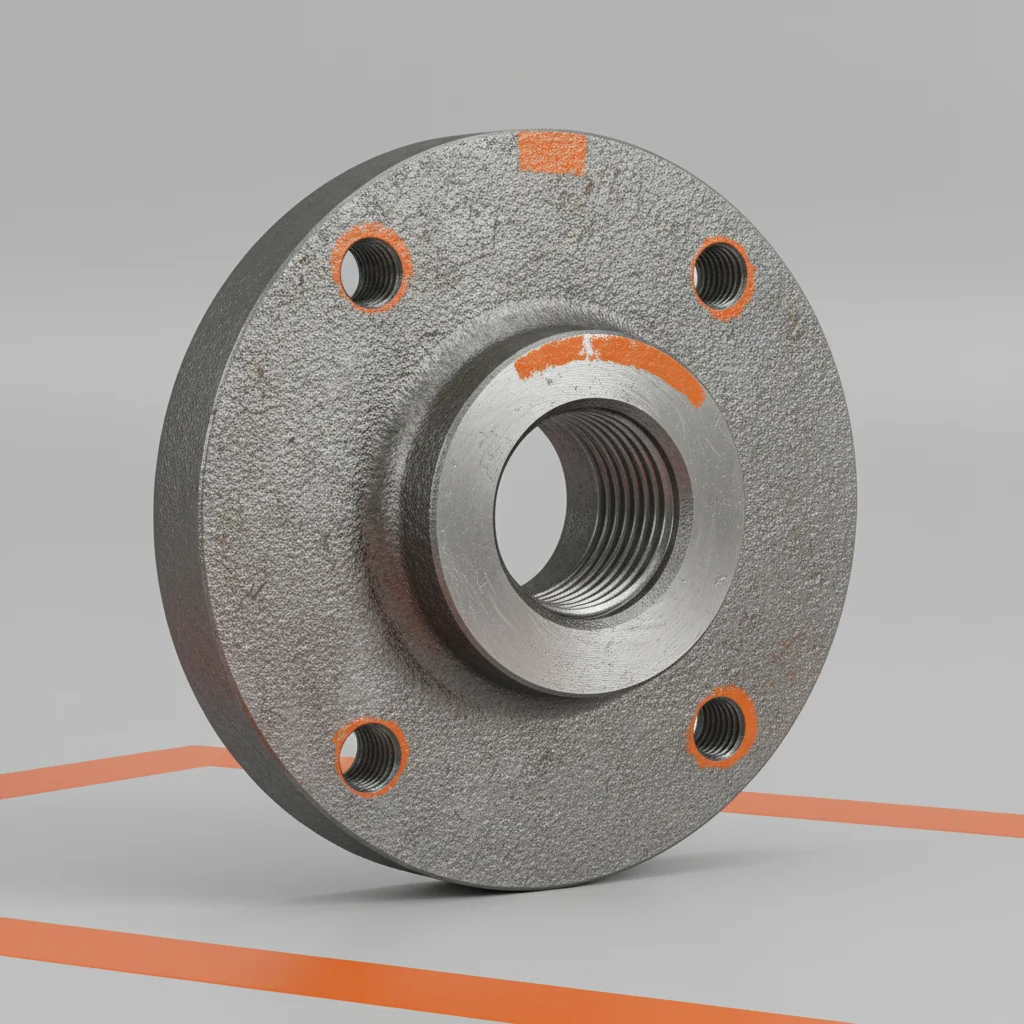
In technical terms, the 4 150 slip on flange dimensions refer to a specific size (4-inch nominal pipe size) and pressure rating (Class 150) for a flange that slides over the pipe before being welded. Unlike weld-neck flanges, the slip-on design allows for easier alignment and is often used in low-to-medium pressure applications where ease of installation is prioritized over maximum stress resistance.
These dimensions encompass the outer diameter of the flange, the diameter of the slip-on bore, the thickness of the flange ring, and the precise spacing of the bolt holes. Every millimeter is calculated to distribute the axial load evenly across the joint, preventing warping or failure when the flange is bolted to a mating surface.
Understanding these parameters is essential when pairing flanges with other pipe fittings. For instance, when a pipeline requires a change in direction, our high-precision 45° elbows are designed to match the same strict ASME standards, ensuring that the transition from a slip-on flange to a directional elbow is seamless and free of turbulent flow.
Core Engineering Factors for Dimensional Stability
Maintaining the integrity of 4 150 slip on flange dimensions requires a deep understanding of metallurgical properties and thermal expansion. When operating in environments ranging from -196°C to over 1000°C, materials like ASTM A234 WPB carbon steel or 316L stainless steel must be selected to ensure that the dimensions do not shift significantly under thermal stress.
Another critical factor is the precision of the machining process. The 4 150 slip on flange dimensions must be held to strict tolerances to prevent "gapping" between the flange face and the gasket. In our fabrication process, we utilize advanced CNC machining to ensure that the bore and face are perfectly concentric, which is the same level of precision we apply to our 45° elbows with their ±0.5° strict tolerance.
Finally, the wall thickness (Schedule) of the accompanying pipe must be compatible with the flange's internal diameter. Whether using Sch 5s or Sch 160, the fit must be snug enough to allow for a secure fillet weld on both the inside and outside of the flange, ensuring that the joint strength is maximized and the risk of leakage is eliminated.
Comparative Performance of Standard Flange Dimensions
When evaluating the effectiveness of various piping components, it is helpful to compare how different dimensional standards impact the overall system performance. The 4 150 slip on flange dimensions offer a balanced approach between cost-efficiency and structural reliability, making them more versatile than high-pressure Class 2500 flanges for general utility services.
The following data illustrates the relative performance ratings of different dimensional configurations in terms of installation speed and pressure stability, highlighting why the Class 150 standard remains a popular choice for diverse industrial applications.
Dimensional Efficiency Rating for 4 150 Slip On Flange Dimensions
Industrial Applications Across Global Sectors
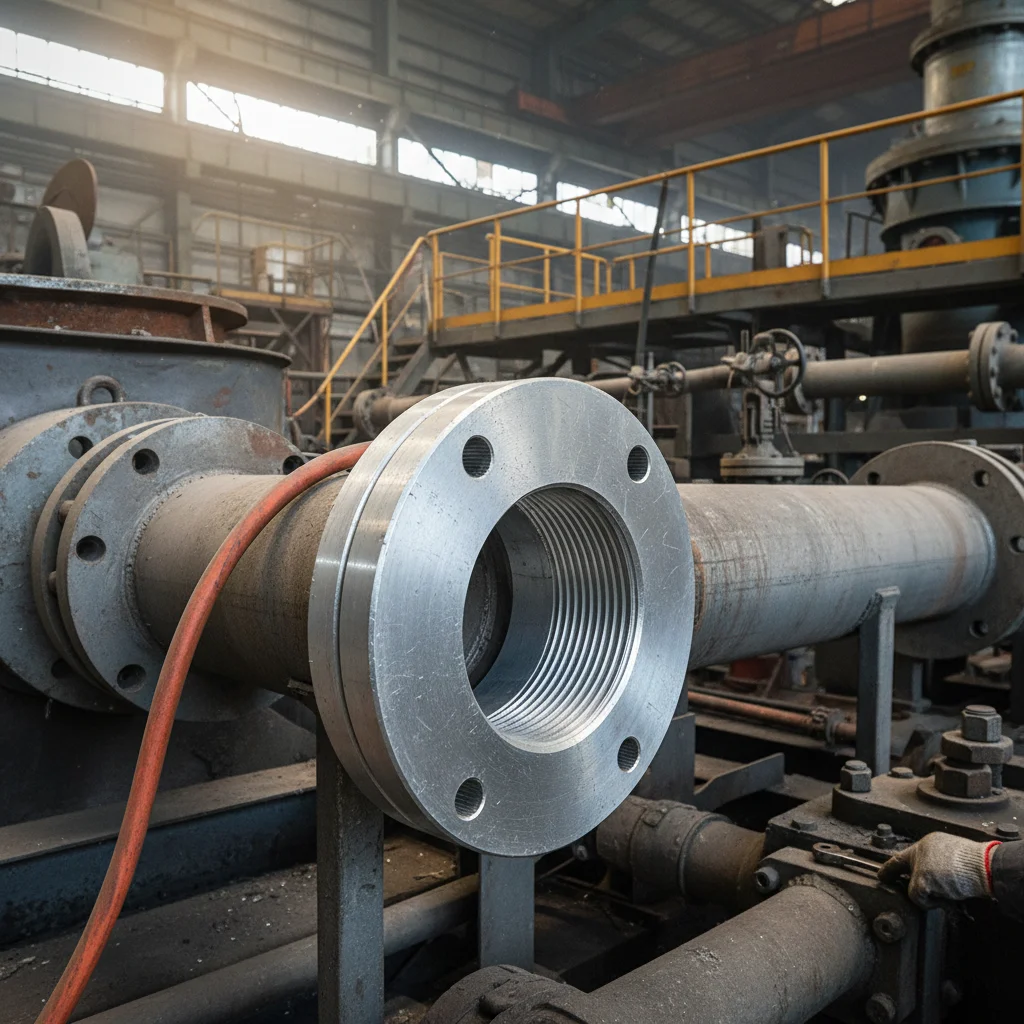
The application of 4 150 slip on flange dimensions spans multiple critical industries. In the petrochemical sector, these flanges are used in low-pressure transport lines for chemical reagents, where the ability to quickly disassemble the line for cleaning or inspection is highly valued. The slip-on design provides the necessary accessibility without compromising the seal.
In the marine and offshore industry, these dimensions are standard for bilge and ballast systems. The robustness of the structural metal fabrication ensures that the joints can withstand the constant vibration of ship engines and the corrosive effects of saltwater, provided that high-grade stainless steels like 316L are employed in the fabrication process.
Long-Term Value and Reliability of Precise Sizing
The long-term value of investing in components that strictly adhere to 4 150 slip on flange dimensions is realized through reduced maintenance costs. A precision-fit flange reduces the likelihood of gasket blowouts and flange face erosion, which are common failure points in systems where dimensions are loosely managed.
Furthermore, the reliability of these components is enhanced when they are integrated into a system with other precision-engineered parts. For example, using a butt-weld 45° elbow in conjunction with a properly dimensioned slip-on flange creates a rigid, leak-proof structure that can withstand the thermal cycling typical of steam power plants.
From a sustainability perspective, precise dimensions mean fewer scrapped parts and less waste during installation. By ensuring a "first-time fit," companies can significantly lower their carbon footprint associated with shipping replacement parts and the energy expended in repeated on-site welding and grinding.
Future Innovations in Flange and Fitting Fabrication
The future of structural metal fabrication is moving toward digital integration and additive manufacturing. We are seeing a shift where 4 150 slip on flange dimensions are being verified through 3D laser scanning and AI-driven quality control, ensuring that every single piece leaving the factory is a perfect replica of the ASME standard.
Moreover, the development of "smart flanges" is on the horizon, where sensors are embedded within the flange dimensions to monitor bolt tension and leak detection in real-time. This digital transformation will allow operators to predict failures before they occur, transforming maintenance from a reactive to a proactive strategy.
As the world shifts toward green energy, the materials used to meet these dimensions are also evolving. We are seeing an increase in the use of high-strength, lightweight alloys that maintain the classic 4 150 slip on flange dimensions while offering superior resistance to hydrogen embrittlement, which is critical for the burgeoning hydrogen economy.
Analysis of Dimensional Compliance and Material Performance
| Material Grade |
Dimensional Tolerance |
Pressure Stability |
Application Suitability |
| ASTM A234 WPB |
±0.5mm |
High |
Oil & Gas Pipelines |
| SS 304/304L |
±0.3mm |
Medium |
Food & Beverage |
| SS 316/316L |
±0.3mm |
High |
Marine/Chemical |
| Alloy Steel WP11 |
±0.5mm |
Very High |
High-Temp Steam |
| Alloy Steel WP22 |
±0.5mm |
Very High |
Power Generation |
| PVC/PPR |
±1.0mm |
Low |
Acid-Alkali Waste |
FAQS
The primary advantage is the ease of installation and lower cost. Because the flange slips over the pipe and requires only fillet welds, it is much easier to align and install, reducing labor hours. However, for extremely high-pressure or critical temperature cycles, weld-neck flanges are typically preferred for their superior strength.
Verify your Nominal Pipe Size (NPS) and the Pressure Class. For a 4" NPS Class 150 system, always refer to ASME B16.5 standards. We recommend checking the outer diameter and the bolt hole circle diameter of your current setup to ensure it aligns perfectly with the standardized dimensions before procurement.
Yes, provided the material is suitable. For cryogenic LNG systems, using stainless steel (like 304L or 316L) ensures that the flange maintains its dimensional integrity at temperatures as low as -196°C. The slip-on design is compatible, but material selection is the deciding factor for safety.
Even a small deviation in 4 150 slip on flange dimensions can lead to uneven bolt tension, which creates "hot spots" of stress on the gasket. This often results in slow leaks or, in worst-case scenarios, a total seal failure during a pressure surge, potentially causing dangerous fluid release.
If the manufacturer follows ASME or ASTM international standards, the dimensions will be consistent. However, quality varies. Premium manufacturers use CNC precision to ensure the dimensions are exactly on target, whereas lower-quality options may deviate, leading to installation difficulties.
Ensure that both the flange and the elbow are rated for the same pressure class and material grade. For example, if you use a Class 150 slip-on flange, pair it with an ASME B16.9 compliant 45° elbow in the same NPS to maintain a consistent flow path and pressure rating throughout the system.
Conclusion
In summary, the mastery of 4 150 slip on flange dimensions is far more than a technical exercise; it is a fundamental requirement for ensuring the safety, reliability, and efficiency of global industrial infrastructure. From the careful selection of metallurgical materials to the strict adherence to ASME tolerances, every detail contributes to a leak-proof system capable of withstanding the most extreme environments.
As the industry evolves toward smarter, more sustainable fabrication methods, the importance of dimensional precision will only grow. We encourage engineers and project managers to prioritize high-precision components—such as our certified flanges and 45° elbows—to guarantee long-term operational success and minimize risk. For more information on precision fittings, visit our website: www.weihuantube.com