When engineering high-pressure fluid systems, the integrity of directional changes often determines the total lifespan of the pipeline. Many procurement managers struggle with the balance between material grade and dimensional precision, where a slight deviation in the radius of a bend can lead to turbulent flow or premature stress corrosion cracking. Selecting a reliable China stainless steel elbow requires more than just checking a material certificate; it demands an understanding of how forging processes impact the internal grain structure of the metal.
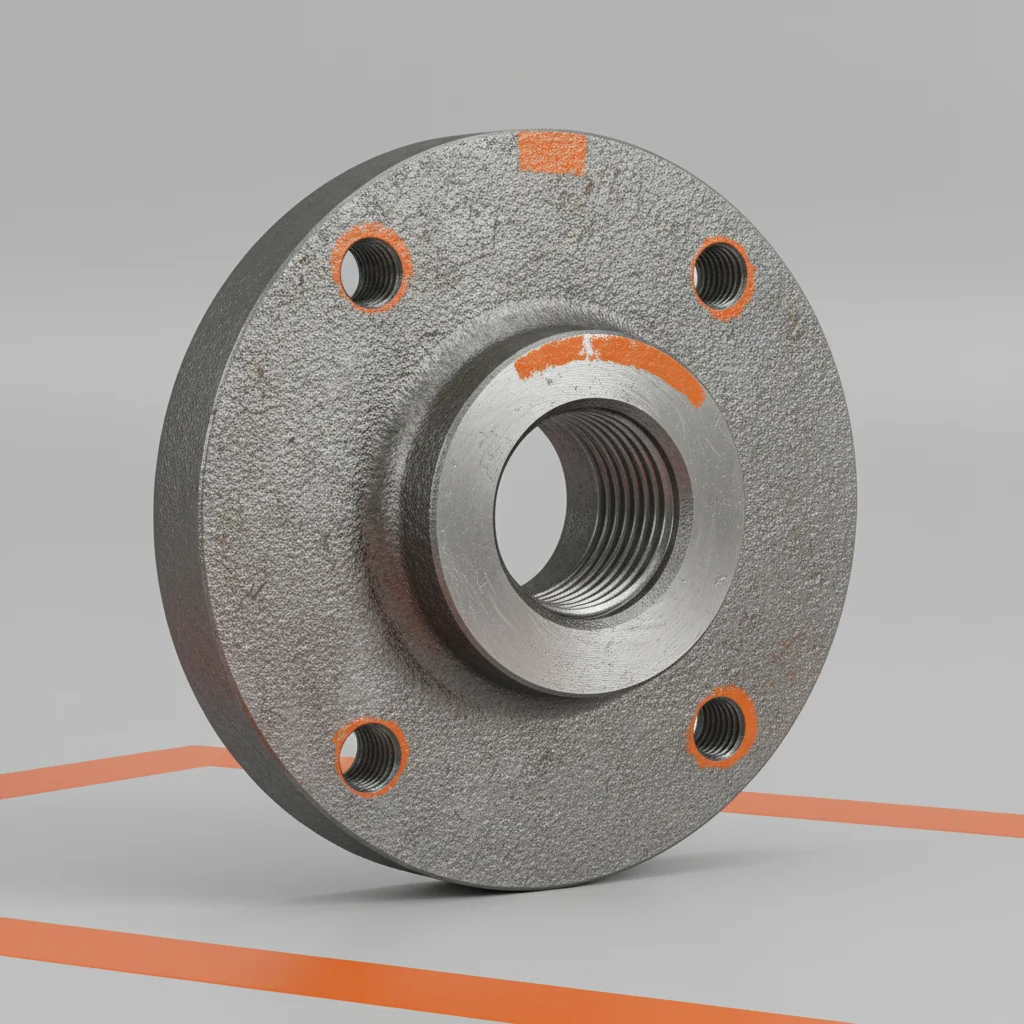
The criticality of these components is amplified in sectors like nuclear power and petrochemicals, where the interaction between the elbow and associated components—such as the Flange, Reducer, or Three-Way Tee—creates a complex stress profile. If the wall thickness is inconsistent or the weld bevel is imprecise, the entire assembly becomes a liability. This is why technical specifications must be aligned with the specific mechanical demands of the fluid medium, whether it is highly corrosive chemicals or high-temperature steam.
To navigate these technical challenges, this analysis examines the engineering standards and procurement variables that define high-performance piping solutions. By evaluating the intersection of metallurgical quality and manufacturing precision, we provide a framework for sourcing a China stainless steel elbow that optimizes both system safety and long-term operational costs.


A high-quality elbow is not merely a bent pipe; it is a precision-engineered component designed to redirect flow while minimizing pressure drop. The manufacturing process—whether through hot forming or mandrel bending—significantly alters the molecular structure of the stainless steel. Proper heat treatment is essential to restore the material's properties after the deformation process, ensuring that the elbow maintains the same strength and corrosion resistance as the straight pipe it connects.
In the context of structural metal fabrication, the consistency of the wall thickness across the bend radius is the primary indicator of quality. Thinning at the outer curve can create a localized weak point, which under high-pressure cycling, becomes the primary site for fatigue failure. Professional manufacturers utilize advanced CNC control to maintain a uniform wall profile, ensuring that the component adheres to strict ASME or DIN standards.
The ability of a piping system to withstand internal pressure depends heavily on the precision of the elbow's geometry and the quality of the weld preparation. Material purity is the first line of defense; impurities in the steel can lead to intergranular corrosion, especially in high-temperature environments. The selection of the correct alloy grade—balancing chromium and nickel content—is vital for maintaining the passive oxide layer that prevents oxidation.
The most critical technical variable is the wall thickness tolerance. In high-pressure systems, a 5% deviation in thickness can result in a significant reduction in the burst pressure rating, making precision machining of the bevel ends mandatory for leak-free welding.
Furthermore, the surface finish of the internal bore plays a decisive role in fluid dynamics. A rough internal surface increases friction, leading to higher pump energy requirements and potential erosion-corrosion. Polished internal bores, common in pharmaceutical and food-grade applications, reduce turbulence and prevent the accumulation of residues, thereby extending the overall system hygiene and efficiency.
Investing in superior stainless steel grades for elbows may increase the initial procurement cost, but the lifecycle value is realized through reduced maintenance intervals. In saltwater or acidic environments, lower-grade alloys suffer from pitting and crevice corrosion, which can lead to catastrophic failures within months of installation. High-molybdenum grades provide a robust shield against these localized attacks.
When comparing different stainless steel series, the decision should be based on the specific chemical exposure and temperature profile of the project. While 304 stainless steel is sufficient for general purpose applications, 316L is often mandated for chemical processing due to its enhanced resistance to chlorides. The long-term ROI is measured by the avoidance of unplanned shutdowns and the cost of emergency replacements.
In nuclear power plants and petrochemical refineries, pipe elbows are subjected to extreme thermal cycling and mechanical vibration. These conditions necessitate the use of components that can absorb stress without cracking. For instance, in the Fuqing Nuclear Power Plant or SINOPEC projects, the demand for absolute reliability means that every elbow must undergo rigorous non-destructive testing, including X-ray and ultrasonic inspections, to verify the absence of internal voids.
The integration of these elbows within a broader system of Steel Pipes, Flanges, and Reducers requires precise alignment. Any forced fit during installation introduces residual stress into the elbow, which accelerates the onset of stress corrosion cracking. Therefore, professional installation involves precise measurements and the use of calibrated alignment tools to ensure that the joint is neutral and the load is distributed evenly across the weld.
The industry is shifting toward a platform-based supply chain model to enhance resilience. This approach integrates digital service platforms for demand docking and technical consulting, allowing for rapid response to custom engineering requirements. By bridging the gap between raw material sourcing and final delivery, manufacturers can optimize lead times and ensure that the technical specifications are meticulously followed from the mill to the site.
Additionally, the adoption of additive manufacturing and advanced laser-cladding technologies is beginning to impact the production of specialized fittings. While traditional forging remains the standard for high-pressure elbows, the ability to create complex internal geometries could soon allow for the reduction of turbulence and pressure drops in specialized chemical reactors.
Sustainability is also becoming a core driver. The focus is moving toward "green steel" production and the optimization of material usage to reduce scrap. By implementing more precise forging dies and utilizing recycled high-grade stainless scrap, the industry is working to lower the carbon footprint of structural metal products without compromising the mechanical integrity of the final components.
The most significant risk in sourcing pipe fittings is the "specification gap," where a supplier provides a product that meets the nominal size but fails on critical tolerances or material chemistry. This often occurs when buyers prioritize the lowest price over verified certifications. To mitigate this, procurement teams should demand full mill test reports (MTRs) and conduct third-party inspections before shipment.
Another common challenge is the lack of compatibility between elbows from different manufacturers. Variations in the bevel angle or wall thickness can complicate the welding process, leading to poor joint penetration. Establishing a long-term partnership with a single, verified supply chain partner ensures consistency in manufacturing tolerances and simplifies the quality control process across a large-scale project.
Finally, logistics volatility can jeopardize project timelines. Strategic sourcing involves consolidating multiple product lines—such as elbows, flanges, and tees—into a single shipment. This not only reduces freight costs but also ensures that all components arrive simultaneously, preventing delays in the assembly phase of the pipeline construction.
| Risk Factor | Impact Level | Primary Symptom | Mitigation Strategy |
|---|---|---|---|
| Material Grade | Critical | Pitting/Corrosion | Verify MTR & PMI Test |
| Wall Thickness | High | Pressure Failure | Ultrasonic Gauging |
| Dimensional Accuracy | Medium | Fit-up Issues | CNC Gauge Inspection |
| Surface Finish | Low | Flow Turbulence | Bore Roughness Check |
| Certification Gap | High | Customs Rejection | ISO 9001 Audit |
| Logistics Delay | Medium | Project Stoppage | Consolidated Shipping |
A long-radius (LR) elbow has a radius 1.5 times the nominal pipe size, which reduces friction and pressure drop, making it ideal for high-flow systems. A short-radius (SR) elbow has a radius equal to the nominal size, offering a more compact turn for tight spaces but increasing the pressure loss. The choice depends on whether your priority is hydraulic efficiency or space optimization.
Material quality should be verified through a combination of Mill Test Reports (MTRs) and Positive Material Identification (PMI) testing. MTRs provide the chemical composition and mechanical properties from the steel mill, while PMI testing using XRF analyzers on the actual delivered parts confirms that the material matches the documentation and hasn't been substituted with a lower grade.
Yes, but the specific grade must be chosen based on the temperature. While 304 and 316 are common, extreme temperatures may require stabilized grades like 321 or 347 to prevent carbide precipitation and subsequent intergranular corrosion. It is essential to check the temperature-pressure ratings specified in the ASME B31.3 process piping code.
The most common causes include erosion-corrosion at the outer curve due to high-velocity fluid, stress corrosion cracking (SCC) caused by chloride exposure under tension, and fatigue failure from mechanical vibration. These can be mitigated by selecting the correct alloy grade, optimizing the flow velocity, and ensuring proper support and anchoring of the piping system.
Forged elbows are generally superior for high-pressure and critical applications because the forging process creates a denser, more uniform grain structure that enhances strength. Pressed or bent elbows are more cost-effective for low-pressure, non-critical utility lines. For any system involving hazardous materials or high pressures, forged components are the industry standard for safety.
The weld bevel ensures full penetration of the weld bead into the joint, which is critical for maintaining the pressure rating of the system. An improper bevel can lead to "lack of fusion" defects, creating a stress concentrator that can trigger a leak or a burst under pressure. Precision machining of the ends is required to ensure a seamless transition between the elbow and the pipe.
The reliability of a fluid transport system is only as strong as its weakest connection. As we have analyzed, the selection of a China stainless steel elbow must go beyond price and nominal size, focusing instead on metallurgical integrity, wall thickness consistency, and strict adherence to international standards. Whether deployed in a petrochemical plant or a nuclear facility, the technical precision of the bend directly affects the system's pressure retention and corrosion lifespan.
For procurement professionals and engineers seeking to optimize their piping infrastructure, partnering with a supply chain expert who understands the nuances of structural metal fabrication is essential. For detailed technical specifications or a customized quote for your next project, you can explore the professional solutions available at www.weihuantube.com to ensure your system meets the highest safety and performance benchmarks.