The integration of precision-engineered components like the 150 slip on flange is critical for maintaining the structural integrity of industrial piping networks. In the world of metal fabrication, the ability to securely connect pipes while allowing for slight misalignments is a fundamental requirement for reducing installation stress and ensuring long-term operational safety. Understanding the nuances of these components allows engineers to optimize fluid transport systems across diverse sectors.
Globally, the demand for high-standard welded steel pipes and their corresponding connection hardware is driven by the expansion of energy infrastructure and urban development. Whether it is oil and gas transmission or complex chemical processing, the synergy between a high-quality pipe and a 150 slip on flange determines the system's resistance to pressure surges and environmental corrosion. This relationship is central to preventing catastrophic leaks and minimizing industrial downtime.
By focusing on the intersection of material science and precision manufacturing, industries can achieve a higher return on investment (ROI) through extended service life and lower maintenance costs. The shift toward stringent international standards, such as ASTM and API, ensures that every 150 slip on flange and longitudinal welded pipe performs predictably under extreme temperatures and high-pressure conditions, safeguarding both personnel and the environment.

Global Industrial Relevance of 150 Slip On Flange
In the contemporary global industrial landscape, the 150 slip on flange serves as a vital node in the infrastructure of fluid and gas transportation. According to ISO standards and industrial benchmarks, the precision of the connection point is often the primary failure point in pressurized systems. By employing standardized slip-on designs, industries can ensure a level of interchangeability and reliability that is essential for multinational projects spanning several continents.
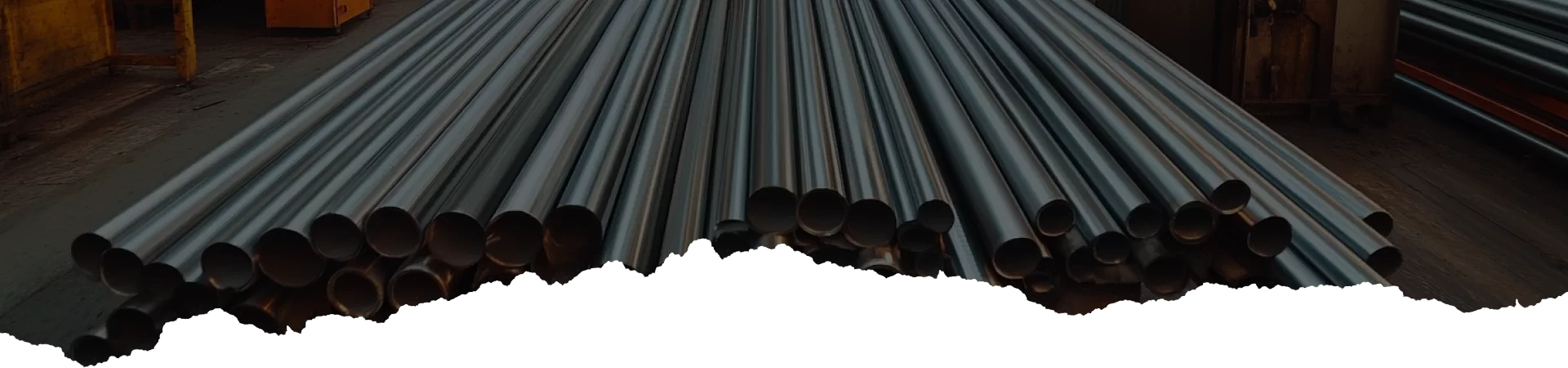
The challenge addressed by the 150 slip on flange is the inherent rigidity of welded steel pipes. While longitudinal welded pipes provide the strength needed for long-distance transport, the transition to valves or equipment requires a flexible yet secure fastening method. This component bridges that gap, allowing for rapid assembly and maintenance without compromising the high-pressure ratings required by API 5L or ASTM A53 specifications.
Technical Definition and Functional Utility
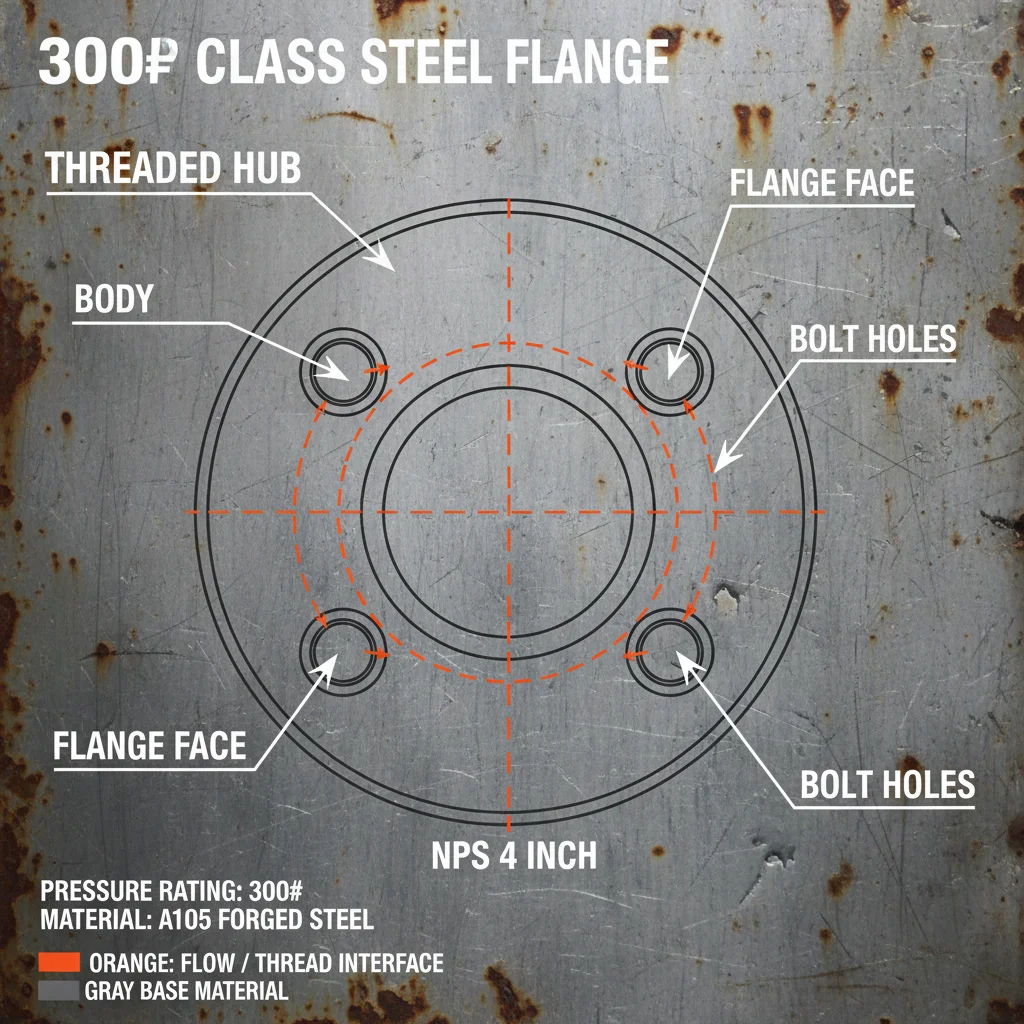
A 150 slip on flange is a specialized piping component designed to slide over the end of a pipe, where it is then fillet-welded both inside and outside. This design is particularly valued in industrial settings because it requires less precision in pipe cutting compared to weld-neck flanges, as the flange itself provides the necessary sealing surface.
From a functional standpoint, these components are indispensable for modern humanitarian and infrastructure needs, such as the rapid deployment of water treatment plants in disaster-stricken areas or the construction of urban sewage systems. The ease of installation provided by the slip-on mechanism reduces labor hours and allows for faster system commissioning, which is critical when time-sensitive infrastructure is required.
Connecting these flanges to high-performance longitudinal welded steel pipes ensures a robust seal. When paired with materials like Carbon Steel (A53-B) or Stainless Steel (304/316), the 150 slip on flange assembly can withstand significant tensile and yield strengths, typically exceeding 355 MPa and 245 MPa respectively, ensuring the system remains leak-proof under operational stress.
Core Components for Pipeline Integrity
Durability is the primary factor when selecting a 150 slip on flange. The structural integrity of the flange must complement the wall thickness (Sch10 to Sch160) of the accompanying steel pipes. By utilizing materials with optimized grain structures through normalization and tempering, the assembly resists fatigue and cracking even under cyclic pressure loads.
Scalability and precision are achieved through CNC forming equipment. A 150 slip on flange must adhere to strict dimensional tolerances (OD: ±0.5%) to ensure a precise fit. This precision minimizes the need for field adjustments, which often introduce weaknesses into the weld seam, thereby maintaining the "zero-defect" assurance sought in high-pressure environments.
Corrosion resistance is the final pillar of integrity. For the 150 slip on flange to be effective in marine or acid environments, it must be compatible with coatings such as 3PE (three-layer polyethylene) or hot-dip galvanizing. This ensures that the joint does not become the "weak link" where oxidation begins, extending the overall service life of the pipeline.
Performance Metrics and Material Comparison
Evaluating the performance of a 150 slip on flange involves comparing different material grades and welding processes. While ERW (Electric Resistance Welding) is efficient for smaller diameters, SAW (Submerged Arc Welding) is the gold standard for the thick-walled pipes that typically interface with heavy-duty flanges, providing deeper penetration and superior strength.
The operational efficiency of the 150 slip on flange is often measured by its installation speed versus its safety rating. High-precision pipes reduce the installation cost because the precise fit of the flange requires less manual adjustment, leading to a significant increase in overall ROI.
Efficiency Ratings for 150 Slip On Flange Integration
Real-World Applications Across Sectors
In the oil and gas sector, the 150 slip on flange is extensively used in transmission pipelines and deep-sea platforms. Here, the combination of API 5L pipes and precision flanges allows for the transport of hydrocarbons under immense pressure. The use of 3PE coatings on these joints is critical to prevent saltwater corrosion, ensuring the safety of the ocean ecosystem.
Beyond energy, the 150 slip on flange finds critical application in urban infrastructure. From municipal water mains to industrial HVAC systems, the ability to quickly disassemble sections of a pipe for cleaning or repair—made possible by the flanged connection—minimizes service disruptions for thousands of citizens in densely populated cities.
Long-Term Value and Sustainability
The long-term value of implementing a high-precision 150 slip on flange lies in the reduction of lifecycle costs. While lower-grade components may offer initial savings, the "Extended Service Life" provided by high-precision manufacturing and anti-corrosion layers significantly lowers the frequency of maintenance. This shift from reactive to proactive maintenance is a cornerstone of sustainable industrial management.
From a safety perspective, the use of 100% X-ray and UT ultrasonic testing on the weld seams connecting the pipe to the 150 slip on flange provides an "Ultra-High" safety rating. In industries where a single leak can lead to environmental disaster or loss of life, this level of quality assurance is not just a technical requirement but a moral imperative.
Furthermore, the use of specialized low-temperature steels (ASTM A333) in conjunction with these flanges allows for operations in cryogenic environments (down to -196℃). This capability is essential for the burgeoning liquid hydrogen and LNG markets, positioning the 150 slip on flange as a key enabler of the green energy transition.
Future Trends in Flange Manufacturing
The future of the 150 slip on flange is being shaped by digital transformation and automation. Smart manufacturing is introducing real-time monitoring of welding parameters, ensuring that every fillet weld on a slip-on flange is consistent. This reduces human error and ensures that the structural integrity is uniform across thousands of units in a single project.
Moreover, the industry is moving toward "Green Steel" and sustainable alloys. The next generation of the 150 slip on flange will likely incorporate materials with lower carbon footprints during production, without sacrificing the tensile strength or corrosion resistance required by API and ASTM standards.
Finally, the integration of IoT sensors into flange assemblies is becoming a reality. Imagine a 150 slip on flange that can alert operators to a pressure drop or a corrosion breach in real-time. This evolution from a passive metal component to an active monitoring node will revolutionize pipeline safety and efficiency.
Comparative Analysis of 150 Slip On Flange Specifications
| Material Grade |
Temp Resistance |
Corrosion Rating |
Pressure Suitability |
| Carbon Steel (A53-B) |
Standard Industrial |
Moderate (Req. Coating) |
High |
| Low Alloy (X65) |
High Strength |
Moderate |
Ultra-High |
| Stainless (316L) |
Wide Range |
Excellent |
Moderate-High |
| Low Temp (A333) |
-196℃ to 40℃ |
Moderate |
High |
| Custom Wear-Resistant |
High Thermal |
High |
Moderate |
| Galvanized Carbon |
Standard Industrial |
High (External) |
High |
FAQS
The primary advantage is ease of installation and cost. A 150 slip on flange slides over the pipe and is welded, requiring less precise pipe-end preparation. This reduces labor costs and installation time, making it ideal for low to medium pressure applications where the extreme strength of a weld neck is not required.
Yes, provided the material is specifically selected for low temperatures. When paired with ASTM A333 grade steel, the flange assembly can maintain its toughness and structural integrity in environments ranging from -45℃ down to -196℃, which is essential for LNG and liquid hydrogen transport.
Quality is ensured through a comprehensive NDT (Non-Destructive Testing) protocol. This includes 100% X-ray inspection of the weld seams, UT ultrasonic testing, and ET eddy current testing to detect any internal defects or porosity, followed by a hydrostatic pressure test (typically ≥ 2.45 MPa).
For marine applications, we recommend 3PE (three-layer polyethylene) coatings, hot-dip galvanizing, or epoxy coal tar pitch. These layers provide a robust barrier against saltwater and soil acidity, preventing oxidation and ensuring the long-term stability of the connection.
Absolutely. They are designed to work in tandem with API 5L (PSL1 and PSL2) pipes. By matching the material grade and wall thickness of the pipe with the flange, engineers can create a high-pressure system that meets international oil and gas transmission standards.
Yes, we provide extensive customization support. We can manufacture flanges based on project-specific technical drawings, incorporating non-standard diameters, custom wall thicknesses, or specialized wear-resistant materials to meet unique industrial requirements.
Conclusion
In summary, the 150 slip on flange is far more than a simple connector; it is a critical component that ensures the safety, efficiency, and longevity of industrial piping systems. By combining high-precision manufacturing with rigorous international standards like ASTM and API, these components enable the secure transport of fluids and gases across the most demanding environments on earth. The synergy of superior materials, advanced welding processes (ERW/SAW), and robust anti-corrosion coatings results in a system that maximizes ROI while minimizing operational risk.
Looking forward, the integration of smart materials and digital monitoring will further elevate the role of flanged connections in global infrastructure. For engineers and procurement managers, prioritizing precision and certified quality in the selection of the 150 slip on flange is the most effective way to ensure sustainable and leak-free operations. We invite you to explore our full range of high-performance piping solutions. Visit our website: www.weihuantube.com