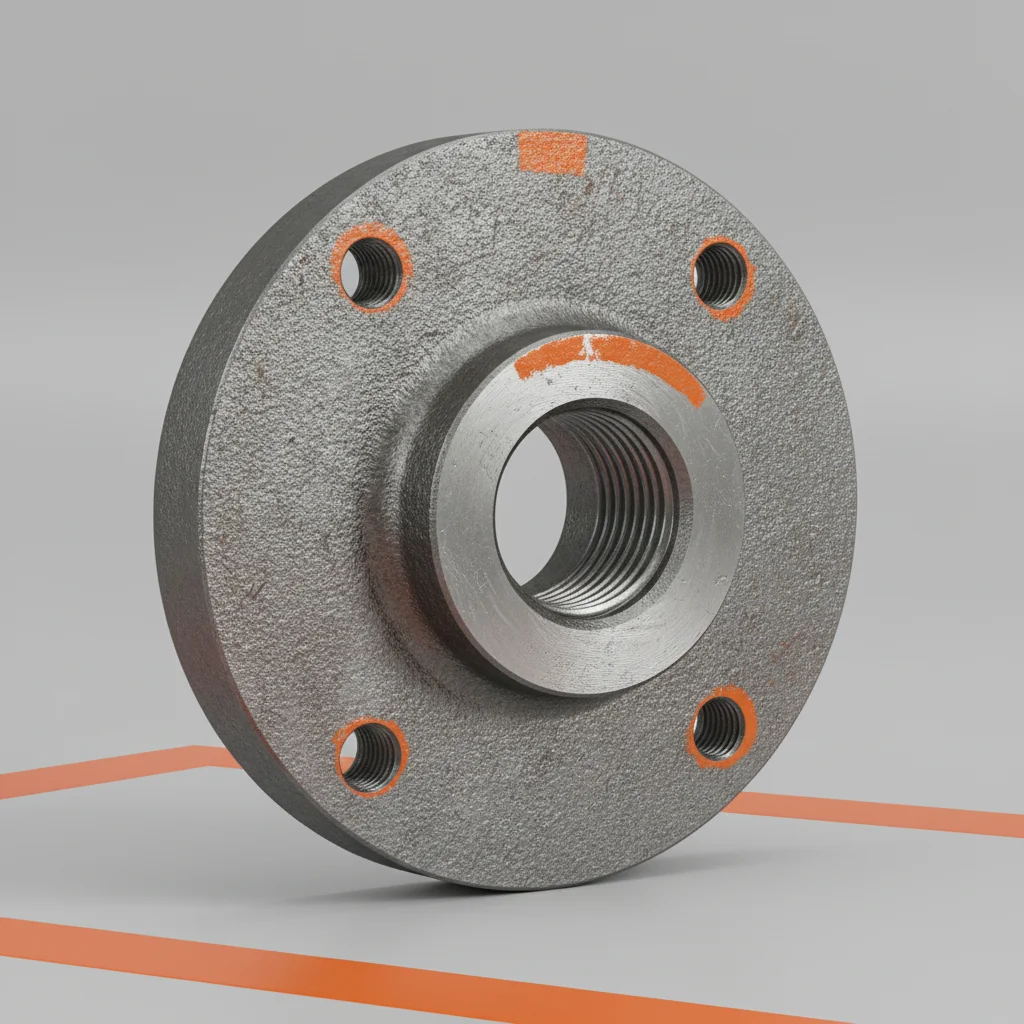
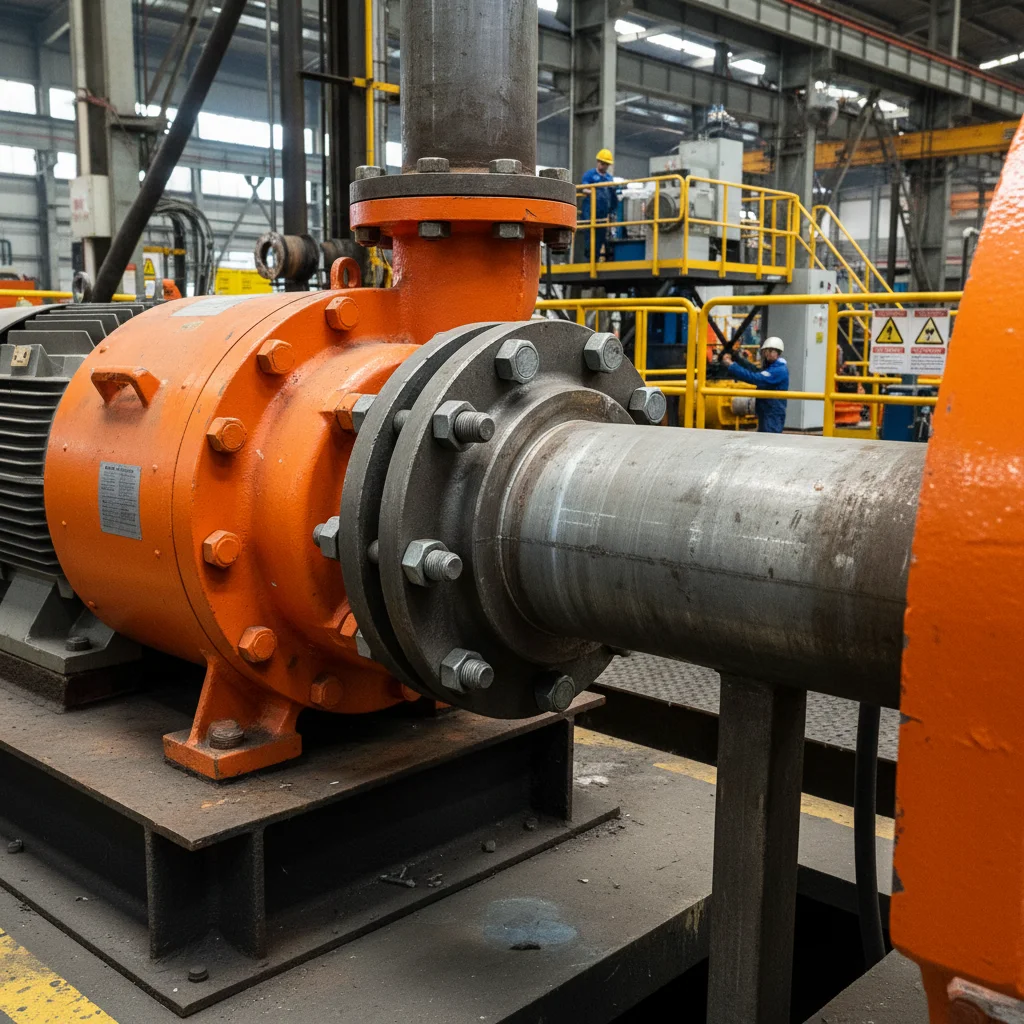
The 8 threaded flange serves as a critical junction in modern piping systems, bridging the gap between rigid structural integrity and the need for flexible, maintainable connections. In the high-stakes environment of industrial metal fabrication, choosing the right flange size and connection type is not merely a technical detail but a safety imperative that prevents leaks and system failures.
Globally, the demand for precision-engineered components like the 8 threaded flange has surged as infrastructure in the energy, chemical, and water treatment sectors undergoes massive modernization. These components allow for rapid installation and disassembly, making them indispensable for systems that require frequent inspection or modular upgrades without the need for costly welding on-site.
Understanding the nuances of the 8 threaded flange—from its material composition to its pressure ratings—empowers engineers and procurement specialists to optimize system performance while reducing long-term operational costs. By integrating these components correctly, industries can achieve a seamless balance between durability and operational agility.
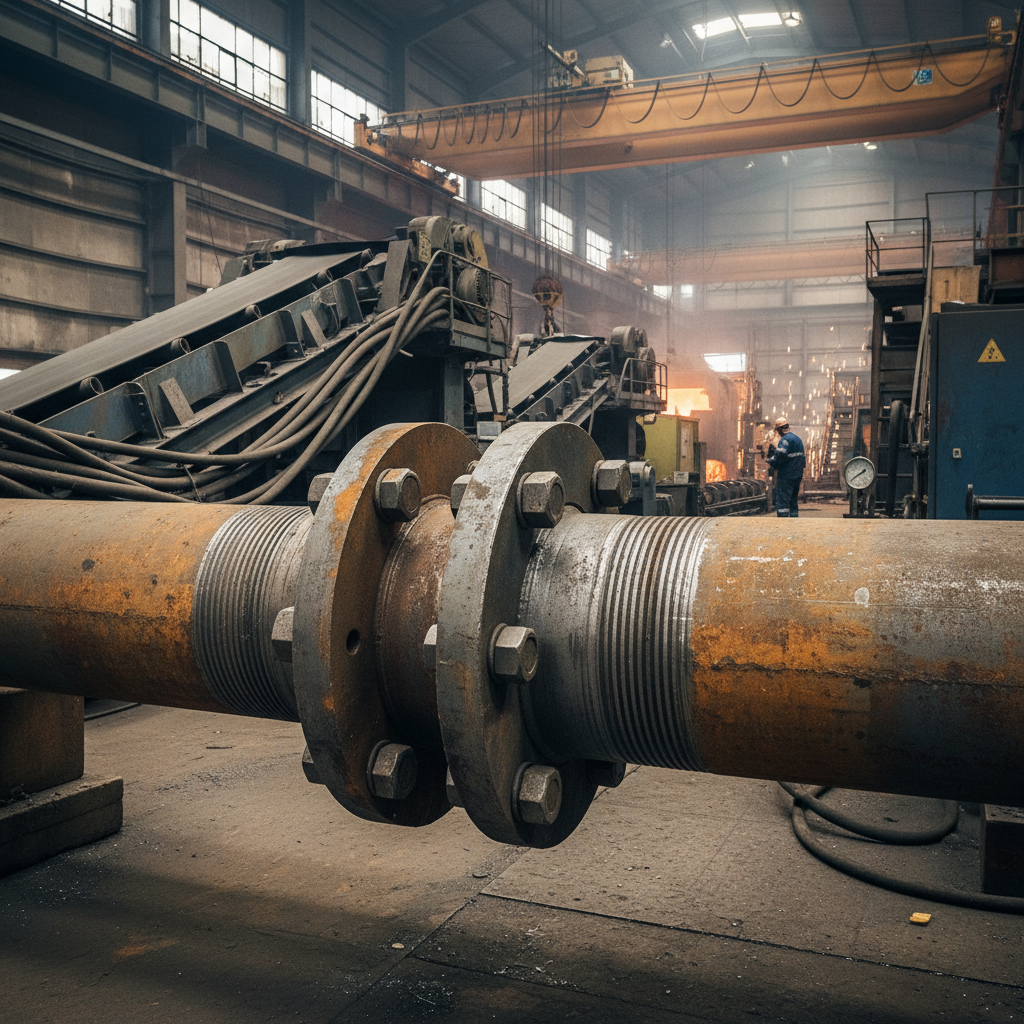
Global Industry Relevance of 8 Threaded Flange
In the context of international trade and industrial standards, the 8 threaded flange is more than just a piece of hardware; it is a standardized solution that ensures interoperability across borders. Following ISO and ASME guidelines, these flanges allow a plant in Southeast Asia to utilize components manufactured in Europe or North America, facilitating a global supply chain for the structural metal products industry.
The critical challenge addressed by the 8 threaded flange is the reduction of downtime during maintenance. In sectors like petrochemicals, where every hour of unplanned shutdown can cost millions, the ability to quickly unscrew a connection rather than cutting and re-welding steel pipes is a game-changer for operational efficiency and worker safety.
Technical Definition and Industrial Meaning
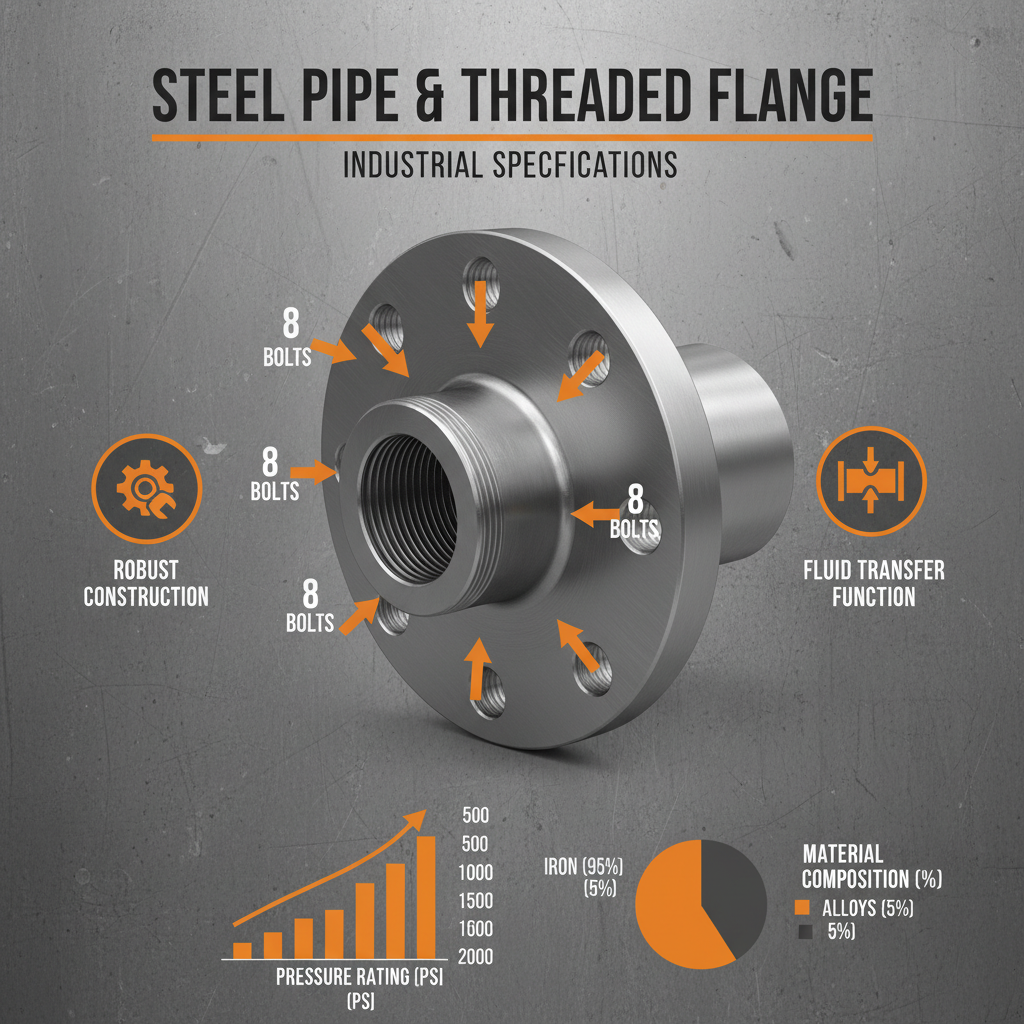
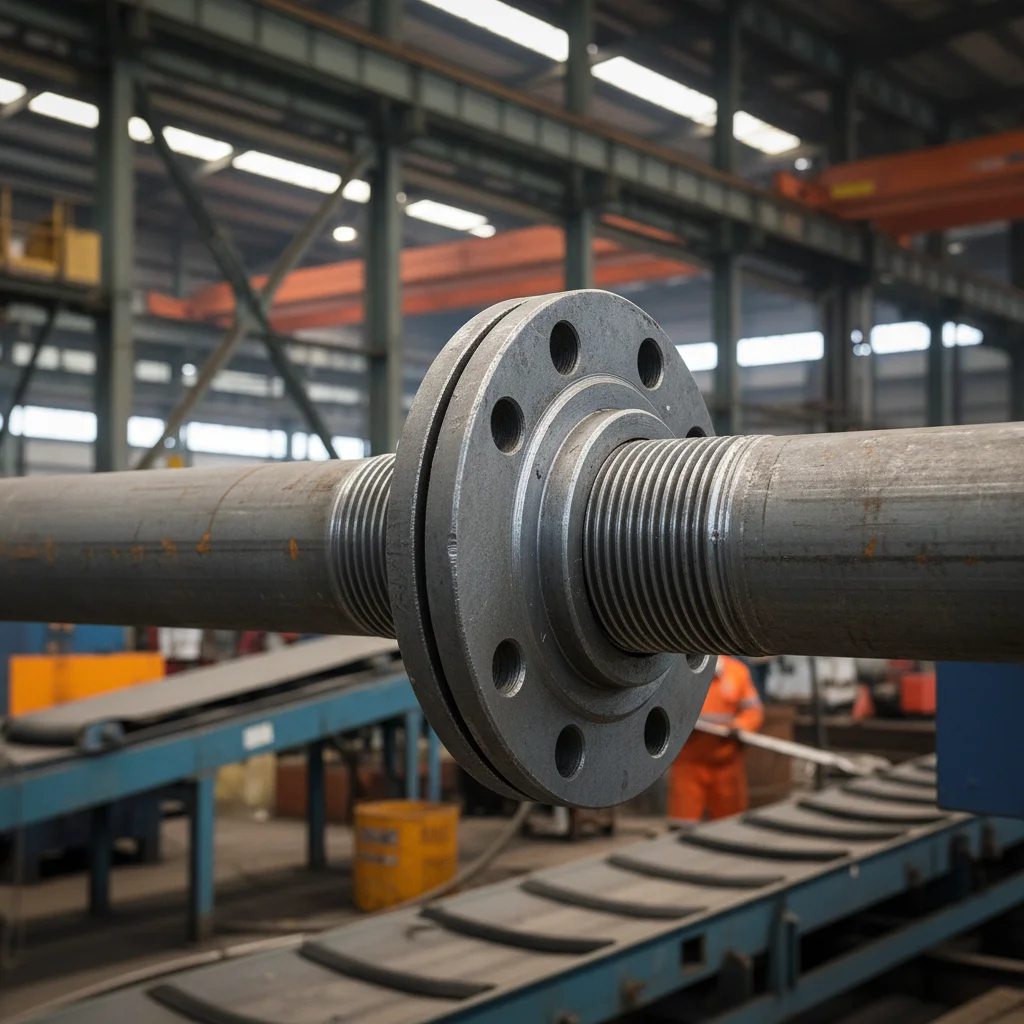
An 8 threaded flange is a specialized piping component designed to connect a pipe to a valve, pump, or another pipe using screw threads rather than welding or socketing. The "8" typically refers to the nominal pipe size (NPS), ensuring that the internal diameter and the external threading align perfectly with corresponding 8-inch piping systems to maintain consistent flow rates and pressure.
Beyond the physical dimensions, this component represents a philosophy of "modular engineering." In modern industrialization, the shift toward pre-fabricated modules means that the 8 threaded flange provides the necessary interface for assembling complex systems in a controlled factory environment before shipping them to remote installation sites.
From a humanitarian and developmental perspective, these flanges are vital for rapidly deploying water purification and sanitation systems in developing regions. Because they do not require high-energy welding equipment for installation, they allow local technicians to build and repair critical infrastructure using basic mechanical tools, fostering local autonomy and sustainability.
Core Components and Performance Factors
The durability of an 8 threaded flange is primarily determined by its material grade. Whether forged from carbon steel for general industrial use or stainless steel for corrosive environments, the metallurgical integrity ensures that the flange can withstand extreme thermal expansion and contraction without compromising the seal.
Precision threading is the most critical factor for leak prevention. A high-quality 8 threaded flange must adhere to strict tolerances to ensure that the threads engage fully and evenly, distributing the mechanical load across the entire connection surface and preventing the "galling" often seen in inferior metallic products.
Scalability and cost-efficiency are also central to the design. By using an 8 threaded flange, plant managers can easily scale their systems upward by adding additional branches or replacing old valves with higher-capacity models, all while maintaining a standardized footprint that simplifies inventory management.
Global Applications and Strategic Use Cases
The versatility of the 8 threaded flange allows it to be deployed in diverse environments, from the deep-sea oil platforms of the Gulf of Mexico to the sprawling chemical complexes of Germany. In these settings, the flange acts as the primary security point for transporting hazardous fluids, where a single failure could lead to environmental catastrophe.
In remote industrial zones, such as mining operations in the Australian Outback, the 8 threaded flange is preferred because it eliminates the need for certified welding teams to be permanently on-site for minor repairs. This logistics advantage significantly reduces the overhead costs of maintaining remote infrastructure.
Efficiency Comparison of 8 Threaded Flange Connection Methods
Long-Term Value and Economic Advantages
Investing in a premium 8 threaded flange provides tangible long-term value by reducing the "Total Cost of Ownership" (TCO). While a lower-grade flange might seem cheaper initially, the cost of a single leak—including product loss, environmental cleanup, and potential fines—far outweighs the initial savings.
Furthermore, the reliability of these components fosters a culture of trust and safety within a facility. When workers know that every 8 threaded flange in the system is manufactured to exact specifications, they can operate with confidence, knowing that the infrastructure is designed for maximum stability and risk mitigation.
Future Trends in Flange Manufacturing
The future of the 8 threaded flange is being shaped by the digital transformation of the manufacturing sector. Industry 4.0 is introducing "smart flanges" embedded with IoT sensors that can monitor pressure and vibration in real-time, alerting operators to potential thread fatigue before a failure occurs.
Material science is also evolving, with the development of advanced composite coatings that protect the 8 threaded flange from extreme acidity and alkalinity. These innovations are crucial for the transition to green energy, particularly in hydrogen transport systems where material embrittlement is a significant concern.
Additionally, the push toward sustainability is driving the adoption of "green steel" in the production of flanges. By utilizing electric arc furnaces powered by renewable energy, the carbon footprint of producing an 8 threaded flange is drastically reduced, aligning industrial growth with global climate goals.
Common Challenges and Expert Solutions
One of the most common challenges encountered with the 8 threaded flange is "over-tightening," which can deform the threads and create permanent leak paths. Expert installers recommend the use of calibrated torque wrenches and specific thread sealants to ensure a tight fit without compromising the structural integrity of the metal.
Another limitation is the susceptibility to corrosion in salt-heavy coastal environments. To overcome this, we suggest the application of galvanization or the use of high-nickel alloys. Switching to a duplex stainless steel 8 threaded flange often provides the best balance of strength and corrosion resistance for maritime applications.
Lastly, ensuring compatibility between different threading standards (such as NPT vs. BSPT) remains a frequent source of error. The solution lies in rigorous procurement documentation and the use of verification gauges during the receiving process to ensure that every 8 threaded flange matches the system's specific engineering requirements.
Technical Analysis and Comparison of 8 Threaded Flange Specifications
| Material Grade |
Pressure Rating |
Corrosion Resistance |
Application Suitability |
| Carbon Steel A105 |
High (Class 150-600) |
Moderate |
Oil & Gas Pipelines |
| Stainless Steel 304 |
Medium |
High |
Food & Beverage |
| Stainless Steel 316 |
Medium |
Very High |
Chemical Processing |
| Alloy Steel F5 |
Very High |
High |
High-Temp Steam |
| Duplex Steel |
High |
Extreme |
Offshore Drilling |
| Cast Iron |
Low to Medium |
Low |
Water Distribution |
FAQS
The primary advantage is ease of installation and maintenance. An 8 threaded flange allows for quick assembly and disassembly using standard tools, eliminating the need for expensive welding equipment and certified welders. This significantly reduces downtime during system repairs or when upgrading components in a piping network.
To ensure a leak-proof seal, it is critical to use high-quality thread sealants or PTFE tape. More importantly, utilize a calibrated torque wrench to tighten the flange to the manufacturer's specified torque. Over-tightening can strip the threads, while under-tightening leads to seepage; precision is key to a secure connection.
For saltwater or highly corrosive maritime environments, Stainless Steel 316 or Duplex Stainless Steel is highly recommended. These materials contain molybdenum, which provides superior resistance to pitting and crevice corrosion caused by chlorides, ensuring the flange maintains its structural integrity over many years.
Yes, provided the correct material grade (such as Alloy Steel F5) and pressure class are selected. Threaded connections are generally suitable for lower to medium pressures, but for extreme high-pressure steam, engineers often recommend forged alloys that can handle thermal expansion without losing the seal at the thread interface.
The easiest way is to check the manufacturer's markings or use a thread pitch gauge. NPT (National Pipe Tapered) is common in North America and has a different thread angle and pitch compared to BSPT (British Standard Pipe Tapered), which is widely used in Europe and Asia. Mixing these two will lead to immediate leaks.
It is compatible with all 8-inch pipes that share the same threading standard and wall thickness specifications. Always verify the "Schedule" of the pipe to ensure the internal diameter aligns with the flange's bore, preventing turbulence or restricted flow within the system.
Conclusion
In summary, the 8 threaded flange stands as a cornerstone of industrial piping, offering a unique blend of versatility, rapid deployability, and robust security. From ensuring the safety of hazardous chemical transport to enabling the quick setup of vital water infrastructure, its role in the structural metal industry is indispensable. By focusing on material quality and precision installation, operators can maximize the lifespan and efficiency of their entire piping network.
As we move toward a future of smarter, greener industrialization, the evolution of the 8 threaded flange—through IoT integration and sustainable metallurgy—will continue to drive global productivity. For those seeking to optimize their infrastructure, investing in high-specification components is the most effective way to guarantee long-term operational success. Visit our website for more professional solutions: www.weihuantube.com