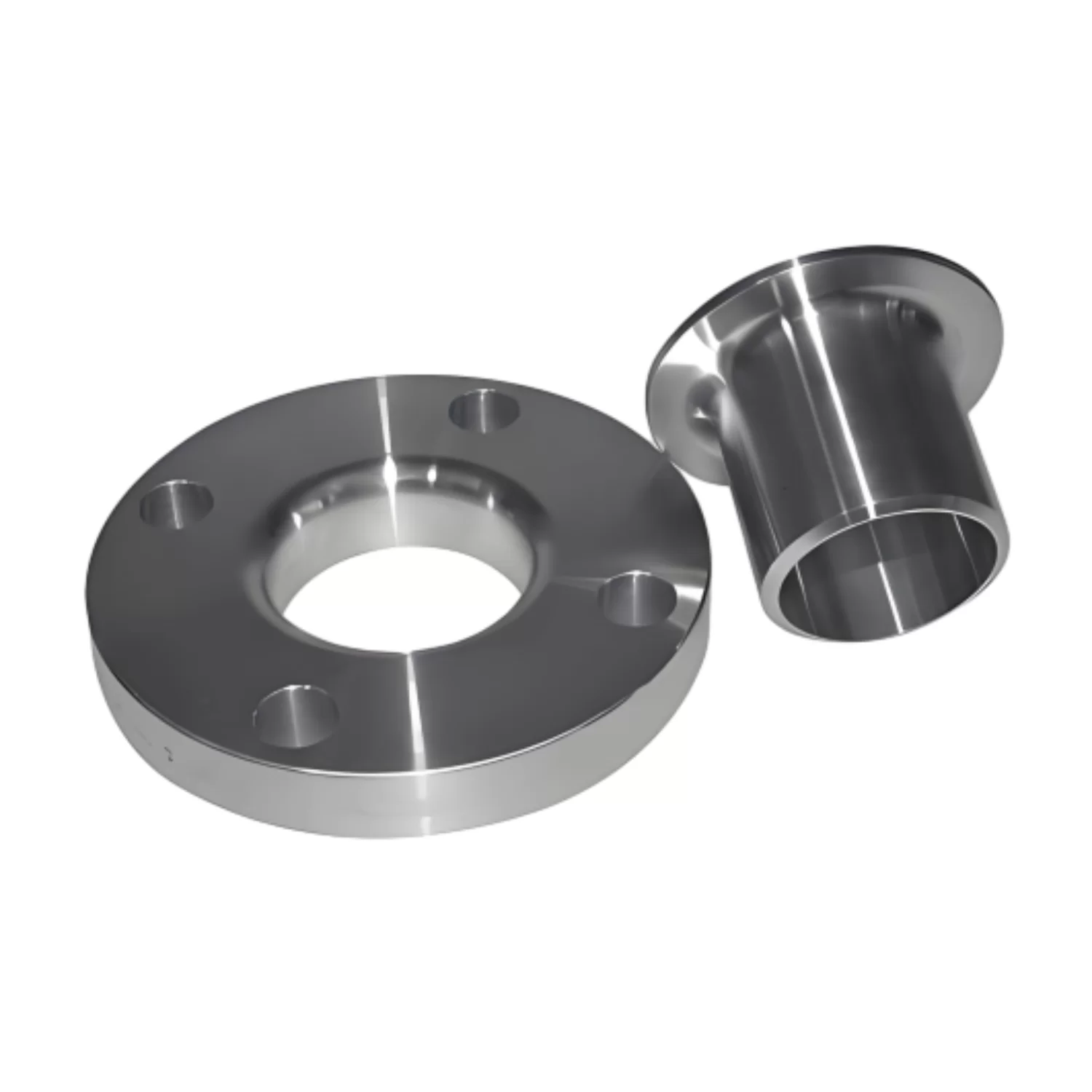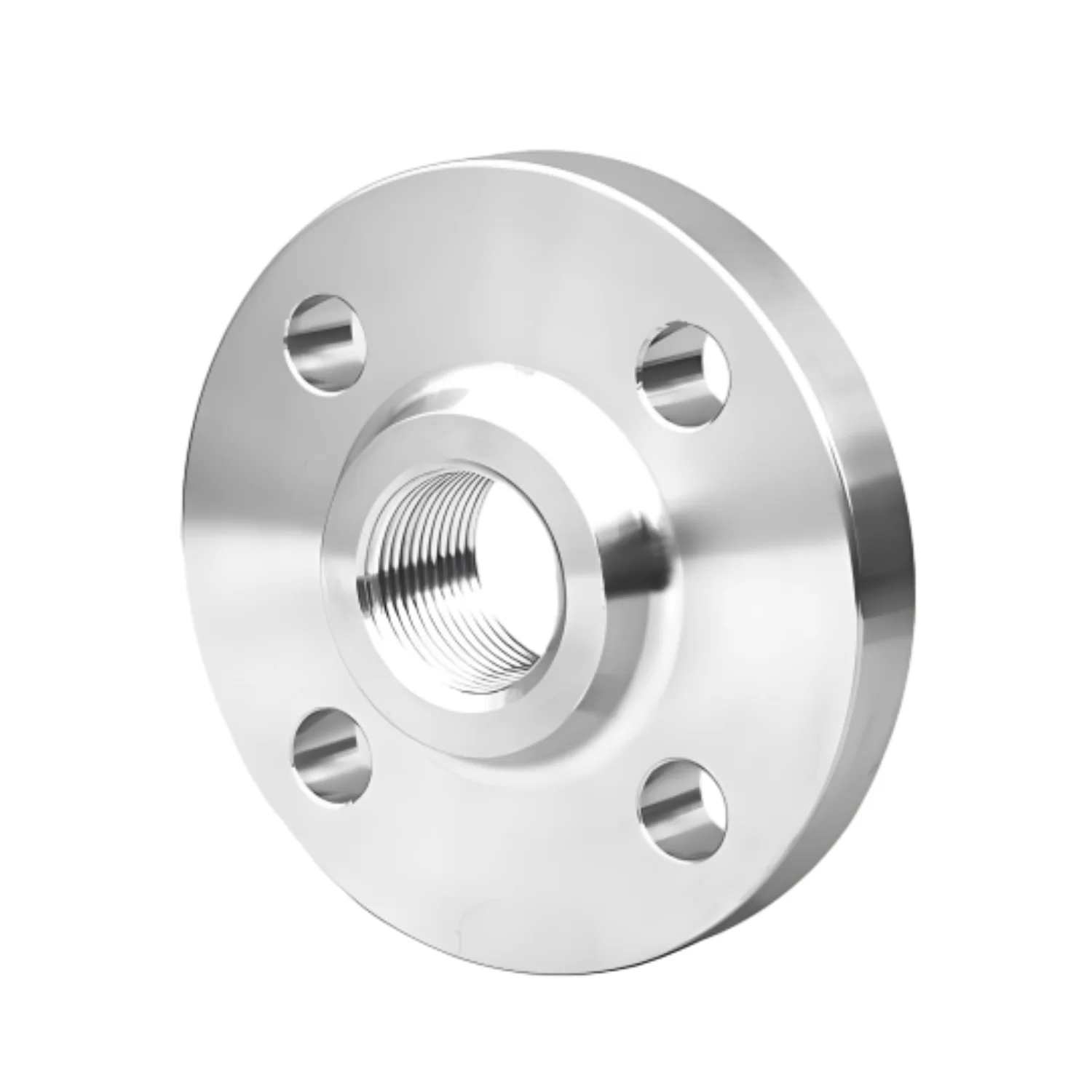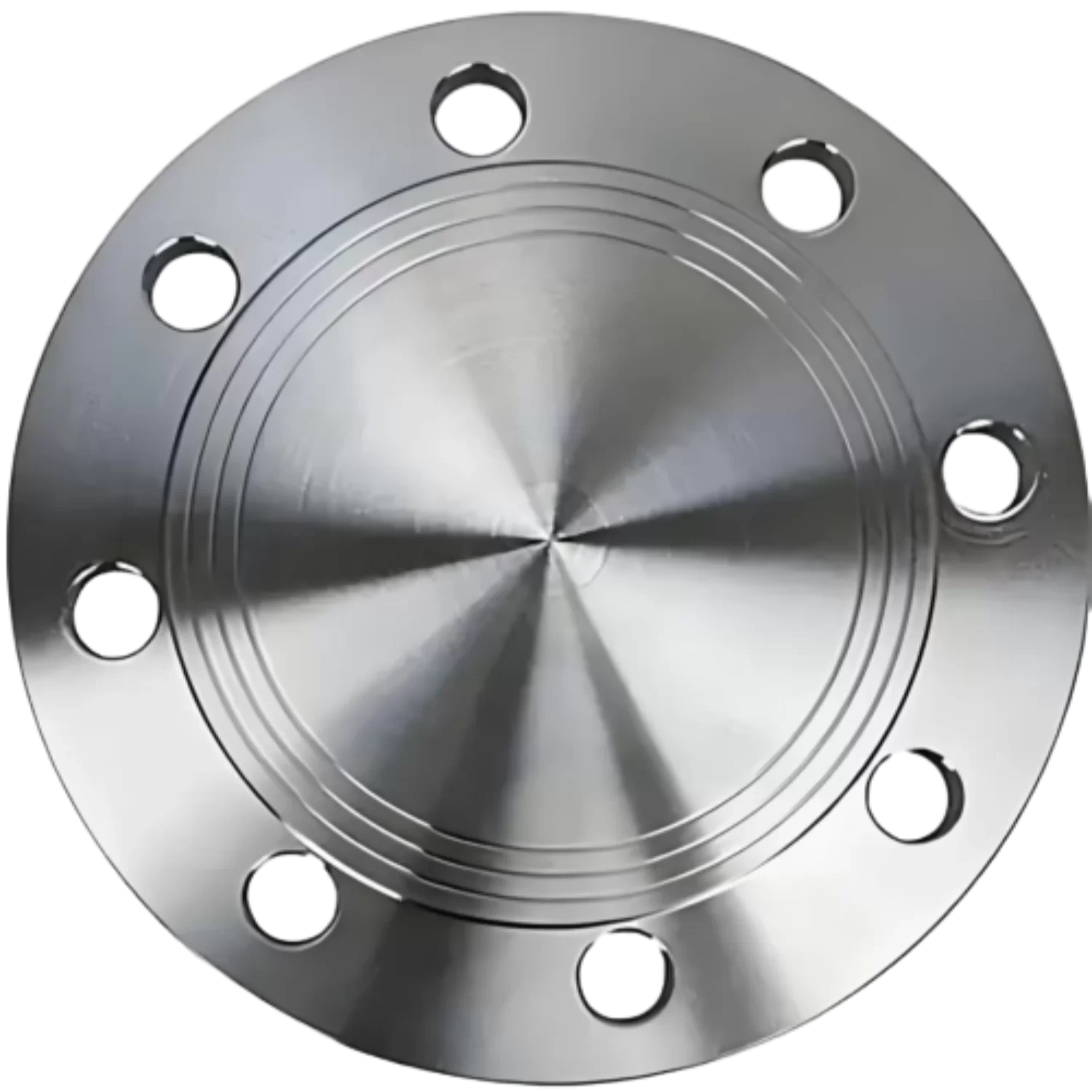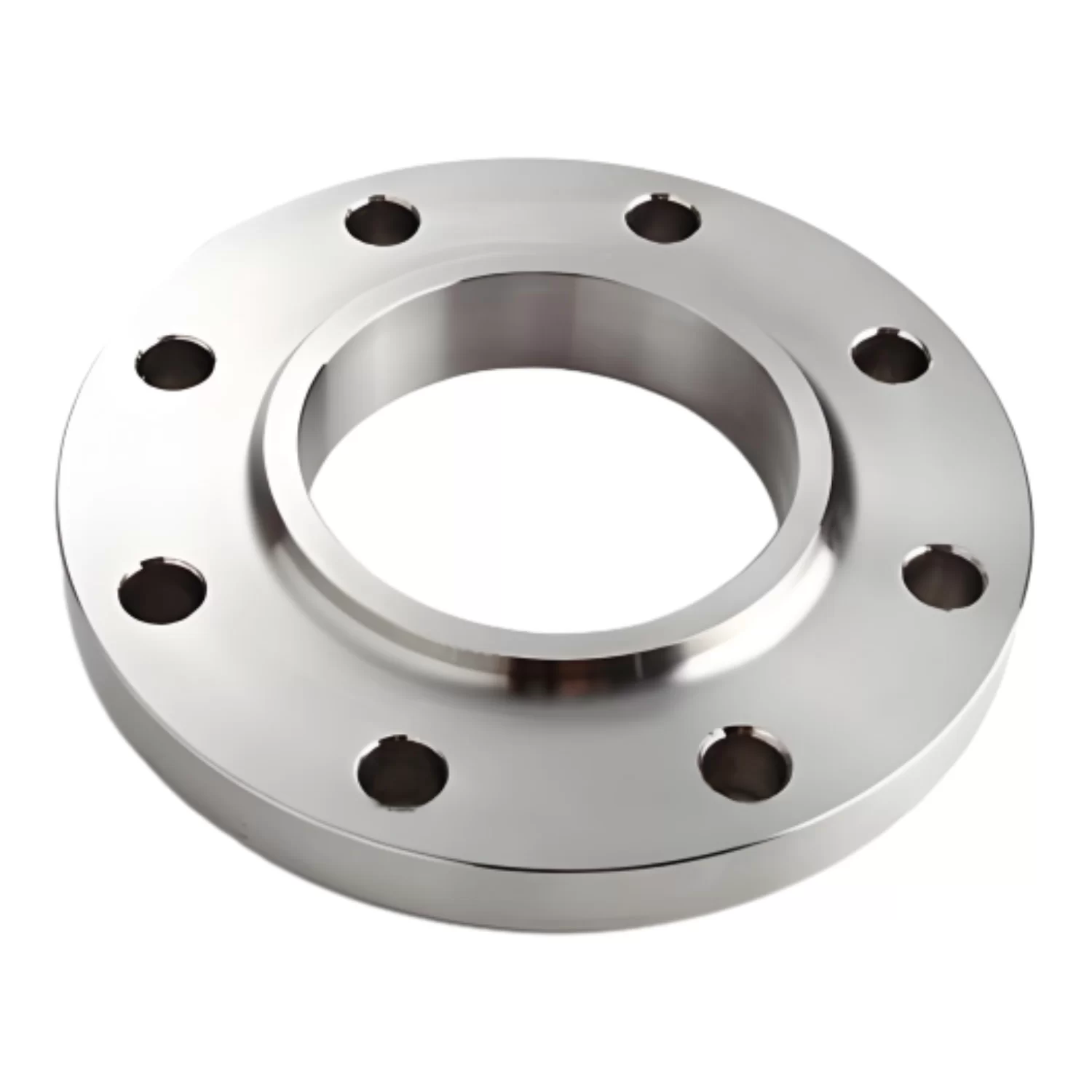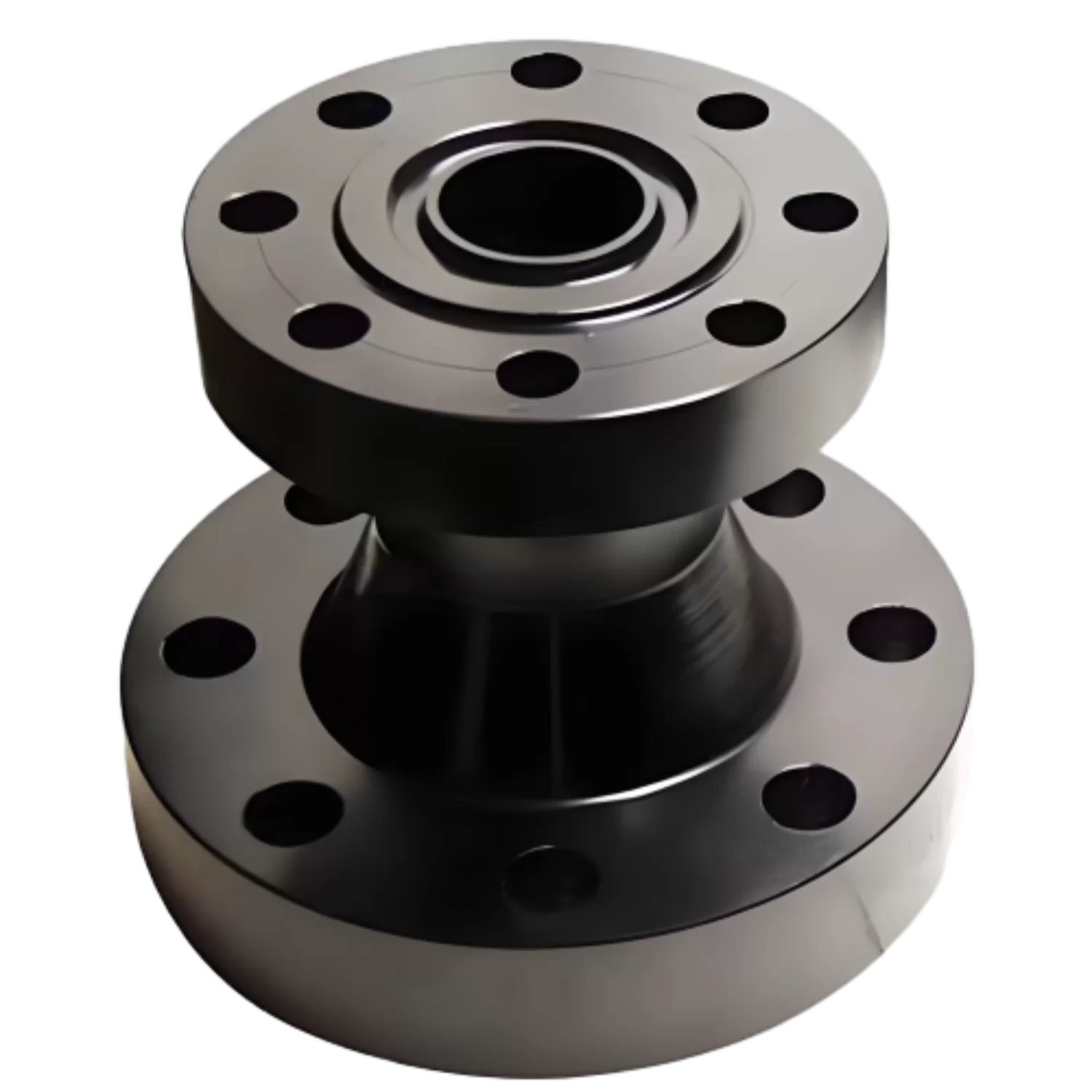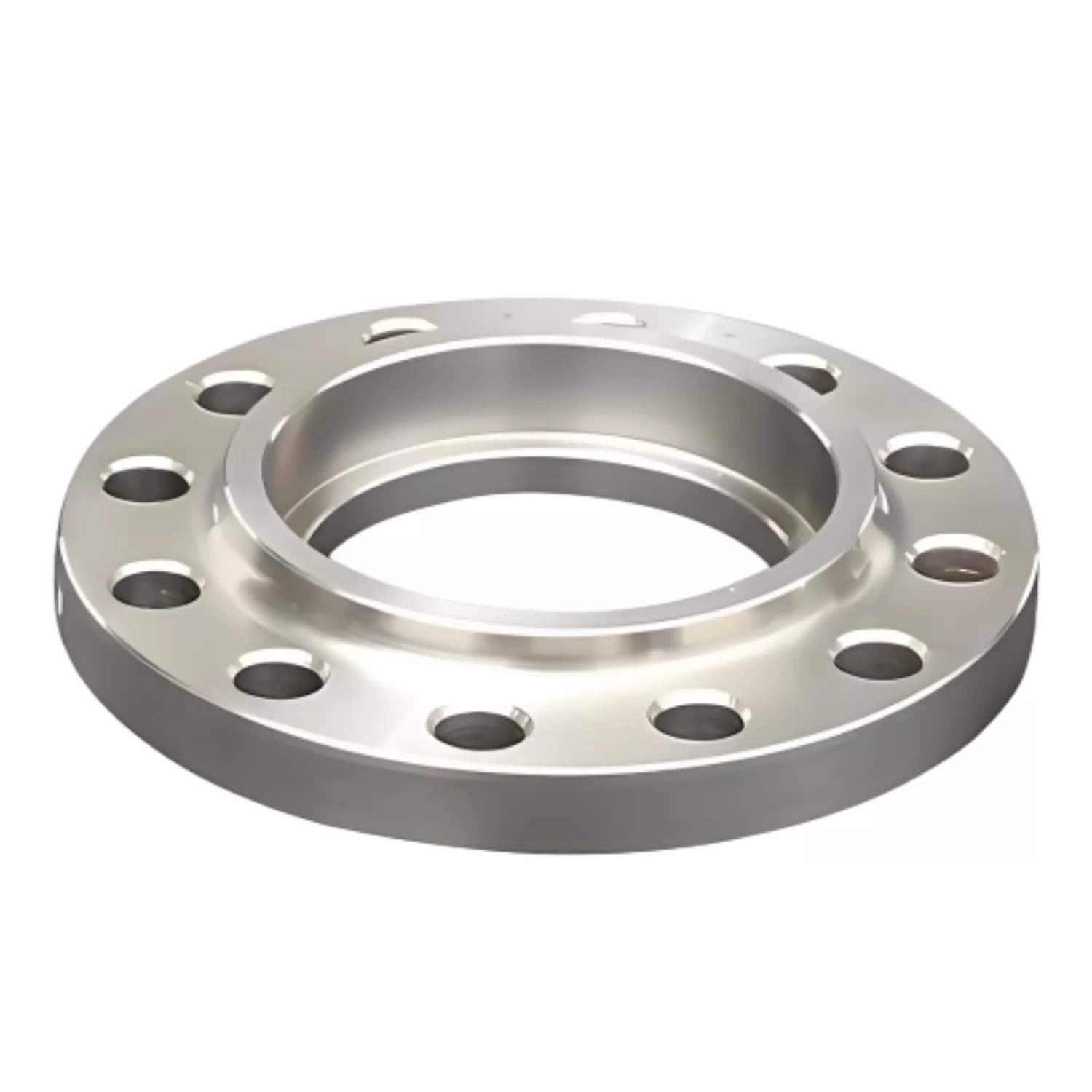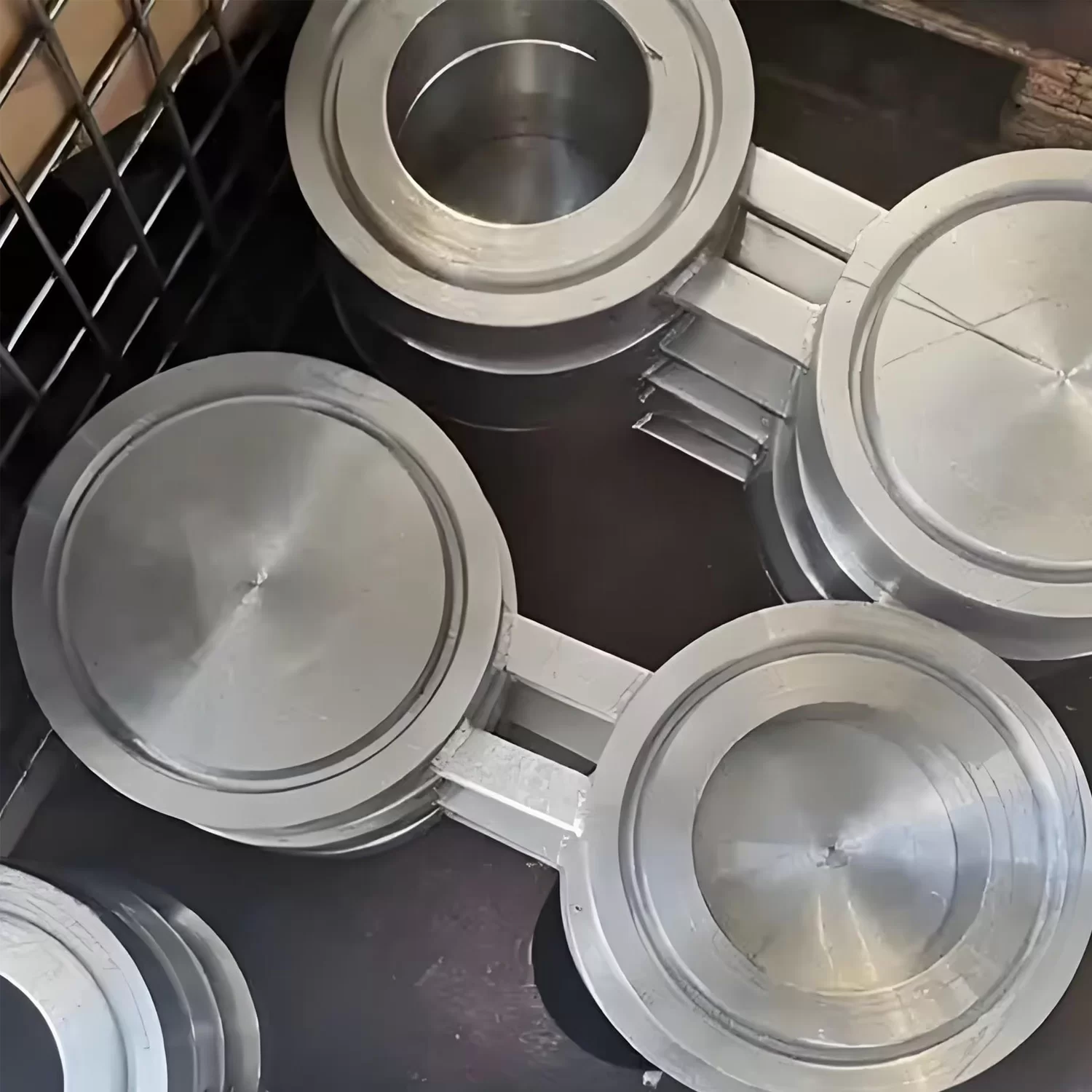
Selecting the right flange is a critical step in designing safe and efficient industrial piping systems. Flanges are widely used to connect pipes, valves, pumps, and other equipment, providing a secure and leak-proof connection that can also be easily assembled or disassembled for maintenance. For industries such as oil and gas, water treatment, chemical processing, and power generation, choosing the correct flange type directly affects system performance and operational safety.
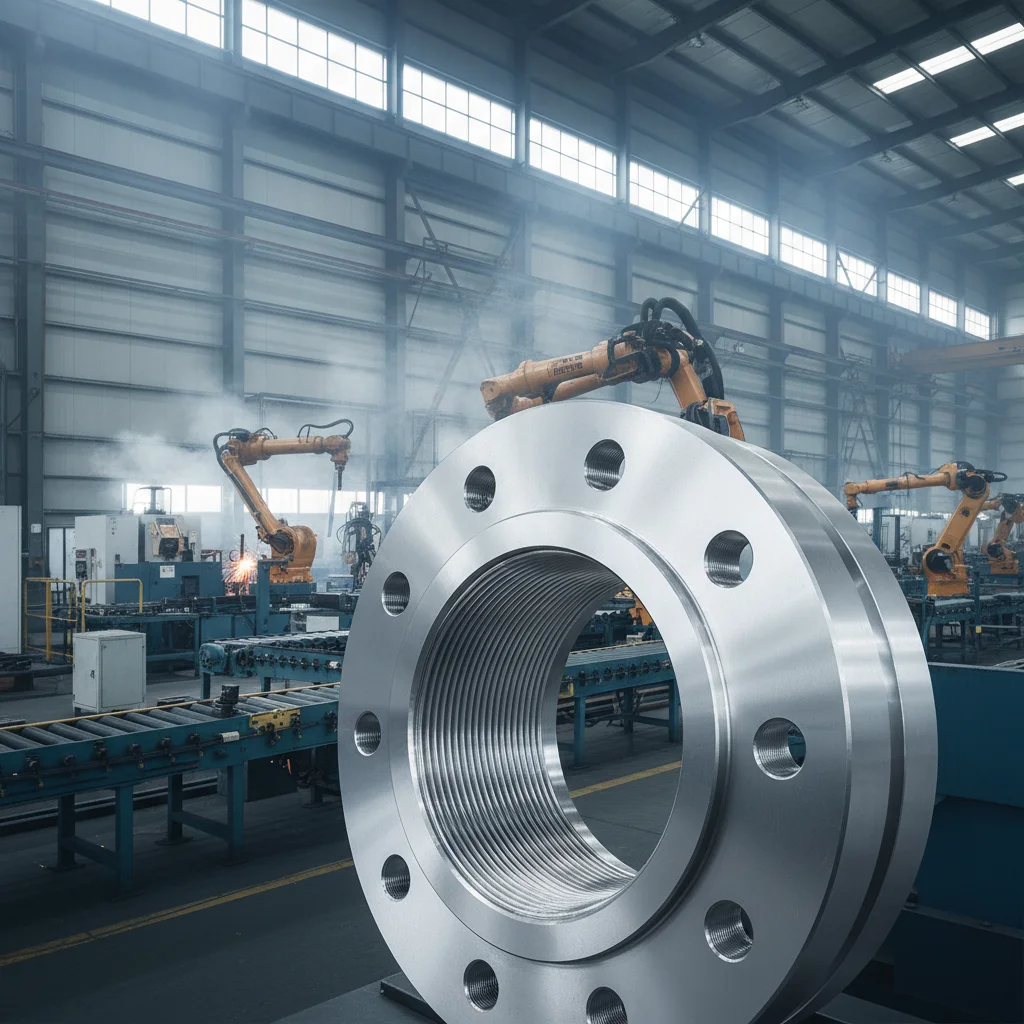
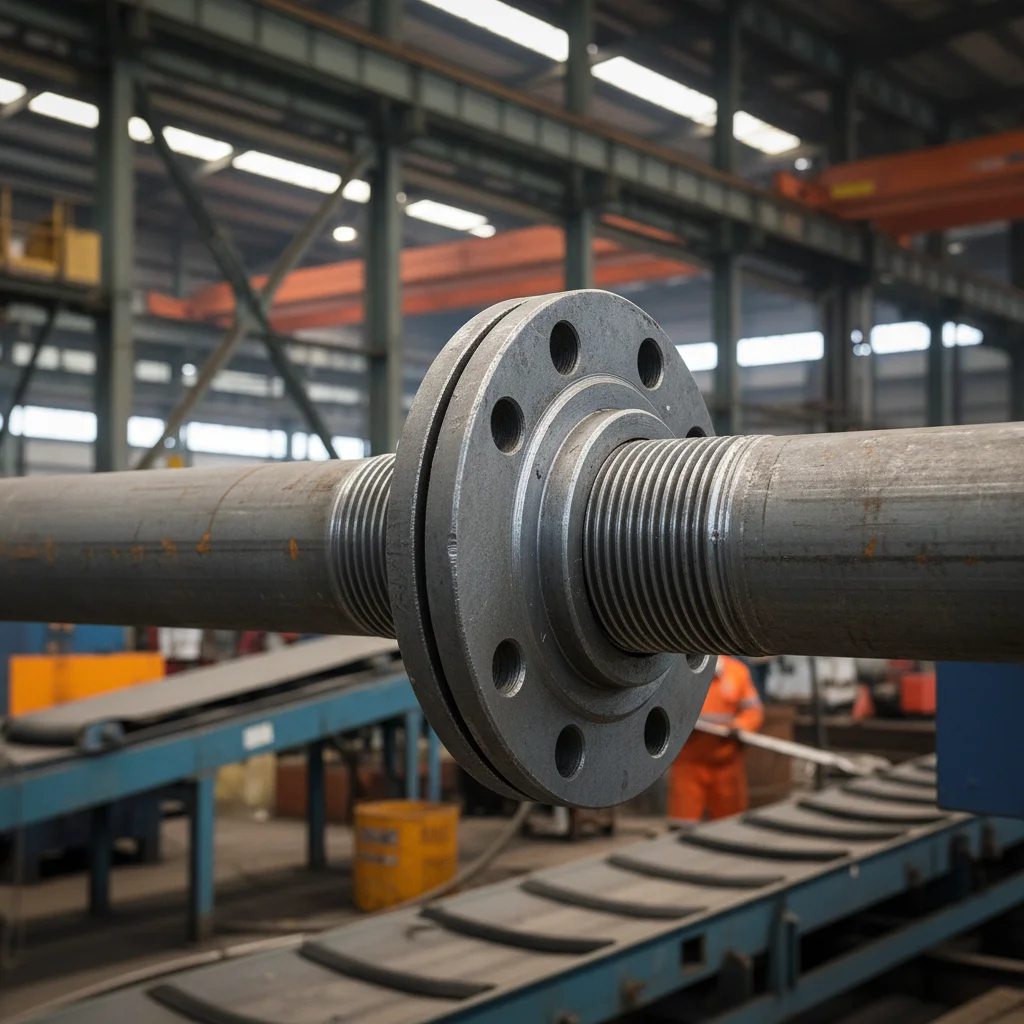
There are several common flange types, including weld neck flanges, slip-on flanges, blind flanges, and threaded flanges. Weld neck flanges are ideal for high-pressure and high-temperature applications due to their strong structural integrity and smooth stress distribution. Slip-on flanges, on the other hand, are easier to install and are often used in low-pressure systems. Blind flanges are used to seal the end of a pipeline, while threaded flanges are suitable for systems where welding is not feasible.
When selecting a flange, factors such as pressure rating, temperature conditions, material compatibility, and connection type must be carefully considered. For example, stainless steel flanges offer excellent corrosion resistance, making them suitable for chemical and marine environments, while carbon steel flanges are more cost-effective for general industrial use.
When sourcing industrial flanges, one of the most common questions buyers ask is whether to choose carbon steel flanges or stainless steel flanges. Both materials are widely used in piping systems, but they differ significantly in terms of performance, cost, and application suitability.
Carbon steel flanges are known for their high strength, durability, and cost-effectiveness. They are widely used in industries such as oil and gas, construction, and water pipelines where corrosion is not a major concern. Carbon steel flanges can withstand high pressure and mechanical stress, making them a reliable choice for heavy-duty applications. In addition, they are often preferred by buyers looking for wholesale flanges at competitive prices.
On the other hand, stainless steel flanges provide superior corrosion resistance, making them ideal for harsh environments such as chemical processing plants, offshore platforms, and food-grade systems. Stainless steel also offers better resistance to oxidation and extreme temperatures, which extends the service life of the piping system and reduces maintenance costs over time.
When choosing between carbon steel and stainless steel flanges, it is important to consider factors such as operating environment, budget, and long-term maintenance requirements. In many cases, stainless steel flanges may have a higher initial cost but offer better value over time due to their durability and reduced risk of failure.
As an experienced flange manufacturer and supplier from China, we offer both carbon steel and stainless steel flanges tailored to meet international standards and project specifications. Whether you are looking for ANSI flanges, DIN flanges, or custom flange solutions, we can help you select the most suitable material for your application.
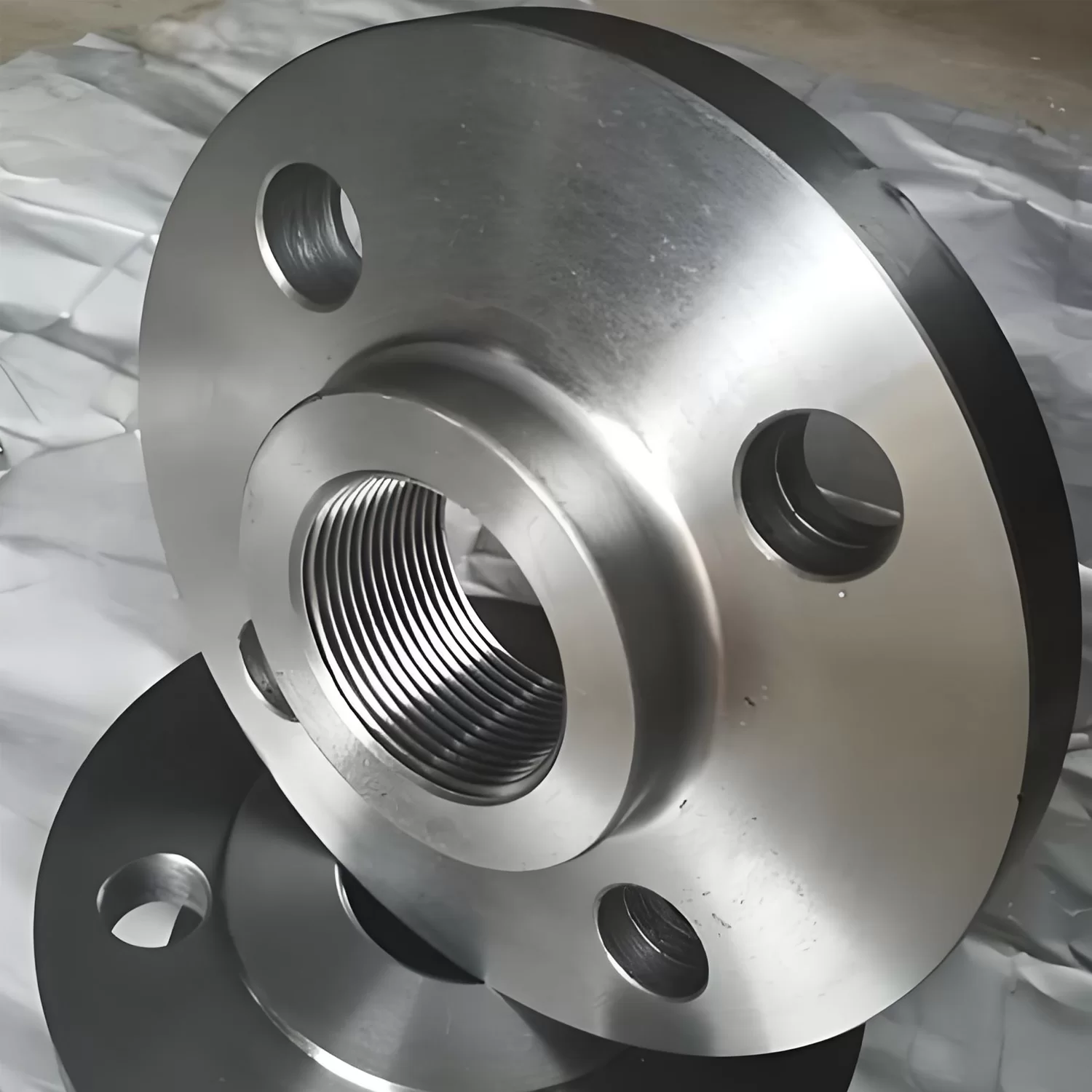
Understanding ANSI flange standards is essential for ensuring compatibility and safety in industrial piping systems. ANSI flanges, commonly used in the United States and many international markets, are designed according to standards developed by organizations such as ASME and ASTM. These standards define critical parameters such as dimensions, pressure ratings, materials, and tolerances.
ANSI flanges are categorized by pressure classes, including Class 150, 300, 600, 900, 1500, and 2500. Each class indicates the maximum pressure the flange can withstand at a given temperature. For example, Class 150 flanges are suitable for low-pressure applications, while Class 600 or higher are used in high-pressure environments such as oil refineries and power plants.
Dec 02,25
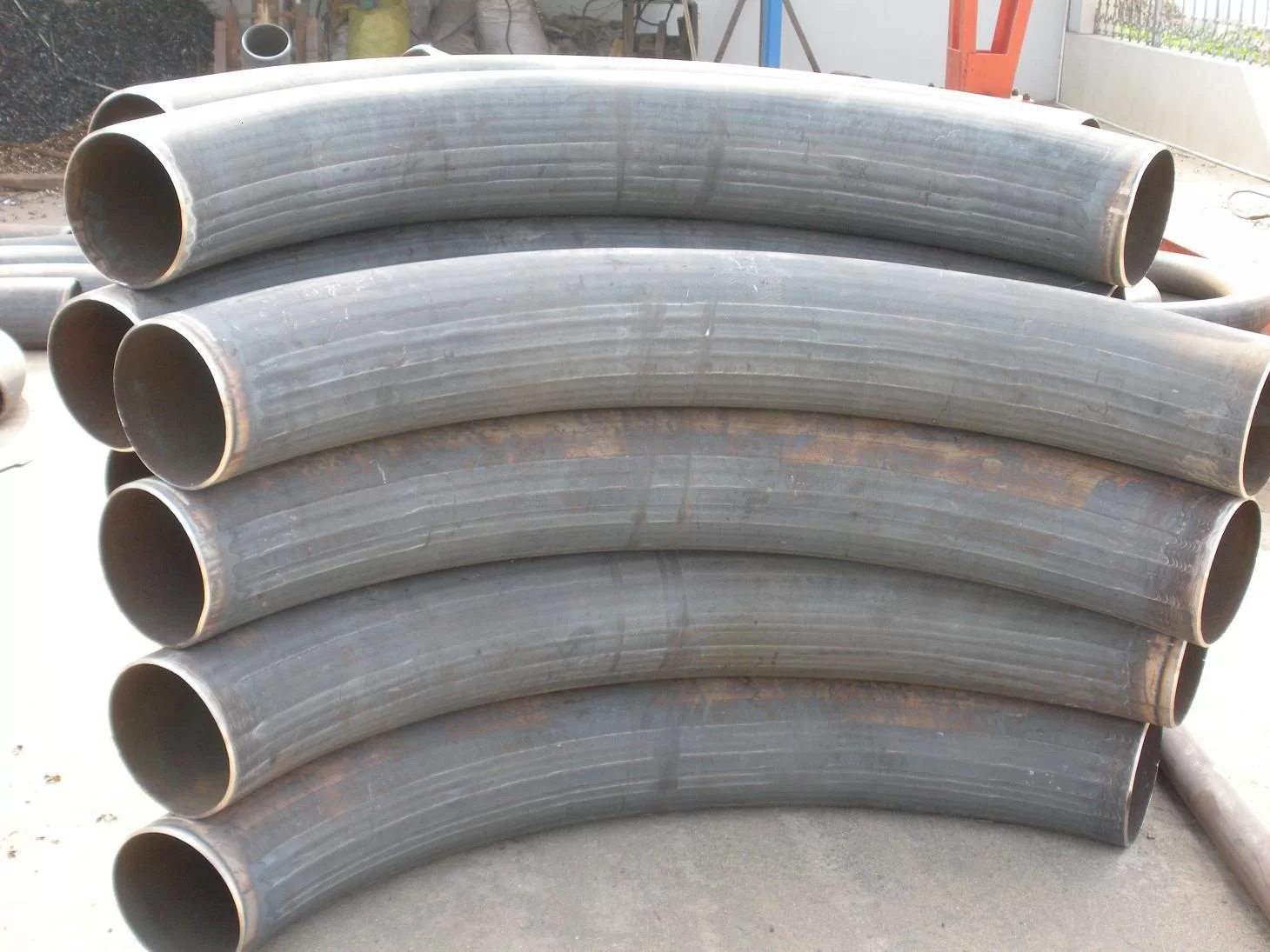
Characteristics And Common Applications Of Carbon Steel Bending Pipe
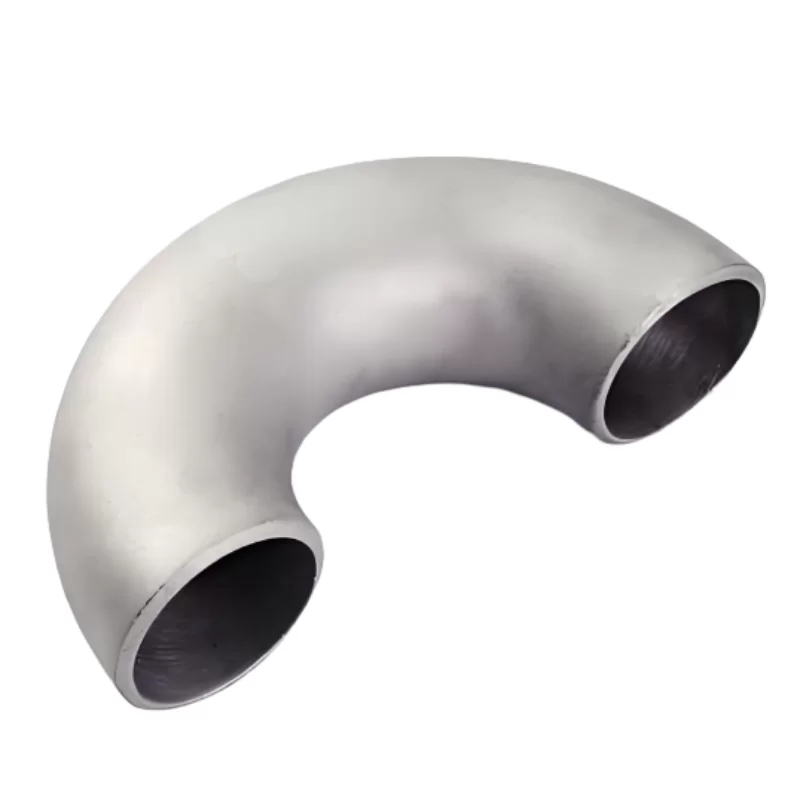
The use of bent piping is an essential practice in industrial construction, allowing fluid transfer lines to navigate complex routes, compensate for thermal expansion, and eliminate the need for numerous welded elbow fittings.
Apr 09,26
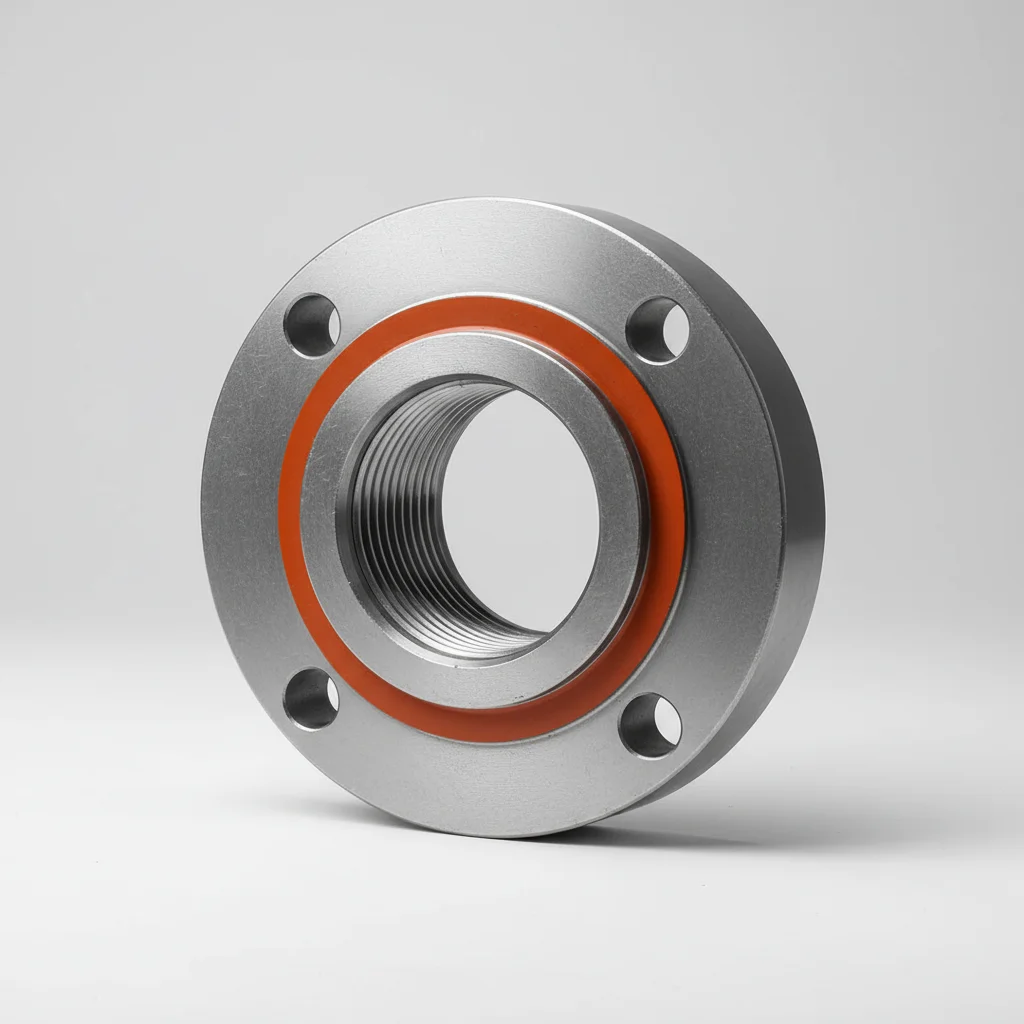
Industrial Guide to 6 inch threaded flange and Piping Applications
Mar 30,26
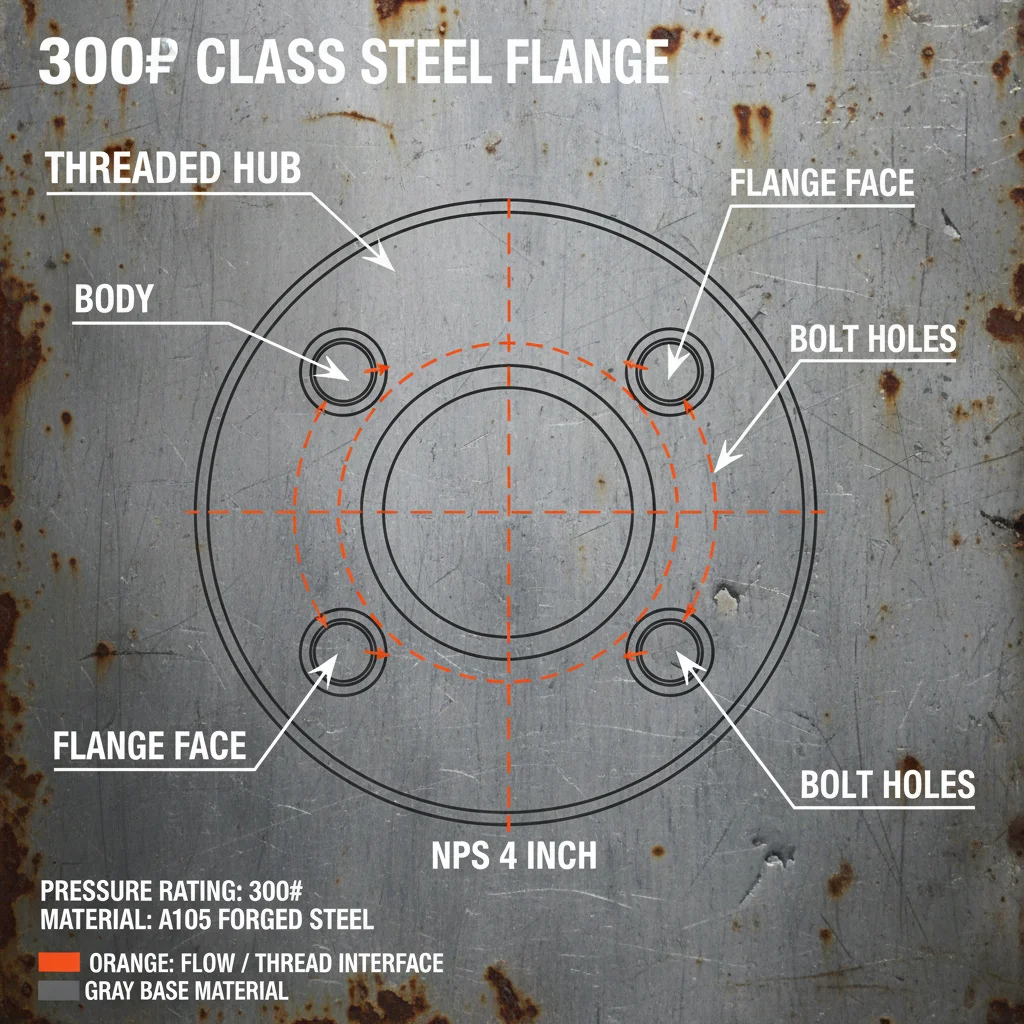
The Essential Guide to 300 Threaded Flange Selection and Reliable Performance
Apr 17,26
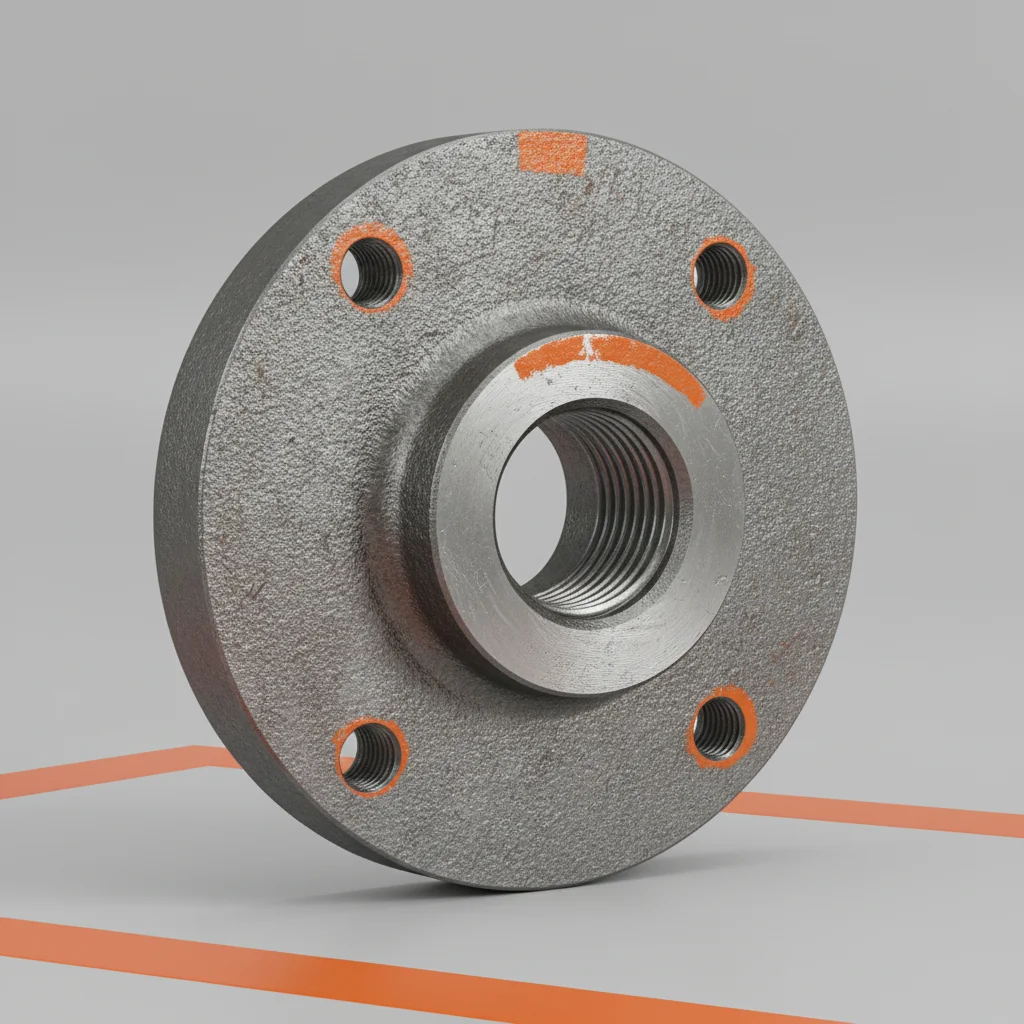
Industrial Blind Flange with Threaded Hole for Piping Systems
Apr 16,26
Aluminum Threaded Flange Applications and Industrial Benefits
Apr 06,26
Understanding the Critical Role of the 6 inch Threaded Flange in Industrial Applications
SUBSCRIBE NEWSLETTER