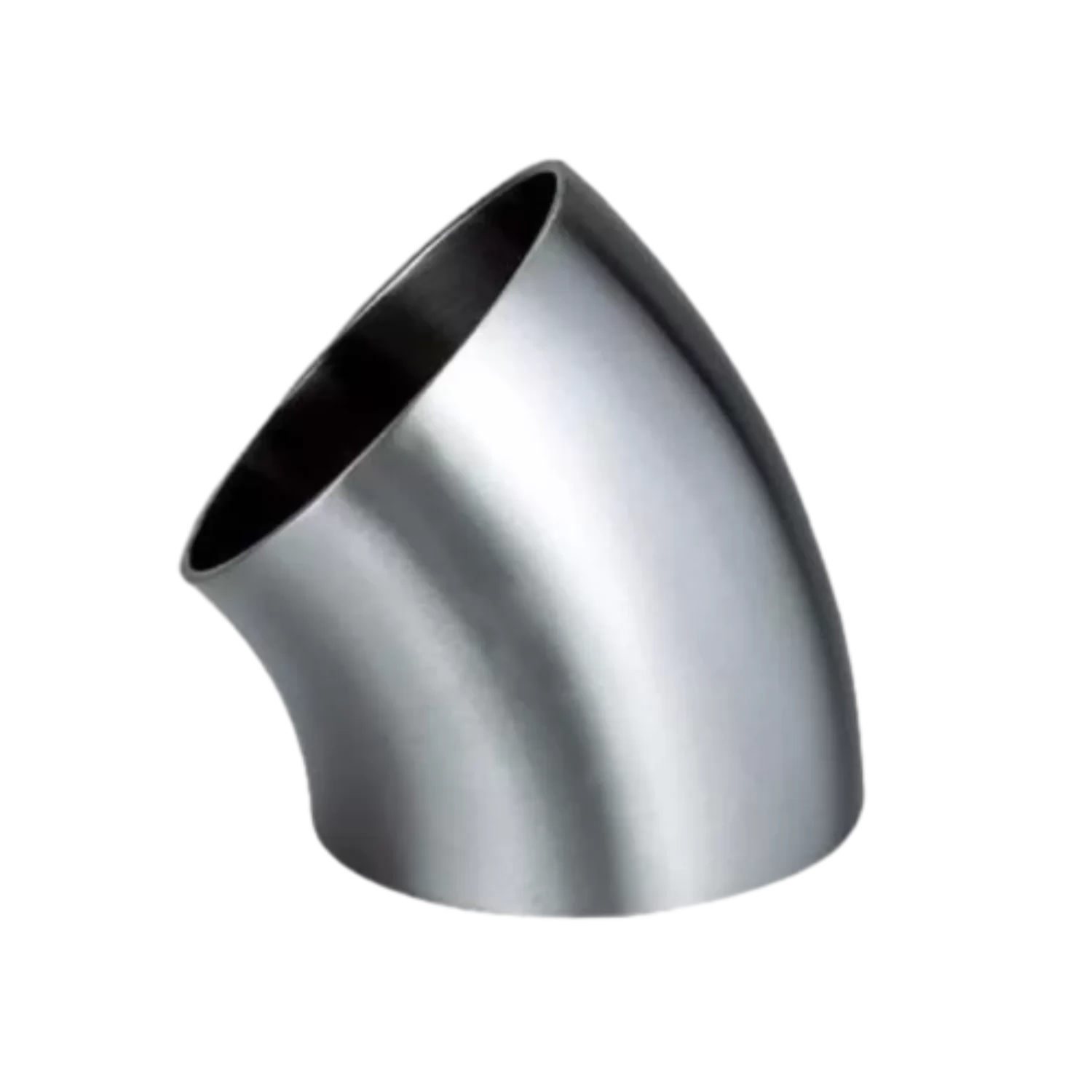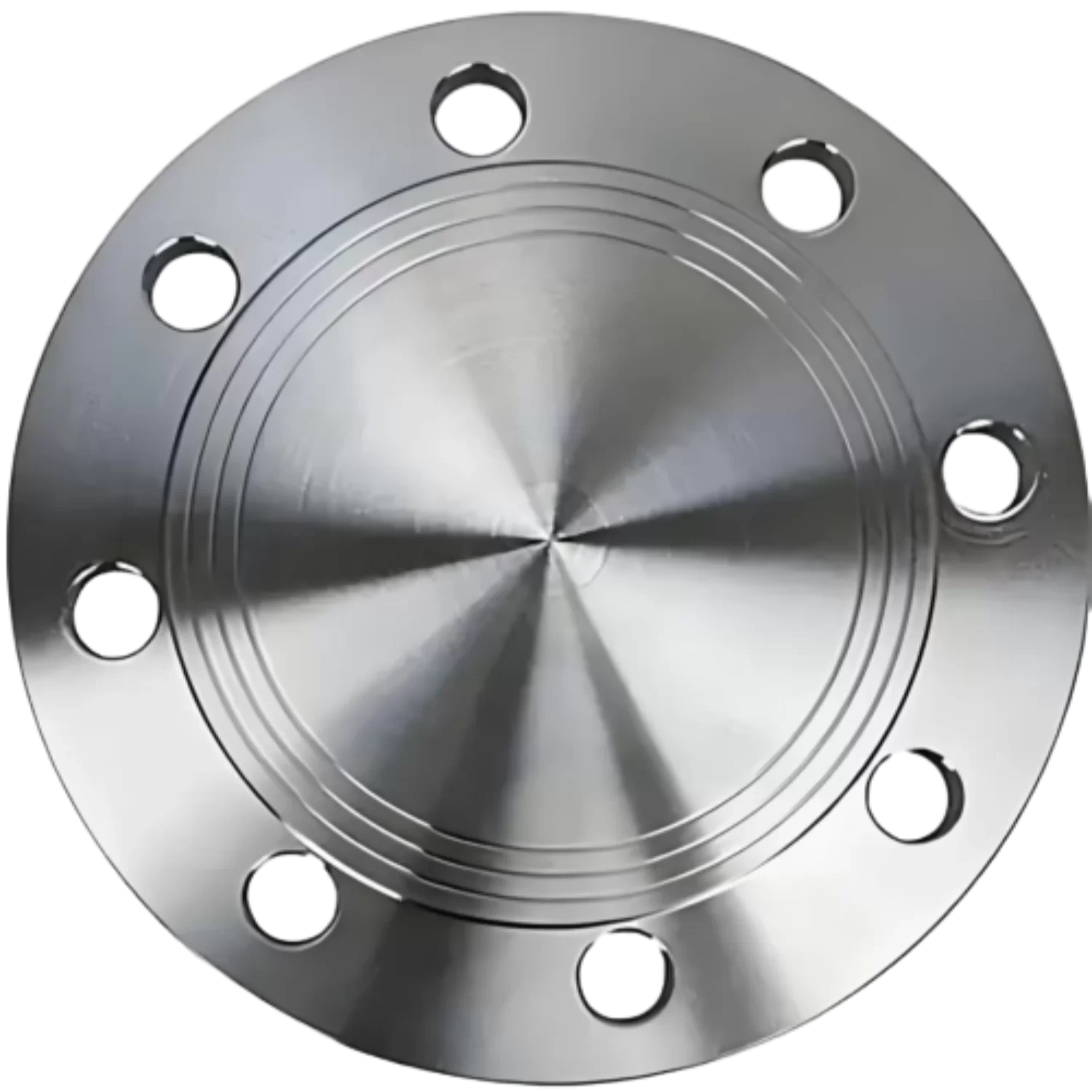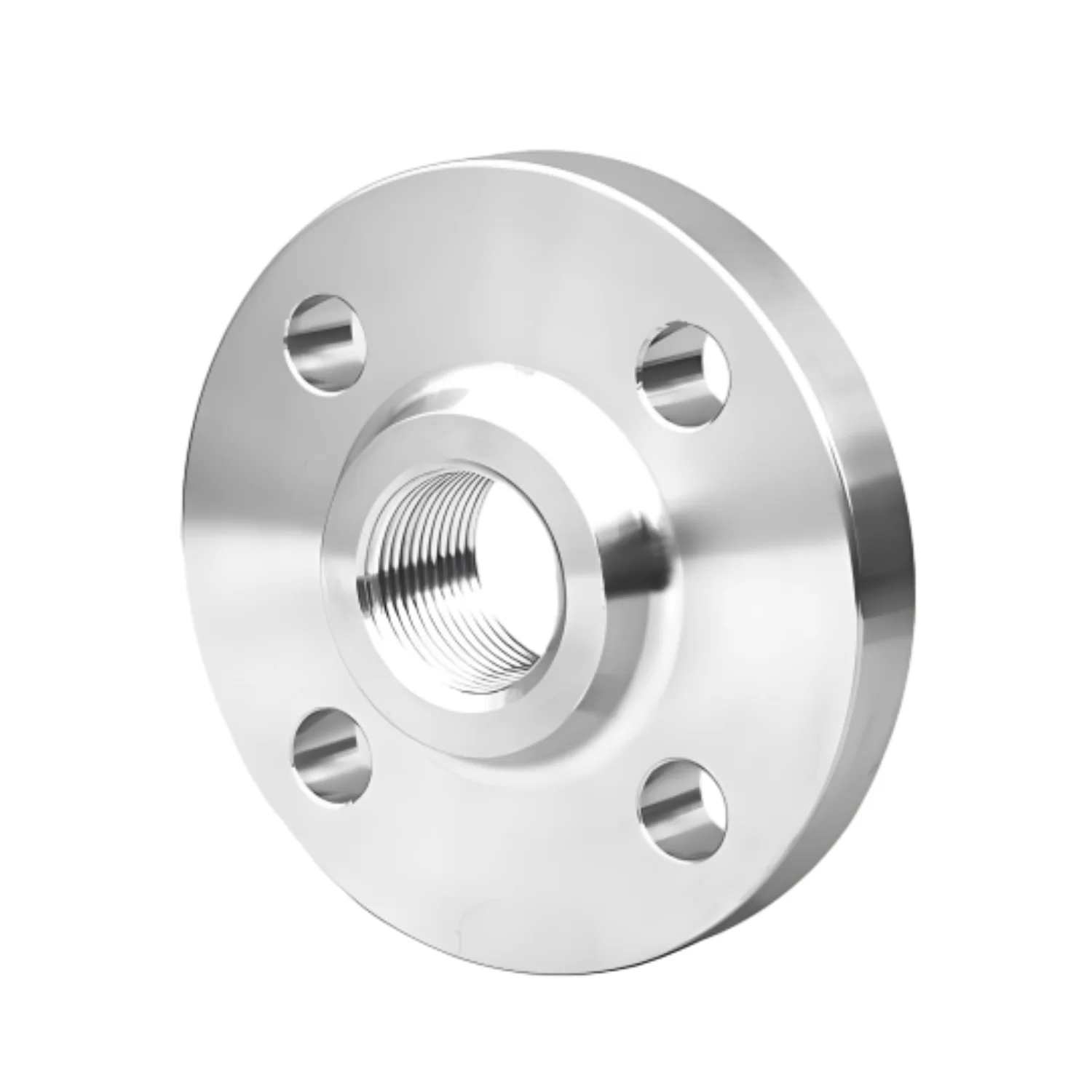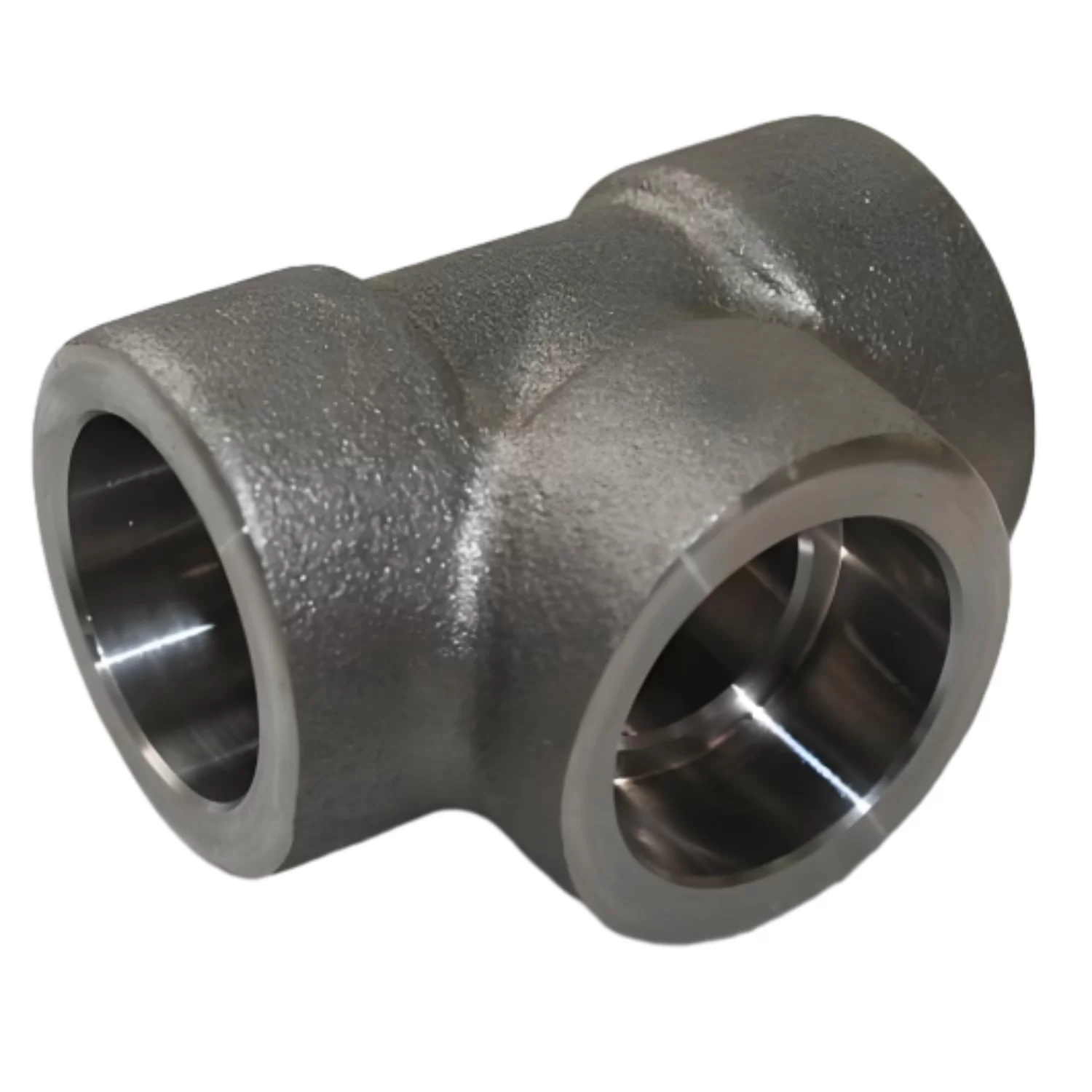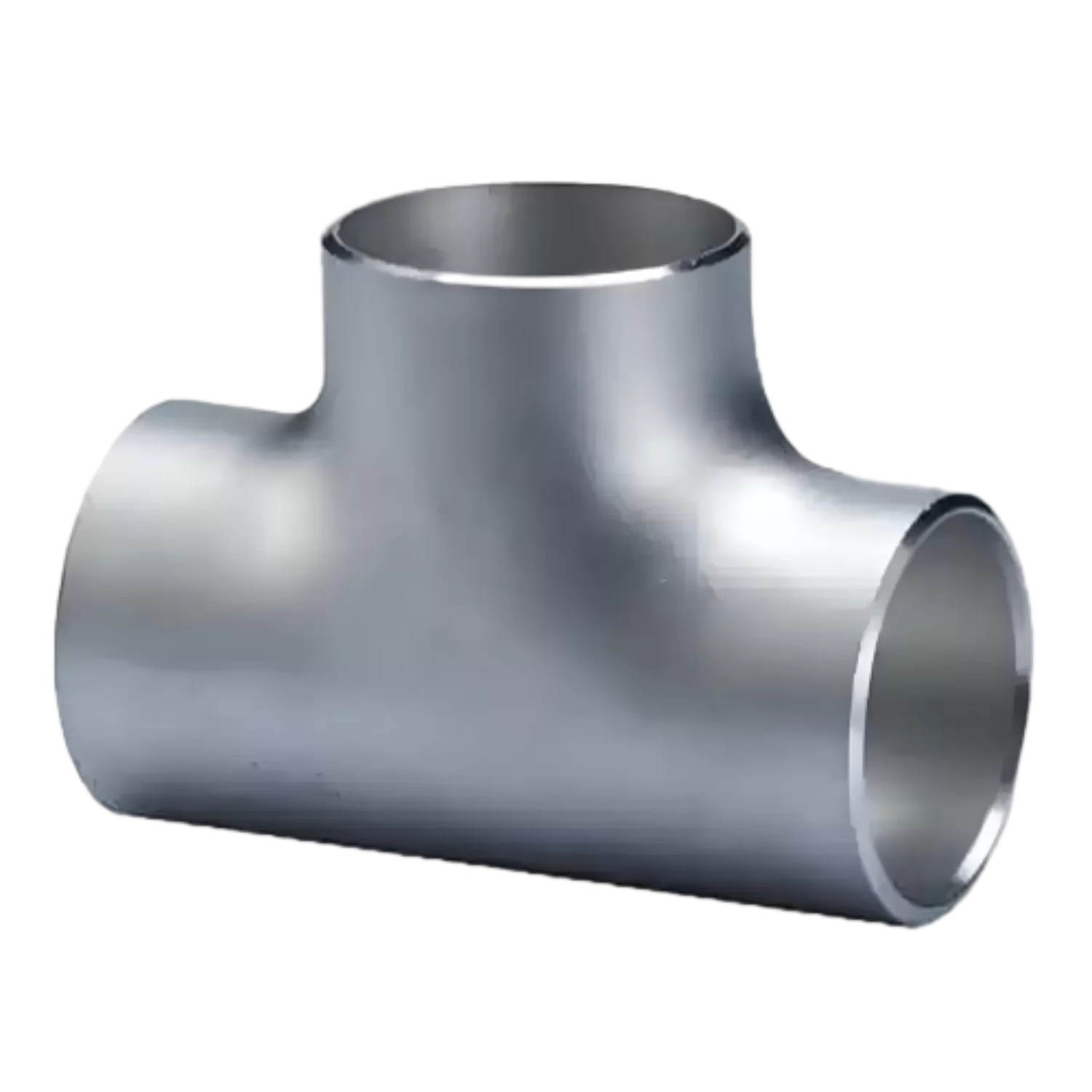
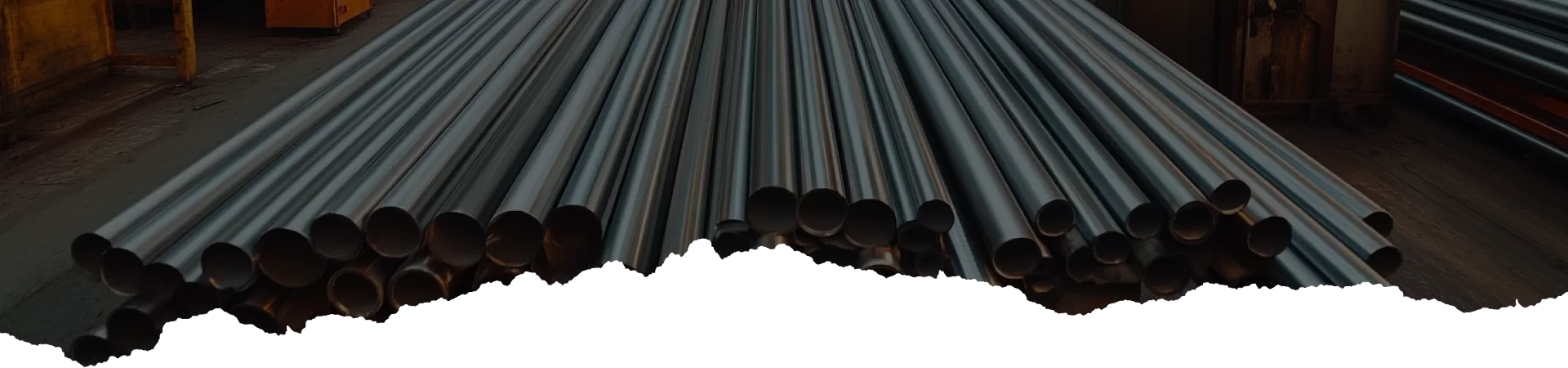
Steel pipe plays a vital role in modern industrial systems, serving as the backbone for transporting fluids, gases, and structural loads across various industries. For global buyers, understanding steel pipe applications and standards is essential to ensure compatibility, safety, and long-term performance.
Steel pipes are widely used in industries such as oil and gas, water treatment, construction, power generation, and HVAC systems. In the oil and gas sector, steel pipes are used for drilling, transportation, and refining processes, where high pressure and harsh conditions require durable materials. In construction, steel pipes are often used for structural support and infrastructure projects. Meanwhile, in water treatment systems, stainless steel pipes are preferred for their corrosion resistance and hygienic properties.
In addition to applications, international standards play a crucial role in steel pipe selection. Standards such as ASTM, API, ANSI, and DIN define specifications including material composition, dimensions, pressure ratings, and testing requirements. For example, API steel pipes are commonly used in the oil and gas industry, while ASTM standards cover a wide range of general and specialized applications. Choosing steel pipes that comply with these standards ensures product quality and compatibility in global projects.
As a reliable steel pipe manufacturer and supplier from China, we offer a full range of industrial steel pipes, including seamless steel pipes, welded pipes, carbon steel pipes, and stainless steel pipes. We support OEM and ODM customization, wholesale supply, and fast global delivery. By understanding steel pipe applications and standards, buyers can make informed sourcing decisions and achieve better efficiency and cost control in their projects.
When sourcing steel pipe for industrial applications, one of the most common questions buyers ask is whether to choose seamless steel pipe or welded steel pipe. Understanding the differences between these two types is essential for selecting the right product that meets your performance, budget, and project requirements.
Seamless steel pipe is manufactured without a welded seam, which gives it a uniform structure and higher strength. This makes seamless pipes ideal for high-pressure and high-temperature applications such as oil and gas transportation, boilers, and chemical processing systems. Due to their superior mechanical properties and reliability, seamless steel pipes are often preferred in critical environments where safety and durability are top priorities.
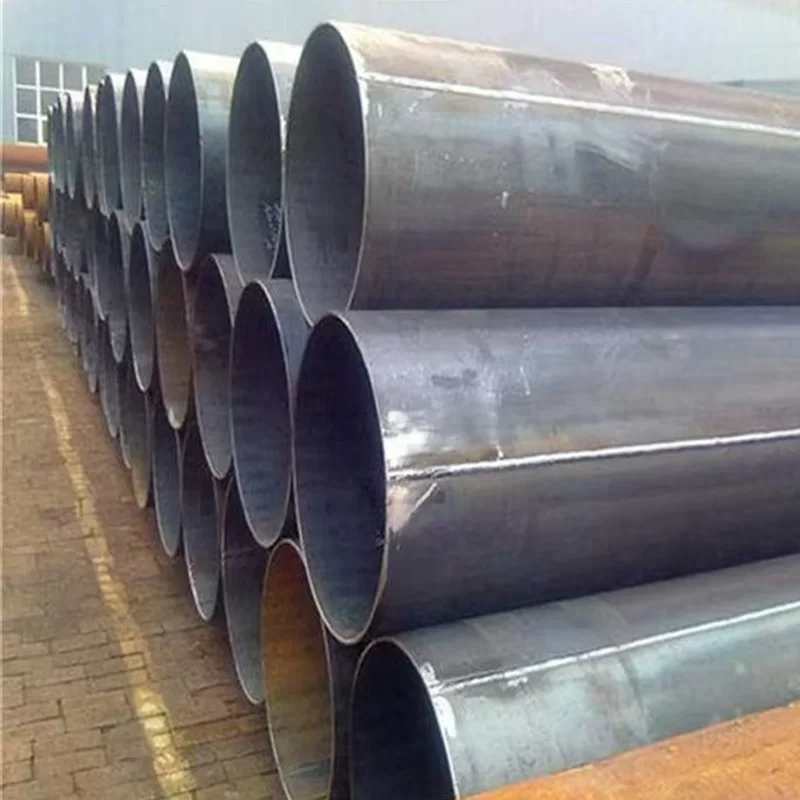
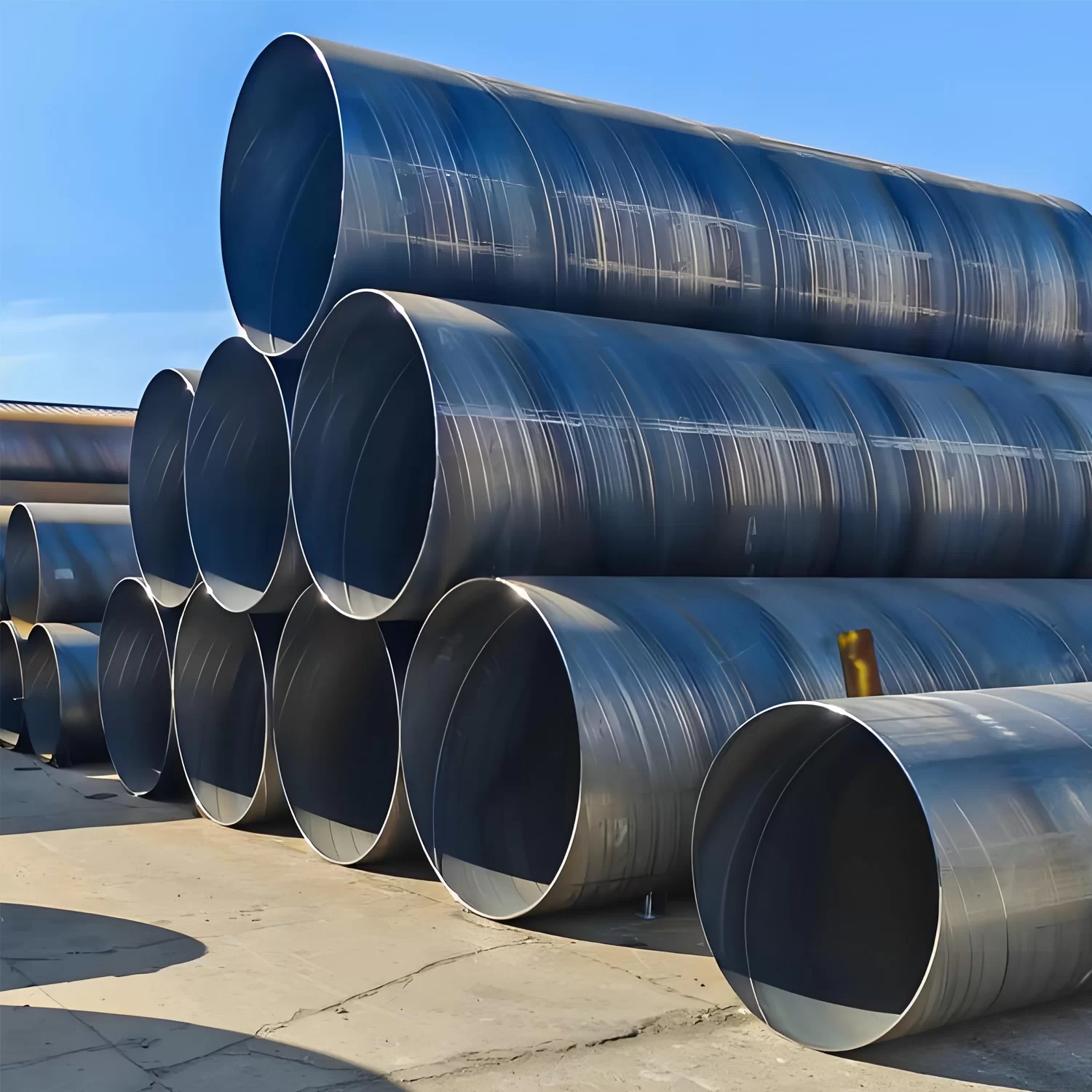
On the other hand, welded steel pipe is produced by rolling steel plates or strips and welding them together. This manufacturing process makes welded pipes more cost-effective and widely available in large diameters. Welded steel pipes are commonly used in construction, water supply systems, and low to medium pressure applications. For many projects, they provide a practical balance between performance and cost.
When choosing between seamless and welded steel pipes, factors such as pressure rating, corrosion resistance, application environment, and budget should be carefully evaluated. As a professional steel pipe manufacturer and supplier from China, we offer both seamless steel pipe and welded steel pipe in a wide range of sizes and materials, including carbon steel and stainless steel. With competitive pricing, strict quality control, and reliable delivery, we support global buyers with high-quality wholesale steel pipe solutions tailored to their needs.
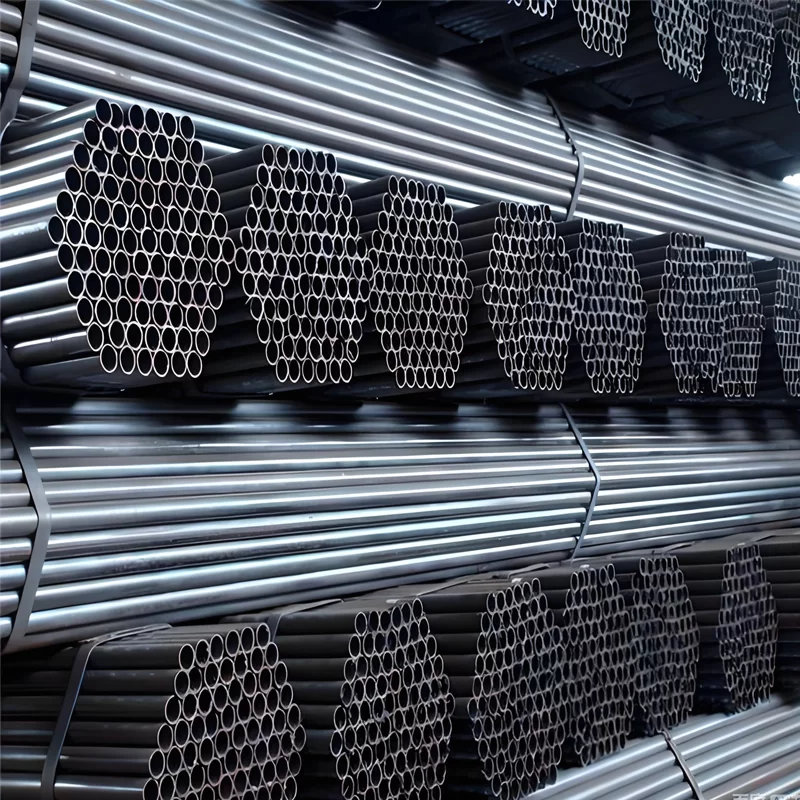
Choosing the right material is a critical step when selecting steel pipe for industrial use. Among the most commonly used options are carbon steel pipe and stainless steel pipe, each offering distinct advantages depending on the application and operating conditions.
Carbon steel pipe is known for its strength, durability, and cost-effectiveness. It is widely used in industries such as oil and gas, construction, and infrastructure projects. Carbon steel pipes can handle high pressure and heavy loads, making them suitable for structural applications and fluid transportation systems. Additionally, they are often preferred for large-scale projects where budget control is an important consideration. However, carbon steel is more susceptible to corrosion, especially in humid or chemically aggressive environments, which may require protective coatings or regular maintenance.
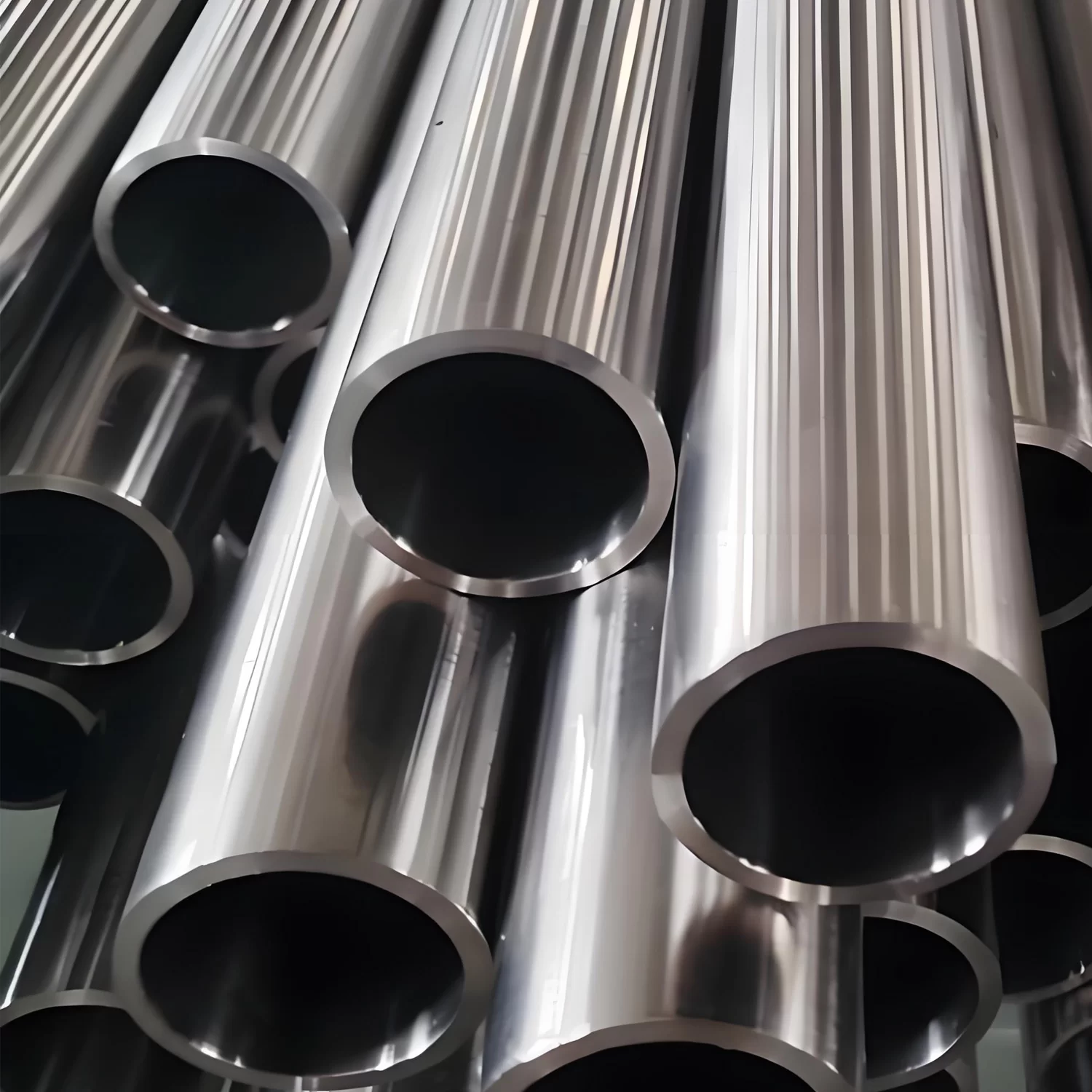
In contrast, stainless steel pipe offers excellent corrosion resistance, making it ideal for applications involving water treatment, chemical processing, food production, and marine environments. Stainless steel pipes also provide better resistance to high temperatures and oxidation, ensuring a longer service life and reduced maintenance costs. Although stainless steel pipes typically have a higher initial cost, their long-term performance often makes them a more economical choice in demanding environments.
Dec 02,25
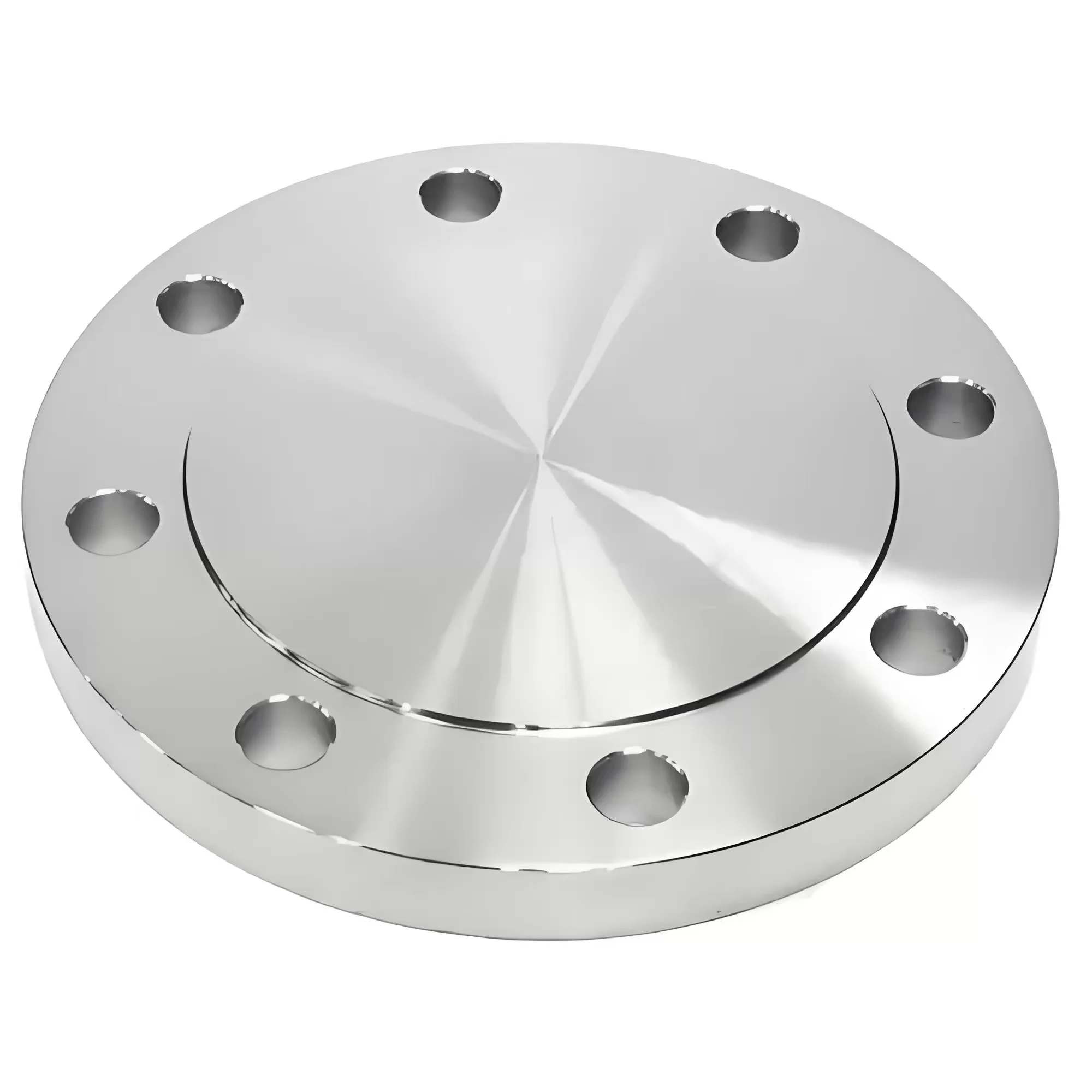
Corrosion-Resistant Flanges For Chemical And Marine Industries
Flanges are indispensable components in piping systems, serving as the critical junctions that allow for connections, maintenance, and isolation of flow.
Apr 04,26
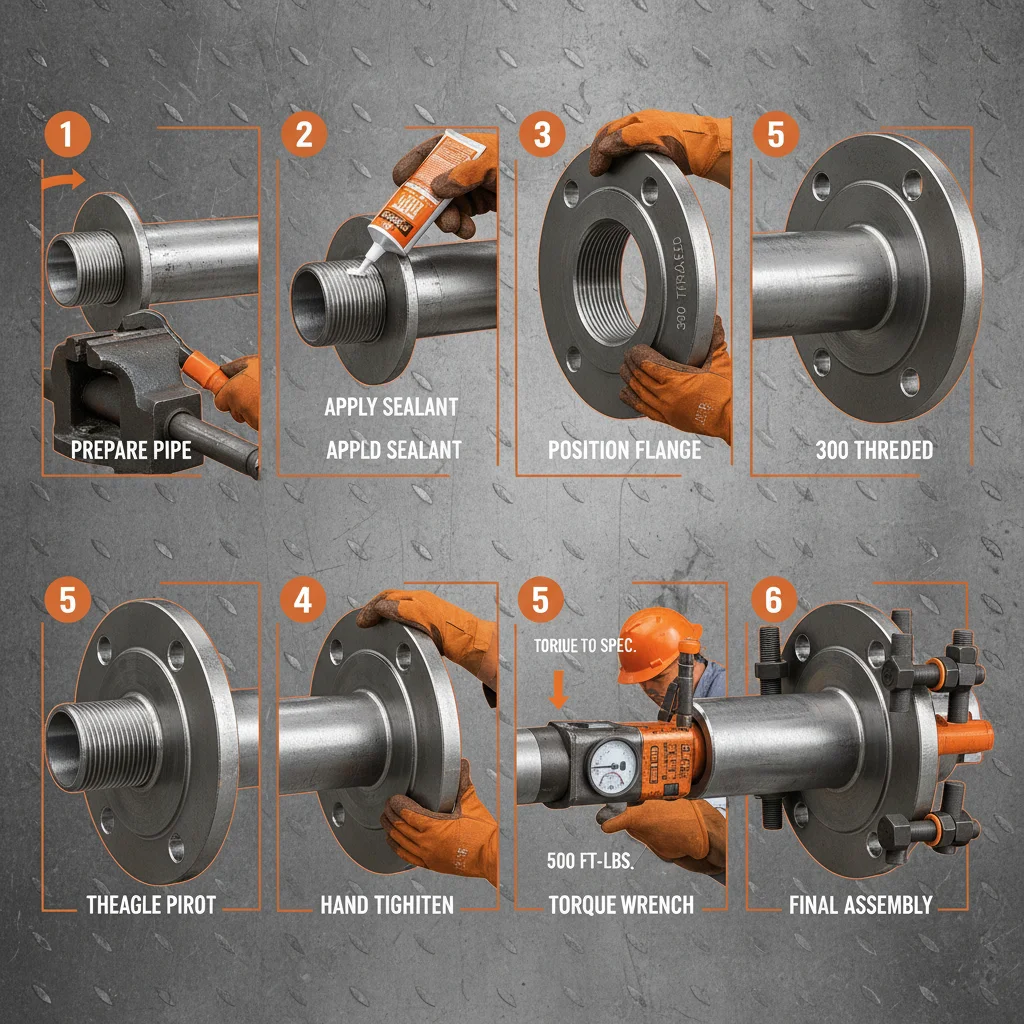
Understanding 300 Threaded Flanges for Global Piping System Applications
Mar 30,26
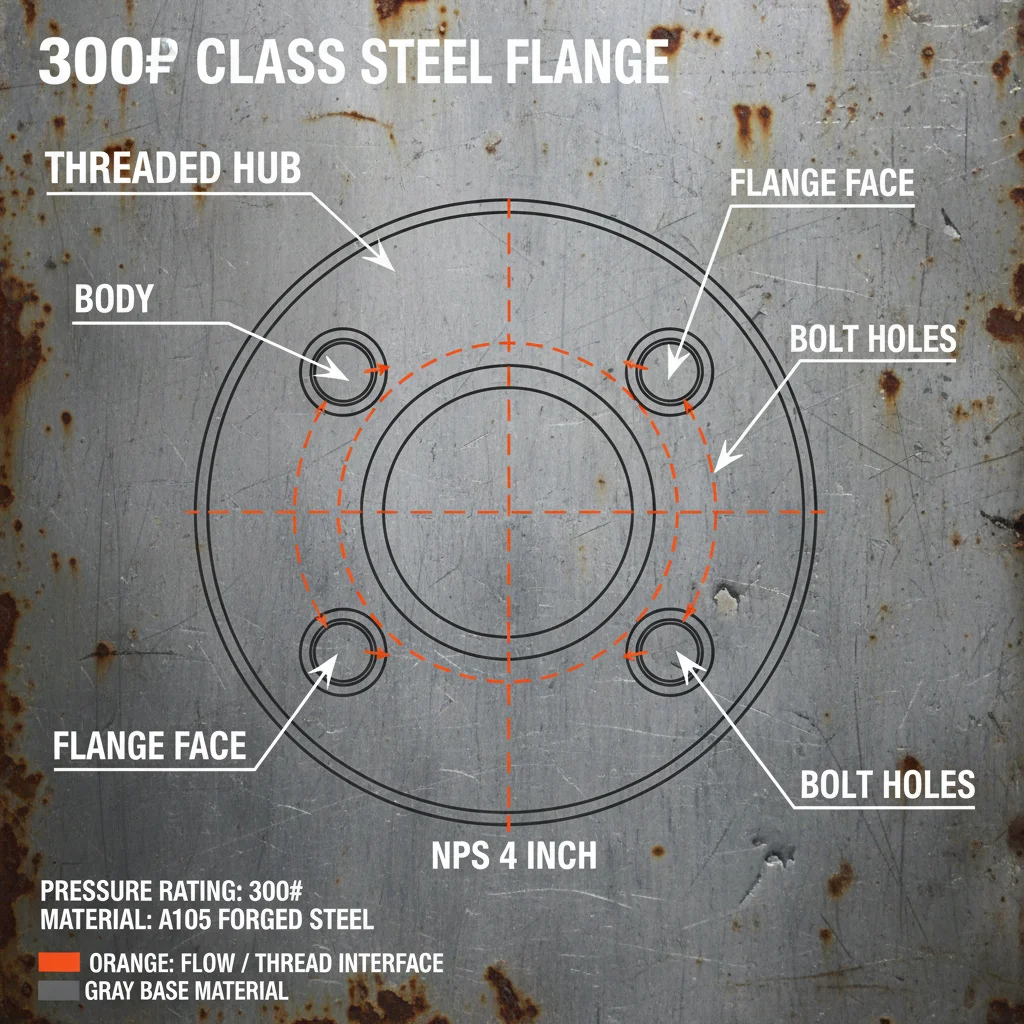
The Essential Guide to 300 Threaded Flange Selection and Reliable Performance
Apr 16,26
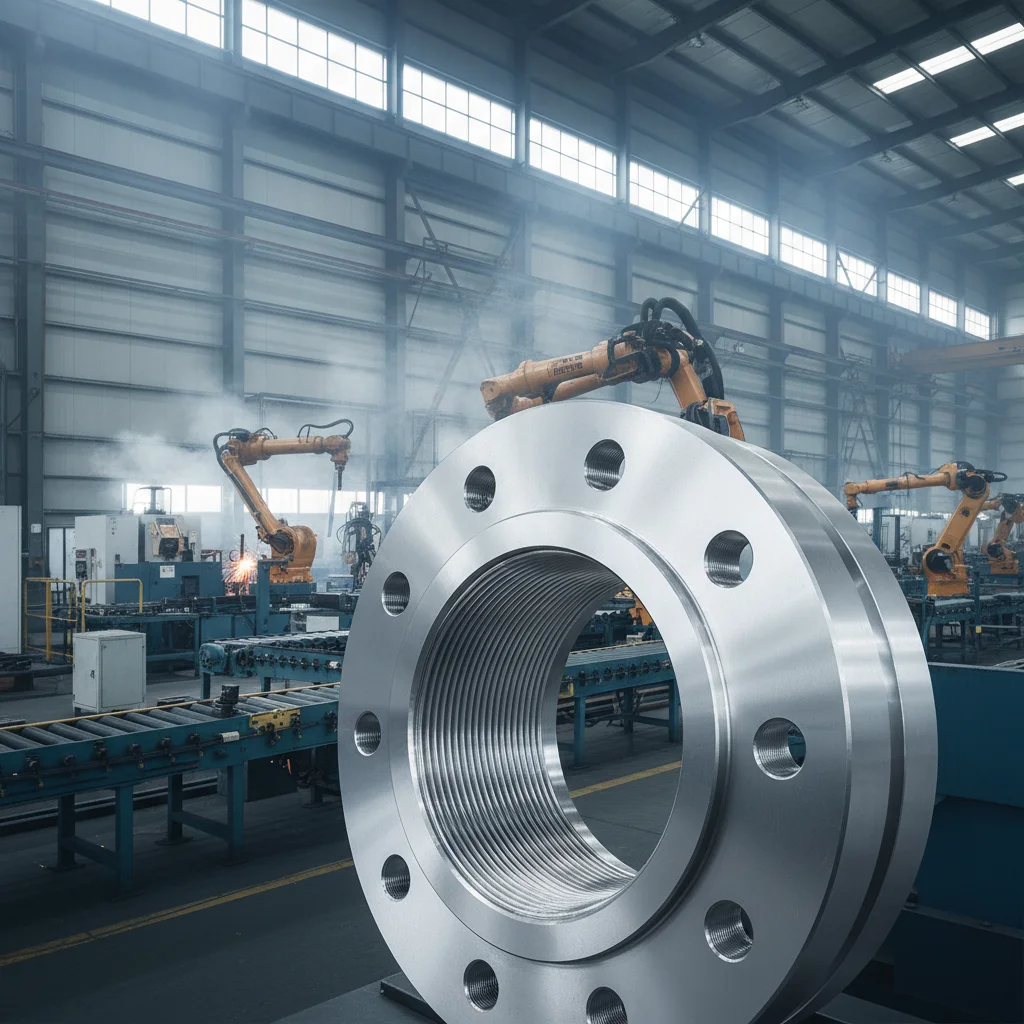
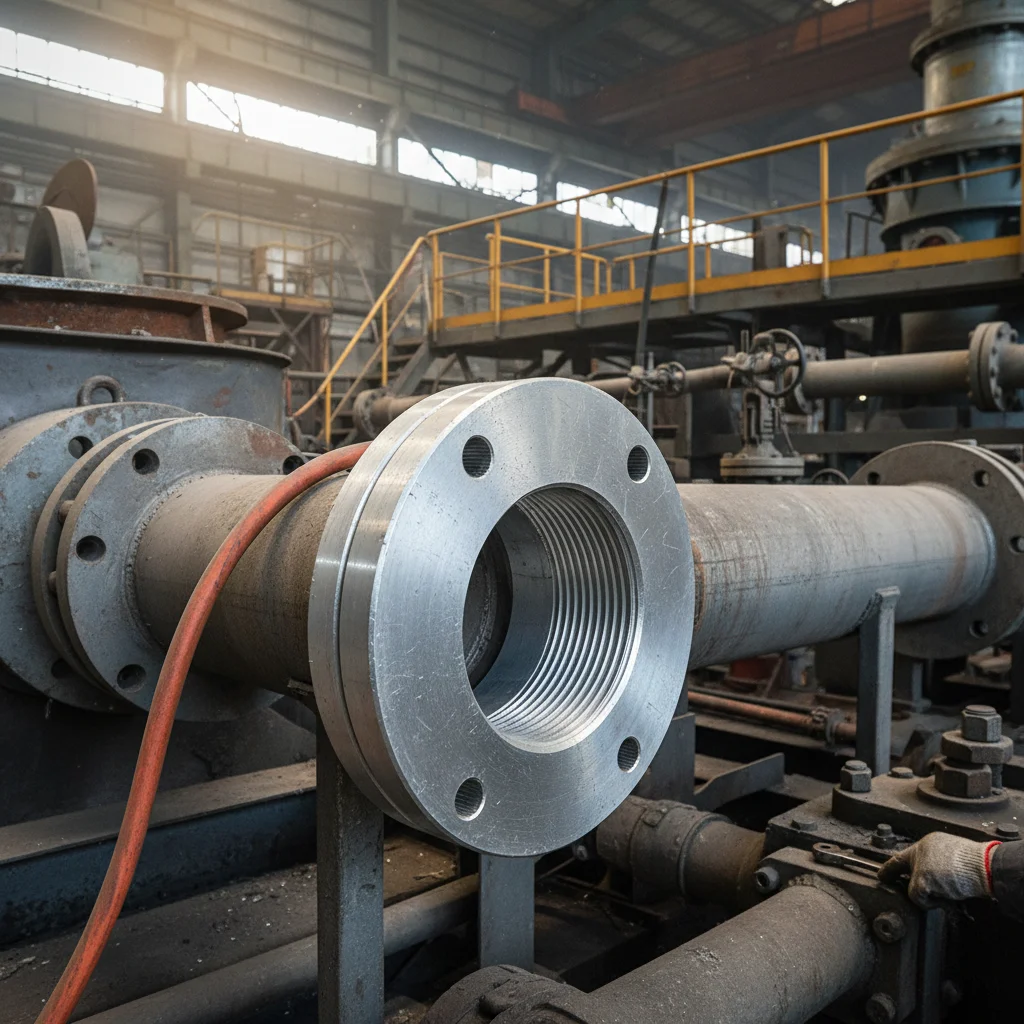
Aluminum Threaded Flange Applications and Industrial Benefits
Apr 17,26
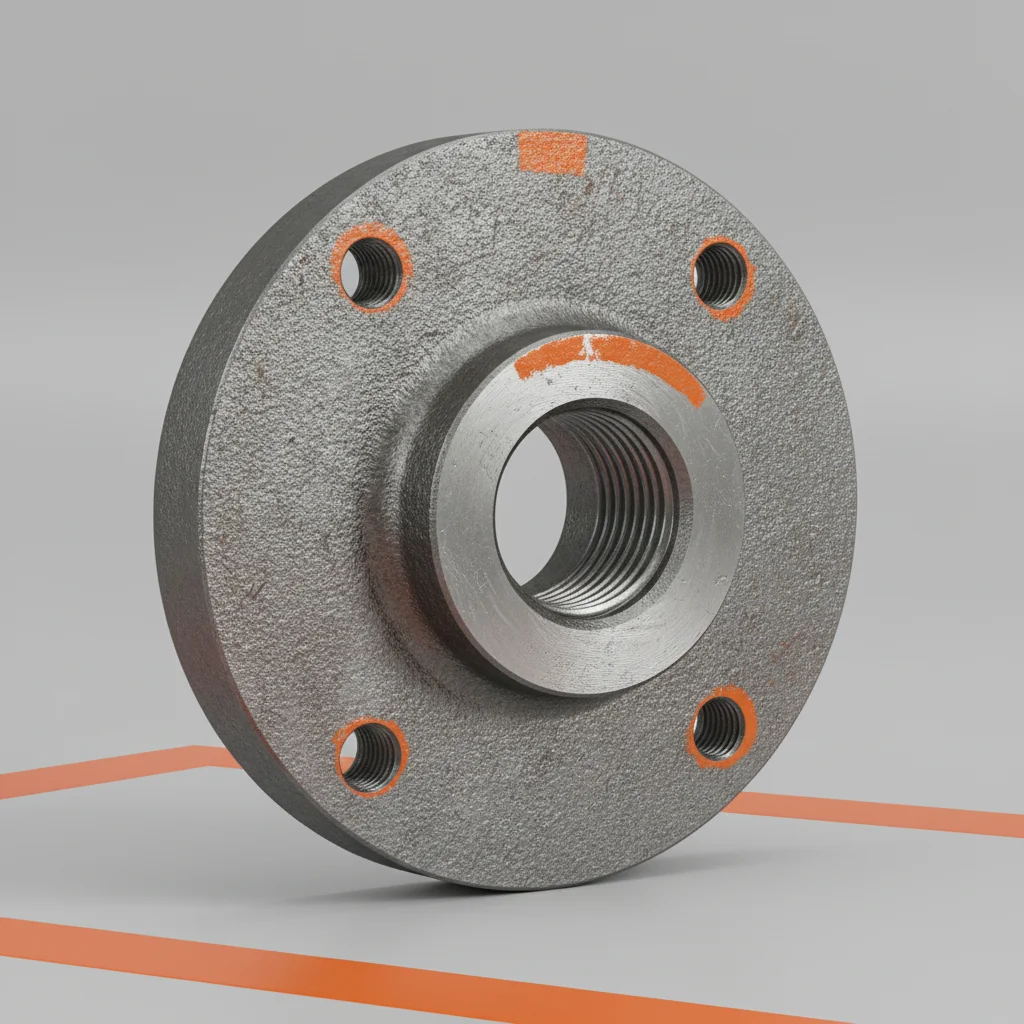
Industrial Blind Flange with Threaded Hole for Piping Systems
Apr 08,26
High Performance Aluminum Threaded Flange Solutions for Industrial Piping Systems
SUBSCRIBE NEWSLETTER