The selection of high-precision piping components is critical for ensuring the structural integrity and leak-proof performance of industrial fluid systems. Among these, the flat face threaded flange serves as a fundamental connection point, allowing for a secure, flat-surface seal that is essential when joining pipes to valves, pumps, or tanks. Its design prioritizes a wide contact area, which distributes pressure evenly across the gasket, thereby reducing the risk of failure in high-vibration environments.
Globally, the demand for standardized flange solutions has surged as infrastructure projects in the energy, chemical, and automotive sectors demand higher safety margins and easier maintenance. The ability to quickly install and disassemble threaded connections without the need for specialized welding equipment makes these components indispensable for rapid deployment and system modularity. Engineers often prioritize these fittings to minimize downtime and ensure a cost-effective lifecycle for the entire piping assembly.
For procurement managers and technical directors, sourcing a high-quality flat face threaded flange means balancing material durability with precise dimensional tolerances. Whether utilized in HVAC chilled water loops or high-pressure hydraulic lines, the right flange prevents costly leaks and unplanned outages. Understanding the nuances of surface finish and thread standards is the first step toward optimizing system reliability and reducing the total cost of ownership.

Global Relevance of Flat Face Threaded Flanges
In the current global industrial landscape, the adoption of standardized piping components follows strict ISO and ASME guidelines to ensure cross-border compatibility. The flat face threaded flange is a cornerstone of this standardization, providing a reliable interface for piping systems in over 20 export countries. By utilizing a flat sealing surface, these flanges allow for the use of softer gaskets, which is essential when mating different materials to prevent galvanic corrosion.
The economic impact of flange failure is staggering, with unplanned downtime in mid-size plants often costing thousands of dollars per hour. This global challenge has pushed manufacturers to move beyond "cheap" components toward those with certified quality and precise tolerances. Investing in high-grade fittings reduces reject rates during pressure tests, ensuring that infrastructure remains safe and operational regardless of the geographic location or environmental severity.
Defining the Flat Face Threaded Flange Mechanism
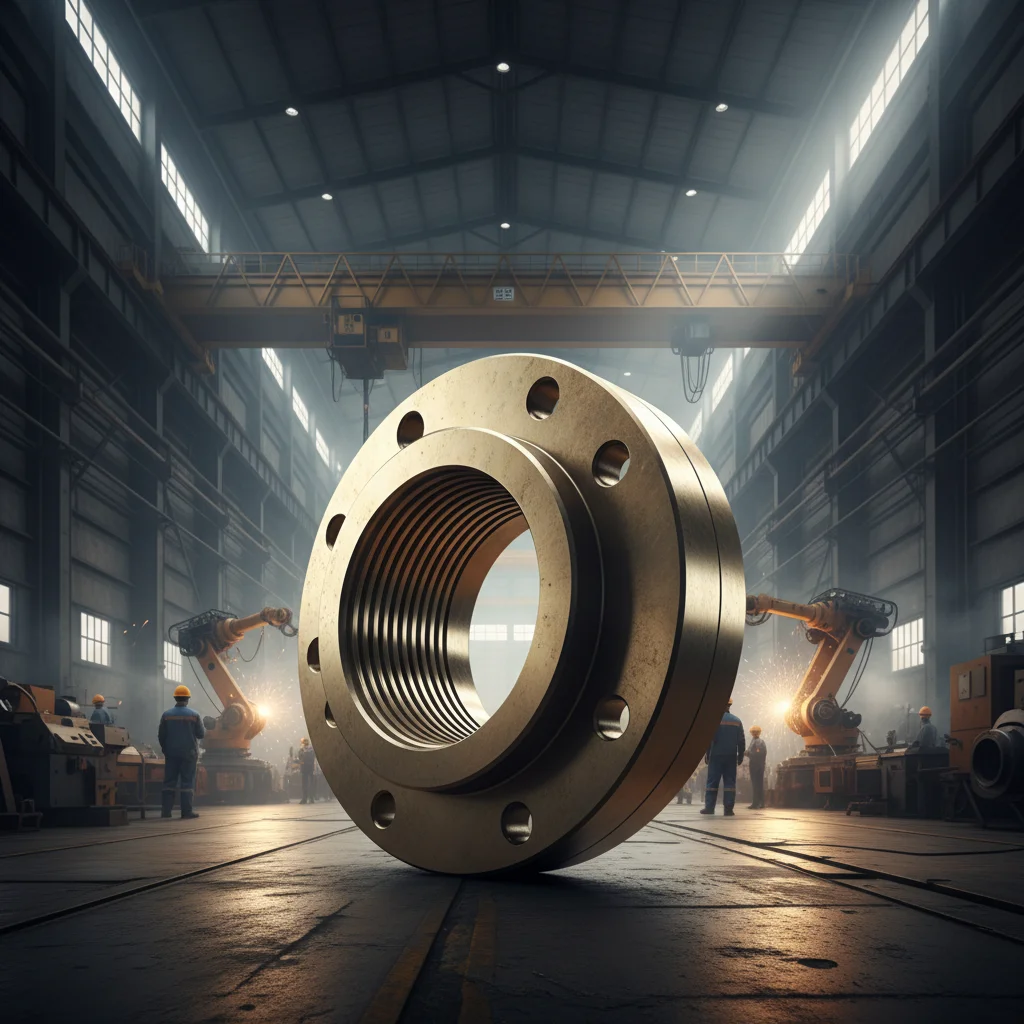
A flat face threaded flange is a specialized pipe fitting designed to connect a threaded pipe to a matching flange or valve. Unlike raised face designs, the entire surface of the flange is flat, which creates a broad, uniform seal when compressed against a gasket. This geometry is particularly beneficial in low-to-medium pressure applications where the priority is a secure, leak-free joint that can be assembled and disassembled with basic hand tools.
From a technical perspective, the threaded interior allows for a rapid screw-in connection, eliminating the need for complex welding processes. This makes it a preferred choice for modular construction and field installations where welding might be hazardous or impractical. The combination of a threaded bore and a flat face ensures that the axial load is distributed evenly, minimizing the risk of flange warping or gasket crushing.
In modern industry, this component addresses the critical need for adaptability. Whether used in an automotive heater circuit or a commercial HVAC loop, the mechanism provides a standardized way to integrate various pipe diameters and materials. By following BS EN 10242 or ASME B16.3 standards, these flanges ensure that a part sourced from a factory in China will fit perfectly into a system installed in Europe or North America.
Core Components and Engineering Factors
Durability is the primary engineering factor when designing a flat face threaded flange. The choice of material—ranging from Malleable Cast Iron (MCI) to forged carbon steel—determines the component's resistance to thermal fatigue and pressure spikes. For instance, MCI provides the necessary tensile strength for high-vibration environments, while A105 carbon steel is reserved for high-pressure industrial process piping.
Precision in thread depth and angle is where the real value of a flat face threaded flange lies. According to ASME B1.20.1, threads must be fully engaged to prevent stripping under load. Any deviation in the 90-degree geometry or thread pitch can lead to microscopic gaps, which, over time, result in systemic leaks and reduced operational efficiency.
Cost efficiency is achieved not through the lowest purchase price, but through the total cost of ownership (TCO). High-quality surface treatments, such as hot-dip galvanizing or epoxy coating, protect the flange from corrosion, extending the service life of the fitting. By reducing the frequency of replacements and the risk of catastrophic failure, premium flanges offer far superior long-term value than budget alternatives.
Performance Metrics Across Material Grades
Evaluating the performance of a flat face threaded flange requires a comparison of mechanical properties across different materials. Malleable Cast Iron is prized for its balance of cost and strength in automotive and HVAC applications. In contrast, Brass is the gold standard for marine cooling systems due to its inherent resistance to biofouling and salt-water corrosion, though it comes at a higher price point.
Carbon steel offers the highest pressure rating, often handling up to 40 bar, making it suitable for steam and hydraulic lines. The following data illustrates how different material specifications impact the overall performance and reliability ratings of these components in real-world stress tests.
Material Performance Comparison for Flat Face Threaded Flange
Industrial Applications and Use Cases
The versatility of the flat face threaded flange is evident in its wide array of applications. In the automotive aftermarket, it is used for heater core lines where vibration is constant; the flat face design ensures that the connection remains tight even as the engine shifts. In large-scale HVAC installations, these flanges are used to connect chilled water loops, providing a secure seal that can be easily serviced during seasonal maintenance.
Beyond commercial use, these components are critical in remote industrial zones and post-disaster relief operations. In areas where infrastructure must be rebuilt quickly, the ability to use threaded flanges instead of waiting for certified welders accelerates the restoration of water and fuel lines. This rapid deployment capability is a key reason why NGOs and government agencies stock these standardized fittings for emergency response.
Long-Term Value and Sustainability
Investing in a high-quality flat face threaded flange contributes directly to the sustainability of an industrial project. By utilizing materials like Grade A105 steel or corrosion-resistant brass, companies can extend the replacement cycle of their piping systems from 5 years to 15 years. This reduction in material turnover significantly lowers the environmental footprint associated with smelting and transporting new metal components.
From a logical and emotional standpoint, reliability equals trust. A facility manager who knows their fittings are ISO 9001 certified and 100% hydrostatic tested can operate with peace of mind, knowing that the risk of a catastrophic leak is minimized. This safety assurance protects not only the financial assets of the company but also the dignity and safety of the workers on the plant floor.
Furthermore, the modular nature of threaded flanges encourages a "repair rather than replace" philosophy. When a specific section of a pipe is damaged, the flat face threaded flange allows for the isolated removal of that segment. This surgical approach to maintenance prevents the waste of perfectly good piping and reduces the overall cost of facility upkeep over several decades.
Future Innovations in Flange Manufacturing
The future of the flat face threaded flange is being shaped by the digital transformation of manufacturing. CNC threading and automatic casting lines are now achieving tolerances within ±0.1mm, virtually eliminating the human error associated with manual machining. This precision ensures a perfect seal every time, reducing the reliance on excessive sealant tapes or gaskets that can degrade over time.
We are also seeing a shift toward "green" materials and coatings. New eco-friendly electroplating methods are replacing traditional hexavalent chromium, ensuring compliance with RoHS and REACH standards without sacrificing corrosion resistance. These innovations allow manufacturers to provide components that are safe for the environment while maintaining the rigorous mechanical standards required by the oil and gas industry.
Integration with IoT is the next frontier, where "smart flanges" may incorporate sensors to monitor pressure and temperature in real-time. While the basic geometry of the flat face threaded flange remains timeless, the materials and the way they are monitored are evolving to support a more automated, predictive maintenance model.
Core Technical Comparison of Flange Material Options
| Material Grade | Pressure Rating | Corrosion Resistance | Typical Application |
|---|
| Malleable Iron (MCI) | PN25 (Medium) | Moderate (Galvanized) | Automotive/HVAC |
| Brass (HPb59-1) | PN16 (Low-Medium) | High (Natural) | Marine/Potable Water |
| Carbon Steel (A105) | PN40 (High) | Low (Requires Coating) | Industrial Process/Steam |
| Stainless Steel (304/316) | PN63 (Very High) | Very High | Chemical/Pharmaceutical |
| Alloy Steel | PN100 (Extreme) | Moderate | High-Pressure Hydraulics |
| Ductile Iron | PN25 (Medium) | Moderate | Municipal Water Mains |
FAQS
A flat face threaded flange has a completely smooth sealing surface, which is ideal for mating with cast-iron equipment or when using thicker gaskets to compensate for uneven surfaces. A raised face flange has a small concentric ridge that concentrates the gasket pressure into a smaller area, typically used for higher pressure ratings and steel-to-steel connections.
For saltwater or marine applications, Brass (such as HPb59-1) or Stainless Steel (316 grade) are the best choices. These materials naturally resist chloride-induced corrosion and biofouling, which would cause carbon steel or malleable iron to rust and fail rapidly without expensive specialized coatings.
You must specify the thread standard on your purchase order. NPT (American National Standard Taper Thread) is standard for North American markets, while BSPT (British Standard Pipe Taper) is used in Europe and Asia. Using the wrong standard will lead to cross-threading and inevitable leaks, regardless of the flange's material quality.
Yes, provided you select the correct material and pressure rating. For high-pressure steam, Carbon Steel A105 is recommended over Malleable Iron. Ensure the flange is rated for the specific PN (Pressure Nominal) or Class requirement of your system, and use a high-temperature graphite gasket to maintain the seal.
Standard sizes are typically in stock and can ship within 3-5 days. For custom OEM/ODM orders involving specific logos, unique coatings, or non-standard dimensions, production generally takes 15-25 days, with pre-production samples available within 7 days for approval.
Request a Material Test Certificate (EN 10204 3.1) and a Hydrostatic Test Report. A quality manufacturer will test every batch at 1.5x the rated pressure for at least 15 seconds. You can also perform a random check using a thread plug gauge to ensure compliance with ASME or ISO standards.
Conclusion
The flat face threaded flange remains an essential component in modern piping engineering, offering a perfect blend of installation ease and sealing reliability. By carefully selecting materials based on the operating environment—whether it be the vibration-resistant nature of Malleable Cast Iron or the extreme strength of Carbon Steel—operators can significantly reduce the risk of leaks and unplanned downtime. The transition toward CNC precision and sustainable coatings further ensures that these components meet the rigorous demands of global industrial standards.
As the industry moves toward smarter, more sustainable infrastructure, the role of standardized, high-quality fittings becomes even more critical. We recommend that procurement teams prioritize certified traceability and hydrostatic testing over the lowest initial cost to ensure a lower total cost of ownership. For those seeking a reliable supply chain partner for high-precision pipe fittings, visit our website: www.weihuantube.com.