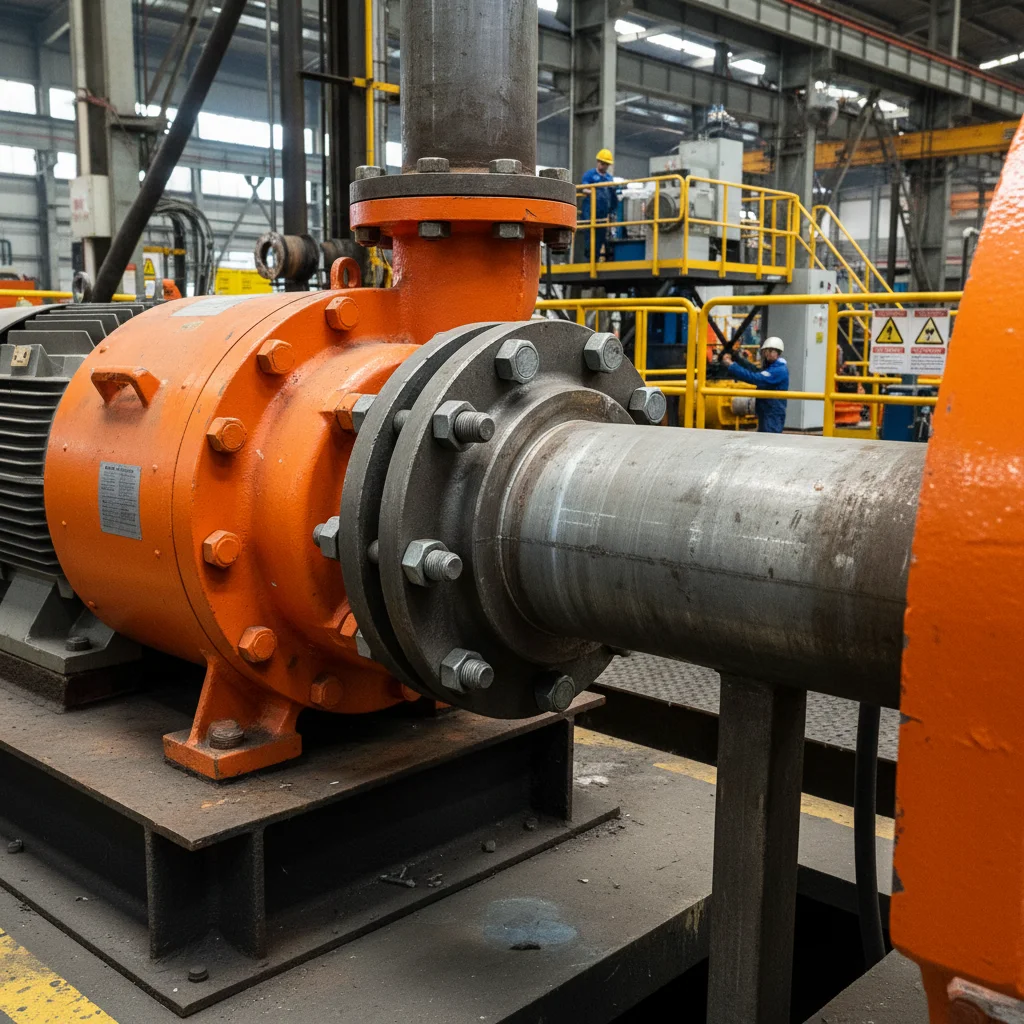
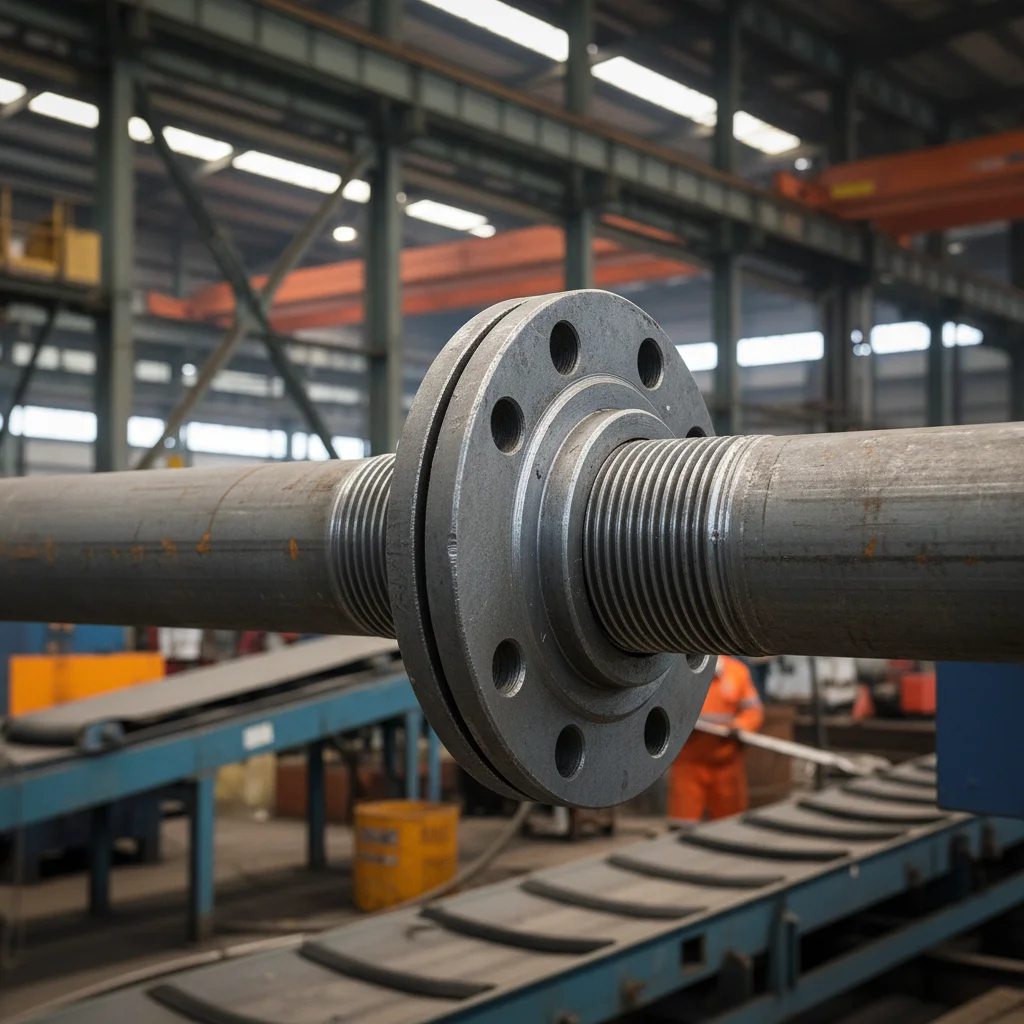
In the complex world of industrial piping and structural metalwork, the brass threaded flange serves as a critical junction point, blending the mechanical strength of a flange with the ease of a threaded connection. These components are indispensable in systems where frequent maintenance, precise sealing, and resistance to corrosion are non-negotiable requirements, making them a staple in both heavy industry and precision engineering.
Across the globe, the demand for high-quality brass threaded flange solutions has surged as infrastructure projects in emerging economies prioritize durability and longevity. By utilizing the natural antimicrobial and anti-corrosive properties of brass, engineers can significantly reduce the lifecycle costs of piping systems, avoiding the frequent replacements associated with lower-grade steel or plastic alternatives.
Understanding the technical nuances of the brass threaded flange—from its metallurgical composition to its thread precision—allows procurement managers and site engineers to optimize their system performance. This guide explores the global context, technical advantages, and future innovations surrounding these essential metal components to help you make informed selection decisions for your next project.
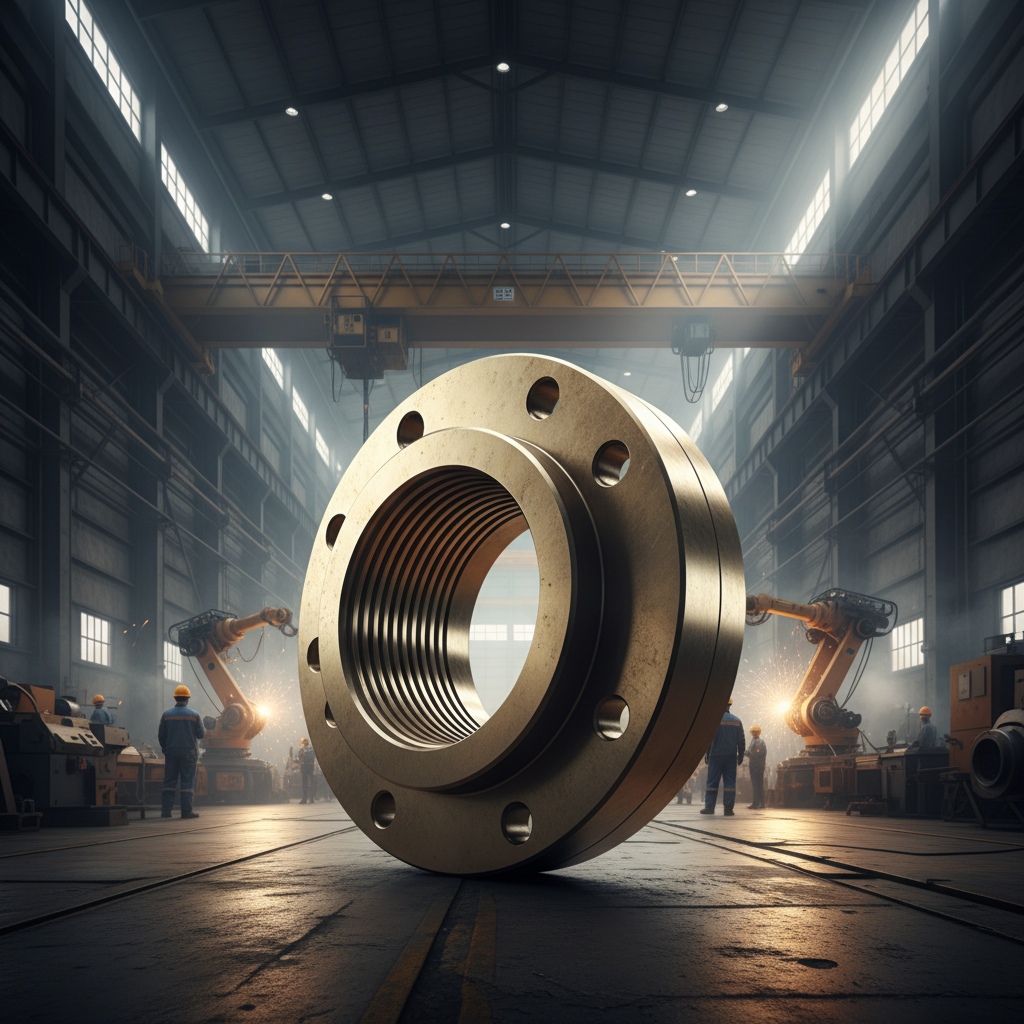
Global Industry Context of Brass Threaded Flanges
The global metal structural manufacturing sector has seen a significant shift toward specialized alloys to meet the stringent requirements of ISO and ASME standards. The brass threaded flange has emerged as a preferred choice in sectors where water, gas, and chemical transport require a balance between cost-effectiveness and high-level corrosion resistance. As urbanization increases in Asia and Africa, the integration of these components in municipal water grids and HVAC systems has become a benchmark for sustainable infrastructure.
One of the primary challenges addressed by the adoption of brass over carbon steel is the mitigation of oxidative failure in humid or saline environments. Statistics from industrial reliability reports suggest that brass-based connections can extend the maintenance interval of a piping system by up to 40% in coastal regions. By solving the problem of rapid degradation, the brass threaded flange ensures that critical utility lines remain operational with minimal downtime.
Defining the Brass Threaded Flange in Modern Engineering
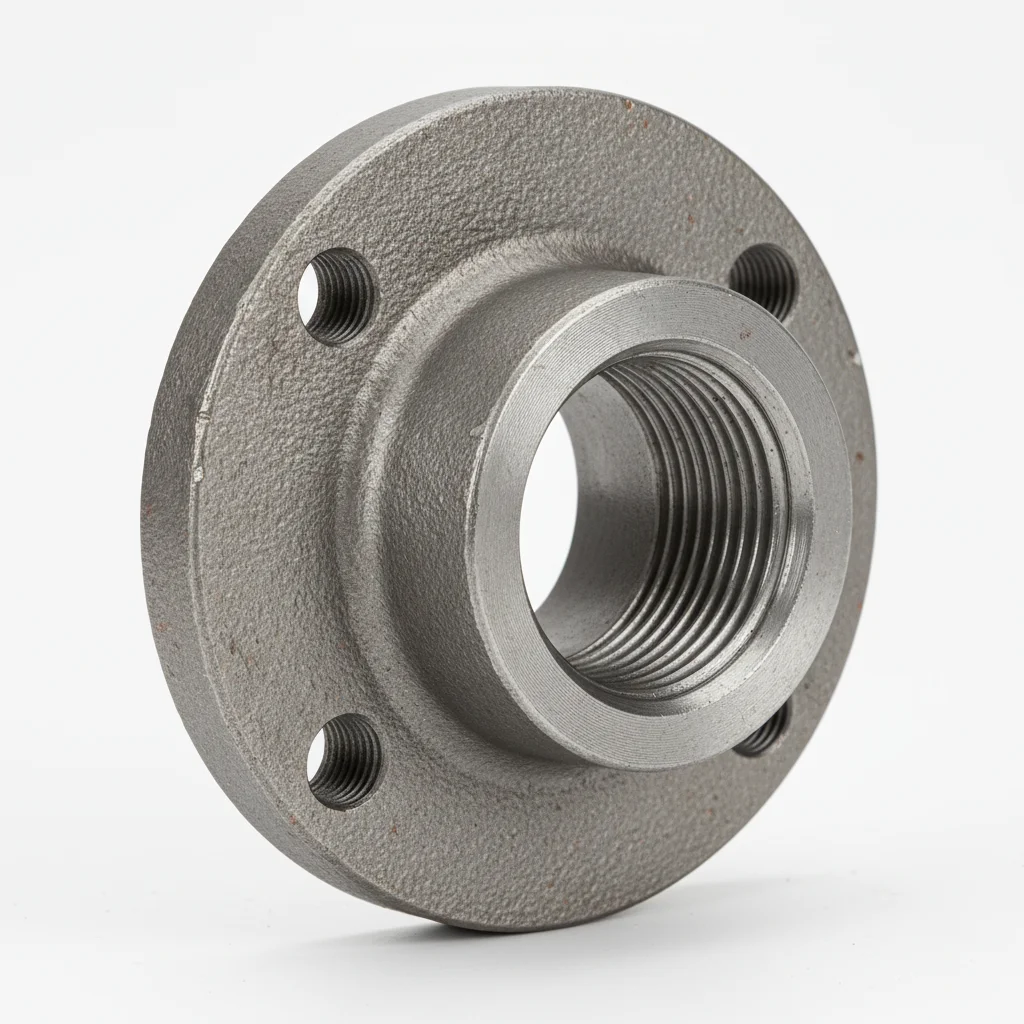
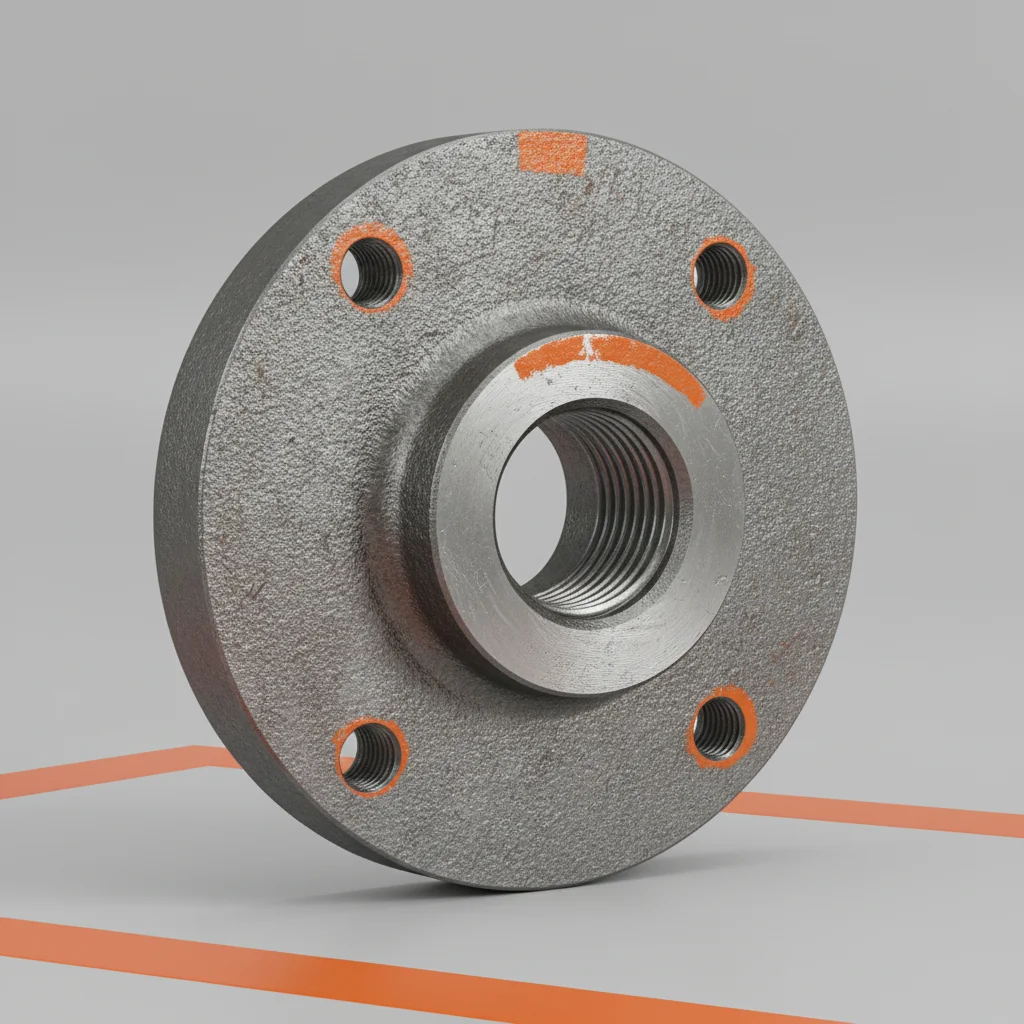
In simple terms, a brass threaded flange is a circular connector made from a copper-zinc alloy, featuring an internal or external thread that allows it to be screwed directly onto a pipe. Unlike welded flanges, which require permanent fusion, the threaded variety offers a modular approach, allowing for rapid assembly and disassembly without the need for specialized welding equipment on-site.
This component is more than just a piece of hardware; it is a vital link in modern humanitarian and industrial needs. In remote areas where electricity for welding is unavailable, the ability to secure a leak-proof connection using only manual wrenches makes these flanges invaluable for deploying emergency water filtration systems and temporary medical facility piping.
From a structural perspective, the brass threaded flange bridges the gap between the rigidity of heavy structural steel and the flexibility of smaller-diameter plumbing. It ensures that the transition between different pipe materials is handled with precision, preventing stress fractures and ensuring a hermetic seal under varying pressure loads.
Key Factors Driving Brass Flange Performance
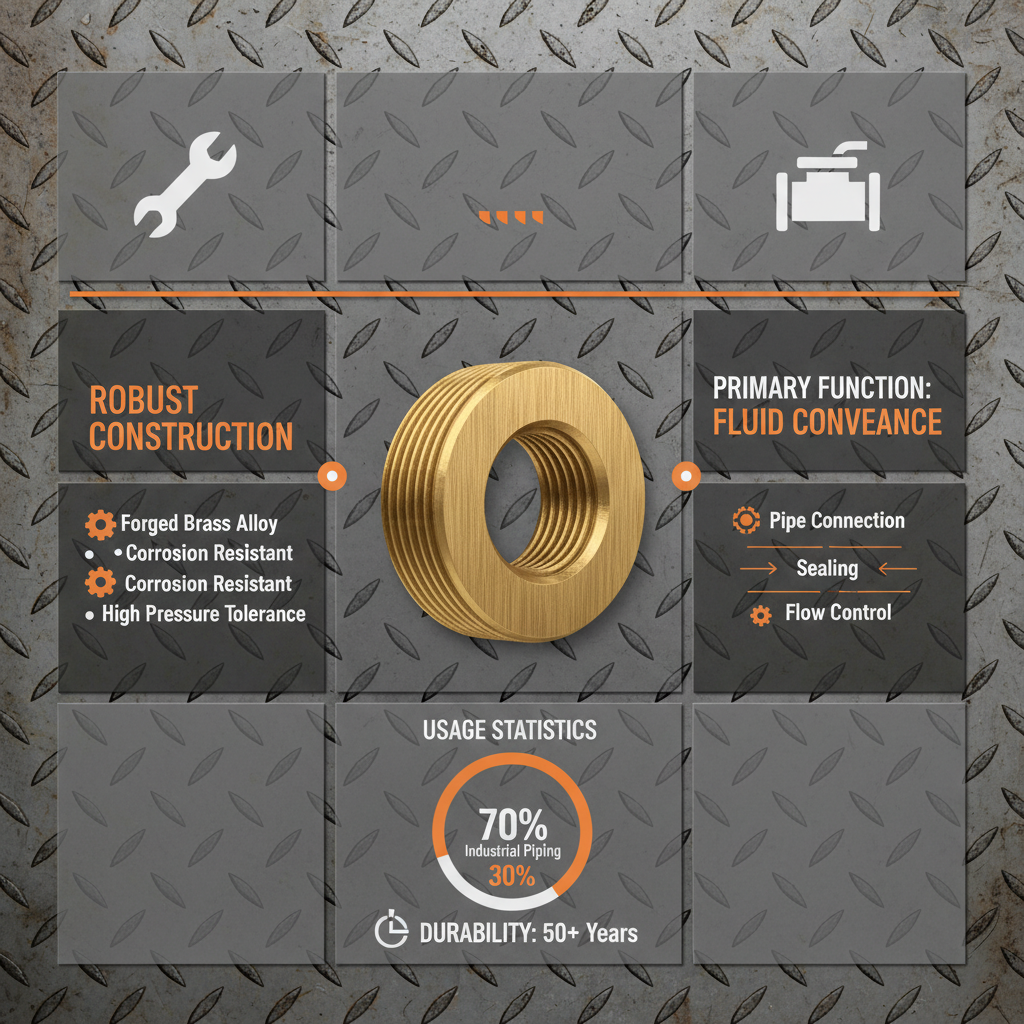
Durability is the cornerstone of any brass threaded flange. The inherent resistance of brass to atmospheric corrosion and various chemical agents means these components do not rust like iron. This ensures that the threaded interface remains clean and functional over decades of service, even in the presence of moisture.
Cost efficiency is realized not just in the initial purchase price, but in the reduction of labor hours. Because a brass threaded flange eliminates the need for professional welders and subsequent X-ray testing of joints, the installation phase of a project is significantly accelerated, lowering overall project overhead.
Precision and Scalability are achieved through strict adherence to NPT or BSP thread standards. This ensures that a brass threaded flange manufactured in one part of the world will fit perfectly with a pipe sourced from another, facilitating global supply chain integration and rapid scalability for industrial expansions.
Comparative Efficiency of Connection Methods
When evaluating the effectiveness of various piping junctions, the brass threaded flange stands out for its balance of speed and reliability. While welded joints offer maximum strength, they are permanent; conversely, threaded brass connections allow for "plug-and-play" modularity, which is essential for systems requiring frequent upgrades or component replacements.
The following data illustrates the performance ratings of different brass threaded flange implementation methods across key industrial metrics, highlighting why specific threading and material grades are chosen based on the application's needs.
Brass Threaded Flange Performance Comparison
Global Applications and Real-World Use Cases
In real-world industrial contexts, the brass threaded flange is widely employed in the maritime industry. Shipboard plumbing systems must withstand constant exposure to salt spray and humidity; brass's natural resistance to chloride-induced corrosion makes these flanges ideal for connecting valves and pumps in engine rooms and ballast systems.
Beyond the seas, these components are critical in post-disaster relief operations. When NGOs deploy rapid-response water sanitation plants in remote industrial zones or disaster-stricken areas, the use of brass threaded flange units allows non-specialist technicians to assemble complex piping networks quickly, ensuring that clean water reaches affected populations without the delay of specialized welding.
Long-Term Value and Sustainability Advantages
The long-term value of investing in a high-grade brass threaded flange extends far beyond simple mechanical utility. From a sustainability perspective, brass is highly recyclable. Unlike composite materials or certain coated steels that become contaminated during the recycling process, brass can be melted down and repurposed with minimal loss of material quality, contributing to a circular economy in metal manufacturing.
From a logical and emotional standpoint, the use of these components provides peace of mind. In high-stakes environments—such as chemical processing plants or commercial heating systems—the reliability of a seal can be the difference between a standard workday and a catastrophic failure. The trust placed in a precision-engineered brass threaded flange is rooted in its predictable behavior under thermal expansion and contraction.
Furthermore, the social impact of using durable brass fittings is seen in the reduction of environmental leakage. By preventing slow seeps and drips that often plague lower-quality threaded joints, these flanges help industries maintain a cleaner footprint, ensuring that precious fluids and hazardous chemicals are contained securely within the system.
Future Trends and Technical Innovations
Looking forward, the evolution of the brass threaded flange is being driven by the digital transformation of manufacturing. The integration of CNC precision machining and 3D metal printing is allowing for the creation of "smart flanges" with optimized internal geometries that reduce turbulence and pressure drop, thereby increasing the energy efficiency of the overall pumping system.
Sustainability policies are also pushing for "lead-free" brass alloys to ensure that water systems remain compliant with the strictest health regulations. New metallurgical blends are being developed that maintain the strength and machinability of traditional brass while removing toxic elements, ensuring that the brass threaded flange remains the gold standard for potable water applications globally.
Automation in the assembly line is further reducing the cost of these components. With AI-driven quality control, every single brass threaded flange can be scanned for microscopic thread imperfections, ensuring a 100% success rate in seal integrity before the product even leaves the factory floor.
Analysis of Brass Threaded Flange Technical Specifications by Application
| Application Environment |
Material Grade |
Pressure Rating (PSI) |
Lifespan Expectancy |
| Marine Saltwater |
Naval Brass (C46400) |
150 - 300 |
20+ Years |
| Potable Water |
Lead-Free Brass (C27450) |
100 - 200 |
25+ Years |
| Chemical Processing |
High-Zinc Brass |
300 - 600 |
15+ Years |
| HVAC Systems |
Standard Brass (C36000) |
50 - 150 |
20+ Years |
| Industrial Steam |
Forged Brass |
600 - 1000 |
10+ Years |
| Gas Distribution |
Precision Brass Alloy |
200 - 400 |
30+ Years |
FAQS
The primary advantage is the ease of installation and maintenance. A brass threaded flange allows for rapid assembly using basic tools, eliminating the need for expensive welding equipment and certified welders. Additionally, brass provides superior corrosion resistance in humid environments without the need for external painting or galvanization, making it more cost-effective for smaller or temporary installations.
To achieve a professional seal, it is recommended to use high-quality PTFE (Teflon) tape or a specialized pipe thread sealant. Ensure that the threads on both the flange and the pipe are clean and free of debris. Tighten the flange using a calibrated torque wrench to avoid over-tightening, which can deform the brass threads or cause stress cracks, ensuring a secure, hermetic seal.
Yes, but only if you select the "Forged" variety of brass threaded flanges. Forged brass has a denser molecular structure and higher tensile strength than cast brass, allowing it to withstand the extreme pressure and thermal cycling associated with steam. Always verify the PSI rating of the specific flange grade against your system's maximum operating pressure before installation.
Absolutely, provided you use "Lead-Free" brass alloys. Modern standards (such as NSF/ANSI 61) require that brass used in drinking water systems contains minimal lead levels. Lead-free brass threaded flanges maintain the excellent machining properties of traditional brass while ensuring the water remains safe for human consumption, meeting all global health and safety regulations.
In coastal areas where salt air accelerates oxidation, a high-quality brass threaded flange can typically last 20 to 30 years. Unlike carbon steel, which would require frequent coating and replacement, brass forms a natural protective patina that shields the underlying metal from further corrosion, making it one of the most durable choices for maritime and seaside infrastructure.
The most efficient way to import these components is to partner with a manufacturer that adheres to international standards like ISO, ASME, and DIN. This ensures that the threaded flanges are compatible with global piping systems. Utilizing consolidated shipping and ensuring all material certifications (MTC) are provided upfront will streamline customs clearance and guarantee the quality of the materials upon arrival.
Conclusion
In summary, the brass threaded flange represents a perfect synergy of material science and mechanical utility. By combining the corrosion resistance of brass with the modular flexibility of threaded connections, these components solve critical industrial challenges ranging from installation speed to long-term durability in harsh environments. Whether used in maritime systems, municipal water grids, or emergency relief infrastructure, their ability to provide reliable, leak-proof seals makes them an indispensable asset in structural metal manufacturing.
As we move toward a future defined by sustainable building and smart manufacturing, the role of the brass threaded flange will only expand. We recommend that engineers and procurement officers prioritize lead-free, high-precision alloys to ensure both environmental compliance and system longevity. To explore our full range of high-performance piping solutions and custom flange specifications, visit our website: www.weihuantube.com.