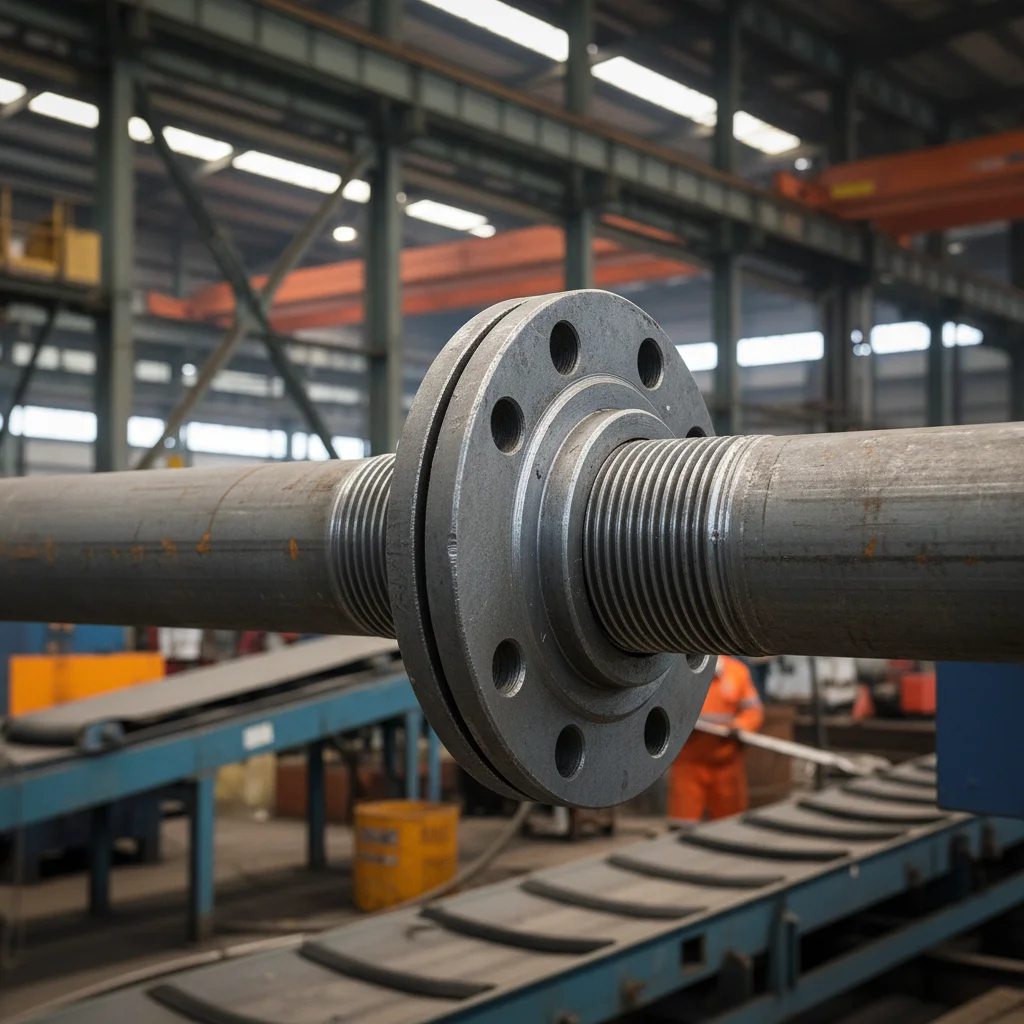
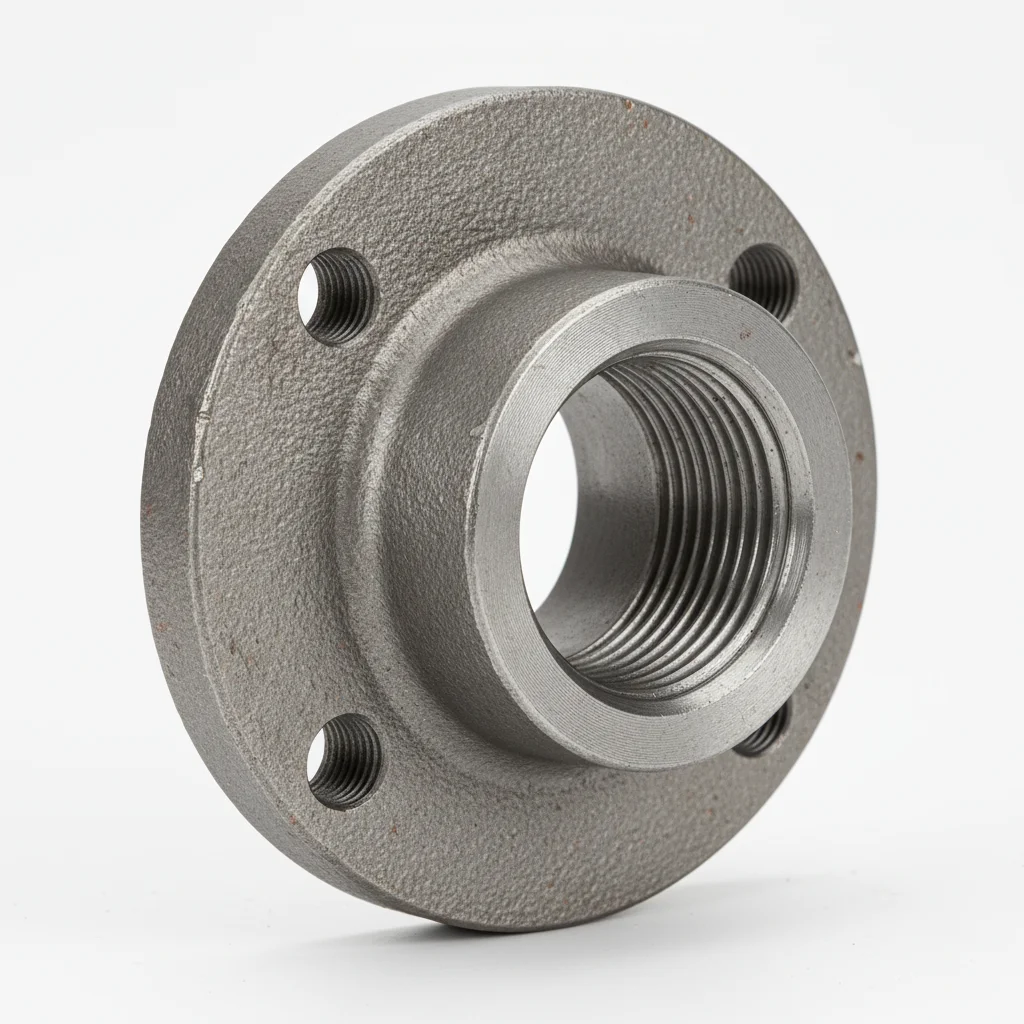
In the complex world of industrial piping and pressure vessel management, the blind flange with threaded hole serves as a critical component for system versatility and safety. Unlike a standard blind flange that simply seals a pipe end, the addition of a threaded hole allows for the integration of pressure gauges, vent valves, or sensors without compromising the structural integrity of the seal. This dual-functionality is essential for engineers who require both a secure termination and a point of access for monitoring.
Across global manufacturing sectors, from petrochemical plants to water treatment facilities, the precision of a blind flange with threaded hole ensures that systems can be maintained and inspected without requiring a complete shutdown of the line. By providing a standardized interface for instrumentation, these components reduce downtime and minimize the risk of leaks during critical maintenance cycles.
Understanding the specifications, material grades, and installation nuances of these specialized flanges is paramount for ensuring long-term operational reliability. Whether dealing with corrosive chemicals or high-temperature steam, selecting the right blind flange with threaded hole can mean the difference between seamless production and costly industrial failure.
Global Relevance and Industrial Context of Blind Flanges
The global demand for high-precision metal structures is intrinsically linked to the expansion of energy and chemical infrastructures. According to ISO standards for piping components, the reliability of sealing elements is a primary safety metric. The blind flange with threaded hole addresses a critical gap in traditional piping: the need for a permanent seal that still permits periodic diagnostic access.
In an era where industrial safety regulations are becoming more stringent, the ability to monitor internal pressure without opening a primary flange connection is invaluable. This component mitigates the risk of accidental release of hazardous materials, aligning with global environmental and safety goals aimed at reducing industrial accidents and emissions.
Defining the Blind Flange with Threaded Hole
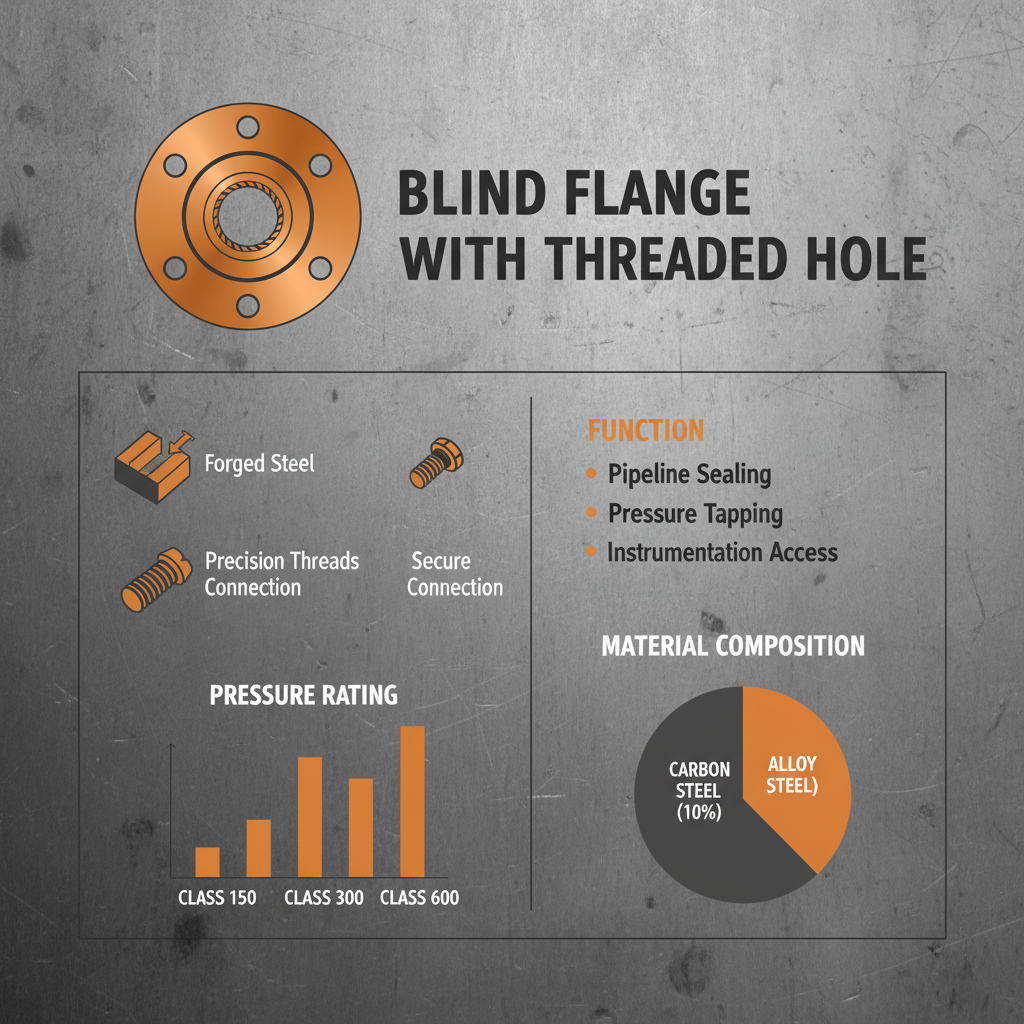
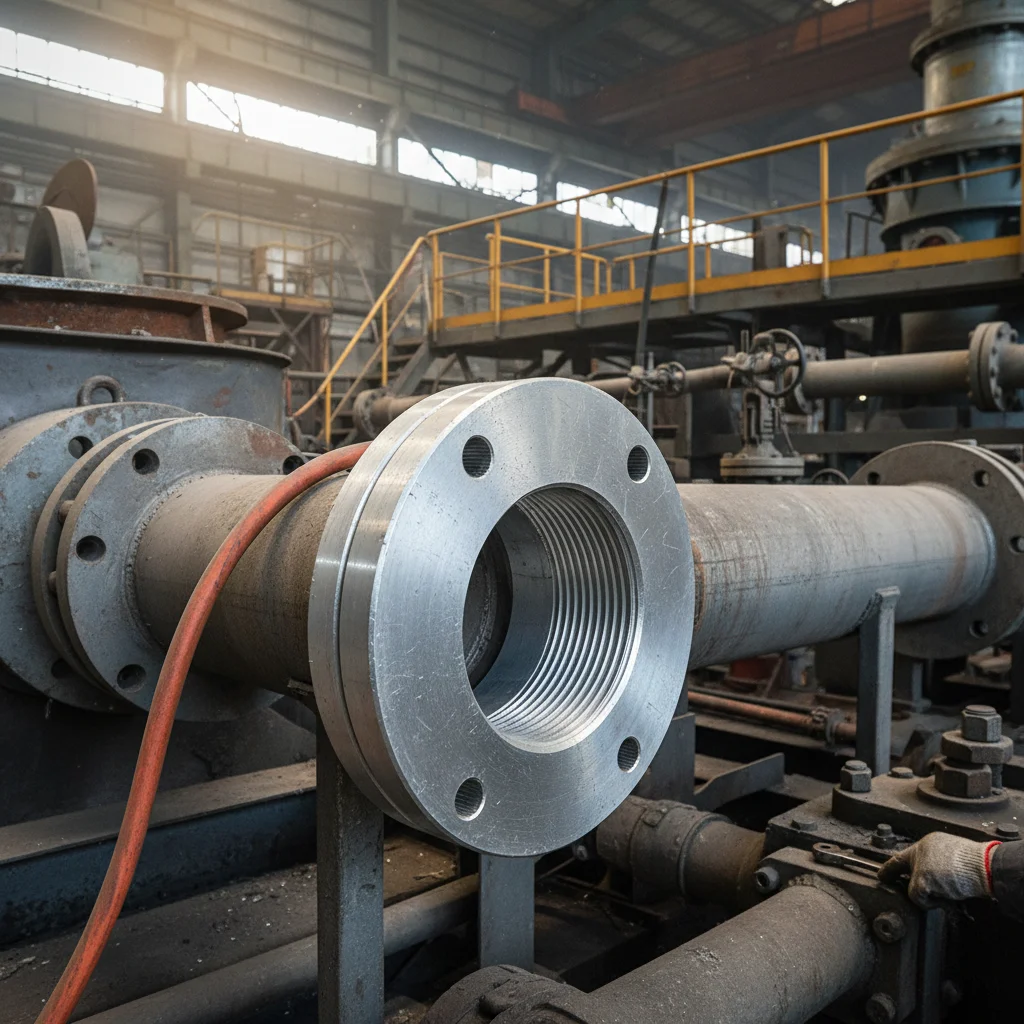
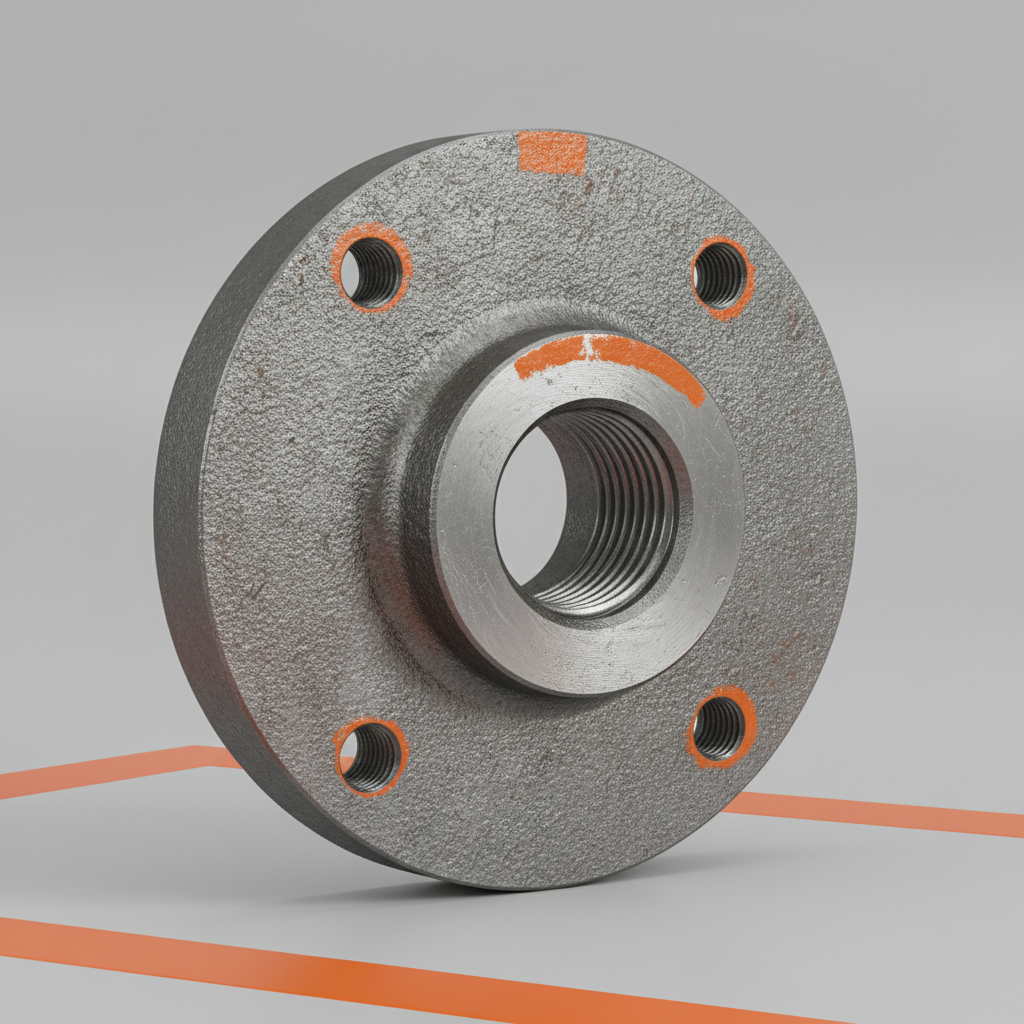
At its core, a blind flange with threaded hole is a solid disk of metal used to block off a section of piping or a vessel nozzle. Unlike a standard "blind" (which is completely solid), this version features a precision-machined internal thread in the center. This allows for the installation of a plug, a pressure gauge, or a small-diameter pipe, effectively turning a dead-end into a functional utility port.
From a humanitarian and infrastructure perspective, these components are vital in the construction of remote water purification plants and medical gas pipelines. By utilizing a threaded blind flange, technicians can easily install air-bleed valves or sample ports, ensuring that the water or gas delivered to vulnerable populations is pure and safe.
The engineering logic behind this design is "controlled accessibility." It eliminates the need for complex T-junctions or expensive valve manifolds in areas where only occasional monitoring is required, thereby simplifying the system architecture and reducing potential leak points.
Core Components and Engineering Factors
When selecting a blind flange with threaded hole, the first consideration is Material Compatibility. Depending on the medium being transported—be it sulfuric acid, high-pressure steam, or potable water—the choice between carbon steel, stainless steel, or duplex alloys is critical to prevent galvanic corrosion and stress cracking.
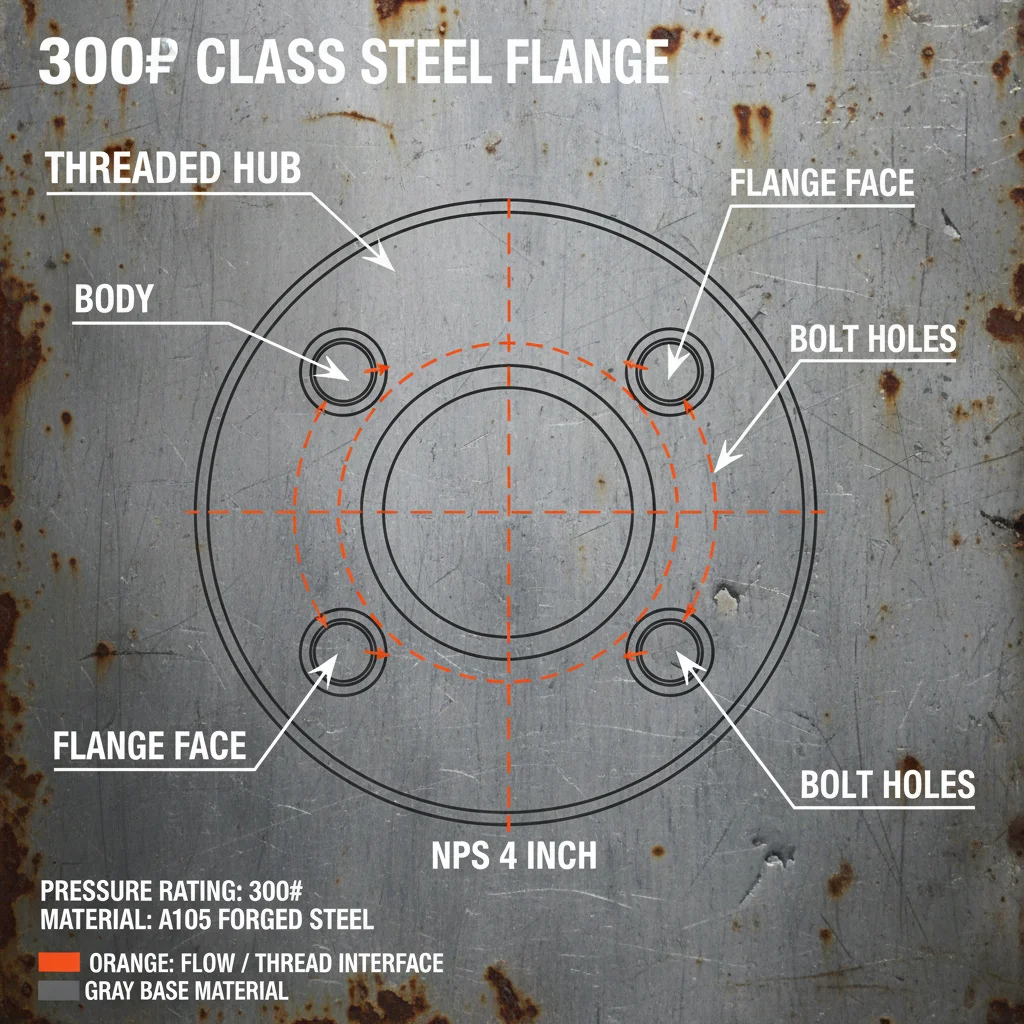
The Threading Precision is the second vital factor. A blind flange with threaded hole must adhere to NPT (National Pipe Thread) or BSPP (British Standard Pipe Parallel) standards. Any deviation in the thread pitch or depth can lead to catastrophic failure under pressure, making CNC machining accuracy non-negotiable.
Finally, Pressure Rating (Class) determines the flange's ability to withstand internal force. Whether it is Class 150, 300, or 600, the thickness of the blind disk must be calculated to ensure that the threaded hole does not create a structural weak point that could lead to deformation or rupture.
Practical Applications in Modern Piping
In the oil and gas industry, the blind flange with threaded hole is frequently used as a "test plug." During the hydrostatic testing of a pipeline, these flanges seal the line while the threaded port allows technicians to inject test fluids or connect pressure transducers to verify the pipeline's integrity.
Beyond heavy industry, these are widely used in pharmaceutical clean-rooms. In these environments, a blind flange with threaded hole serves as a sterile sampling point, allowing quality control officers to draw a fluid sample for analysis without exposing the main process line to external contaminants.
Performance Comparison of Blind Flange Configurations
Long-Term Value and Operational Advantages
The adoption of a blind flange with threaded hole provides significant economic advantages over the long term. By reducing the number of required valves and reducing the complexity of the piping layout, companies can lower their initial capital expenditure (CAPEX) while simultaneously reducing the number of potential leak paths.
From a psychological and safety perspective, the reliability of these components fosters trust among plant operators. Knowing that a pressure point is securely sealed yet accessible for a quick check provides peace of mind, reducing the stress associated with maintaining high-pressure systems and ensuring a more dignified and safe working environment.
Future Trends in Flange Manufacturing
The future of the blind flange with threaded hole lies in "Smart Piping." We are seeing a shift toward integrating IoT-enabled sensors directly into the threaded ports. These sensors can provide real-time data on corrosion rates, temperature fluctuations, and pressure spikes, transmitting this data wirelessly to a central control room.
Additionally, the move toward green energy is introducing new materials. For hydrogen transport, standard carbon steel is prone to hydrogen embrittlement. Therefore, we are seeing a rise in the use of advanced cryogenic alloys and composite coatings for blind flange with threaded hole applications to ensure zero-leakage in the hydrogen economy.
Additive manufacturing (3D printing) is also beginning to play a role. Complex internal geometries can now be printed, allowing for "integrated venting" paths within the flange body itself, further reducing the need for external fittings and optimizing fluid dynamics at the pipe's end.
Overcoming Common Implementation Challenges
One of the most frequent challenges is "Thread Galling," especially in stainless steel blind flange with threaded hole components. This occurs when the threads seize due to friction and heat during installation. The solution lies in the application of high-quality anti-seize compounds and the use of precision-cut threads that adhere strictly to tolerance standards.
Another common issue is the mismatch between the flange rating and the threaded insert rating. Engineers must ensure that the plug inserted into the blind flange with threaded hole has a pressure rating equal to or greater than the flange itself. Failure to do so creates a "weak link" that can lead to explosive decompression.
Lastly, corrosion at the thread interface often leads to leaks. This can be overcome by utilizing PTFE-lined inserts or choosing materials with superior passivation properties. Regular ultrasonic testing (UT) of the flange thickness around the threaded area is also recommended to monitor for wall thinning over time.
Technical Specifications and Comparison of Threaded Blind Flanges
| Material Grade |
Thread Standard |
Max Pressure (Psi) |
Corrosion Resistance |
| Carbon Steel A105 |
NPT |
150 - 600 |
Moderate (Requires Coating) |
| Stainless 304/316 |
BSPP |
300 - 1500 |
High (Oxide Layer) |
| Duplex Steel 2205 |
NPT |
2000+ |
Very High (Chloride Resistant) |
| Alloy Steel 4140 |
NPT/UNF |
3000+ |
Moderate (High Strength) |
| Monel 400 |
BSPP |
150 - 600 |
Extreme (Marine Environments) |
| Titanium Grade 2 |
Custom |
1000+ |
Immune (High Acid) |
FAQS
A standard blind flange is a solid piece used solely to terminate a pipeline. A blind flange with threaded hole features a precision-drilled and tapped hole in the center, which allows the operator to install a plug or an instrument (like a pressure gauge) while still maintaining the primary seal of the pipe end. This makes the system adaptable for testing and monitoring without removing the entire flange.
The choice depends on the regional standard and the application. NPT (National Pipe Tapered) is common in North America and provides a tighter seal due to the taper. BSPP (British Standard Pipe Parallel) is more common in Europe and Asia and typically requires a washer or O-ring for sealing. Always check your existing instrument fittings to ensure a perfect match with the blind flange with threaded hole.
If designed and machined correctly, the impact on the overall pressure rating is negligible. However, the thickness of the flange must be sufficient to support the thread depth without compromising the structural integrity of the disk. Professional manufacturers use FEA (Finite Element Analysis) to ensure the blind flange with threaded hole meets the ASME or DIN pressure class requirements.
For most corrosive applications, Stainless Steel 316L is the industry standard due to its molybdenum content. For extreme chloride or saltwater environments, Duplex Stainless Steel or Monel is recommended. When ordering a blind flange with threaded hole for these environments, ensure that the thread is also passivated to prevent localized pitting corrosion.
While possible, it is generally discouraged for high-pressure systems. On-site drilling can introduce stresses, create burrs that cause leaks, or result in off-center threading. A factory-made blind flange with threaded hole is produced using CNC machinery, ensuring concentricity and precision that cannot be replicated with handheld tools, thus guaranteeing safety.
Inspection frequency depends on the medium. For non-corrosive fluids, an annual visual check is sufficient. For hazardous or corrosive chemicals, we recommend semi-annual ultrasonic thickness testing around the blind flange with threaded hole area to ensure that the wall thickness remains within safe limits and that no stress-corrosion cracking has occurred.
Conclusion
The blind flange with threaded hole represents a sophisticated blend of security and accessibility in industrial piping. By enabling the integration of monitoring instruments within a secure seal, it optimizes maintenance workflows, enhances operational safety, and reduces the overall complexity of piping architectures. From the choice of material to the precision of the thread, every detail contributes to the long-term reliability of the industrial system.
As the industry moves toward smarter, more sustainable infrastructures, the role of specialized components like the blind flange with threaded hole will only grow. We encourage engineers and procurement managers to prioritize precision-manufactured components and rigorous material verification to ensure the safety and longevity of their plants. For high-quality, industry-certified solutions, visit our website: www.weihuantube.com.