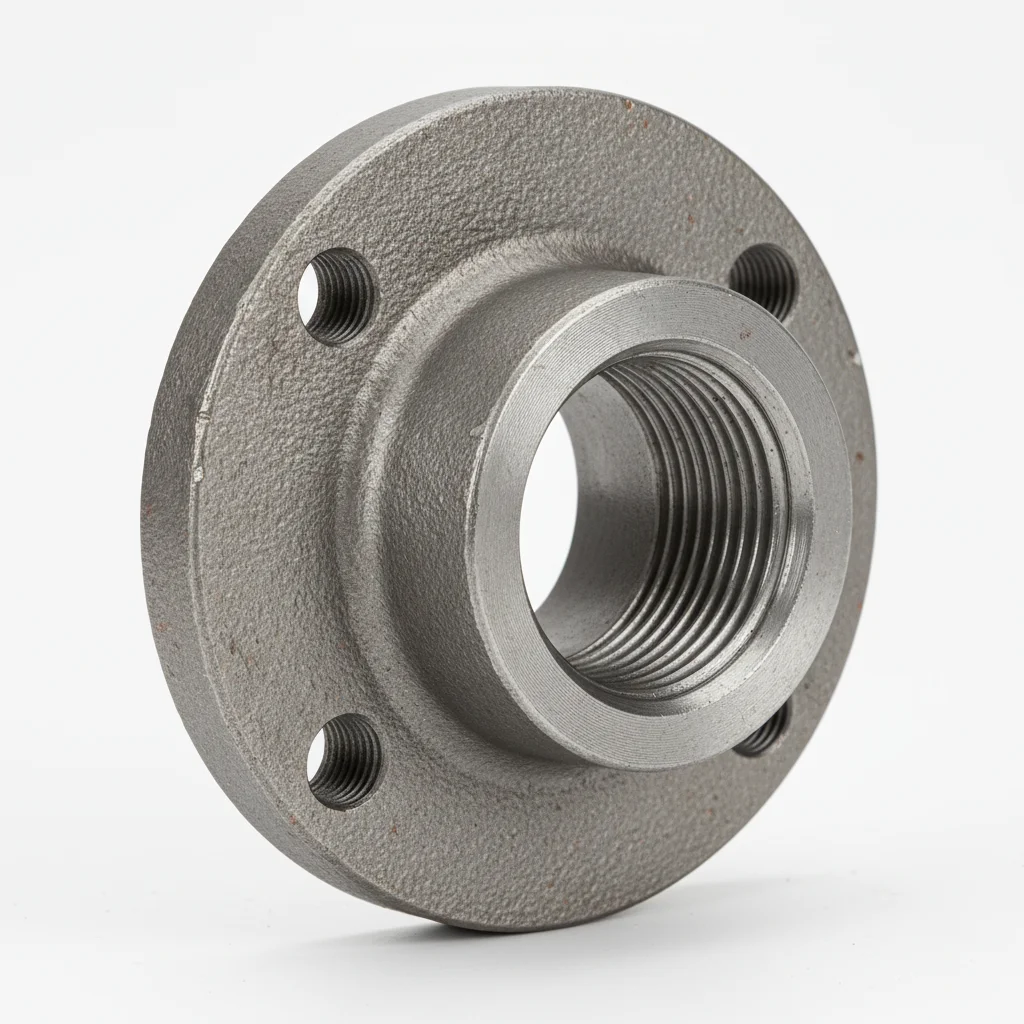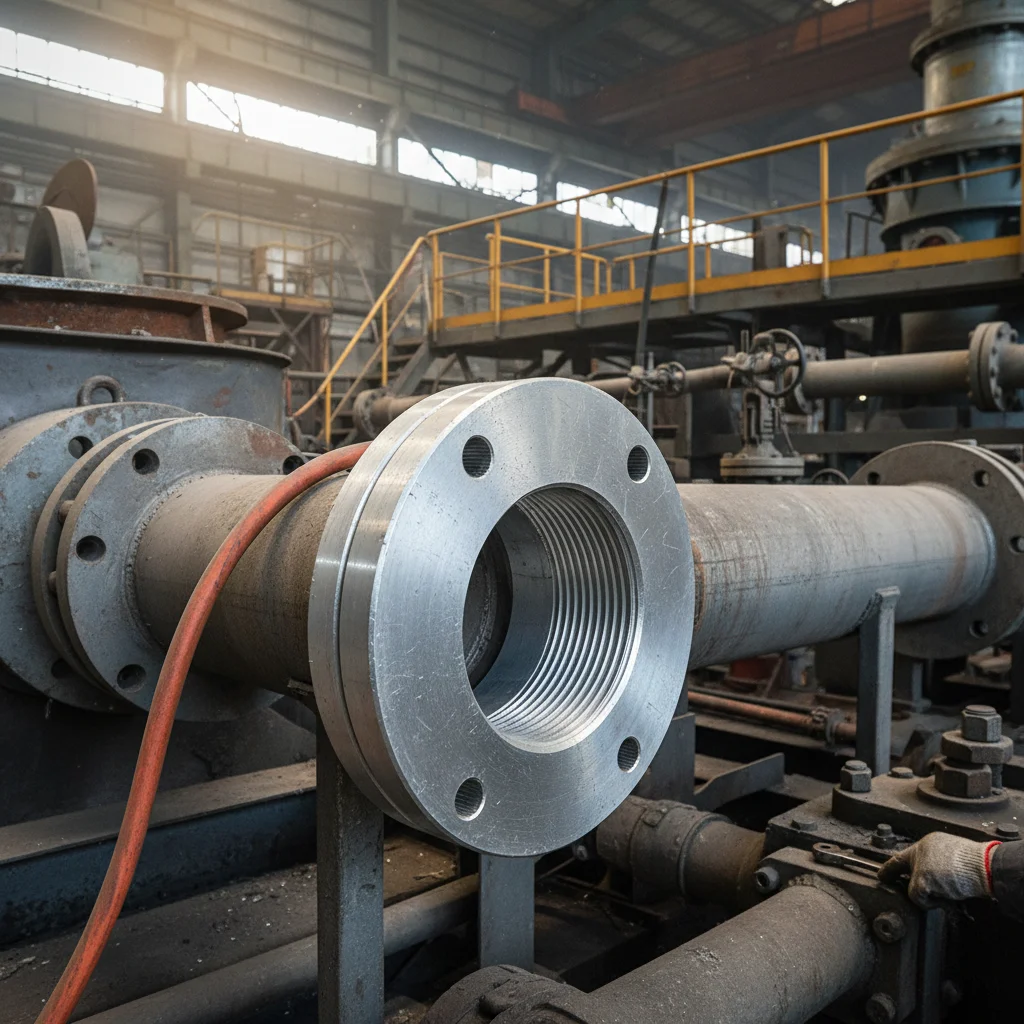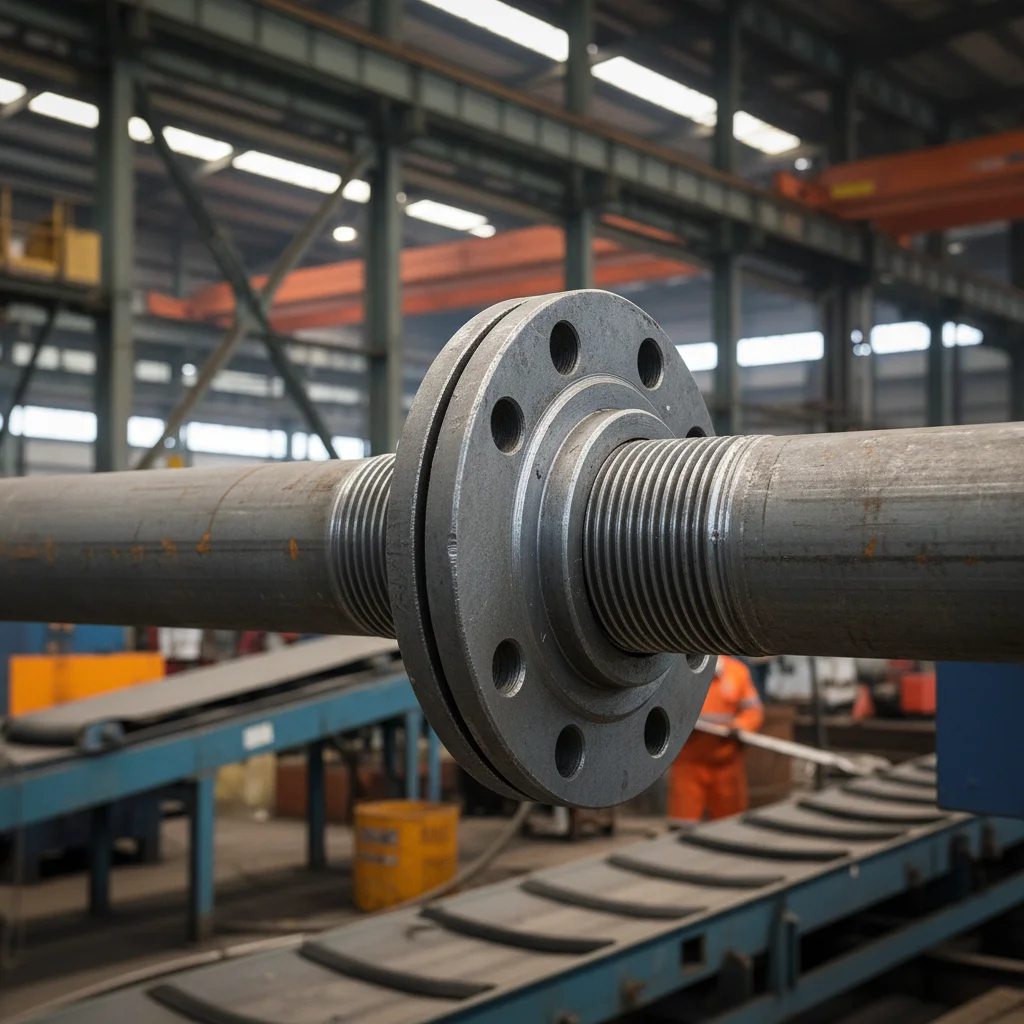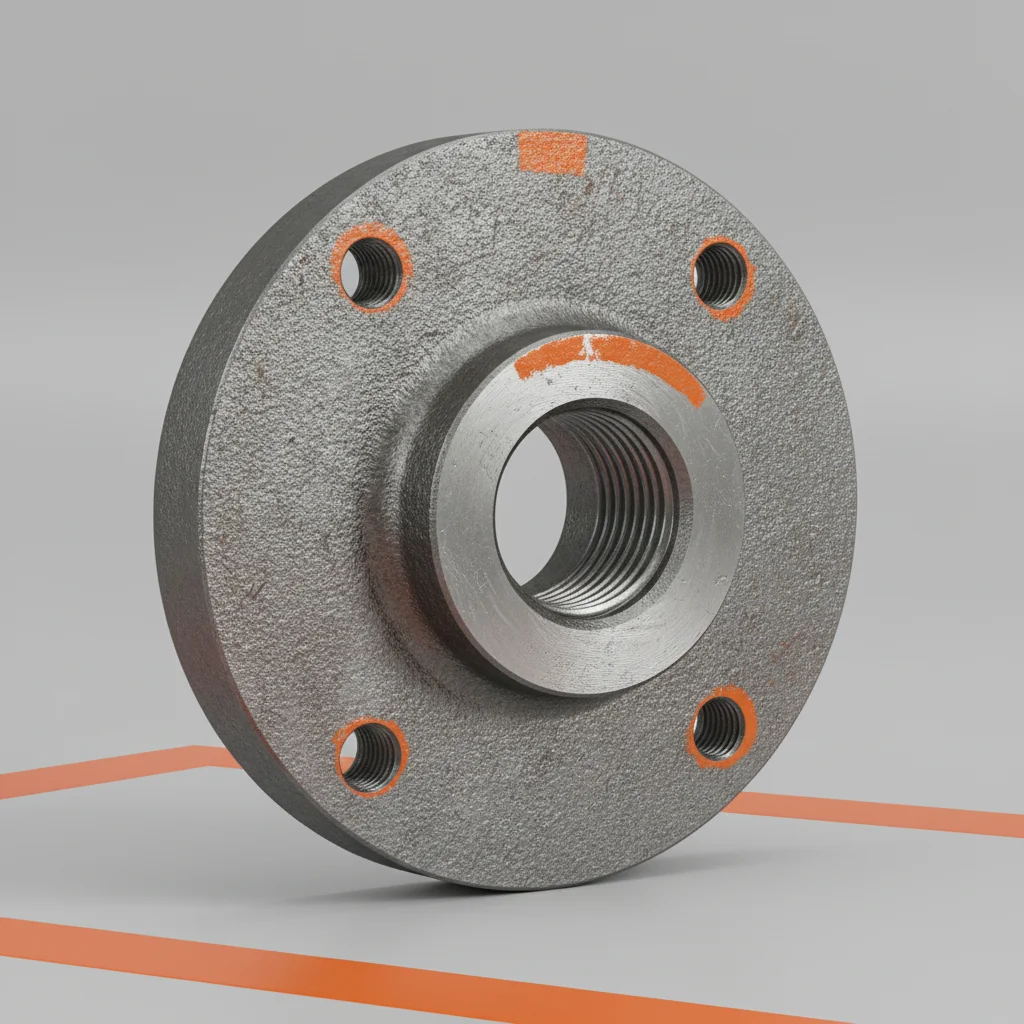
Look, I’ve spent the last fifteen years wading through mud, dust, and blueprints, and one thing consistently rises to the top when it comes to reliable connections: a quality 300 threaded flange. It’s not the sexiest part of the job, but it's the part that keeps everything together. We're talking pipelines, industrial processing, even critical infrastructure. When things need to hold, and hold reliably, you need to start with the basics, and a good flange is fundamental. I’ve seen shortcuts taken, cheaper options tried, and honestly, they always end up costing more in the long run – in time, money, and potential safety hazards.
These aren't just parts on a parts list; they’re the linchpins of systems. We’re dealing with pressure, temperature fluctuations, and corrosive environments constantly. A weak link, a poorly manufactured flange, and suddenly you’re facing leaks, downtime, and potentially catastrophic failures. I've been on site for emergency repairs caused by flange failures – it’s not a situation anyone wants to be in. It’s not about being paranoid; it’s about being prepared and choosing components that are built to last.
Frankly, you want something you can trust. The industry is moving towards more complex systems, but the demand for robust, dependable joining solutions like the 300 threaded flange doesn't go away. It’s a tried-and-true method that, when done right, provides a secure, leak-proof seal that gives everyone – from the engineer designing the system to the operator running it – peace of mind.
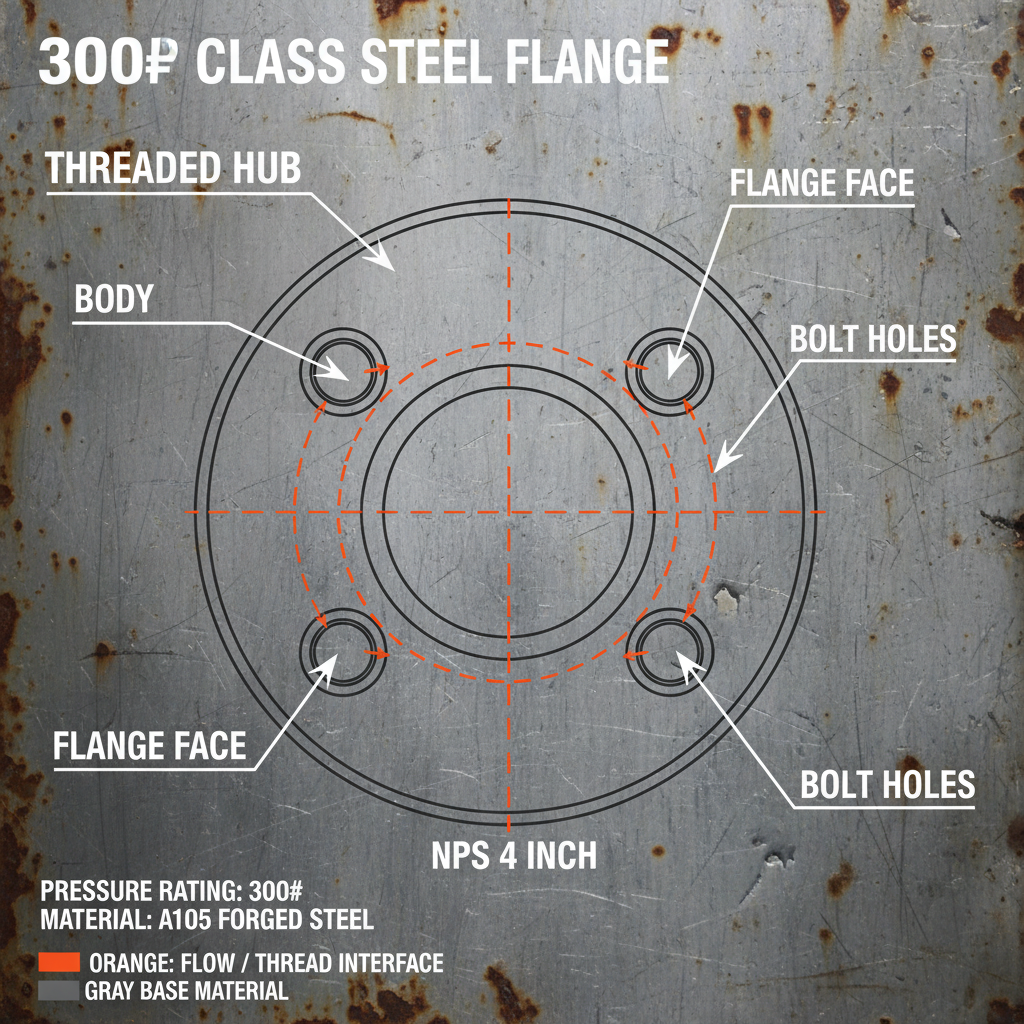
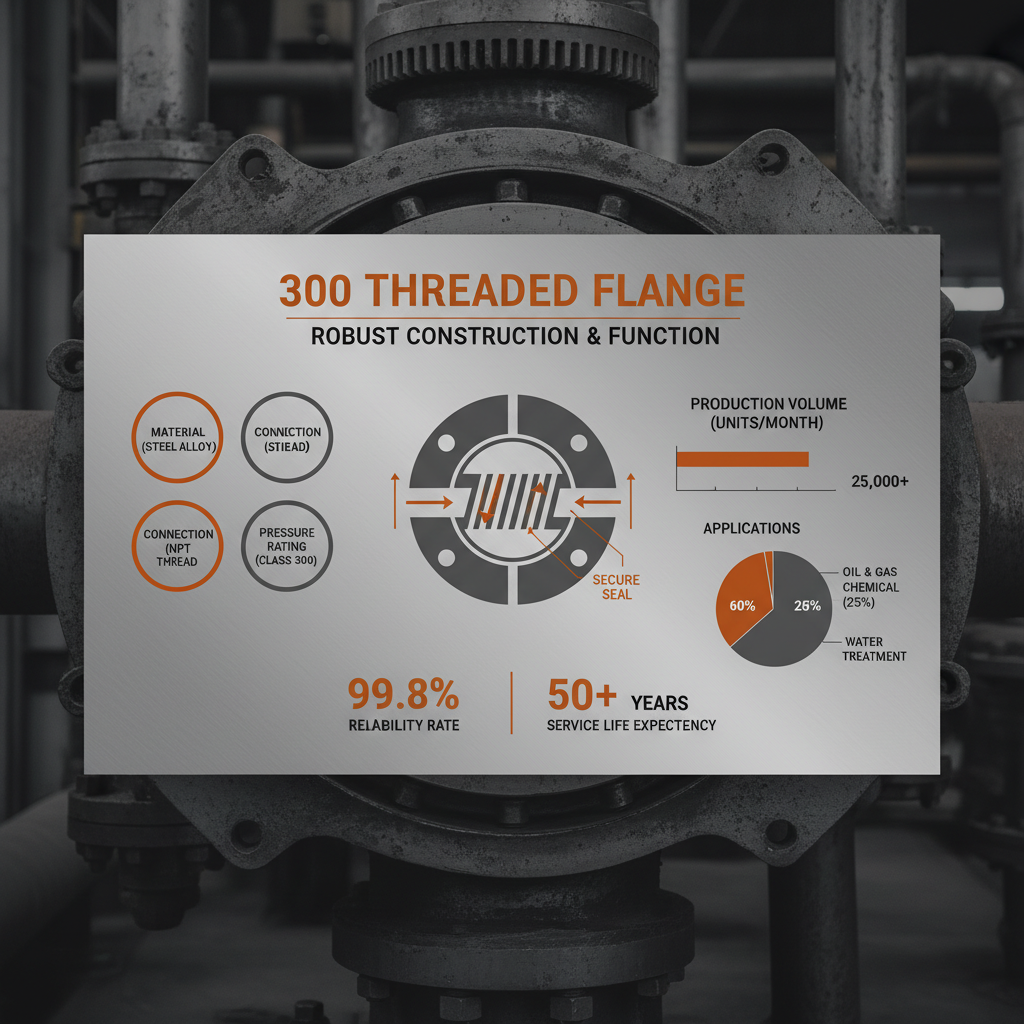
Let’s be clear: in industrial settings, a flange isn’t just a connector; it’s a critical safety component. A 300 threaded flange, specifically, offers a robust and reliable sealing solution in high-pressure environments. I’ve seen projects delayed, even shut down, because the initial flange selection wasn’t up to snuff. Choosing the right flange isn't about saving a few bucks upfront; it’s about preventing massive headaches down the line.
From oil and gas pipelines to chemical processing plants, these flanges are essential for maintaining system integrity. They’re designed to withstand harsh conditions, and a properly installed, high-quality 300 threaded flange contributes significantly to operational safety and efficiency. It’s the kind of component you don’t want to be thinking about – because if you are, it usually means something's gone wrong.
The maximum operating temperature depends heavily on the flange material. Carbon steel 300# flanges typically handle temperatures up to around 400°F (204°C), while stainless steel can go much higher, exceeding 600°F (315°C) depending on the alloy. Always consult the manufacturer's specifications for the specific material grade to ensure safe operation within the intended temperature range. Ignoring temperature limits can compromise the flange’s integrity and lead to failure.
Raised face flanges have a raised lip around the bolting circle, creating a more concentrated sealing area. Flat face flanges, as the name suggests, have a flat sealing surface. The choice depends on the mating flange and the application. Raised face are generally preferred for higher pressures, while flat face are often used with lower-pressure applications or with flanges made of materials like cast iron or certain plastics that aren't suitable for raised face contact. Mismatched facings can lead to leaks.
Preventing leaks is all about precision. First, ensure the mating surfaces are clean and free of debris. Second, use the correct gasket material compatible with the fluid and flange material. Third, follow the manufacturer’s recommended torque specifications meticulously using a calibrated torque wrench. Finally, inspect the flange connection after initial pressurization to confirm there are no leaks. Proper installation is paramount.
For corrosive environments, stainless steel is generally the best choice. Specifically, 316 stainless steel offers excellent resistance to a wide range of corrosive chemicals. Other alloys, like Hastelloy or Inconel, may be necessary for particularly aggressive environments. Always consult a corrosion resistance chart to determine the most appropriate material for your specific application. Carbon steel is generally not recommended for corrosive applications without appropriate coatings.
The primary standard to consider is ASME B16.5, which governs the dimensions and tolerances for flanges. Additionally, you need to be aware of standards related to the material, such as ASTM A105 for carbon steel or ASTM A182 for stainless steel. Depending on the application, other standards may apply, such as those related to pressure vessels or piping systems. Adhering to these standards ensures the flange meets safety and performance requirements.
It’s generally not recommended to reuse a 300 threaded flange, especially if it’s been subjected to significant stress or corrosion. The threads can become damaged, and the sealing surfaces may be compromised. Reusing a flange can increase the risk of leaks and potential failures. It's always best practice to replace the flange with a new one to ensure a reliable and safe connection. If reuse is absolutely necessary, a thorough inspection and testing are crucial.
The 300 threaded flange remains a cornerstone of countless industrial applications. It's a reliable, cost-effective, and well-understood solution for joining pipes and equipment. Proper selection, installation, and maintenance are essential to maximizing its lifespan and ensuring operational safety. Don't underestimate the importance of this seemingly simple component – it’s often the difference between smooth operations and costly downtime.
Looking ahead, advancements in material science and sensor technology will continue to enhance the performance and reliability of flanges. Investing in quality flanges, training personnel properly, and implementing preventative maintenance programs will pay dividends in the long run. For anyone involved in industrial construction or maintenance, understanding the nuances of these components is crucial for success. Visit our website at www.weihuantube.com to learn more about our full range of flanges and related products.