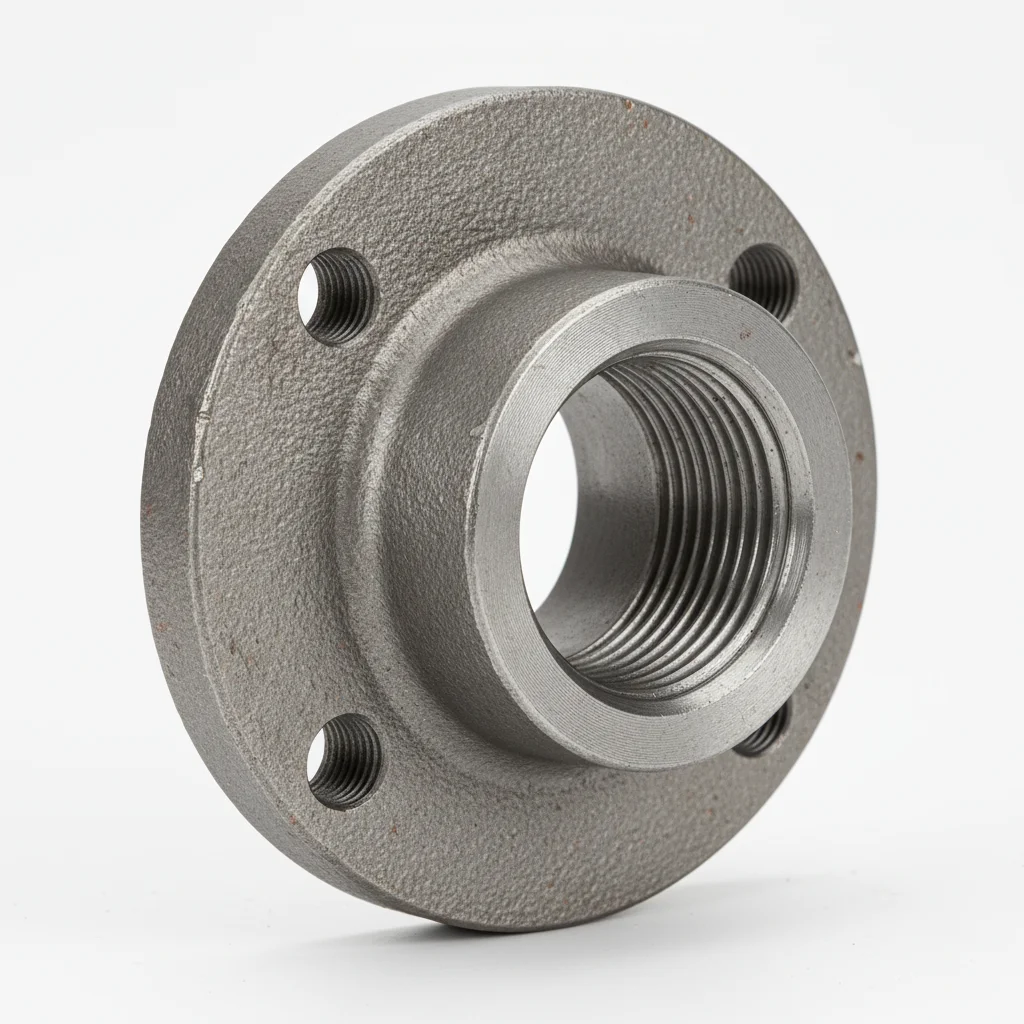
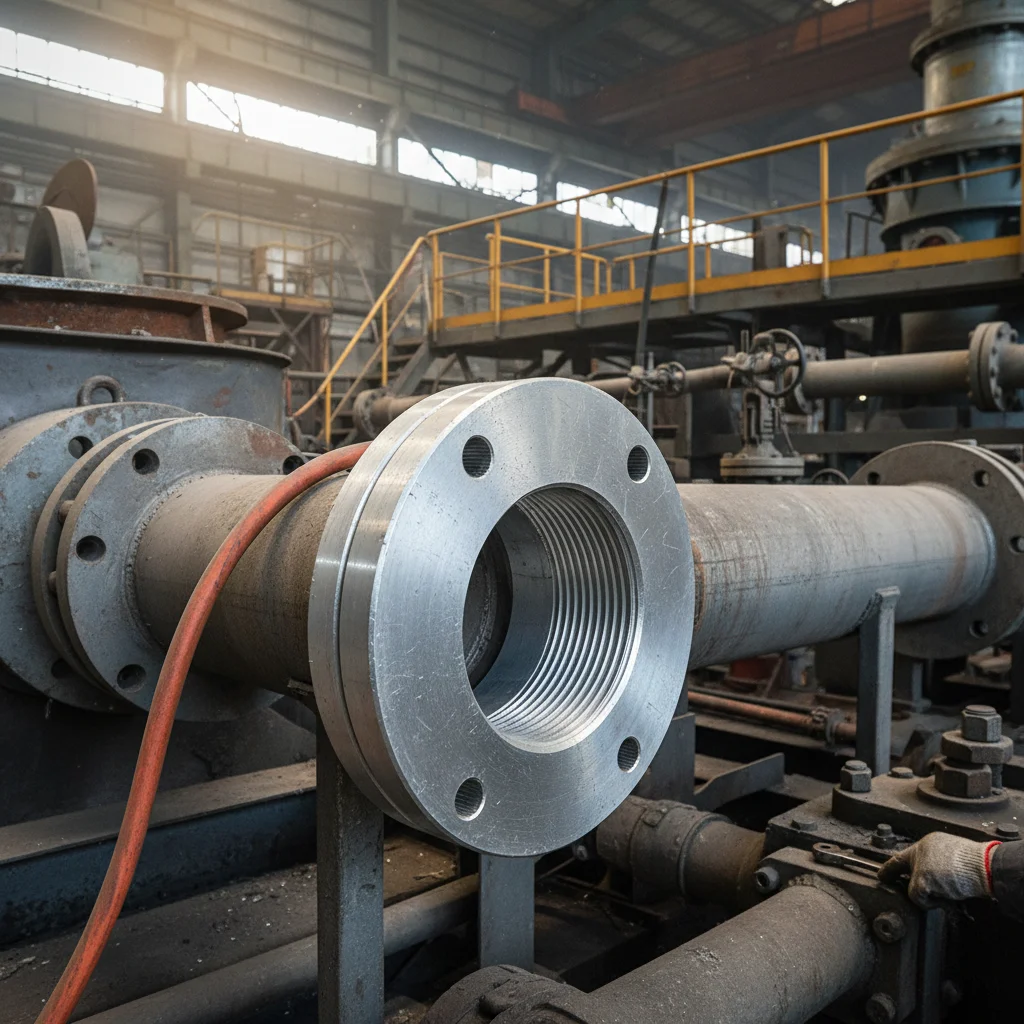
In the complex world of industrial piping and fluid transport, the bsp threaded flange stands as a critical component ensuring leak-proof connectivity and structural integrity. By combining the standardized precision of British Standard Pipe (BSP) threads with the robust mechanical clamping of a flange, these components allow engineers to bridge the gap between threaded piping and bolted connections efficiently. Understanding the nuances of these fittings is essential for maintaining safety standards in high-pressure environments across the globe.
From a global perspective, the adoption of standardized threading systems has revolutionized the manufacturing of structural metal products. The bsp threaded flange is not merely a piece of hardware but a facilitator of international trade and engineering interchangeability. Whether in European oil rigs or Asian chemical plants, the reliance on ISO and BSP standards ensures that components manufactured in different regions can be integrated without costly modifications or catastrophic failures.
However, the industry faces ongoing challenges regarding material fatigue and the precise selection of thread types—specifically the distinction between BSPP (parallel) and BSPT (tapered). Choosing the wrong bsp threaded flange can lead to systemic vulnerabilities, making it imperative for procurement officers and site engineers to possess a deep technical understanding of how these components behave under thermal expansion and mechanical stress.
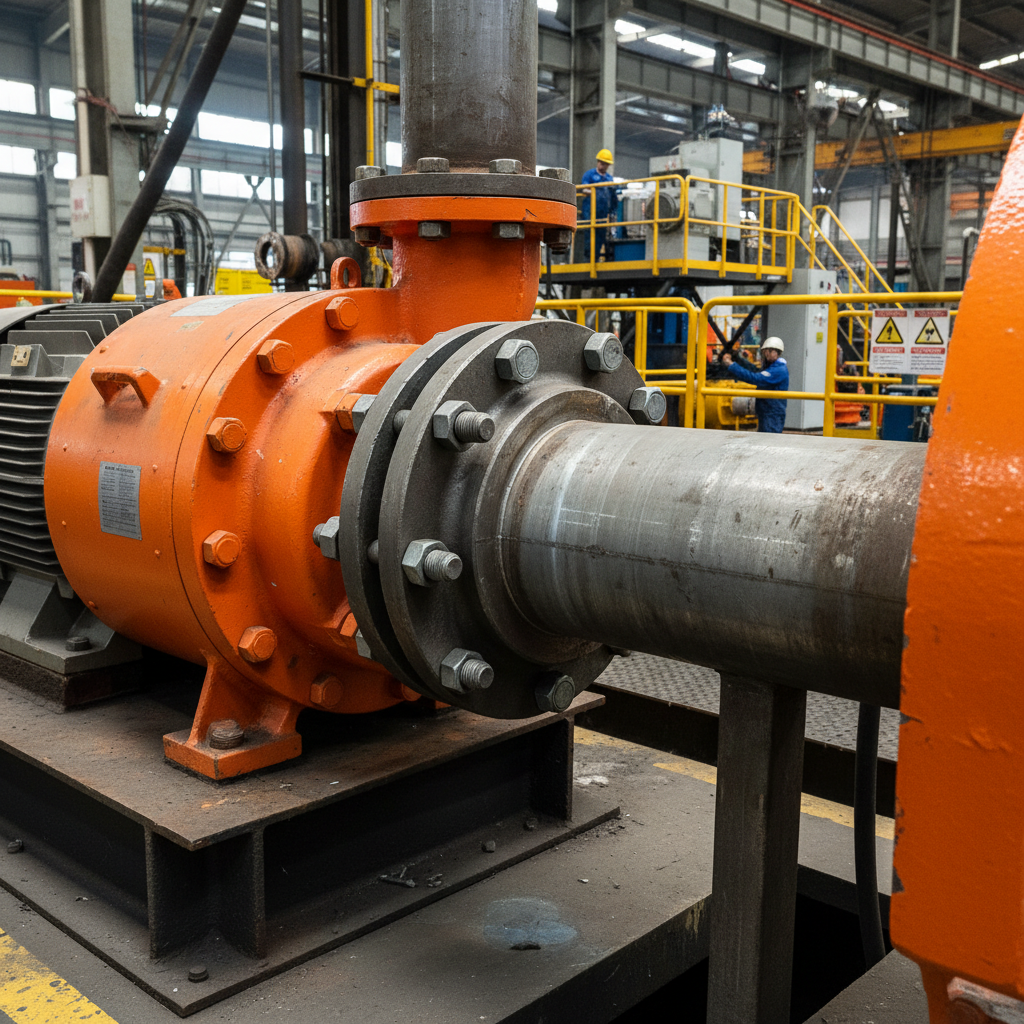
The Technical Fundamentals of BSP Threaded Flanges
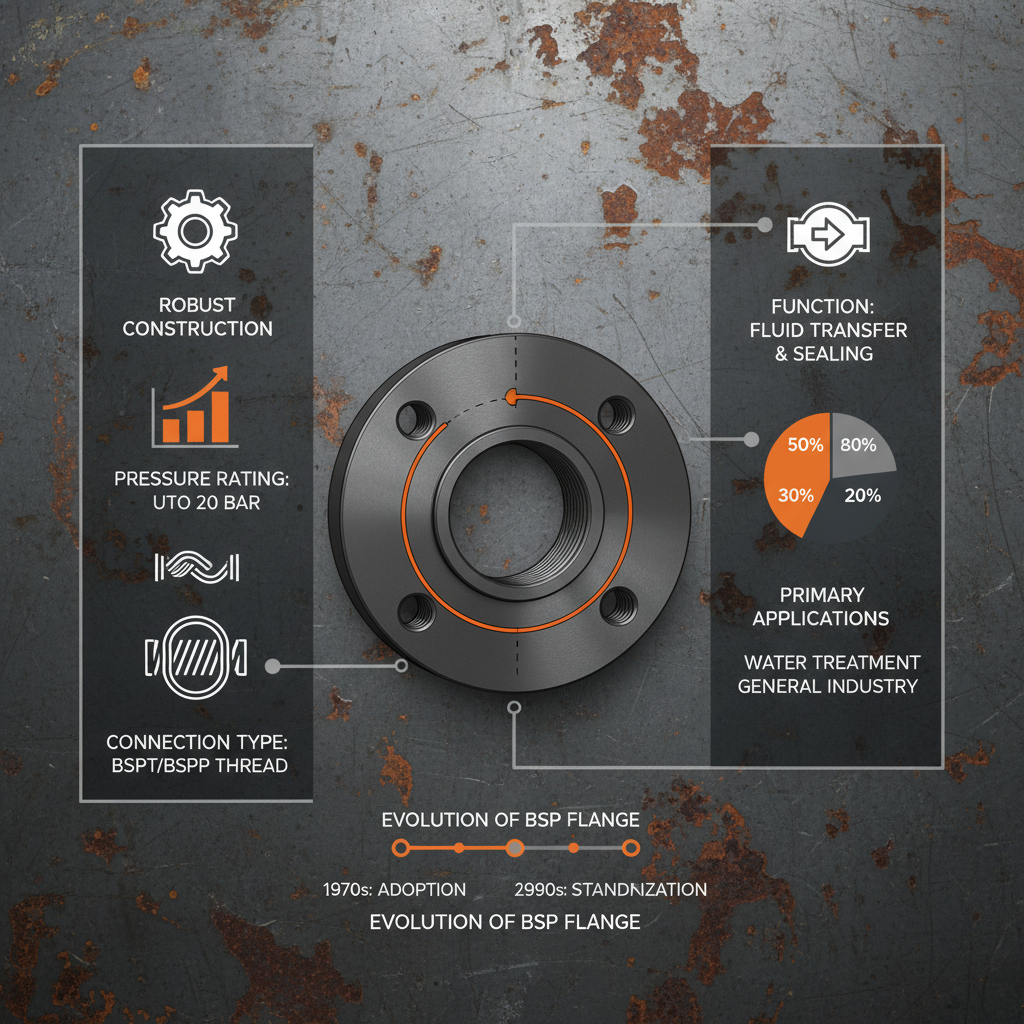
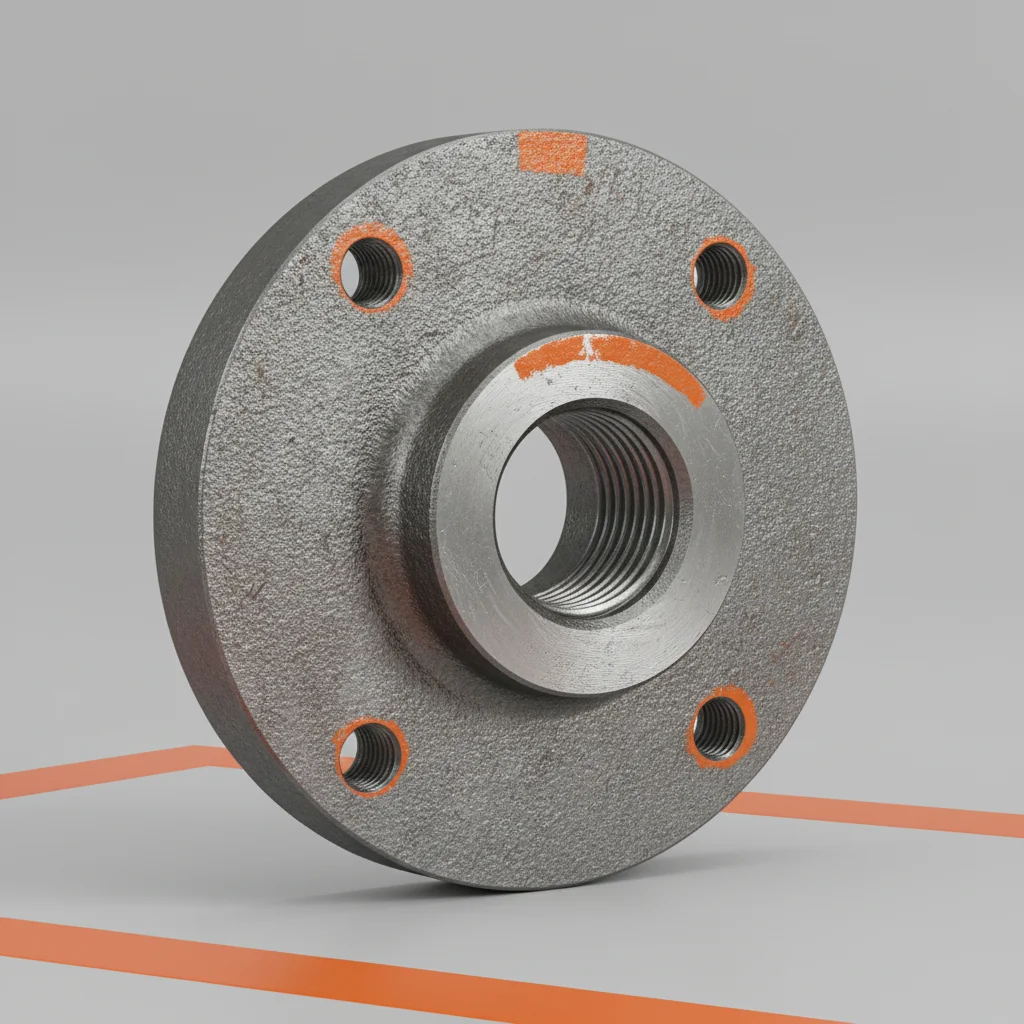
At its core, a bsp threaded flange is a specialized adapter that allows a threaded pipe to be connected to a flanged system. The BSP (British Standard Pipe) threading is a cornerstone of piping engineering, characterized by a 55-degree thread angle. This specific geometry provides a balanced distribution of stress, reducing the likelihood of thread stripping during high-torque installations in structural metal projects.
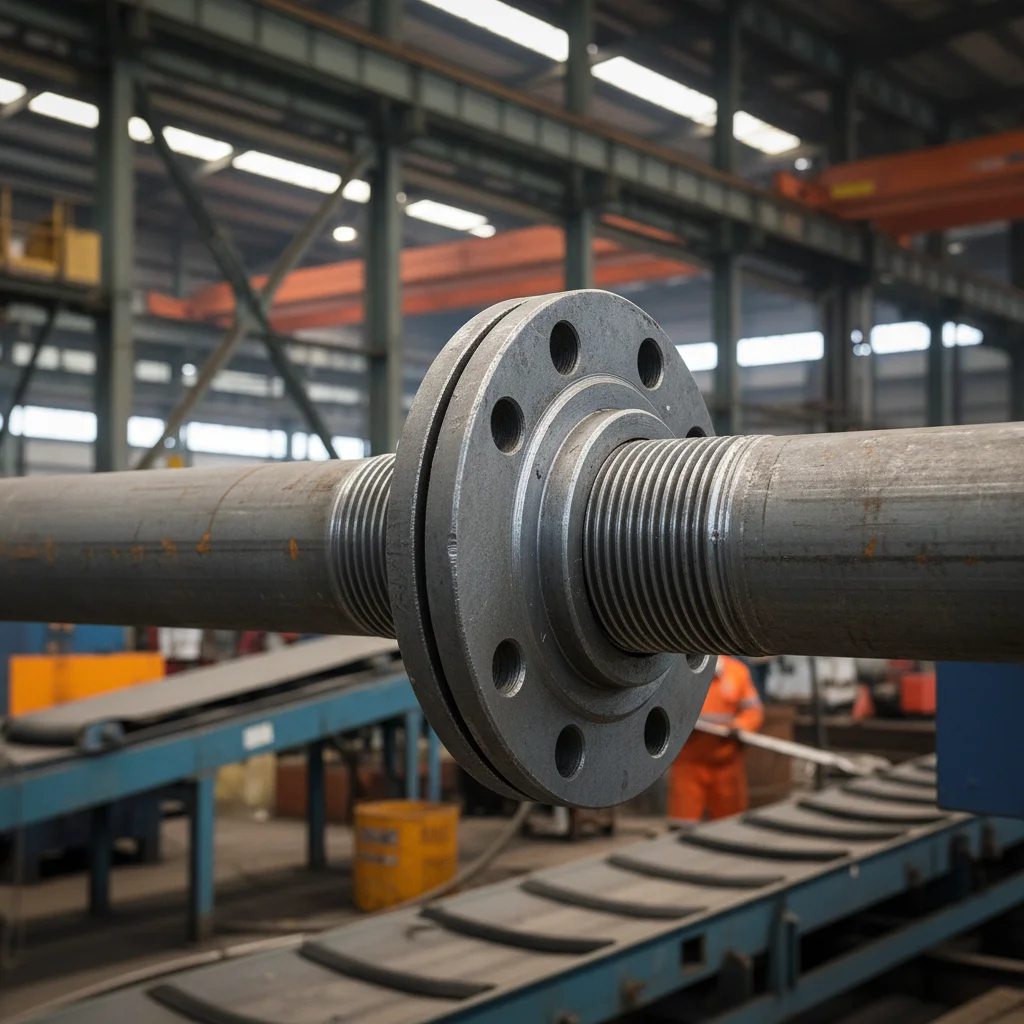
The primary utility of the bsp threaded flange lies in its ability to provide a removable, airtight seal without the need for complex welding on-site. This significantly reduces the installation time and allows for easier maintenance, as the flange can be unbolted to access the internal piping for cleaning or inspection without damaging the structural integrity of the surrounding network.
Global Industrial Relevance and Standardization
The global reliance on the bsp threaded flange is driven by the need for universal compatibility. According to ISO standards, the harmonization of thread profiles allows for the seamless integration of components across different continents. In the structural metal fabrication sector, this standardization prevents the "vendor lock-in" effect, enabling companies to source high-quality flanges from various global manufacturers while maintaining strict tolerances.
Challenges often arise when mixing NPT (American National Standard Pipe Thread) and BSP systems. A bsp threaded flange cannot be interchangeably used with NPT without an adapter, as the thread pitch and angle differ. This technical distinction is where many industrial leaks occur, highlighting the importance of precise specification during the design phase of large-scale infrastructure projects.
In emerging markets, the shift toward BSP standardization is helping local industries align with European and Asian engineering benchmarks. By implementing the bsp threaded flange in their piping architectures, these regions are enhancing their capacity to import advanced machinery and export structural components that meet rigorous international quality audits.
Core Components and Material Selection
The effectiveness of a bsp threaded flange depends heavily on its material composition. Carbon steel is the standard for general industrial use due to its cost-effectiveness and strength. However, for environments involving corrosive chemicals or saltwater, stainless steel (304 or 316L) is preferred to prevent oxidation and ensure a lifespan that spans decades.
A critical aspect of the bsp threaded flange is the seal interface. Whether using a flat gasket or an O-ring, the flange face must be perfectly machined. The precision of the thread depth and the flatness of the contact surface determine the overall pressure rating of the connection, which is paramount in high-risk fluid transport.
Furthermore, the coating applied to the bsp threaded flange—such as galvanization or epoxy painting—plays a vital role in its durability. In structural metal manufacturing, these coatings protect the threaded areas from environmental degradation, ensuring that the connection remains serviceable even after years of exposure to harsh weather or industrial pollutants.
Performance Metrics and Efficiency Analysis
Evaluating the performance of a bsp threaded flange requires looking at its leak-rate under varying pressure loads and its resistance to vibrational fatigue. In structural metal systems, the "installation efficiency" is a key metric; threaded flanges allow for rapid deployment compared to weld-neck flanges, which require certified welders and non-destructive testing (NDT) for every joint.
From a cost-benefit perspective, the bsp threaded flange offers a superior balance between initial capital expenditure and long-term operational maintenance. While the cost of high-precision threading can be higher than simple welding, the reduction in downtime during system upgrades provides a significant return on investment.
Performance Comparison of BSP Threaded Flange Variants
Real-World Applications in Heavy Industry
The bsp threaded flange is widely utilized in the petrochemical industry, where modular plant construction is the norm. By using these flanges, engineers can pre-fabricate piping spools in a controlled factory environment and assemble them on-site using simple hand tools, drastically reducing the risk of onsite welding defects in explosive atmospheres.
In the realm of water treatment and desalination plants, the bsp threaded flange is often the preferred choice for connecting sensors, valves, and pumps to the main pipeline. Its ability to be easily disassembled allows technicians to calibrate instruments or replace worn-out gaskets without interrupting the entire flow of the system, ensuring continuous operation of critical utility services.
Long-Term Value and Sustainability Benefits
Investing in a high-quality bsp threaded flange translates directly into enhanced operational safety. The logical angle is simple: a precisely engineered thread reduces the need for excessive sealant or "teflon tape," which can contaminate fluid streams in pharmaceutical or food-grade applications. This leads to a cleaner, more reliable system that inspires trust among stakeholders and end-users.
From a sustainability perspective, these flanges promote a circular economy within the structural metal industry. Unlike welded joints, which must be cut and scrapped during a system redesign, a bsp threaded flange can be unscrewed and reused in other parts of the facility. This reduction in material waste aligns with modern green building certifications and corporate ESG goals.
Moreover, the reliability of the bsp threaded flange minimizes the risk of catastrophic leaks, which can have devastating environmental impacts. By ensuring a secure, monitored connection, companies protect not only their assets but also the surrounding ecosystems, reinforcing the emotional value of corporate responsibility and environmental stewardship.
Future Trends and Technological Innovations
The future of the bsp threaded flange is being shaped by advances in additive manufacturing and "Smart Piping." We are seeing the emergence of 3D-printed metal flanges that allow for internal geometry optimization, reducing the weight of the component without sacrificing the pressure rating of the BSP threads.
Digital transformation is also touching the way these components are managed. The integration of RFID tags into the bsp threaded flange body allows for automated asset tracking. Maintenance crews can now scan a flange to immediately retrieve its installation date, material grade, and the last time the seal was replaced, moving from reactive to predictive maintenance.
Furthermore, the development of new nano-coatings is extending the life of the bsp threaded flange in extreme conditions. These coatings provide an invisible barrier against hydrogen embrittlement and sulfur corrosion, ensuring that structural metal systems in deep-sea mining or geothermal energy plants remain operational for longer intervals.
Comparative Analysis of BSP Threaded Flange Materials and Applications
| Material Type |
Corrosion Resistance |
Max Pressure Rating |
Primary Industry Use |
| ASTM A105 Carbon Steel |
Moderate |
High |
Oil & Gas Pipelines |
| SS 316L Stainless |
Excellent |
Moderate |
Pharmaceutical/Food |
| Duplex Steel |
Superior |
Very High |
Marine/Offshore |
| Galvanized Steel |
Good |
Moderate |
Water Distribution |
| Alloy Steel (P11) |
High |
Extreme |
Power Plants |
| Titanium Grade 2 |
Immune |
High |
Aerospace/Chemical |
FAQS
BSPP stands for British Standard Pipe Parallel, where the threads are straight and require a gasket or O-ring to create a seal. BSPT stands for British Standard Pipe Tapered, where the threads are conical, creating a mechanical seal as they are tightened. Choosing the correct bsp threaded flange type is critical to prevent leaks; using a parallel flange in a tapered system without a seal will lead to immediate failure.
No, they are not compatible. NPT (National Pipe Thread) has a 60-degree thread angle, while BSP has a 55-degree angle. Forcing a bsp threaded flange into an NPT port will damage the threads of both components and will not create a pressure-tight seal. An adapter is required for such transitions.
Galling is a common issue with stainless steel. To prevent this in your bsp threaded flange installations, use a high-quality anti-seize lubricant specifically designed for stainless steel. Additionally, avoid over-tightening; follow the manufacturer's torque specifications to ensure a secure seal without distorting the metal.
For high-pressure applications, Alloy Steel (such as ASTM A182) and Duplex Stainless Steel are the primary choices. These materials offer the tensile strength necessary to maintain the integrity of the bsp threaded flange under extreme stress, while also resisting the corrosive effects of the transported medium.
Inspection intervals depend on the fluid medium and pressure. In critical chemical environments, a quarterly visual inspection for "weeping" or corrosion is recommended. For general water services, an annual check of the bsp threaded flange bolts and gaskets is usually sufficient to ensure long-term reliability.
The component itself may be slightly more expensive due to the machining of the threads. However, the total installed cost is often lower because a bsp threaded flange eliminates the need for expensive welding labor, specialized equipment, and post-weld heat treatment or X-ray testing.
Conclusion
The bsp threaded flange is a cornerstone of modern structural metal fabrication, providing a vital link between flexibility and strength. Throughout this analysis, we have seen how the precision of BSP standardization enables global industrial compatibility, how material choice dictates longevity in harsh environments, and how the move toward smart piping is redefining maintenance. By prioritizing quality and adherence to ISO standards, industries can ensure that their fluid transport systems are not only efficient but also safe and sustainable.
Looking forward, the integration of additive manufacturing and digital tracking will continue to optimize the deployment of these components. For engineers and procurement managers, the key to success lies in the rigorous specification of thread types and materials to avoid costly failures. We encourage you to evaluate your current piping infrastructure and consider the long-term value of upgrading to precision-engineered solutions. Visit our website for professional guidance and high-quality components: www.weihuantube.com