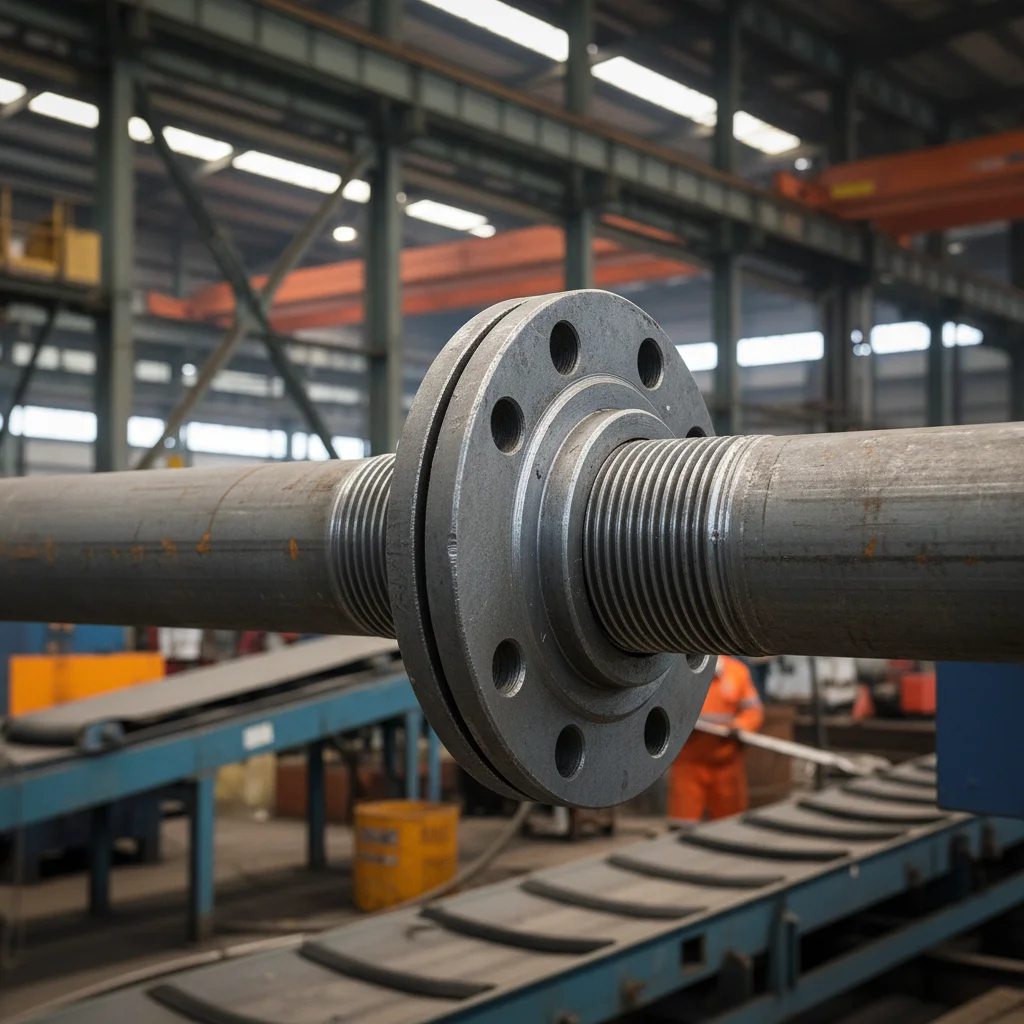
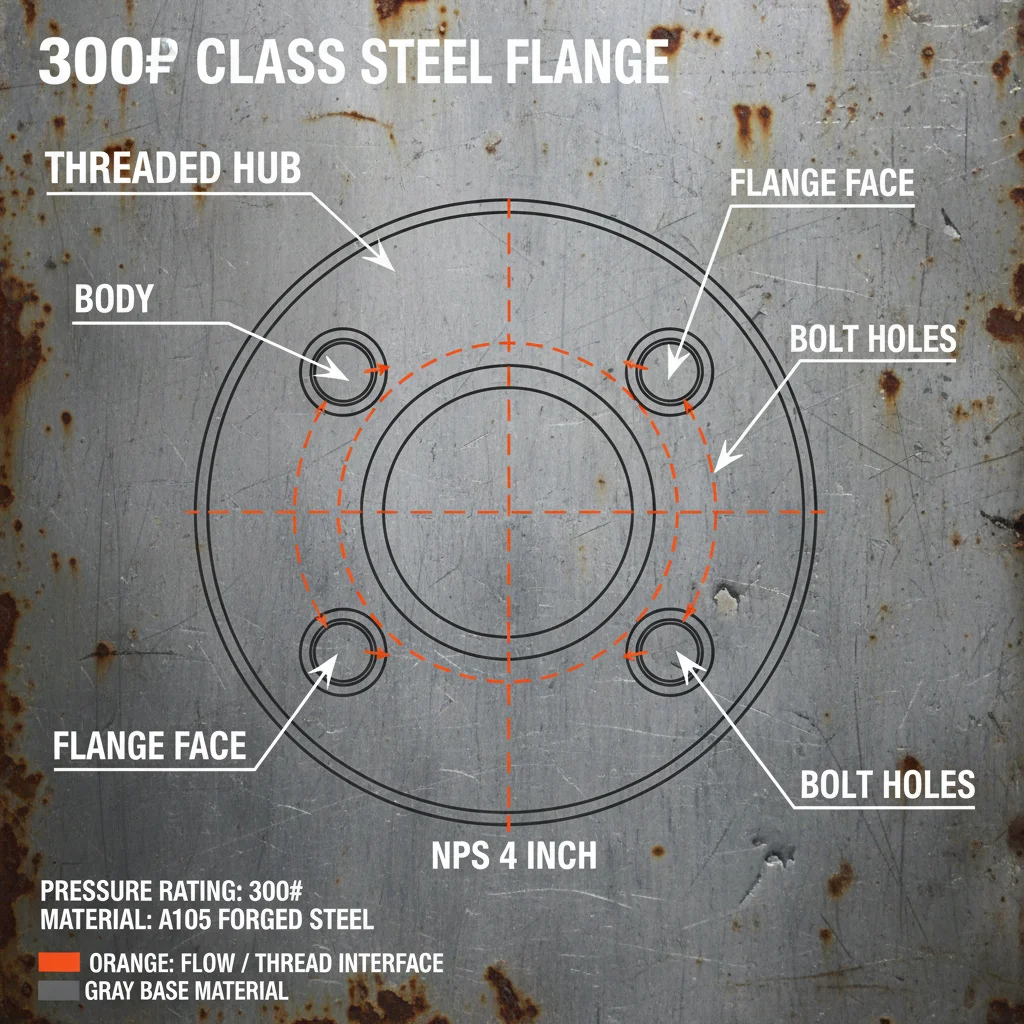
In the complex landscape of industrial piping, the carbon steel threaded flange stands as a fundamental component that ensures secure, leak-proof connections in a vast array of fluid transport systems. By combining the structural strength of carbon steel with the ease of threaded installation, these components allow engineers to build robust systems without the immediate need for heavy welding equipment in every joint.
Understanding the nuances of these flanges is critical for maintaining operational safety and efficiency across global infrastructures. From petrochemical plants to municipal water works, the reliability of a threaded connection can be the difference between seamless production and costly systemic failure, making the selection of high-grade materials a top priority for procurement managers.
This guide explores the technical specifications, global industry standards, and practical applications of the carbon steel threaded flange, providing a comprehensive resource for professionals seeking to optimize their piping architecture for longevity and cost-effectiveness.
Global Industry Context of Carbon Steel Threaded Flanges
On a global scale, the demand for carbon steel threaded flange components is driven by the continuous expansion of energy infrastructure and urban development. According to ISO standards and industrial benchmarks, carbon steel remains the primary material for non-corrosive medium transport due to its unmatched balance of strength and economy. In emerging markets, the rapid deployment of piping networks requires components that can be installed quickly without specialized welding certifications on site.
However, the industry faces a persistent challenge: balancing the speed of threaded installation with the rigorous pressure requirements of modern high-flow systems. This tension has led to a sophisticated evolution in threading precision and metallurgy, ensuring that these flanges can withstand significant vibrational stress and thermal expansion in harsh environments.
Definition and Technical Meaning
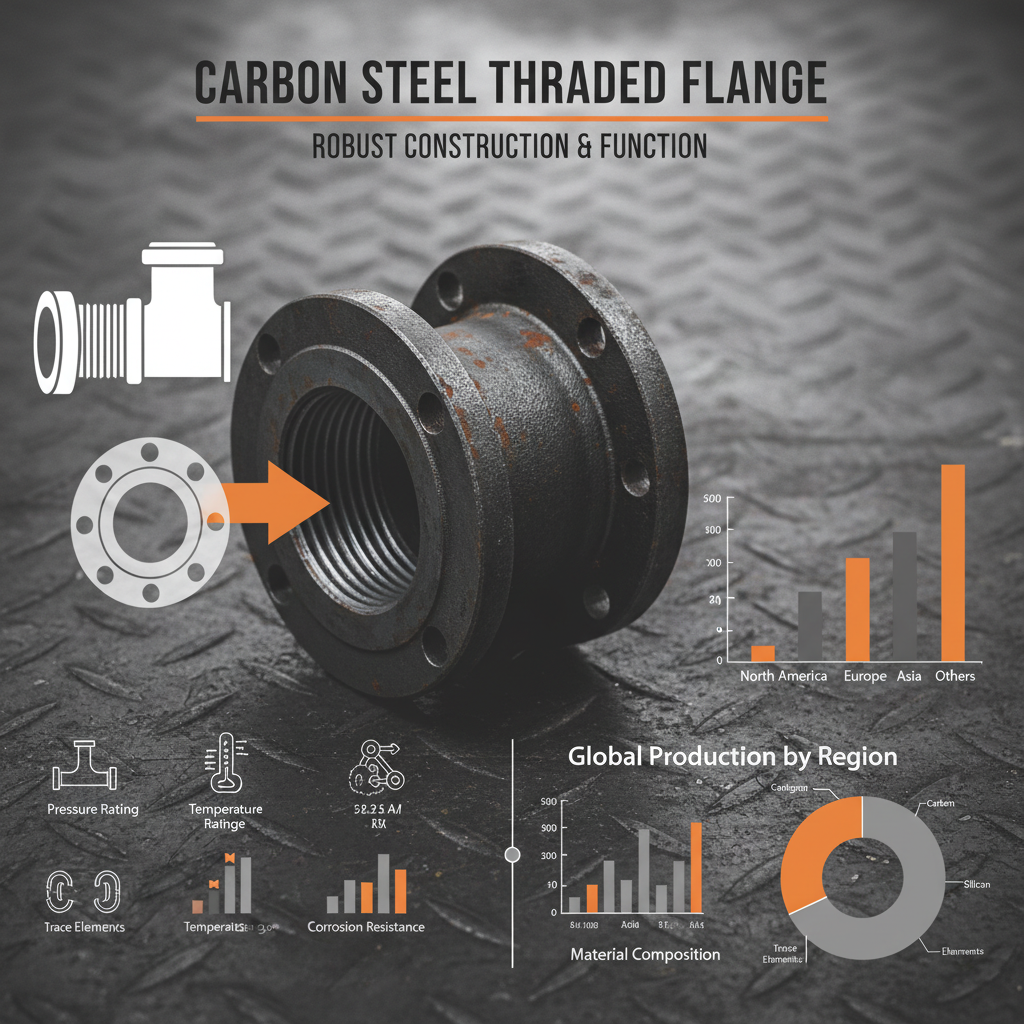
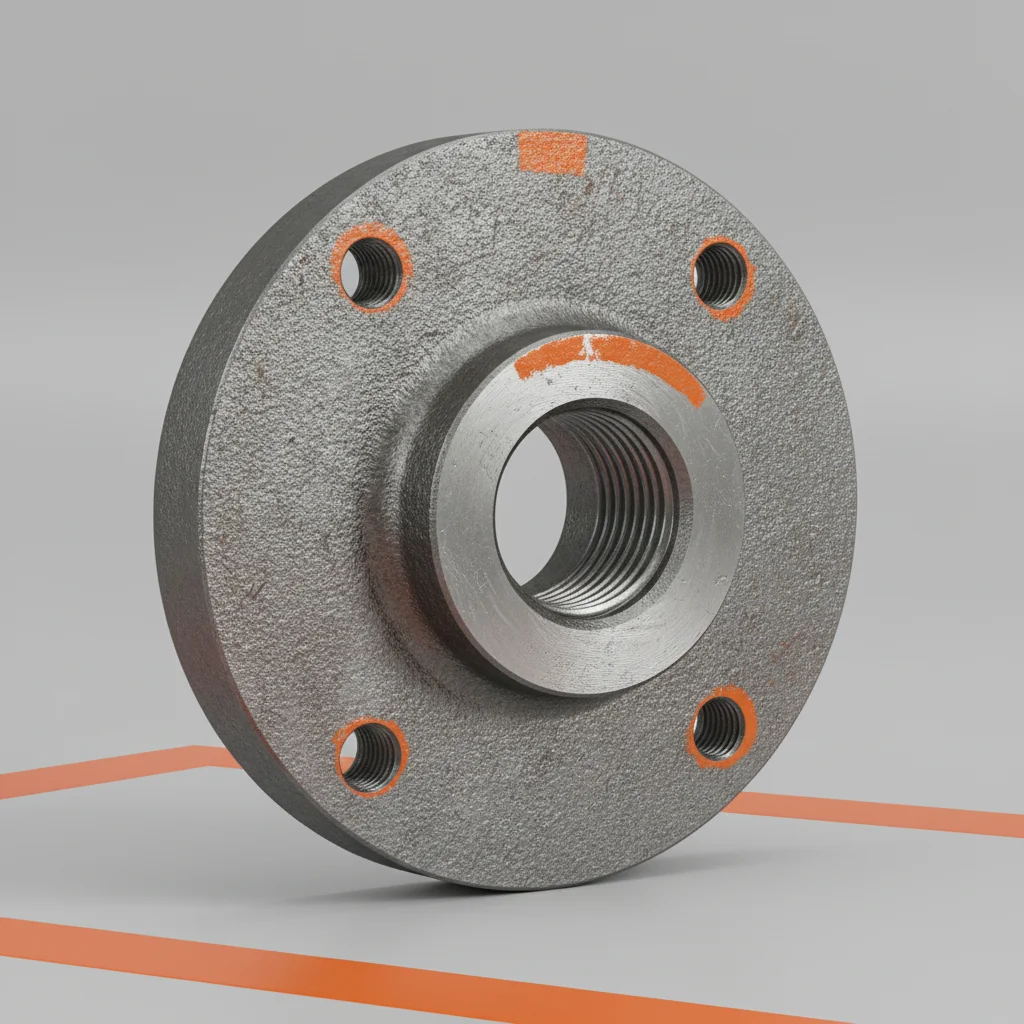
A carbon steel threaded flange is a forged or cast steel disk designed to connect a pipe to a valve, pump, or another pipe via a screw-in mechanism. Unlike weld-neck flanges that require fusion, the threaded variety features internal threads that allow for a mechanical seal, typically supplemented by sealant tapes or compounds to prevent leakage.
In the broader context of modern industry, these components are vital for "modular" piping. They allow for the rapid assembly and disassembly of systems, which is essential for humanitarian efforts such as setting up temporary water filtration plants in disaster zones or constructing rapid-response fuel depots in remote industrial regions.
Essentially, it serves as the interface between a rigid piping system and flexible maintenance requirements. By utilizing carbon steel, the flange provides the necessary tensile strength to prevent deformation under pressure, while the threading ensures that the system remains serviceable without destroying the pipework during repairs.
Key Factors Driving Performance
The structural integrity of a carbon steel threaded flange depends heavily on the precision of the thread pitch and the purity of the steel grade. Durability is achieved through heat treatment processes that relieve internal stresses from the forging process, ensuring the flange does not crack under cyclic loading.
Cost efficiency is perhaps the most significant driver for selecting these components. Because they eliminate the need for expensive X-ray testing of welds and the high cost of certified welders for simple joints, the carbon steel threaded flange reduces overall project labor costs by up to 30% in low-to-medium pressure applications.
Furthermore, scalability is enabled by the adherence to global standards like ASME B16.5. This ensures that a flange manufactured in one part of the world is perfectly compatible with a pipe manufactured in another, facilitating a seamless global supply chain for structural metal products.
Global Applications and Use Cases
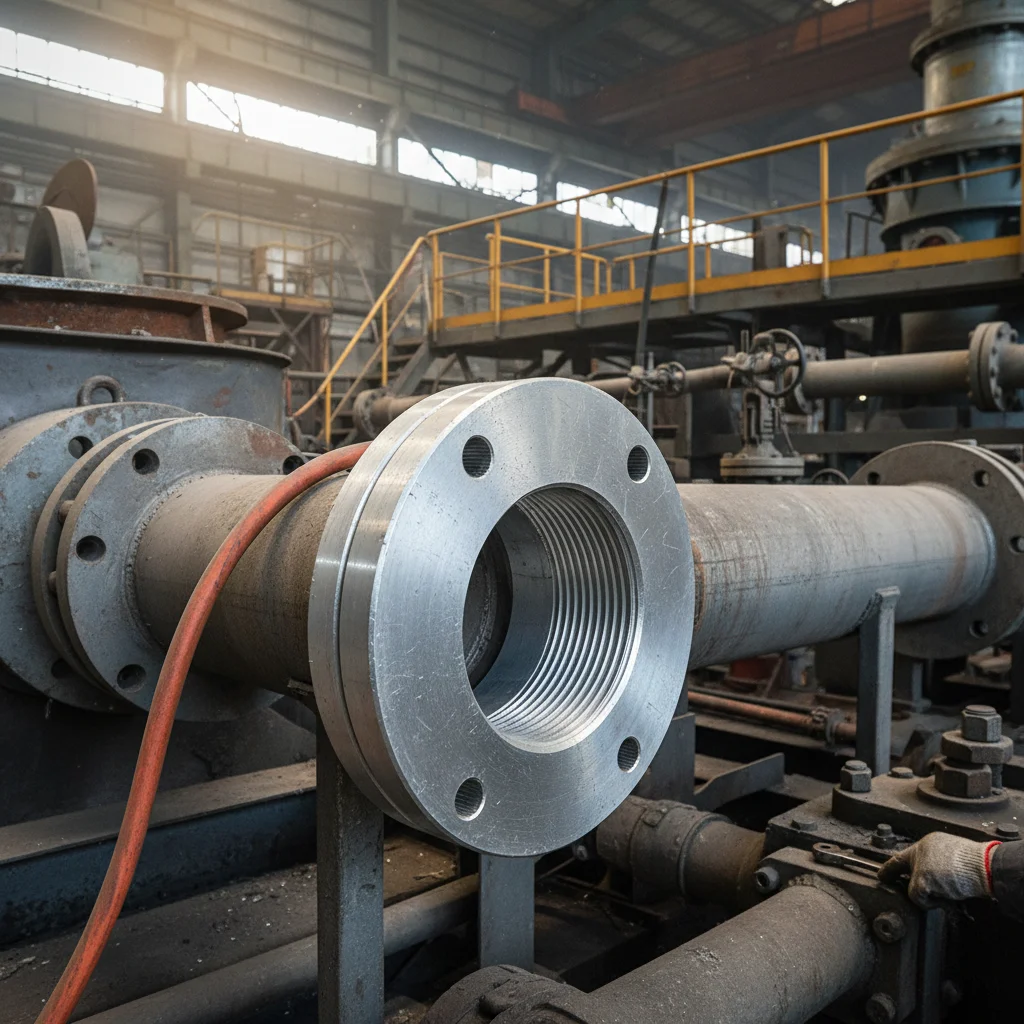
The versatility of the carbon steel threaded flange makes it a staple in the oil and gas sector, particularly in upstream gathering systems where frequent modifications to the pipeline layout are required. In these settings, the ability to quickly "screw-in" a new connection allows operators to adjust flow paths without shutting down entire sections of the field for welding.
Beyond heavy industry, these flanges are critical in agricultural irrigation and large-scale HVAC systems in commercial skyscrapers. For instance, in remote industrial zones in Southeast Asia or Africa, where skilled welding labor is scarce, the reliance on threaded connections ensures that infrastructure can be maintained by local technicians using standard wrenches.
Performance Analysis of Threaded Connection Methods
Tangible Advantages and Long-Term Value
The primary value proposition of the carbon steel threaded flange is the intersection of reliability and convenience. From a logical standpoint, the reduction in installation time translates directly to lower operational expenditure (OPEX). From a safety perspective, a properly torqued threaded joint provides a predictable failure point that is easier to inspect visually than a hidden weld defect.
Long-term value is also realized through sustainability. Because these flanges can be removed and reused—provided the threads are maintained—they contribute to a more circular industrial economy. This reduces the waste associated with cutting and replacing entire sections of pipe, offering a more eco-friendly alternative to permanent jointing methods.
Future Trends and Material Innovations
As we move toward Industry 4.0, the carbon steel threaded flange is benefiting from digital transformation. We are seeing the introduction of "smart flanges" equipped with embedded sensors that monitor thread tension and leak detection in real-time, alerting operators to potential failures before they occur.
Material science is also evolving. New carbon steel alloys are being developed that offer inherent corrosion resistance without the need for heavy galvanization. This "green steel" initiative aims to reduce the carbon footprint of the manufacturing process while maintaining the high load-bearing capacity required for industrial piping.
Furthermore, the rise of automated precision machining is eliminating the human error associated with thread cutting. CNC-machined carbon steel threaded flange components now achieve tolerances within microns, significantly reducing the reliance on chemical sealants and improving the overall safety of high-pressure systems.
Common Challenges and Engineering Solutions
One of the most common challenges with the carbon steel threaded flange is the risk of "galling"—a form of wear caused by adhesion between sliding surfaces. This can lock the threads permanently or create leak paths. To solve this, engineers recommend the use of anti-seize lubricants and ensuring that the threading process follows strict ASME standards to avoid over-tightening.
Another limitation is the pressure rating compared to welded joints. Threading removes a portion of the pipe wall thickness, which can create a weak point. The solution lies in the careful selection of "Schedule" (wall thickness) of the accompanying pipe, ensuring that the pipe is heavy enough to compensate for the material removed by the threads.
Finally, corrosion in humid environments can seize threads. The industry has shifted toward advanced powder coatings and zinc-nickel plating, which provide a superior barrier against moisture compared to traditional hot-dip galvanizing, ensuring that the carbon steel threaded flange remains removable after years of service.
Technical Comparison of Carbon Steel Threaded Flange Solutions
|
Flange Grade
|
Pressure Suitability
|
Installation Effort
|
Maintenance Rating
|
| ASTM A105 Forged |
High (up to Class 150/300) |
Moderate |
9/10 |
| Standard Carbon Steel |
Medium (General Use) |
Low |
7/10 |
| Galvanized Threaded |
Medium (Corrosive Env) |
Low |
8/10 |
| Cast Carbon Steel |
Low to Medium |
Low |
6/10 |
| High-Tensile Alloy |
Very High |
High |
9/10 |
| Custom Forged Threaded |
Specified by Client |
Moderate |
10/10 |
FAQS
The primary advantage is the ease of installation and maintenance. Threaded flanges do not require specialized welding equipment or certified personnel, allowing for rapid assembly and the ability to disassemble sections of the pipeline for cleaning or replacement without cutting the pipe. This significantly reduces labor costs and downtime in industrial environments.
While they can be used, caution is required. Threading reduces the wall thickness of the pipe, which can be a liability under extreme pressure. For high-pressure steam, it is critical to use a forged ASTM A105 carbon steel threaded flange and ensure the pipe schedule is sufficient to handle the stress. In extreme cases, weld-neck flanges are preferred for safety.
Preventing leaks involves a combination of precise threading and high-quality sealants. Use PTFE tape or a professional-grade pipe joint compound (dope) on the male threads before assembly. Additionally, using a calibrated torque wrench ensures that the flange is tightened evenly, preventing the deformation of the seal.
It is highly recommended if the flange will be exposed to moisture or corrosive atmospheres. Galvanization adds a protective zinc layer that prevents rust from forming on the threads, which otherwise could cause the joint to "freeze" or seize, making future maintenance impossible.
Look for adherence to ASME B16.5 (Pipe Flanges and Flanged Fittings) and ASTM A105 for forging standards. These certifications ensure that the carbon steel threaded flange meets international requirements for dimensions, tolerances, and material strength, ensuring compatibility with other piping components.
In a controlled industrial environment with proper coating and maintenance, these flanges can last 20-30 years. However, in corrosive environments without galvanization, the lifespan may be reduced. Regular inspections for corrosion and torque checks can significantly extend the service life of the component.
Conclusion
The carbon steel threaded flange remains an indispensable tool in the modern engineer's arsenal, bridging the gap between structural robustness and operational flexibility. By understanding the critical balance of material grade, threading precision, and environmental protection, companies can build piping systems that are not only cost-effective but also inherently safe and easy to maintain.
As the industry moves toward more sustainable and digitally integrated solutions, the role of the threaded flange will evolve but its core utility will persist. We recommend that procurement teams prioritize certified forged materials and invest in high-quality coatings to maximize the lifecycle of their infrastructure. For premium industrial piping solutions, visit our website: www.weihuantube.com.