Specialized supply chain management for critical metal structures.
Supporting Libya's oil, gas, and water transmission projects.
Precision-engineered components designed to withstand high-pressure environments and corrosive conditions.
Addressing the unique challenges of energy transport in North African environments.
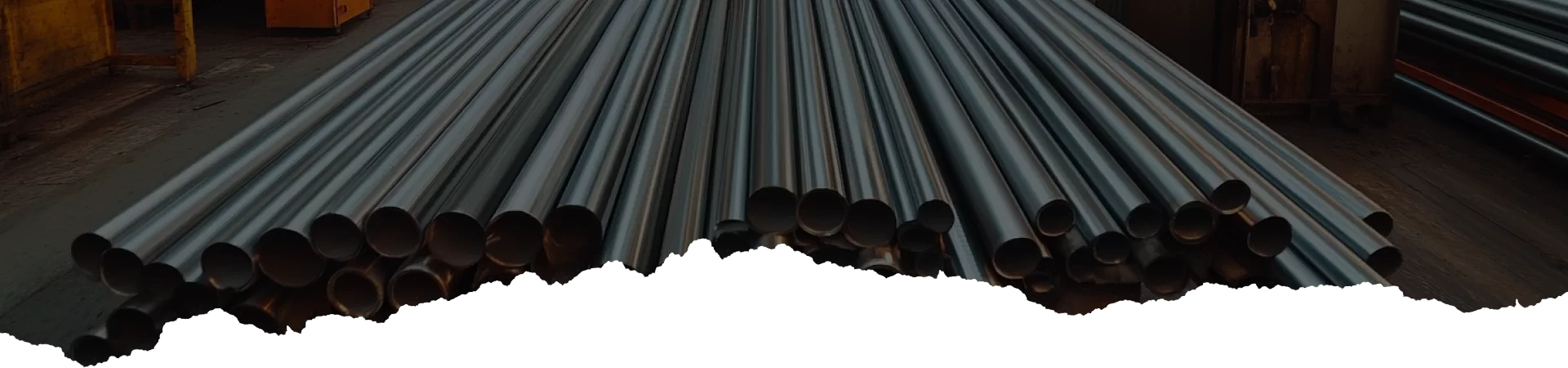
Libya's industrial landscape is heavily centered around the extraction and transport of hydrocarbons. The demand for seamless steel pipe remains critical for high-pressure upstream applications where weld-joint failures cannot be risked. Given the geographical expanse of the Sirte Basin and other coastal terminals, the infrastructure requires materials that can endure significant thermal fluctuations and saline environments.
Beyond raw materials, the market is shifting toward integrated supply chain solutions. Procurement teams are increasingly seeking partners who can provide a complete package—combining welded steel pipe for transmission and precise accessories like eccentric reducer components to manage flow dynamics in refining plants.
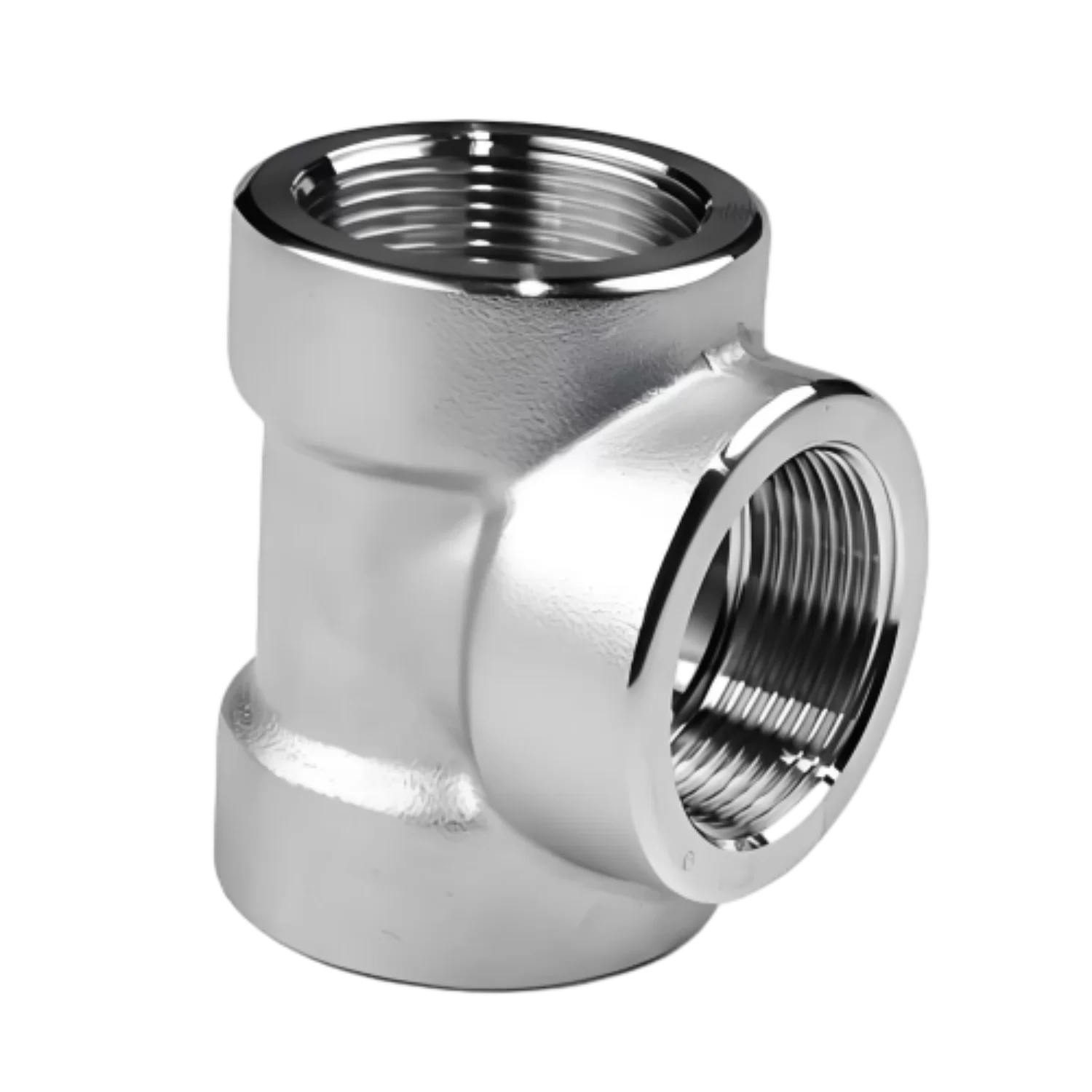
For engineers in Libya, this means prioritizing materials with verified certifications. The ability to source a combination of spiral welded steel pipe for large-diameter water or gas lines, alongside specialized threaded fitting options for instrumentation, reduces project lead times and minimizes installation errors in remote sites.
Tracing the transition from basic transport to optimized flow systems.
Focus on bulk delivery of basic carbon steel pipes for primary oil and gas networks across the region.
Introduction of high-grade seamless options and complex fittings to support petrochemical refining expansion.
Integration of platform-based sourcing to ensure traceability and rapid response for infrastructure repair.
Increased adoption of specialized coatings and alloys to combat the high salinity of coastal Libyan soil.
Moving toward prefabricated fitting assemblies to reduce on-site welding and improve installation speed.
Strategic diversification of suppliers to ensure stable delivery of critical pipe accessories despite global volatility.
Preparing for the next generation of fluid transport.
Integration of sensors within pipeline structures to detect leaks and pressure drops in real-time.
Using advanced metallurgy to reduce wall thickness without compromising pressure ratings.
Emphasis on recyclable steel and energy-efficient manufacturing processes for pipe production.
Digital tracking of components from the factory in China to project sites in Libya.
The convergence of digital procurement and high-precision manufacturing is redefining how infrastructure projects in Libya are executed. By leveraging platform-based supply chains, developers can better match technical specifications with the most efficient product options.
Decision-makers are advised to focus on total lifecycle costs rather than initial purchase price, emphasizing the long-term reliability of high-spec piping and the reduction of maintenance intervals.
Practical solutions for diverse industrial environments.
In remote Saharan fields, seamless piping is deployed to handle high-pressure raw crude, preventing leaks in harsh desert temperatures and ensuring safe transport to central processing facilities.
Using eccentric reducers in refinery piping to maintain constant fluid velocity and prevent cavitation in pump suction lines, critical for the efficiency of Mediterranean port refineries.
Large-scale spiral welded pipes are utilized for the "Great Man-Made River" style infrastructure, transporting water over vast distances with minimized joint counts and high structural stability.
Application of threaded fittings and welded pipes in urban construction projects in Tripoli, providing secure and leak-proof connections for commercial heating and cooling networks.
Deploying specialized pipe accessories to manage the flow of corrosive agents in chemical manufacturing, ensuring material compatibility and adherence to safety standards.
A legacy of quality and supply chain excellence.
Consolidated position in the high-end pipeline accessory field by supporting national energy and nuclear power projects, including Yanshan and Lanzhou Petrochemical.
Launched a global expansion strategy, extending high-quality pipeline equipment to over 20 countries, with a specific focus on the Middle East and Africa.
Evolved into a platform-based supply chain management enterprise, integrating digital services for technical consulting, logistics, and rapid demand matching.
One-stop supporting services for all your industrial piping and fitting requirements.
Clear answers for engineers and procurement managers.
Looking for reliable pipeline solutions in Africa - Libya? Our team provides tailored technical support and supply chain management for the metal structures industry to ensure your project's success.
Discuss Your RequirementsMay 25,26
Common Materials Used in 90° Elbow Production and Their Advantages
In modern pipeline systems, the 90° elbow plays a critical role in changing flow direction while maintaining pressure integrity and operational efficiency. Whether used in oil and gas pipelines, chemical plants, water treatment facilities, or HVAC systems, selecting the right material for a 90-degree elbow directly affects durability, corrosion resistance, temperature tolerance, and overall service life.
Jun 05,26
Precision Engineering for 30 150 Slip On Flange Dimensions
Jun 23,26
High Performance 4 inch slip on flange and Socket Weld Flanges
Sep 18,26
High Performance China alloy steel pipe for Industrial Use
Selecting the right piping material for high-stress industrial environments often comes down to a critical balance between metallurgical stability and cost-efficiency. In the global market, China alloy steel pipe has emerged as a pivotal solution for sectors requiring superior resistance to corrosion, oxidation, and thermal deformation. Unlike standard carbon steel, alloyed variants integrate specific elements like chromium, molybdenum, and nickel to enhance mechanical properties. This makes them indispensable for critical infrastructure where failure is not an option, ranging from petrochemical refineries to nuclear power generation plants.
Sep 28,26
China concentric reducer Technical Guide and Selection Standards
In complex piping networks, managing the transition between different pipe diameters is critical for maintaining system pressure and structural integrity. A concentric reducer serves as the engineered bridge between these sizes, ensuring that the centerlines of both the inlet and outlet remain perfectly aligned. This alignment is paramount in vertical piping systems where eccentric loading could lead to support failure or mechanical stress over time. For procurement managers and EPC contractors, sourcing a China concentric reducer requires a balance between strict adherence to international standards like ASME B16.9 and the optimization of landed costs.
Sep 05,26
Top Guide to Choosing a Reliable slip on flange manufacturer
Selecting the right piping components often comes down to a trade-off between installation speed and joint integrity. In low-to-medium pressure systems, the slip-on flange remains a primary choice for engineers due to its ease of alignment and reduced machining requirements compared to weld-neck alternatives. However, the reliability of these connections is heavily dependent on the precision of the manufacturing process and the material grade chosen for the specific environment. From petrochemical plants to water treatment facilities, the ability of a flange to maintain a leak-proof seal under thermal cycling defines the lifespan of the entire pipeline.
SUBSCRIBE NEWSLETTER
If you are interested in our products, you can choose to leave your information here, and we will be in touch with you shortly.