Slip On Flange

Slip On Flange

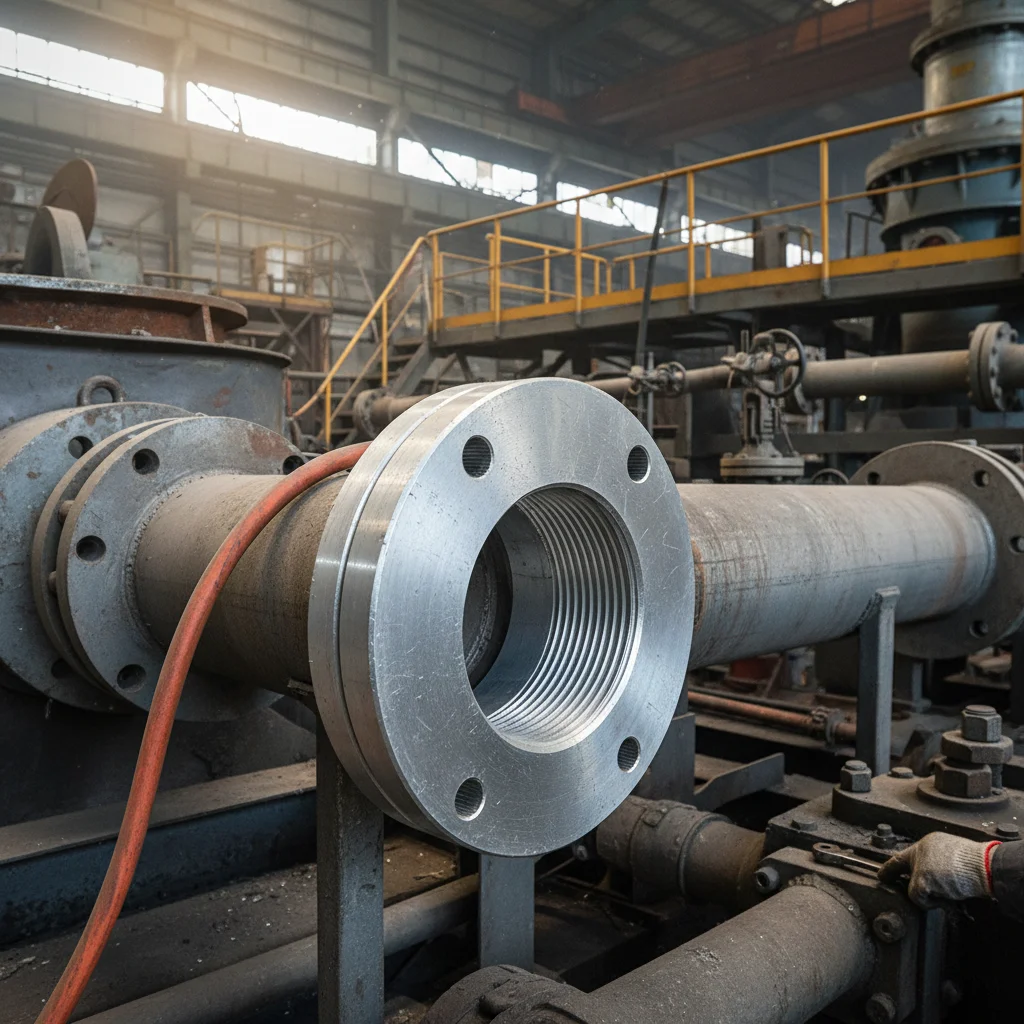
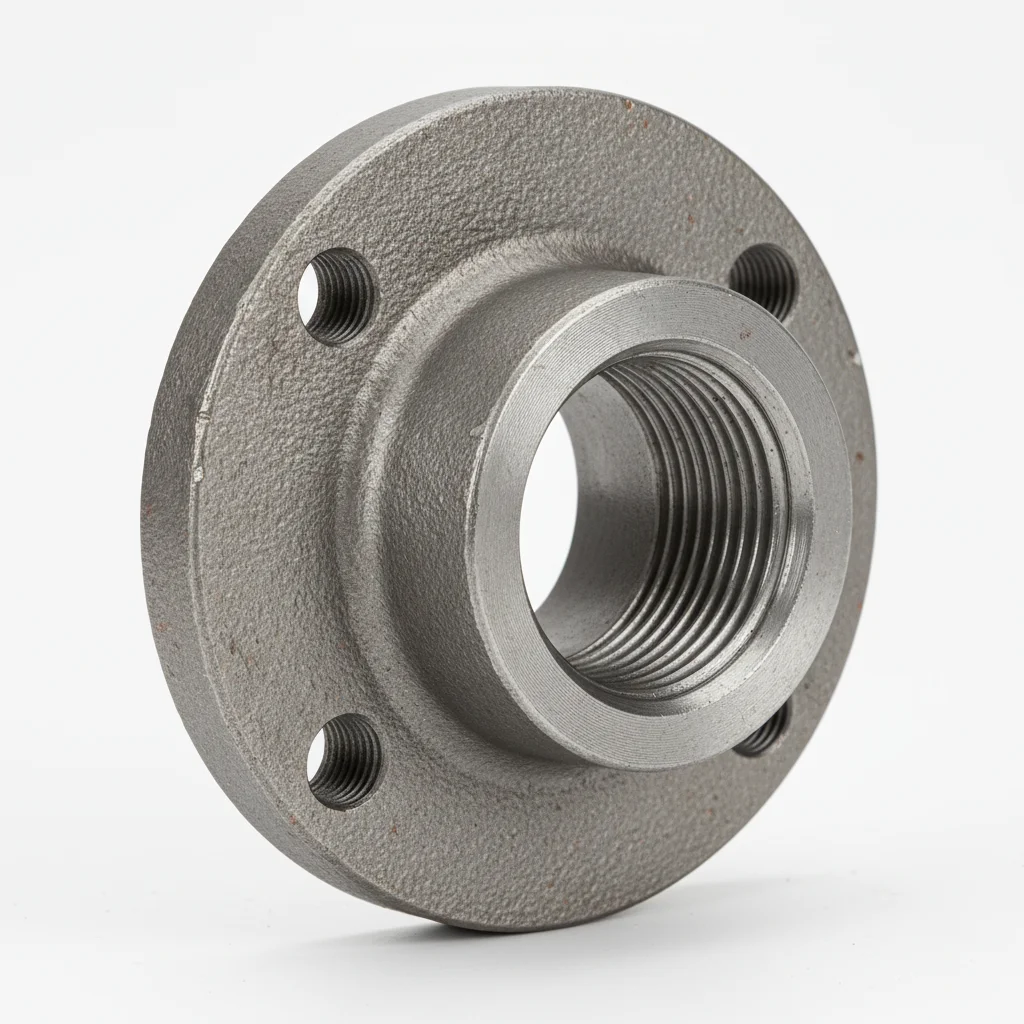
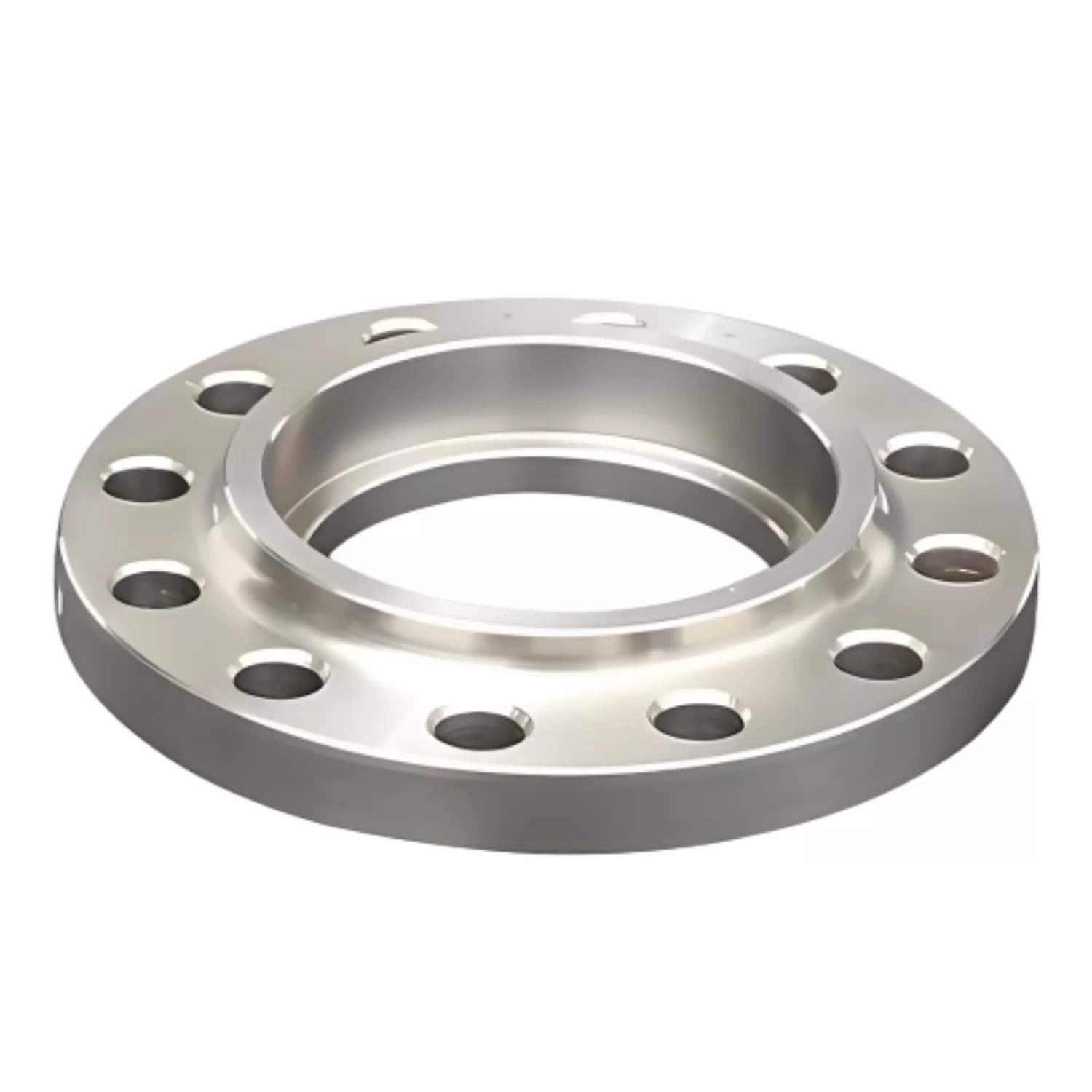
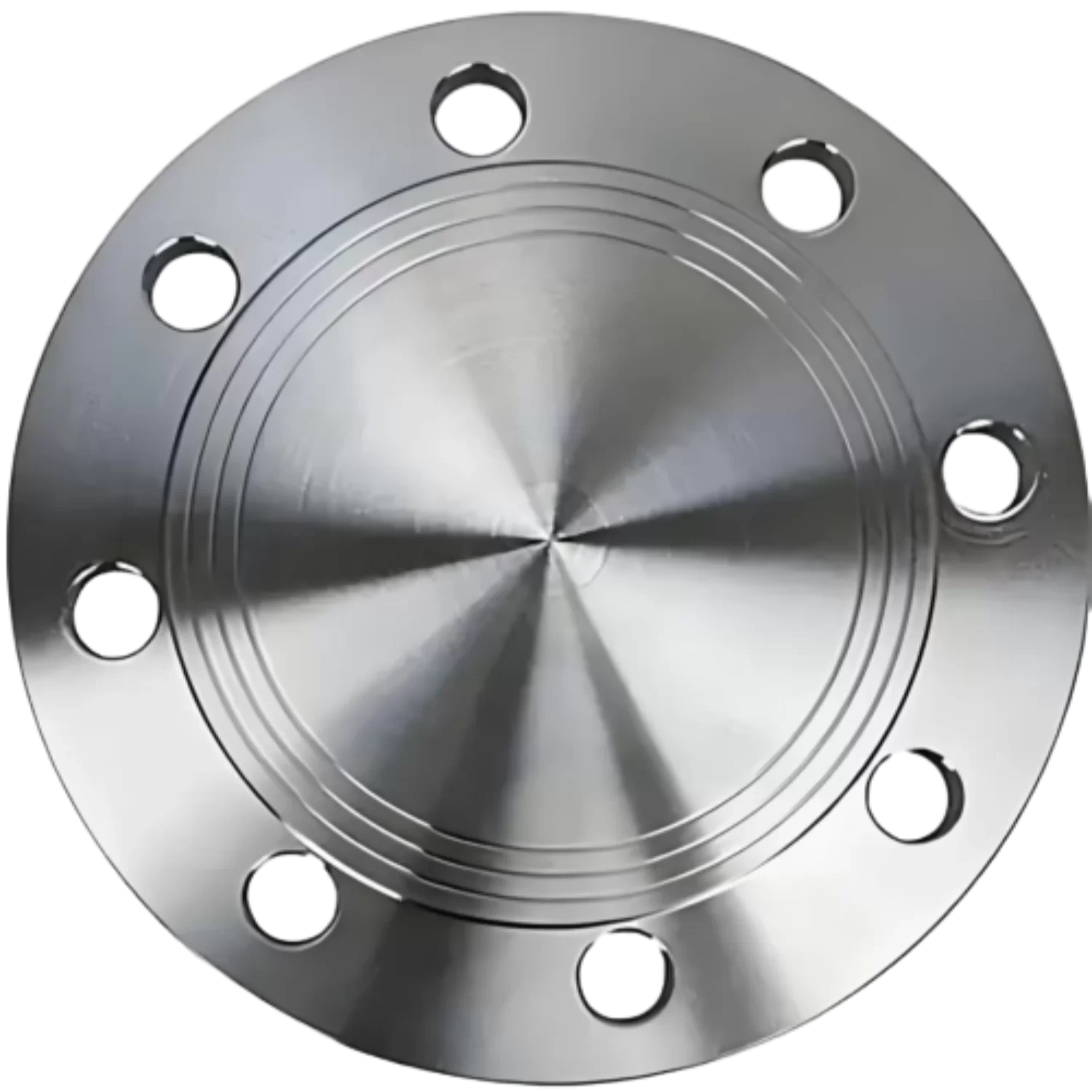
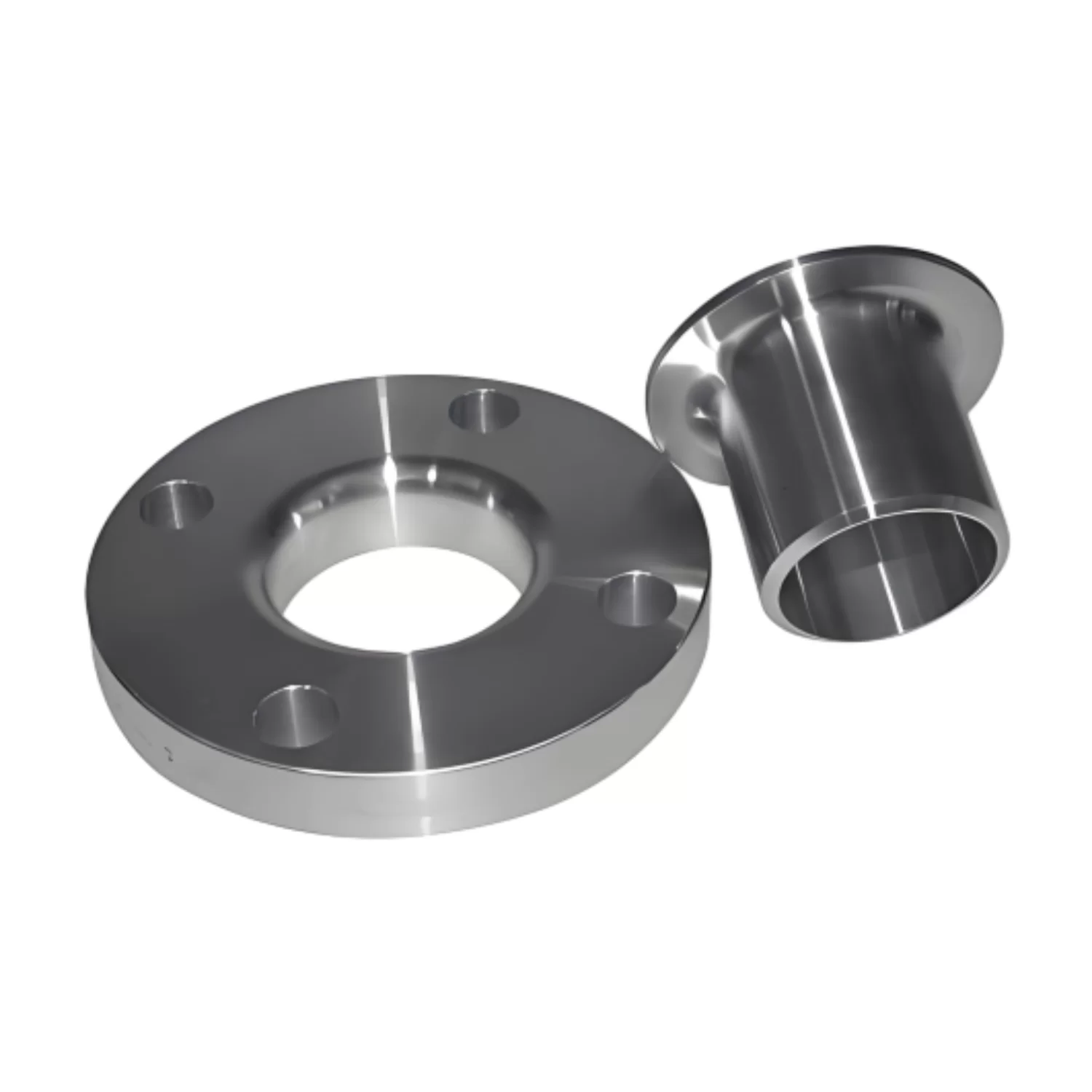
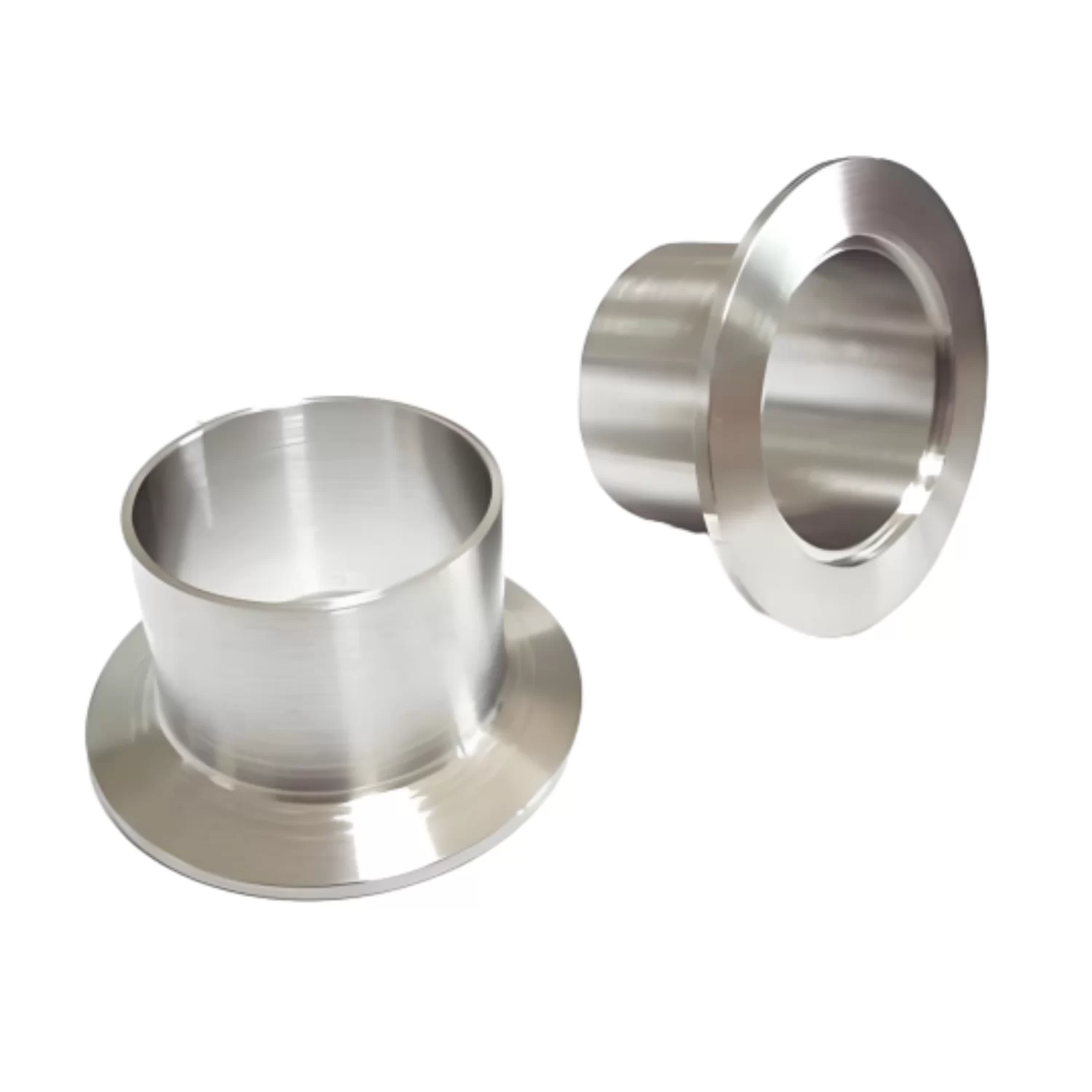
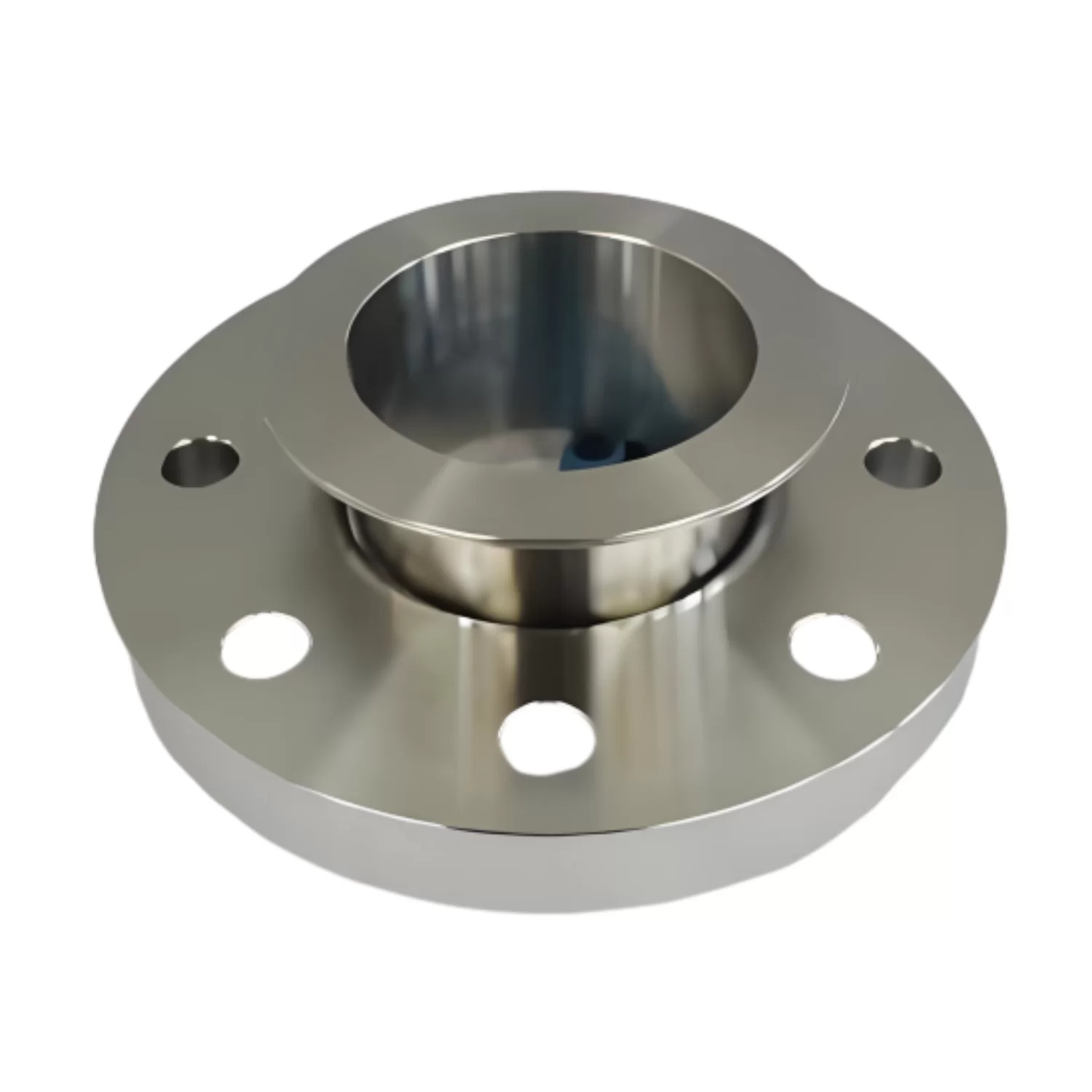
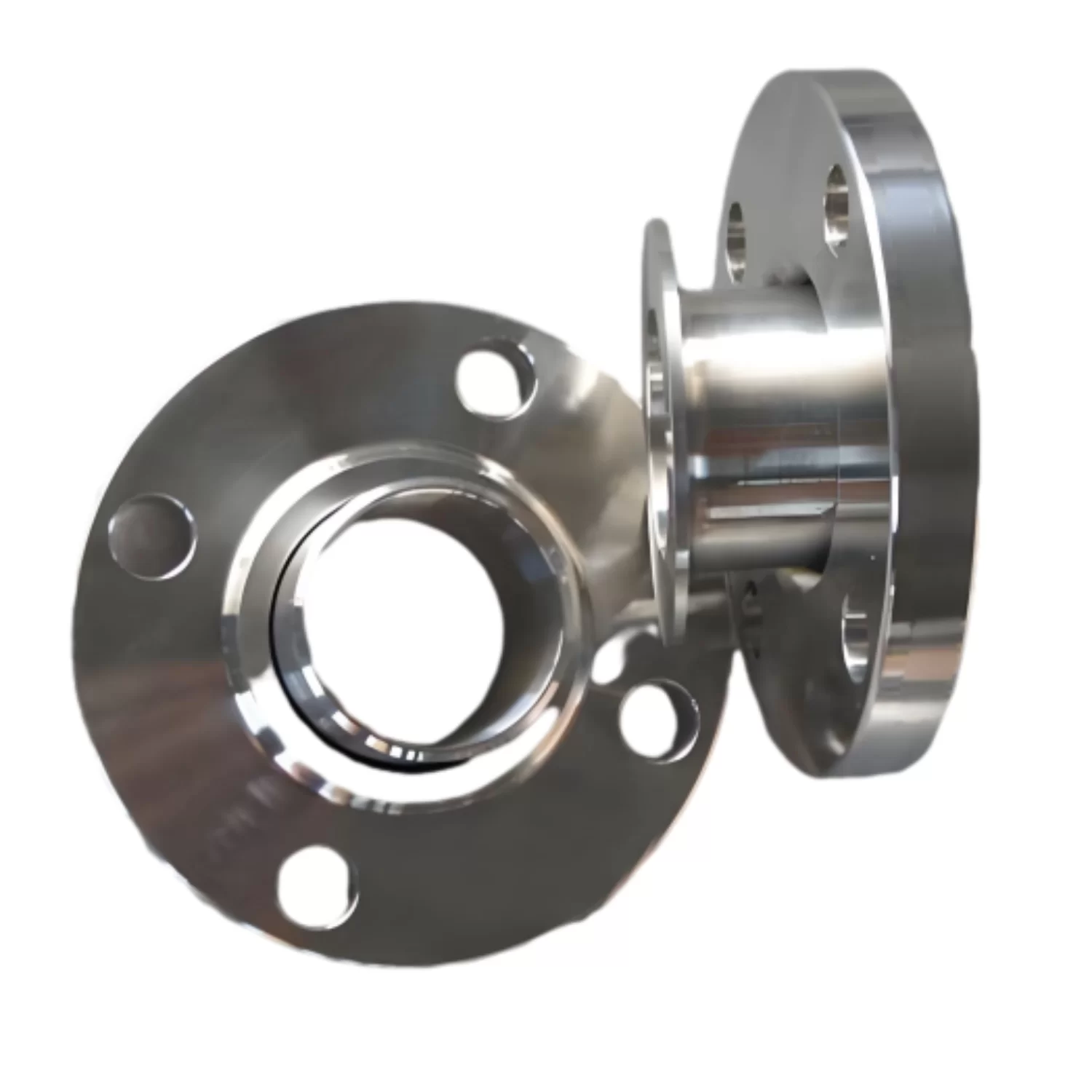
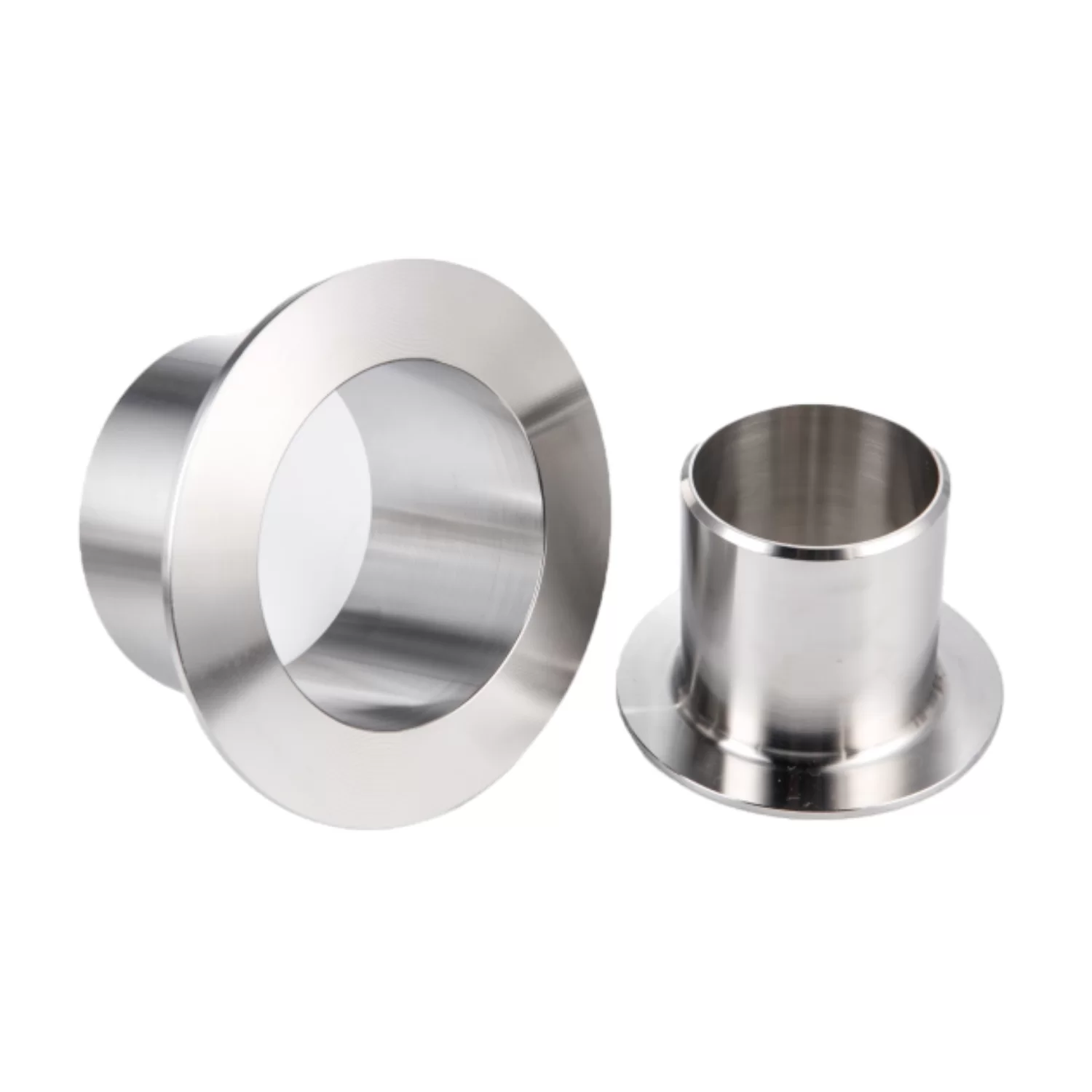
The slip-on flange (ASME B16.5 Slip-on Flange) is a pipe fitting consisting of two core components: a flange disc and a sleeve (or lap joint stub end). The inner diameter of the flange disc is slightly larger than the outer diameter of the pipe. It is fixed to the pipe by welding the sleeve to the pipe—while the flange disc itself is not directly welded to the pipe, but achieves pipe connection through bolt fastening. This "loose-fit" design allows the pipe to undergo axial expansion/contraction or angular deflection within a certain range, effectively relieving stress caused by thermal expansion and contraction, and simplifying the installation and disassembly processes.

share:
Product Details

I. Product Definition & Structural Features


The slip-on flange (ASME B16.5 Slip-on Flange) is a pipe fitting consisting of two core components: a flange disc and a sleeve (or lap joint stub end). The inner diameter of the flange disc is slightly larger than the outer diameter of the pipe. It is fixed to the pipe by welding the sleeve to the pipe—while the flange disc itself is not directly welded to the pipe, but achieves pipe connection through bolt fastening. This "loose-fit" design allows the pipe to undergo axial expansion/contraction or angular deflection within a certain range, effectively relieving stress caused by thermal expansion and contraction, and simplifying the installation and disassembly processes.


II. Executive Standards & Material Selection


1. Executive Standards

●Design Standard: ASME B16.5 *Pipe Flanges and Flanged Fittings

(covering pressure ratings Class 150 to Class 2500, nominal sizes NPS 1/2 to NPS 24);

●Material Standards: Carbon steel (e.g., ASTM A105, A350 LF2), stainless steel (ASTM A182 F304/F316), alloy steel (ASTM A182 F11/F22), etc. Material selection shall be based on media characteristics, temperature, and pressure rating;

●Sealing Face Standard: Default to Raised Face (RF); optional Flat Face (FF), Ring Type Joint (RTJ), etc.


 2. Material Properties

●Carbon Steel Flanges: Low cost, high strength, suitable for non-corrosive media such as water and steam. Operating temperature ≤425℃;

●Stainless Steel Flanges: Excellent corrosion resistance (especially 316 grade with acid and alkali resistance), applicable to chemical, food, and pharmaceutical industries. Temperature range: ●270℃ to 816℃;


●Alloy Steel Flanges: High temperature resistance (e.g., F22 alloy can withstand temperatures above 600℃), commonly used in high-temperature and high-pressure scenarios such as thermal power generation and oil refining.


III. Application Scenarios & Core Advantages


1. Typical Application Fields

●Water Supply and Drainage Engineering: Urban water supply networks and sewage treatment systems, utilizing the loose-fit structure to compensate for pipe settlement and displacement;

●Petrochemical Industry: Pipe connections for transporting crude oil, natural gas, and acid-alkali solutions, adapting to the corrosion resistance requirements of stainless steel materials;

●HVAC Systems: Air conditioning water circulation systems, relieving pipe thermal expansion and contraction caused by temperature changes;

●Marine and Offshore Engineering: Hull piping systems, adapting to vibration and impact loads during ship navigation.


 2. Core Advantages

●Easy Installation: Only the sleeve needs to be welded to the pipe; the flange disc can flexibly adjust the angle, reducing requirements for pipe welding precision;

●Stress Compensation: The loose-fit structure allows ±3° angular deflection and ±5mm axial displacement, reducing stress concentration caused by rigid pipe connections;

●Controllable Cost: Compared with integral flanges, the loose-fit design reduces the usage of high-grade materials (e.g., stainless steel), especially suitable for large-diameter pipelines;

●Good Maintainability: No need to cut the pipe during disassembly—only loosen the bolts to replace the flange or gasket, lowering maintenance costs.


IV. Technical Parameters


Parameter

Description

Nominal Pipe Size (NPS)

Corresponding to pipe outer diameter (e.g., NPS 2 corresponds to pipe outer diameter 60.3mm). Range: 1/2" to 24" (custom large-diameter specifications available);

Pressure Rating (Class)

150 (2.0MPa), 300 (5.0MPa), 600 (10.0MPa), etc., shall match the system operating pressure;

Flange Thickness (t)

Increases with pressure rating (e.g., Class 150 NPS 2 flange thickness is 12.7mm, Class 300 is 19.1mm);

Number and Diameter of Bolt Holes

Arranged according to standards (e.g., Class 150 NPS 2 flange has 4 Φ18 bolt holes, bolt specification M16).


V. Quality Control & Certification


●Production Standards: Complies with ISO 9001 quality management system; key processes (e.g., forging, heat treatment) are fully recorded;

●Inspection Items: Prior to delivery, dimensional inspection (diameter, thickness, bolt hole position), mechanical property testing (tensile strength, hardness), and non-destructive testing (ultrasonic testing, UT—ensuring no inclusions/porosity internally) are performed;

●Certification Requirements: Export products shall provide ASME U Stamp and PED 2014/68/EU certification; domestic projects shall meet compatibility requirements with standards such as GB/T 9119.

ASME B16.5 Slip On Flange Standards Explained


The ASME B16.5 slip on flange standard is widely recognized in the oil & gas, chemical processing, power generation, marine, and water treatment industries. It establishes the manufacturing requirements necessary for ensuring interchangeability and safe operation under pressure.


ASME B16.5 specifies pressure classes including Class 150, 300, 400, 600, 900, 1500, and 2500. Each pressure class has different flange thicknesses, bolt configurations, and sealing dimensions designed to withstand varying operating pressures and temperatures.


Beyond dimensions, the standard also works together with material specifications such as ASTM A105, ASTM A182 F304/F316, ASTM A350 LF2, and ASTM A694 for different service conditions. Manufacturers must maintain precise machining tolerances, flatness, and surface finishes to ensure proper gasket sealing.


Choosing ASME-compliant slip-on flanges provides several advantages, including easier replacement during maintenance, compatibility with internationally sourced piping components, and improved safety for long-term operation. Weihuan manufactures flanges that fully comply with ASME B16.5 while also supporting EN 1092-1, DIN, JIS, and BS standards for global projects.


Slip On Flange Materials and Material Selection Guide


Selecting the proper slip on flange material is essential for maximizing service life, corrosion resistance, and mechanical performance. The best material depends on operating temperature, pressure, fluid characteristics, and environmental conditions.


Carbon steel slip-on flanges remain the most economical choice for general industrial pipelines, water supply systems, and low- to medium-pressure applications. ASTM A105 is commonly used because of its excellent strength and weldability.


Stainless steel grades such as ASTM A182 F304 and F316 provide outstanding corrosion resistance for chemical processing, food production, pharmaceutical manufacturing, and offshore applications. Duplex stainless steels offer even higher strength while resisting chloride-induced corrosion in marine environments.


For low-temperature service, materials such as ASTM A350 LF2 maintain toughness under sub-zero operating conditions. Alloy steel flanges are preferred in high-temperature and high-pressure applications, including refineries and power plants.


Weihuan offers slip-on flanges in carbon steel, stainless steel, duplex stainless steel, alloy steel, and customized materials based on international standards. Material certificates, PMI testing, and third-party inspections can also be provided to meet project quality requirements.


Slip On Flange Applications Across Different Industries


Because of their simple design and cost-effective installation, slip on flange applications can be found across a wide range of industrial piping systems. Their ease of alignment makes them particularly suitable for projects requiring efficient installation and maintenance.


Oil and gas facilities frequently use slip-on flanges for low- and medium-pressure process lines, utility piping, and auxiliary systems. In chemical plants, they provide reliable pipe connections for handling a variety of liquids and gases while allowing convenient equipment replacement during maintenance.


Water treatment facilities utilize slip-on flanges in pumping stations, filtration systems, and municipal pipeline networks due to their affordability and dependable sealing performance. Power plants employ them in cooling water systems, compressed air pipelines, and non-critical process lines.


Slip-on flanges are also widely used in shipbuilding, HVAC systems, fire protection networks, food processing plants, pulp and paper mills, and general industrial manufacturing. Their compatibility with numerous piping materials makes them one of the most versatile flange types available.


With comprehensive production capabilities and strict quality control, Weihuan supplies slip-on flanges for global infrastructure, industrial construction, and OEM manufacturing projects, helping customers achieve reliable pipeline performance with competitive cost efficiency.


Slip On Flange vs Weld Neck Flange


When selecting metal pipe flanges, buyers often compare slip on flange vs weld neck flange because both are widely used in industrial piping systems but serve different purposes.


Slip-on flanges slide over the outside diameter of the pipe before being welded on both the inside and outside. This design simplifies alignment during installation, shortens fabrication time, and reduces labor costs. As a result, they are an economical solution for low- and medium-pressure systems where operating conditions are relatively stable.


Weld neck pipe flanges feature a long tapered hub that is butt-welded directly to the pipe. This design distributes stress more evenly, making weld neck flanges better suited for high-pressure, high-temperature, and cyclic loading environments. Industries such as offshore oil & gas, petrochemical processing, and power generation often specify weld neck flanges for critical service applications.


The choice depends largely on system requirements. If installation efficiency and budget are primary concerns, slip-on flanges offer excellent value. For demanding operating conditions where maximum structural integrity is essential, weld neck flanges remain the preferred option. Weihuan manufactures both flange types according to international standards, helping customers select the most suitable solution for each project.


Slip On Flange vs Raised Face, Socket Weld and Lap Joint Flanges


Although slip-on flanges are among the most widely used flange types, engineers often compare them with raised face, socket weld, and lap joint flanges when designing piping systems.


A raised face is not a separate flange type but a sealing surface design. Both slip-on and weld neck flanges can be manufactured with a raised face to improve gasket compression and sealing performance. Raised face flanges are commonly used in pressure-rated piping systems where leak prevention is critical.


Socket weld flanges are designed for small-diameter, high-pressure piping. The pipe is inserted into a socket before fillet welding, providing better strength than a standard slip-on flange but requiring more precise installation.


Lap joint flanges work together with stub ends, allowing the flange to rotate freely for easy bolt alignment. They are especially useful in systems that require frequent maintenance or use corrosion-resistant piping materials while reducing flange costs.


Slip-on flanges remain the preferred choice for many industrial applications because they balance cost, ease of installation, and reliable performance. By offering multiple flange designs manufactured to ASME, EN, DIN, and JIS standards, Weihuan can support a wide range of piping projects across global industries.


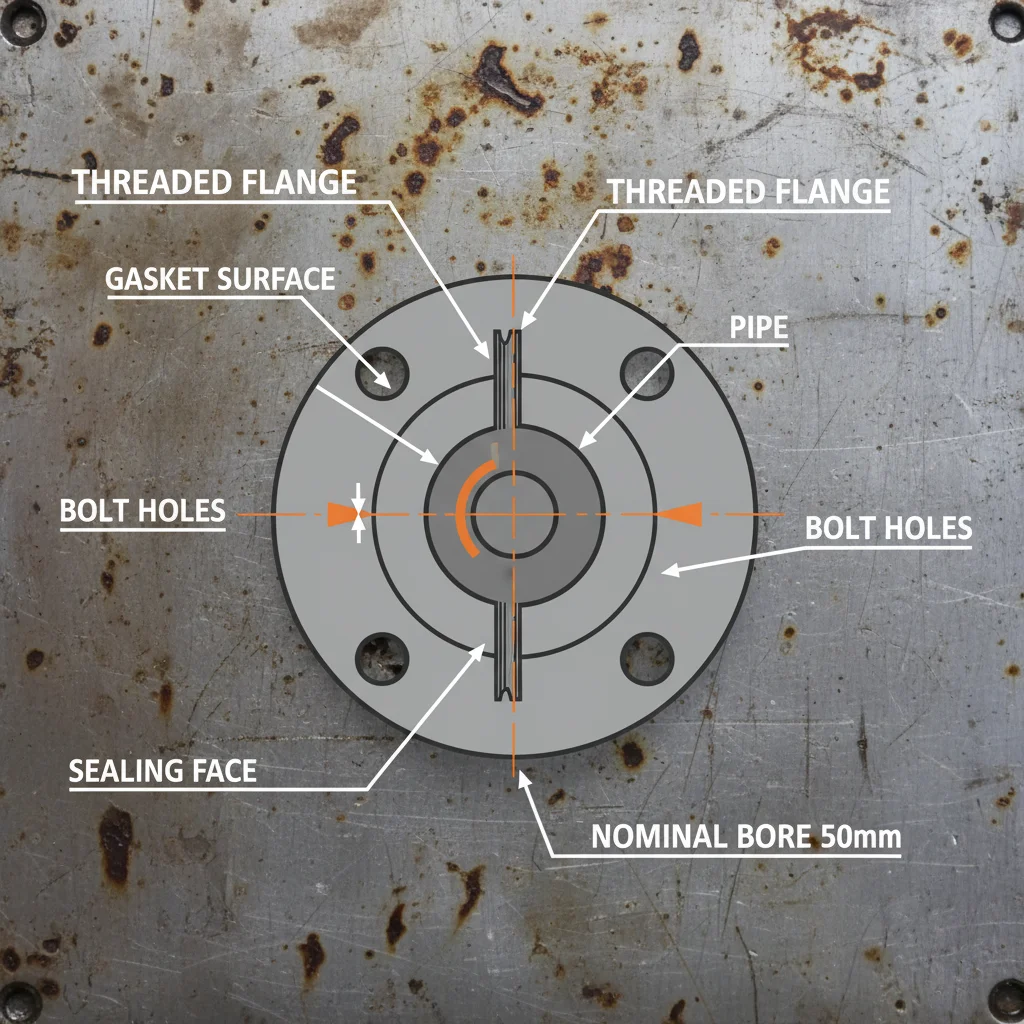
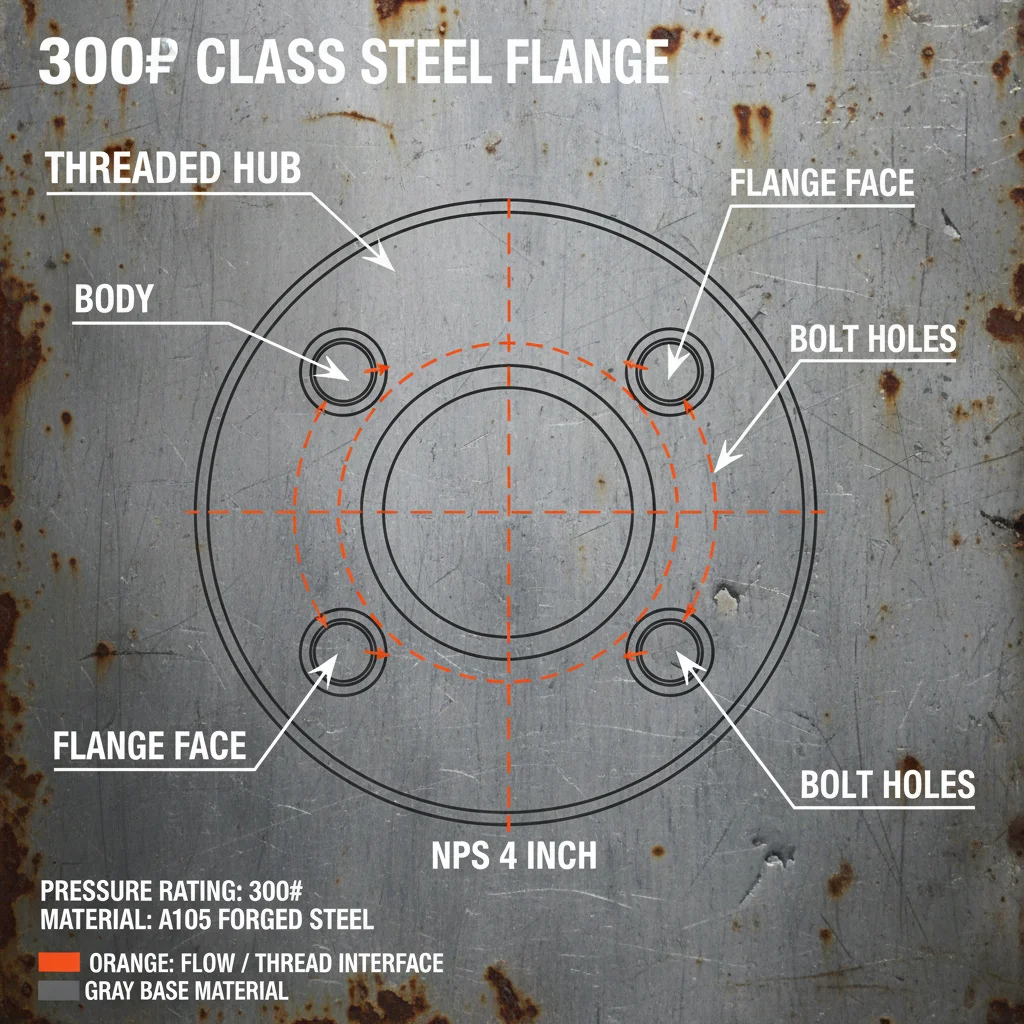
Standard Slip On Flange Dimension Drawing


upload/attachment/image/202607/10/178366722202847bb90af3ce7123380ae11abfe56f_local.png


upload/attachment/image/202607/10/1783665914098076e8c243f9ec47baf455b3ff30d3_local.png


Dimension Symbols


SymbolDescription
DOutside Diameter
BBore Diameter
TFlange Thickness
KBolt Circle Diameter (BCD)
LBolt Hole Diameter
NNumber of Bolt Holes
RFRaised Face Height


ASME B16.5 Slip On Flange Dimensions Chart (Class 150)


NPSOD (mm)Thickness (mm)Bolt Circle (mm)Bolt HolesHole Ø (mm)
1/2"8911.260.5415.7
3/4"9912.769.9415.7
1"10814.279.2415.7
1-1/4"11715.788.9415.7
1-1/2"12715.798.6415.7
2"15217.5120.7419.1
2-1/2"17820.6139.7419.1
3"19120.6152.4419.1
4"22923.9190.5819.1
5"25423.9215.9822.4
6"27925.4241.3822.4
8"34328.4298.5822.4
10"40630.2362.01225.4
12"48331.8431.81225.4


ASME B16.5 Slip On Flange Pressure Classes


Pressure RatingAvailable Size Range
Class 150NPS 1/2"–24"
Class 300NPS 1/2"–24"
Class 600NPS 1/2"–24"
Class 900NPS 1/2"–24"
Class 1500NPS 1/2"–24"
Class 2500NPS 1/2"–24"


International Slip On Flange Standards


StandardRegionPressure Rating
ASME B16.5North AmericaClass 150–2500
ASME B16.47Large Diameter26"–60"
EN 1092-1EuropePN6–PN100
DIN 2501GermanyPN6–PN100
JIS B2220Japan5K–30K
BS 4504UKPN Series
GOSTRussiaPN Series


Available Materials


Carbon SteelStainless SteelAlloy Steel
ASTM A105ASTM A182 F304ASTM A182 F11
ASTM A350 LF2ASTM A182 F304LASTM A182 F22
ASTM A694 F52ASTM A182 F316ASTM A182 F91
ASTM A694 F65ASTM A182 F316LDuplex F51
ASTM A694 F70ASTM A182 F321Super Duplex F53


Manufacturing Tolerance

To ensure interchangeability and leak-free installation, every Weihuan slip-on flange is machined according to ASME B16.5 tolerances. Critical dimensions including outside diameter, bore diameter, bolt circle diameter, bolt hole position, flange thickness, and raised face height are inspected before shipment. Material traceability, dimensional reports, PMI testing, and third-party inspections are available upon request.


Custom Slip On Flange Dimensions


In addition to standard ASME B16.5 products, Weihuan also manufactures customized slip-on flanges based on customer drawings or international specifications. We support:

  • Non-standard outside diameters

  • Customized bore sizes

  • Special drilling patterns

  • Extra-thick flanges

  • Large-diameter flanges

  • OEM & ODM manufacturing

  • Custom surface coatings

  • Special materials including Duplex, Super Duplex, Nickel Alloy, and Titanium

Get in Touch
If you are interested in our products, you can choose to leave your information here, and we will be in touch with you shortly.

*Name

*Phone

*Email

*Message

SUBSCRIBE NEWSLETTER

Efficient Pipe Fittings, Get Customized Solutions Immediately!

If you are interested in our products, you can choose to leave your information here, and we will be in touch with you shortly.