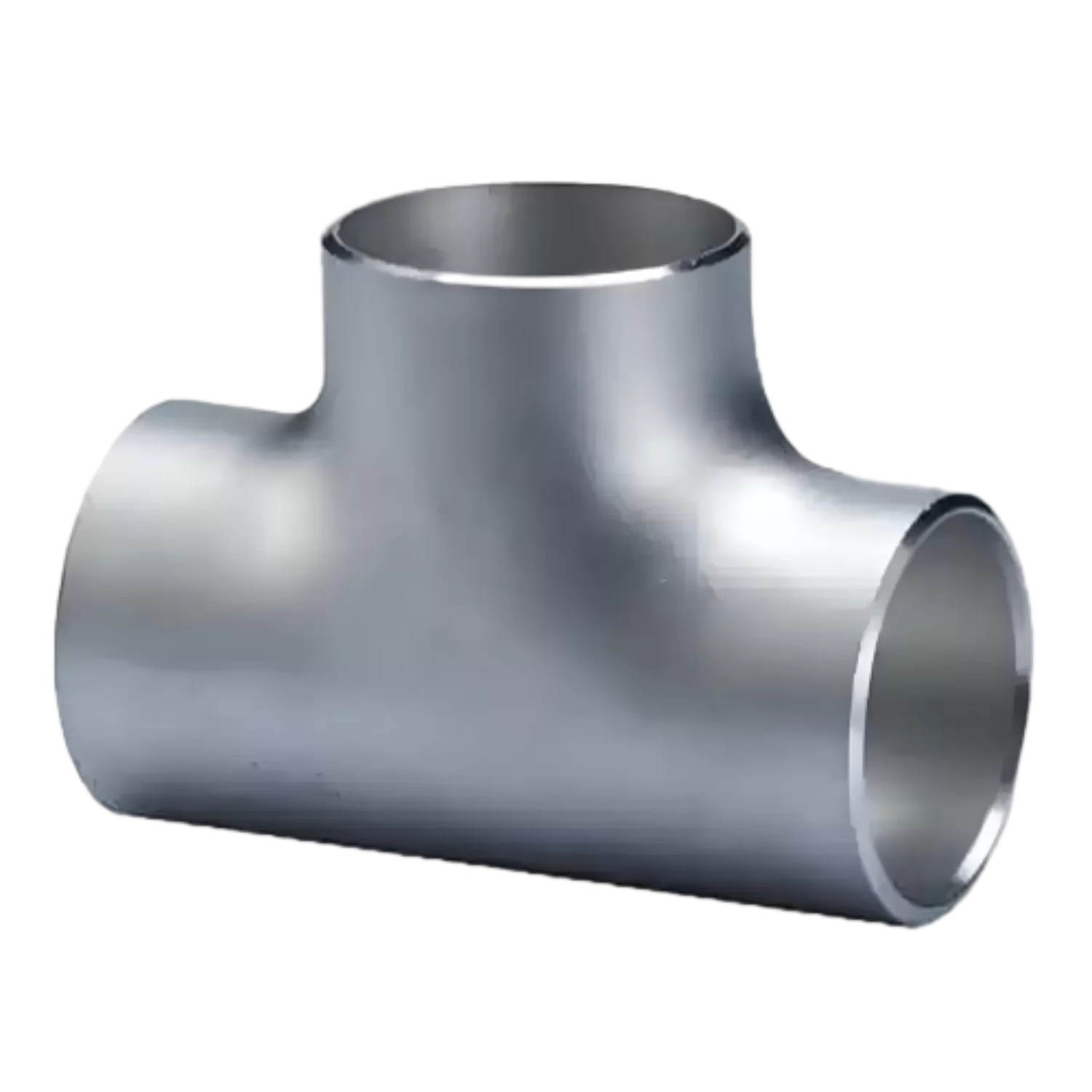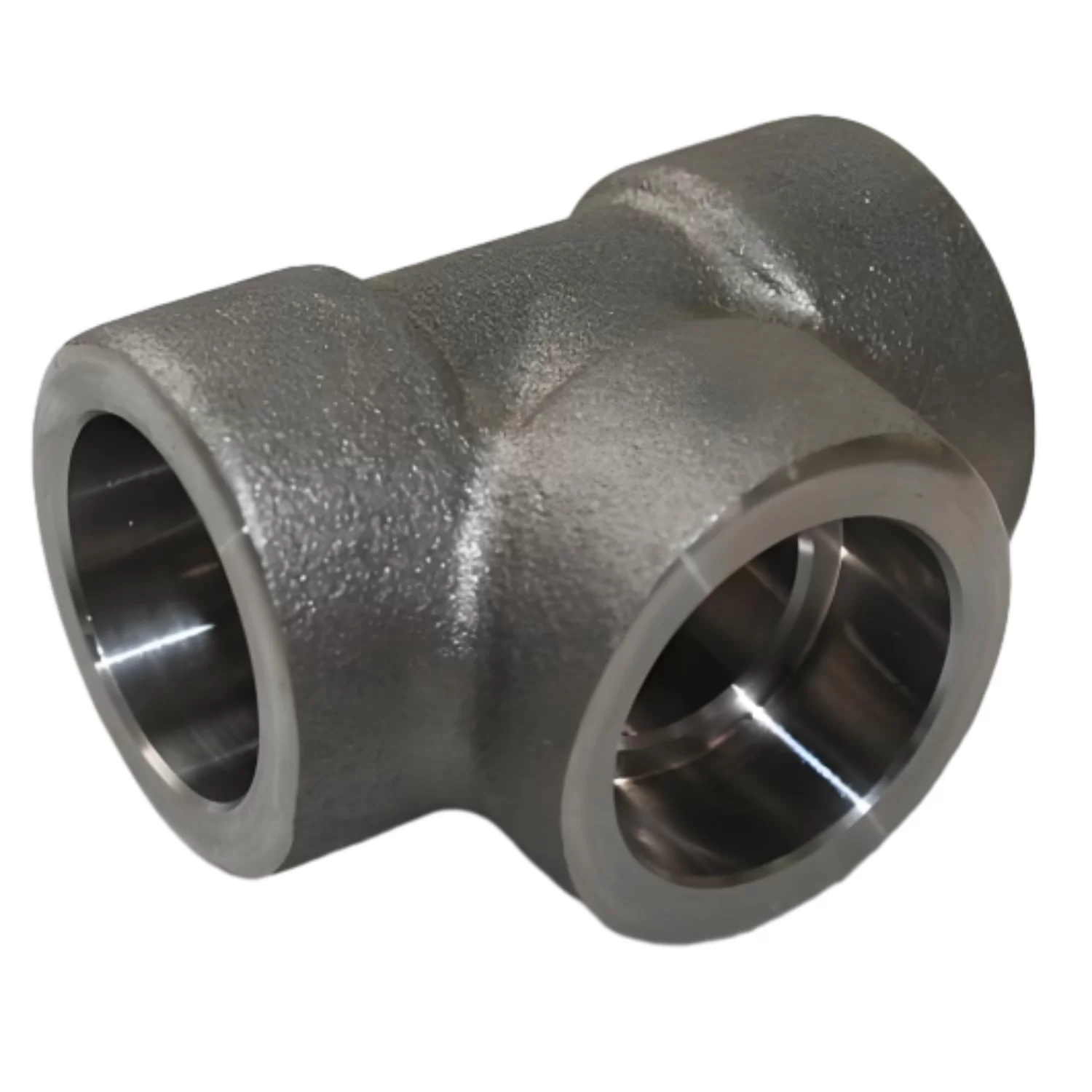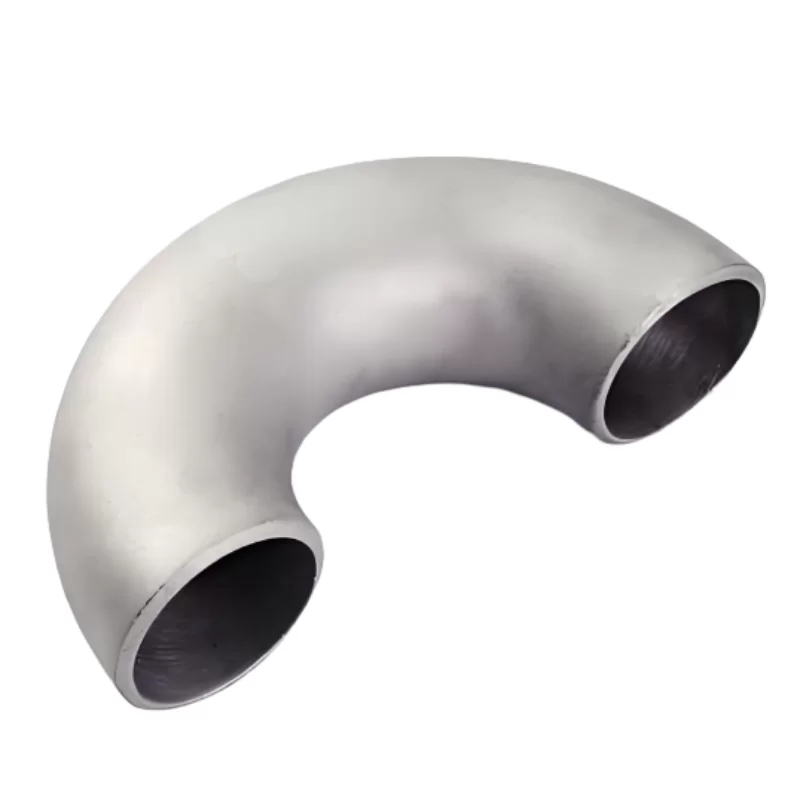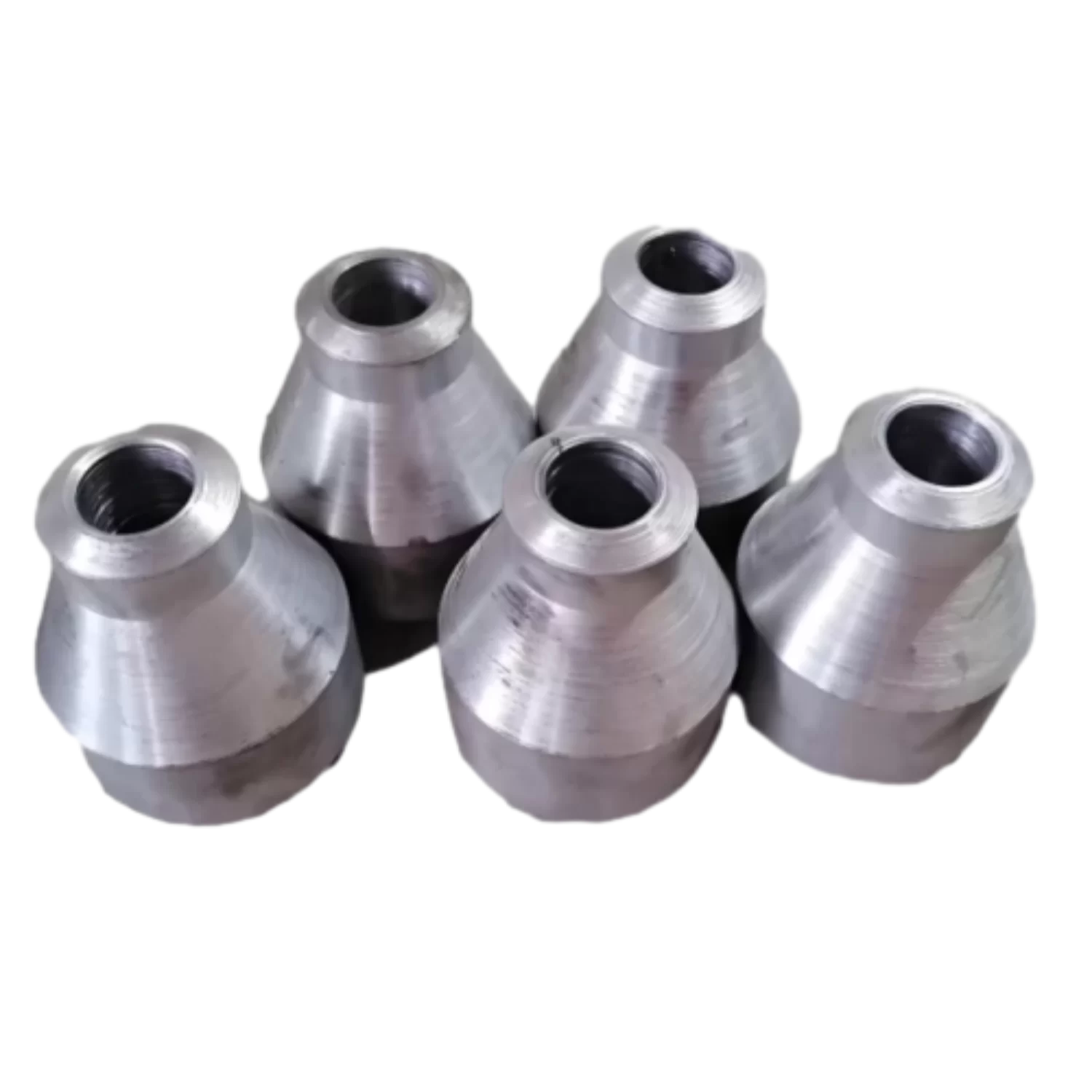
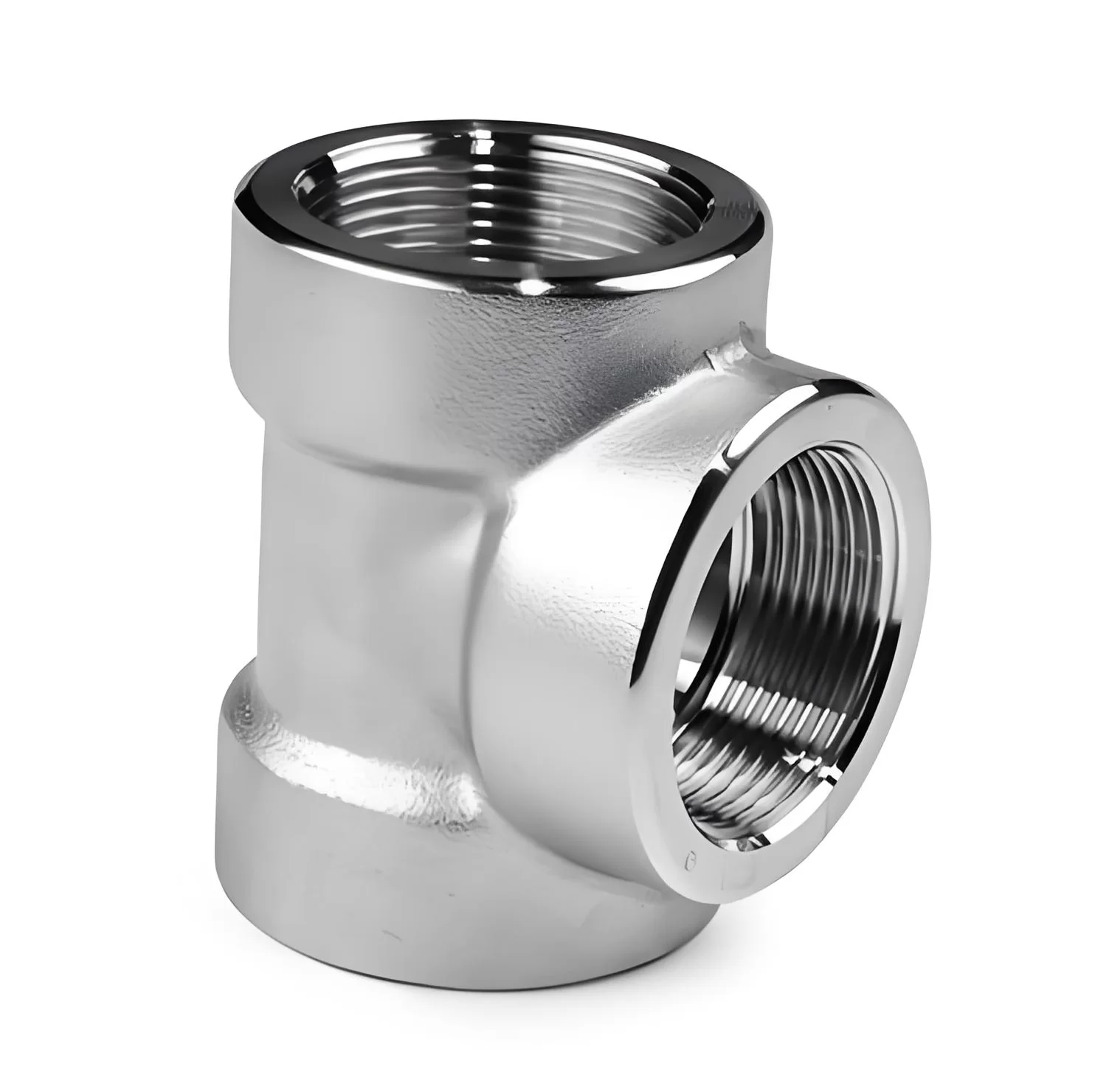
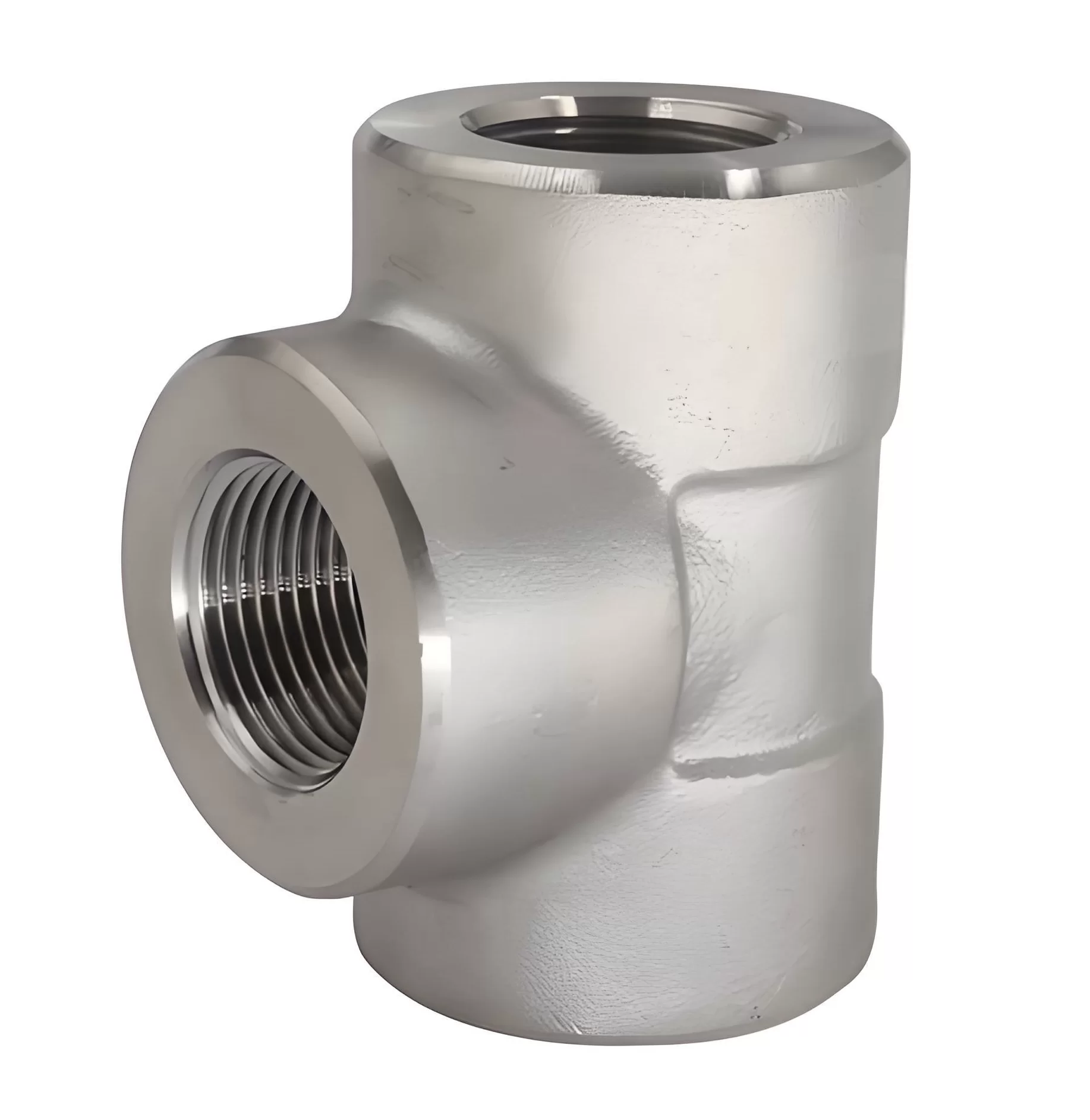
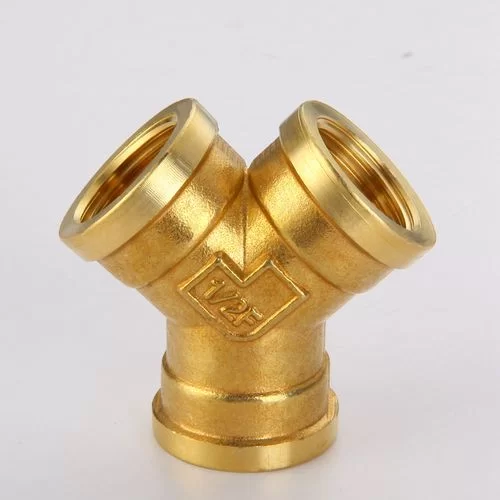
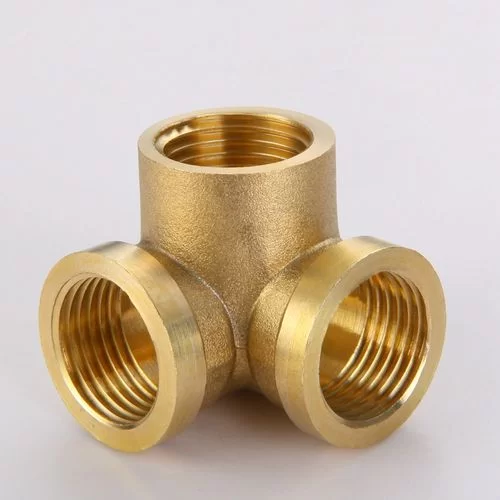
A threaded tee is a pipe fitting used in pipeline systems to split or combine fluid flow. Featuring a "T" shaped structure, it has three ports: one main port (usually the inlet) and two branch ports (usually the outlets). The inner or outer walls of the ports are processed with standard threads, enabling secure connection with pipes, valves, or other fittings via threaded fastening—no welding required. It offers easy installation and reliable sealing. Common materials include carbon steel, stainless steel (304/316), copper, PVC, and PPR, suitable for transporting various media such as water, gas, oil, and corrosive fluids.
I. Product Definition & Structure
A threaded tee is a pipe fitting used in pipeline systems to split or combine fluid flow. Featuring a "T" shaped structure, it has three ports: one main port (usually the inlet) and two branch ports (usually the outlets). The inner or outer walls of the ports are processed with standard threads, enabling secure connection with pipes, valves, or other fittings via threaded fastening—no welding required. It offers easy installation and reliable sealing. Common materials include carbon steel, stainless steel (304/316), copper, PVC, and PPR, suitable for transporting various media such as water, gas, oil, and corrosive fluids.
II. Core Functions & Advantages
1. Flow Splitting & Combining: The "T" structure realizes splitting one fluid path into two or merging two paths into one, meeting the layout requirements of complex pipeline systems. Widely used in water supply and drainage, HVAC, chemical, petroleum, natural gas, and other fields.
2. Threaded Connection Features: Adopts standardized threads (e.g., NPT, G thread, PT thread). During connection, mechanical engagement between threads combined with thread seal tape/sealant ensures sealing. Flexible installation and disassembly facilitate later maintenance and pipeline modification, especially suitable for scenarios where welding is not advisable (e.g., flammable and explosive environments, thin-walled pipes).
3. Material Adaptability: Select materials based on medium properties:
●Stainless steel tees: Excellent corrosion resistance, suitable for chemical, food, and pharmaceutical industries;
●Carbon steel tees: High strength and low cost, suitable for conventional water and gas transmission;
●Plastic tees (PVC/PPR): Lightweight and acid-alkali resistant, commonly used in civil building water supply and drainage systems.
4. Structural Stability: The main body is manufactured via one-piece molding or forging process, ensuring fitting strength and pressure-bearing capacity to meet the pressure rating requirements of different pipeline systems.
III. Key Parameters & Specifications
1. Size Range: Nominal Diameter (DN) typically ranges from DN15 (1/2 inch) to DN300 (12 inches). Both equal tees (all three ports with the same diameter) and reducing tees (main port and branch ports with different diameters, e.g., DN50×DN40×DN50) are available to meet different flow distribution needs.
2. Thread Standards: Common thread types include American Standard NPT (National Pipe Tapered Thread), British Standard G (BSPP, British Standard Pipe Parallel), Japanese Standard PT (BSPT, British Standard Pipe Tapered), etc. Must match the thread standard of the pipeline system to ensure connection sealing and versatility.
3. Pressure Rating: Corresponding to different working pressure scenarios based on material and manufacturing process. For high-pressure applications, forged or seamless tees should be selected.
4. Temperature Range: Operating temperature depends on material:
●Plastic tees: Typically -20℃~100℃;
●Metal tees (carbon steel, stainless steel): Can withstand -200℃~600℃.
Material selection must align with medium temperature.
5. Material Properties:
●Carbon steel: ASTM A105 (ambient temperature), A350 LF2 (low temperature), A694 series (line pipe steel);
●Stainless steel: ASTM A182 F304/304L, F316/316L, F310S, F904L, etc., with excellent corrosion resistance;
●Alloy steel: ASTM A182 F11, F12, F22, F91, etc., suitable for high-temperature and high-pressure working conditions;
●Duplex steel: ASTM A182 F51, F53, F55, balancing strength and corrosion resistance, ideal for harsh environments.
6. Executive Standards: ASME B16.11, ANSI/ASME B1.20.1.
IV. Application Scenarios
1. Building Water Supply & Drainage: Used for cold and hot water pipeline splitting in residential and commercial buildings.
2. Industrial Piping Systems: Applied for process fluid splitting or combining in chemical, petroleum, and power industries.
3. Municipal Engineering: Node connections in urban tap water, gas, and heating pipeline networks to realize regional pipeline branch distribution.
4. Equipment Matching: Serves as a pipeline connector for mechanical equipment and instruments.
As a key connector in pipeline systems, threaded tees are indispensable in various industrial pipeline projects due to their easy installation, strong adaptability, and stable structure. During selection, factors such as medium, pressure, and size must be comprehensively considered to ensure the safe and efficient operation of the pipeline system.
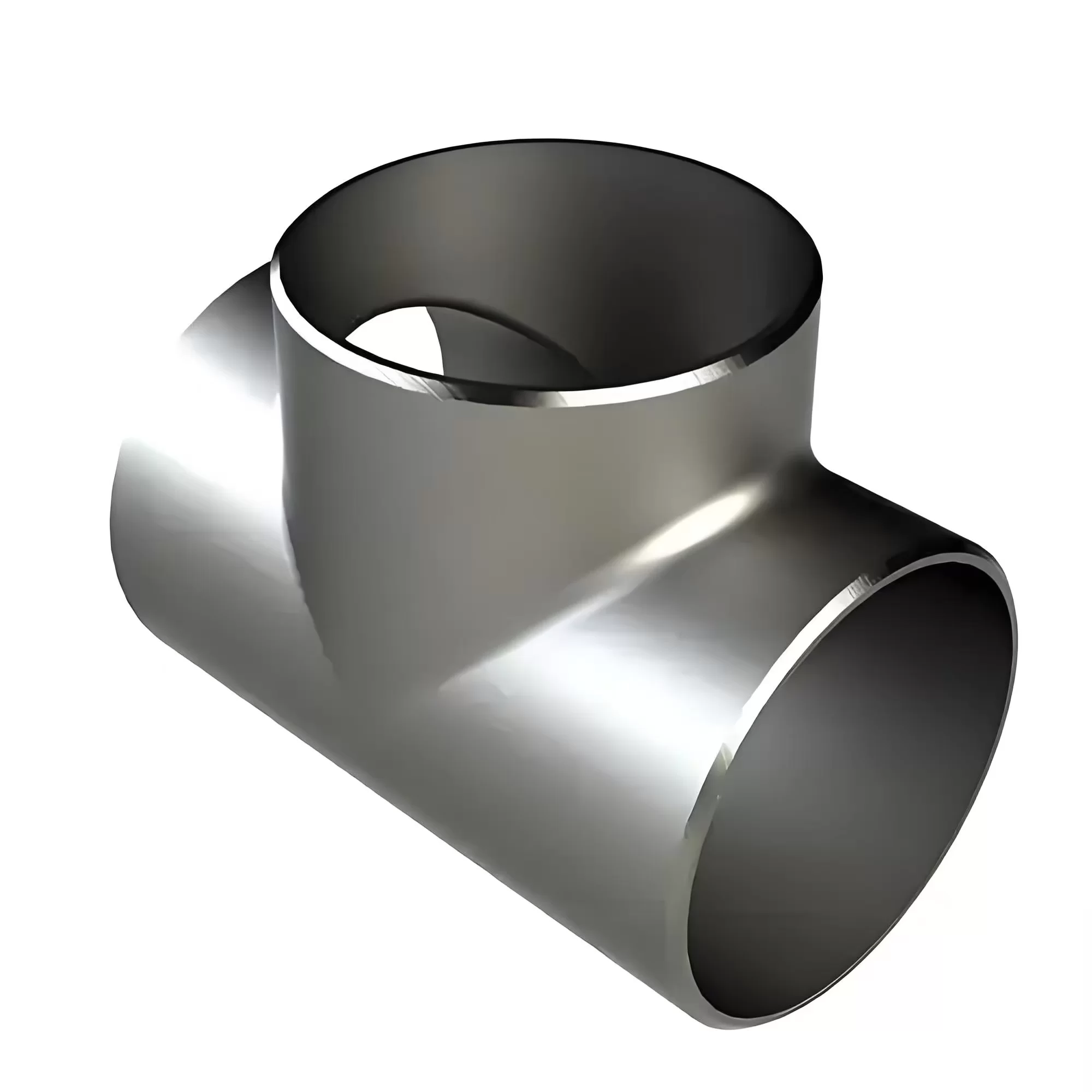
In industrial piping systems, choosing the correct pipe fitting is essential for safety, efficiency, and long-term maintenance. One common comparison buyers and engineers often make is between a threaded tee and a flanged tee. Although both fittings are designed to connect three sections of pipe and create branch flow distribution, their connection methods, installation requirements, and applications are quite different.
A threaded tee uses internal or external pipe threads to connect directly with threaded pipes or other threaded fittings. This type of fitting is widely used in low-pressure and medium-pressure systems because it offers fast installation without welding. Many industries prefer a threaded tee for water supply systems, compressed air lines, fire protection pipelines, and small industrial piping networks. Since no hot work is required, threaded connections are especially practical for maintenance projects, temporary systems, and locations where welding may be difficult or unsafe.
In contrast, a flanged tee uses flange ends that are bolted together with gaskets between the connection surfaces. Flanged fittings are generally chosen for larger pipe diameters and high-pressure applications where strong sealing performance is required. Industries such as oil and gas, petrochemical processing, offshore engineering, and power generation commonly use flanged tees because they can withstand higher stress and allow easier disassembly for inspection or replacement.
Another major difference between a threaded tee and a flanged tee is installation cost and labor. A threaded tee is usually more economical for smaller pipelines because installation is quicker and requires fewer specialized tools. However, threaded connections may become less reliable under vibration, temperature fluctuation, or extremely high pressure. Flanged systems, while more expensive initially, provide stronger mechanical stability and are easier to maintain in large industrial facilities.
Material selection also plays an important role. A stainless steel threaded tee offers corrosion resistance and durability in chemical or marine environments, while carbon steel flanged tees are commonly used in heavy-duty industrial systems. Engineers must consider pressure rating, pipe size, maintenance requirements, and operating environment before selecting the proper fitting type.
Overall, the choice between a threaded tee and a flanged tee depends on the application, budget, and system design requirements. Understanding these differences helps buyers select safer and more efficient piping solutions for industrial operations.
| Performance Parameter | Threaded Tee Framework | Socket Weld Tee Framework |
|---|---|---|
| Joining Mechanism | Mechanical Tapered Threads | External Fillet Welding |
| Pressure Rating Threshold | Low to Medium (Typically up to Class 3000) | High Pressure (Class 3000, 6000, 9000) |
| Installation Requirement | Zero Hot Work; Standard Hand Tools | Certified Welders; Post-Weld Inspection |
| Primary Fluid Risk | Micro-leakage under high vibration | Interior crevices prone to localized corrosion |
When precision engineering dictates pipeline design, selecting between a threaded tee and a socket weld tee is a pivotal decision based on pressure ratings, fluid dynamics, and long-term joint integrity. As an industry-leading forged fitting manufacturer, Cangzhou Weihuan Pipeline Equipment Co., Ltd. delivers world-class, ANSI/ASME-compliant solutions in both categories, helping procurement teams optimize their global piping infrastructure.
A threaded tee utilizes high-precision NPT (National Pipe Thread) or BSP tapered configurations to achieve a tight, mechanical interference fit. Because they require zero specialized field welding or hot work permits during assembly, they are highly favored for rapid on-site installation in low-to-medium pressure utility pipelines, fire protection systems, and non-critical industrial branch lines. At Weihuan, our threaded tees are manufactured via advanced CNC machining centers, guaranteeing flawless thread engagement and exceptional dimensional consistency that minimizes the micro-gap stress risks inherent to traditional threaded joints.
Conversely, a socket weld tee features a specialized internal recess or shoulder that aligns and houses plain-ended pipes before a continuous external fillet weld is applied. This metallurgical fusion completely eliminates continuous micro-leak paths, offering unparalleled fatigue resistance under severe operational stresses. These fittings are highly recommended for severe-service industrial environments, such as high-pressure hydraulic configurations, petrochemical processing, and critical steam grids. Weihuan’s forged socket weld tees boast an ultra-smooth internal bore that significantly lowers internal friction, prevents turbulence, and optimizes overall fluid system flow.
Ultimately, the choice depends on balancing field mobility with permanent joint reliability. Whether your project demands the high flexibility of a precision-machined threaded tee or the monolithic structural strength of a high-pressure socket weld tee, Cangzhou Weihuan Pipeline Equipment Co., Ltd. backs every product with rigorous material traceability, ISO-certified quality controls, and robust performance guarantees. Our technical team works closely with international engineering clients to supply optimized OEM/ODM piping solutions that reduce total cost of ownership across diverse global energy grids.
| Performance Parameter | Weihuan Threaded Tee Framework | Weihuan Socket Weld Tee Framework |
|---|---|---|
| Joining Mechanism | Mechanical Tapered Threads (NPT/BSP) | Structural External Fillet Welding |
| Pressure Class Threshold | Class 2000, 3000 (Low-to-Medium) | Class 3000, 6000, 9000 (Severe-Service) |
| Installation Benefit | No Hot Work Required; Fast Disassembly | Monolithic Metallurgical Fuse; Zero Leaks |
| Weihuan Advantage | CNC-machined for precise thread pitches | Optimized internal shoulder for easy alignment |
| Nominal Pipe Size (NPS) | Center to End (C) | Minimum Wall Thickness | Approx. Weight |
| 1/8" | 21 mm | 3.2 mm | 0.08 kg |
| 1/4" | 22 mm | 3.2 mm | 0.10 kg |
| 3/8" | 25 mm | 3.2 mm | 0.13 kg |
| 1/2" | 29 mm | 3.7 mm | 0.20 kg |
| 3/4" | 32 mm | 3.9 mm | 0.32 kg |
| 1" | 38 mm | 4.5 mm | 0.52 kg |
| 1-1/4" | 44 mm | 4.9 mm | 0.85 kg |
| 1-1/2" | 48 mm | 5.1 mm | 1.10 kg |
| 2" | 57 mm | 5.6 mm | 1.85 kg |
| 2-1/2" | 64 mm | 6.4 mm | 3.10 kg |
| 3" | 76 mm | 7.1 mm | 4.85 kg |
| 4" | 95 mm | 8.6 mm | 8.20 kg |
A threaded tee is a forged pipe fitting designed to connect three sections of pipe in a T-shaped configuration using threaded connections. It is commonly used to create branch lines in low- to medium-pressure piping systems without welding.
Threaded tees are widely used in water treatment, oil & gas, compressed air systems, fire protection pipelines, chemical plants, and general industrial piping systems. They are especially suitable for applications where easy installation and maintenance are important.
A threaded tee uses screw-type threaded connections, while a socket weld tee requires welding during installation. Threaded tees are easier to install and remove, whereas socket weld tees provide stronger sealing and better performance in high-pressure environments.
Threaded tees are commonly manufactured from carbon steel, stainless steel, alloy steel, and duplex stainless steel. The material selection depends on pressure requirements, operating temperature, and corrosion resistance needs.
Threaded tees are generally recommended for low- and medium-pressure applications. For extremely high-pressure or high-temperature systems, socket weld or butt weld fittings are usually preferred because welded connections provide greater structural strength.
Most threaded tees are manufactured with NPT (National Pipe Thread) threads for the American market or BSP/BSPT threads for European and international applications. Buyers should confirm thread standards before purchasing to ensure compatibility.
Common pressure ratings include Class 2000, 3000, 6000, and 9000 forged threaded fittings according to ASME B16.11 standards. The correct pressure class depends on the operating conditions of the piping system.
Apr 27,26
Industrial 8 Threaded Flange for Precision Piping Systems
May 13,26
Industrial Guide to Flat Face Threaded Flange Applications
May 25,26
What Is a Butt Weld Reducing Elbow and Where Is It Used?
This article explains what a butt weld reducing elbow is, how it works, its common types, materials, manufacturing process, and the industries where it is most widely used.
Apr 03,26
The Indispensable 50mm Threaded Flange for Reliable Industrial Connections
May 06,26
High Quality Stainless Steel Threaded Pipe Flange Guide
Jun 03,26
Industrial Guide to High Quality 8 slip on flange Fittings
SUBSCRIBE NEWSLETTER
If you are interested in our products, you can choose to leave your information here, and we will be in touch with you shortly.