Socket Weld Flange

Socket Weld Flange

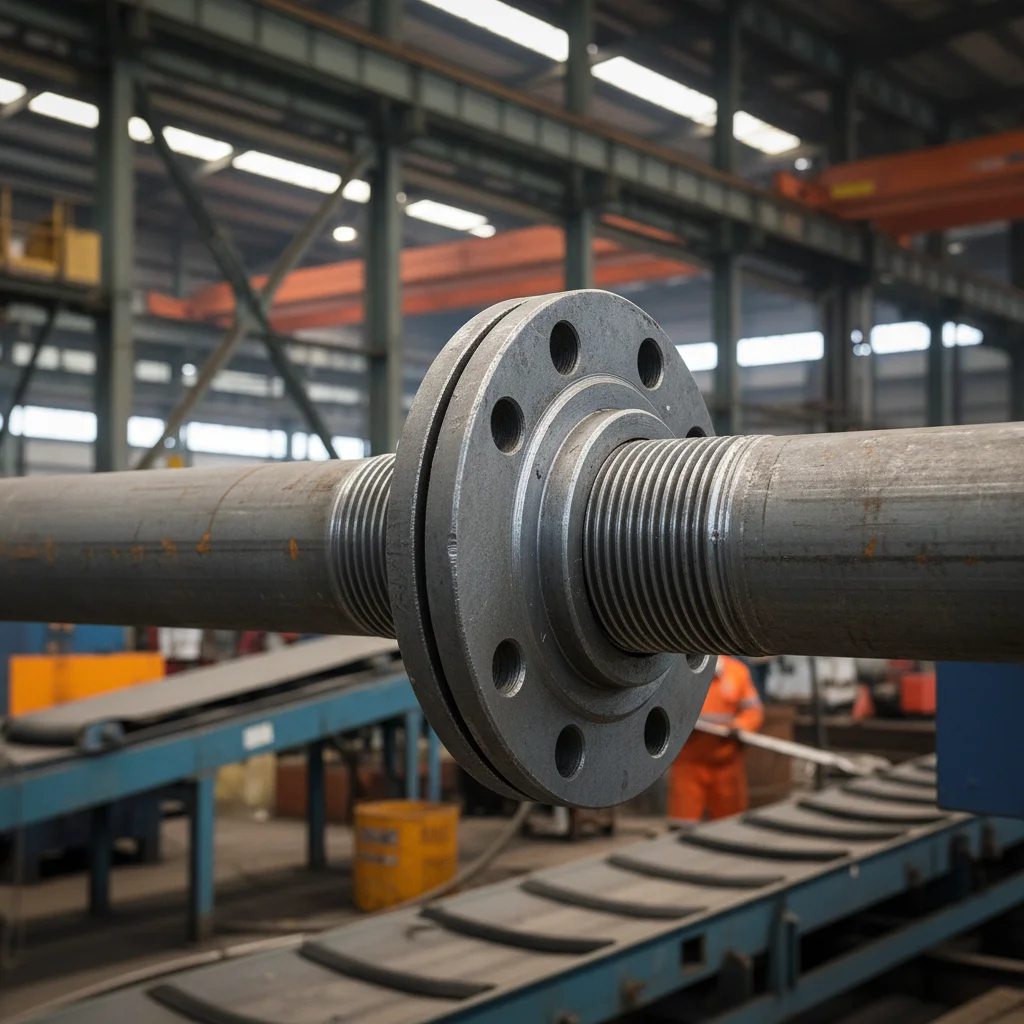
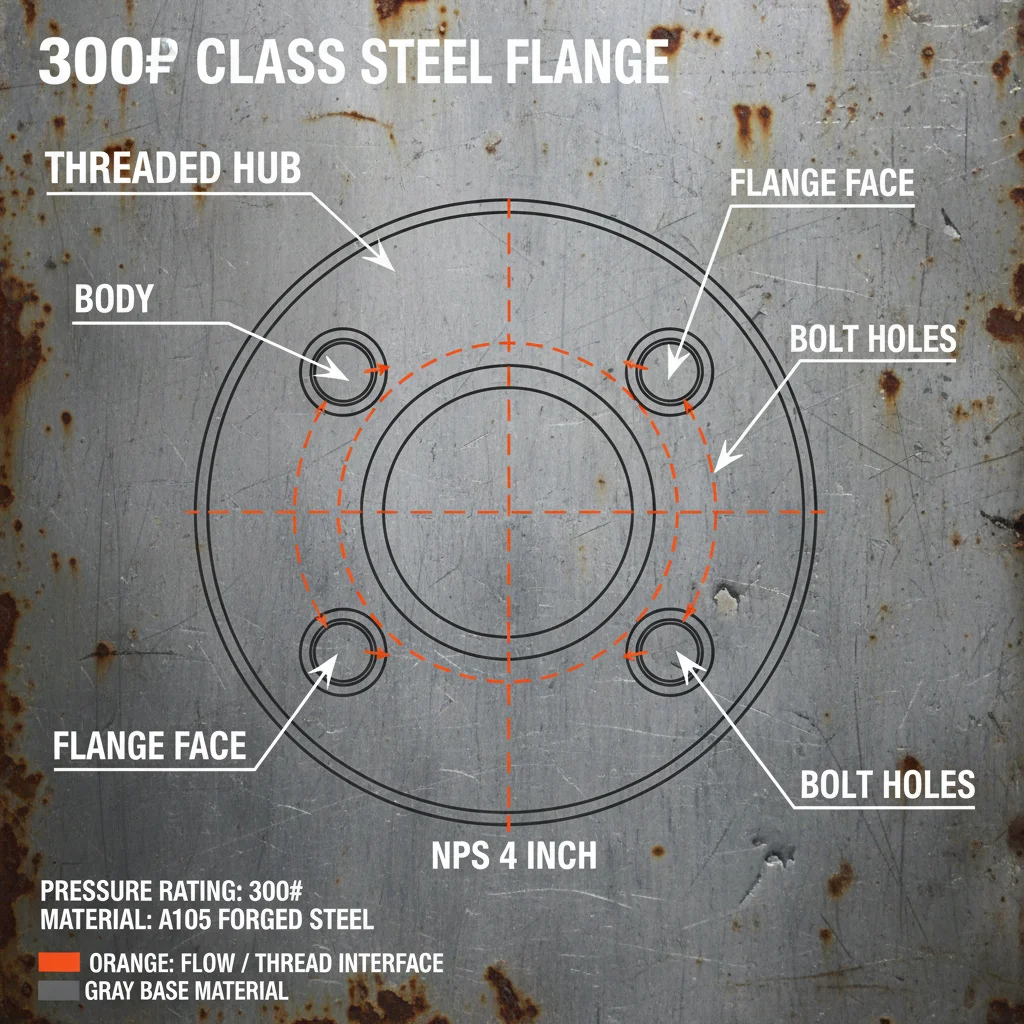
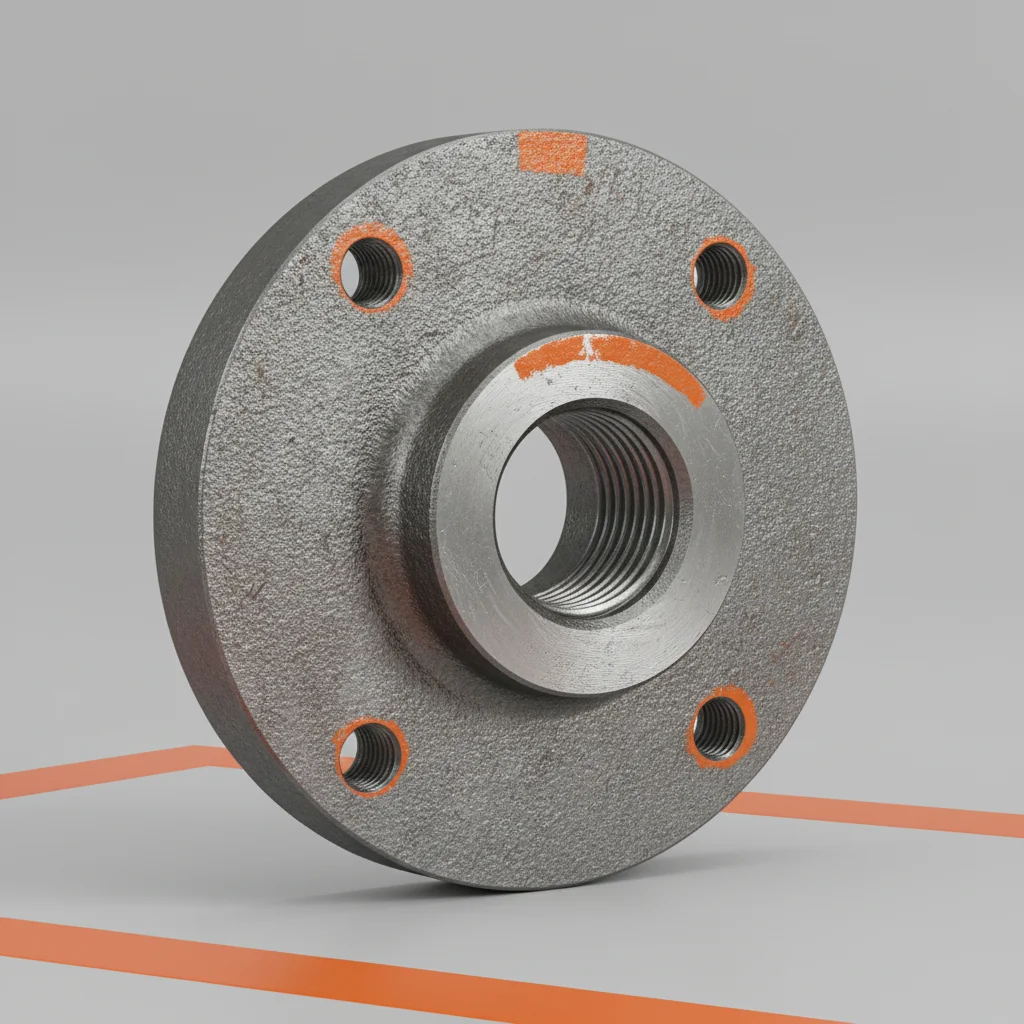
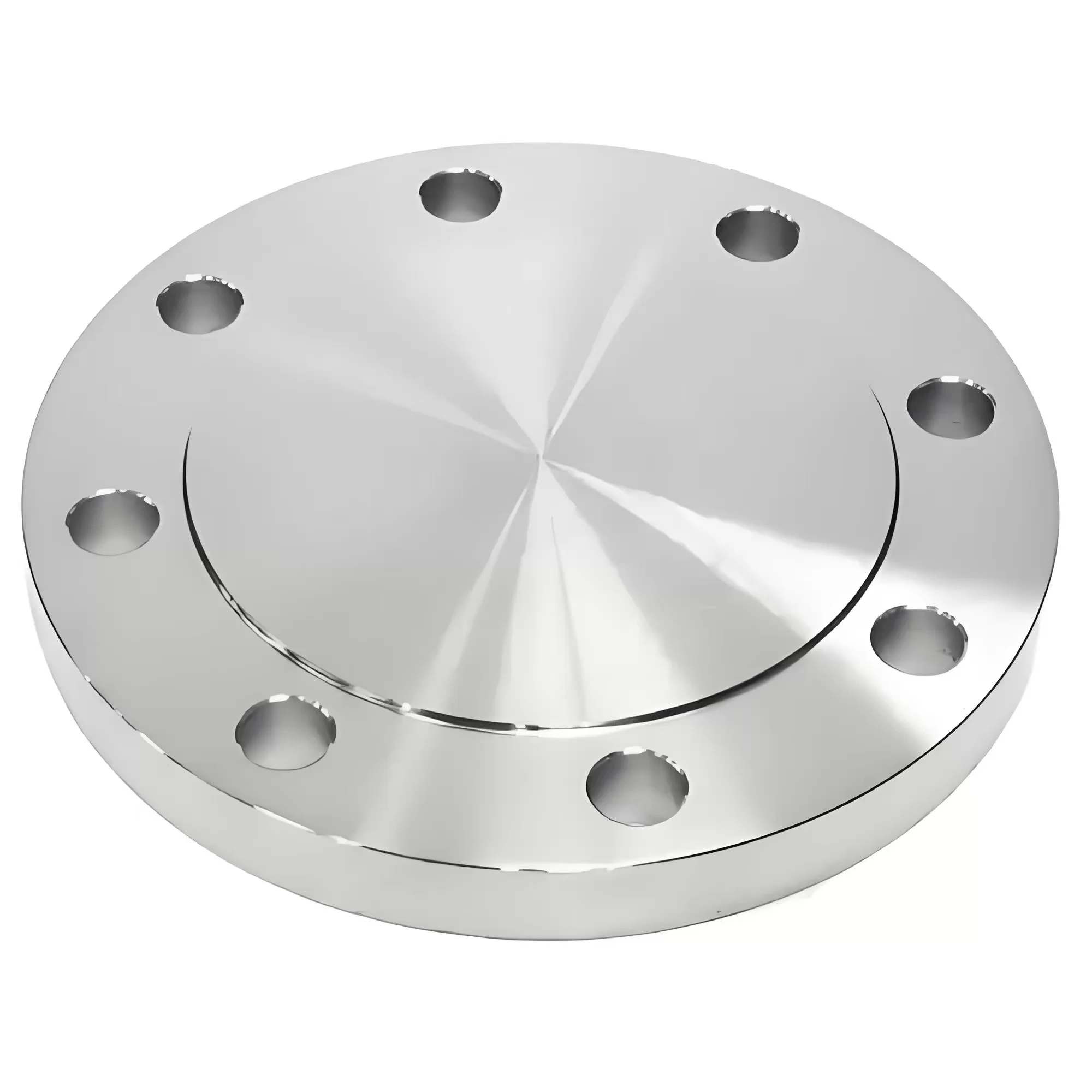
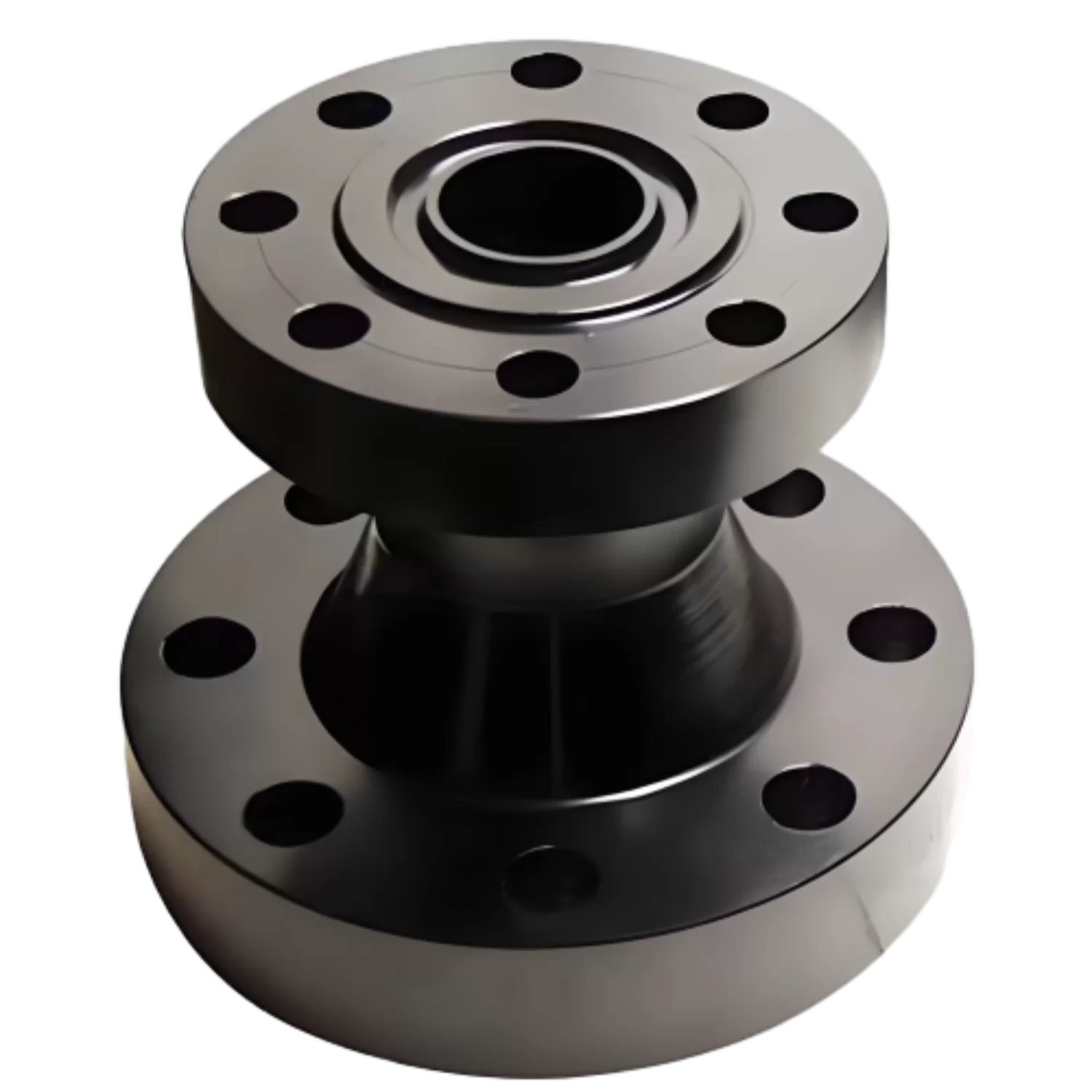
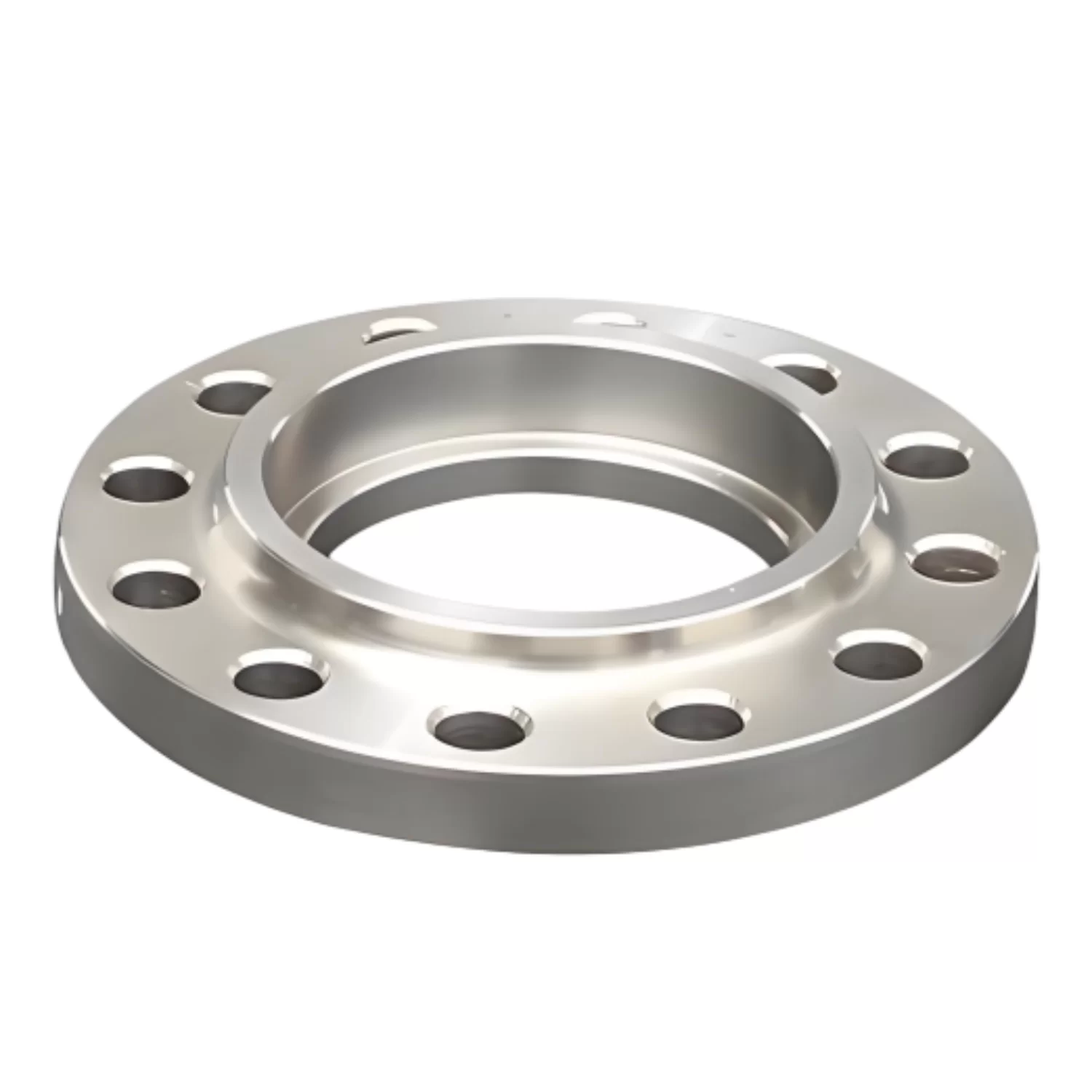
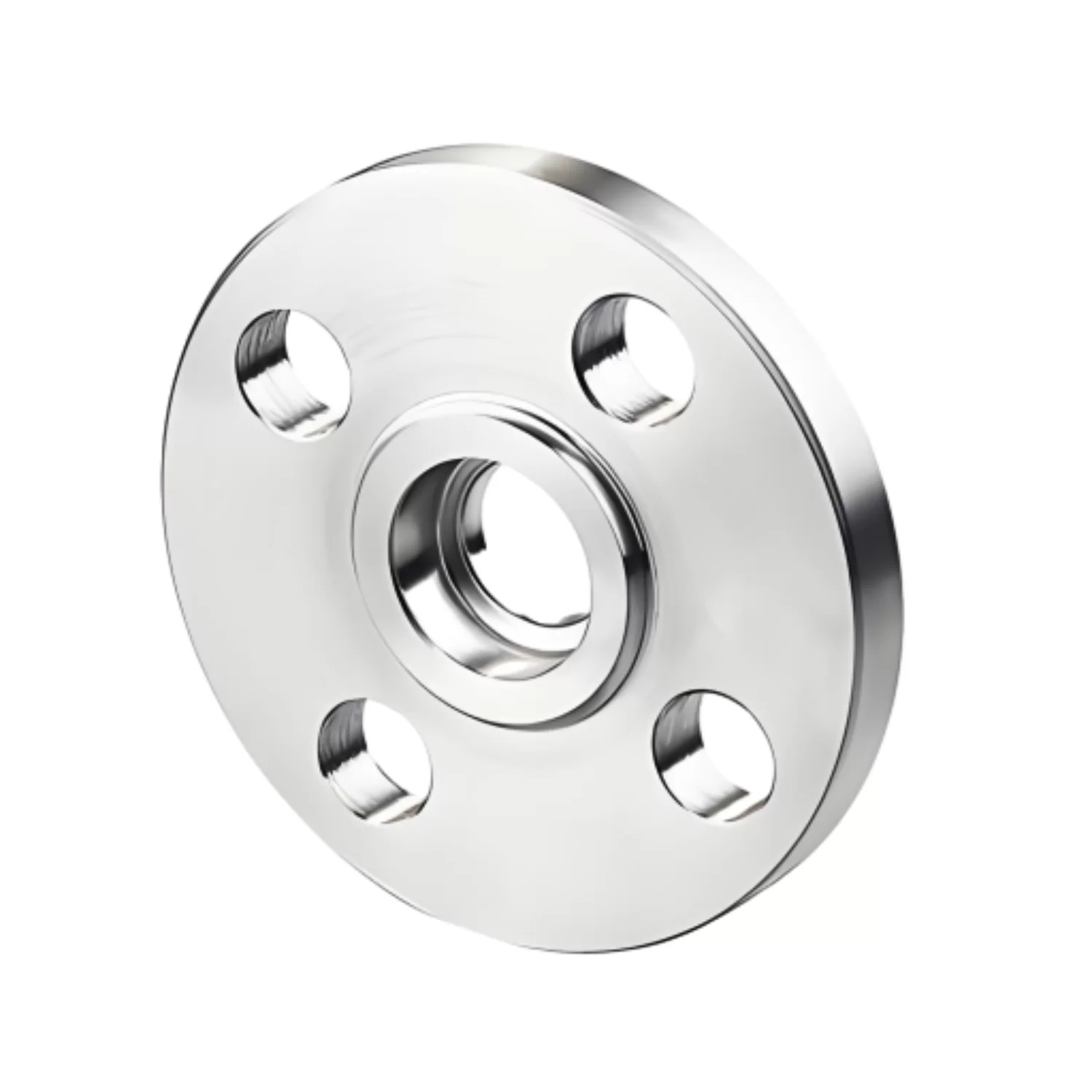
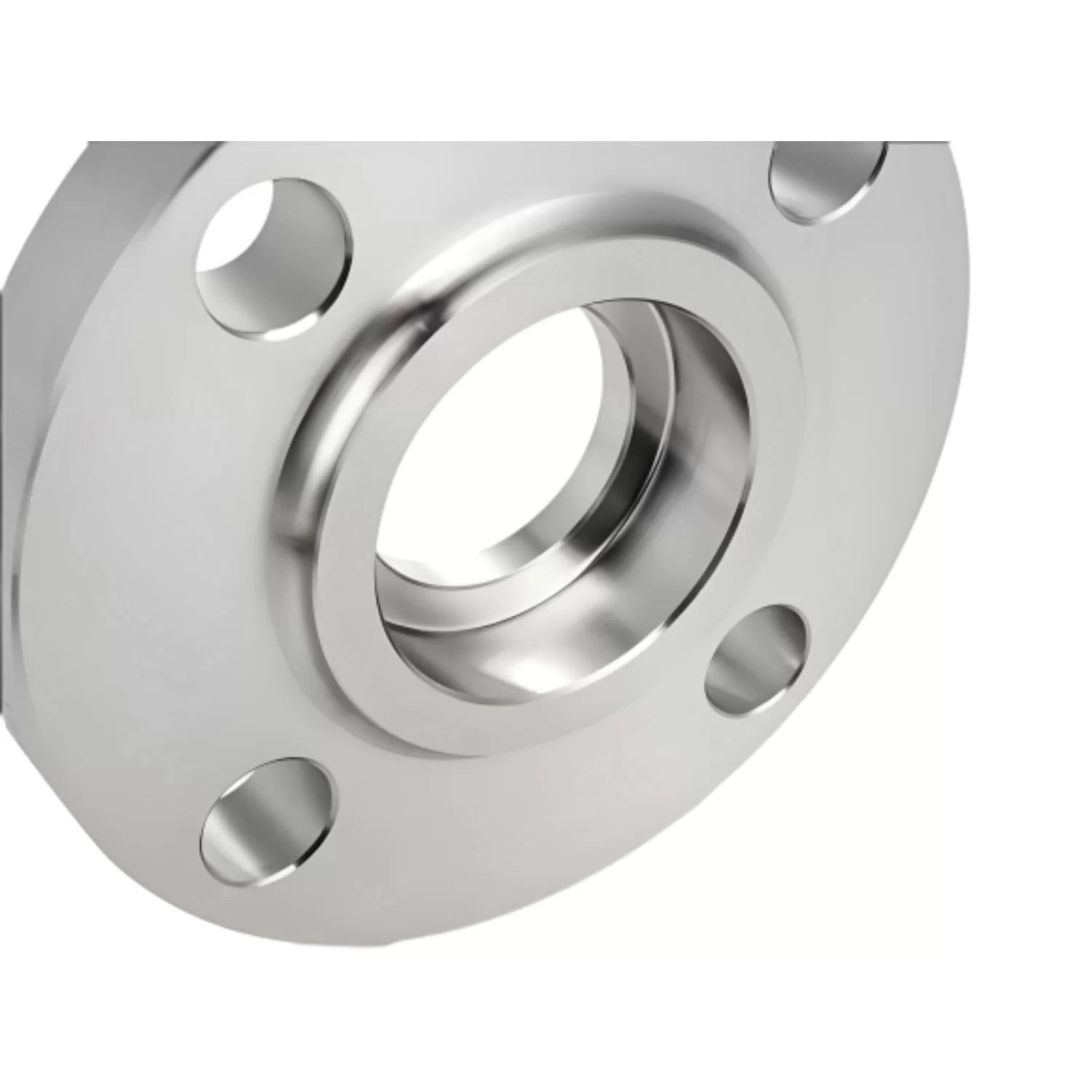
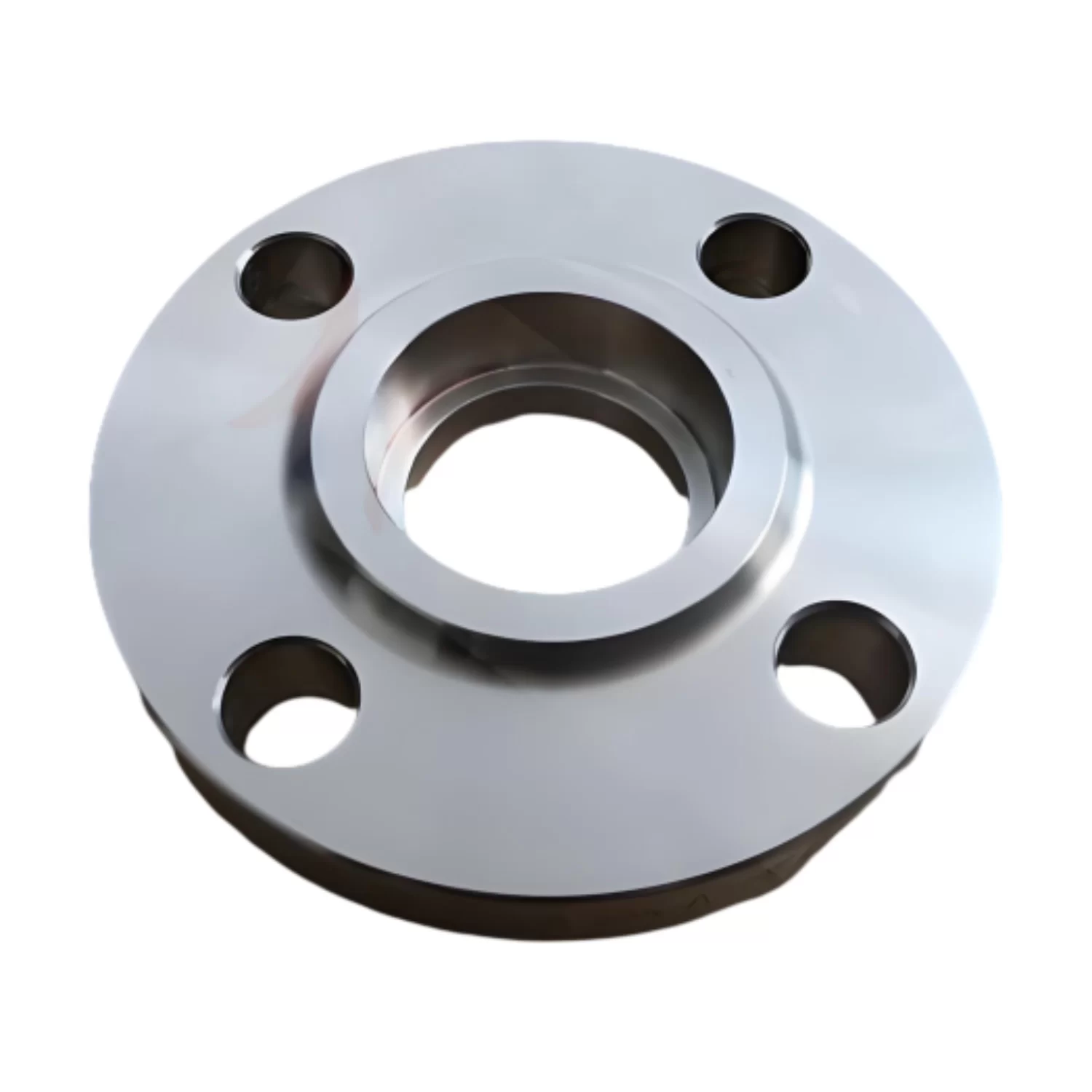
The socket weld flange typically consists of a flange disc, a neck (included in some types), and a short pipe section (socket) for receiving the pipeline. The flange disc is machined with bolt holes for connection to the mating flange; the inner diameter of the socket matches the outer diameter of the pipeline to be connected. After inserting the pipeline into the socket, welding is performed at the annular gap between the socket and the outer wall of the pipeline to form a seal and secure the connection. Flanges feature various sealing face types, with common ones including Raised Face (RF), Male-Female Face (MFM), and Tongue-Groove Face (TG), which can be selected based on sealing requirements and operating conditions.

share:
Product Details

I. Product Structure


The socket weld flange typically consists of a flange disc, a neck (included in some types), and a short pipe section (socket) for receiving the pipeline. The flange disc is machined with bolt holes for connection to the mating flange; the inner diameter of the socket matches the outer diameter of the pipeline to be connected. After inserting the pipeline into the socket, welding is performed at the annular gap between the socket and the outer wall of the pipeline to form a seal and secure the connection. Flanges feature various sealing face types, with common ones including Raised Face (RF), Male-Female Face (MFM), and Tongue-Groove Face (TG), which can be selected based on sealing requirements and operating conditions.


II. Material Selection


The material selection of socket weld flanges requires comprehensive consideration of factors such as the operating pressure, temperature, and media characteristics (corrosiveness, toxicity, etc.) of the pipeline system, as well as economic efficiency. Common materials include:

- Carbon Steel: e.g., A105, A350 LF2. Suitable for pipeline systems with ambient temperature, medium-low pressure, and non-corrosive or weakly corrosive media, offering low cost.

- Stainless Steel: e.g., 304, 316, 304L, 316L. Possesses excellent corrosion resistance and oxidation resistance, applicable to corrosive media (e.g., acids, alkalis, salt solutions) or applications requiring high cleanliness (e.g., food and pharmaceutical industries).

- Alloy Steel: e.g., A182 F11, F22, F91. Designed for harsh operating conditions such as high temperature, high pressure, or low temperature, featuring high strength and toughness.


III. Pressure Rating


Socket weld flanges comply with the ASME B16.5 standard, with common pressure ratings including Class 150, 300, 600, 900, 1500, and 2500. Different pressure ratings correspond to varying flange thicknesses, bolt specifications, and quantities to ensure safe and reliable operation under the respective pressures. Higher pressure ratings indicate greater structural strength, making the flanges suitable for high-pressure pipeline systems.


IV. Applicable Media


Socket weld flanges are compatible with a wide range of media, including water, steam, air, natural gas, petroleum products (crude oil, gasoline, diesel, etc.), chemical solvents, and acid-base solutions. They are widely used in medium and high-pressure pipeline systems across industrial sectors such as petroleum, chemical engineering, natural gas, power generation, and shipbuilding.


V. Key Advantages


1. High Connection Strength: The socket weld joint forms an integral connection between the pipeline and the flange, boasting high weld strength, excellent resistance to pressure and vibration, and reliable connectivity.

2. Superior Sealing Performance: The tight welded joint effectively prevents media leakage, making it particularly suitable for medium and high-pressure pipeline systems transporting toxic, flammable, or explosive media.

3. Compact Structure: Compared to weld neck flanges, socket weld flanges have a shorter neck (or no neck in some types), featuring a more compact design, occupying less space, and facilitating easy installation.

4. Cost-Effectiveness: For small and medium-diameter pipelines (typically DN50 and below), socket weld flanges offer lower processing costs and simple installation, reducing the overall project cost.

5. Wide Applicability: Suitable for various pressure, temperature, and media conditions, meeting the pipeline connection needs of different industrial fields.


With its reliable connection performance, excellent sealing effect, and broad applicability, the socket weld flange is extensively used in industrial pipeline systems. During selection and installation, relevant standards and specifications must be strictly followed to ensure the safe and stable operation of the pipeline system.
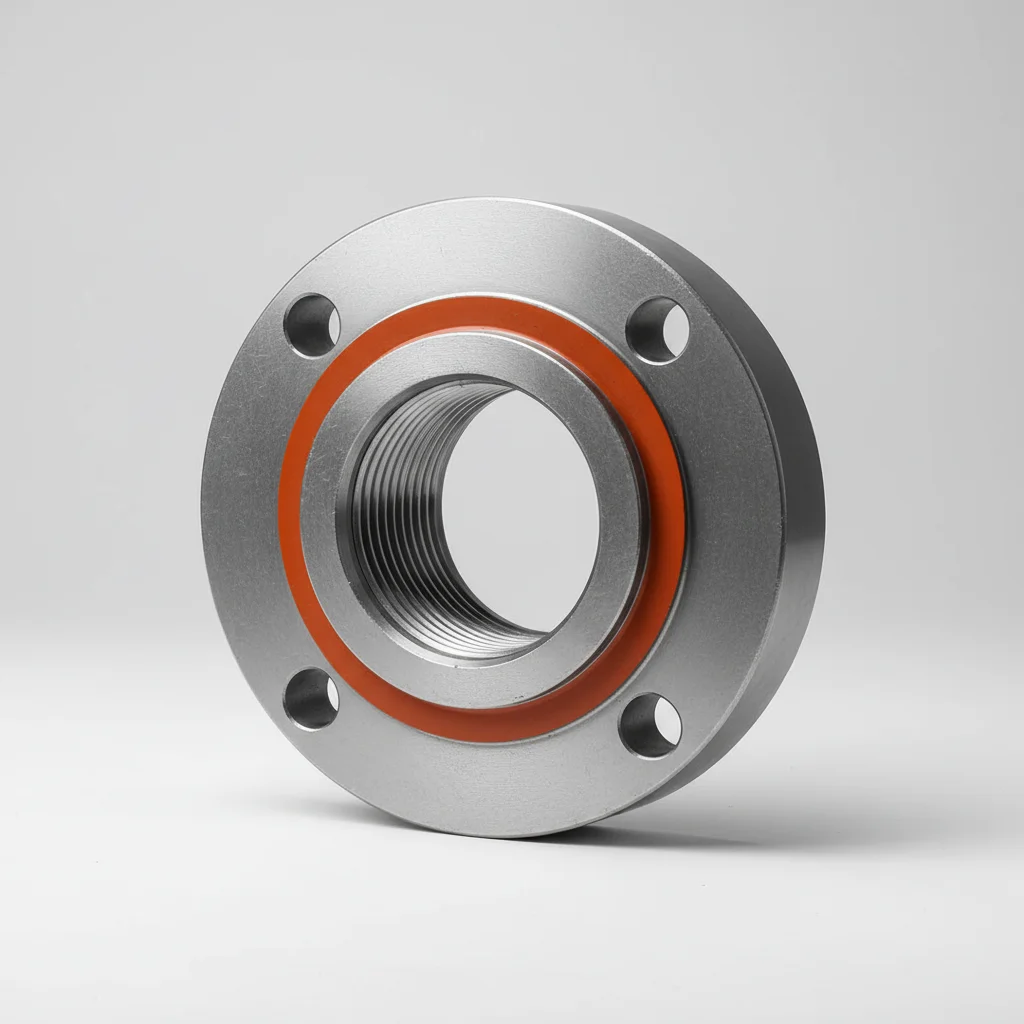

Socket Weld Flange Uses Across Different Industries


A socket weld flange is designed primarily for small-diameter, high-pressure piping systems where secure alignment and leak-resistant performance are essential. Because the pipe fits into a recessed socket before welding, installation is straightforward while maintaining excellent mechanical strength. This makes socket weld flanges a preferred option in industries that demand reliable connections under demanding operating conditions.


The most common socket weld flange uses include steam distribution systems, hydraulic pipelines, compressed air networks, oil and gas processing, petrochemical plants, power generation facilities, and chemical manufacturing. They are particularly suitable for pipelines carrying clean fluids, gases, and non-corrosive media under medium to high pressure.


Compared with slip-on flanges, socket weld flanges provide better fatigue resistance because the pipe is accurately positioned inside the socket before welding. Their compact structure also reduces installation errors, making them popular in process piping where space is limited.


However, they are generally recommended for small pipe sizes rather than large-diameter transmission pipelines. Industries handling highly corrosive media or requiring full radiographic inspection may instead select weld neck flanges due to their butt-weld design.


At Weihuan, our socket weld flanges are manufactured from carbon steel, stainless steel, alloy steel, duplex stainless steel, and other special materials, meeting ASME, ANSI, DIN, EN, and JIS standards for global industrial applications.


Socket Weld Flange vs Weld Neck Flange: Which Should You Choose?


When selecting industrial flanges, many engineers compare socket weld flange vs weld neck flange because both are widely used in pressure piping systems. Although they serve similar purposes, their designs and ideal applications are quite different.


A socket weld flange features a recessed socket where the pipe is inserted before an external fillet weld is applied. This design simplifies installation and minimizes alignment issues, making it ideal for small-bore piping, typically up to NPS 4. It is frequently used in hydraulic systems, steam lines, and high-pressure utility piping.


A weld neck flange, by contrast, uses a full-penetration butt weld with a tapered hub that distributes stress more evenly throughout the piping system. This design offers superior fatigue resistance and is better suited for large-diameter pipelines, high-temperature service, severe cyclic loading, and applications requiring radiographic inspection.


If your project involves compact piping, easier fabrication, and moderate maintenance requirements, a socket weld flange is often the more economical solution. For critical process pipelines where maximum structural integrity and inspection capability are priorities, a weld neck flange remains the preferred choice.


Understanding the operating pressure, pipe size, fluid type, and applicable design code will help determine which flange offers the best long-term performance.


Common Socket Weld Flange Types and Materials


Although the basic design remains the same, several socket weld flange types are available to meet different piping requirements and sealing conditions.


The most common face designs include Raised Face (RF), Flat Face (FF), and Ring Type Joint (RTJ). Raised Face flanges are widely used in industrial piping because they provide reliable gasket compression. Flat Face flanges are typically selected when connecting to cast iron equipment or low-pressure systems, while RTJ flanges are designed for high-pressure and high-temperature applications requiring metal-to-metal sealing.


Material selection is equally important. Carbon steel socket weld flanges offer excellent strength and cost efficiency for general industrial service. Stainless steel grades such as 304 and 316 provide superior corrosion resistance in chemical and food processing environments. Alloy steel flanges perform well under elevated temperatures and pressures, while duplex and super duplex stainless steels deliver exceptional resistance to chloride corrosion in offshore and marine applications.


Custom manufacturing is often required for specialized industries, including cryogenic service, nuclear power, desalination, and offshore platforms. Choosing the right combination of material, pressure class, and flange facing ensures long-term reliability while minimizing maintenance costs.


Weihuan supplies a complete range of forged socket weld flanges manufactured according to international standards with full material traceability and inspection documentation.


How to Choose a Reliable Socket Weld Flange Supplier


Choosing the right socket weld flange supplier is just as important as selecting the correct flange specification. A reliable manufacturer helps ensure product quality, consistent delivery, and compliance with international engineering standards.


Start by evaluating the supplier's manufacturing capabilities. Experienced flange manufacturers typically operate fully equipped forging, machining, heat treatment, and inspection facilities to maintain dimensional accuracy and material consistency. International certifications such as ISO 9001, PED, or API-related quality systems demonstrate a commitment to quality management.


Next, consider material availability and customization capabilities. A dependable supplier should offer carbon steel, stainless steel, alloy steel, duplex stainless steel, and other special materials while supporting custom dimensions, coatings, and project-specific standards.


Quality documentation is another key factor. Material Test Certificates (MTC), PMI testing, dimensional inspection reports, and pressure test records help verify that each flange meets customer specifications before shipment.


Finally, evaluate export experience and technical support. Suppliers familiar with ASME, ANSI, DIN, EN, JIS, and other international standards can provide valuable engineering assistance throughout procurement and installation.


As an experienced forged flange manufacturer, Weihuan provides complete OEM and ODM services, strict quality control, competitive pricing, and worldwide delivery, helping customers source dependable socket weld flanges for demanding industrial applications.


Socket Weld Flange Dimensions and Pressure Classes


Selecting the correct socket weld flange dimensions is essential for ensuring safe installation and reliable system performance. Flange dimensions determine compatibility with pipe size, pressure rating, gasket selection, and bolted connections.

Most socket weld flanges are manufactured according to ASME B16.5, covering nominal pipe sizes from NPS 1/2" to NPS 4". Standard pressure classes include Class 150, 300, 600, 900, 1500, and 2500, allowing engineers to select the appropriate flange based on operating pressure and temperature.

Key dimensions include the outside diameter (OD), bolt circle diameter (BCD), flange thickness (T), raised face diameter (RF), hub diameter (X), socket bore (B), socket depth (Y), and bolt hole diameter. Accurate machining ensures proper gasket seating, secure bolting, and leak-free sealing under pressure.

Different international projects may require compliance with ASME, ANSI, DIN, EN, JIS, or GOST standards. In addition to standard forged carbon steel flanges, Weihuan also manufactures stainless steel, alloy steel, duplex stainless steel, and custom materials according to customer drawings and project specifications.

Whether for refinery piping, chemical processing, power plants, or offshore applications, selecting the correct flange dimensions and pressure class is essential for long-term safety and system reliability.


Typical Socket Weld Flange Dimensions (ASME B16.5)


Nominal Pipe Size (NPS)Pressure ClassOutside Diameter (OD)Bolt Circle DiameterBolt HolesFlange Thickness
1/2"15090 mm60.3 mm411.2 mm
3/4"150100 mm69.9 mm412.7 mm
1"150108 mm79.4 mm414.2 mm
1-1/2"150127 mm98.4 mm415.7 mm
2"150152 mm120.7 mm417.5 mm
3"150191 mm152.4 mm420.6 mm
4"150229 mm190.5 mm823.9 mm

Dimensions shown are representative values based on ASME B16.5. Full dimensional data varies by pressure class and applicable standard.


Available Pressure Classes


Pressure ClassTypical Application
Class 150Low-pressure water, HVAC, general process piping
Class 300Medium-pressure oil & gas systems
Class 600High-pressure steam and chemical plants
Class 900Refineries and offshore platforms
Class 1500High-temperature, high-pressure service
Class 2500Critical industrial and petrochemical applications


Socket Weld Flange Engineering Drawing


upload/attachment/image/202607/10/17836725476d56acf821cde656ab7eaacb11e30d29_local.png


Socket Weld Flange FAQs


What Is a Socket Weld Flange?

A socket weld flange is a type of forged flange that connects pipes by inserting the pipe into a recessed socket area before welding. Unlike slip-on flanges, the pipe is positioned inside the flange bore and secured with a fillet weld around the outside edge.

Socket weld flanges are designed for small-diameter, high-pressure piping systems where accurate alignment, leak prevention, and installation efficiency are important. They are commonly manufactured according to ASME B16.5 standards and available in pressure classes such as Class 150, 300, 600, 900, 1500, and 2500.

Due to their compact structure and reliable performance, socket weld flanges are widely used in oil and gas, chemical processing, power generation, hydraulic systems, and industrial piping applications.


What Are Socket Weld Flanges Used For?

The main socket weld flange uses include connecting small-diameter pipes in high-pressure and high-temperature industrial systems.

Common applications include:

  • Oil and gas processing pipelines

  • Chemical and petrochemical equipment

  • Steam and condensate systems

  • Hydraulic and instrumentation piping

  • Power plant piping systems

  • Industrial water treatment systems

Socket weld flanges are especially suitable for applications where space is limited and precise pipe alignment is required. Their internal socket design reduces installation difficulty and improves connection strength compared with some traditional flange types.

However, socket weld flanges are generally not recommended for very large pipe sizes or highly corrosive applications requiring frequent inspection, where alternatives such as weld neck flanges may be more suitable.


What Are the Main Types of Socket Weld Flanges?

The common socket weld flange types are classified based on pressure rating, facing design, material, and manufacturing standard.

Main types include:

  • Raised Face (RF) Socket Weld Flanges – The most widely used type, providing improved gasket compression and sealing performance.

  • Flat Face (FF) Socket Weld Flanges – Suitable for low-pressure applications and connections with cast iron equipment.

  • Ring Type Joint (RTJ) Socket Weld Flanges – Designed for high-pressure and high-temperature environments requiring metal-to-metal sealing.

Based on materials, socket weld flanges are available in:

  • Carbon steel socket weld flanges

  • Stainless steel socket weld flanges

  • Alloy steel socket weld flanges

  • Duplex stainless steel socket weld flanges

The correct type depends on operating pressure, temperature, fluid characteristics, and industry requirements.


What Are Standard Socket Weld Flange Dimensions?

Socket weld flange dimensions are usually manufactured according to international standards such as ASME B16.5, ANSI, DIN, EN, and JIS.

Important dimensions include:

  • Outside diameter (OD)

  • Flange thickness (T)

  • Socket bore diameter (B)

  • Socket depth (Y)

  • Hub diameter (X)

  • Bolt circle diameter (BCD)

  • Bolt hole diameter

Socket weld flanges are mainly used for small pipe sizes, commonly from 1/2 inch to 4 inches. Available pressure classes include Class 150, Class 300, Class 600, Class 900, Class 1500, and Class 2500.

For engineering projects, customers should confirm pipe size, pressure rating, material grade, and applicable standard before selecting flange dimensions.


Socket Weld Flange vs Weld Neck Flange: What Is the Difference?

The main difference between a socket weld flange and weld neck flange is the welding method and application range.

A socket weld flange uses a socket connection where the pipe is inserted into the flange before fillet welding. It provides easier installation and is commonly used for small-diameter piping systems.

A weld neck flange uses a tapered hub connected through a butt weld. This design provides better stress distribution and fatigue resistance, making it suitable for large pipelines, high-pressure systems, and critical applications.


Comparison:

FeatureSocket Weld FlangeWeld Neck Flange
Welding MethodFillet weldButt weld
InstallationEasierMore complex
Pipe SizeSmall diameterSmall to large diameter
CostMore economicalHigher cost
Pressure ResistanceHighExcellent
Common UseUtility and process pipingCritical pressure systems


Choosing between them depends on pressure requirements, pipe size, temperature conditions, and project standards.


How Do You Install a Socket Weld Flange?

Installing a socket weld flange requires accurate pipe preparation and proper welding procedures.

The basic installation process includes:

  1. Cutting and preparing the pipe end.

  2. Inserting the pipe into the flange socket.

  3. Maintaining the recommended expansion gap between pipe end and socket shoulder.

  4. Aligning the flange correctly.

  5. Applying an external fillet weld around the joint.

  6. Inspecting the weld quality before operation.

Proper installation ensures a strong connection and prevents leakage caused by misalignment or thermal stress.

For critical industrial systems, professional welding procedures and inspection methods should be followed according to project specifications.


What Materials Are Used for Socket Weld Flanges?

Socket weld flanges are manufactured from different materials depending on operating conditions.

Common materials include:

Carbon Steel:
Used for general industrial piping because of its strength, durability, and cost efficiency.

Stainless Steel:
Provides excellent corrosion resistance and is widely used in chemical, food processing, and pharmaceutical industries.

Alloy Steel:
Suitable for high-temperature and high-pressure applications.

Duplex Stainless Steel:
Offers superior resistance to chloride corrosion, making it ideal for offshore and marine environments.

Material selection should consider temperature, pressure, corrosion resistance, and the type of medium being transported.


Can Socket Weld Flanges Be Customized?

Yes. Many industrial projects require customized socket weld flanges to meet specific engineering requirements.

Manufacturers can customize:

  • Flange dimensions

  • Pressure classes

  • Material grades

  • Facing types

  • Surface treatments

  • Marking requirements

  • Special drawings and specifications

OEM customization is commonly required for petrochemical plants, power projects, offshore systems, and specialized industrial applications.

Working with an experienced manufacturer helps ensure that customized socket weld flanges meet both performance requirements and international standards.

Get in Touch
If you are interested in our products, you can choose to leave your information here, and we will be in touch with you shortly.

*Name

*Phone

*Email

*Message

SUBSCRIBE NEWSLETTER

Efficient Pipe Fittings, Get Customized Solutions Immediately!

If you are interested in our products, you can choose to leave your information here, and we will be in touch with you shortly.