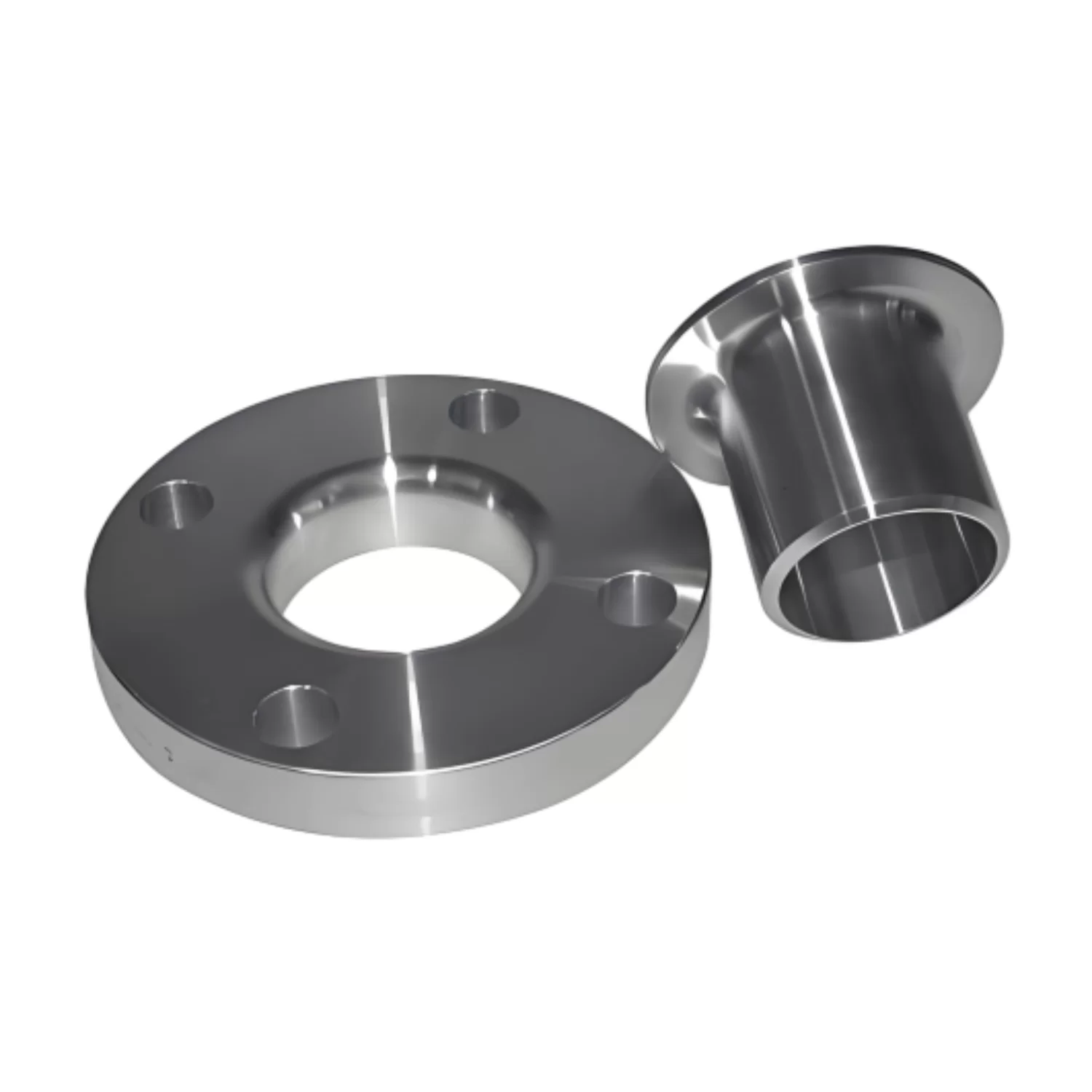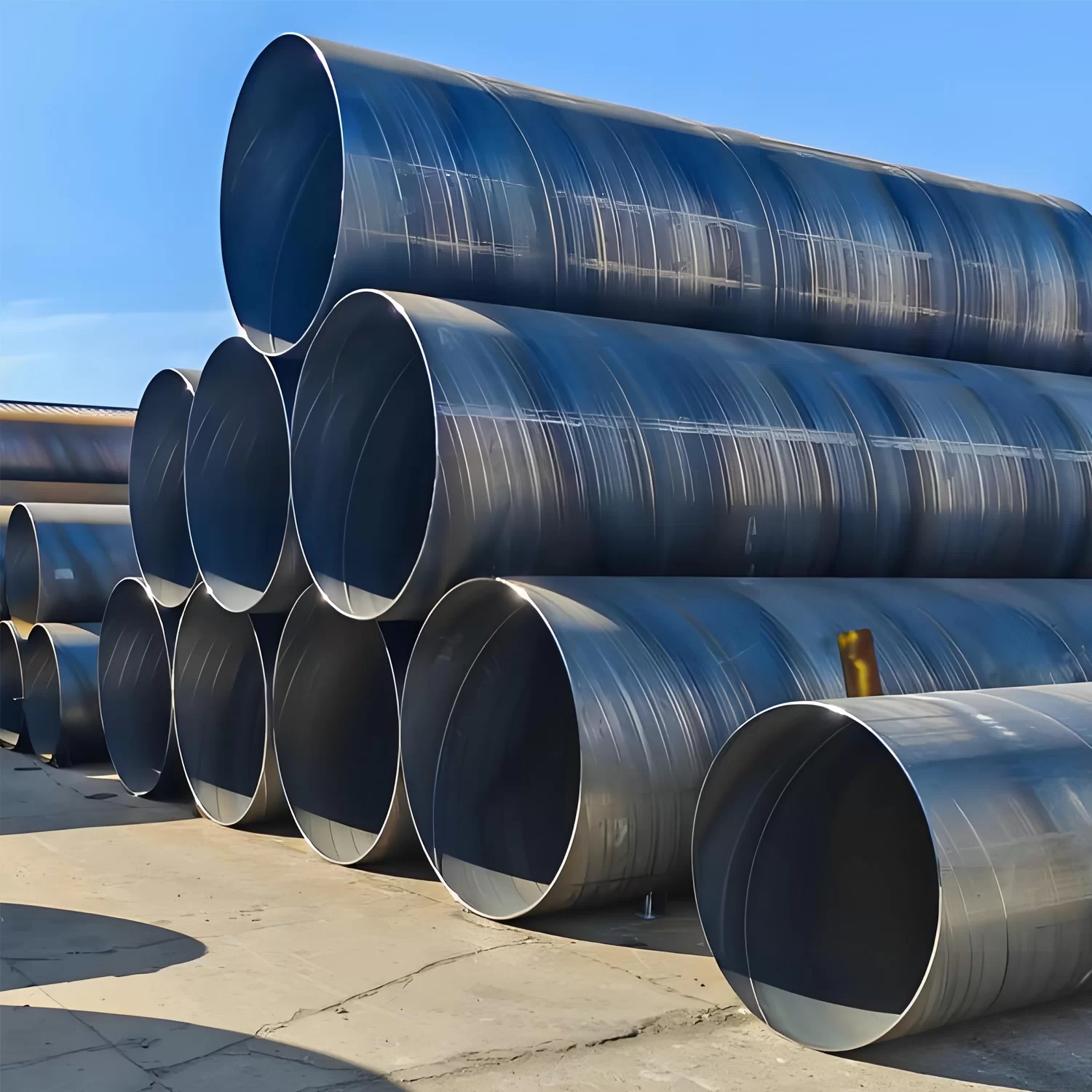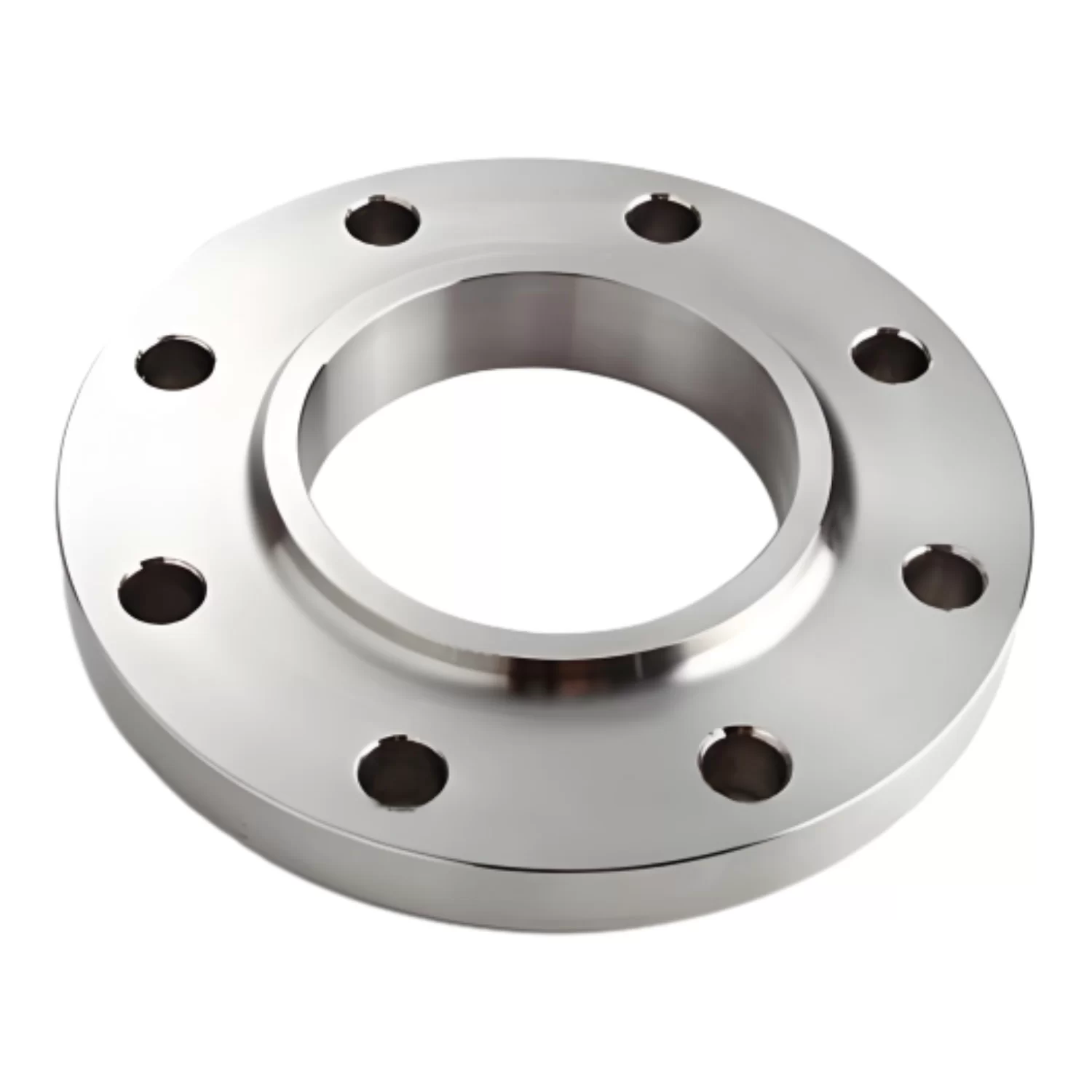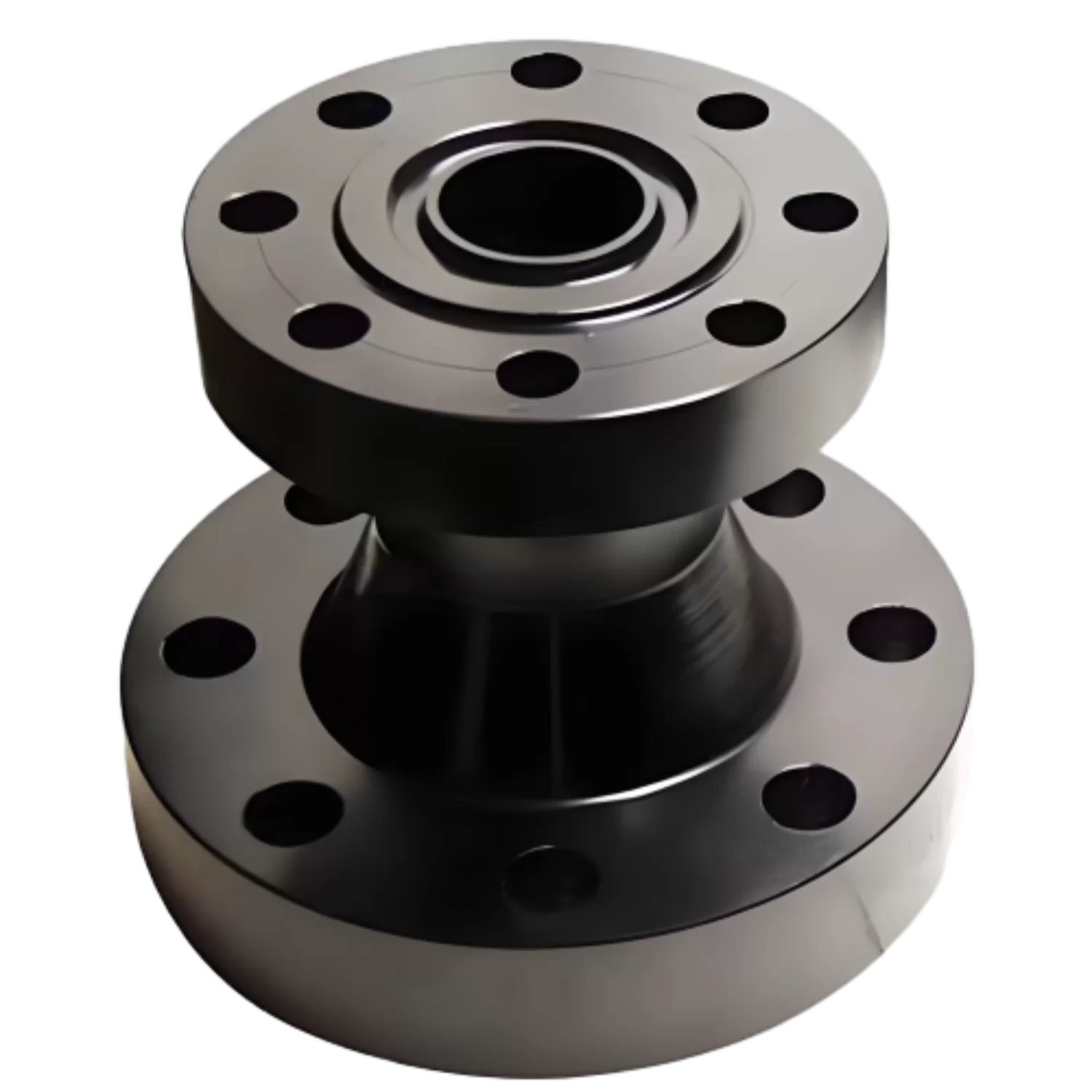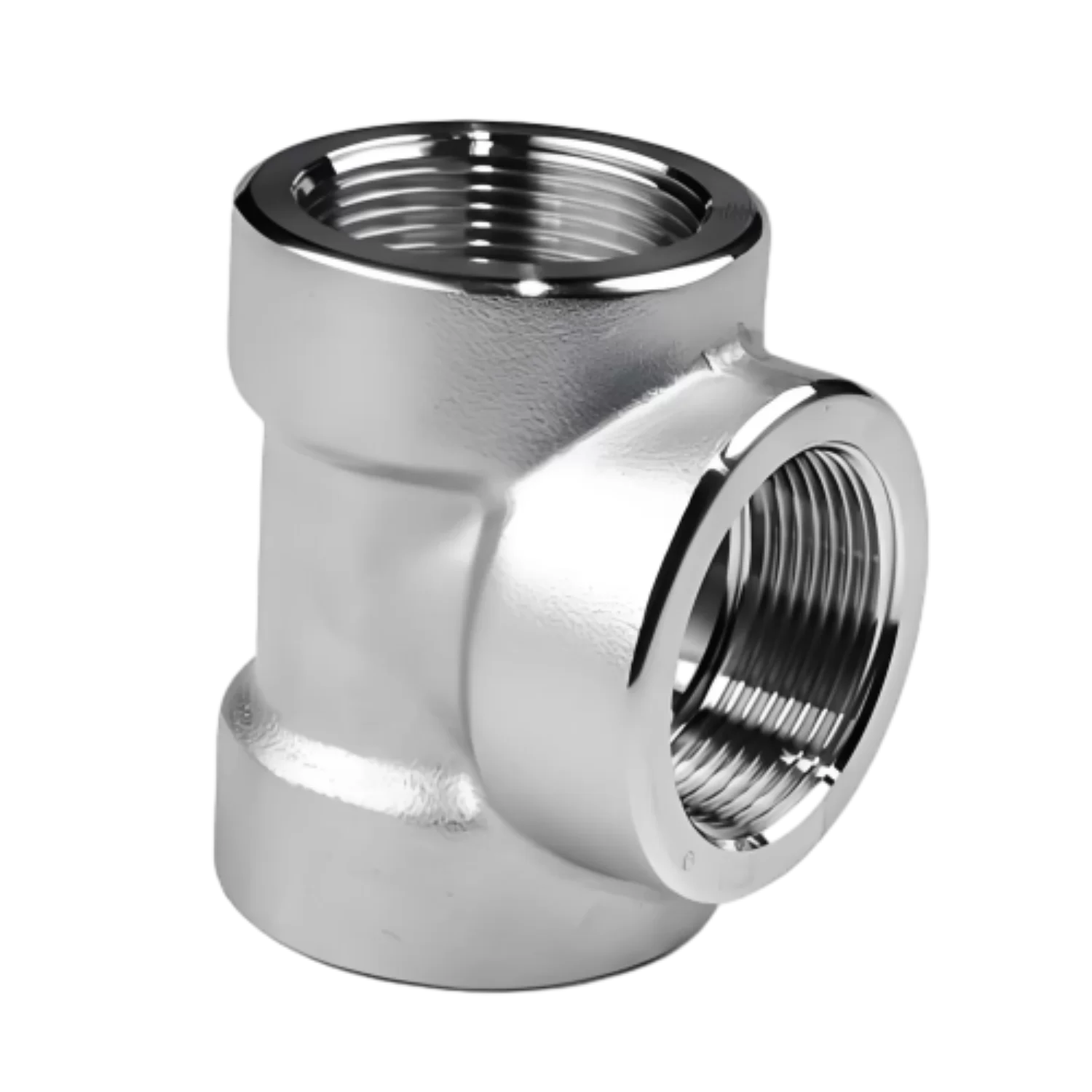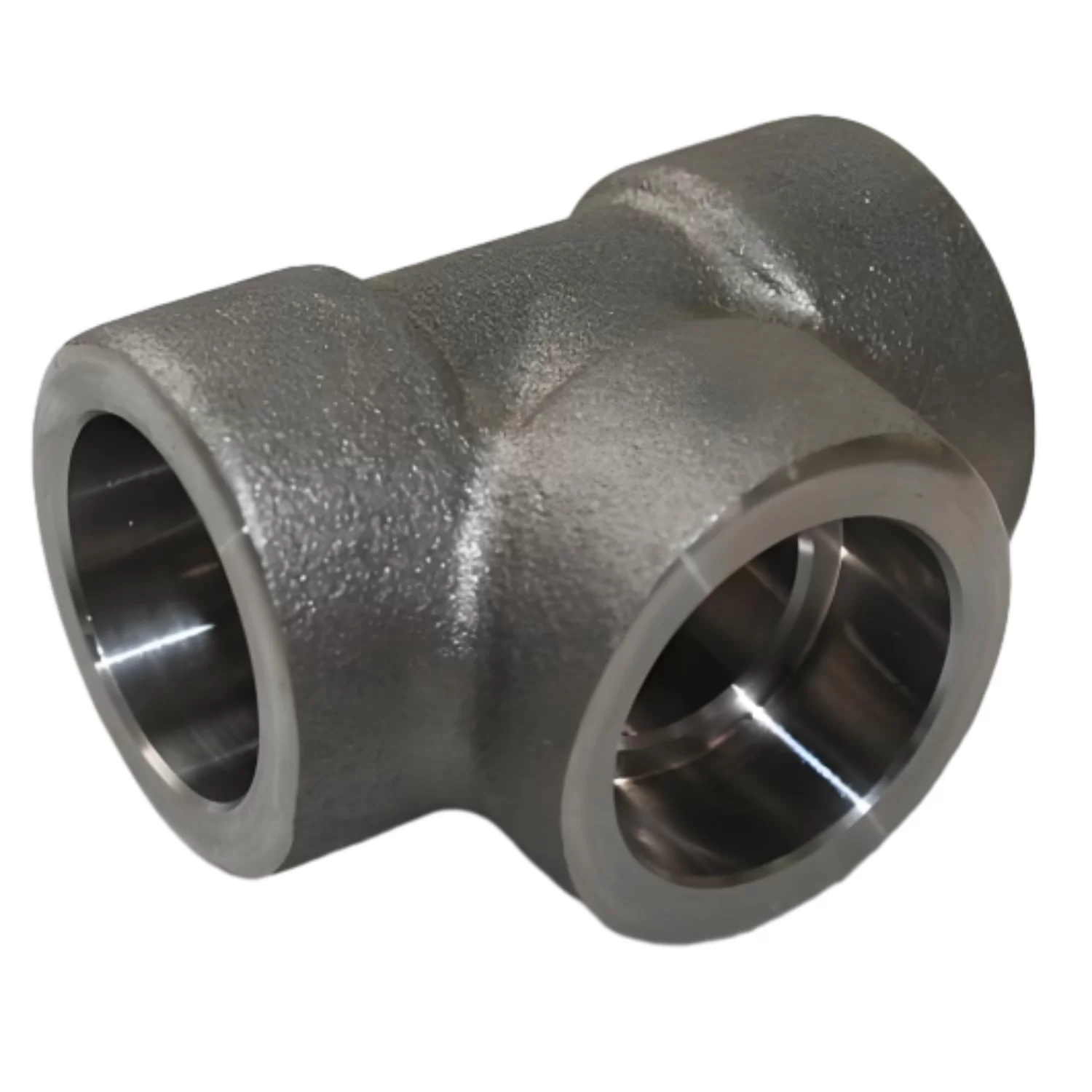
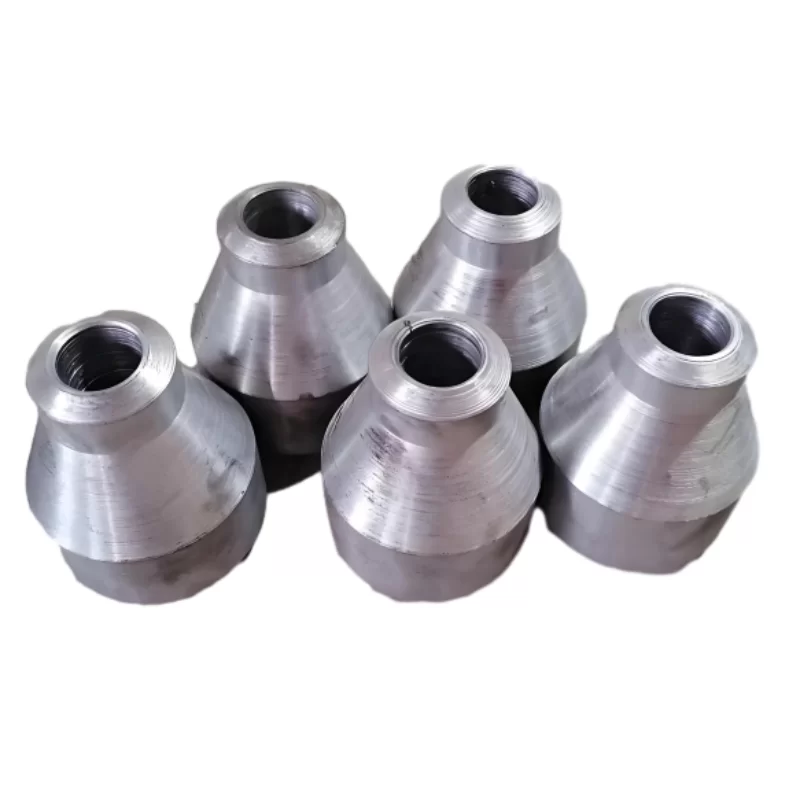
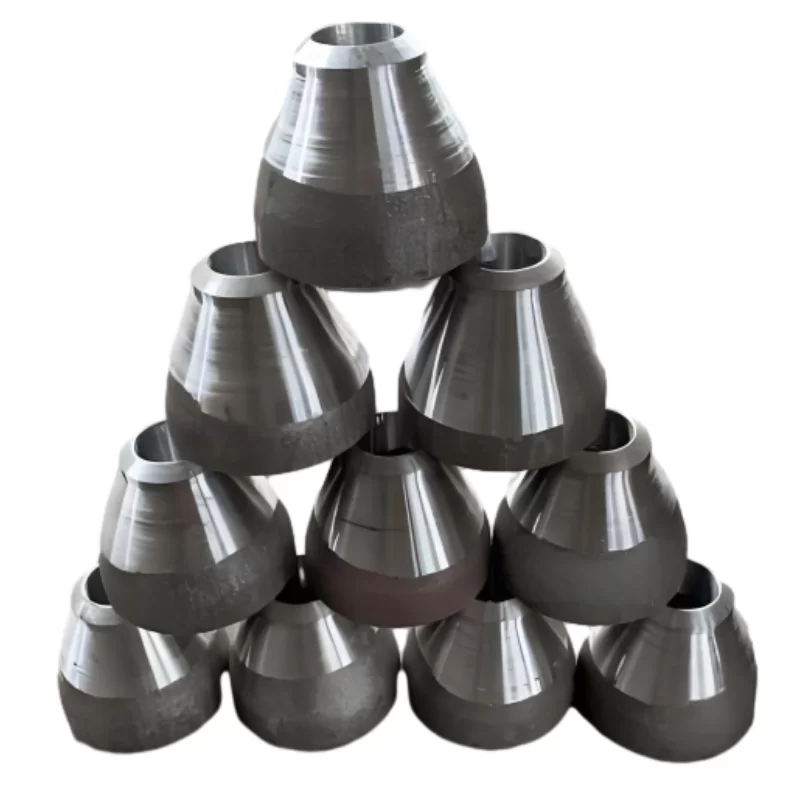
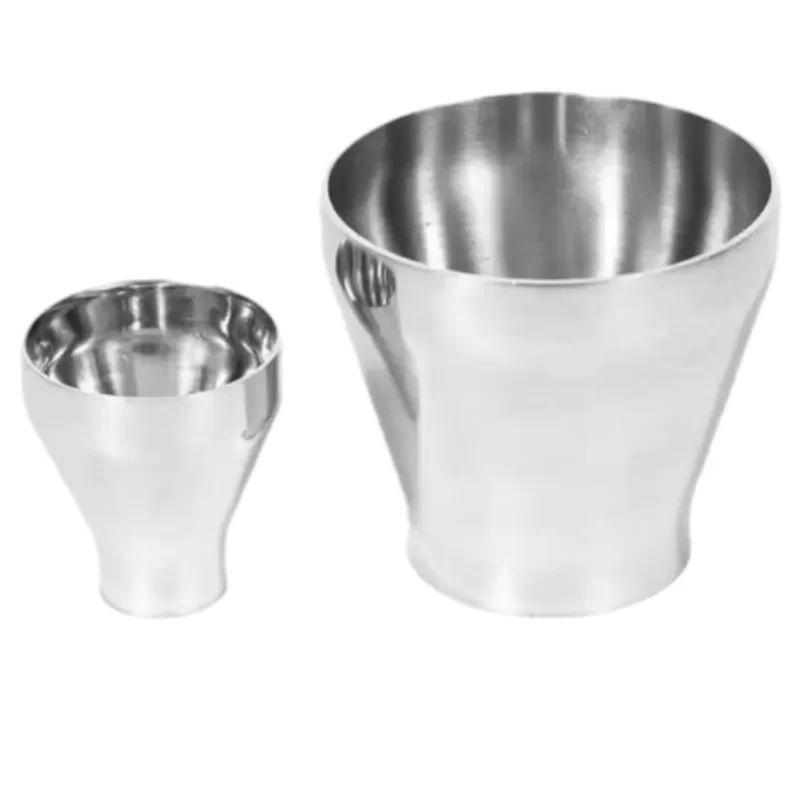
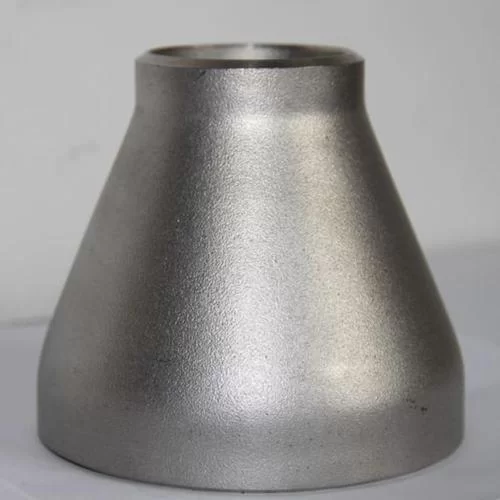
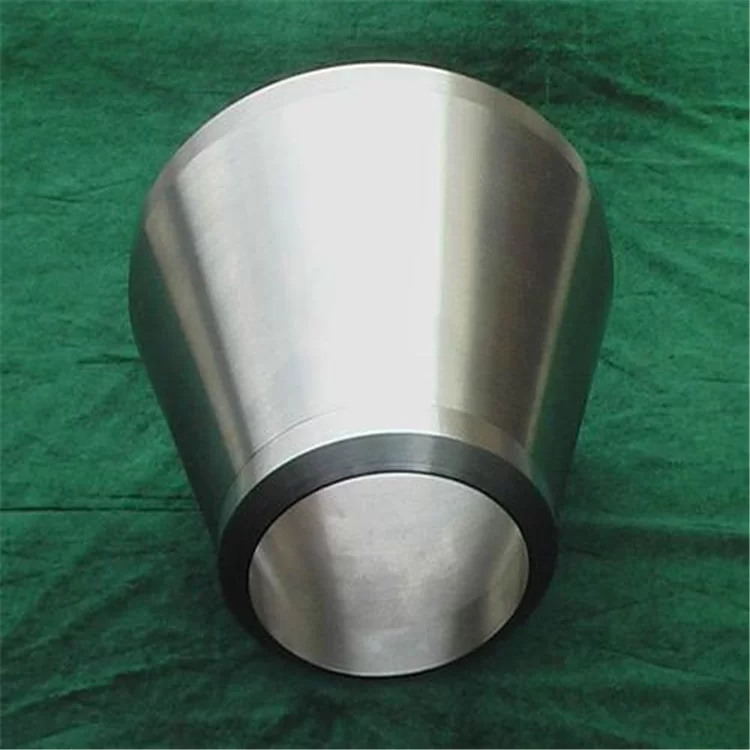
Adopts a conical shape (with concentric design where the centers of both ends are aligned on the same straight line). The small end connects to small-diameter pipelines, and the large end connects to large-diameter pipelines. The inner wall features a smooth transition to ensure stable medium flow and reduce eddy currents and turbulence.
I. Product Structure and Design Standards
1. Structural Features
●Adopts a conical shape (with concentric design where the centers of both ends are aligned on the same straight line). The small end connects to small-diameter pipelines, and the large end connects to large-diameter pipelines. The inner wall features a smooth transition to ensure stable medium flow and reduce eddy currents and turbulence.
●Materials can be selected based on application scenarios, including carbon steel (e.g., A234 WPB, A420 WPL6), stainless steel (e.g., A403 WP304/316), and alloy steel (e.g., A234 WP91/92), meeting requirements for different pressures, temperatures, and medium corrosiveness.
2. Executive Standards
●Dimensional Standards: Complies with ASME B16.9 (Factory-Made Wrought Steel Butt-Welding Fittings), covering DN15~DN1200 (NPS 1/2~48). Wall thickness schedules include Sch 10, Sch 40, Sch 80, Sch 160, XXS, etc., with a maximum pressure rating of Class 2500.
●Flange connection optional: ASME B16.5 (Pipe Flanges and Flanged Fittings), ensuring compatibility with American Standard pipeline systems.
II. Core Functions and Application Advantages
1. Fluid Conveyance Optimization
●Reduces medium flow resistance and energy loss through smooth diameter transition, suitable for various fluids such as water, oil, gas, and steam. Particularly advantageous in high-pressure and high-velocity systems.
●Concentric design avoids gas-liquid separation or solid deposition that may occur with eccentric structures, making it suitable for conveying pure media or scenarios requiring low disturbance (e.g., chemical precision reaction pipelines, food-grade fluid conveyance).
2. System Adaptability
●Customizable length (standard is center-to-end distance, such as the "L" value specified in ASME B16.9) to meet space-constrained or special installation conditions.
●Supports multiple installation methods including welding (butt welding, socket welding) and flange connection. Welding ends adopt a beveled design to ensure welding strength and sealing performance.
●Pressure resistance complies with ASME B31 series pipeline codes (e.g., B31.1 Power Piping, B31.3 Process Piping).
III. Application Scenarios
●Petrochemical Industry: Crude oil transmission pipelines, process pipelines of refining units;
●Power Energy: Steam pipelines of thermal power plants, nuclear power cooling systems;
●Municipal Engineering: Urban water supply and drainage, main natural gas transmission pipelines;
●Marine and Offshore Engineering: Ship power systems, offshore platform pipelines;
●Food and Pharmaceutical Industry: Sanitary-grade stainless steel reducers for pharmaceutical and beverage production lines.
IV. Quality Control and Certifications
●Production Processes: Adopts forging, stamping, or welding forming. Key processes (e.g., heat treatment, non-destructive testing) comply with ASME BPVC Section IX Welding and Brazing Qualifications, ensuring stable grain structure and qualified mechanical properties.
●Testing Standards: Prior to delivery, products undergo hydrostatic testing (1.5 times the design pressure), Ultrasonic Testing (UT), Radiographic Testing (RT), Penetrant Testing (PT), etc. Material Test Reports (MTR) comply with EN 10204 3.1/B standard.
●Certification Systems: Supports ASME U Stamp, PED 2014/68/EU CE Certification, and ISO 9001 Quality Management System Certification, meeting international engineering procurement requirements.
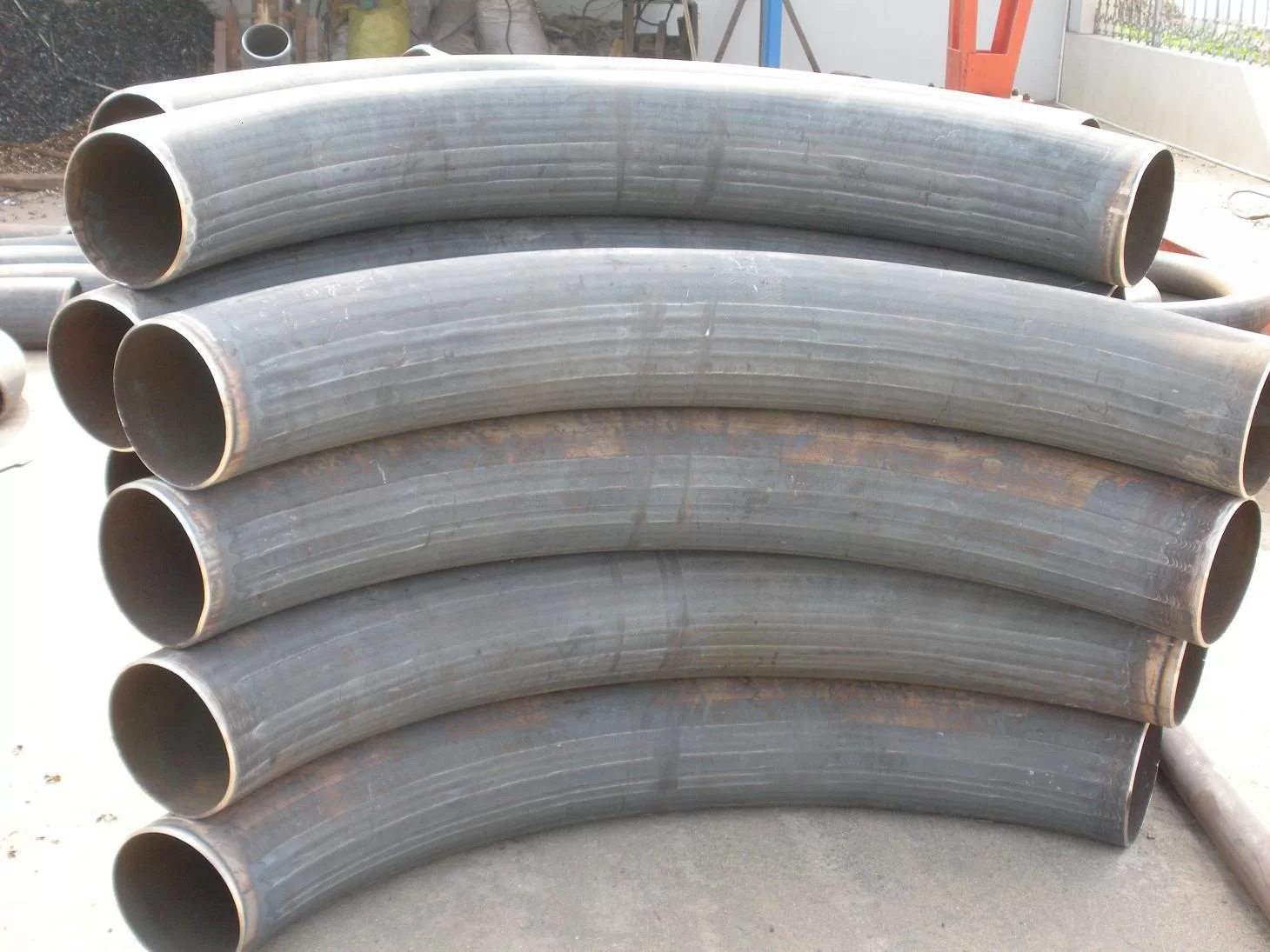
Selecting the correct reducing elbow size is a critical fluid mechanics decision that directly impacts the volumetric efficiency, pressure gradients, and structural longevity of an industrial piping configuration. Unlike standard 90-degree components that maintain a uniform internal bore, a reducing elbow simultaneously redirects fluid trajectories while transitioning between two distinct nominal pipe sizes (NPS). To prevent localized turbulence, accelerated flow erosion, and cavitation, procurement teams must follow a rigorous dimensional evaluation framework based on ASME B16.9 or EN 10253 industrial standards.
The primary engineering rule for specifying a reducing elbow is to identify dimensions in a strict order of priority: First Header Run (Inlet Size) $\times$ Second Header Run (Outlet Size). For example, if a pipeline scales down from a 4-inch main distribution line to a 2-inch auxiliary manifold at a right angle, the component must be designated as a $4" \times 2"$ reducing elbow. Misinterpreting this sequence can lead to severe structural bottlenecks or flow reversals, compromising downstream machinery like pumps and control valves.
Beyond nominal diameters, matching the precise wall thickness—defined by the Pipe Schedule (e.g., Sch 40, Sch 80, Sch 160)—is paramount for maintaining uniform system pressure ratings. An mismatched schedule creates an internal structural lip at the weld junction, disrupting the hydrodynamic boundary layer and inducing chronic stress corrosion cracking (SCC) over long-term operation.
Finally, engineers must evaluate space constraints by cross-referencing the manufacturer’s center-to-end dimensional charts. Because reducing elbows feature asymmetrical center-to-face dimensions on the inlet and outlet ports, validating these geometric clearances within your 3D piping blueprint ensures flawless alignment during field butt-welding, preventing costly modifications and protecting the fluid network's mechanical integrity.
Technical Dimensioning Checklist for Procurement
| Selection Parameter | Technical Metric to Verify | Impact on Piping System |
|---|---|---|
| Inlet / Outlet Bore | Nominal Pipe Size (NPS) Sequence | Prevents fluid bottlenecks and incorrect flow velocity |
| Wall Thickness | Schedule Rating (e.g., Sch 40, Sch 80, Sch 160) | Ensures uniform burst pressure and eliminates internal "lips" |
| Material Grade | Carbon Steel / Stainless Steel Compatibility | Prevents galvanic corrosion and thermal expansion cracks |
| Geometric Clearance | Asymmetrical Center-to-End Dimensions | Guarantees precise alignment during field layout fabrication |
In modern EPC and industrial pipeline projects, standard pipe fittings are often unable to satisfy increasingly complex engineering requirements. Many large-scale systems require custom reducing elbow solutions designed specifically for unique pipeline structures, pressure demands, and operating environments. Whether applied in oil and gas transmission, petrochemical facilities, nuclear power plants, offshore engineering, or water treatment systems, customized reducing elbow fittings are essential for maintaining safe and efficient fluid flow throughout industrial pipelines.
As a professional pipeline supply chain enterprise, Cangzhou Weihuan Pipeline Equipment Co., Ltd. specializes in providing one-stop supporting services for pipes and pipe fittings, including high-quality reducing elbow products tailored for EPC contractors and industrial buyers worldwide. Backed by a professional sales and technical support team, the company delivers customized pipeline solutions based on project drawings, ASME standards, DIN specifications, and client-specific operational requirements.
Custom reducing elbow production allows EPC projects to optimize pipeline transitions between different pipe diameters while maintaining proper flow direction and pressure stability. Depending on the application environment, carbon steel reducing elbow products can be used for high-pressure transportation systems, while stainless steel reducing elbow fittings are ideal for corrosive chemical and marine environments. For more demanding conditions, alloy steel and duplex stainless steel reducing elbow solutions offer superior heat resistance, strength, and long-term durability.
Over the years, Cangzhou Weihuan Pipeline Equipment Co., Ltd. has supplied large quantities of pipe fittings and reducing elbow products to major national projects, including the Fuqing Nuclear Power Plant, PetroChina Guangxi Petrochemical, Sinopec Yanshan Petrochemical, and the West-East Gas Transmission Project. The company’s products have also been exported to more than 20 countries and regions, including the United States, Russia, Canada, Kazakhstan, Algeria, and multiple markets across the Middle East, Africa, South Asia, and Europe.
Located in Cangzhou — widely recognized as the “Capital of Elbow Pipes in China” — the company benefits from convenient access to Tianjin Port, ensuring efficient international logistics and stable global supply capabilities. With a strong commitment to quality control, customer satisfaction, and long-term cooperation, Cangzhou Weihuan Pipeline Equipment Co., Ltd. continues to provide reliable custom reducing elbow solutions for global EPC and industrial pipeline projects.
A reducing elbow is a type of pipe fitting designed to change the direction of fluid flow while simultaneously connecting pipes with different diameters. It combines the functions of a standard elbow and a reducer, making it widely used in industrial pipeline systems where space efficiency and smooth flow transitions are important.
The most commonly used reducing elbow fittings are:
90 degree reducing elbow
45 degree reducing elbow
These configurations are selected based on pipeline layout, fluid dynamics, and installation requirements in industrial piping systems.
Reducing elbow products can be manufactured from various materials depending on the application environment, including:
Carbon steel reducing elbow
Stainless steel reducing elbow
Alloy steel reducing elbow
Duplex stainless steel reducing elbow
PVC and HDPE reducing elbow fittings
Different materials provide varying levels of corrosion resistance, pressure tolerance, and temperature performance.
Reducing elbow fittings are widely applied in:
Oil and gas pipelines
Petrochemical plants
Nuclear power facilities
Water treatment systems
HVAC systems
Fire protection pipelines
Shipbuilding and offshore engineering
Pharmaceutical and food processing industries
Companies such as Cangzhou Weihuan Pipeline Equipment Co., Ltd. provide reducing elbow solutions for diverse industrial sectors worldwide.
A standard elbow connects pipes with the same diameter, while a reducing elbow connects pipes with different diameters. A reducing elbow helps reduce pipeline size without requiring an additional reducer fitting, improving installation efficiency and saving space.
The correct reducing elbow size depends on several factors:
Pipe diameter transition
Pressure rating
Wall thickness
Flow velocity
Operating temperature
Material compatibility
Industry standards such as ASME B16.9 or ANSI
Proper sizing helps reduce pressure loss and improves pipeline efficiency.
Yes. Many industrial projects require custom reducing elbow fittings with non-standard sizes, wall thicknesses, bending angles, or material grades. Cangzhou Weihuan Pipeline Equipment Co., Ltd. offers customized reducing elbow solutions for EPC contractors, industrial plants, and pipeline engineering projects.
High-quality reducing elbow products usually undergo strict inspection procedures, including:
Hydrostatic testing
Ultrasonic testing
Radiographic inspection
PMI material verification
Dimensional inspection
Surface quality testing
These tests ensure the fittings meet international industrial standards and project requirements.
Common manufacturing standards include:
ASME B16.9
ANSI
ASTM
DIN
JIS
EN standards
The selected standard depends on the project location and industrial application.
Industrial pipelines often transport corrosive fluids, chemicals, steam, or high-temperature media. Choosing corrosion-resistant reducing elbow materials such as stainless steel or duplex steel helps extend service life, reduce maintenance costs, and improve operational safety.

| NPS Main × Reduced | OD Main | OD Reduced | A (Center‑to‑End) |
|---|---|---|---|
| 2×1½ | 60.3 | 48.3 | 76 |
| 2×1 | 60.3 | 33.7 | 76 |
| 3×2½ | 88.9 | 73.0 | 114 |
| 3×2 | 88.9 | 60.3 | 114 |
| 4×3 | 114.3 | 88.9 | 152 |
| 4×2 | 114.3 | 60.3 | 152 |
| 6×4 | 168.3 | 114.3 | 229 |
| 8×6 | 219.1 | 168.3 | 305 |
| NPS Main × Reduced | OD Main | OD Reduced | A (Center‑to‑End) |
|---|---|---|---|
| 2×1½ | 60.3 | 48.3 | 51 |
| 3×2 | 88.9 | 60.3 | 76 |
| 4×3 | 114.3 | 88.9 | 102 |
Jun 08,26
Guide to Precise 150 slip on flange dimensions for Industry
Apr 16,26
Aluminum Threaded Flange Applications and Industrial Benefits
May 22,26
Industrial Slip Blind Flange for Pipeline Isolation and Safety
Apr 27,26
Industrial 8 Threaded Flange for Precision Piping Systems
Jun 01,26
Industrial 3 slip on flange Guide for Piping Reliability
Jun 10,26
High Quality 12 slip on flange for Industrial Piping Systems
SUBSCRIBE NEWSLETTER
If you are interested in our products, you can choose to leave your information here, and we will be in touch with you shortly.