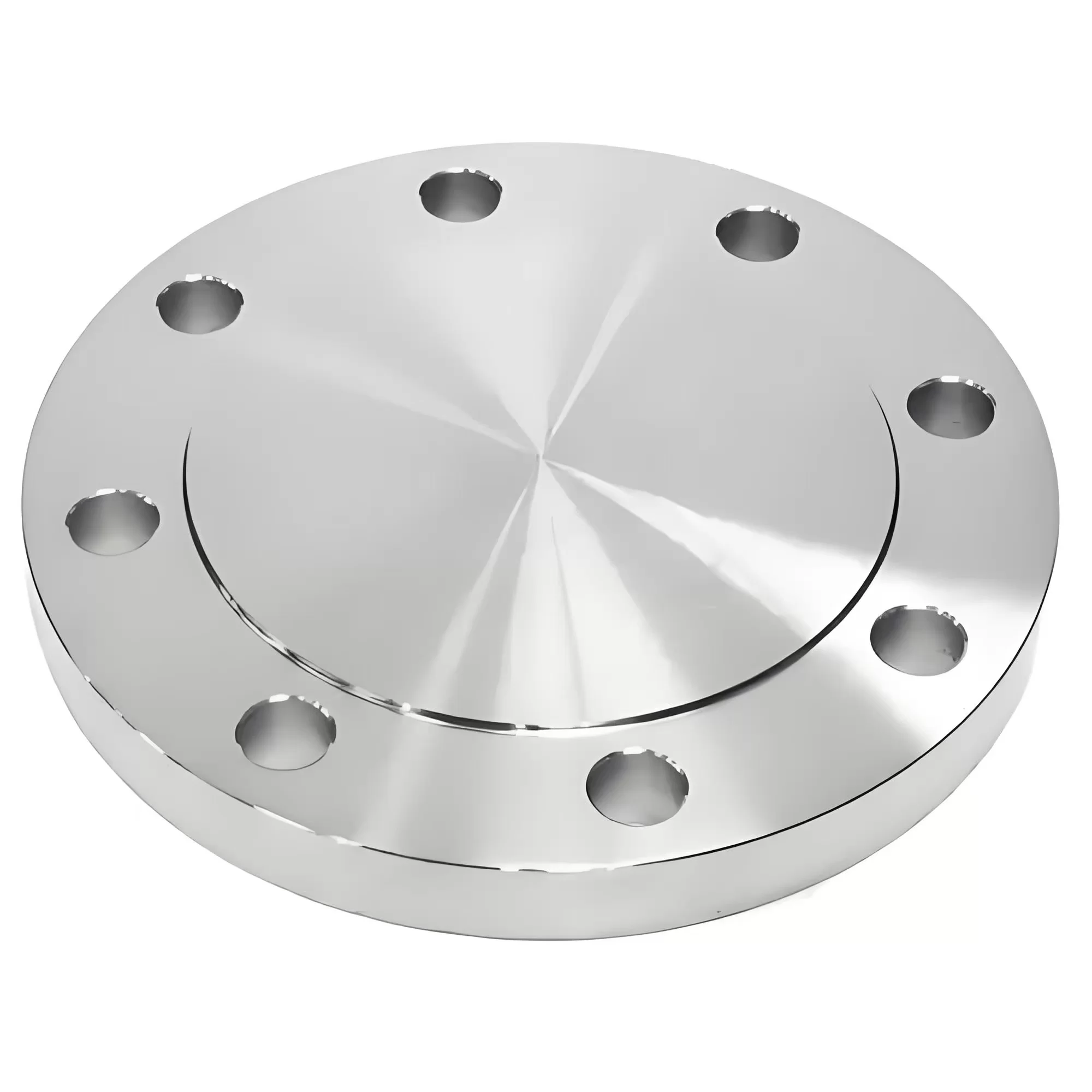
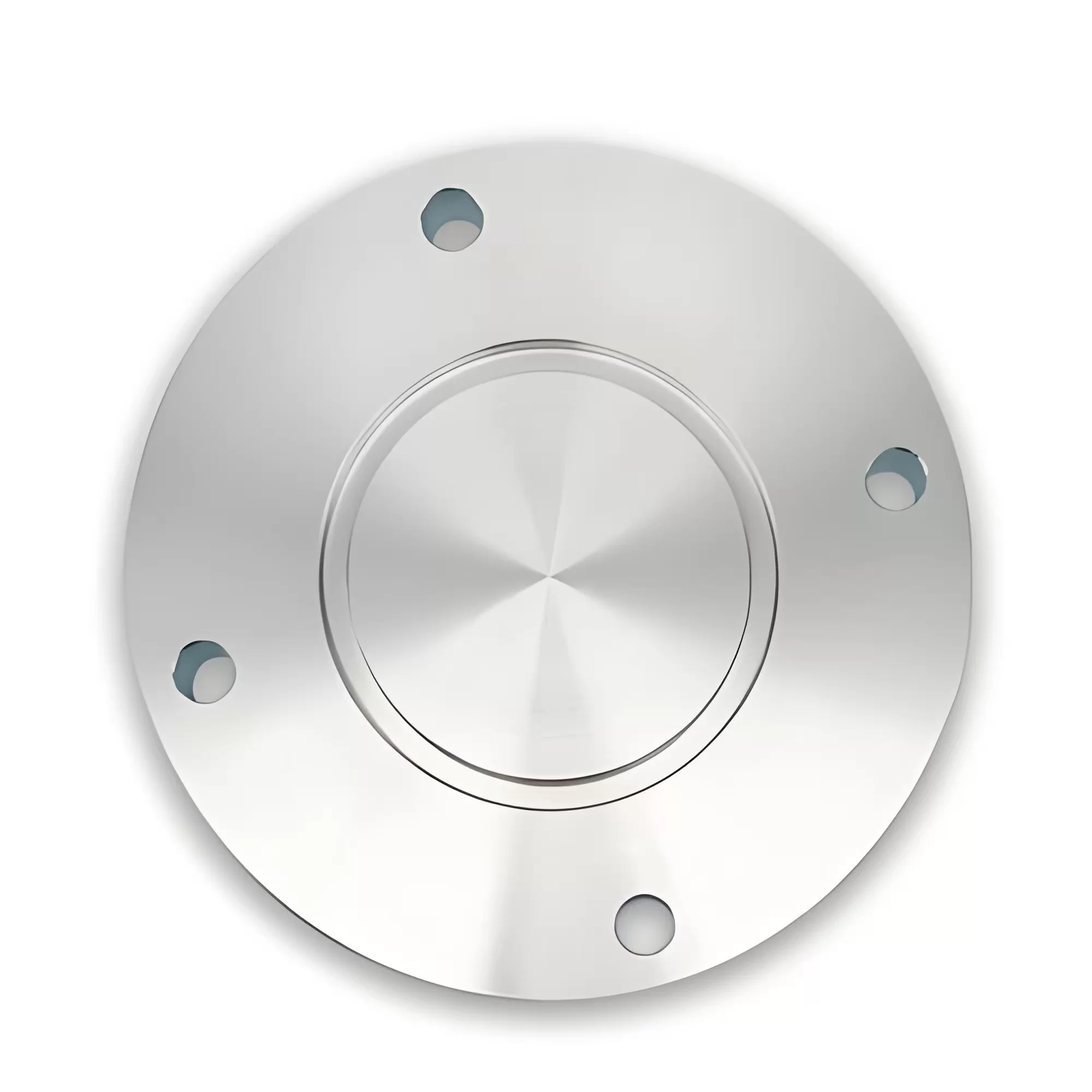
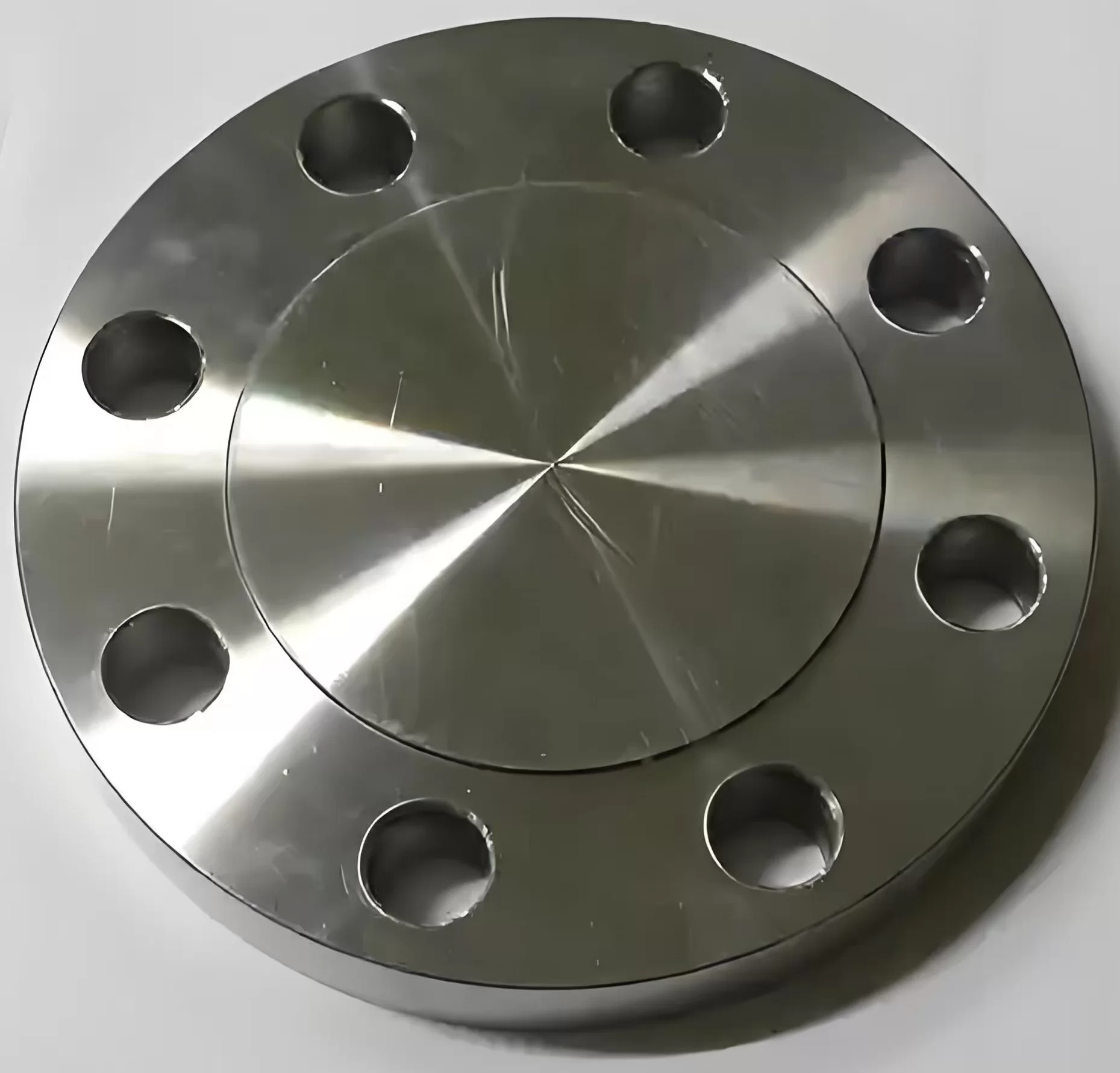
The blind flange is typically a circular flat plate structure with no central opening, featuring bolt holes distributed along the outer circumference that match the corresponding pipeline flange. It achieves complete pipeline sealing by cooperating with the pipeline flange, sandwiching a gasket between them, and fastening with bolts. Its core functions include
I. Product Structure & Functions
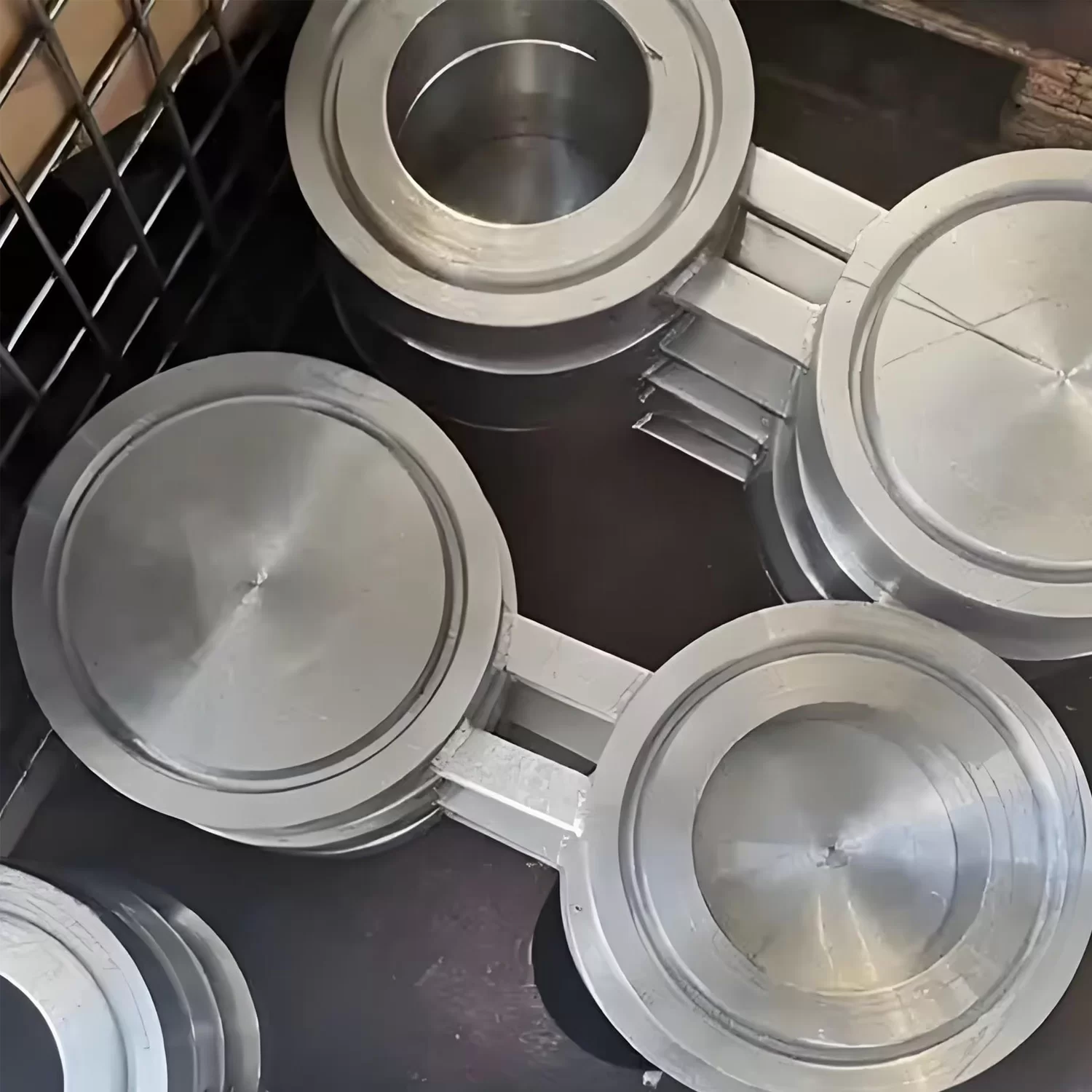
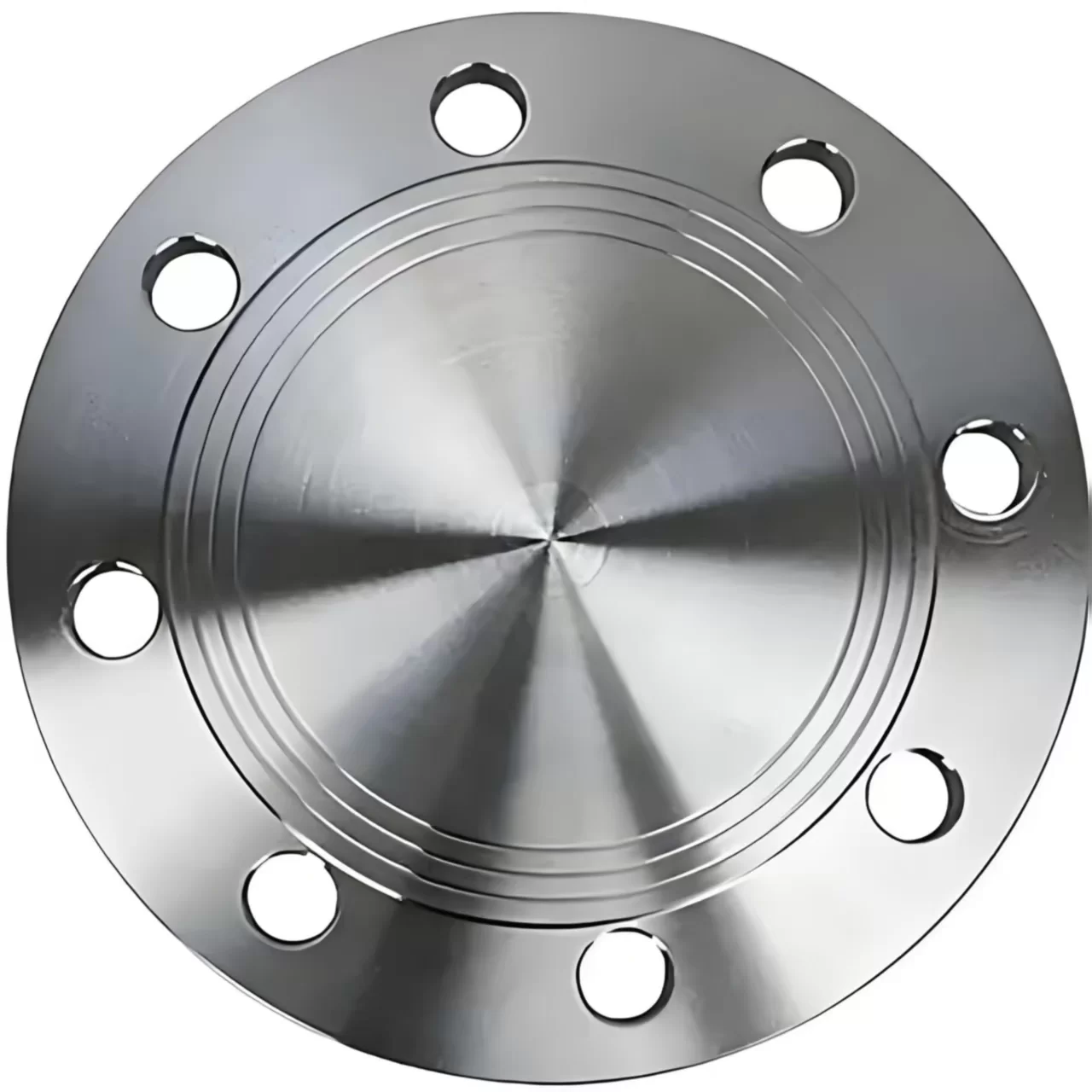
The blind flange is typically a circular flat plate structure with no central opening, featuring bolt holes distributed along the outer circumference that match the corresponding pipeline flange. It achieves complete pipeline sealing by cooperating with the pipeline flange, sandwiching a gasket between them, and fastening with bolts. Its core functions include:
1. Media Isolation: Blocks upstream and downstream media flow during pipeline maintenance, equipment replacement, or long-term shutdown of a pipeline section, preventing media leakage or mixing.
2. Safety Protection: Serves as an emergency isolation device in pipelines transporting flammable, explosive, toxic, or hazardous media, reducing safety risks.
3. Temporary Plugging: Used for temporary sealing during pipeline system commissioning or phased construction, facilitating system pressure testing or cleaning.
II. Executive Standards
Common standards for blind flanges include:
●ASME B16.5: Applies to steel pipe flanges and flanged fittings (including blind flanges) with nominal pipe size (NPS) ½~NPS 24 (DN15~DN600) and pressure ratings Class 150~Class 2500.
●ASME B16.47: Divided into Series A (large-diameter flanges, corresponding to API 605 standard) and Series B (corresponding to MSS SP-44 standard). Applicable to large-diameter steel flanges with NPS 26~NPS 60, including blind flange specifications.
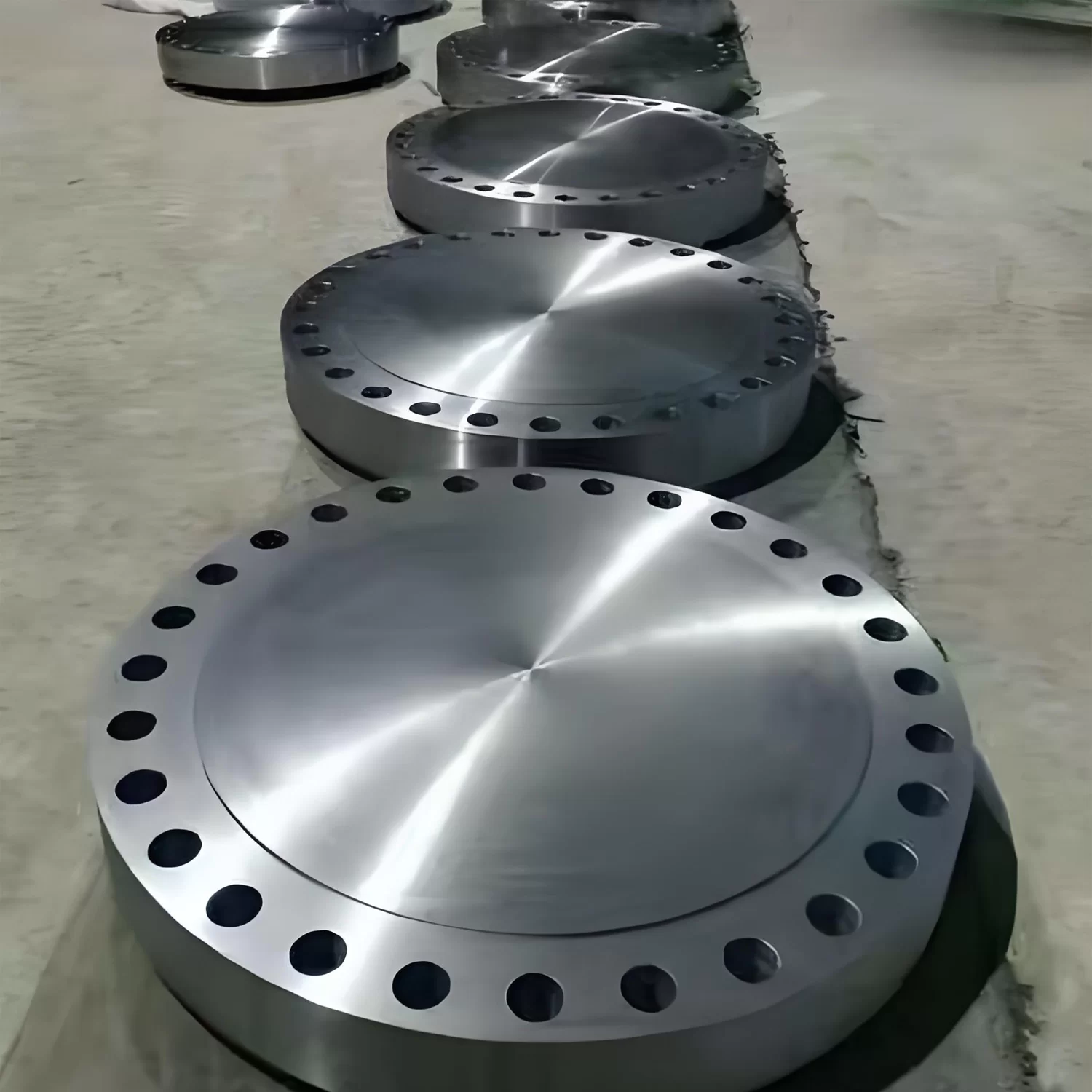
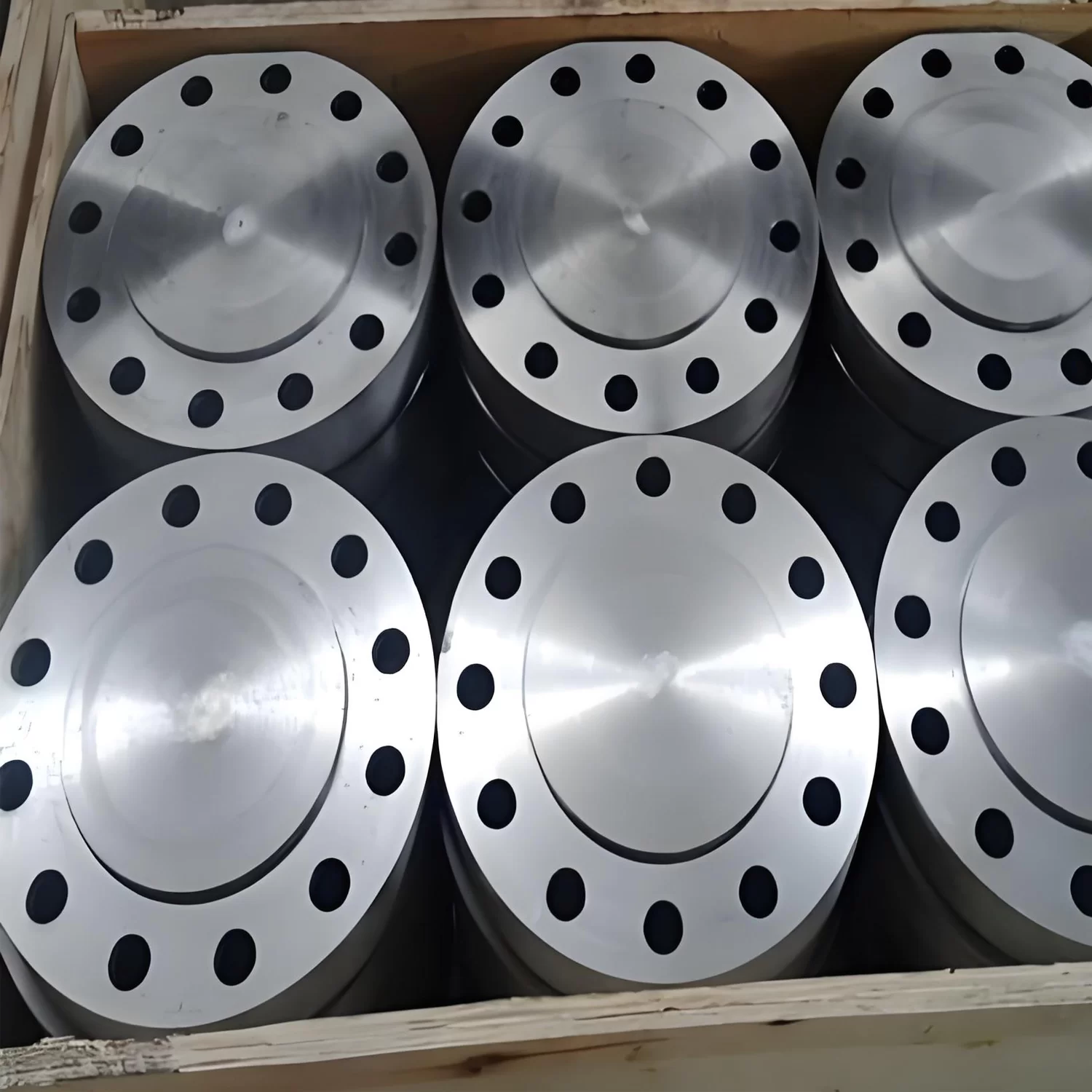
III. Key Parameters & Classifications
1. Nominal Pipe Size (NPS): Ranges from NPS ½ (DN15) to NPS 60 (DN1500), compatible with different pipeline sizes.
2. Pressure Rating (Class): Common ratings include Class 150, 300, 600, 900, 1500, 2500, corresponding to different design pressures.
3. Sealing Face Type:
●RF (Raised Face): Most commonly used, with a 2.0mm or 3.2mm raised platform on the surface. Compatible with non-metallic soft gaskets, suitable for medium and low-pressure working conditions.
●FF (Flat Face): The flange face is flush with the plane where the bolt holes are located. Applicable to low-pressure or compact installation scenarios, often used with rubber gaskets.
●RTJ (Ring Type Joint): Designed for high pressure, the flange face is machined with a trapezoidal groove, cooperating with metal ring gaskets. Suitable for high-pressure systems of Class 600 and above (e.g., oil and gas, chemical high-pressure pipelines).
4. Material Classification:
●Carbon Steel Blind Flanges: e.g., ASTM A105, A350 LF2. Low cost and high strength, suitable for ambient temperature, normal pressure, or medium-temperature working conditions with media such as water, steam, and oil products.
●Stainless Steel Blind Flanges: e.g., ASTM A182 F304 (0Cr18Ni9), F316 (0Cr17Ni12Mo2). Excellent corrosion resistance, applicable to pipelines transporting acid-base media, seawater, or high-purity fluids (e.g., food, pharmaceutical, chemical industries).
●Alloy Steel Blind Flanges: e.g., ASTM A182 F5 (Cr5Mo), F9 (Cr9Mo). Suitable for high-temperature, high-pressure, or strongly corrosive working conditions (e.g., power plants, refineries).
IV. Application Scenarios
Blind flanges are widely used in pipeline systems across industries such as petrochemical, natural gas, power generation, water treatment, pharmaceuticals, and food processing. Specific scenarios include:
●Process pipeline isolation;
●High-pressure system sealing;
●Corrosive environment applications;
●Temporary or permanent plugging.
V. Product Advantages
●High Standardization Level: Complies with ASME series standards, ensuring strict guarantees for dimensional accuracy and material performance. Compatible with American standard pipeline systems worldwide.
●Strong Sealing Reliability: Achieves long-term stable sealing of high-pressure, high-temperature, and corrosive media through precision-machined sealing faces and matched gaskets.
●Easy Installation: Simple structure, allowing installation and disassembly without complex tools, facilitating rapid switching of pipeline states (on/off).
As a "safety barrier" in pipeline systems, the design and selection of blind flanges must comprehensively consider system pressure, temperature, media characteristics, and installation environment to ensure compliance with engineering safety and process requirements.
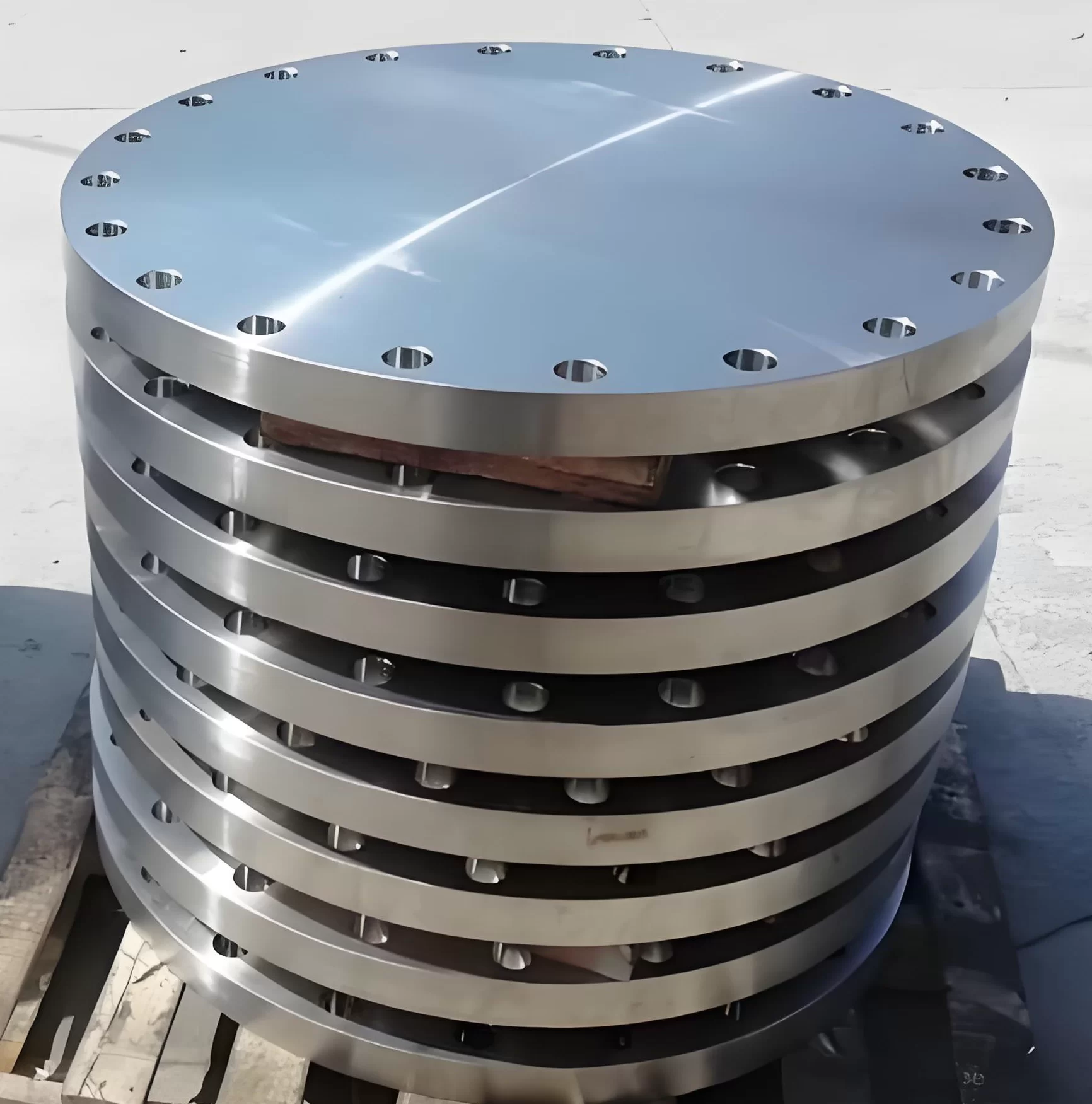
A blind flange is a solid circular flange without a center bore, designed to completely seal the end of a pipeline, pressure vessel, or valve connection. Unlike weld neck or slip-on flanges that connect sections of pipe, a blind flange creates a secure closure while still allowing future access for maintenance, inspection, or system expansion. This removable sealing solution makes blind flanges an essential component in industrial piping systems where flexibility and safety are priorities. The design also enables operators to isolate sections of piping during testing, repair, or equipment replacement without permanent modifications.
Blind flange use extends across industries such as oil and gas, petrochemical, power generation, water treatment, marine engineering, pharmaceutical processing, and chemical plants. They are commonly installed on pipeline terminations, pressure vessel nozzles, heat exchangers, storage tanks, and future branch connections. During hydrostatic pressure testing, blind flanges provide reliable sealing to verify system integrity before commissioning. They also simplify equipment upgrades by allowing engineers to reopen pipelines without cutting or rewelding.
Choosing the correct blind flange depends on several factors, including pressure rating, sealing face, material, and operating temperature. Carbon steel blind flanges are widely used for general industrial applications due to their strength and affordability, while stainless steel blind flanges offer excellent corrosion resistance for aggressive environments. At Weihuan, every blind flange is manufactured according to international standards such as ASME, ANSI, DIN, EN, and JIS, ensuring dimensional accuracy, reliable sealing performance, and long service life.
Blind flange types are typically classified by pressure class, facing style, manufacturing process, and material. Understanding these categories helps engineers select the right flange for specific operating conditions.
Raised Face (RF) blind flanges are the most widely used because they provide excellent gasket compression and sealing performance for medium- and high-pressure pipelines. Flat Face (FF) blind flanges are commonly applied in low-pressure water systems where flat mating surfaces are required. Ring Type Joint (RTJ) blind flanges are designed for high-temperature and high-pressure environments such as offshore platforms and refineries, where metal ring gaskets provide superior sealing reliability.
Material selection is equally important. Carbon steel blind flanges deliver high mechanical strength and cost efficiency, making them ideal for general industrial piping. Stainless steel blind flanges provide outstanding resistance to corrosion, chemicals, and moisture, making them suitable for food processing, pharmaceutical manufacturing, marine engineering, and chemical applications. Alloy steel blind flanges are often chosen for elevated temperature or high-pressure services.
When selecting blind flange types, engineers should consider design pressure, operating temperature, corrosion conditions, pipeline standards, and maintenance requirements. Choosing the correct pressure class and flange facing improves sealing reliability while reducing long-term maintenance costs.
Many buyers search for "blind flange vs flange" because both products share similar bolt patterns yet serve entirely different purposes. The main difference lies in functionality.
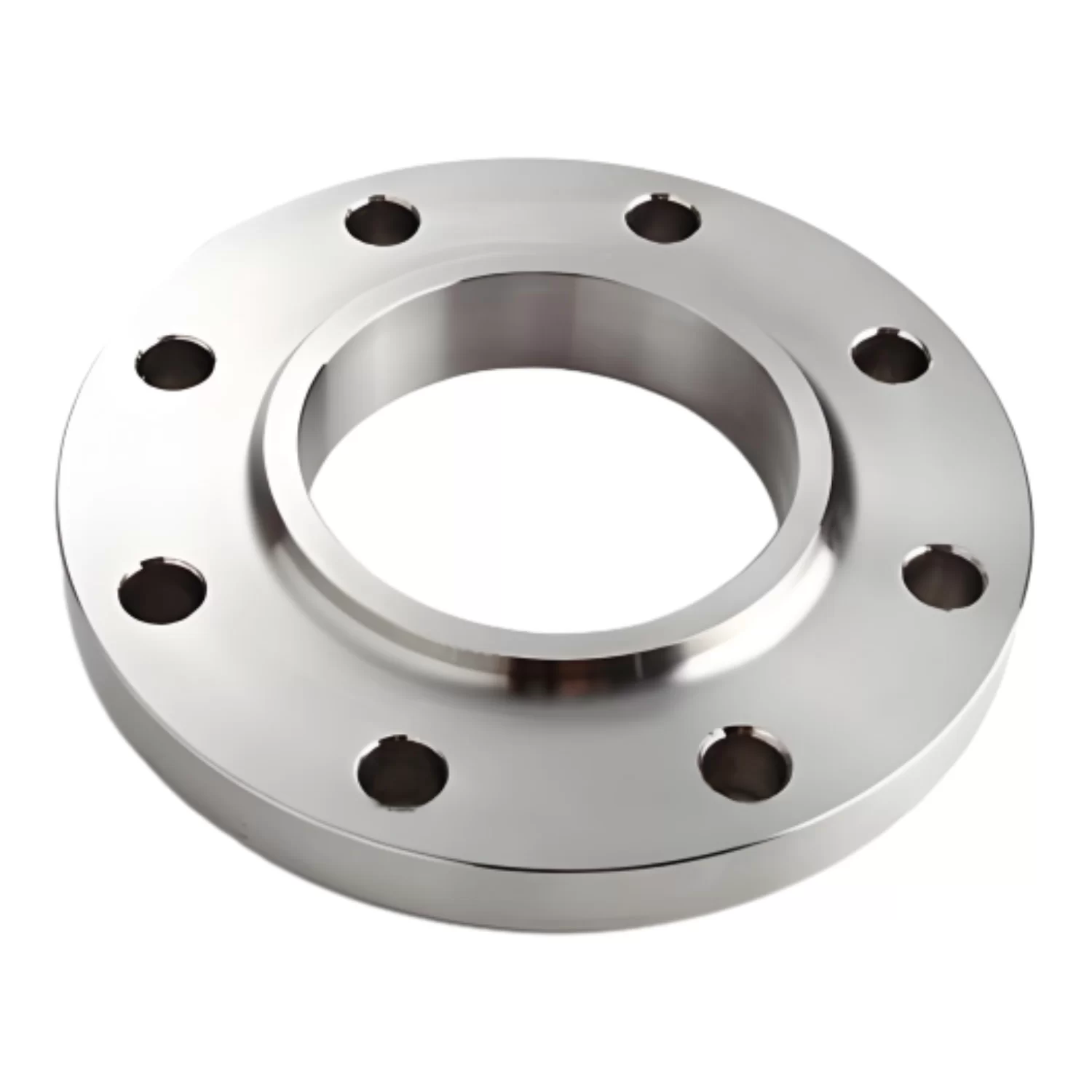
Standard flanges, including weld neck, slip-on, socket weld flanges, threaded flanges, and lap joint flanges, are designed to connect two sections of pipe, valves, or equipment while allowing fluid to flow through the pipeline. A blind flange, however, contains no center opening. Instead of connecting piping, it seals the end of a pipeline or equipment nozzle, creating a pressure-tight closure.
Because blind flanges withstand the full internal pressure without a bore, they generally require greater thickness than comparable connecting flanges. This added strength helps resist deformation under pressure while maintaining reliable gasket sealing. Blind flanges also provide easier future access compared with welded end caps because they can simply be unbolted for inspection or system modifications.
In practical applications, standard flanges are used wherever piping needs to continue through the system, whereas blind flanges are preferred for temporary shutdowns, future expansion points, equipment maintenance, hydrostatic testing, and permanent pipeline termination. Understanding this distinction helps engineers improve safety while reducing future maintenance costs.
The terms "blank flange" and "blind flange" are frequently used interchangeably throughout the piping industry, and in most engineering specifications they refer to the same component—a solid flange used to seal the end of a pipeline or pressure vessel.
However, some regional standards and manufacturers distinguish the terminology slightly. "Blind flange" is the official designation used in ASME, ANSI, and most international standards, while "blank flange" is often used as an informal or regional name in industrial maintenance and fabrication shops. Regardless of terminology, both products perform the same sealing function and are available in identical pressure classes, materials, and dimensions.
When purchasing internationally, buyers should confirm the applicable manufacturing standard, pressure rating, face type, and material rather than relying solely on product names. This ensures compatibility with existing piping systems and eliminates procurement errors.
Material selection significantly influences the service life, maintenance requirements, and overall operating cost of a blind flange installation.
Stainless steel blind flanges are engineered for environments exposed to moisture, chemicals, seawater, acids, and food-grade processing. Grades such as 304, 304L, 316, and 316L provide excellent corrosion resistance while maintaining attractive surface finishes and long-term durability. They are commonly specified for pharmaceutical plants, chemical processing facilities, offshore engineering, and food production.
Carbon steel blind flanges are the preferred solution for oil and gas transmission, power plants, construction projects, and general industrial pipelines. They provide excellent strength, pressure resistance, and economic value. Surface treatments including black painting, galvanizing, anti-rust oil, or epoxy coating further improve corrosion protection.
Weihuan manufactures both stainless steel blind flanges and carbon steel blind flanges in accordance with international standards, supporting customized sizes, pressure classes, coatings, and OEM production to meet diverse project requirements.
Selecting the right blind flange manufacturer is about more than competitive pricing. Reliable suppliers provide consistent quality, certified materials, precision machining, and dependable delivery schedules.
Weihuan specializes in manufacturing blind flanges for global industrial markets, supplying stainless steel, carbon steel, and alloy steel products that comply with ASME, ANSI, DIN, EN, and JIS standards. Advanced machining equipment, strict dimensional inspection, and comprehensive quality control ensure every flange delivers dependable sealing performance in demanding applications.
Whether you require standard blind flanges or customized solutions, our engineering team can support material selection, drawing review, dimensional customization, and OEM production. With stable manufacturing capacity, global export experience, and responsive technical support, Weihuan serves as a trusted blind flange supplier for distributors, EPC contractors, and industrial equipment manufacturers worldwide.
For companies searching for blind flange manufacturers, blind flange suppliers, or blind flange for sale, Weihuan offers cost-effective products backed by professional engineering assistance and reliable international delivery.
| Nominal Size (NPS) | Outside Diameter (D) | Thickness (T) | Bolt Circle (K) | Bolt Holes | Bolt Hole Diameter |
|---|---|---|---|---|---|
| 1/2" | 89 mm | 11 mm | 60.5 mm | 4 | 16 mm |
| 3/4" | 99 mm | 13 mm | 69.9 mm | 4 | 16 mm |
| 1" | 108 mm | 14 mm | 79.2 mm | 4 | 16 mm |
| 1-1/2" | 127 mm | 16 mm | 98.6 mm | 4 | 16 mm |
| 2" | 152 mm | 19 mm | 120.7 mm | 4 | 19 mm |
| 3" | 191 mm | 21 mm | 152.4 mm | 4 | 19 mm |
| 4" | 229 mm | 24 mm | 190.5 mm | 8 | 19 mm |
| 6" | 279 mm | 27 mm | 241.3 mm | 8 | 22 mm |
| 8" | 343 mm | 30 mm | 298.5 mm | 8 | 22 mm |
| 10" | 406 mm | 33 mm | 362 mm | 12 | 25 mm |
Dimensions shown are typical ASME B16.5 Class 150 values. Other pressure classes (300, 600, 900, 1500, 2500) have different dimensions.
Apr 17,26
Industrial Blind Flange with Threaded Hole for Piping Systems
Jun 12,26
Industrial Guide to 150 slip on flange and Pipeline Integrity
Apr 27,26
Industrial 8 Threaded Flange for Precision Piping Systems
Jun 05,26
Precision Engineering for 30 150 Slip On Flange Dimensions
Jun 03,26
Industrial Guide to High Quality 8 slip on flange Fittings
Jun 08,26
Guide to Precise 150 slip on flange dimensions for Industry
SUBSCRIBE NEWSLETTER
If you are interested in our products, you can choose to leave your information here, and we will be in touch with you shortly.