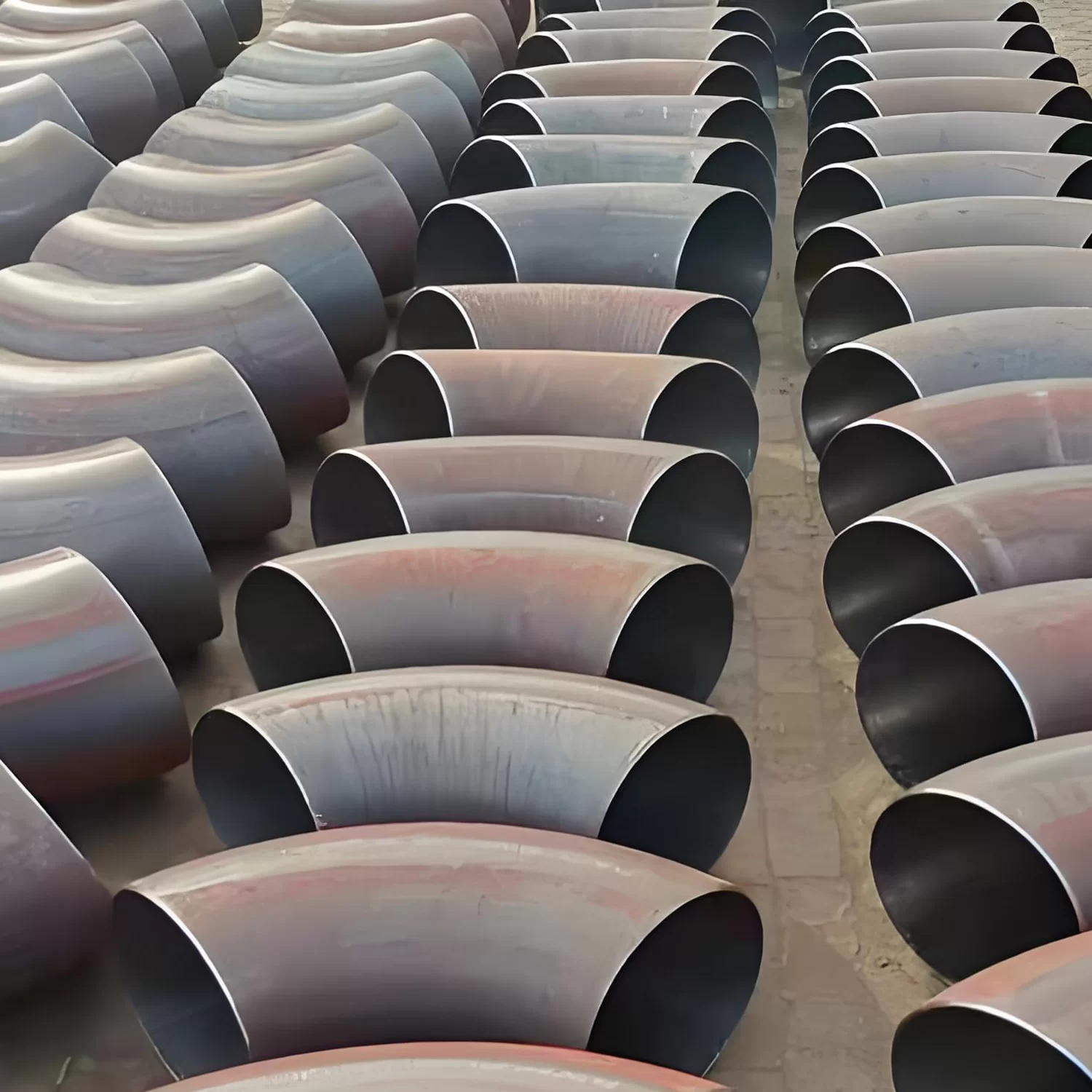
90° Elbow

90° Elbow

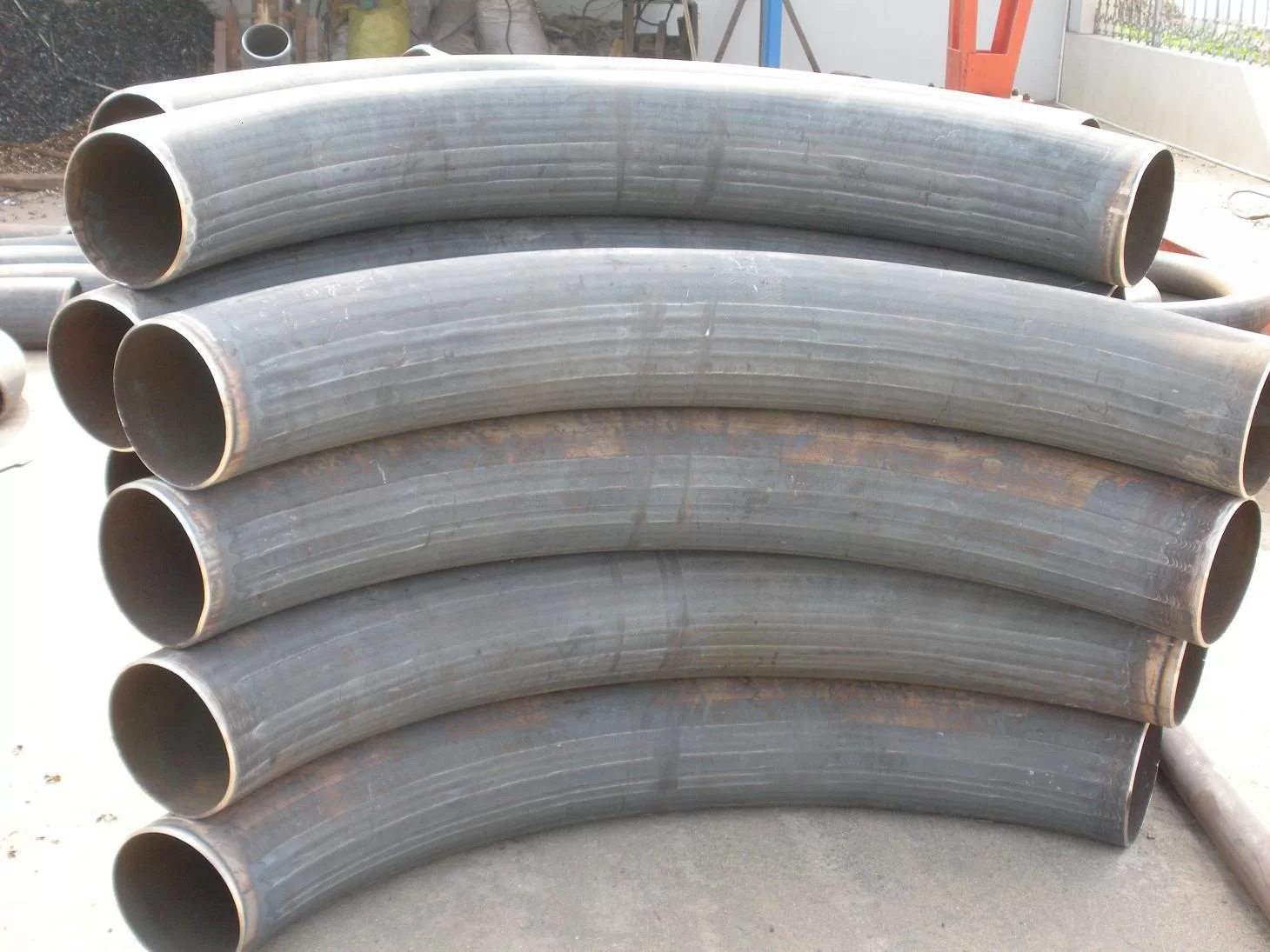
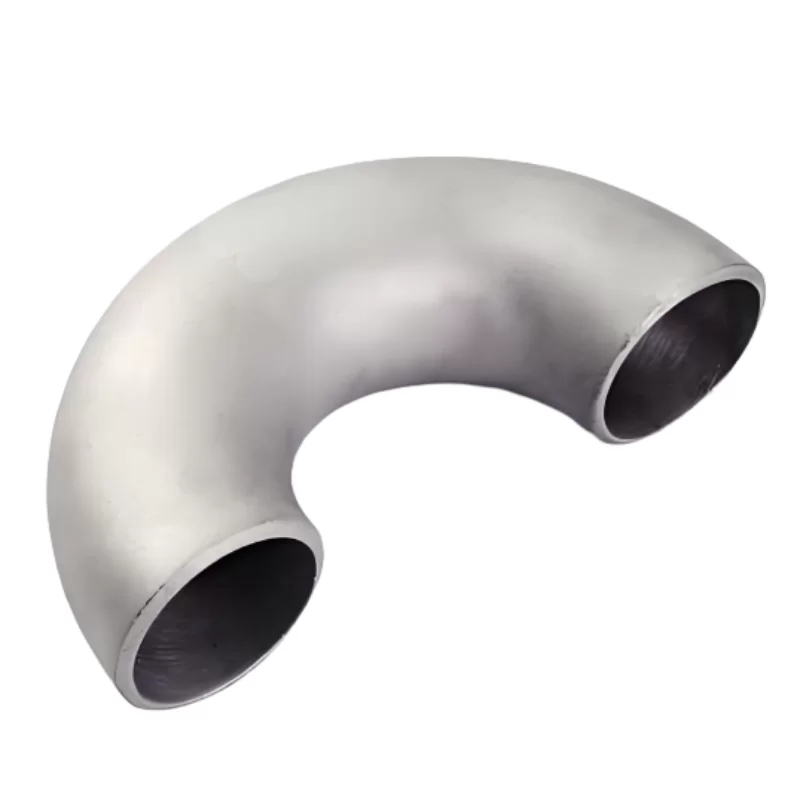
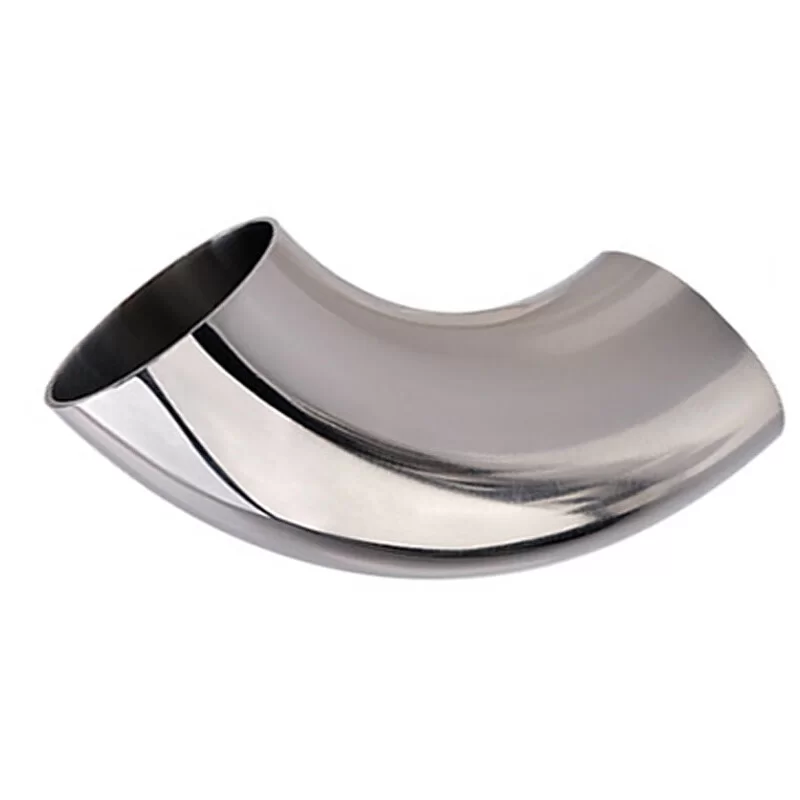
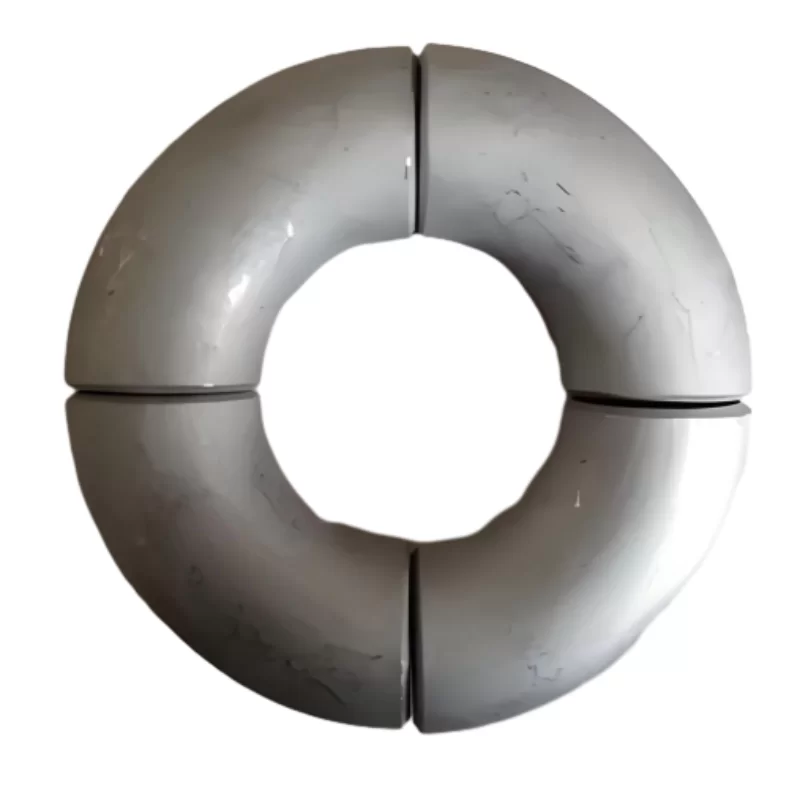
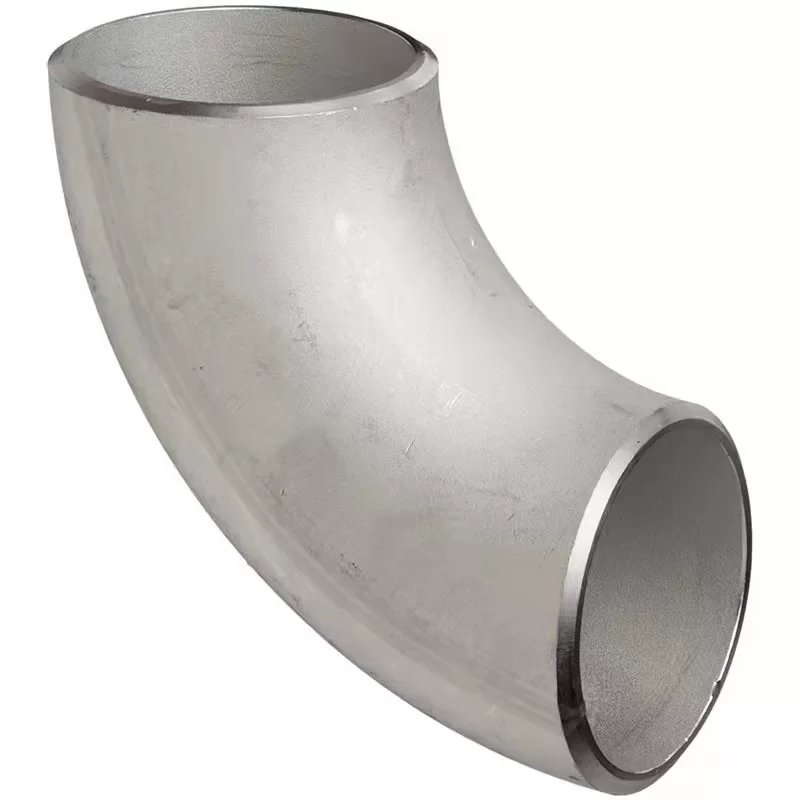
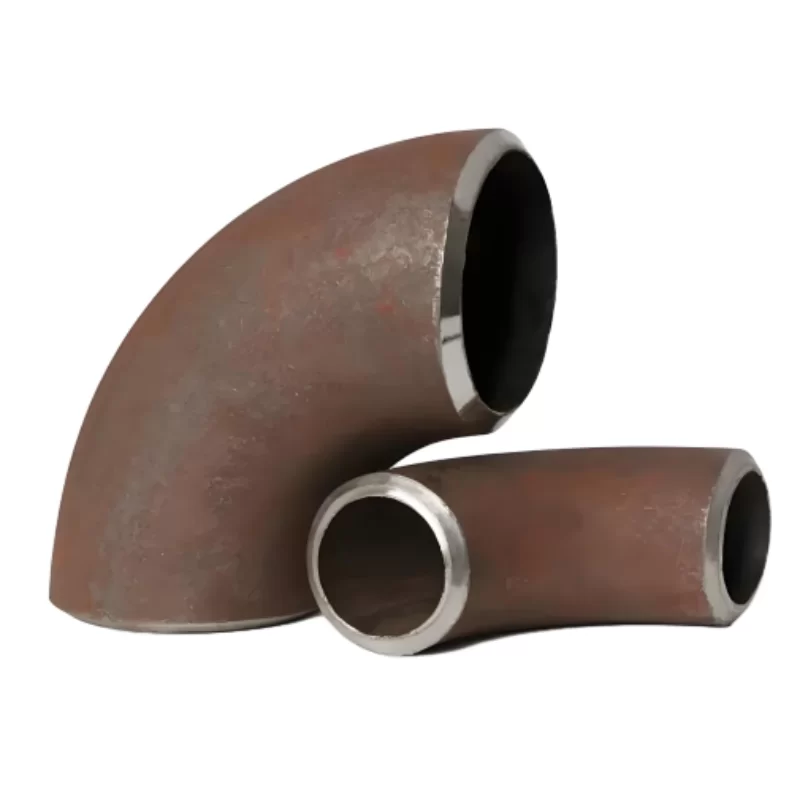
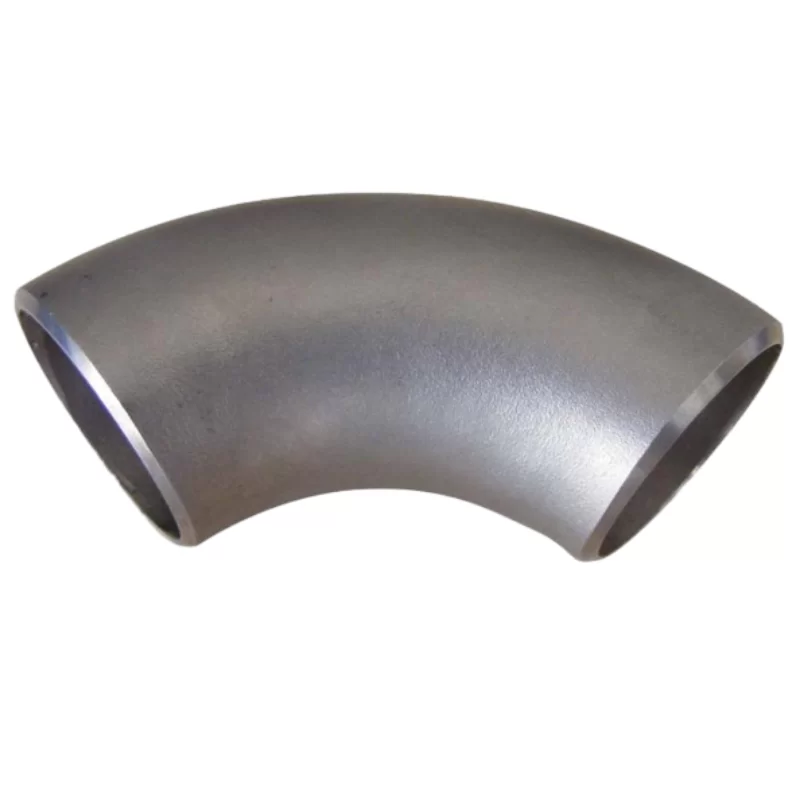
The ASME 90° Elbow is a pipe fitting engineered for 90-degree directional changes in pipeline systems. Manufactured in strict compliance with American national standards (e.g., ASME B16.9, ASME B16.28), it finds extensive applications in industrial sectors including petroleum, petrochemical, natural gas, water treatment, power generation, and shipbuilding. Its core function is to connect two pipe sections (with identical or different nominal diameters), redirect fluid flow, while guaranteeing the pipeline system's sealing integrity and pressure-bearing capability.

share:
Product Details

Product Overview


The ASME 90° Elbow is a pipe fitting engineered for 90-degree directional changes in pipeline systems. Manufactured in strict compliance with American national standards (e.g., ASME B16.9, ASME B16.28), it finds extensive applications in industrial sectors including petroleum, petrochemical, natural gas, water treatment, power generation, and shipbuilding. Its core function is to connect two pipe sections (with identical or different nominal diameters), redirect fluid flow, while guaranteeing the pipeline system's sealing integrity and pressure-bearing capability.


Executive Standards


2.1 Design Standards

Adheres to ASME B16.9 (*Factory-Made Wrought Buttwelding Fittings*) and ASME B16.28 (*Wrought Steel Buttwelding Short-Radius Elbows and Returns*), ensuring structural dimensions and pressure ratings are fully compatible with the global industrial framework.

2.2 Material Standards

Materials are selected based on the properties of the conveyed medium. Common material grades include:

●Carbon Steel 90 degree elbow: A234 WPB, A420 WPL6 (for low-temperature service);

●Stainless Steel 90 elbow: A403 WP304/304L, WP316/316L (for corrosion-resistant applications);

●Alloy Steel 90 elbow: A234 WP11/WP22 (for high-temperature and high-pressure pipelines).

2.3 Pressure Ratings

Classified in accordance with ASME B16.5 or ASME B16.47, covering Class 150, 300, 600, 900, 1500, and 2500, to accommodate diverse working pressure environments.
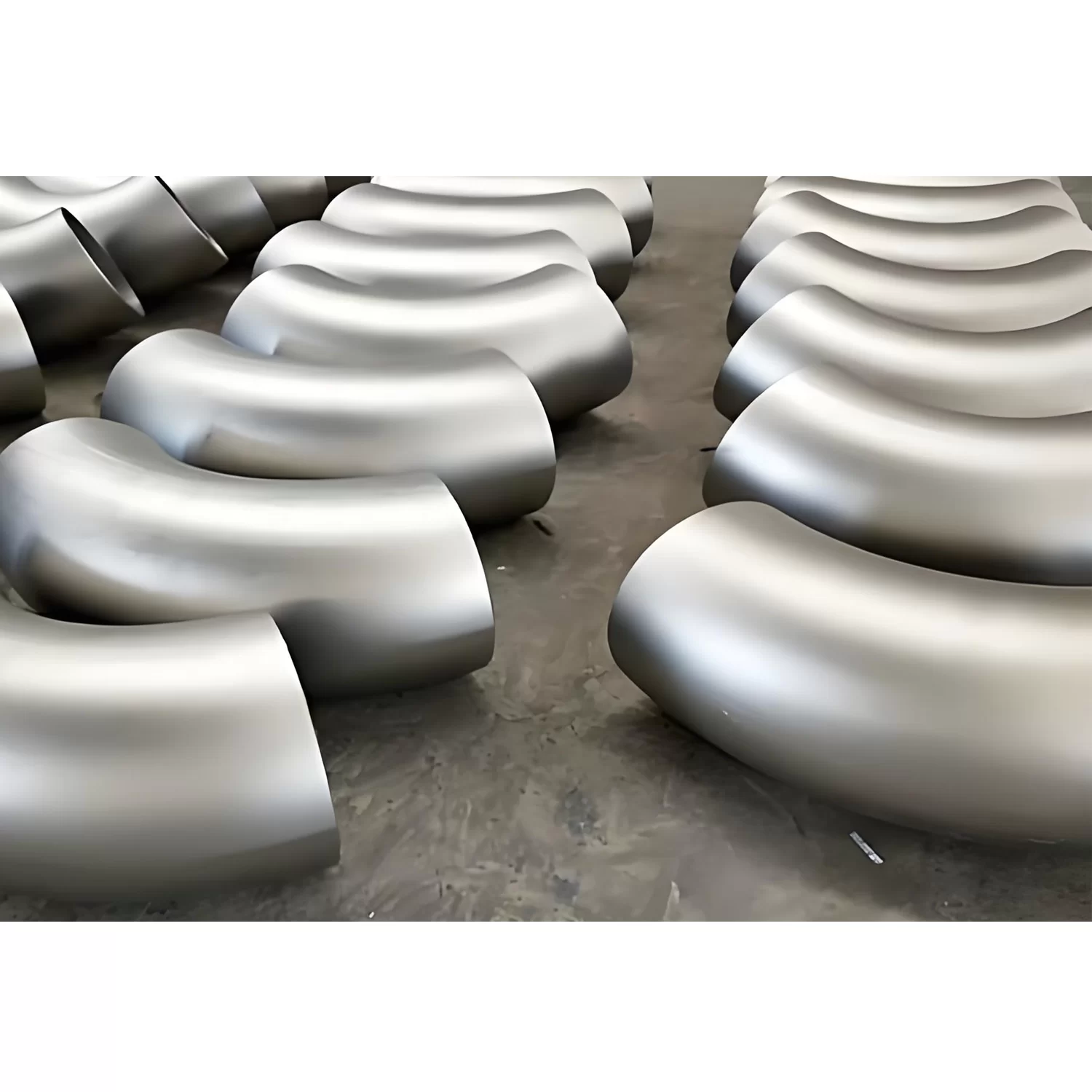
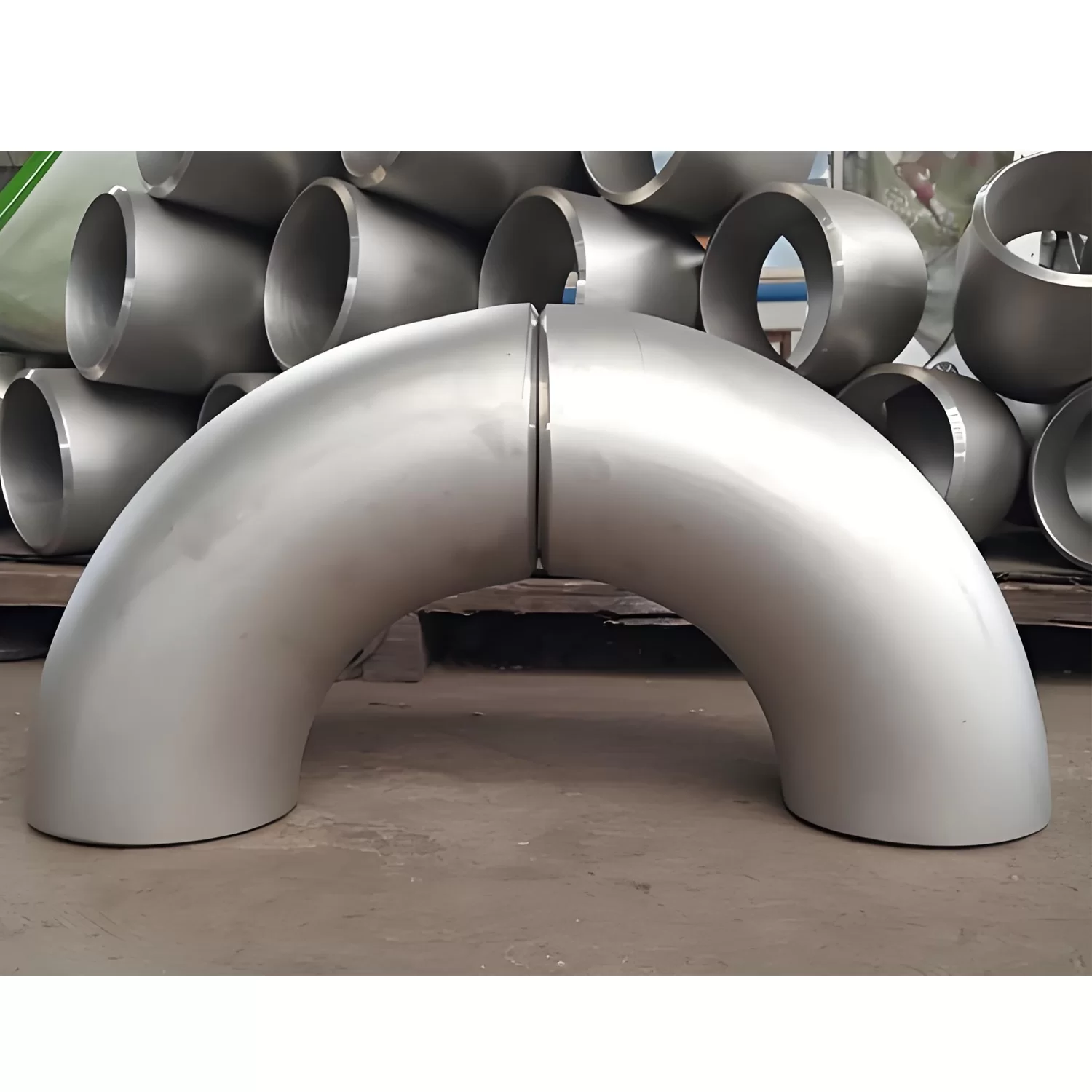


Structural Features


3.1 Angle Precision

The 90° turning angle tolerance is controlled within ≤ ±1°, ensuring accurate pipeline alignment post-installation and minimizing fluid resistance.

3.2 Radius of Curvature

Available in two configurations: Long Radius (LR) and Short Radius (SR):

●Long Radius (LR) Elbow: Radius of curvature R = 1.5DN (DN = Nominal Diameter). Features low fluid resistance, suitable for conventional low-resistance systems;

●Short Radius (SR) Elbow: Radius of curvature R = 1.0DN. Compact structure saves installation space, ideal for space-constrained areas or applications permitting higher resistance.

3.3 Connection Methods

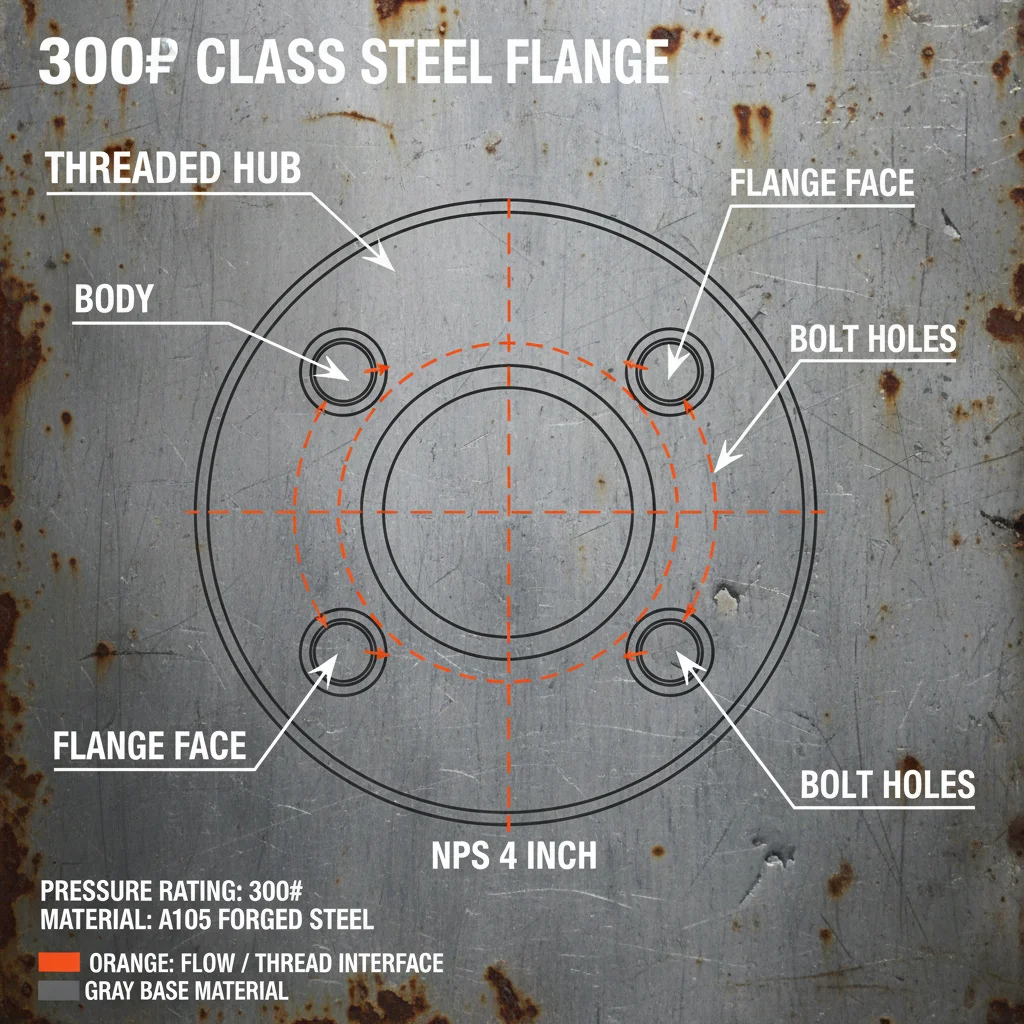
Predominantly Butt Weld (BW) connection. Pipe ends are machined with bevels (conforming to ASME B16.25) to ensure weld strength and sealing performance. Threaded (NPT/BSPT) or flange connections are available for small-diameter products.

3.4 Wall Thickness Schedules

Corresponds to wall thickness schedules including Sch40, Sch80, Sch160, and XXS, meeting strength requirements under varying pressure and corrosion conditions.
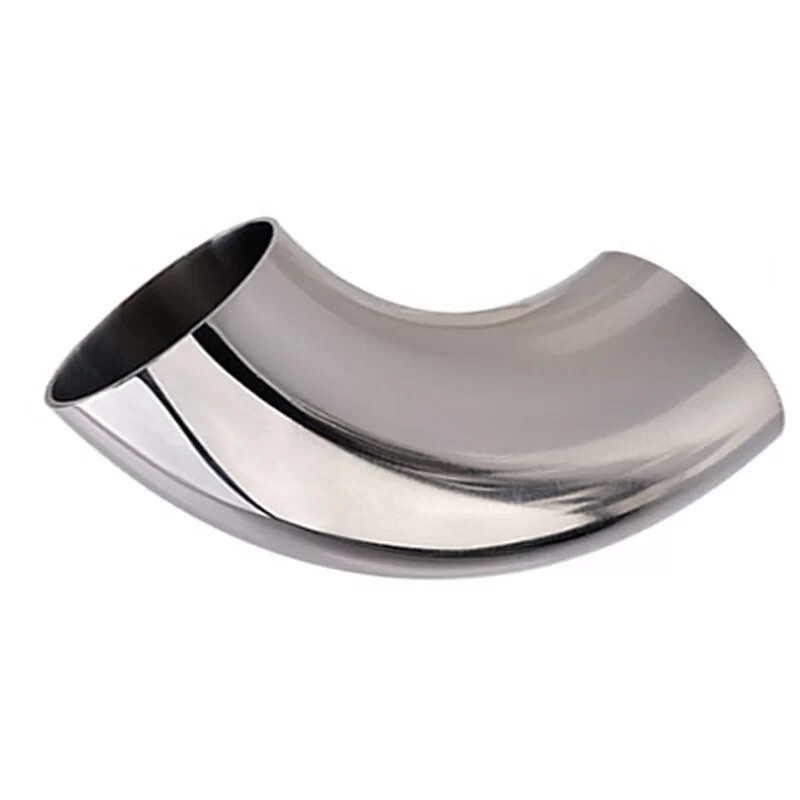

Application Scenarios


●Petrochemical Industry: Directional changes in crude oil, refined oil, and chemical feedstock pipelines;

●Power Energy Sector: Flow redirection in steam pipelines of thermal power plants and cooling systems of nuclear power plants;

●Municipal Engineering: Urban water supply/drainage and natural gas pipeline networks;

●Marine & Offshore Engineering: Ship piping systems and oil-gas transportation on offshore platforms;

●Food & Pharmaceutical Industry: Stainless steel elbows for clean fluid conveyance, complying with hygienic standards.

Stainless Steel 90° Elbow vs Carbon Steel 90° Elbow vs Alloy Steel Elbow: Which Is Better?


When engineering an industrial fluid network or a heavy-duty piping system, choosing the correct material grade for a right-angle trajectory shift is a critical decision that impacts system pressure ratings, thermal tolerances, and structural longevity. Comparing Stainless Steel 90° Elbows, Carbon Steel 90° Elbows, and Alloy Steel Elbows requires a deep evaluation of your pipeline’s environmental constraints and specific media characteristics.

Stainless Steel 90° Elbows: Best for Corrosion Resistance and Purity

Stainless steel fittings, predominantly specified in austenitic grades like 304 and 316, are the gold standard for corrosive, high-moisture, or sanitary environments. Thanks to a protective chromium oxide passive layer, these elbows resist oxidation from harsh chemicals, acids, and marine environments. They are widely deployed in chemical processing, food and beverage, pharmaceuticals, and offshore oil drilling where maintaining fluid purity and preventing systemic rust is mandatory.

Carbon Steel 90° Elbows: Best for Structural Integrity and Cost-Efficiency

For high-pressure, non-corrosive industrial applications, carbon steel (such as ASME A234 WPB) offers the highest yield strength and exceptional mechanical durability at a highly competitive price point. Capable of handling severe structural loads and massive volumetric internal pressures, carbon steel elbows are the standard choice for oil and gas transport, structural steam lines, and general utility water distribution. However, because they lack significant chromium content, they require external painting, galvanization, or internal lining to prevent chronic rust and uniform corrosion over time.

Alloy Steel Elbows: Best for Extreme Temperatures and High Tensile Stress

Alloy steel fittings (utilizing elements like molybdenum, chromium, and vanadium, such as ASTM A234 WP11 or WP22) are specifically engineered to bridge the gap between carbon and stainless steel in extreme environments. They are the premier choice for high-temperature, high-pressure steam boiler systems and power generation plants. The addition of alloying elements significantly improves creep strength, thermal conductivity, and resistance to hydrogen attack at elevated temperatures where standard carbon steel would undergo structural degradation or stress cracking.

Technical Decision Matrix for Procurement

Performance MetricStainless Steel 90° ElbowCarbon Steel 90° ElbowAlloy Steel Elbow
Corrosion DefenseExcellent (No coating needed)Poor (Requires surface treatment)Moderate (Resists high-temp scaling)
Temperature LimitsGood (Cryogenic to High Heat)Moderate (Sub-zero risk, max ~400°C)Excellent (Designed for 500°C+ stress)
Pressure HandlingHigh (Depends on Schedule)Very High (Excellent fatigue limits)Extreme (Highest tensile strength)
Relative CostHighLow / Most EconomicalModerate to High


Final Verdict: Which Is Better?

No single material is universally "better"; selection is dictated by your system's operational parameters. Choose Stainless Steel if your priority is chemical compatibility, zero rust, or sanitary compliance. Opt for Carbon Steel to maximize cost savings in standard high-pressure utility lines. Specify Alloy Steel when your infrastructure must withstand extreme thermal thresholds, high-velocity superheated steam, or chronic high-stress mechanics.


Technical Selection and Specification of 90-Degree Elbows across Industrial Applications 


In modern fluid dynamics, commercial piping, and ventilation design, the 90 degree pipe elbow serves as the fundamental component for altering fluid or gas trajectories by a right angle. Selecting the proper 90 degree street elbow or standard fitting requires balancing precise dimensional tolerances with strict metallurgical requirements to maintain systemic pressure integrity and minimize hydrodynamic turbulence.

Heavy-Duty Fluid Systems and Metallurgical Selection

For high-pressure, corrosive, or thermal-intensive industrial processing, steel 90 degree elbow components—specifically a stainless steel 90 degree elbow—are mandatory. Engineers routinely specify either a 304 stainless steel 90 degree elbow for general rust resistance or a 316 stainless steel 90 degree elbow for superior chloride-pitting defense. Component sizing ranges from small-bore instrumentation lines using a 1/2 stainless steel 90 degree elbow, 3/4 stainless steel 90 degree elbow, or 1 inch stainless steel 90 degree elbow, up to mid-sized processing manifolds requiring a 2 inch stainless steel 90 degree elbow, 3 stainless steel 90 degree elbow, or 4 stainless steel 90 degree elbow. For structural fluid networks, larger scale lines rely heavily on a 5 stainless steel 90 degree elbow or a 6 stainless steel 90 degree elbow. For non-corrosive, cost-sensitive water transport, a heavy-wall 4 galvanized 90 degree elbow offers durable structural scaling.

Threaded connections in these setups must match American National Standard Taper Pipe Threads (npt 90 degree elbows). Precision pneumatic or hydraulic instrumentation layouts frequently utilize a compact 1/8 npt 90 degree elbow or a 1/4 npt 90 degree elbow. In contrast, standard plant utility lines require rugged mid-range sizes, notably the 3/8 npt 90 degree elbow, 1/2 npt 90 degree elbow, and 3/4 npt 90 degree elbow to ensure leak-free sealing under vibration.

Lightweight Alloy Performance and High-Velocity Exhaust Engineering 

When weight reduction is paramount without compromising mechanical strength, an aluminum 90 degree elbow provides an excellent strength-to-weight ratio. Low-pressure material handling and pneumatic powder-transfer networks regularly implement a 2 inch aluminum 90 degree elbow, 3 inch 90 degree aluminum elbow, or a 4 inch aluminum 90 degree elbow to reduce total dead load on piping hangers. For high-temperature automotive, aerospace, or marine engine manifolds, specialized configurations like a 3 inch 90 degree exhaust elbow, a 3 inch stainless steel exhaust pipe 90 degree elbow, or a high-volume 4 inch 90 degree exhaust elbow are deployed to dramatically reduce exhaust backpressure and optimize thermal scavenging.

Commercial HVAC, Building Drainage, and Electrical Conduit Standards

In building services and HVAC engineering, right-angle routing focuses on minimizing flow resistance and optimizing tight spaces. High-velocity air distribution systems rely on a smooth radius 90 degree duct elbow or a 90 degree rectangular duct elbow to mitigate pressure drops and system noise. For compact residential configurations, a specialized 90 degree close elbow dryer vent or a rigid 4 inch dryer vent 90 degree elbow ensures smooth exhaust flow while preventing dangerous lint accumulation.

Architectural rainwater systems utilize a heavy-duty 90 degree gutter elbow alongside a structured 90 degree downspout elbow—such as the high-capacity 3×4 90 degree downspout elbow—to safely channel high-volume runoff. Finally, for electrical infrastructure, physical cable runs are routed through protective emt 90 degree elbow (Electrical Metallic Tubing) paths. Specifying an exact 1/2 emt 90 degree elbow or a 3/4 emt 90 degree elbow guarantees code-compliant bend radiuses that prevent internal wire chafing during cable pulling.


90° Elbow Applications


A 90° elbow plays an important role in many household and outdoor systems where space is limited and smooth directional change is required for water, air, or fluid flow. By allowing a clean 90-degree turn in piping or hose connections, it helps reduce strain on hoses, prevents kinking, and improves overall system efficiency in both residential and light industrial environments.


In home appliances, a 90 degree elbow for washing machine is commonly used to connect water inlet hoses to wall taps in tight laundry spaces. It helps prevent hose bending and leakage while ensuring a stable and secure water supply. Similarly, a 90 degree elbow for dishwasher is often installed behind kitchen cabinetry, where space constraints make straight connections difficult. It allows the water line to be neatly routed without putting stress on the connection points, which helps extend the appliance’s service life.


Outdoor cleaning systems also benefit from angled fittings. A 90 degree elbow for a pressure washer is useful when managing high-pressure water flow, especially when connecting spray guns, hoses, or pumps in compact setups. It improves maneuverability and reduces hose twisting during operation. In garden irrigation systems, a 90-degree elbow for garden hose is frequently used to connect hoses to outdoor faucets or irrigation timers. This prevents sharp bends near the connection point, reducing wear and improving water flow consistency.


Ventilation and laundry systems also rely heavily on directional fittings. A 90-degree elbow for dryer vent is essential when routing exhaust air from dryers in confined laundry rooms. It allows the vent duct to turn smoothly toward exterior walls without blocking airflow or causing lint buildup at sharp bends. This not only improves drying efficiency but also supports safer operation by reducing overheating risks.


Overall, 90° elbow fittings are simple yet essential components that improve flexibility, safety, and durability across a wide range of household systems. Their ability to optimize space while maintaining efficient flow makes them a standard solution in modern plumbing, appliance installation, and maintenance work.


Differences Between 45-Degree and 90-Degree Elbows


Both 45-degree and 90-degree elbows produced by Cangzhou Weihuan Pipeline Equipment Co., Ltd. are widely used pipeline fittings designed to control fluid direction while maintaining system stability, sealing performance, and pressure resistance. Although they serve the same fundamental purpose—redirecting flow—their structural angles and hydraulic behavior make them suitable for different engineering conditions.


A 90° elbow is designed for sharp directional changes, allowing pipelines to turn completely at a right angle. Manufactured in compliance with standards such as ASME B16.9 and ASME B16.28, it is commonly used in compact installations where space is limited or a direct change in direction is required. This type of elbow is widely applied in petrochemical systems, water treatment networks, power plants, and shipbuilding pipelines. Its main advantage is layout flexibility, especially in complex piping systems where space optimization is critical.


In contrast, a 45° elbow provides a smoother directional transition, reducing flow turbulence and pressure loss. Compared with a 90-degree change, the gentler angle helps maintain better flow efficiency, making it more suitable for systems that prioritize energy saving and stable medium transportation. In long-distance pipelines or high-flow applications, using 45-degree fittings in combination can effectively reduce system stress and minimize erosion inside the pipe.


From a structural perspective, both products from Cangzhou Weihuan Pipeline Equipment Co., Ltd. are available in multiple materials such as carbon steel, stainless steel, and alloy steel, ensuring compatibility with different working conditions including high temperature, high pressure, and corrosive media. They also follow strict dimensional control under ASME standards, ensuring precise installation and reliable sealing performance.


In terms of application strategy, engineers often use 90-degree elbows in tight layouts, equipment connections, or directional turns within machinery systems, while 45-degree elbows are preferred in pipeline optimization designs where smooth flow transition is required. In many industrial projects, both types are used together to balance space utilization and hydraulic efficiency.


Overall, whether selecting a 45-degree or 90-degree elbow, Cangzhou Weihuan Pipeline Equipment Co., Ltd. ensures high manufacturing precision, stable performance, and compliance with international standards, providing reliable solutions for modern industrial pipeline systems.


90 Elbow Dimensions

upload/attachment/image/202605/25/1779693378cd26c9fbc02ff7dd100335580a5dd566_local.png

Long Radius 90° Elbow (LR 90° Elbow, Most Common)


NPSDNPipe ODA (Center‑to‑End, LR)
1/21521.329
3/42026.938
12533.748
1‑1/43242.460
1‑1/24048.364
25060.376
2‑1/26573.095
38088.9114
4100114.3152
6150168.3229
8200219.1305
10250273.0381
12300323.8457


Short Radius 90° Elbow (SR 90° Elbow, Compact Space)


NPSDNPipe ODA (Center‑to‑End, SR)
1/21521.319
3/42026.925
12533.732
1‑1/43242.440
1‑1/24048.344
25060.351
2‑1/26573.064
38088.976
4100114.3102
6150168.3152
8200219.1203


Get in Touch
If you are interested in our products, you can choose to leave your information here, and we will be in touch with you shortly.

*Name

*Phone

*Email

*Message

  • What is a 90° elbow used for in piping systems?

    A 90° elbow is a pipe fitting designed to change the direction of flow by 90 degrees. It is widely used in plumbing, HVAC, oil and gas, and industrial pipeline systems where space-saving turns or sharp directional changes are required.

  • What materials are commonly used for 90° elbows?

    Common materials include carbon steel, stainless steel, and alloy steel for industrial applications, as well as aluminum, PVC, and galvanized steel for lighter-duty systems. Stainless steel is preferred for corrosion resistance, while carbon steel is often chosen for strength and cost efficiency.

  • What is the difference between long radius and short radius 90° elbow?

    A long radius elbow has a larger bending radius, which reduces pressure drop and improves flow efficiency. A short radius elbow is more compact and used where space is limited, but it may create slightly higher flow resistance.

  • How do I choose the right size of 90° elbow?

    The size should match the pipe diameter, such as 1/2 inch, 1 inch, 2 inch, 4 inch, or larger industrial sizes. Proper sizing ensures smooth flow, tight sealing, and system safety.

  • What connection types are available for 90° elbows?

    Common connection types include butt weld, socket weld, threaded (NPT/BSP), and flanged connections. Threaded types are often used for small-diameter systems, while welded types are preferred for high-pressure applications.

  • Where are 90° elbows commonly applied?

    They are used in water supply systems, HVAC ducting, chemical pipelines, exhaust systems, and industrial processing plants. Specialized versions are also used in appliances such as dryers, dishwashers, and pressure washers.

  • What standards are 90° elbows manufactured under?

    Industrial-grade elbows are typically manufactured according to ASME B16.9, ASME B16.28, and ASTM material standards to ensure dimensional accuracy, pressure rating compliance, and safety performance.

  • How can I reduce pressure loss when using 90° elbows?

    Using long radius elbows, reducing unnecessary bends, and ensuring proper pipe diameter selection can help minimize turbulence and pressure drop in the system.

  • 90° Elbow FAQs

    SUBSCRIBE NEWSLETTER

    Efficient Pipe Fittings, Get Customized Solutions Immediately!

    If you are interested in our products, you can choose to leave your information here, and we will be in touch with you shortly.