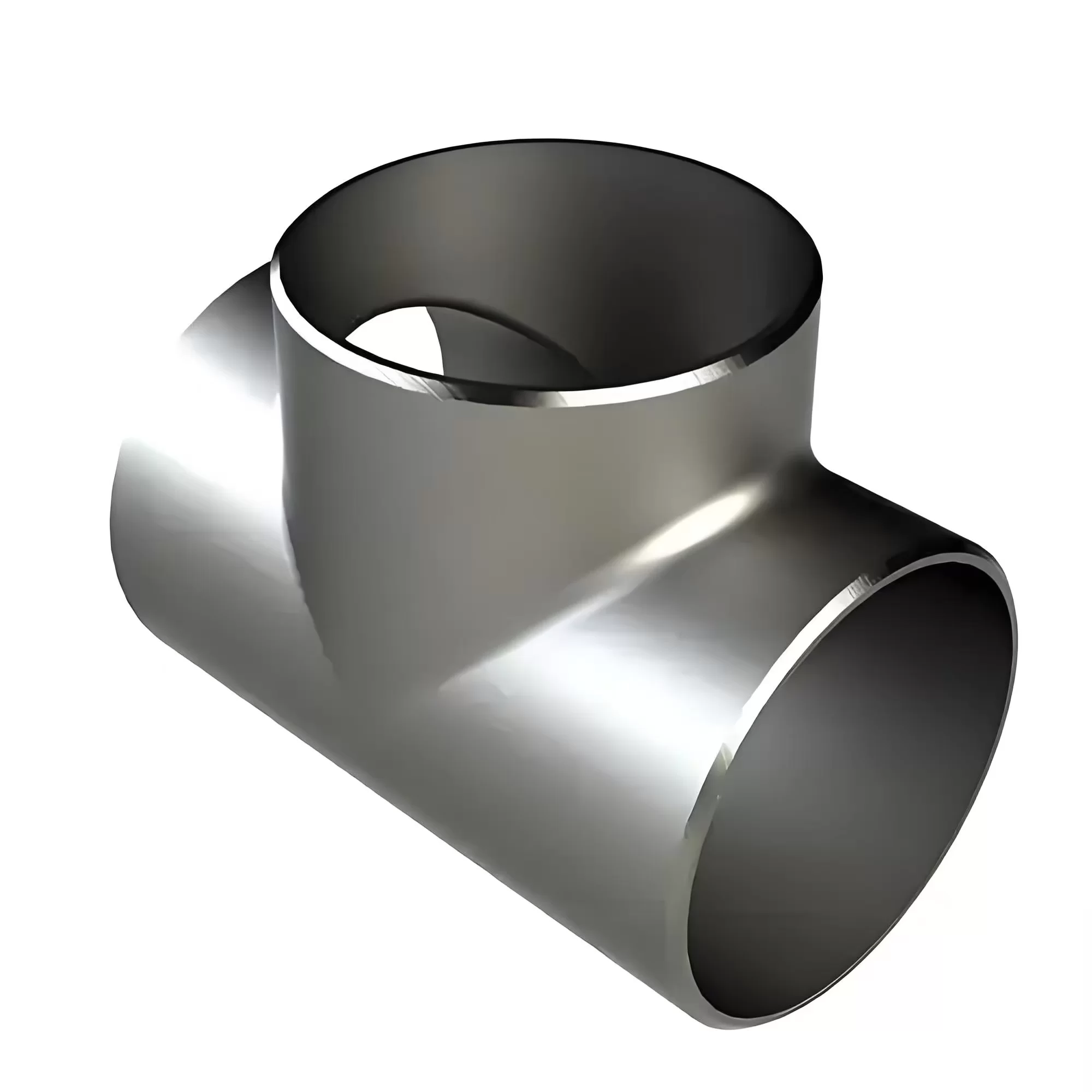
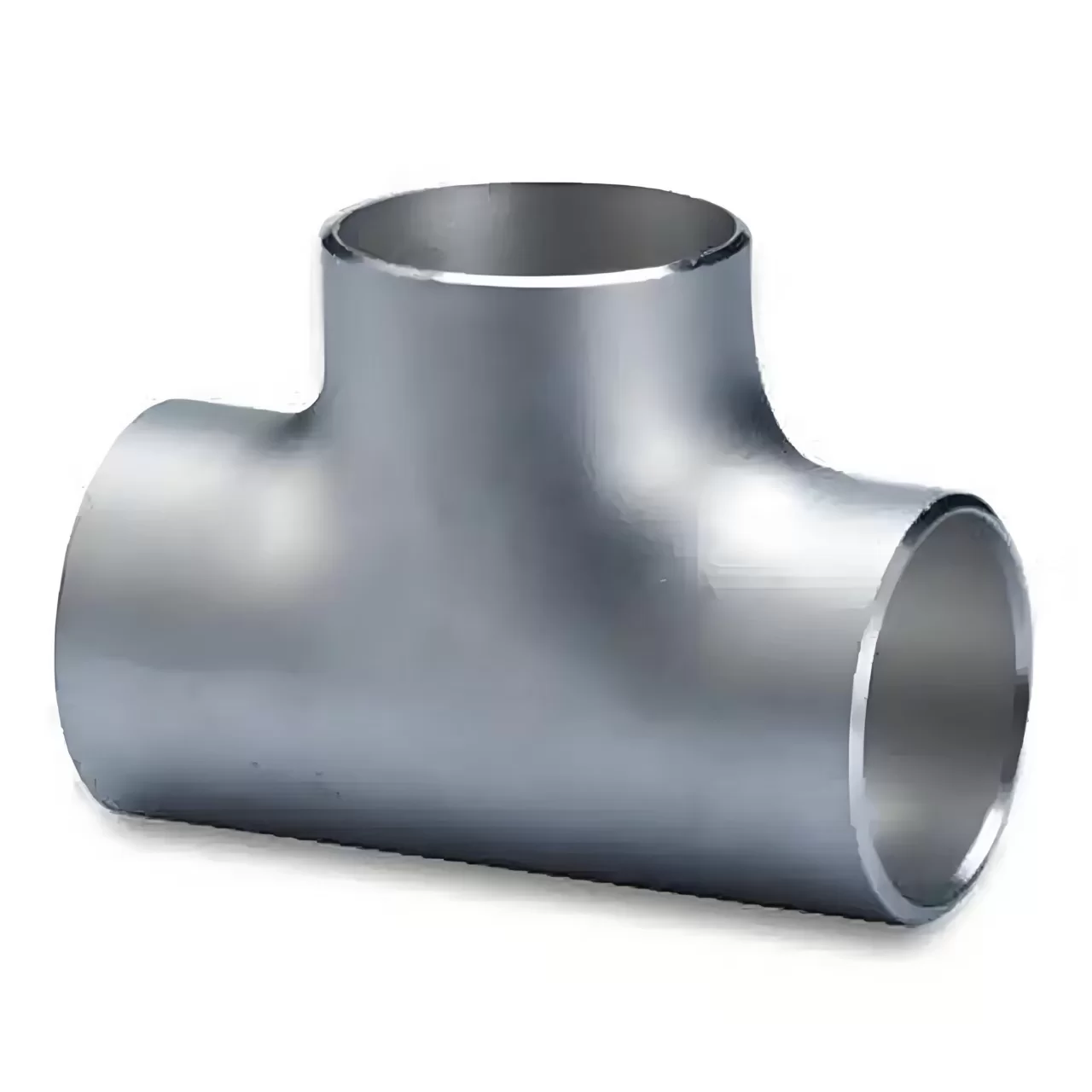
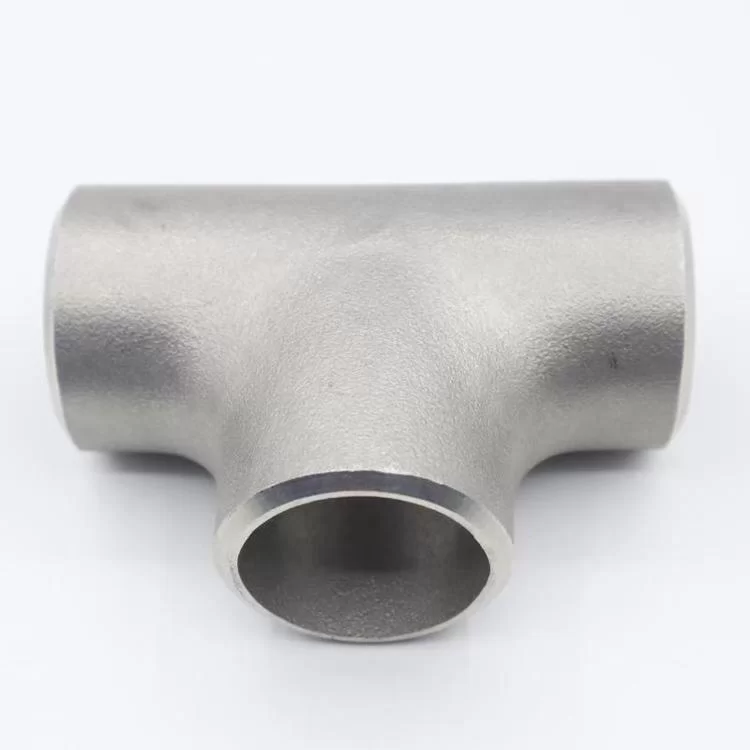
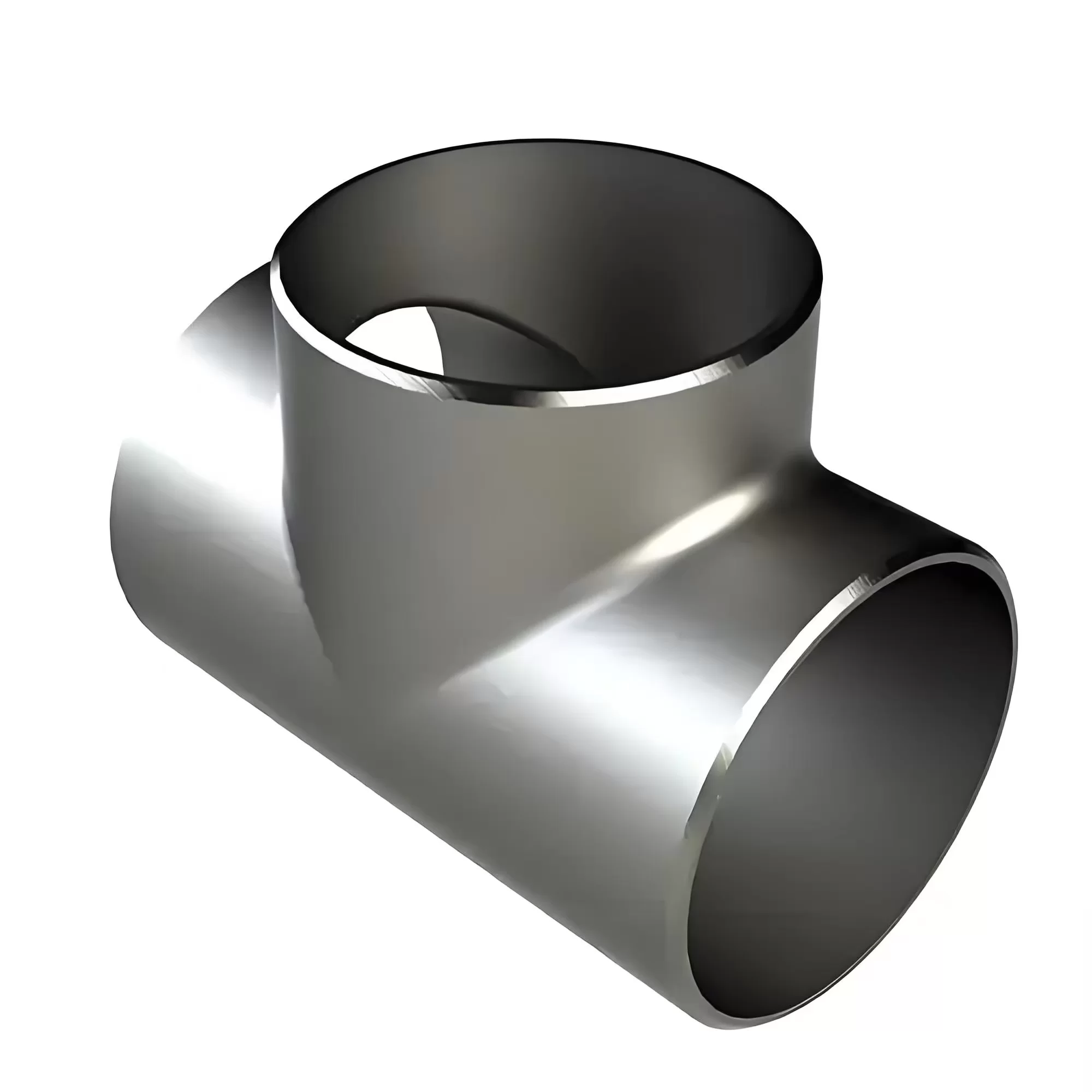
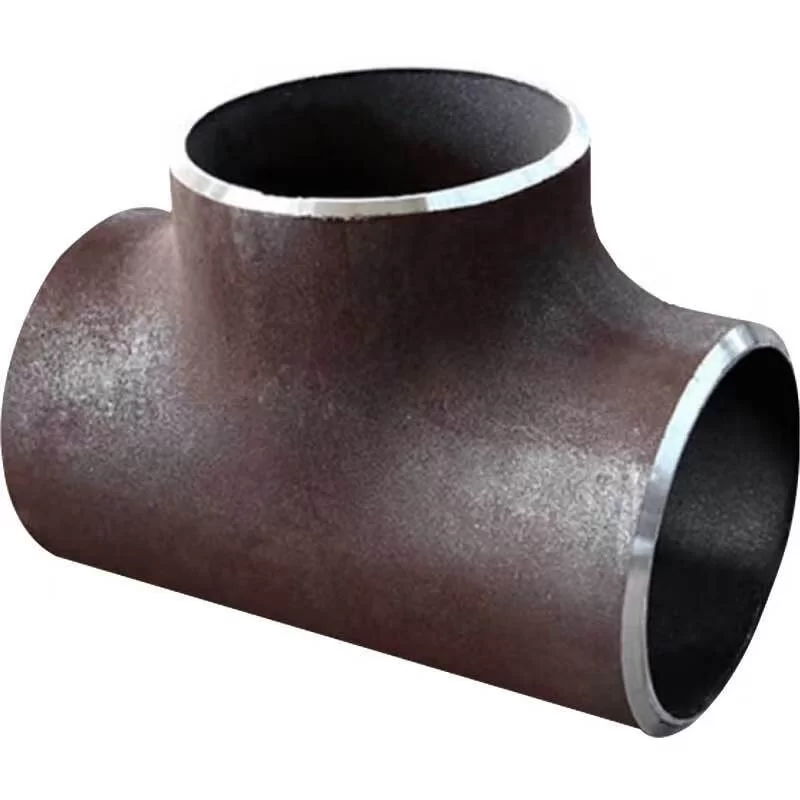
Welded tees are manufactured via integral forging or casting processes, featuring high structural strength, low flow resistance, and excellent sealing performance. Available materials include carbon steel (e.g., A234 WPB, A420 WPL6), stainless steel (e.g., A403 WP304/304L, WP316/316L), and alloy steel (e.g., A234 WP11, WP22, WP91), meeting the service requirements of different media (water, steam, oil, corrosive fluids, etc.) and operating conditions (high temperature, high pressure, low temperature). The connection method is butt welding: both ends are welded to the main pipe, and the branch pipe is welded to the branch line, ensuring the overall sealing and stability of the pipeline system.
I. Product Overview
Welded tees are manufactured via integral forging or casting processes, featuring high structural strength, low flow resistance, and excellent sealing performance. Available materials include carbon steel (e.g., A234 WPB, A420 WPL6), stainless steel (e.g., A403 WP304/304L, WP316/316L), and alloy steel (e.g., A234 WP11, WP22, WP91), meeting the service requirements of different media (water, steam, oil, corrosive fluids, etc.) and operating conditions (high temperature, high pressure, low temperature). The connection method is butt welding: both ends are welded to the main pipe, and the branch pipe is welded to the branch line, ensuring the overall sealing and stability of the pipeline system.
II. Main Technical Parameters
1. Executive Standard: Complies with ASME B16.9 Factory-Made Wrought Steel Butt-Welding Fittings. Size range typically covers 1/2 inch to 48 inches, with pressure ratings corresponding to wall thickness schedules such as Sch5s, Sch10s, Sch20, Sch30, Sch40s, STD, Sch60, Sch80s, XS, Sch100, Sch120, Sch140, Sch160, XXS. Specific wall thickness is determined by pipe diameter and pressure rating.
2. Nominal Diameter (DN/NPS): The nominal diameters of the main pipe and branch pipe can be the same (equal tee) or different (reducing tee). For reducing tees, the branch pipe diameter is usually smaller than the main pipe diameter, e.g., DN100×DN80 (NPS 4×NPS 3), DN150×DN100 (NPS 6×NPS 4), etc.
3. Applicable Temperature: Wide temperature range based on material:
●Carbon steel: Typically -29℃ to 425℃;
●Stainless steel: Up to -196℃ to over 600℃;
●Alloy steel: Suitable for higher temperature applications.
4. Pressure Rating: Compatible with pressure ratings such as Class 150, 300, 600, 900, 1500, 2500 in accordance with ASME B16.5 or B16.47 standards, ensuring safe operation under corresponding pressures.
III. Structural Features
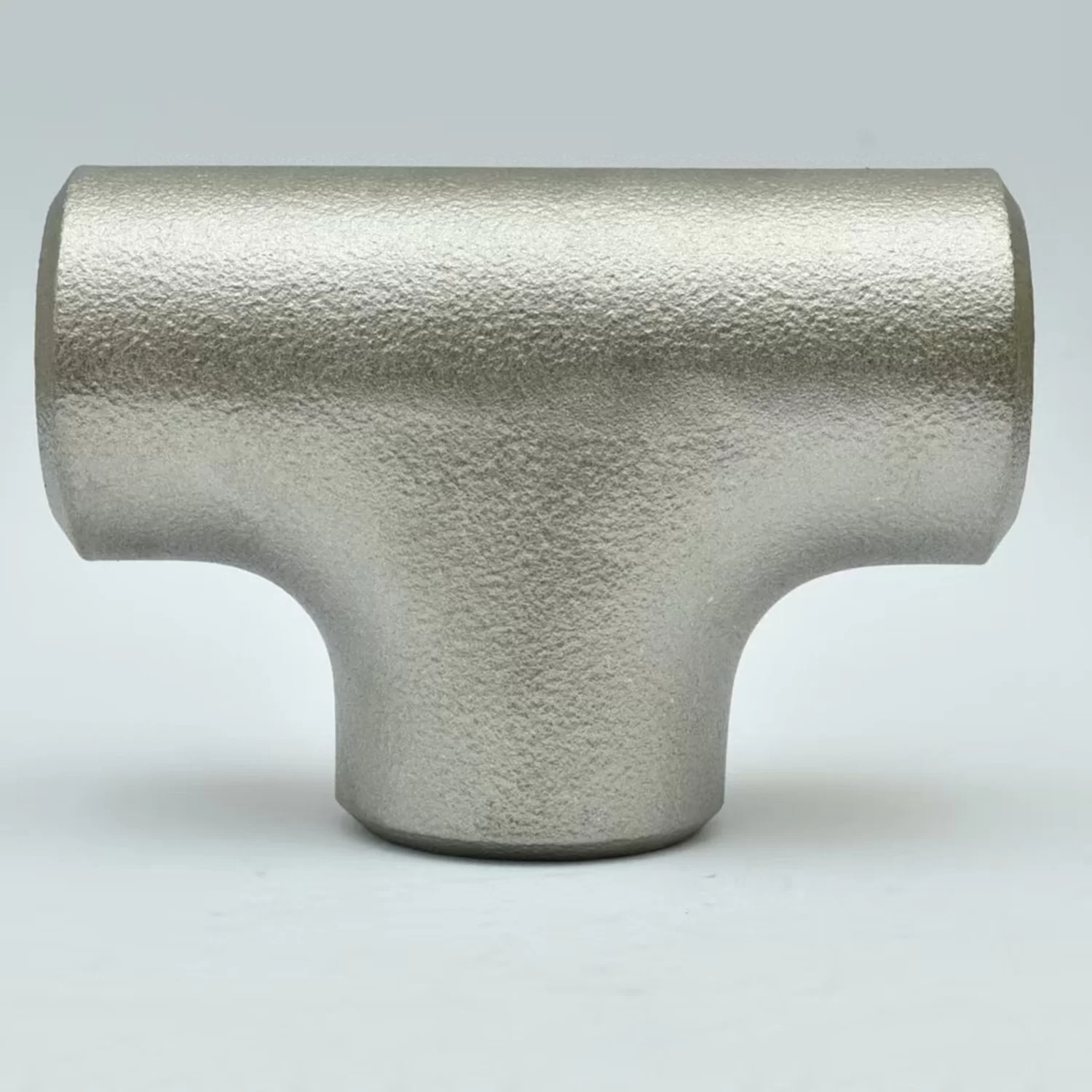
1. Streamlined Design: The internal structure of the tee adopts a smooth transitional streamline, reducing flow resistance and vortex during medium transportation, lowering pressure loss, and improving the transmission efficiency of the pipeline system.
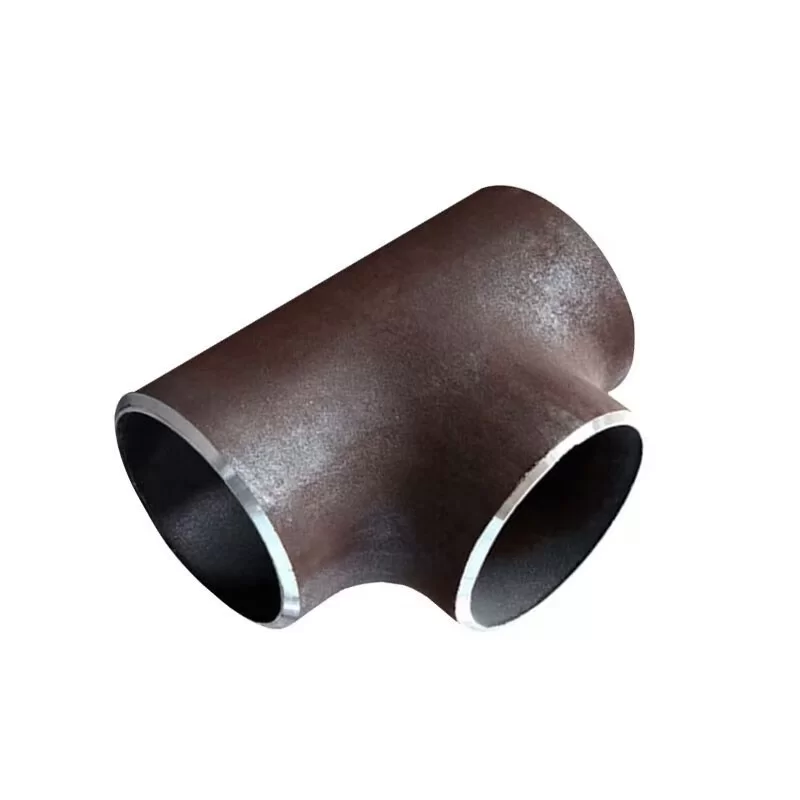
2. Weld End Treatment: Bevels (e.g., V-bevel) are machined at both ends and the branch pipe weld end. The bevel angle and root face dimension comply with welding standards, facilitating precise butt joint with pipes, ensuring welding quality, and avoiding welding defects.
3. High Overall Strength: Adopts integral forming process without spliced welds, eliminating stress concentration caused by weld splicing. It has superior compressive and impact resistance, suitable for harsh working conditions such as high pressure and high flow rate.
4. High Dimensional Accuracy: Strictly controls key dimensions such as outer diameter, wall thickness, and length, ensuring interchangeability with pipes and installation precision, and reducing on-site installation errors.
IV. Application Scope
Welded tees are widely used in pipeline systems across industrial fields including petroleum, chemical, natural gas, power, marine, metallurgy, and water treatment. They are particularly suitable for scenarios requiring high product quality and performance, such as high-pressure pipelines, high-temperature steam pipelines, and corrosive medium transmission pipelines. In large-scale petrochemical plants, thermal power plants, long-distance pipeline projects, and other projects, welded tees are key components for realizing pipeline branch connections.
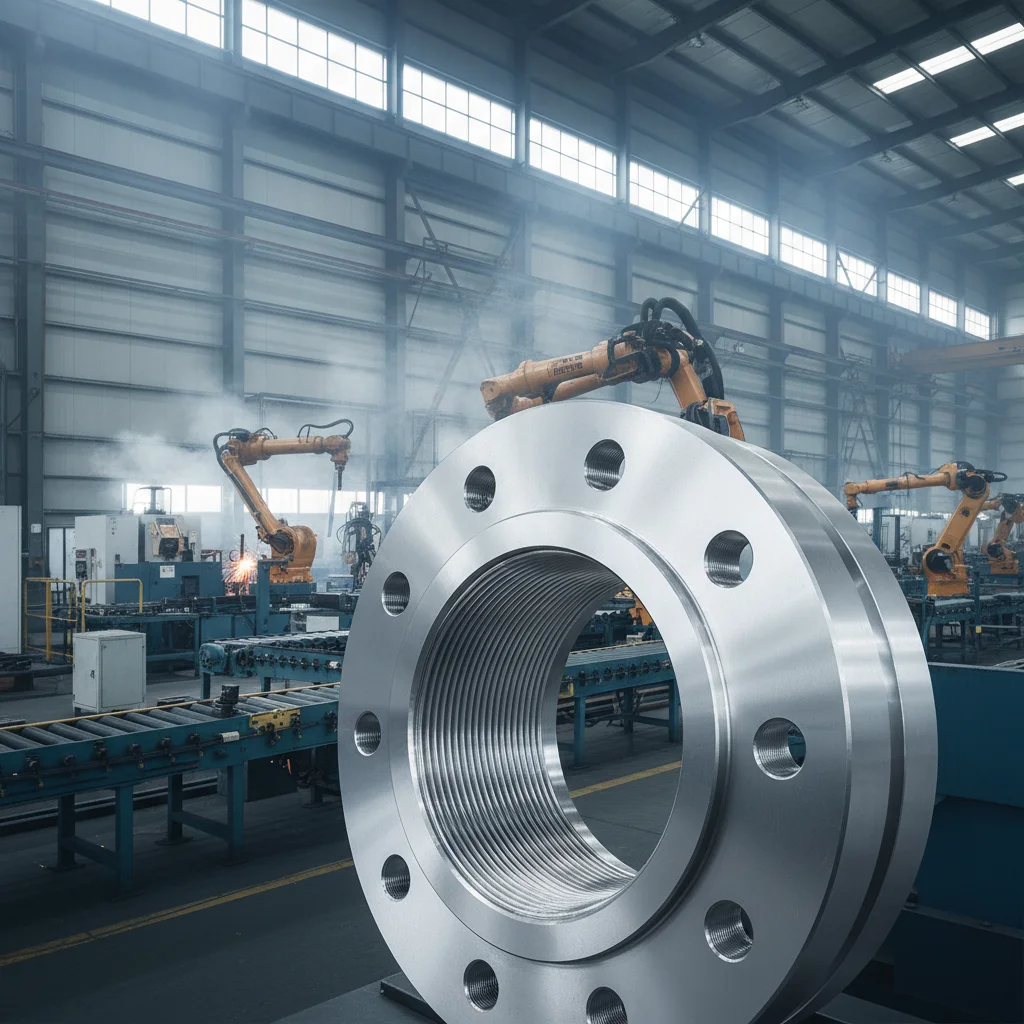
The welded tee manufacturing process plays a critical role in determining the strength, pressure resistance, and long-term reliability of industrial piping systems. As an essential pipe fitting used to divide, combine, or redirect fluid flow at a 90-degree angle, a welded tee must maintain excellent dimensional accuracy and structural integrity under demanding operating conditions. In industries such as oil & gas, petrochemical processing, power generation, and water treatment, high-quality welded tees are expected to withstand continuous pressure fluctuations, thermal expansion, and corrosive environments.
The production process typically begins with the selection of premium raw materials, including carbon steel, stainless steel, alloy steel, or other specialized grades that comply with ASTM and ASME standards. For standard-size fittings, manufacturers often use the hydraulic bulging method. During this process, a seamless or welded pipe blank is inserted into a precision forming die. High-pressure hydraulic fluid is injected into the pipe while side cylinders apply compressive force from both ends. The internal pressure causes the metal to plastically deform and expand outward through a branch opening, gradually forming the tee outlet. This method ensures consistent wall thickness distribution and smooth branch geometry while minimizing material waste.
For large-diameter or heavy-wall fittings, the hot extrusion forging process is commonly used. The pipe blank is heated to a high forging temperature to improve ductility before being shaped through specialized dies and mandrel systems. This hot-forming technology refines the grain structure of the steel, enhances mechanical strength, and improves fatigue resistance in critical stress areas where the branch intersects the main pipeline.
After the primary forming stage, welded tees undergo bevel machining to prepare the ends for butt welding installation. Surface finishing, heat treatment, and stress-relief procedures are then carried out to improve corrosion resistance and reduce residual forming stress. To guarantee product quality, manufacturers perform strict non-destructive testing (NDT), including ultrasonic testing (UT), radiographic testing (RT), hydrostatic testing, and dimensional inspection according to ASME B16.9 or EN 10253 standards.
As a professional pipe fittings manufacturer, Cangzhou Weihuan Pipeline Equipment Co., Ltd. utilizes advanced forming equipment, precision machining technology, and comprehensive quality control systems to supply durable welded tees for global industrial pipeline projects.
In high-pressure fluid mechanics and industrial pipe routing, welded tees are not universal solutions. They are highly specialized structural nodes engineered to withstand localized hydrodynamic stress, turbulent flow forces, and thermal expansion cycles. When integrating a tee into an ASME B16.9 butt-welded piping blueprint, procurement teams and structural engineers must accurately classify these fittings based on two primary design vectors: geometric volumetric proportion and structural reinforcement layout.
1. Classification by Geometric Volumetric Proportion
An equal welded tee features a branch connection with a nominal diameter identical to the main header run line. It is deployed in fluid transport loops where the branch line must maintain the same flow rate, volumetric pressure, and velocity as the primary distribution grid. This uniform dimension ensures unhindered product transit and is highly utilized in long-distance petroleum pipelines, cross-country water distribution networks, and industrial heating loops.
Conversely, a reducing welded tee is manufactured with a branch port that possesses a smaller nominal pipe size (NPS) than the main run headers. This configuration is structurally essential when tapping into a high-volume process line to feed auxiliary equipment, instrument manifolds, or localized utility loops. By naturally constricting the fluid passage vector at the 90-degree takeoff point, the reducing design manipulates system pressure differentials and controls flow distribution velocity without necessitating downstream reducing fittings.
2. Classification by Structural Reinforcement Framework
For typical engineering pressures and standard thermal cycles, a standard forged butt-weld tee provides optimal structural longevity. The wall thickness at the crotch radius—the tight curvature zone where the branch interfaces with the main body—is naturally thickened during the hydraulic bulging or hot extrusion forging process to compensate for localized pressure drops.
In subsea production manifolds and mainstream gas pipelines that require routine maintenance, standard configurations are upgraded to a barred welded tee. This type features internal steel guide bars welded securely inside the branch neck cavity. These bars prevent mechanical pipeline inspection gauges (PIGs) or scrapers from inadvertently traveling down the branch line and becoming lodged, ensuring smooth internal clearing operations while maintaining fluid flow.
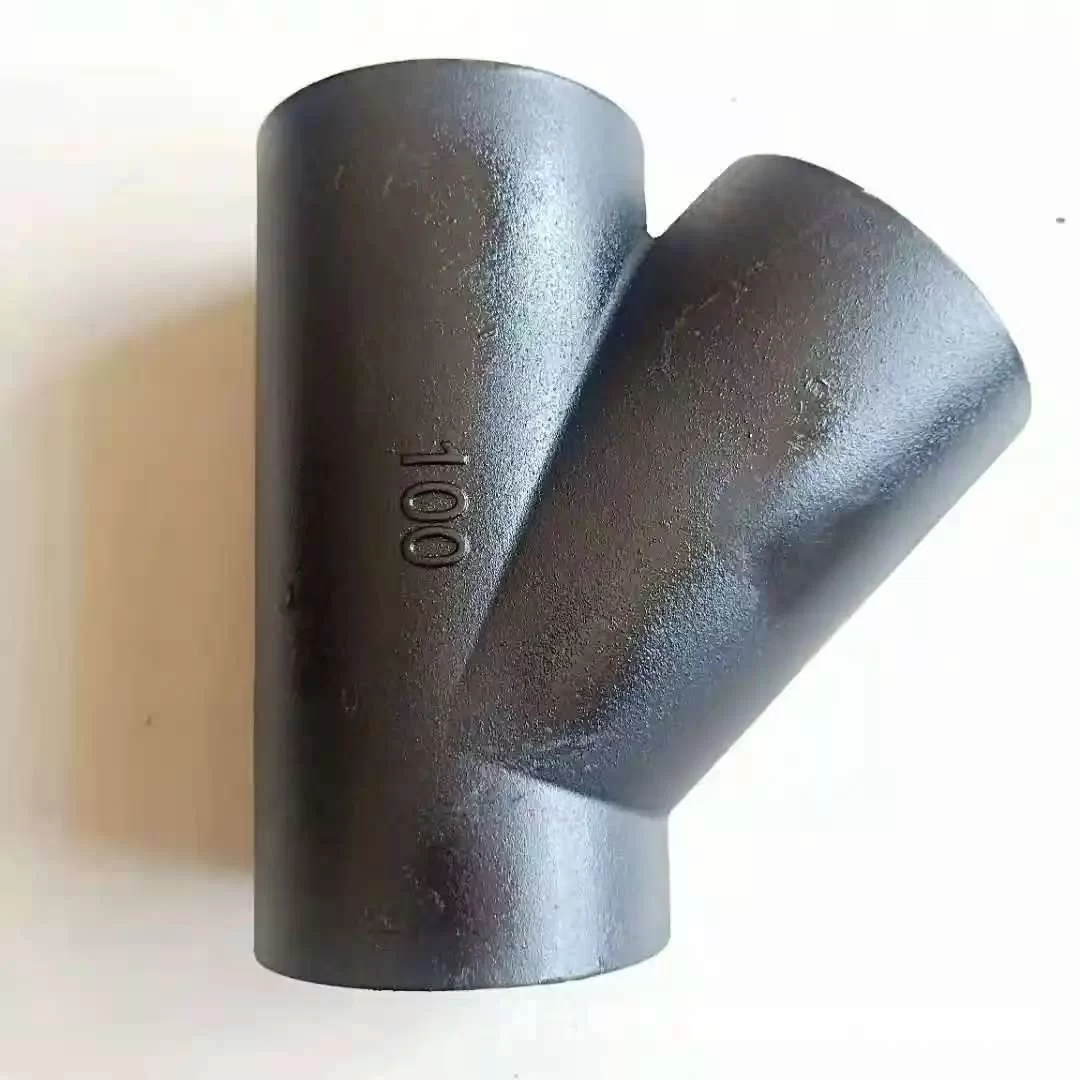
While standard tees split streams at a strict 90-degree vector, a lateral welded tee branches off at a 45-degree angle. This profile reduces internal turbulent friction and fluid impact wear, making it the preferred choice for low-pressure gravity drainage systems, highly viscous slurry lines, and high-velocity steam exhausts.
Before choosing a component, procurement teams must cross-reference fluid velocity parameters against the structural integrity metrics outlined in standard specification charts. Matching the precise type of welded tee to your piping network's specific volumetric and environmental demands ensures reliable, leak-free performance over long-term operation.
Engineering Classification Matrix
| Tee Configuration Type | Dimensional Ratio (Run vs. Branch) | Primary Structural Function | Common Target Use Case |
|---|---|---|---|
| Equal Welded Tee | 1:1 Uniform Ratio | Maintains constant flow volume and line pressure | Mainline fluid distribution grids |
| Reducing Welded Tee | Varied (Branch < Run) | Manages localized takeoff lines and changes velocity | Instrument lines and auxiliary loops |
| Barred Welded Tee | 1:1 or Reducing (with internal bars) | Prevents PIG/Scraper tool bypass into branch line | Cross-country oil & gas pipeline systems |
| Lateral Y-Tee | 45-Degree Angular Takeoff | Minimizes internal turbulence and erosion stress | Slurry transport and gravity drainage grids |
| NPS (Inch) | DN | Pipe OD | C (Run) | M (Branch) |
|---|---|---|---|---|
| 1/2 | 15 | 21.3 | 25 | 25 |
| 3/4 | 20 | 26.9 | 29 | 29 |
| 1 | 25 | 33.7 | 33 | 33 |
| 1‑1/4 | 32 | 42.4 | 38 | 38 |
| 1‑1/2 | 40 | 48.3 | 42 | 42 |
| 2 | 50 | 60.3 | 48 | 48 |
| 2‑1/2 | 65 | 73.0 | 57 | 57 |
| 3 | 80 | 88.9 | 64 | 64 |
| 4 | 100 | 114.3 | 76 | 76 |
| 6 | 150 | 168.3 | 95 | 95 |
| 8 | 200 | 219.1 | 114 | 114 |
| 10 | 250 | 273.0 | 133 | 133 |
| 12 | 300 | 323.8 | 152 | 152 |
| 14 | 350 | 355.6 | 171 | 171 |
| 16 | 400 | 406.4 | 190 | 190 |
| NPS (Inch) | DN | Pipe OD | C (Main Run) | M (Branch) |
|---|---|---|---|---|
| 1/2 | 15 | 21.3 | 25 | 25 |
| 3/4 | 20 | 26.9 | 29 | 29 |
| 1 | 25 | 33.7 | 33 | 33 |
| 1‑1/4 | 32 | 42.4 | 38 | 38 |
| 1‑1/2 | 40 | 48.3 | 42 | 42 |
| 2 | 50 | 60.3 | 48 | 48 |
| 2‑1/2 | 65 | 73.0 | 57 | 57 |
| 3 | 80 | 88.9 | 64 | 64 |
| 4 | 100 | 114.3 | 76 | 76 |
| 6 | 150 | 168.3 | 95 | 95 |
| 8 | 200 | 219.1 | 114 | 114 |
| 10 | 250 | 273.0 | 133 | 133 |
| 12 | 300 | 323.8 | 152 | 152 |
| 14 | 350 | 355.6 | 171 | 171 |
| 16 | 400 | 406.4 | 190 | 190 |
| NPS Main × Branch | Main OD | Branch OD | C (Main) | M (Branch) |
|---|---|---|---|---|
| 2×1 | 60.3 | 33.7 | 48 | 38 |
| 3×2 | 88.9 | 60.3 | 64 | 48 |
| 4×2 | 114.3 | 60.3 | 76 | 48 |
| 4×3 | 114.3 | 88.9 | 76 | 64 |
| 6×4 | 168.3 | 114.3 | 95 | 76 |
A welded tee is a pipe fitting used to connect three sections of pipe in a T-shaped configuration. It allows fluid flow to branch or combine within a piping system and is typically installed using butt welding for strong and leak-resistant connections.
Welded tees are widely used in oil & gas, petrochemical, power generation, shipbuilding, water treatment, and chemical processing industries. They are suitable for high-pressure and high-temperature pipeline systems that require durable welded connections.
An equal tee has the same diameter for the main run and branch outlet, while a reducing tee has a smaller branch size than the main pipe. Reducing tees are used when the branch pipeline requires lower flow capacity or different pressure conditions.
Butt weld tees provide superior mechanical strength, better sealing performance, and higher resistance to vibration, pressure fluctuation, and thermal expansion. Their welded structure also reduces the risk of leakage compared with threaded connections.
Welded tees are commonly manufactured from carbon steel, stainless steel, alloy steel, duplex stainless steel, and other corrosion-resistant materials. Material selection depends on the operating temperature, pressure, and fluid medium.
Most industrial welded tees are produced according to international standards such as ASME B16.9, ASTM, MSS SP-75, and EN 10253. These standards define dimensions, tolerances, wall thickness, and material requirements.
Welded tees are typically produced using hydraulic bulging or hot extrusion forming processes. After forming, the fittings undergo bevel machining, heat treatment, dimensional inspection, and non-destructive testing such as UT or RT to ensure product quality.
Yes. Butt welded tees are specifically designed for high-pressure and high-temperature industrial environments. Proper material selection and wall thickness allow them to withstand demanding operating conditions safely.
Cangzhou Weihuan Pipeline Equipment Co., Ltd. manufactures high-quality welded tees with advanced forming technology, precise dimensional control, and strict quality inspection procedures. The company supplies customized carbon steel, stainless steel, and alloy steel tees for global industrial pipeline projects while complying with international standards such as ASME B16.9 and ASTM specifications.
May 22,26
What Is a Threaded Tee and Where Is It Used?
This article explains what a threaded tee is, how it works, its main types, materials, advantages, and the industries where it is most commonly applied.
May 13,26
Industrial Guide to Flat Face Threaded Flange Applications
Jun 08,26
High Performance Slip Blinds Flanges for Industrial Piping Safety
Dec 02,25
The Core Role Of The Tee In Pipeline Systems
In the complex architecture of modern pipeline systems—spanning petrochemical plants, municipal waterworks, HVAC networks, and power generation facilities—the tee fitting is arguably one of the most critical and universally employed components.
May 25,26
What Is a Butt Weld Reducing Elbow and Where Is It Used?
This article explains what a butt weld reducing elbow is, how it works, its common types, materials, manufacturing process, and the industries where it is most widely used.
May 22,26
How to Choose the Right Threaded Tee for Industrial Pipe Systems
This guide explains how to choose the right threaded tee for industrial pipe systems, including material selection, thread standards, pressure ratings, application requirements, and installation considerations.
SUBSCRIBE NEWSLETTER
If you are interested in our products, you can choose to leave your information here, and we will be in touch with you shortly.