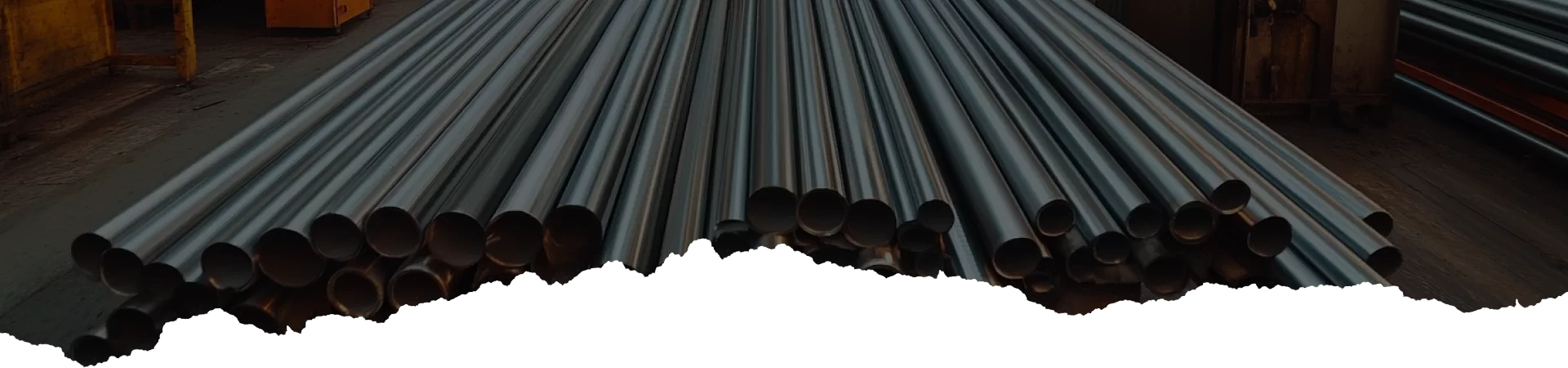
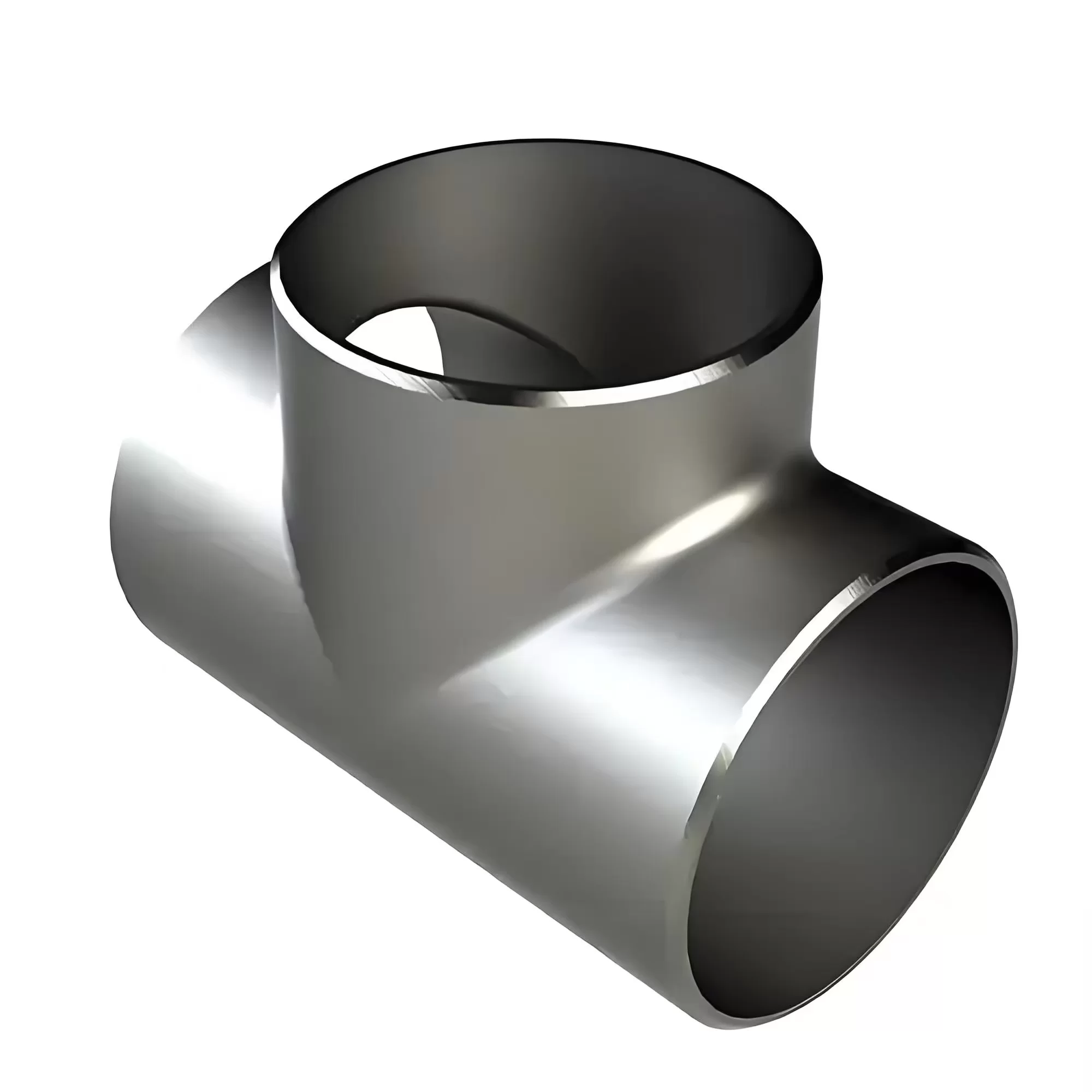
The Greek industrial market is characterized by a strong reliance on maritime infrastructure, energy transition projects, and petrochemical refining. Located at a strategic crossroads of three continents, Greece requires piping materials that can withstand extreme humidity and salt-spray environments. The demand for high-grade welded steel pipe is particularly high in the construction of new gas terminals and refinery upgrades, where structural integrity is non-negotiable due to seismic activity risks in the region.
Current market trends show a significant shift toward digitized supply chains. Greek firms are increasingly moving away from localized, low-capacity distributors toward global platform-based managers who can guarantee technical specifications and logistics transparency. There is a growing emphasis on "green steel" and energy-efficient fabrication processes, driving the adoption of more precise fittings and seamless components that reduce waste and lower the total cost of ownership over the lifecycle of a plant.
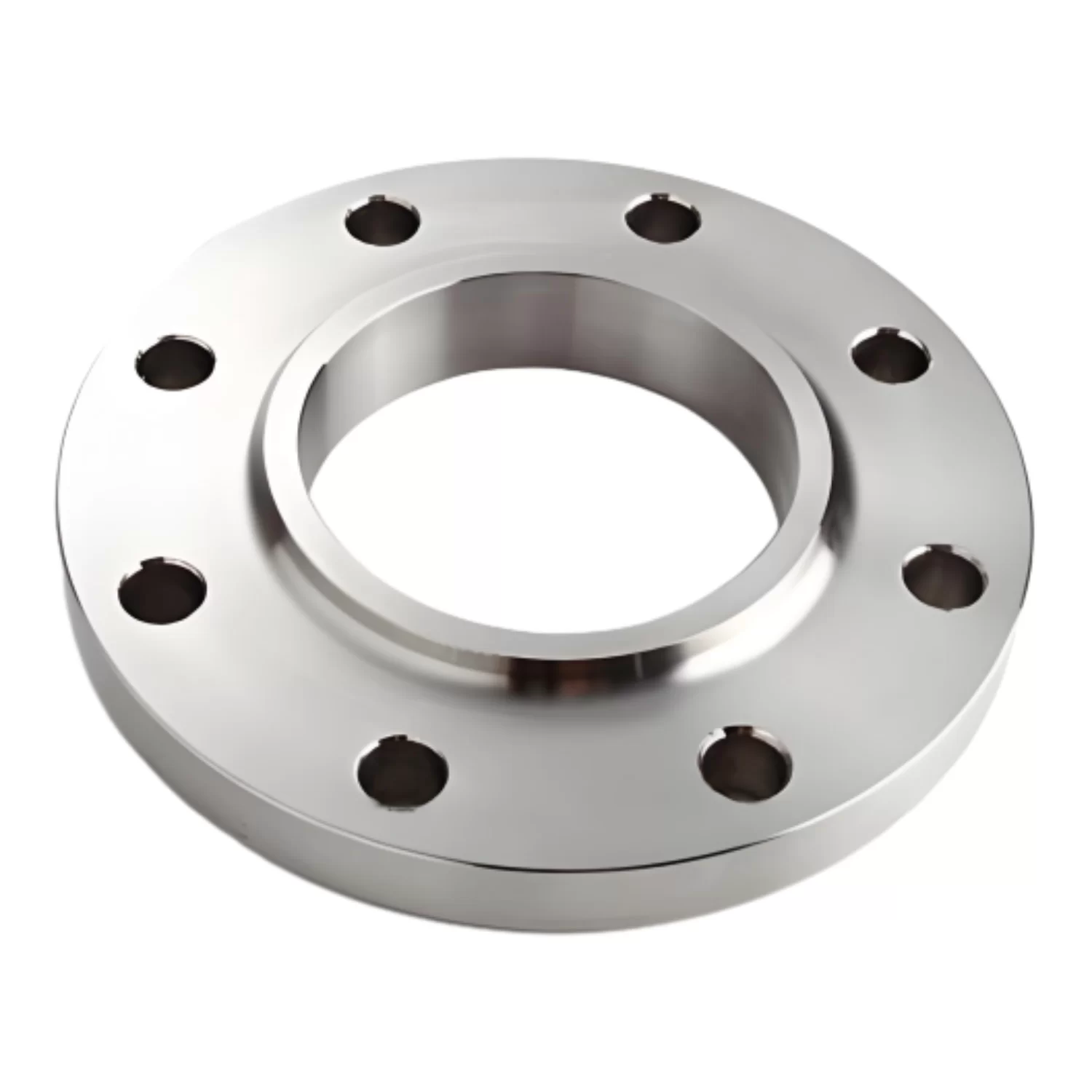
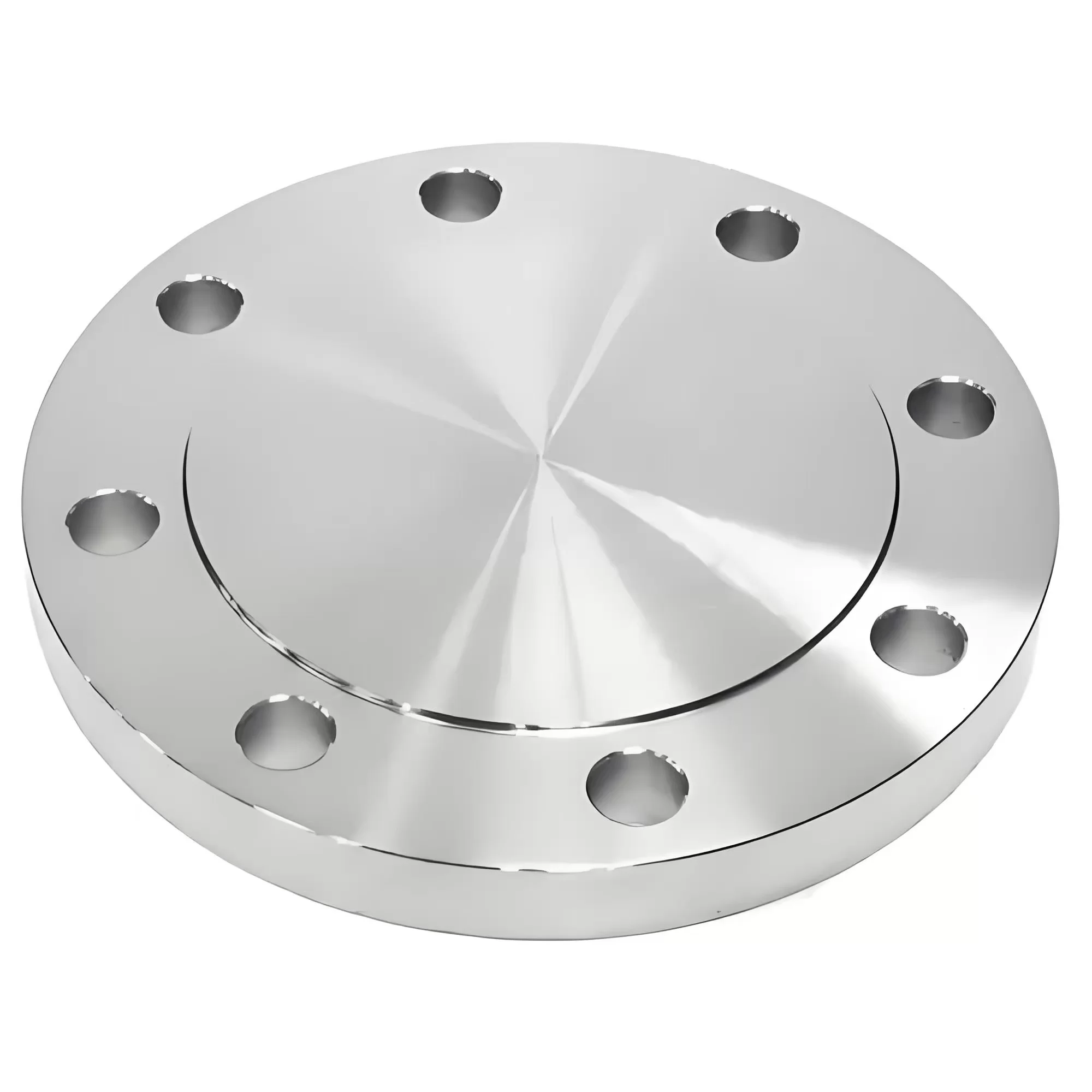
Despite the opportunities, the market faces constraints such as stringent EU environmental directives and the high cost of specialized technical labor. The outlook remains positive, however, as Greece positions itself as a regional energy hub. This evolution creates a sustained need for high-specification pipeline accessories that combine cost-efficiency with rigorous quality assurance, making integrated supply chain partnerships essential for the stability of national key energy projects.