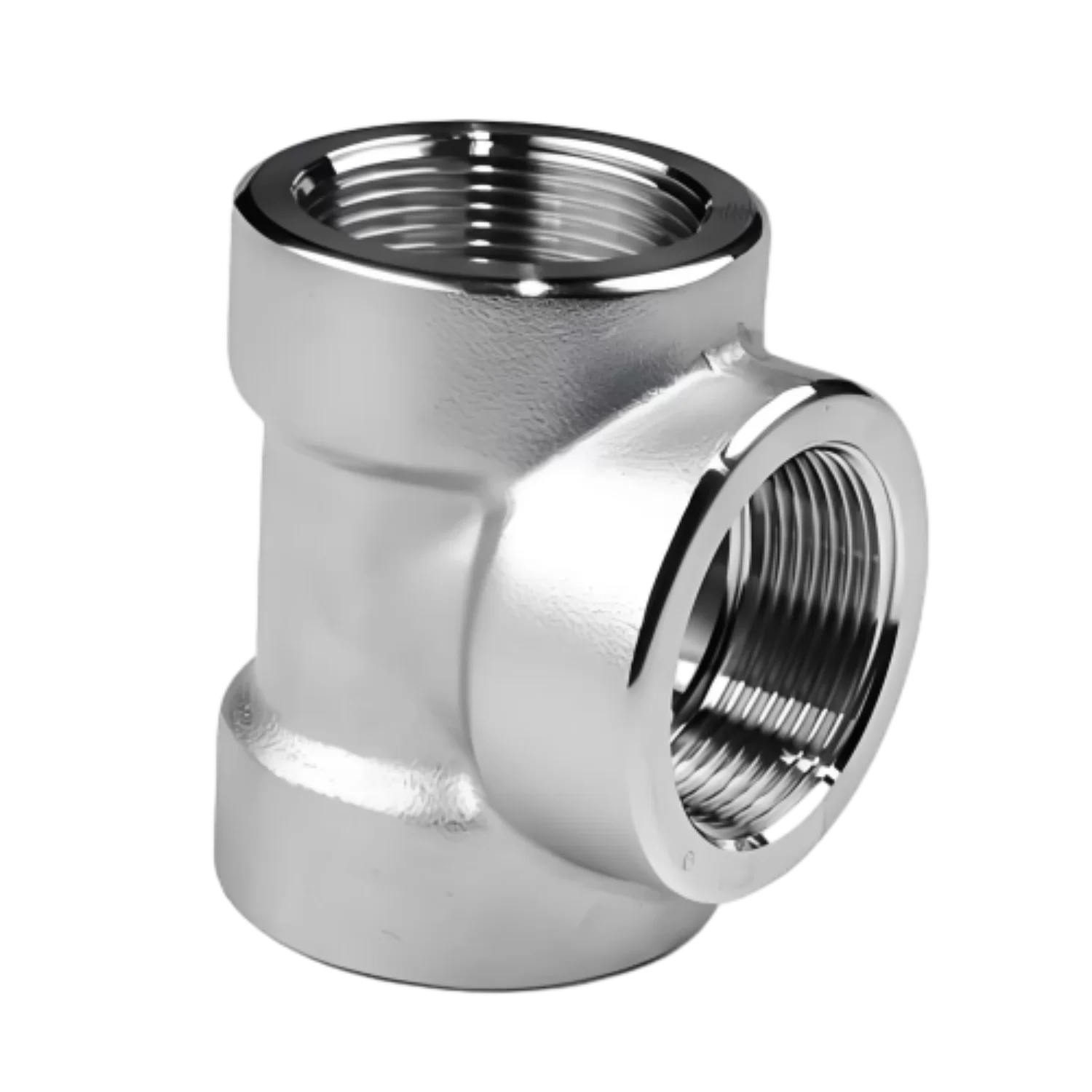


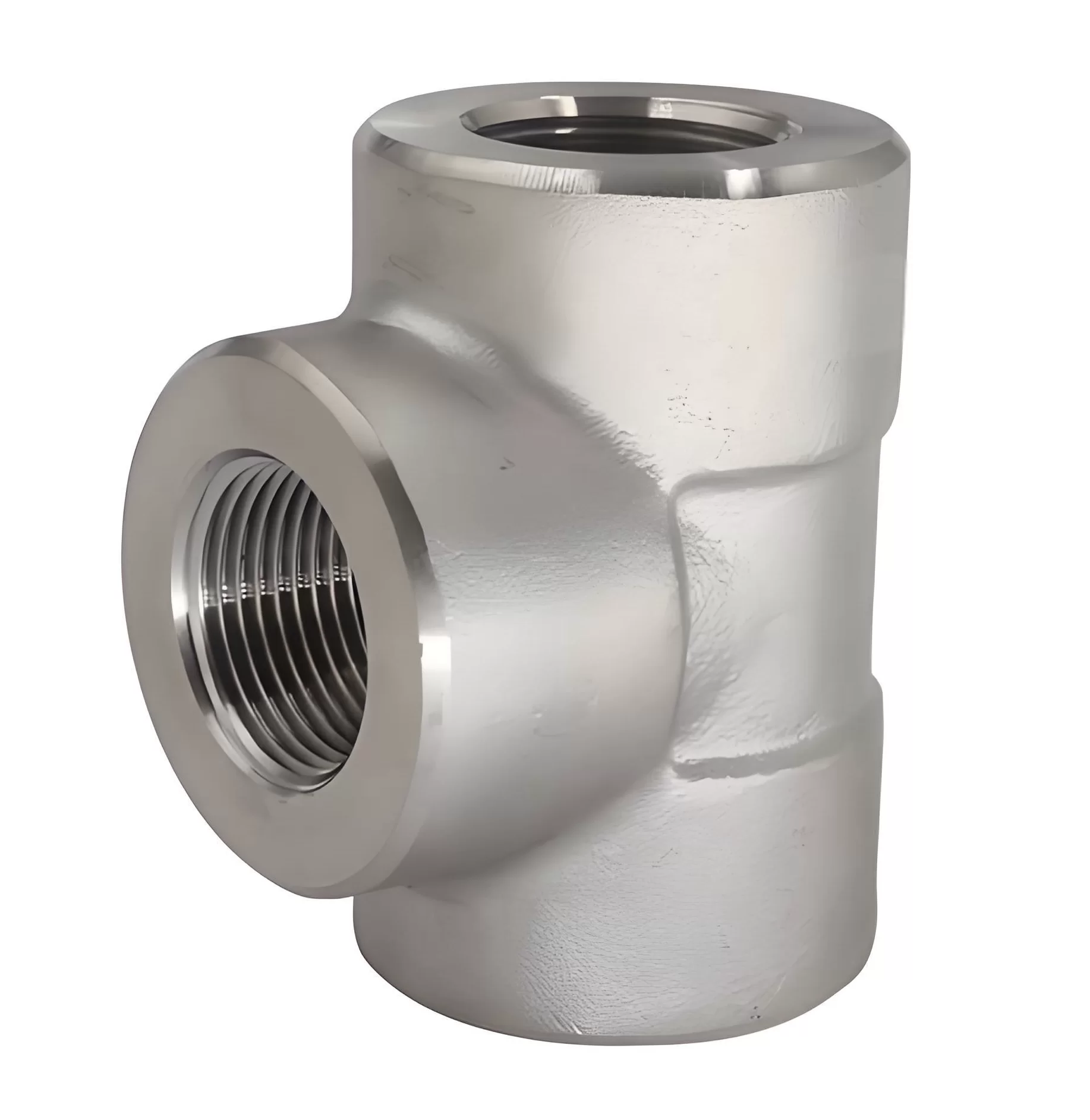
Leading China factory and suppliers of premium threaded tees. Precision-engineered pipe fittings in stainless and carbon steel for leak-proof fluid flow control. No welding required for rapid installation across industrial systems.
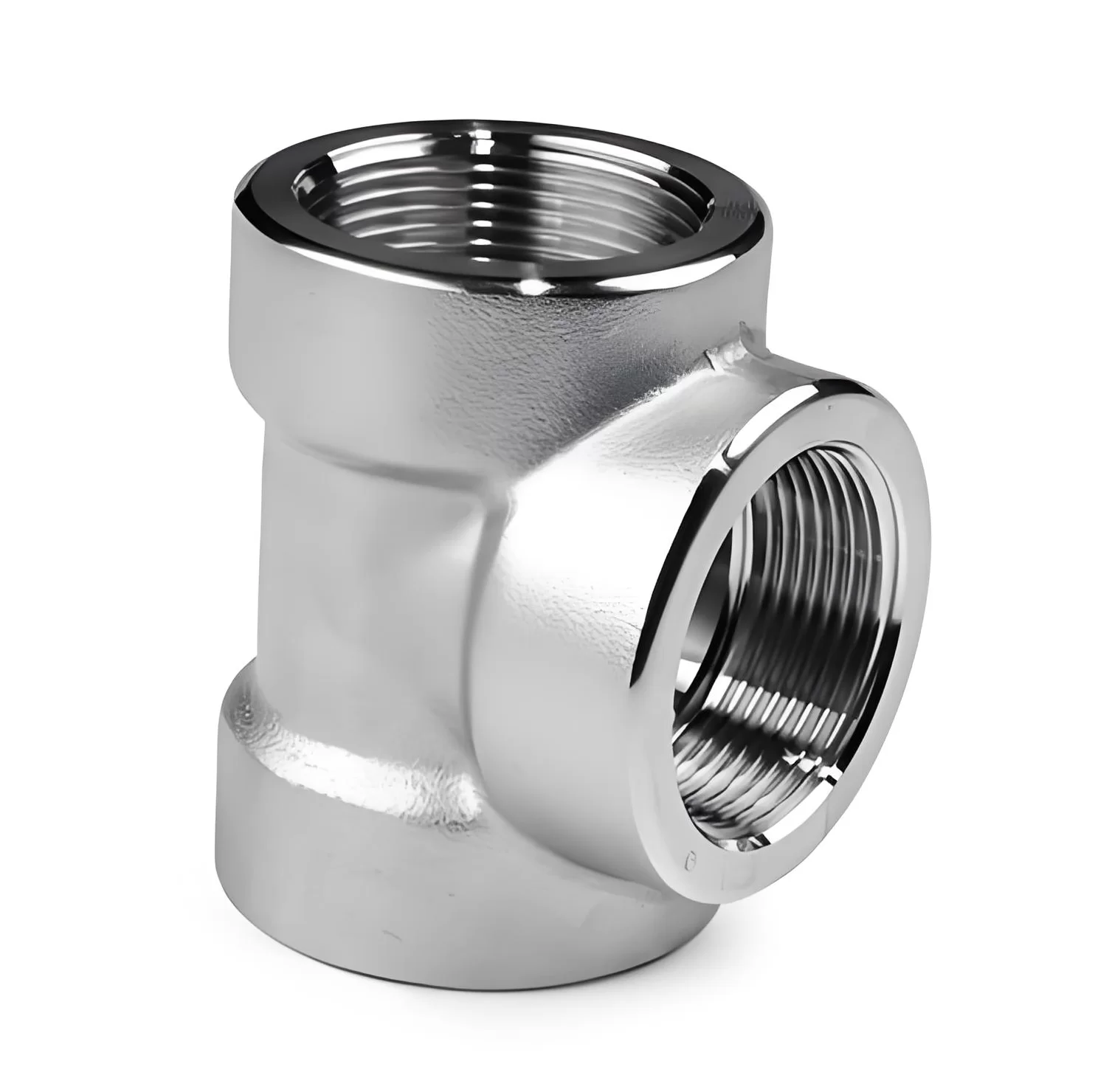
A Threaded Tee is a precision-engineered pipe fitting designed to split or combine fluid flow within a pipeline system. Featuring a characteristic "T" shaped structure, it consists of one main inlet port and two branch outlet ports, utilizing standardized internal or external threads to ensure secure, leak-proof connections. This eliminates the need for welding, making it an ideal solution for rapid installation and easy system modifications across various industrial applications.
Manufactured from high-grade materials including carbon steel, stainless steel (304/316), and specialized alloys, these fittings are engineered to handle diverse media such as water, oil, gas, and corrosive chemicals. Whether used in HVAC systems, petrochemical plants, or municipal water networks, our threaded tees provide a perfect balance of structural stability, pressure resistance, and installation flexibility to optimize your piping infrastructure.
| Nominal Diameter | DN15 (1/2") to DN300 (12") | Thread Standards | NPT, BSPP (G), BSPT (PT) |
|---|---|---|---|
| Pressure Rating | Class 2000, 3000 (Low to Medium) | Temperature Range | -200℃ to 600℃ (Metal) / -20℃ to 100℃ (Plastic) |
| Carbon Steel | ASTM A105, A350 LF2, A694 Series | Stainless Steel | ASTM A182 F304/304L, F316/316L, F904L |
| Alloy/Duplex Steel | ASTM A182 F11, F22, F51, F53, F55 | Execution Standard | ASME B16.11, ANSI/ASME B1.20.1 |
| Fitting Types | Equal Tee & Reducing Tee | Manufacturing Process | One-piece Molding or Forging |
Available in 316L stainless and duplex steel for superior performance in chemical and marine environments.
Threaded fastening requires no hot work or welding, drastically reducing on-site installation time.
CNC-machined threads ensure flawless engagement and minimal leakage risks for high-stability joints.
Easy disassembly allows for fast component replacement and system modifications without cutting pipes.
Forged body construction ensures maximum pressure-bearing capacity and fatigue resistance.
Compliant with ASME and ANSI standards to ensure seamless integration with global piping systems.
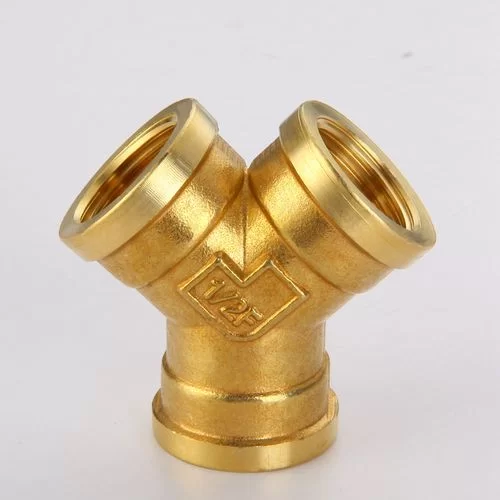
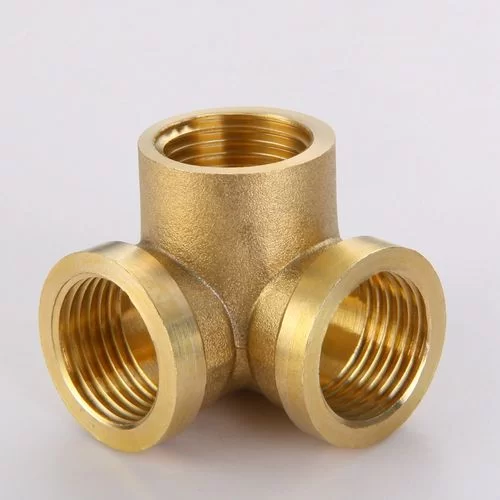
Real-time tracking of DN15-DN300 stock levels to ensure immediate shipment.
Advanced machining centers for consistent NPT/BSP thread pitch and depth.
Rigorous pressure testing and dimensional verification for every batch.
Full MTR (Material Test Reports) for ASTM A105 and A182 certifications.
Tailored specifications for specialized high-pressure or corrosive environments.
Optimized supply chain management for efficient international delivery.
| Performance Metric | Threaded Tee | Socket Weld Tee |
|---|---|---|
| Installation Speed | Ultra Fast (No Welding) | Slow (Requires Welding) |
| Labor Cost | Low (Standard Tools) | High (Certified Welders) |
| Pressure Capacity | Low to Medium | High to Severe |
| Maintenance Ease | Excellent (Fast Removal) | Difficult (Requires Cutting) |
| Joint Reliability | Mechanical Seal | Metallurgical Fusion |
NPT (National Pipe Tapered) is the American standard with a steeper taper, while BSP (British Standard Pipe) comes in parallel (G) or tapered (PT) versions. They are not compatible and must be matched to the specific pipeline system to ensure a seal.
Choose a threaded tee for smaller pipe diameters, lower pressure systems, and applications where rapid installation or frequent maintenance is required. Flanged tees are better suited for large-diameter, high-pressure industrial lines.
For severe corrosion, Stainless Steel 316L or Duplex Steel (ASTM A182 F51/F53) is recommended due to their high molybdenum content and resistance to pitting and chloride stress corrosion.
While threaded tees are robust, extreme vibration can lead to micro-leakages over time. In such critical scenarios, socket weld tees are preferred as they provide a monolithic metallurgical bond.
A reducing tee is a fitting where the branch port has a smaller nominal diameter than the main run ports, allowing the system to transition flow from a larger pipe to a smaller one.
Yes, they are highly practical because they eliminate the need for "hot work" (welding), which removes the risk of ignition during installation in hazardous zones.

Sep 17,26
Factors Influencing the Slip on Forged Steel Flange Price Guide
For procurement managers in the petrochemical, nuclear, and aerospace sectors, securing the right balance between component durability and budget is a constant challenge. Forged steel flanges, specifically the slip-on variety, are critical components used to connect pipes, valves, and pumps. Understanding the factors that influence the slip on forged steel flange price requires a deep dive into material science, global supply chain dynamics, and precise manufacturing standards. Unlike welded neck flanges, slip-on flanges are designed to slide over the pipe before being welded both inside and outside. This design offers a faster installation process and easier alignment

Aug 03,26
Industrial Piping Guide for Carbon Steel Threaded Flange and Fittings
In the demanding landscape of industrial piping, the integrity of every connection is paramount to operational safety and efficiency. The use of high-quality forged fittings, specifically those designed for high-pressure environments, ensures that critical infrastructure can withstand extreme mechanical stress and thermal fluctuations. Understanding the nuances of these components is essential for engineers aiming to minimize downtime and maximize system longevity. Across the global manufacturing sector, the transition toward more robust joining methods has highlighted the need for precision-engineered solutions. Whether in petrochemical refineries or power generation plants, the choice of fitting affects not only the immediate installation cost

Sep 24,26
Global infrastructure investment continues to grow as countries expand energy networks, modernize industrial facilities, improve water transportation systems, and strengthen critical transportation infrastructure.

Jun 09,26
Complete Engineering Guide to Industrial Slip On Flange Design

May 13,26
Industrial Guide to Flat Face Threaded Flange Applications
In the complex landscape of industrial piping and structural metal fabrication, the flat face threaded flange serves as a critical junction point, ensuring leak-proof connections and mechanical stability. Whether used in low-pressure water systems or specialized chemical transport, the choice of a flat face design combined with threaded ends simplifies installation while maintaining the integrity of the entire piping network. Understanding the nuances of this component is essential for engineers looking to balance cost-effectiveness with long-term operational safety. Across the globe, the demand for precision-engineered metal components has surged as infrastructure projects in emerging economies expand.
Apr 04,26
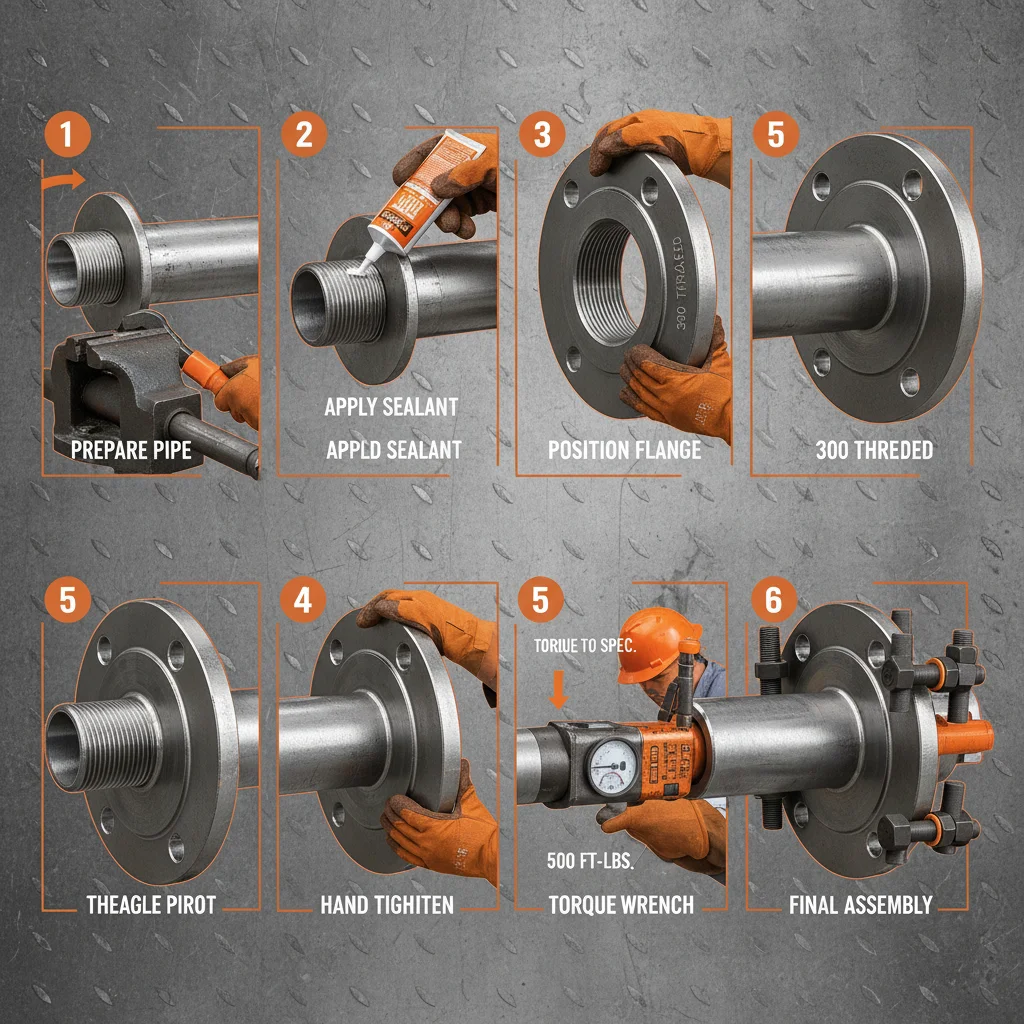
Understanding 300 Threaded Flanges for Global Piping System Applications
SUBSCRIBE NEWSLETTER