
Jun. 23, 2026
In the complex world of industrial piping, selecting the right connection method is critical for system integrity and safety. The flange slip on class 150 is one of the most widely used components due to its balance of ease of installation and reliable performance. Designed to slide over the pipe and be welded both inside and outside, this specific class of flange provides a secure seal for low-to-medium pressure applications. Understanding the technical nuances of Class 150 ratings and slip-on designs is essential for engineers and procurement managers to ensure operational efficiency and longevity in their piping networks.

A Slip-On (SO) flange is a type of flange that slips over the end of the pipe. Unlike weld-neck flanges, which have a long tapered hub, the slip-on design is more compact. The "Class 150" designation refers to the pressure-temperature rating according to ASME B16.5 standards, indicating the maximum pressure the flange can handle at a given temperature. Because they are easier to align than weld-neck flanges, the flange slip on class 150 is a preferred choice for projects where precision fitting is challenging or where cost-effectiveness is a priority without sacrificing basic safety standards.
Quick Fact: Slip-on flanges are typically welded on both the inner and outer surfaces to provide maximum strength and leak prevention, making them ideal for non-critical low-pressure systems.
The primary appeal of the flange slip on class 150 lies in its installation efficiency. Since the flange is not beveled to match the pipe, it requires less precision in pipe cutting. This leads to a significant reduction in labor costs and assembly time. Furthermore, Class 150 flanges are generally more affordable and available in a wider array of materials, including carbon steel and stainless steel. They provide a robust connection that is sufficient for water, oil, and gas lines in environments where extreme high-pressure surges are not expected.
Key Benefits:
• Lower installation cost compared to weld-neck flanges
• Easier alignment during the welding process
• Wide availability across various industrial material grades
• Sufficient pressure rating for most general-purpose utility piping
Choosing between a flange slip on class 150 and a weld neck flange depends on the application's stress levels. While weld neck flanges are superior for high-pressure or extreme temperature fluctuations due to their reinforced hub, the slip-on variant is the winner for accessibility and speed. The table below highlights the fundamental differences to help you make an informed decision for your piping architecture.
Because of its versatility, the flange slip on class 150 is found in a variety of industrial settings. In water treatment plants, they are used for main distribution lines where pressures are stable. In HVAC systems, they allow for easy disassembly and maintenance of large ducting pipes. The oil and gas industry also employs them for low-pressure auxiliary lines and venting systems. Their ability to be quickly replaced makes them ideal for systems that require periodic cleaning or component upgrades, ensuring that downtime is kept to an absolute minimum.

To maintain safety and interoperability, the flange slip on class 150 follows strict dimensional standards. These specifications include the outer diameter, bolt hole circle, and the thickness of the flange ring. Using standardized components ensures that flanges from different manufacturers can be bolted together seamlessly. Below are the typical specifications for a standard carbon steel slip-on flange in Class 150.
Correct installation is the only way to ensure that your flange slip on class 150 performs to its rated capacity. First, ensure the pipe is cut square and deburred to allow the flange to sit flush. When welding, it is highly recommended to perform a fillet weld on both the inside and outside of the joint; the inner weld provides additional strength and prevents leakage. Finally, use a calibrated torque wrench to tighten bolts in a star pattern, ensuring an even seal across the gasket surface. Over-tightening can deform the flange, while under-tightening leads to costly leaks.
The flange slip on class 150 offers an ideal combination of affordability, ease of installation, and reliable sealing for a vast array of industrial applications. While it may not replace the weld-neck flange in high-stress environments, its utility in general-purpose piping is unmatched. By adhering to ASME standards and following professional welding and torqueing practices, you can ensure a safe, leak-free system that stands the test of time. Invest in quality materials to guarantee the longevity of your industrial infrastructure.
Generally, Class 150 flanges are not recommended for high-pressure steam applications. Steam systems often involve extreme temperature fluctuations and higher pressures that can cause thermal expansion and contraction. In such scenarios, a Weld Neck flange is far superior because its tapered hub transfers stress more effectively. For low-pressure steam or condensate lines, a flange slip on class 150 may be acceptable, but always consult the ASME B16.5 pressure-temperature rating charts to confirm safety limits.
Yes, it is highly recommended to weld both the inside and the outside of the pipe-to-flange joint. The outer fillet weld provides the primary structural connection, while the inner weld adds significant strength and creates a secondary barrier against leaks. Relying solely on an outer weld can leave the system vulnerable to leaks under pressure, especially in industrial environments where vibration or temperature shifts occur. Proper double-welding ensures the integrity of the flange slip on class 150.
RF stands for "Raised Face," where the gasket surface is slightly elevated above the bolting circle. This concentrates the pressure on the gasket, creating a tighter seal, which is typical for most flange slip on class 150 applications. FF stands for "Flat Face," where the entire surface is flat. FF flanges are typically used when mating the flange to a softer material, like cast iron or plastic, to prevent the softer flange from cracking under the pressure of the bolts.
Material selection depends on the medium being transported and the environment. Carbon steel (ASTM A105) is the standard for oil, gas, and water in non-corrosive environments. For chemicals, food processing, or pharmaceutical applications, Stainless Steel (SS304 or SS316) is required to prevent corrosion. If the system is exposed to seawater or highly acidic environments, specialized alloys may be necessary. Always verify the chemical compatibility of your flange slip on class 150 with the fluid it will carry.

Jun 05,26
Precision Engineering for 30 150 Slip On Flange Dimensions

Jul 10,26
What Is a Socket Weld Flange and Its Uses?
In this guide, we'll explain what a Socket Weld Flange is, how it works, its advantages, common applications, and how to choose the right one for your project.

Sep 30,26
Global industrial development continues to drive unprecedented investment in energy infrastructure, water treatment facilities, petrochemical plants, manufacturing centers, and transportation networks.
Apr 04,26
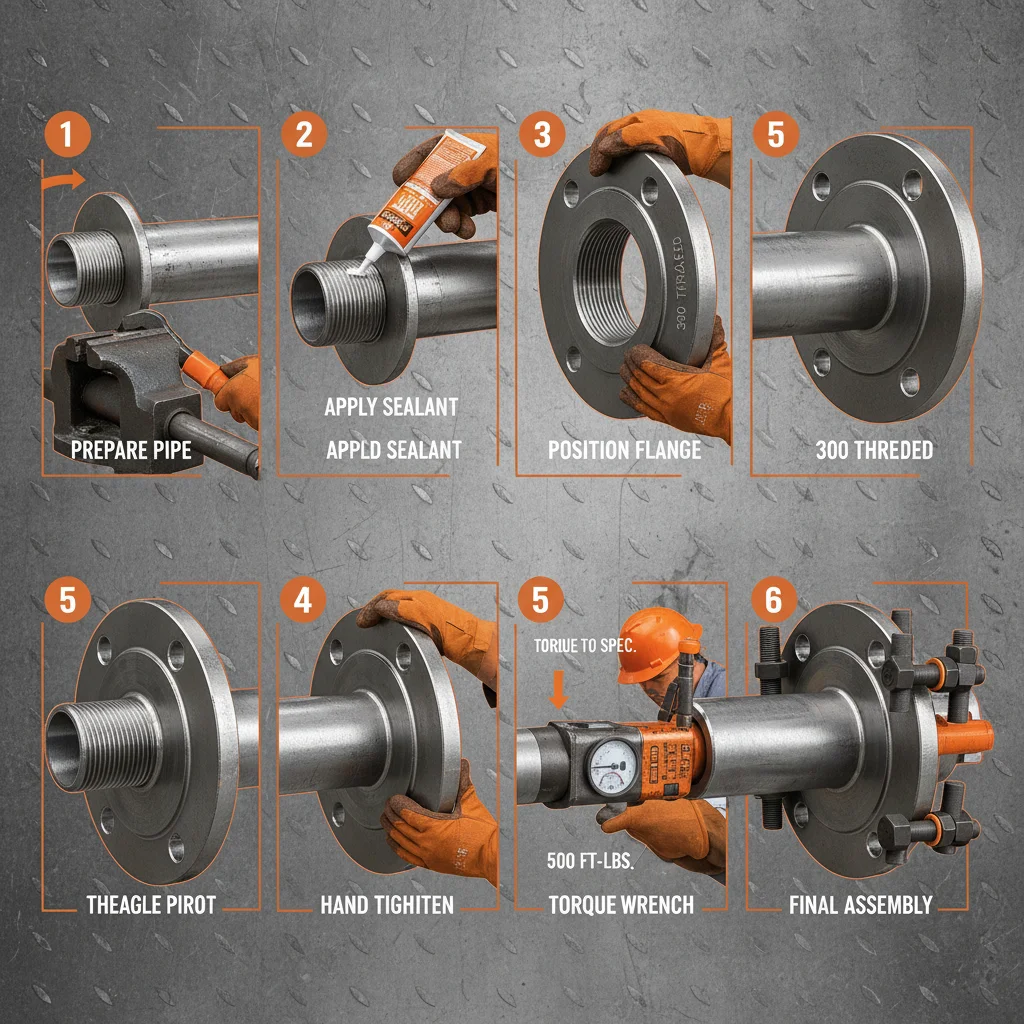
Understanding 300 Threaded Flanges for Global Piping System Applications
Apr 08,26
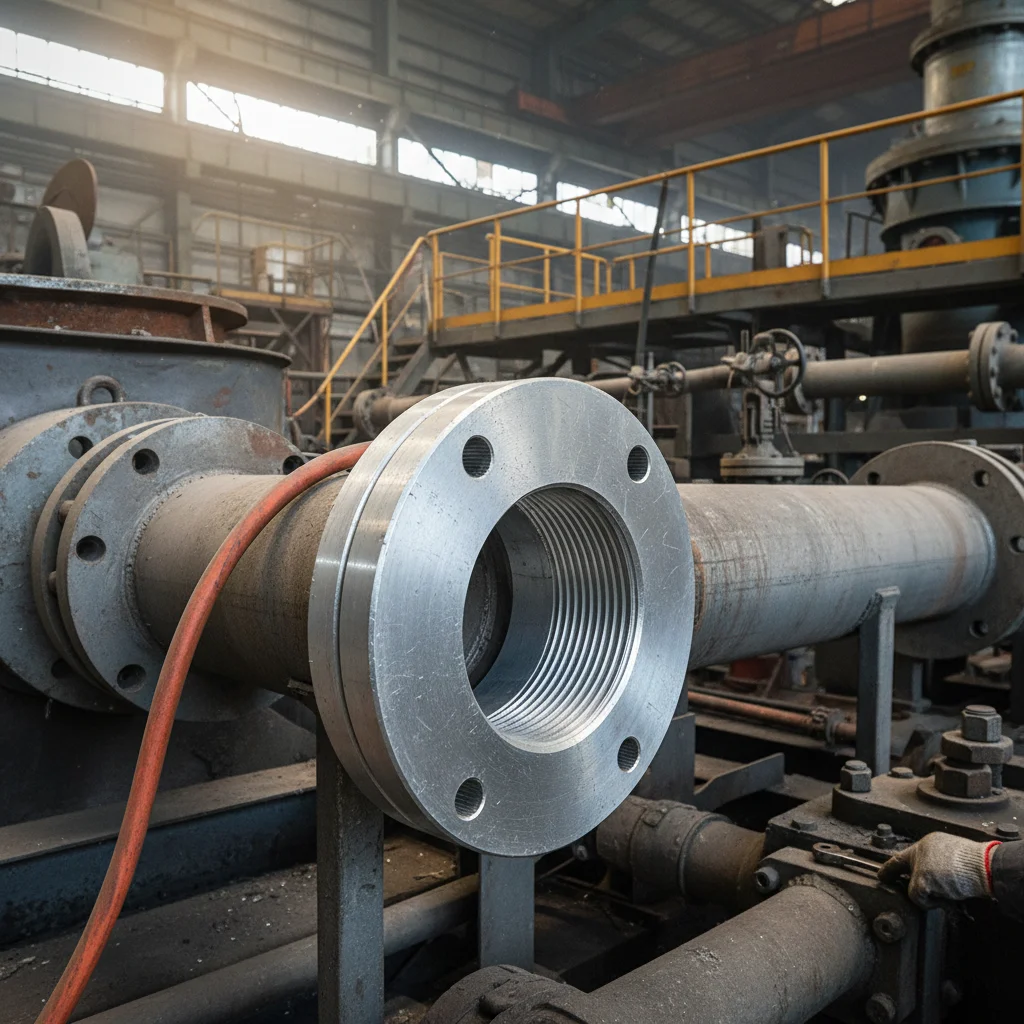
High Performance Aluminum Threaded Flange Solutions for Industrial Piping Systems

May 22,26
How to Choose the Right Threaded Tee for Industrial Pipe Systems
This guide explains how to choose the right threaded tee for industrial pipe systems, including material selection, thread standards, pressure ratings, application requirements, and installation considerations.
SUBSCRIBE NEWSLETTER


