The global energy landscape relies on a vast, interconnected web of midstream and upstream infrastructure designed to transport volatile hydrocarbons over thousands of miles. In the oil and gas industry, a pipeline is far more than a simple tube; it is a high-pressure pressure vessel that must maintain its structural integrity under extreme geographic and climatic conditions. From the scorching deserts of the Middle East to the sub-zero permafrost of the Arctic, the performance of the system depends on the synergy between the seamless stainless steel pipe, specialized directional elbows, and heavy-duty flanges. As extraction techniques become more complex, the demand for precision-engineered components that can resist hydrogen embrittlement and "sour gas" corrosion has reached an all-time high.
The Resilience of Seamless Stainless Steel Pipe in Upstream Gathering Lines
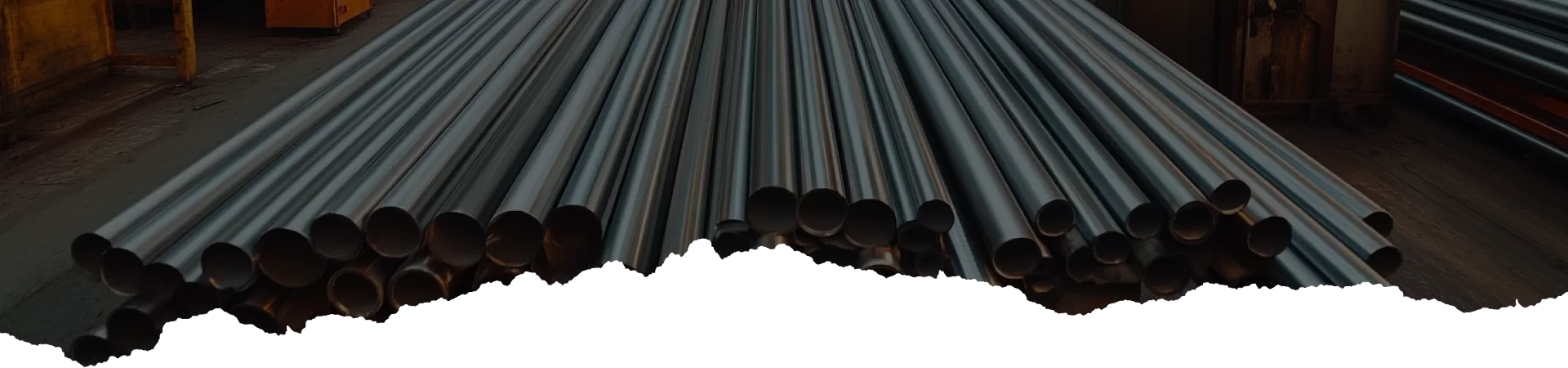
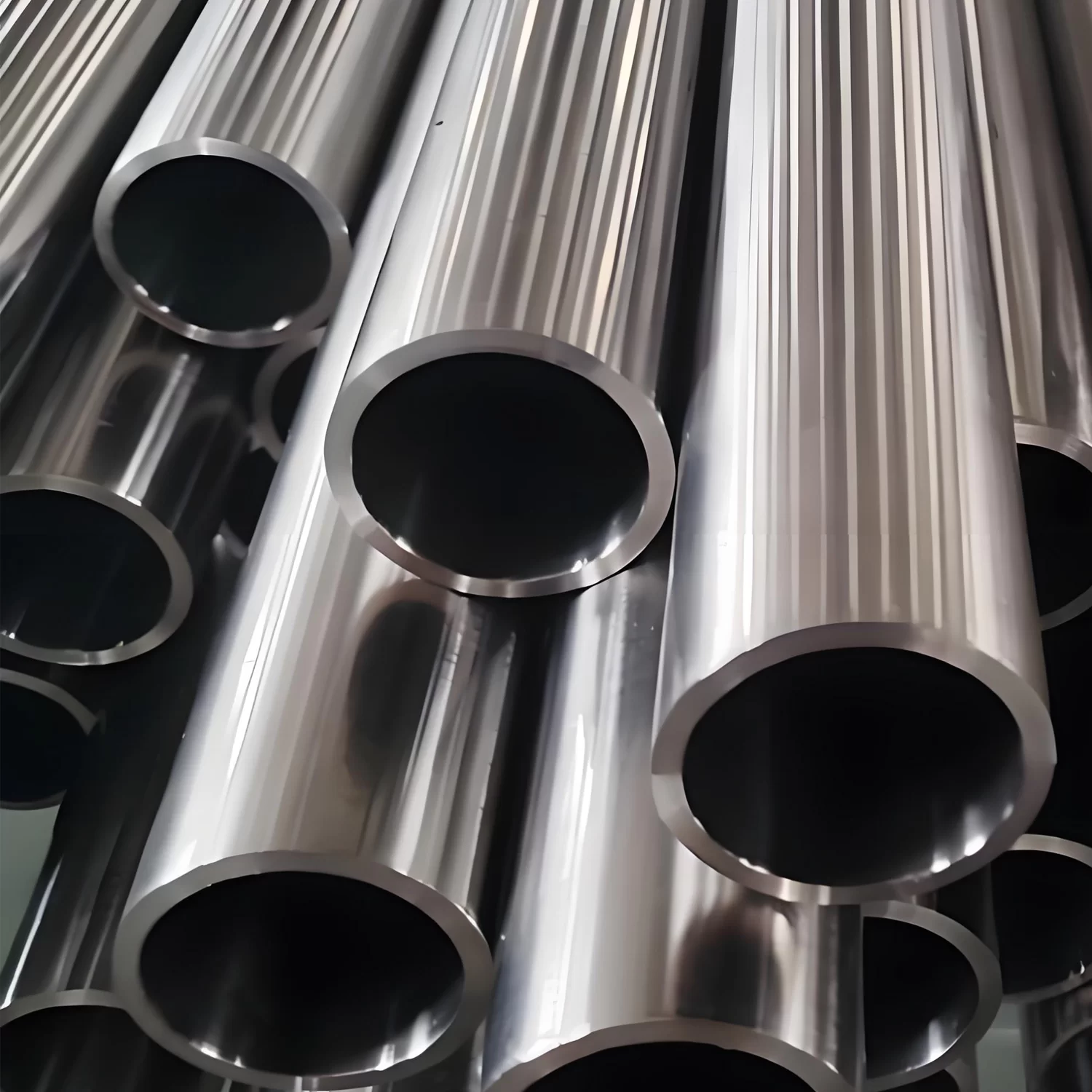
In the initial stages of oil and gas production, raw effluent—often containing a mixture of crude oil, natural gas, brine, and corrosive hydrogen sulfide—is transported from the wellhead to gathering stations. For these highly corrosive "wet gas" environments, the seamless stainless steel pipe has become the primary line of defense. Unlike carbon steel, which can suffer from rapid internal thinning, stainless steel alloys containing high levels of chromium and nickel provide a robust barrier against chemical attack.
The manufacturing of seamless piping is particularly critical in the oil patch. By eliminating the longitudinal weld seam, engineers remove the most common point of stress concentration and potential failure. In high-pressure injection lines, where gas is pumped back into a reservoir to maintain pressure, the uniform wall thickness of a seamless stainless steel pipe ensures that the conduit can withstand cyclic loading without the risk of "seam splitting." Furthermore, the smooth internal surface of these pipes reduces the paraffin wax buildup that often restricts flow in older, welded carbon steel systems. This material choice effectively extends the operational life of the field infrastructure, reducing the frequency of pigging operations and costly chemical treatments.
Directional Precision via the 90 Elbow in Manifold Construction
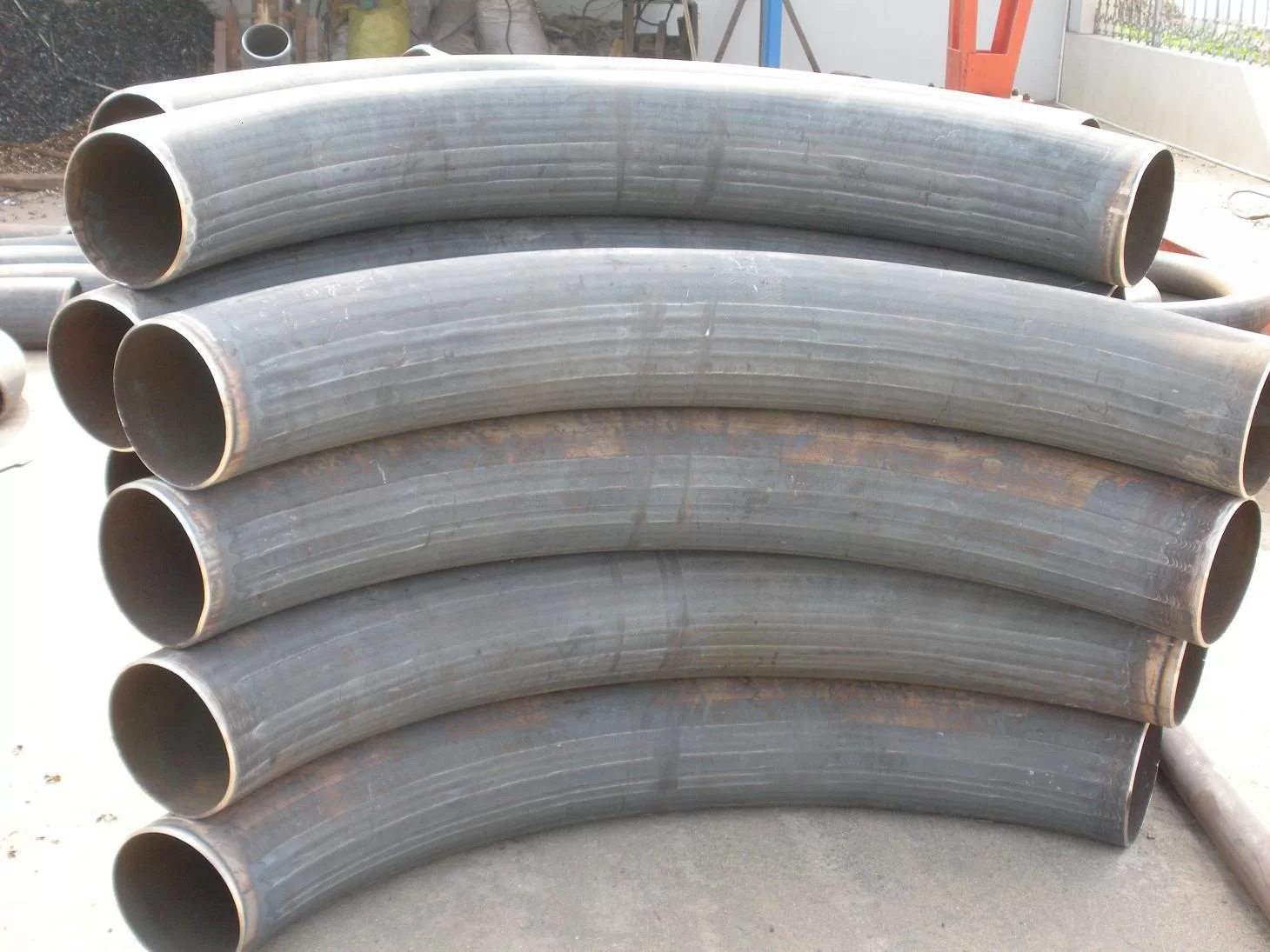
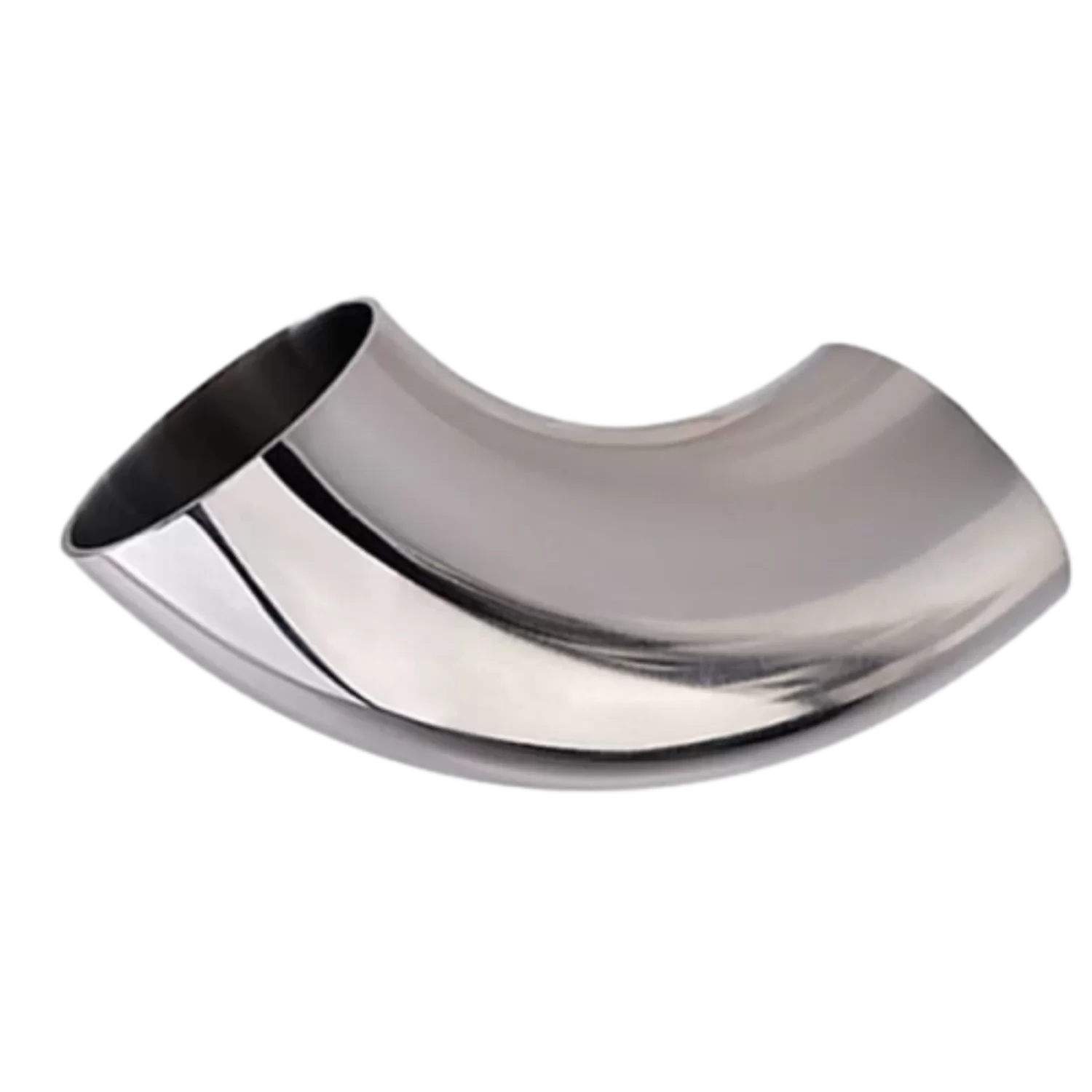
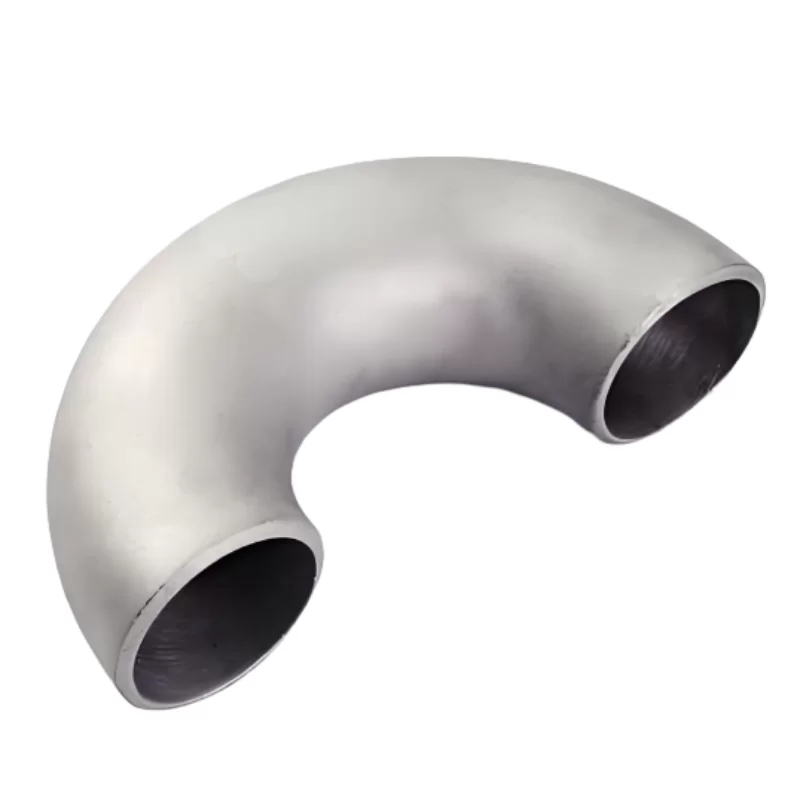
As multiple wellheads feed into a single gathering manifold, the piping must undergo frequent and sharp changes in direction. The 90 elbow is the mechanical workhorse that facilitates these transitions within the compact footprint of a drilling pad or an offshore platform. In oil and gas applications, these elbows are usually forged or induction-bent to ensure that the material's grain structure follows the curve of the fitting, providing maximum resistance to the internal pressure of the flowing media.
The 90 elbow plays a crucial role in managing the kinetic energy of the fluid. When high-velocity oil or gas hits a 90-degree turn, it creates significant "impingement" forces against the outer wall of the fitting. To combat this, modern oil and gas elbows are often designed with a "long radius" to provide a smoother flow path, which minimizes turbulence and reduces the rate of internal erosion. In "sand-producing" wells, where small abrasive particles travel with the crude, these elbows are often reinforced with extra wall thickness (schedules) to prevent the grit from eventually wearing through the metal. By optimizing the flow path, the 90 elbow ensures that the energy required to move the product remains low, maximizing the overall throughput of the facility.
Secure Interface Management with the Flange Threaded Type
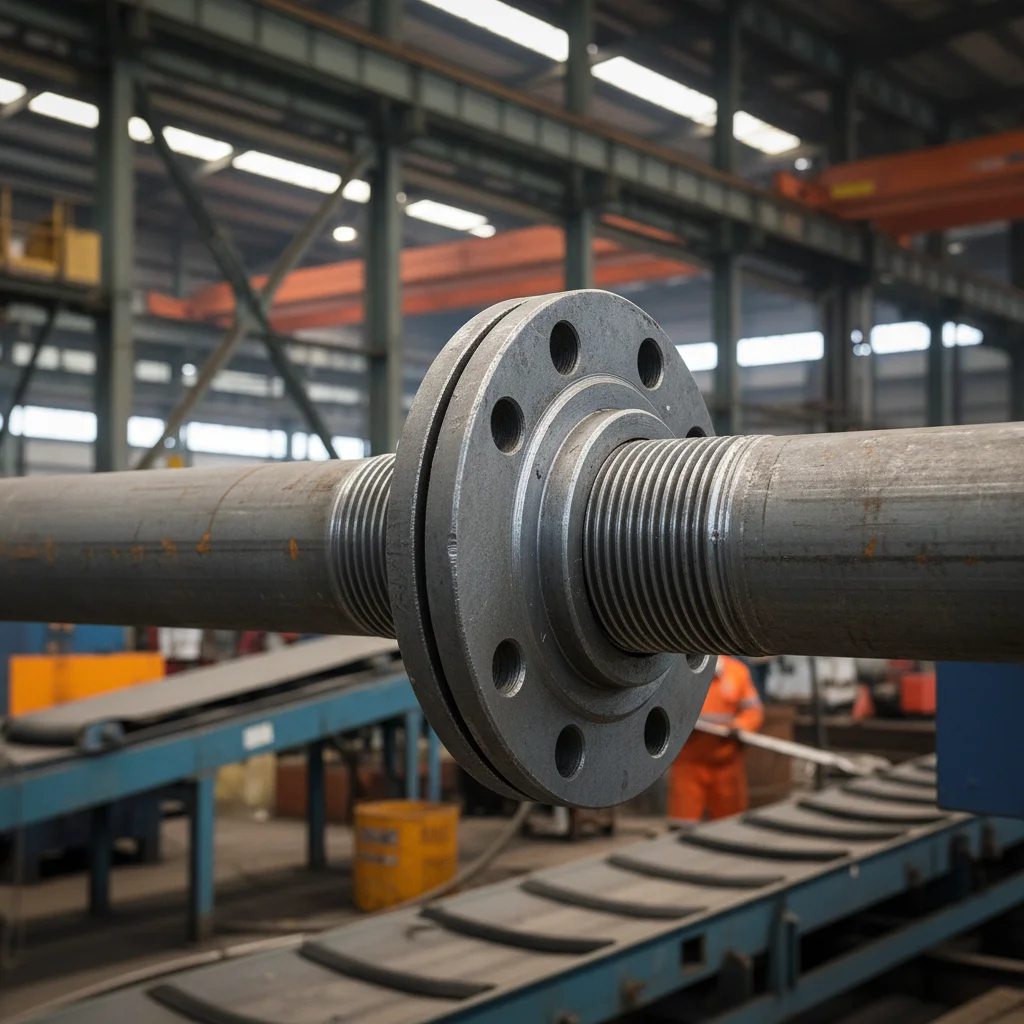
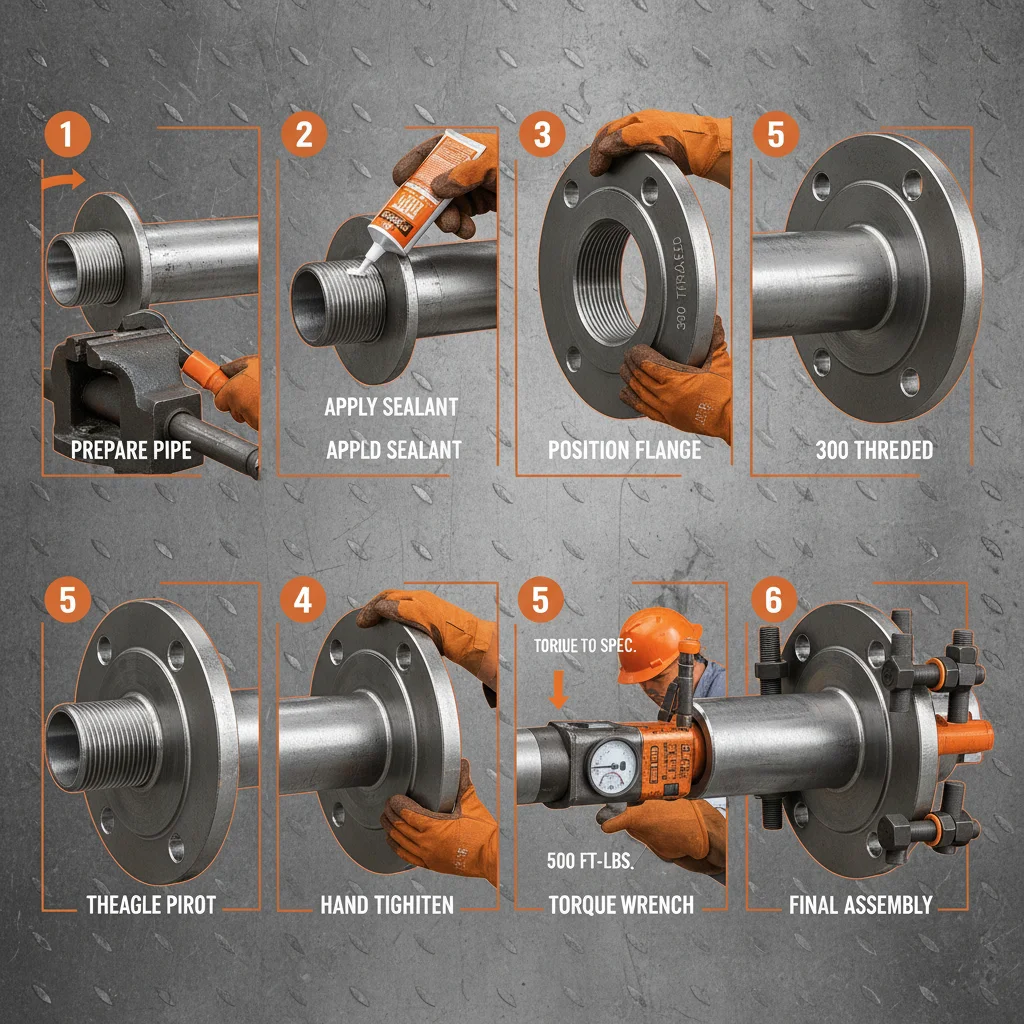
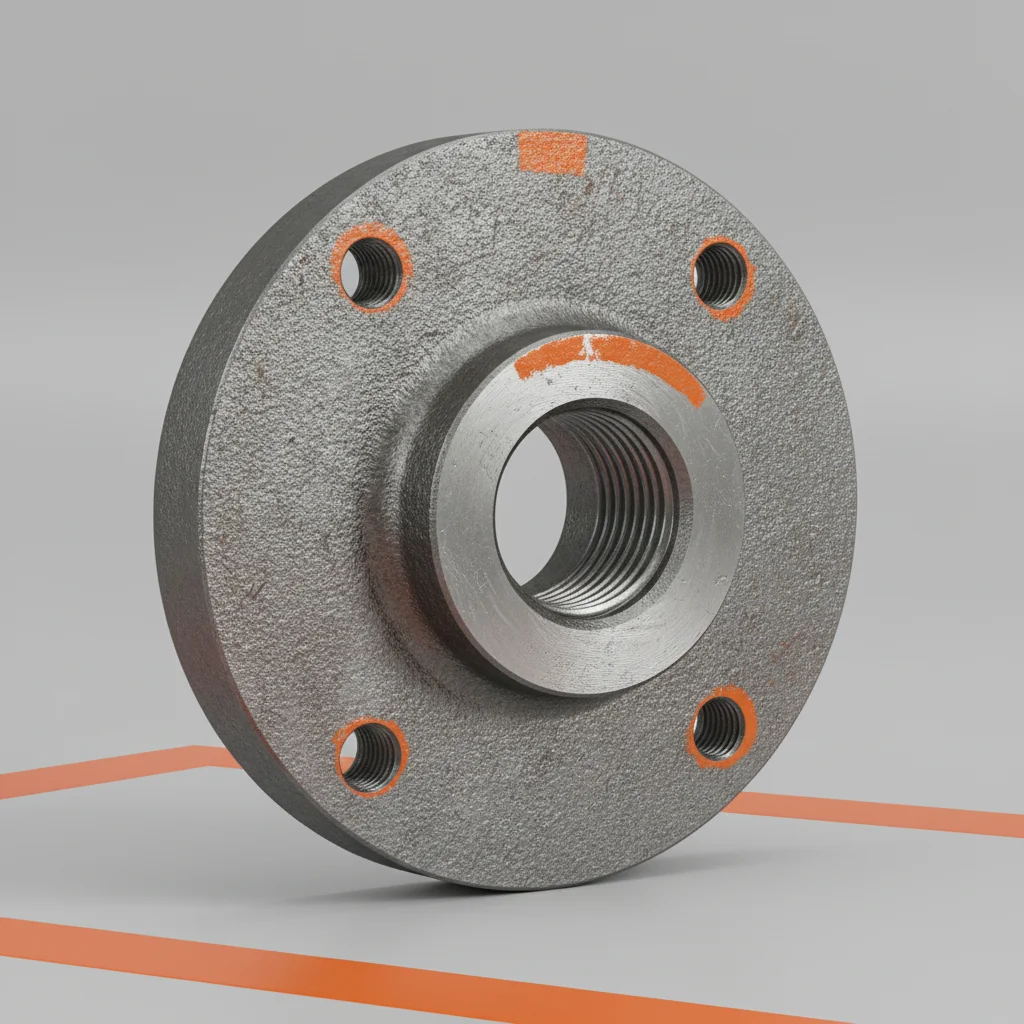
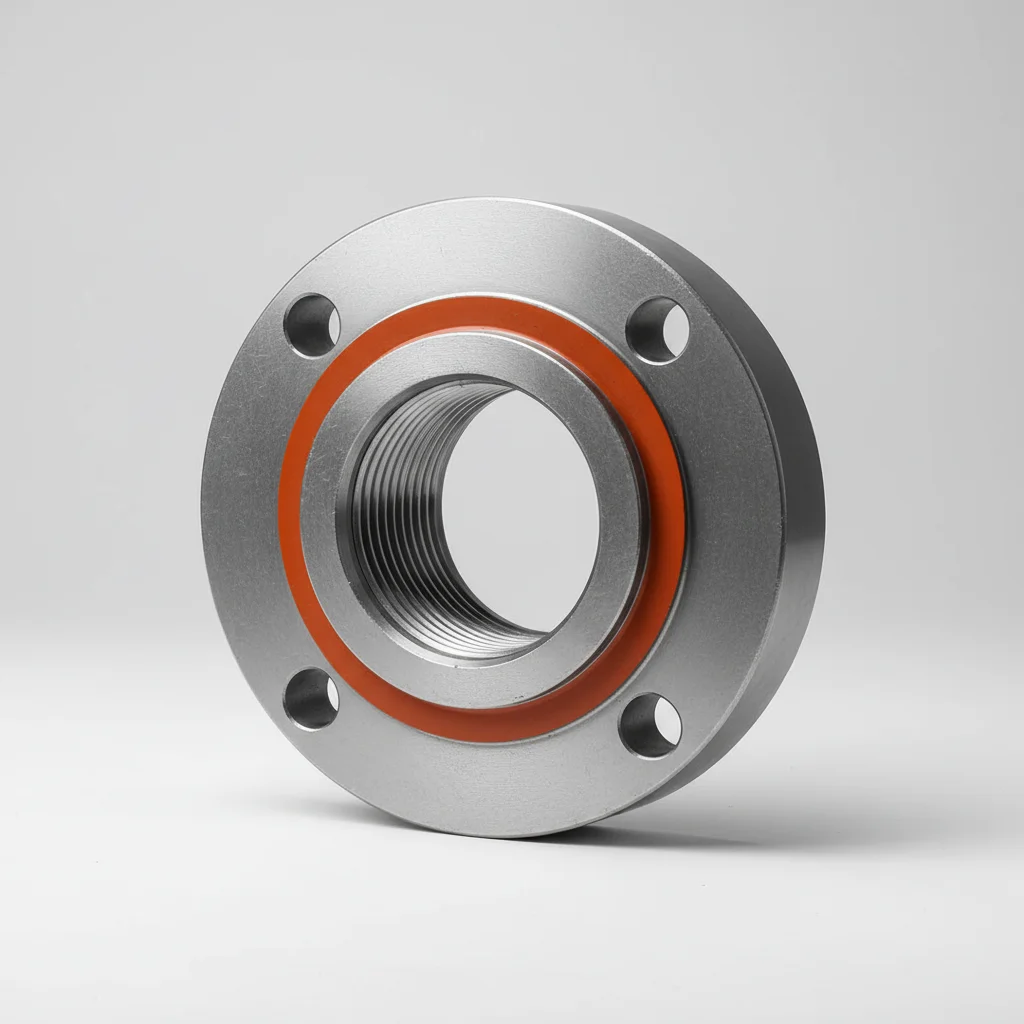
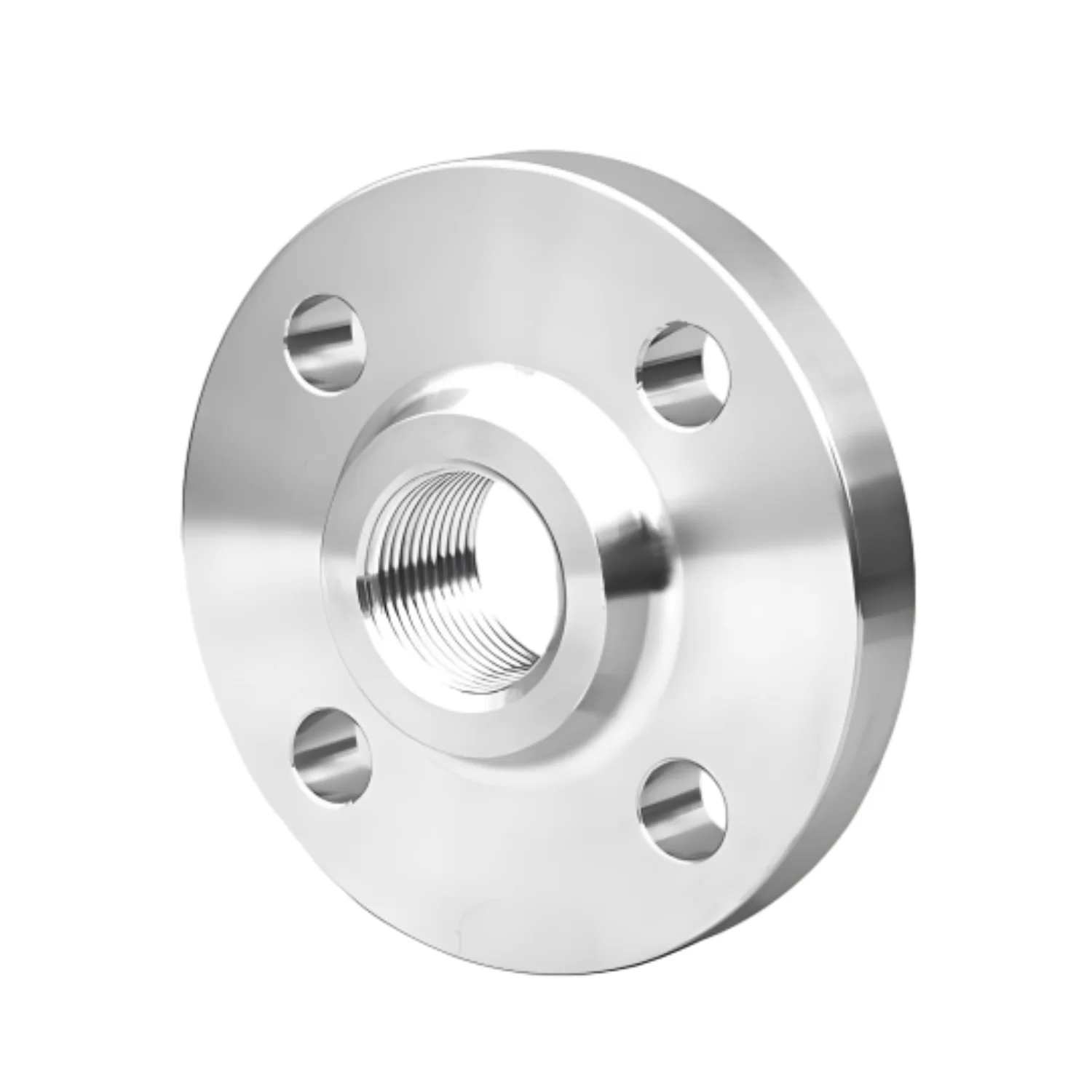
In the modular world of oil and gas processing, not every connection can be a permanent weld. For instrumentation skids, gas metering stations, and temporary test headers, the flange threaded type provides a vital, reconfigurable connection point. This component features an internal thread that screws onto the pipe, allowing for a tight mechanical seal that is then reinforced by the bolt-circle of the flange face.
The primary advantage of using a flange threaded type in a refinery or terminal setting is the ability to perform maintenance without "hot work" permits. In environments where explosive vapors may be present, the ability to replace a valve or a gauge using only mechanical wrenches is a significant safety benefit. These flanges are often utilized in low-pressure utility lines—such as nitrogen, air, or water—that support the main hydrocarbon processes. When paired with high-quality gaskets and industrial-grade thread sealants, the threaded flange provides a leak-proof interface that can handle the vibration and thermal expansion typical of large-scale pumping stations.
Maintaining Hydraulic Stability with the Eccentric Suction Reducer
One of the most sensitive areas in a midstream pumping station is the transition between the large-diameter mainline pipe and the intake of a centrifugal pump. To prevent the phenomenon of "gas locking" or cavitation, engineers utilize the eccentric suction reducer. This fitting is designed with one flat side and one tapered side, allowing for a reduction in pipe diameter without creating a "high spot" where gas could accumulate.
In a horizontal suction line, the eccentric suction reducer is installed with the "flat side up." This configuration ensures that any gas bubbles traveling along the top of the pipe are carried through the reducer and into the pump for discharge, rather than being trapped at a high point. If a concentric reducer were used instead, the tapered top would create an air pocket that could eventually be sucked into the pump as a large "slug," potentially damaging the impeller or causing a sudden loss of prime. In the high-stakes world of oil transport, where a pump failure can halt thousands of barrels of production, the precise orientation of the eccentric reducer is a hallmark of superior mechanical engineering.
Critical System Isolation via the API Blind Flange
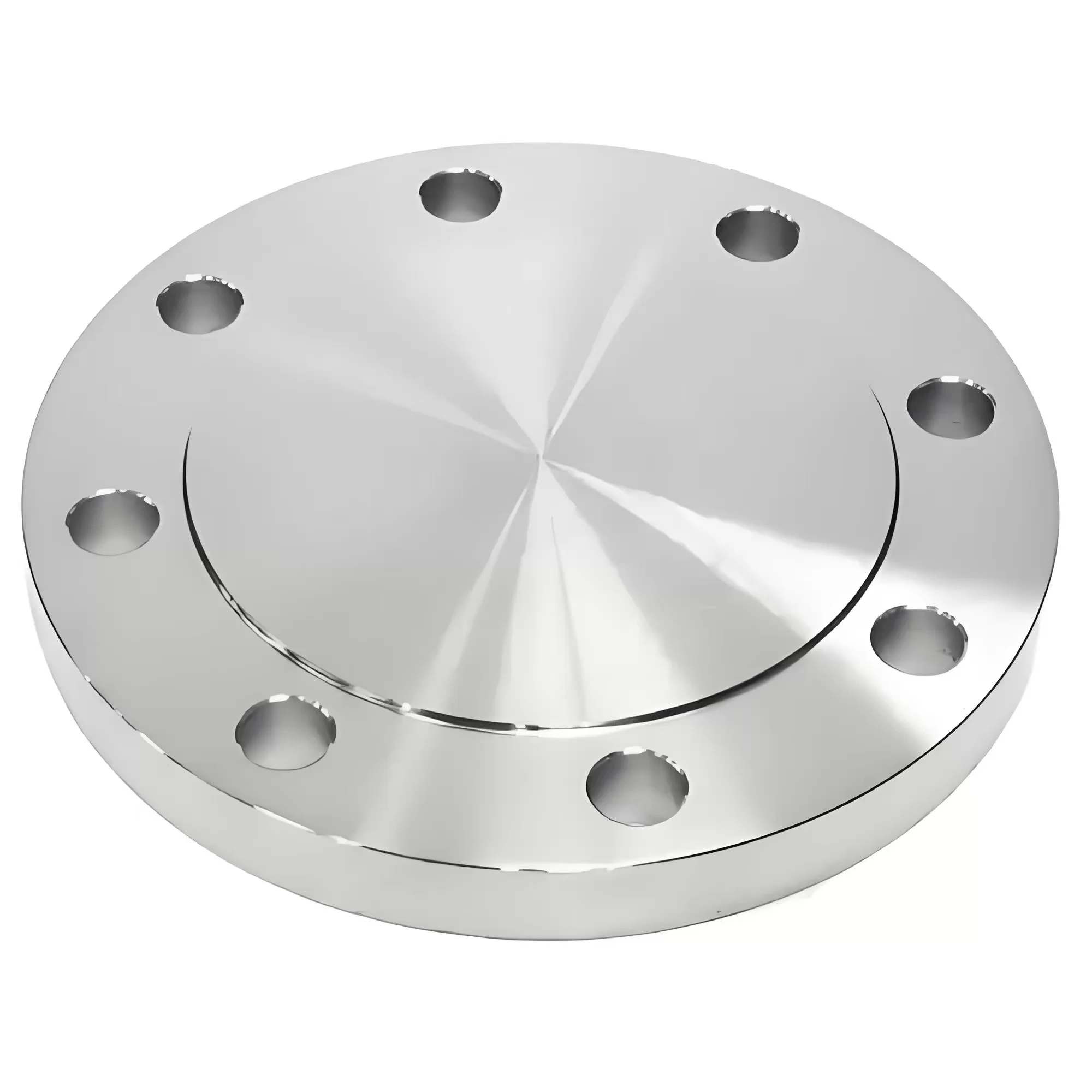
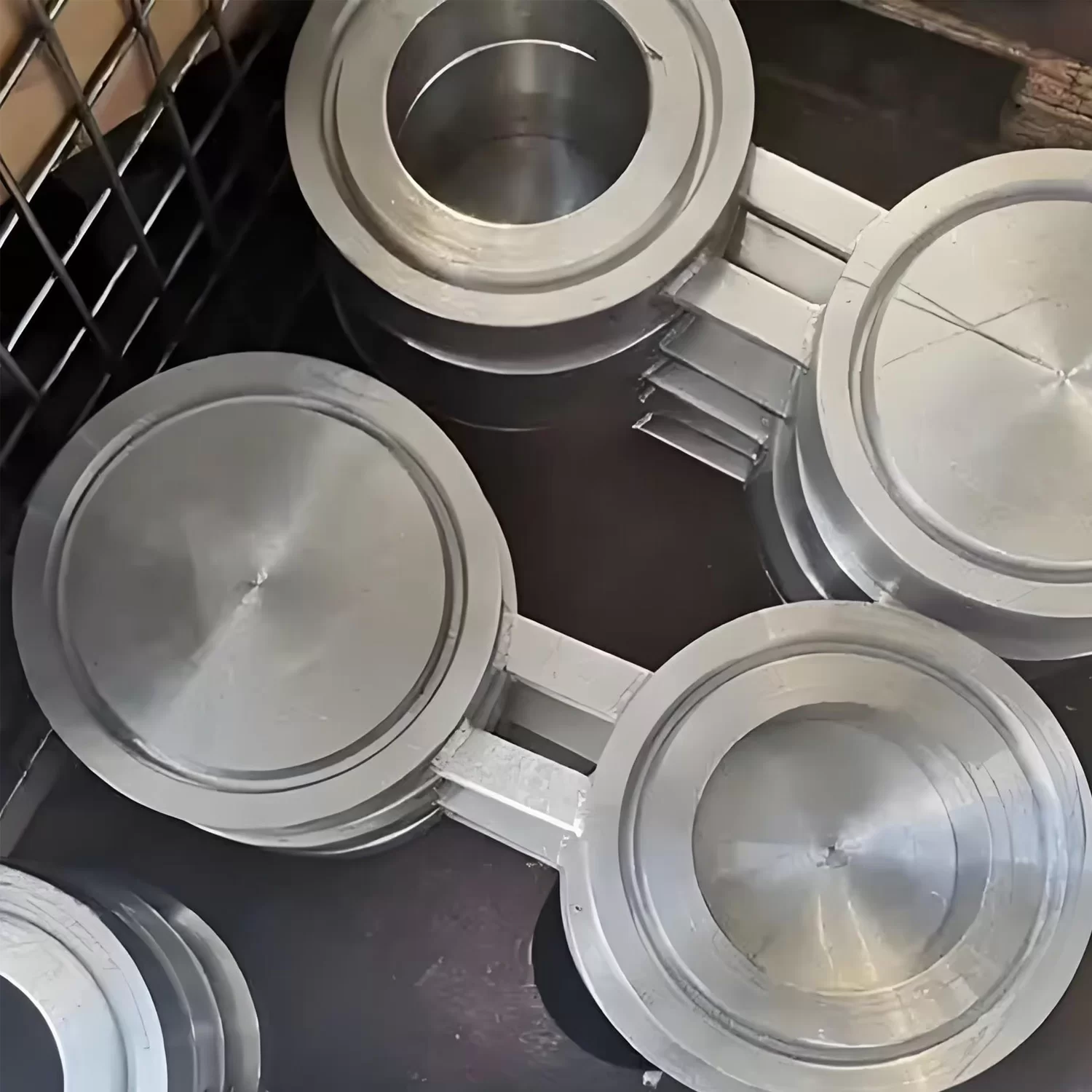
Safety and isolation are the twin pillars of pipeline maintenance. When a section of a high-pressure oil line must be isolated for pigging, hydro-testing, or repair, the api blind flange is the definitive tool for the job. Manufactured to the rigorous standards of the American Petroleum Institute, these solid steel plates are designed to withstand the maximum surge pressures of the pipeline, effectively serving as a structural bulkhead.
The API blind flange is distinguished from standard industrial flanges by its heavy-duty construction and high-grade metallurgy. It must be able to resist not only the static pressure of the trapped oil or gas but also the corrosive effects of stagnant fluids that may sit behind the "blind" for months or years. In offshore environments, these flanges are often equipped with specialized coatings or cathodic protection to prevent seawater corrosion. Whether used at the end of a manifold or to seal off an unused vessel nozzle, the blind flange provides the final, fail-safe barrier that protects maintenance crews and the surrounding environment from accidental releases.