The global imperative for clean water and efficient waste management has transformed water treatment facilities into some of the most technologically advanced industrial hubs. These systems operate under a constant barrage of chemical exposure, varying pressure gradients, and the mechanical stress of continuous fluid movement. In this high-stakes environment, the integrity of the network is defined by its weakest link, making the strategic selection of pipe fittings a primary concern for civil engineers and plant operators alike. Ensuring a leak-free, corrosion-resistant infrastructure is not just an operational goal; it is an environmental necessity.
Strengthening Connection Points with the Flange Threaded Type
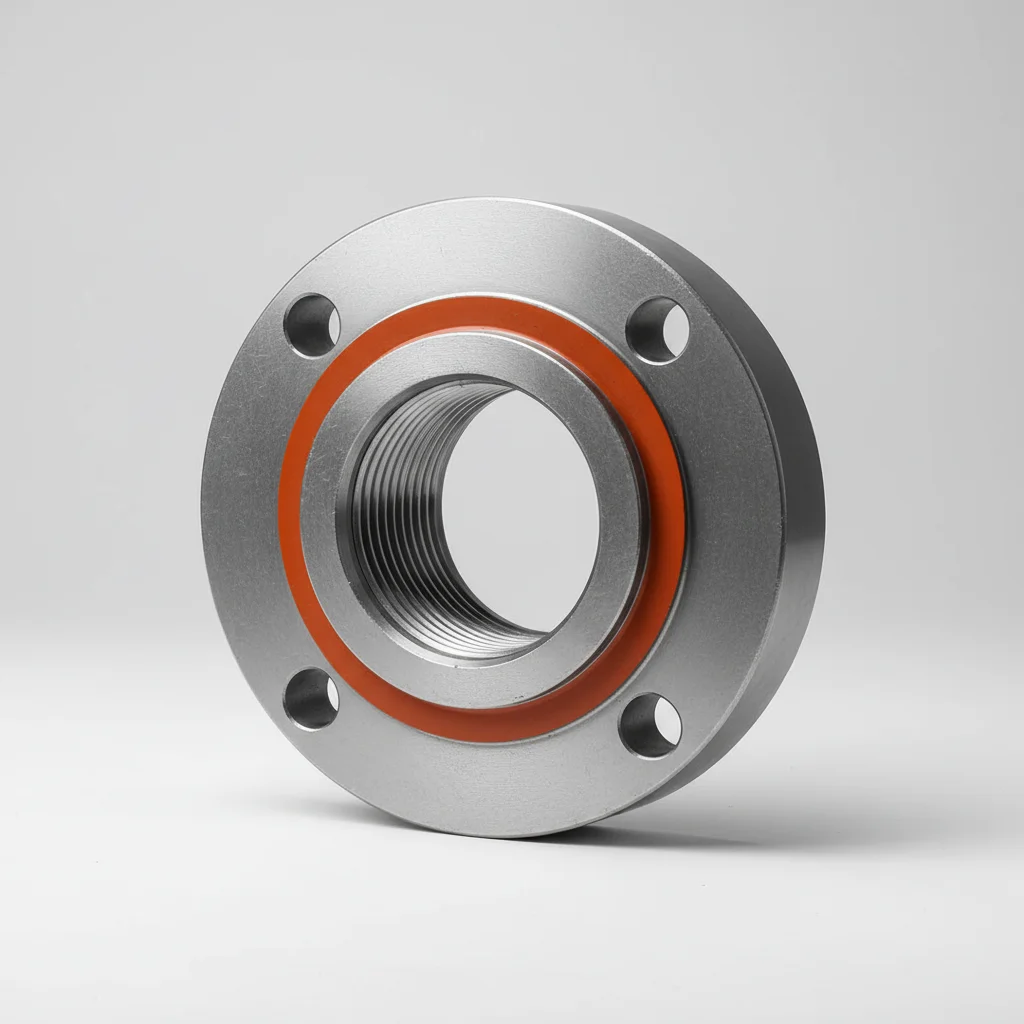
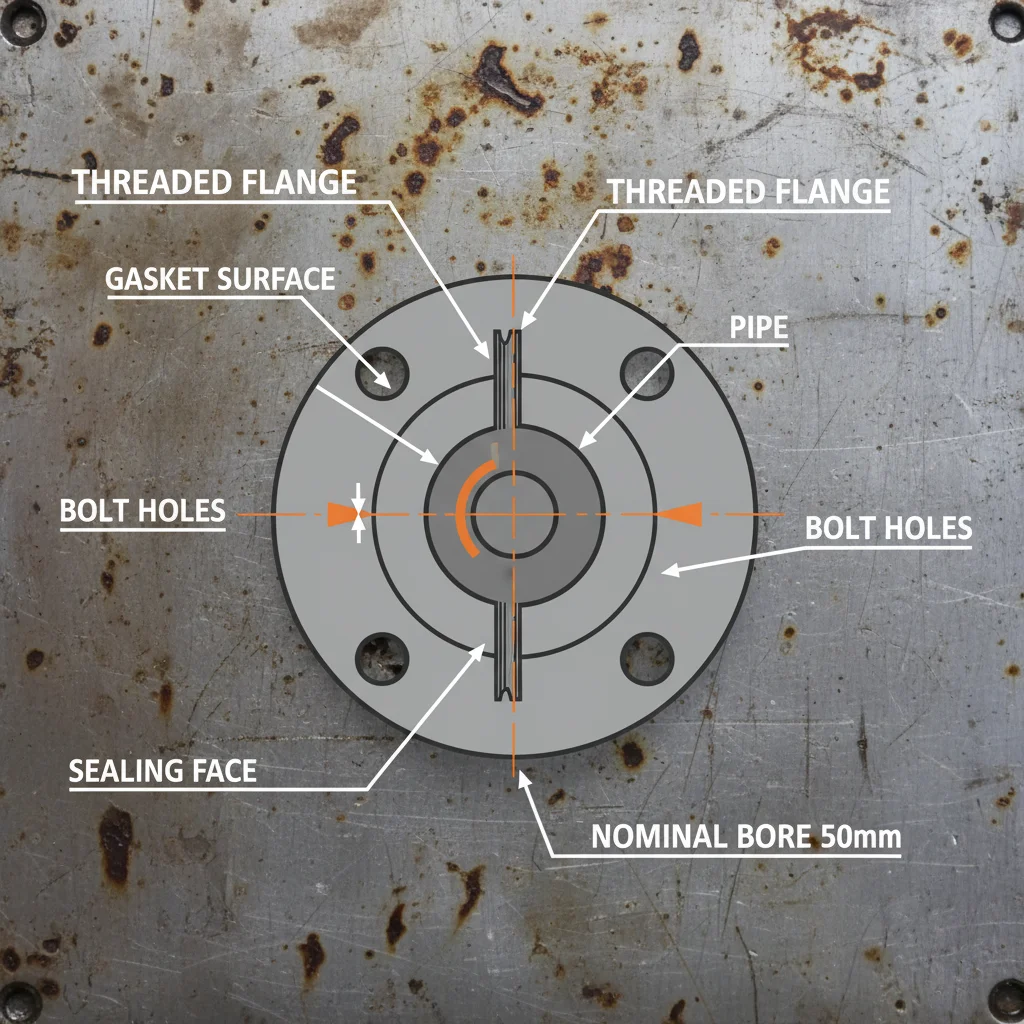
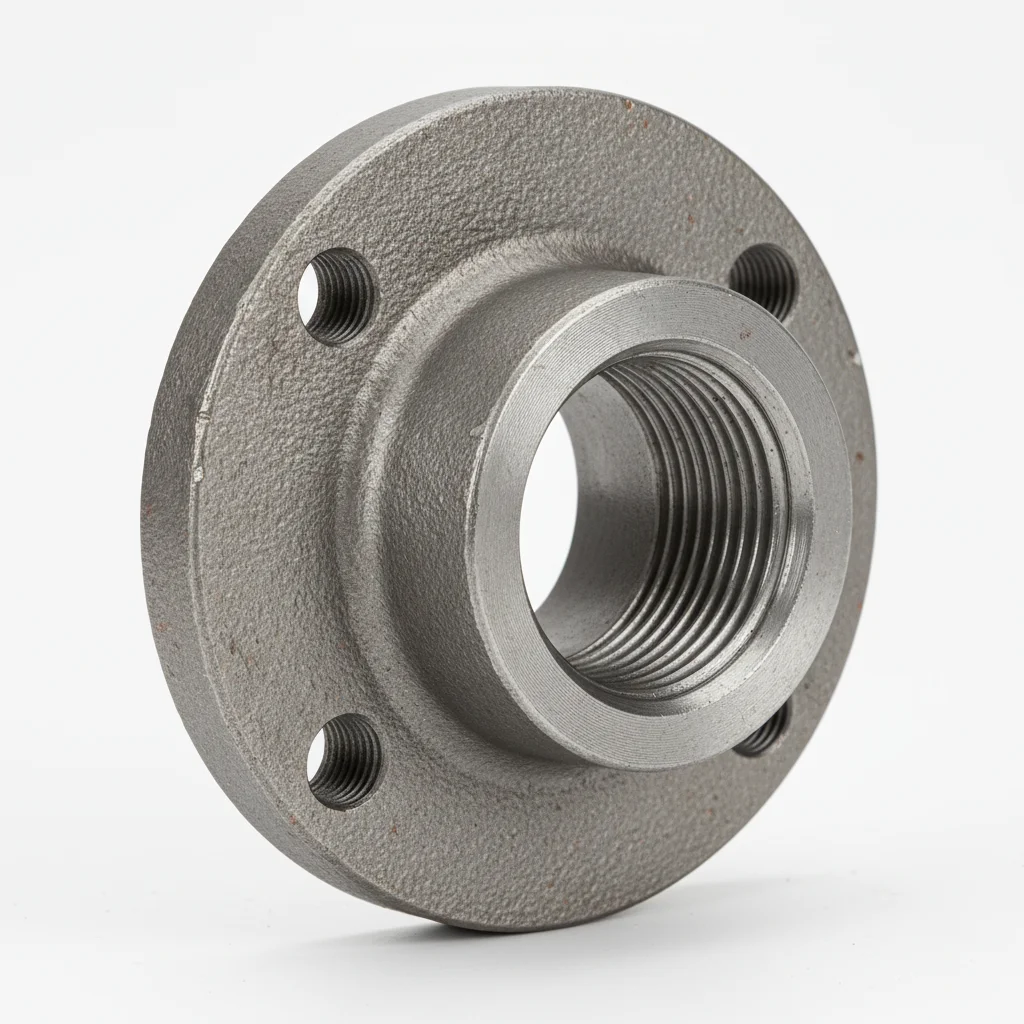
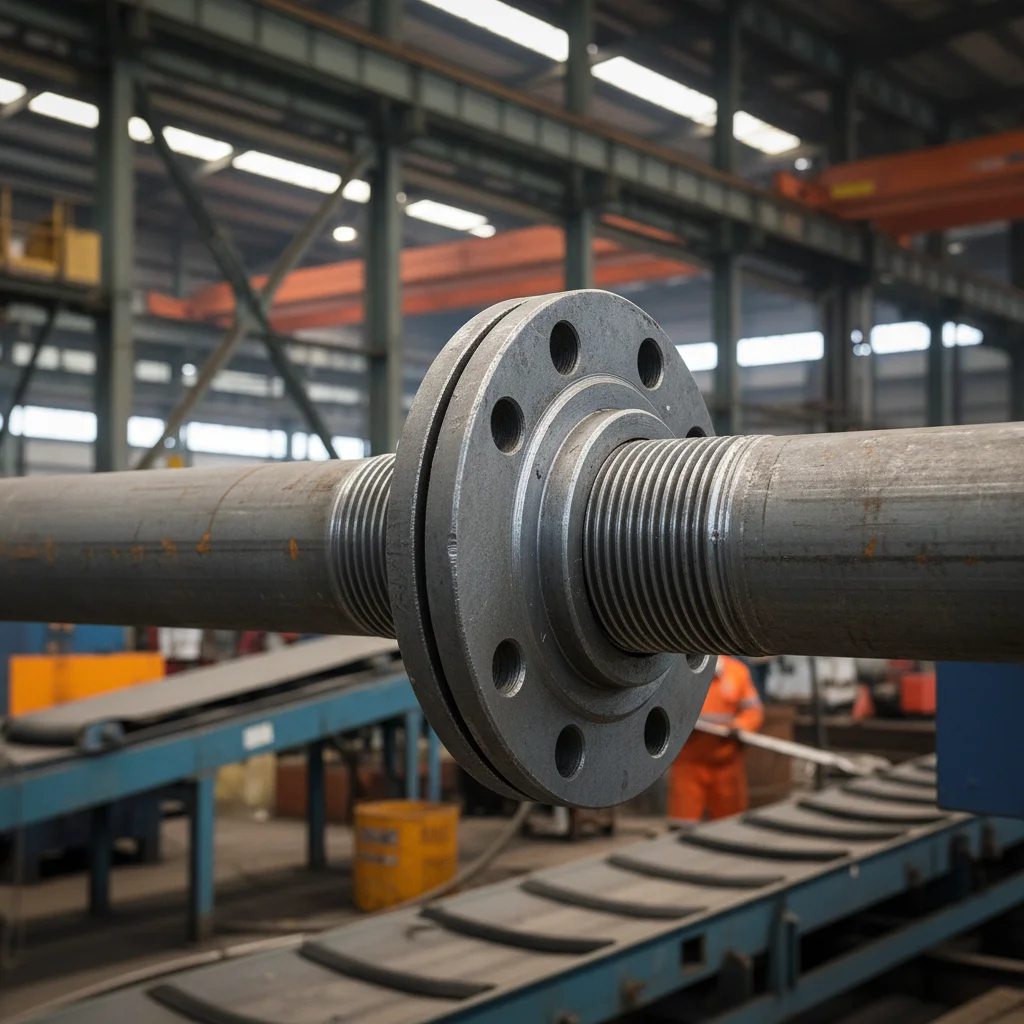
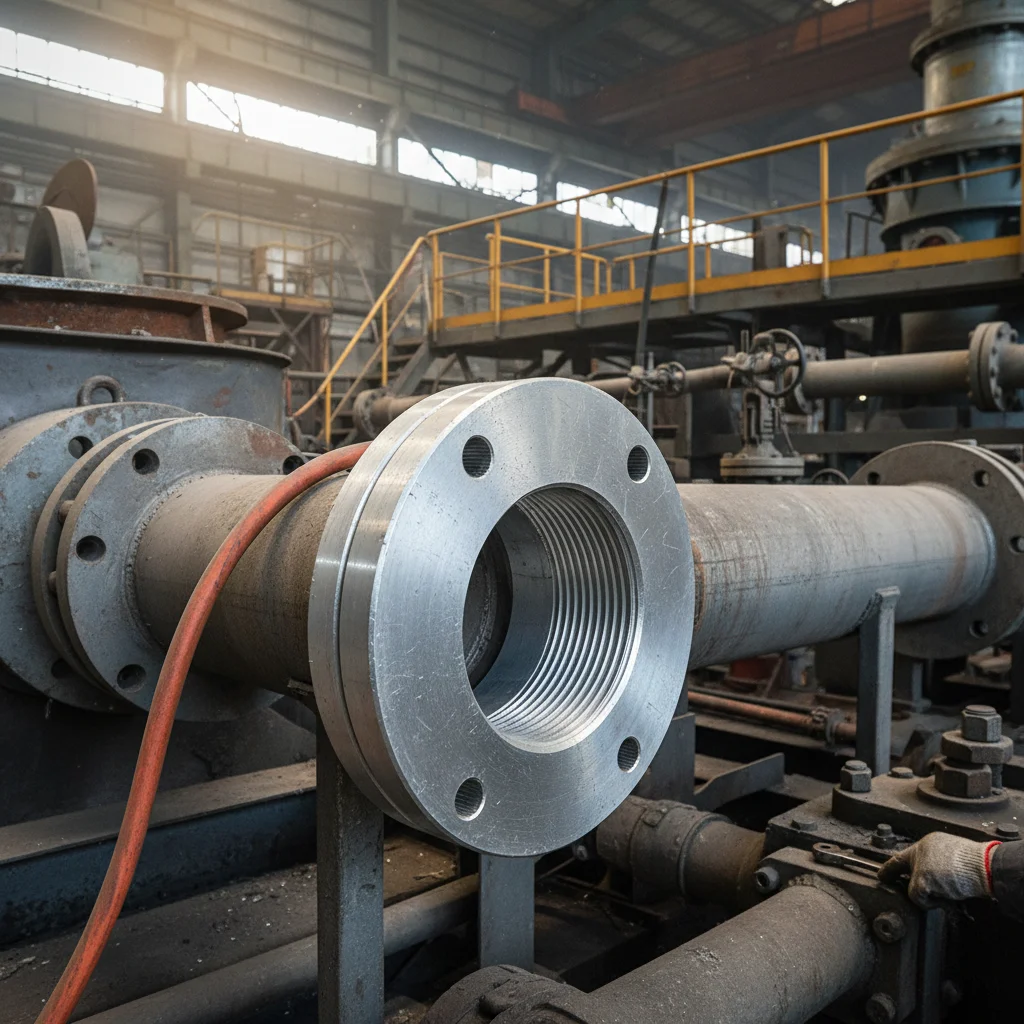
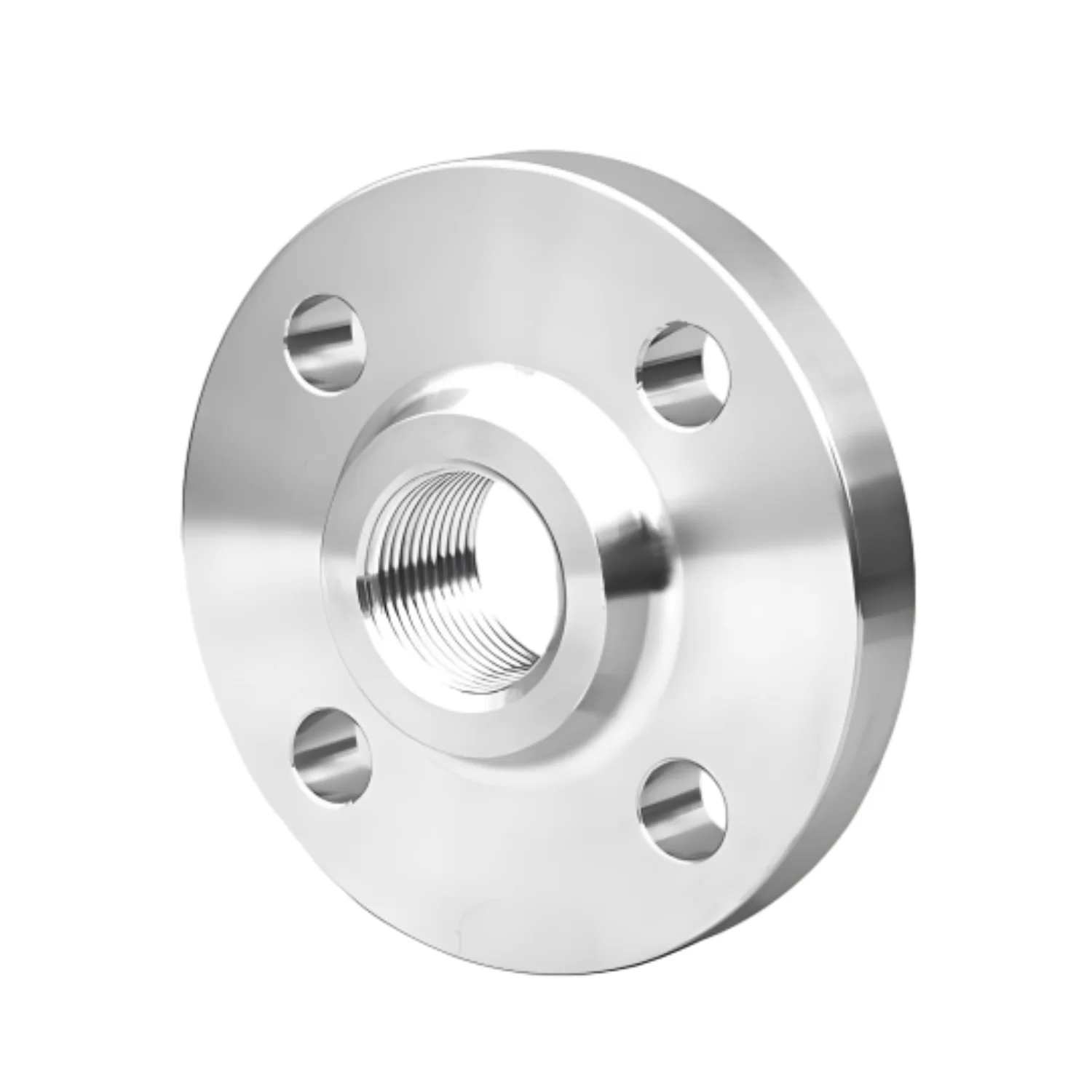
In the modular design of modern water purification plants, the ability to join and disconnect heavy-duty components without compromising the seal is essential. The flange threaded type serves as a vital mechanical interface in these systems, particularly in the chemical dosing and aeration stages. This specific flange design allows for a secure, screw-on connection to the pipe, which is then bolted to a corresponding flange on a pump, valve, or tank.
Unlike welded connections that require permanent installation, the flange threaded type offers the flexibility needed for maintenance in wastewater environments where sediment buildup and scale are common. In systems handling reclaimed water or aggressive filtrates, these flanges are often forged from alloys that resist pitting and crevice corrosion. By utilizing a threaded interface within a flanged assembly, engineers gain the structural stability of a bolt-on connection combined with the installation speed of threaded piping. This dual-action reliability ensures that even under the vibration of high-capacity centrifuges or sludge pumps, the joint remains hermetically sealed against the external environment.
The Role of the Slip On Flange in Large-Diameter Wastewater Mains
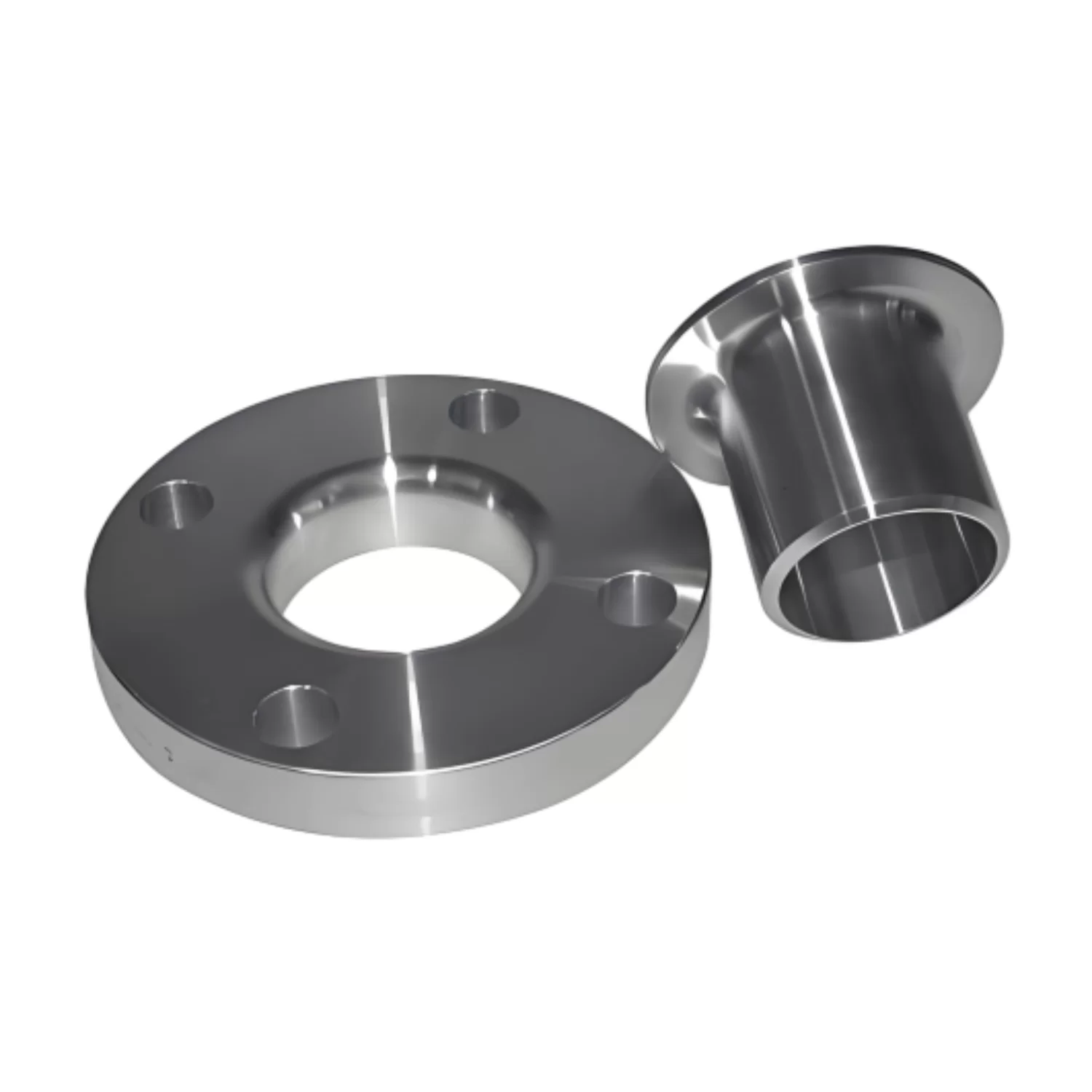
When dealing with large-scale municipal wastewater transport, the sheer volume of fluid requires piping systems that can be assembled quickly and aligned with high precision. The slip on flange has become a staple in these applications due to its straightforward installation process and low cost-to-performance ratio. As the name suggests, the flange is slipped over the pipe and then welded both internally and externally to provide sufficient strength and prevent leaks.
The primary advantage of the slip on flange in water treatment is its forgiving nature during alignment. In the field, where pipes may not meet at perfectly perpendicular angles, the ability to slide the flange into the ideal position before final welding saves significant time and labor. For low-pressure secondary treatment lines or gravity-fed discharge systems, these flanges provide a robust connection that can withstand the weight of the water and the external pressure of soil when buried. By reducing the complexity of the fit-up process, the slip on flange helps municipalities expand their wastewater networks more efficiently while maintaining a high standard of joint integrity.
Navigating Obstructions with the Reducing Elbow in Treatment Skids
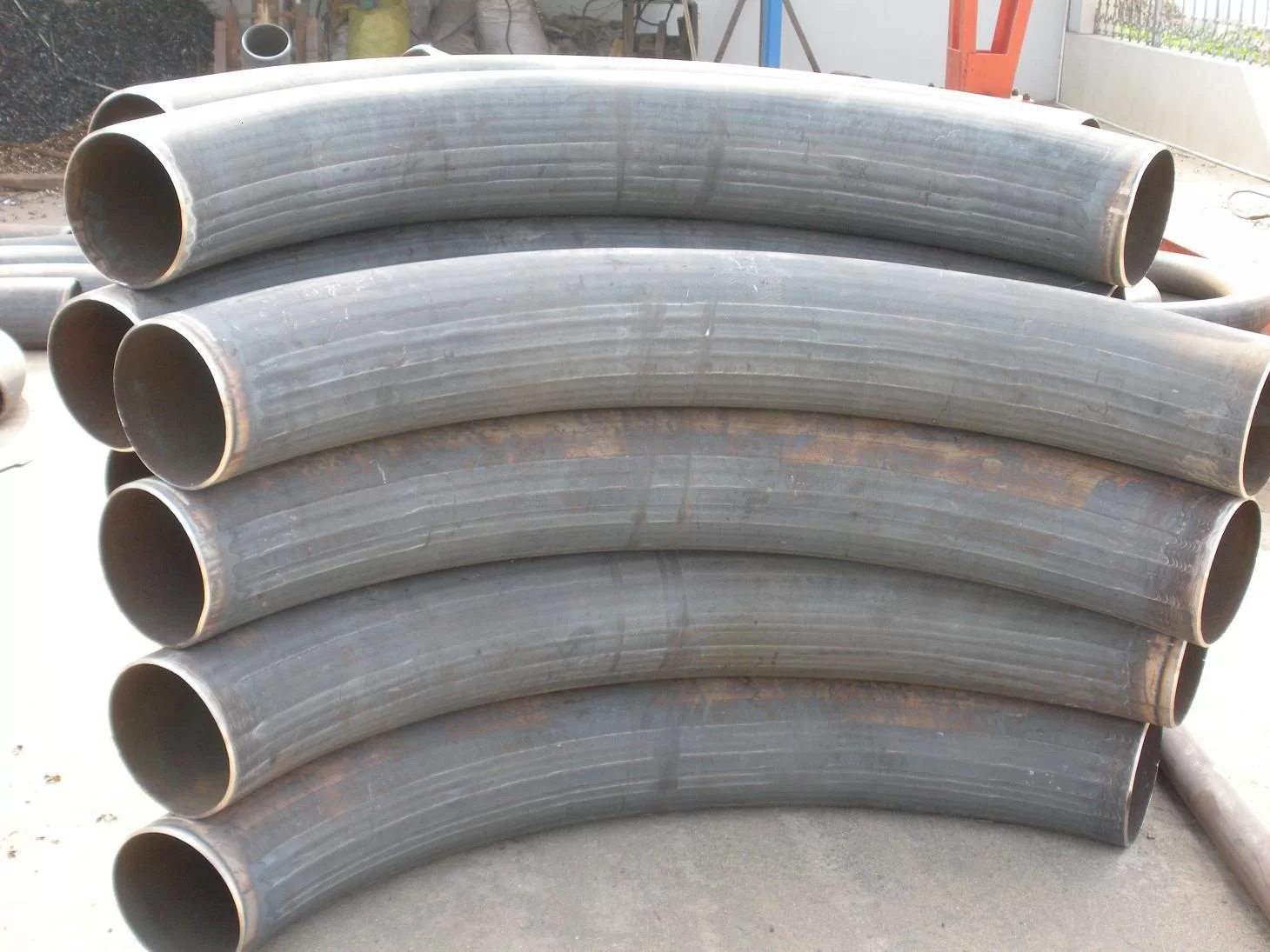
Water treatment facilities are often constrained by space, especially when upgrading existing plants with new filtration technologies like reverse osmosis or ultrafiltration. The reducing elbow is a specialized fitting that allows engineers to solve two design challenges at once: changing the direction of the fluid flow while simultaneously transitioning between different pipe sizes.
In a typical treatment skid, a large header pipe might distribute water to several smaller filtration modules. The reducing elbow facilitates this transition smoothly, eliminating the need for a separate reducer and a standard elbow. This consolidation of components reduces the total number of joints in the system, which in turn minimizes the potential for leaks. Furthermore, the internal geometry of a high-quality reducing elbow is designed to manage the change in velocity that occurs when fluid moves from a larger to a smaller diameter. This careful management of hydraulic energy prevents the localized turbulence that can damage sensitive membranes or cause erratic readings in flow meters.
Ensuring Safety and Isolation with the Blind Plate Flange
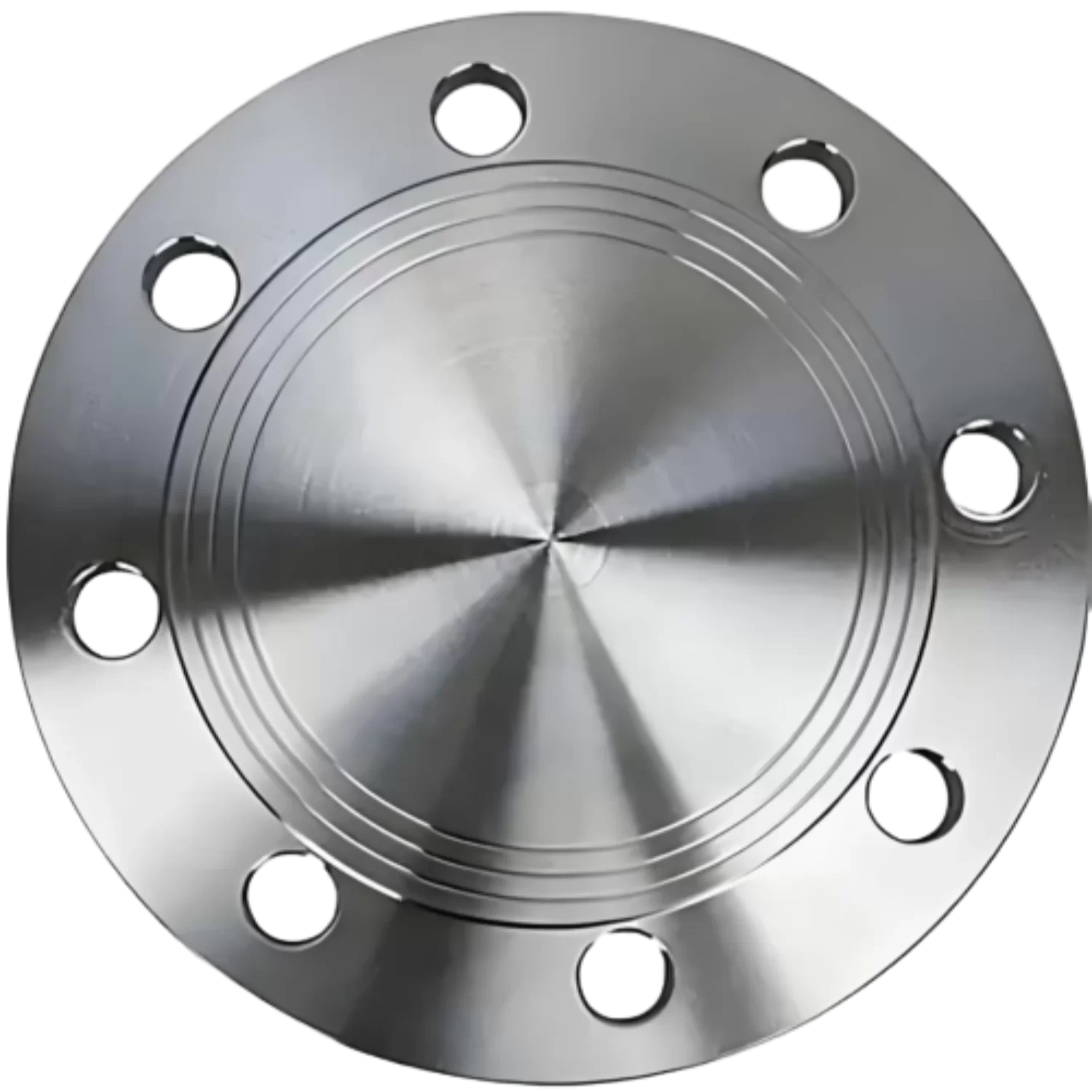
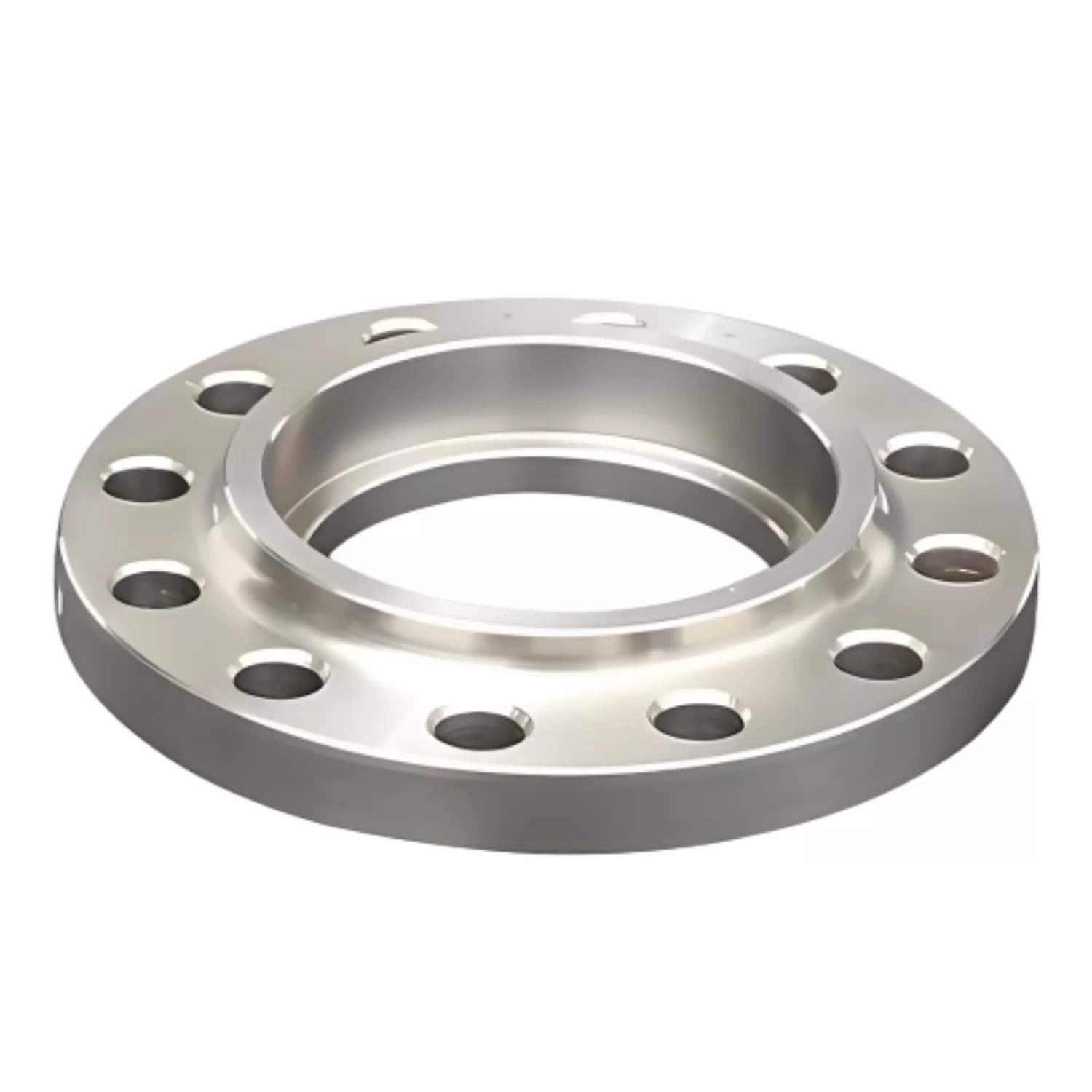
Maintenance and expansion are constant realities in wastewater management. To safely perform repairs or add new treatment trains without shutting down the entire facility, operators rely on the blind plate flange. This solid disk is used to terminate a piping run or to seal off a section of a manifold temporarily.
In wastewater systems, the blind plate flange acts as a critical safety barrier. When a tank needs to be drained and inspected, a blind plate is bolted onto the inlet pipe to ensure that no effluent can accidentally enter the workspace. These plates must be manufactured to withstand the maximum surge pressure of the system, as they are often the only thing standing between maintenance personnel and high-pressure waste streams. Because they are frequently removed and reinstalled, modern blind plate flanges are often equipped with integrated lifting eyes or handles to facilitate safe manual handling. Their presence in a system design is a testament to the "safety first" culture of modern industrial water management.
Strategic Flow Management using the Eccentric Swage Reducer
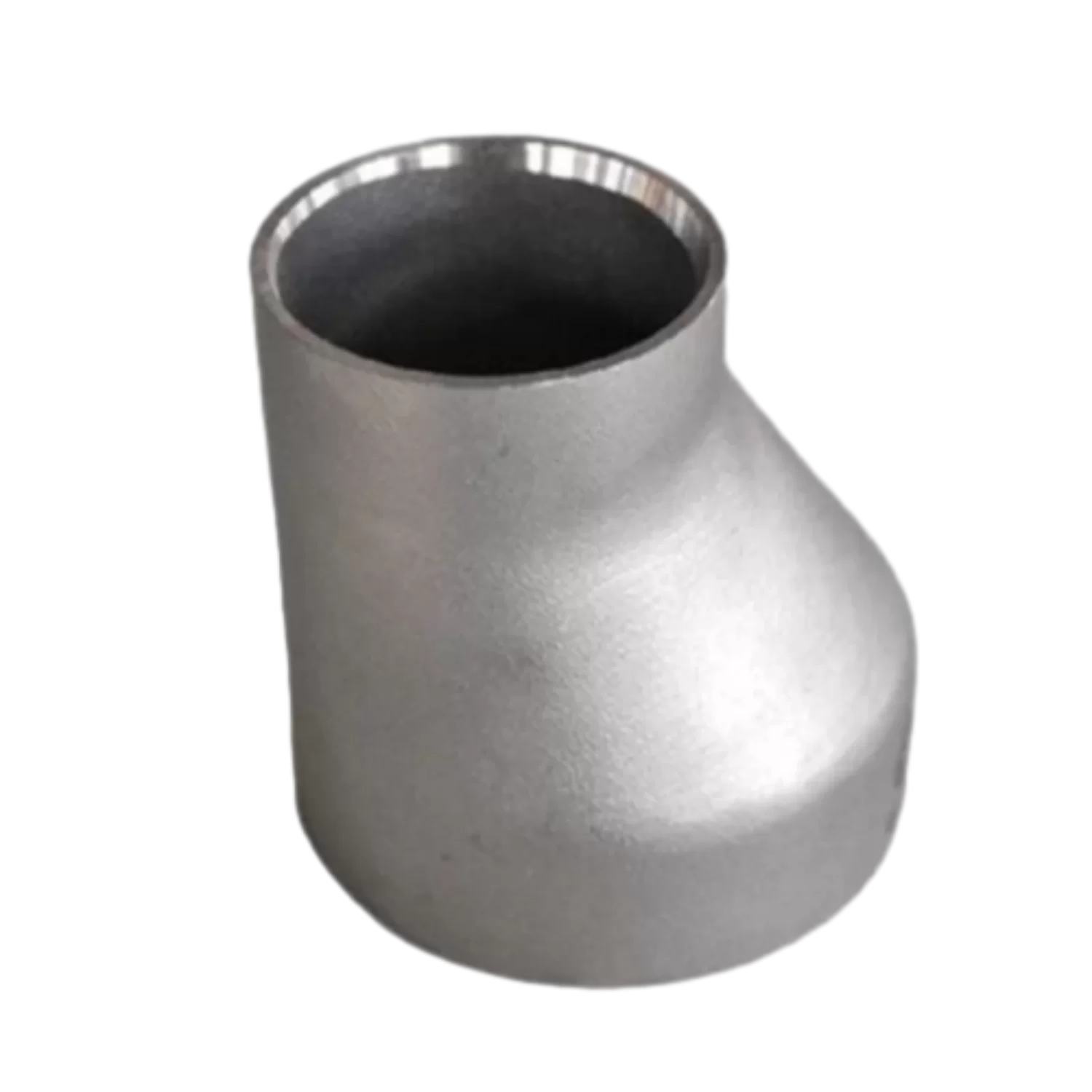
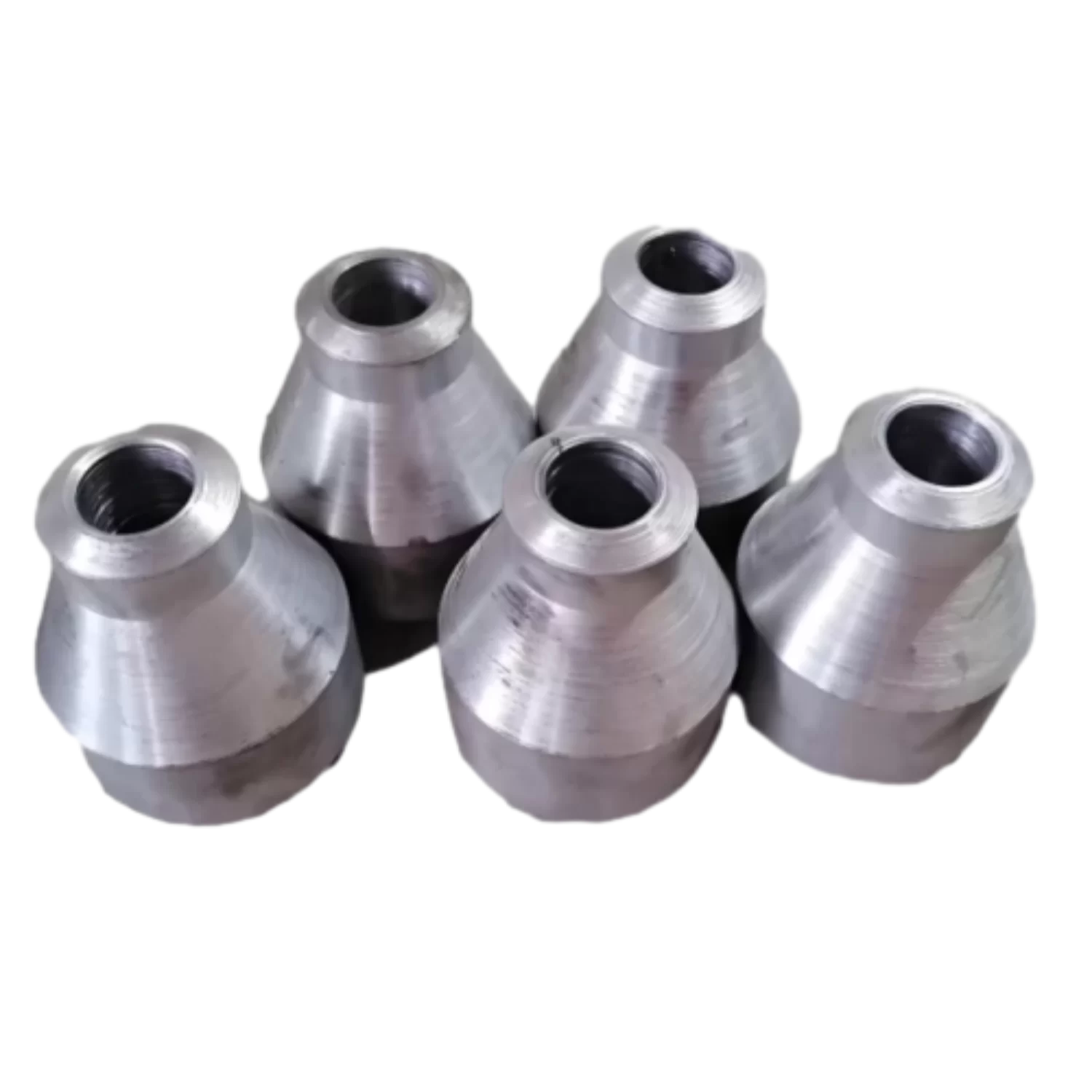
One of the most technically demanding aspects of water treatment is managing the intake of raw water and the movement of thickened sludge. To prevent the entrapment of air or gas—which can lead to catastrophic pump failure—the eccentric swage reducer is utilized in horizontal piping runs. Unlike a concentric reducer, which tapers evenly toward the center, the eccentric swage has one flat side.
In suction applications, the eccentric swage reducer is installed with the flat side on top to prevent the formation of "air pockets" that could be drawn into the pump, causing cavitation. In wastewater systems handling organic matter, where gas can naturally evolve from the media, this fitting is indispensable. It ensures that any gas bubbles are pushed along the top of the pipe and eventually vented, rather than accumulating at a high point in a transition. This level of detail in fitting selection directly impacts the uptime of the facility, protecting expensive pumping equipment and ensuring that the treatment process remains continuous and stable.