The complexity of modern architecture, whether in a high-rise commercial office or a bespoke residential estate, relies heavily on the "silent" infrastructure behind the walls. Plumbing systems have evolved from simple gravity-fed channels into sophisticated networks capable of handling varying pressures, temperatures, and chemical compositions. To ensure these systems remain leak-proof and efficient for decades, engineers and contractors must prioritize the selection of high-grade components that offer both structural integrity and installation flexibility.
The Versatility of the 45 Degree Elbow in Complex Piping Layouts
Navigating the structural beams and electrical conduits of a modern building requires a plumbing system that is agile. While sharp turns are sometimes necessary, the 45 degree elbow is the preferred choice for professionals looking to maintain optimal flow velocity while minimizing friction loss. Unlike sharper turns that can cause "water hammer" or sediment buildup in drainage systems, the 45-degree angle provides a gentler transition for fluids.
In residential applications, these elbows are frequently used in waste-vent systems to steer piping around floor joists without compromising the slope required for drainage. In commercial settings, where large-scale HVAC and chilled water systems operate under constant pressure, the 45 degree elbow helps in creating "offsets." These offsets allow pipes to shift position horizontally or vertically while keeping the flow as laminar as possible. By reducing the turbulence within the pipe, these fittings extend the lifespan of the entire network, preventing the internal erosion that often plagues systems with poorly planned directional changes.
Integrating the Stainless Threaded Flange for Modular Connectivity
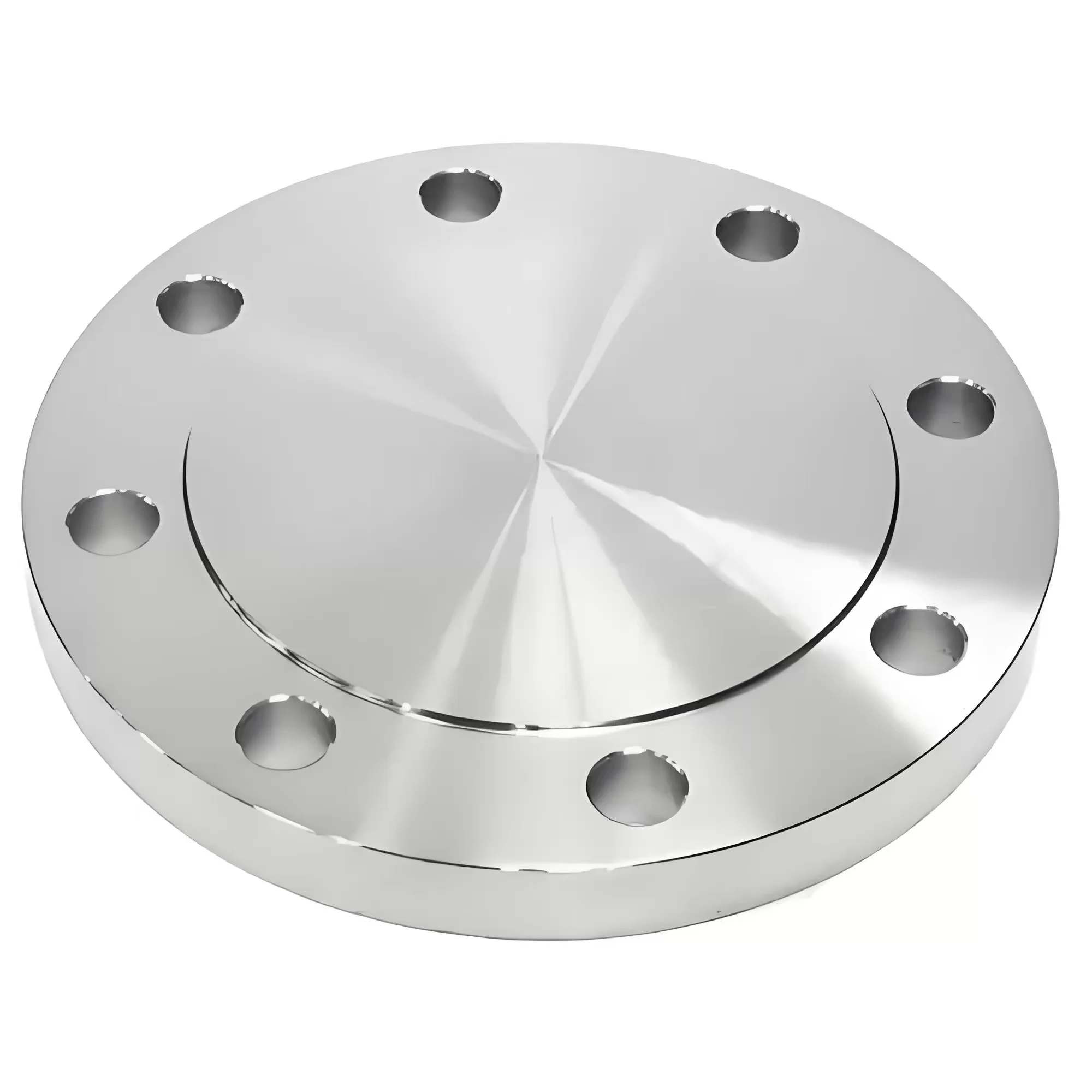
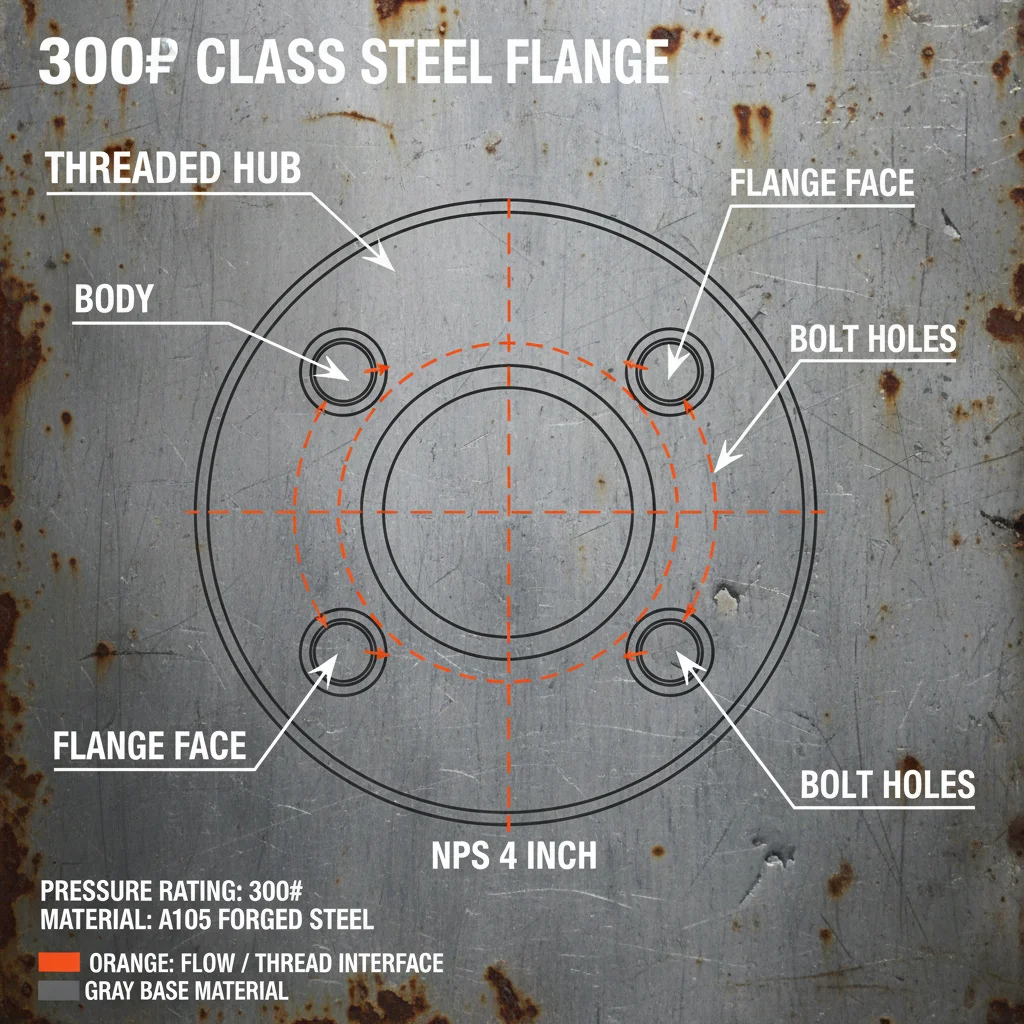
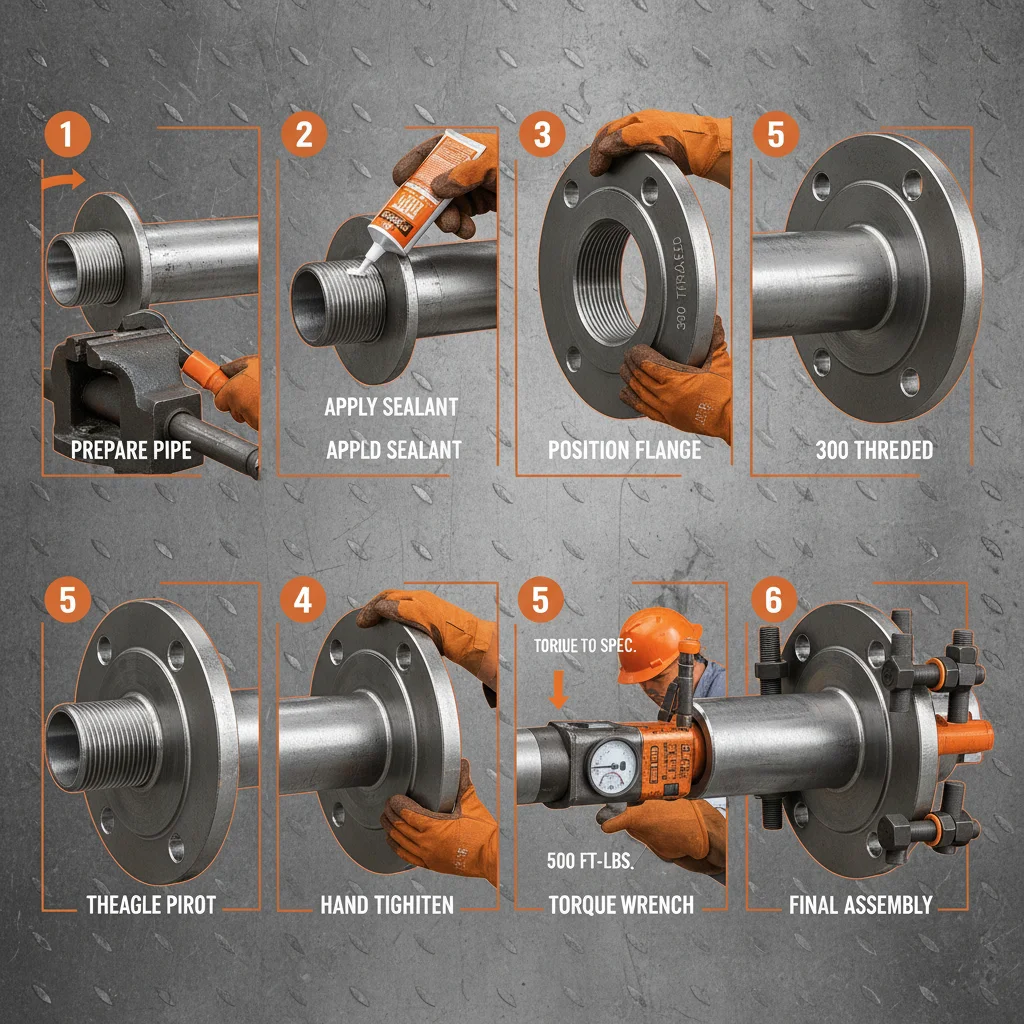
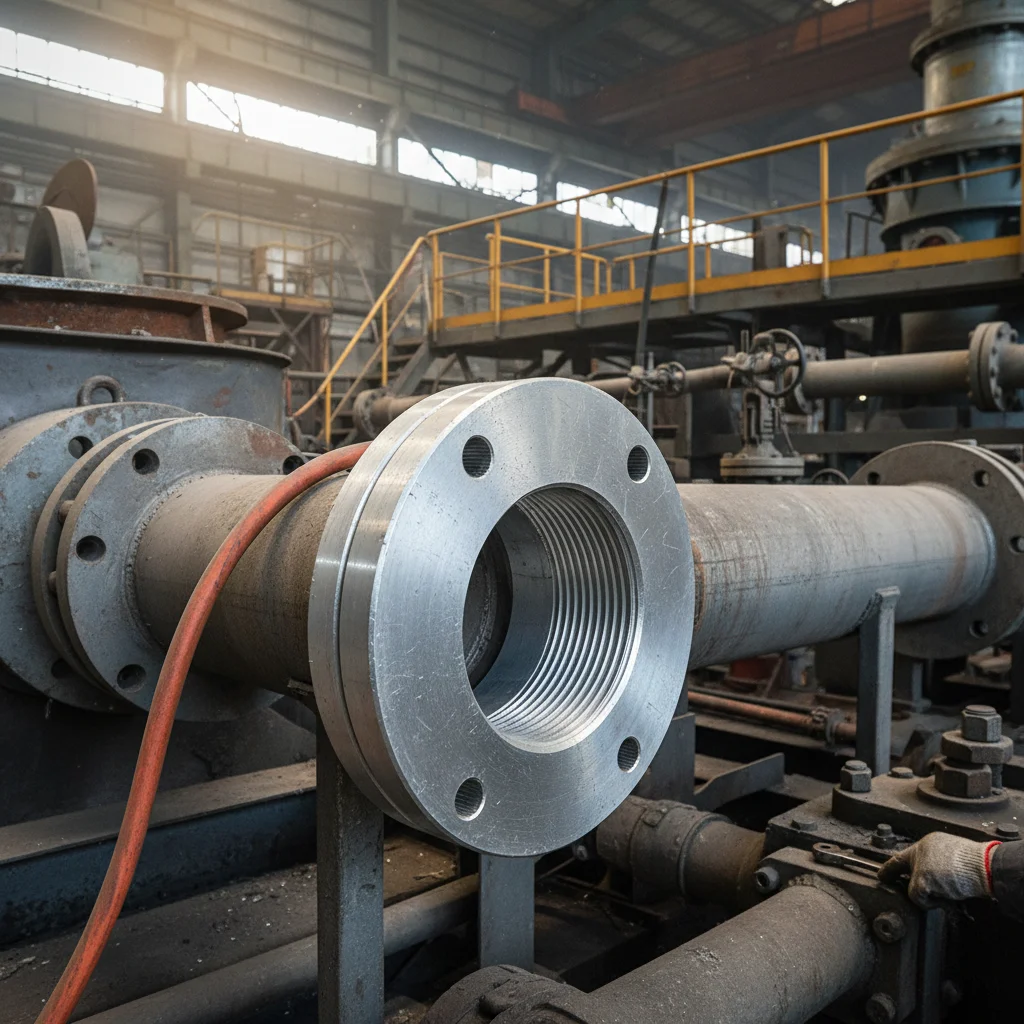
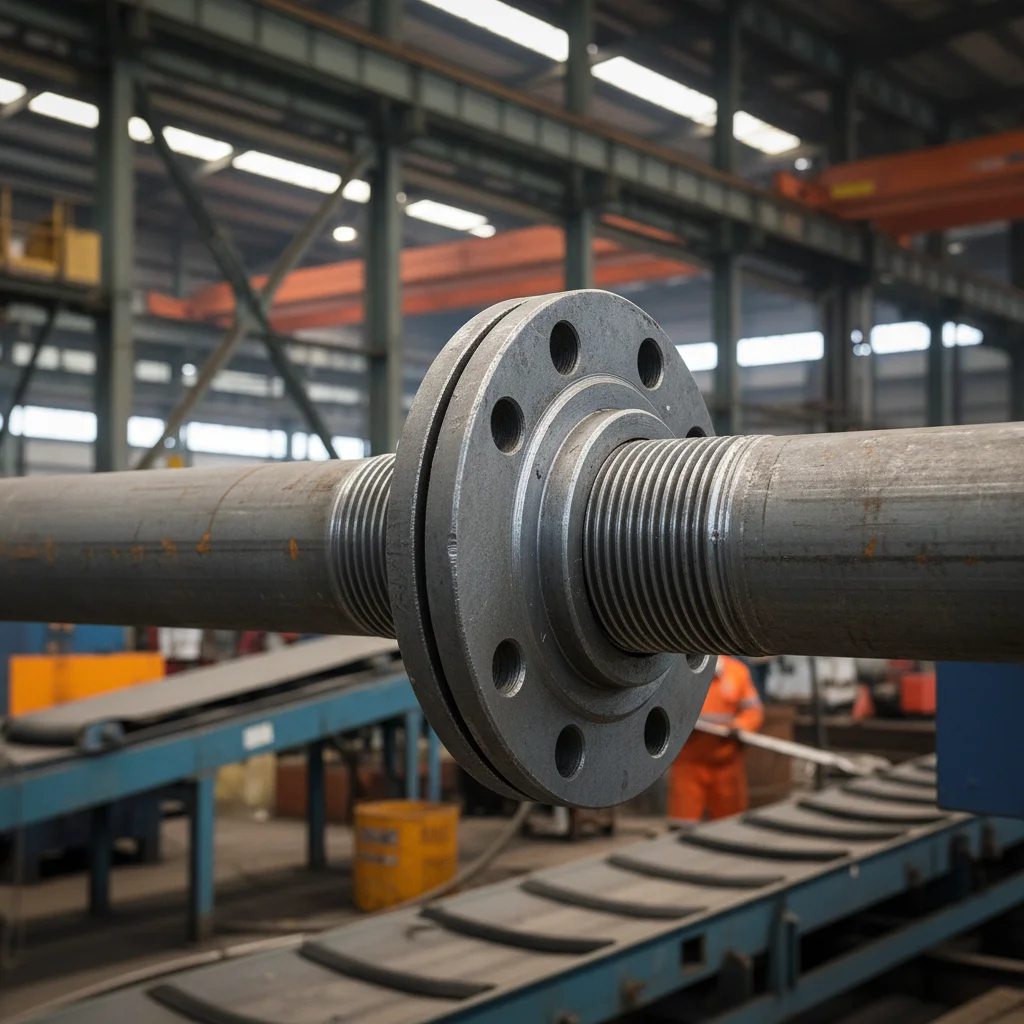
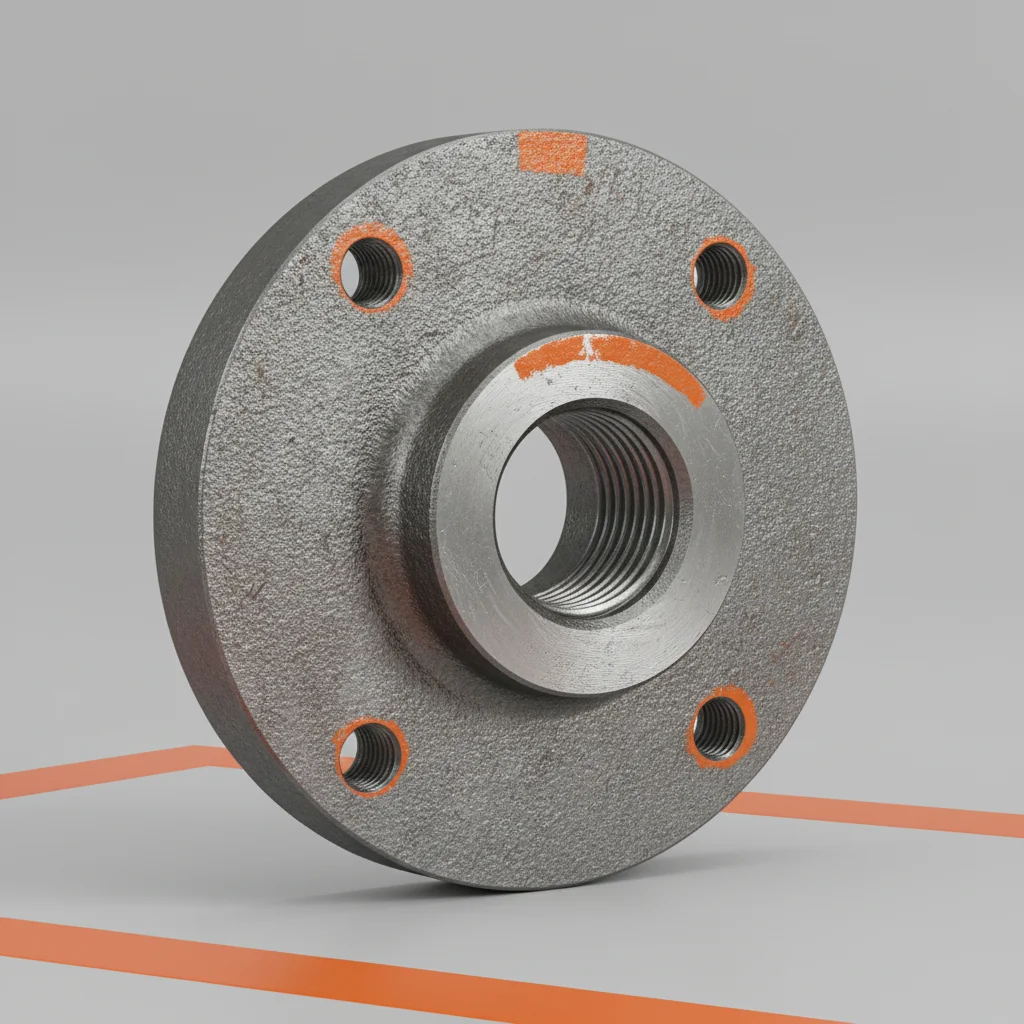
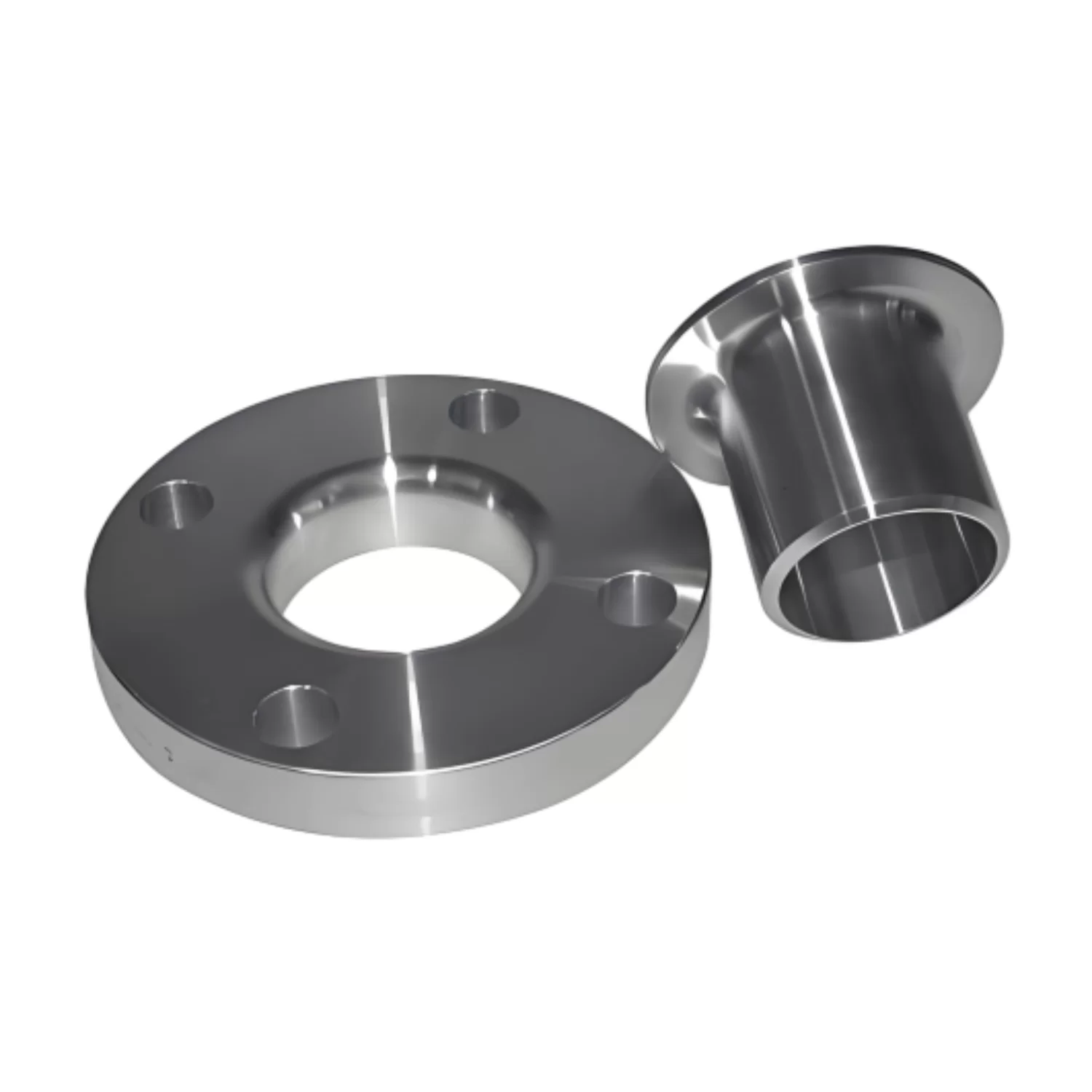
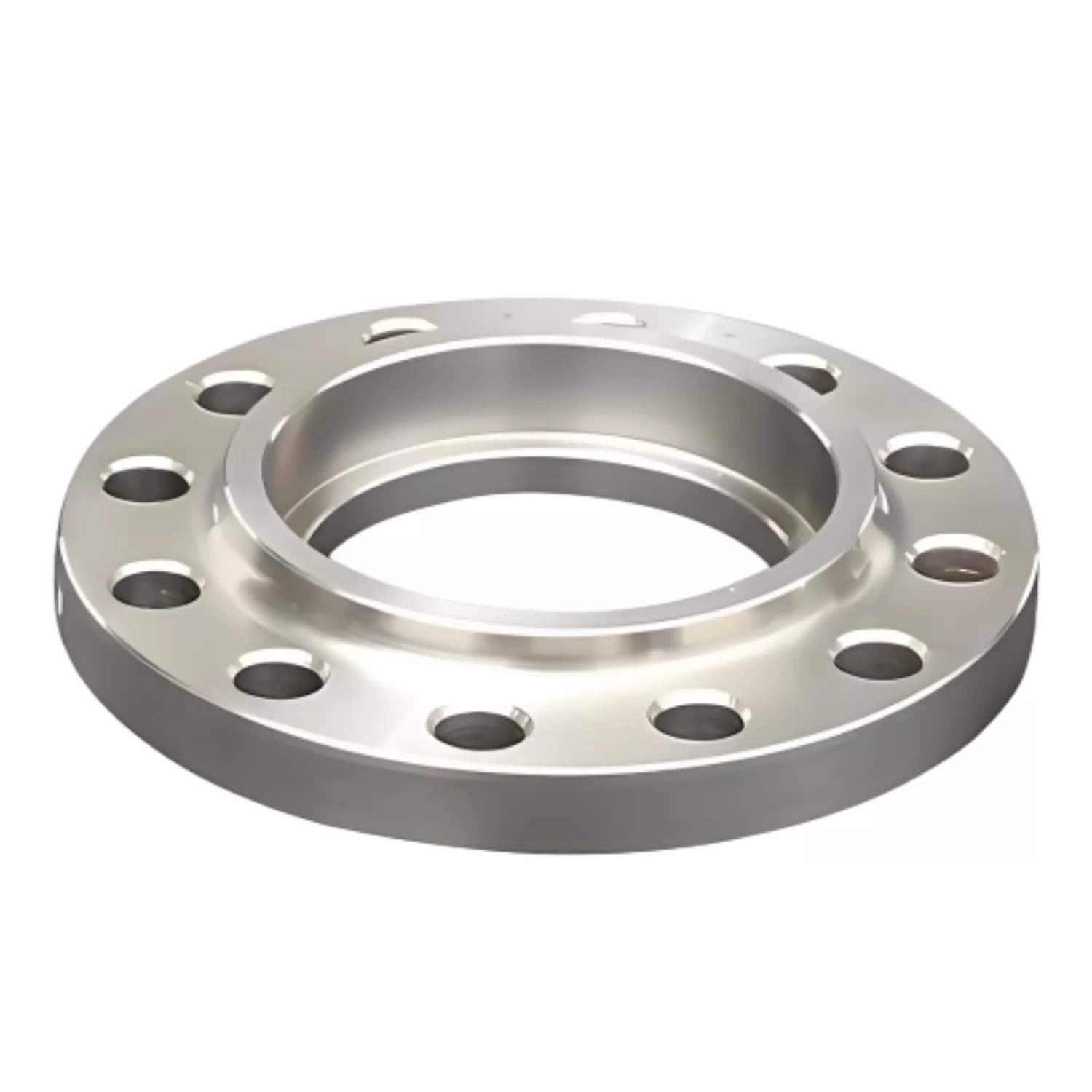
As commercial projects move toward pre-fabrication and modular construction, the need for detachable yet high-strength connections has surged. The stainless threaded flang e has emerged as a cornerstone of this movement. Combining the corrosion resistance of high-grade stainless steel with the ease of a threaded mechanical joint, this component allows for the rapid assembly of pump stations, water treatment skids, and boiler headers.
The primary advantage of using a stainless threaded flange in a commercial plumbing solution is the elimination of "hot work" in sensitive environments. When a system needs an upgrade or a component requires replacement, these flanges can be unbolted and unscrewed without the need for cutting or welding. This is particularly critical in food processing facilities or hospitals where smoke and sparks from welding are prohibited. Furthermore, the stainless steel composition ensures that the connection point remains free from rust and scale, maintaining the purity of the potable water supply and ensuring that the threads do not seize over time due to oxidation.
Maximizing Fluid Efficiency with the 180 Elbow in Closed-Loop Systems
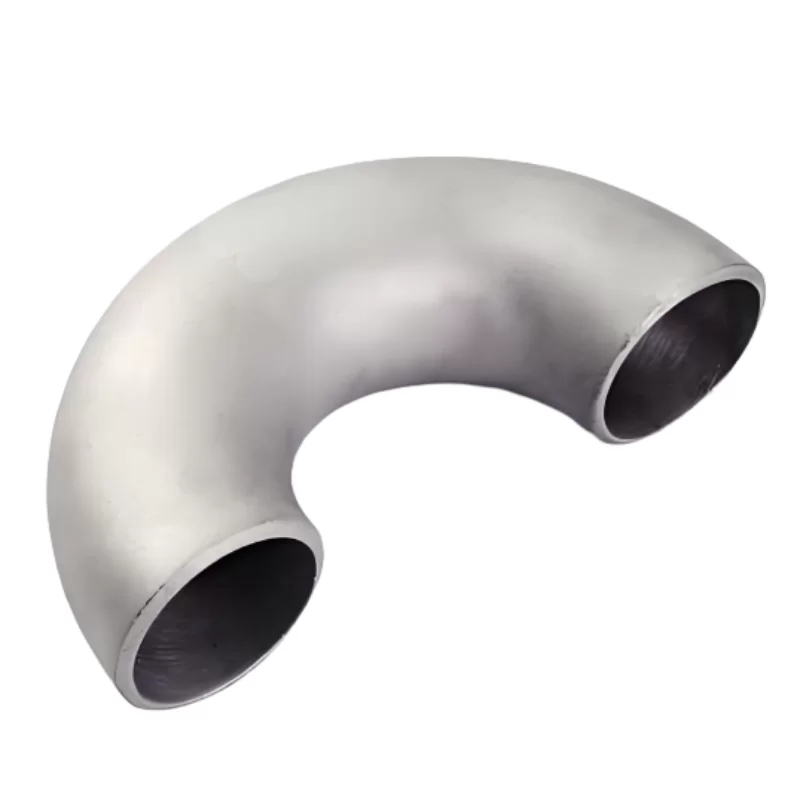
In large-scale commercial buildings, energy efficiency is often tied to the performance of radiant heating and cooling systems. These systems frequently utilize a "serpentine" piping layout to maximize surface area contact for heat exchange. The 180 elbow, often referred to as a return bend, is the essential component that makes these tight, 180-degree turns possible within a compact footprint.
The 180 elbow is engineered to reverse the direction of fluid flow completely while occupying minimal space. In the context of a commercial mechanical room, these fittings are used to connect parallel runs of piping in heat exchangers or boiler manifolds. Because the bend is manufactured to maintain a consistent internal diameter, it prevents the significant pressure drops that would occur if one were to attempt a similar turn using multiple smaller-angle fittings. This efficiency translates directly into lower pumping costs and more consistent temperature distribution throughout the building, making it a staple in "green" building certifications and high-performance plumbing designs.
Structural Reliability via Seamless Stainless Steel Pipe for Critical Lines
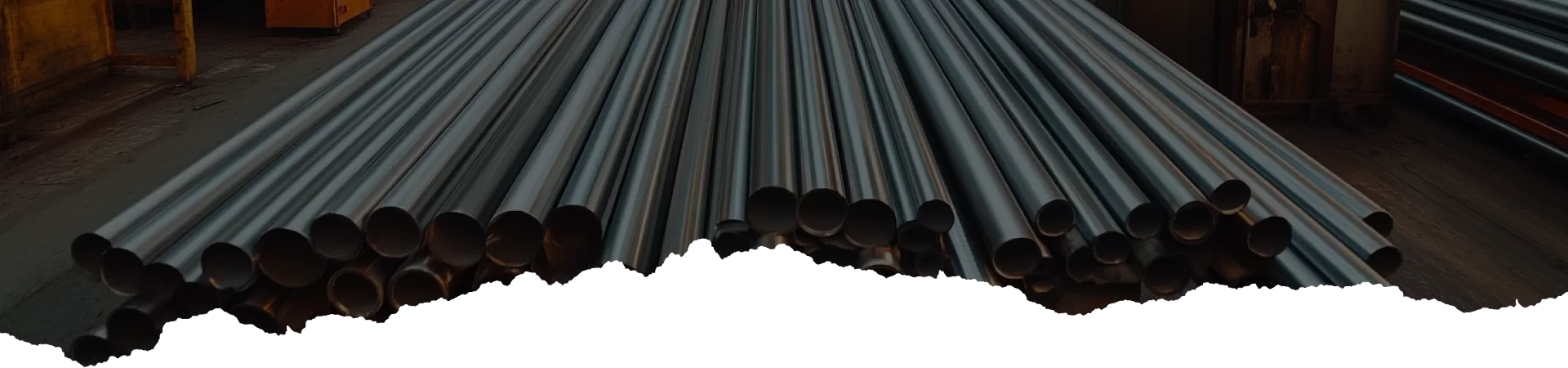
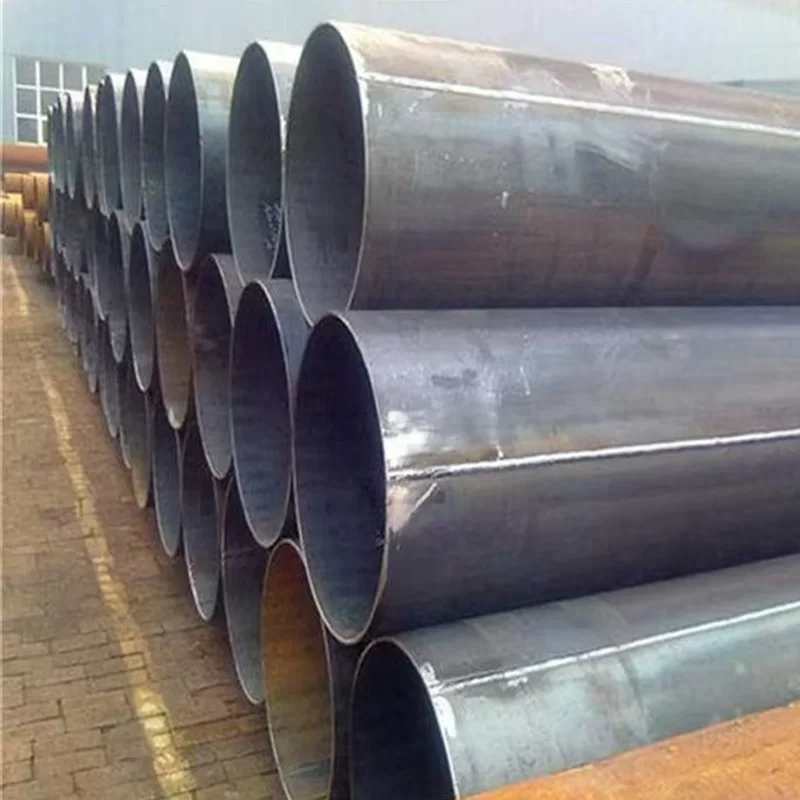
While copper and PEX are common in residential branches, the main risers and high-pressure supply lines of commercial skyscrapers demand a more rugged material. The seamless stainless steel pipe represents the gold standard for these critical pathways. Manufactured without a longitudinal weld, these pipes offer a uniform grain structure that can withstand significantly higher internal pressures and external mechanical stresses compared to welded alternatives.
The choice of seamless stainless steel pipe is often driven by the need for longevity in inaccessible areas, such as vertical shafts or underground service tunnels. Because there is no seam to act as a potential point of failure or a site for localized corrosion, these pipes are virtually maintenance-free for the duration of the building's life cycle. Additionally, the smooth internal surface of a seamless pipe inhibits the growth of biofilm and the accumulation of mineral deposits. In high-end residential projects or luxury hospitality developments, this ensures that water quality remains pristine and that flow rates do not diminish over decades of service.
Precision Space Management with the Reducing Street Elbow
One of the greatest challenges in residential plumbing—especially in kitchen and bathroom renovations—is the lack of space. The reducing street elbow is a specialized solution designed to solve two problems simultaneously: changing the direction of the flow and changing the size of the pipe, all within a single fitting. A "street" fitting is unique because it features one male end and one female end, allowing it to be tucked directly into another fitting without the need for an intermediate short piece of pipe.
When this design is combined with a reduction in diameter, the result is a highly efficient component that allows a 1 inch supply line, for example, to turn 90 degrees and transition directly into a 3/4 inch branch. This eliminates the bulk of using a standard elbow followed by a separate reducer. In modern commercial plumbing, these are used extensively in "drop" lines for fire sprinkler systems and laboratory gas lines where every inch of ceiling clearance is valuable. By reducing the number of joints required in a system, the reducing street elbow also naturally reduces the number of potential leak paths, enhancing the overall reliability of the plumbing network.