


For procurement managers, technical directors, and operations teams seeking a low-cost blind flange that eliminates corrosion failures, cuts freight expenses, and meets ASME/ISO compliance for dead-end pipeline service, chemical plants, offshore platforms, and water treatment systems.
Cangzhou Weihuan Pipeline Equipment Co., Ltd.
For procurement managers, technical directors, and operations teams seeking a low-cost blind flange that eliminates corrosion failures, cuts freight expenses, and meets ASME/ISO compliance for dead-end pipeline service, chemical plants, offshore platforms, and water treatment systems.
When you're planning a pipeline shutdown, commissioning a line, or isolating a pressure vessel, the blind flange is the last component you want to fail. Yet plant managers across North America and Europe keep seeing the same avoidable failures.
Stainless steel and high-nickel alloy blind flanges have risen 28–35% since 2021. For 12" ANSI 300# class, a stainless blank can cost $480–$720 per unit. Budgets are being blown on passive components.
Carbon steel blanks in aggressive media fail within 18–36 months. A failed blind flange means emergency shutdowns, environmental fines, and replacement costs that are 5–8× the original part price.
A 12" carbon steel blind flange weighs roughly 48 kg. For an order of 100 units, that's 4.8 tons in sea freight — adding $1,500–$3,000 in shipping costs alone. Airfreight becomes impossible.
Forged steel flange delivery from specialty suppliers often stretches to 14–20 weeks. When a pipeline is down, waiting 3 months is not an option. Your team needs alternatives that ship in days or weeks.
“We saw a 37% project overrun on a valve replacement job because stainless blanks were both too expensive and too slow. Switching to a lightweight composite flange saved the schedule.” — US Plant Maintenance Manager, chemical processing
Cangzhou Weihuan supplies aluminum blind flange and FRP blind flange products that directly address price, corrosion, and delivery pain points. Both are engineered to ASME B16.48 / B16.5 standards and available as OEM/ODM custom configurations.
Grade 6061-T6 / 5083 aluminum blank for ANSI 150#, 300#, and 600# service. Weighs ~65% less than carbon steel and resists atmospheric, marine, and many chemical corrodents.
🔹 Materials: 6061-T6, 5083, 5052, 7075
🔹 Standards: ASME B16.48, B16.5, API 6A (custom)
🔹 Pressure: 150# – 600#; higher on request
🔹 Sizes: 1/2" (DN15) to 24" (DN600)
🔹 Face types: RF, FF, RTJ
🔹 Temperature: −60°C to +200°C
Glass-fiber-reinforced vinyl ester / epoxy composite blank for aggressive chemical service. Completely non-corrosive, non-conductive, and up to 75% lighter than carbon steel.
🔹 Materials: Fiberglass + vinyl ester / epoxy / polyester
🔹 Standards: ASME B16.5 compatible, custom drilling
🔹 Pressure: up to 150# (PN10/PN16) typical
🔹 Sizes: 1/2" (DN15) to 24" (DN600)
🔹 Face types: RF, FF, flat face
🔹 Temperature: −40°C to +120°C
📐 Engineering context: In piping design, every fitting — including blind flanges — influences system stress distribution. As published in Sustained Stress Indices at Tee Connections in Piping Systems (ScienceDirect), stress intensification factors must be accounted for at all discontinuities. Lightweight flanges reduce the dead load transmitted to pipe supports, which is a direct benefit for retrofitting existing rack systems with lower load margins. For rigorous structural integrity assessments, the R6 Failure Assessment Diagram method (Academia.edu) offers a framework for evaluating the combined effects of pressure and external loads — our engineering team can supply FEA-based documentation for critical applications.
Proven performance data for design engineers and procurement verification. Values based on standard manufactured configurations.
| Parameter | Aluminum Blind Flange | FRP Blind Flange | Carbon Steel (Reference) |
|---|---|---|---|
| Standard | ASME B16.48 / B16.5 | ASME B16.5 compatible | ASME B16.5 |
| Material Grade | 6061-T6 / 5083 / 5052 | Vinyl Ester / Epoxy + E-glass | A105 / A516 Gr.70 |
| Density (g/cm³) | 2.70 | 1.85 – 2.10 | 7.85 |
| Tensile Strength (MPa) | 290 – 310 | 130 – 250 | 415 min |
| Yield Strength (MPa) | 240 – 276 | N/A (brittle-elastic) | 250 min |
| Pressure Rating | 150# – 600# | 150# max (PN10/16) | 150# – 2500# |
| Temperature Range | −60°C to +200°C | −40°C to +120°C | −29°C to +427°C |
| Corrosion Resistance | Excellent (marine/atmospheric) | Superior (acids/alkalis/salts) | Poor (requires coating) |
| Weight (6" 150# flange) | ≈ 7.2 kg | ≈ 5.1 kg | ≈ 12.3 kg |
| Thermal Conductivity (W/mK) | 167 | 0.3 – 0.4 (insulating) | 45 – 55 |
Table notes: Mechanical properties are typical values for standard production. Custom pressure classes and sizes available. FRP blind flanges are manufactured via matched-die molding for consistency.
A cheap blind flange is not just the lowest invoice line-item. It's the lowest total cost of ownership (TCO). Here's how aluminum and FRP blanks outperform traditional carbon steel and stainless options.
| Cost Item | Carbon Steel | Aluminum | FRP |
|---|---|---|---|
| Unit material cost | $25 | $34 | $38 |
| Unit weight (kg) | 12.3 | 7.2 | 5.1 |
| Total shipping weight (kg) | 1,230 | 720 | 510 |
| Freight cost (sea, est.) | $430 | $250 | $180 |
| Total order cost | $2,930 | $3,650 | $3,980 |
*Indicative pricing for comparison. Actual quotes depend on size, pressure class, surface finish, and volume. Request a line-item quote for your exact spec.
Note: While aluminum and FRP blanks may have a slightly higher per-unit material cost than carbon steel, the shipping savings often make the total landed cost lower — and the longer service life in corrosive applications makes TCO significantly better. A published study in Cureus Journal of Engineering (2025) on Performance Material Selection in Rigid Flange Coupling Systems confirms that optimizing material selection against operating conditions "reduces both over-specification waste and in-service failure risks."
From offshore platforms in the North Sea to chemical plants in Alabama, aluminum and FRP blind flanges are replacing heavier, corrosion-prone steel blanks.
Aluminum 5083 blind flanges for seawater isolation
No galvanic corrosion when properly insulated
~65% weight reduction on topside piping
FRP vinyl-ester blinds for HCl, H₂SO₄, caustic lines
Eliminates rust contamination in process media
Non-sparking for hazardous classified zones
Aluminum blinds for potable water and aeration lines
FRP blinds for chlorine-dosing and sludge lines
30% lower installation labor (lightweight handling)
Challenge: A Louisiana chemical facility experienced repeated failures of carbon steel blind flanges on a 10% HCl line. Replacement every 14 months, plus crew overtime costs.
Solution: We supplied 35 × 4" 150# FRP blind flanges (RF face, vinyl ester resin) at a landed cost of $31 each — less than half the $68 cost of the 316 stainless steel alternative.
Result: 24 months in service with zero failures. Estimated annual savings of $9,400 in replacement parts and $12,000 in maintenance labor. 18-month ROI: 214%
Challenge: A Dutch fabricator shipping prefabricated spools with welded steel blind flanges faced high container overweight surcharges.
Solution: Switched to aluminum 6061-T6 blind flanges for 12" and 16" spools. Weight per spool dropped from 78 kg to 31 kg.
Result: Container capacity increased from 8 to 14 spools. Total shipping cost per spool fell 31%, saving the client $22,000+ per project.

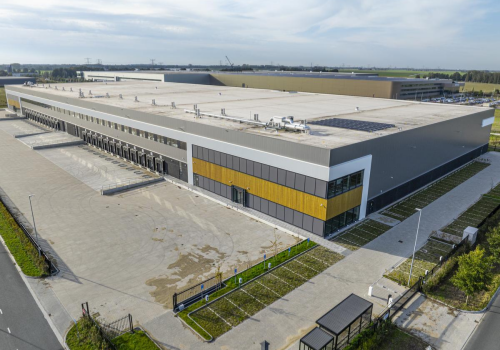
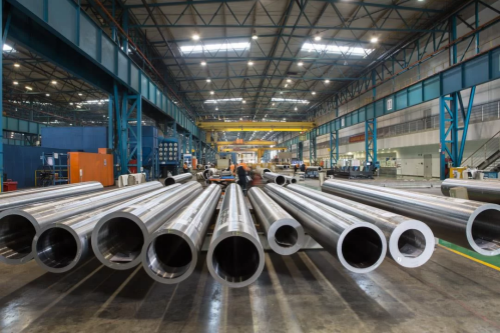
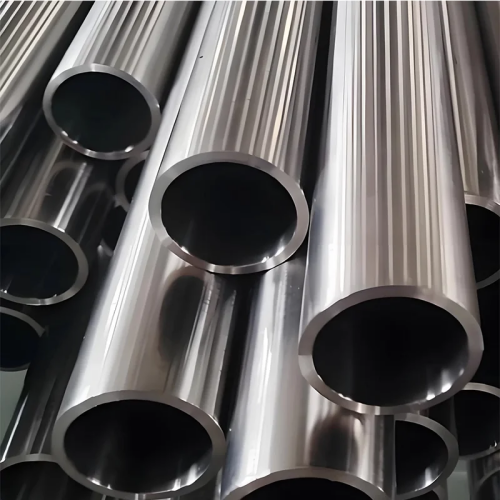
Manufacturing base in Cangzhou, Hebei — integrated supply chain from billet to finished product.



✅ ISO 9001:2015 · ASME B16.5/B16.48 · CE · RoHS · REACH · Pressure Equipment Directive (PED) compliant.




Export markets: 🇺🇸 USA · 🇨🇦 Canada · 🇷🇺 Russia · 🇰🇿 Kazakhstan · 🇩🇿 Algeria · 🇲🇽 Mexico · 🇳🇱 Netherlands · 🇦🇪 UAE · 🇿🇦 South Africa · 🇸🇬 Singapore …
Sourcing, engineering and logistics questions from procurement and technical teams.
An aluminum blind flange is used to seal the end of a piping system or pressure vessel opening, providing positive isolation for dead-end service. Thanks to its lightweight (about ⅓ the weight of steel) and natural corrosion resistance, aluminum is a cost-effective choice for marine, offshore, water treatment, and low-to-medium pressure gas pipelines. It is manufactured to ASME B16.48, available with RF or FF facing, and can withstand service temperatures up to 200°C.
FRP (fiberglass-reinforced plastic) blind flanges are typically rated for ANSI 150# (PN10/PN16) service, suitable for many chemical and water lines. They are not recommended for high-pressure classes like 300# or 600#. For higher pressures, our aluminum blind flange (up to 600#) or forged carbon steel/stainless flanges are the correct alternatives. We'll help you match the flange rating to your exact operating pressure and temperature.
We manufacture to ASME B16.48 line blank and ASME B16.5 flange dimensions, in sizes from 1/2" (DN15) to 24" (DN600). Pressure classes include 150#, 300#, and 600# for aluminum; FRP is available up to 150#. Common faces are RF (raised face), FF (flat face), and RTJ (ring-type joint) for aluminum. Custom bolt patterns, ODM designs, and non-standard dimensions are supported with our in-house CNC machining.
For a 6" 150# blind flange, 316 stainless steel typically costs $65–$95, while our aluminum 6061 version is roughly $30–$45 — a 45–50% cost saving. FRP is similarly competitive. Beyond that, you save on freight (lighter) and installation (one worker instead of two). The 2025 Cureus Journal of Engineering study on flange coupling materials confirms that matching material to the actual service environment eliminates over-specification waste — which is exactly what we help you do.
Yes. As a supply chain management company with our own factory partnerships, we provide full OEM/ODM services: custom dimensions, special drilling, laser marking with your logo, packaging design, and engineering support. Minimum order quantity (MOQ) is just 10 pieces for standard sizes, and 5 pieces for custom designs. We serve both distribution brands and end-user plants.
Standard sizes: 7–15 days after deposit. Custom sizes: 20–30 days. We ship via sea freight (FOB/CIF/CFR), air freight, or express (DHL/FedEx/UPS). Our export team handles export documentation, customs clearance paperwork, and any required certificates of origin. We can quote fully landed costs (DDP) to your warehouse in the US or EU.





Send us your spec — size, pressure class, quantity, and destination. Get a detailed quotation with a full cost breakdown (material + freight + duties).

May 18,26
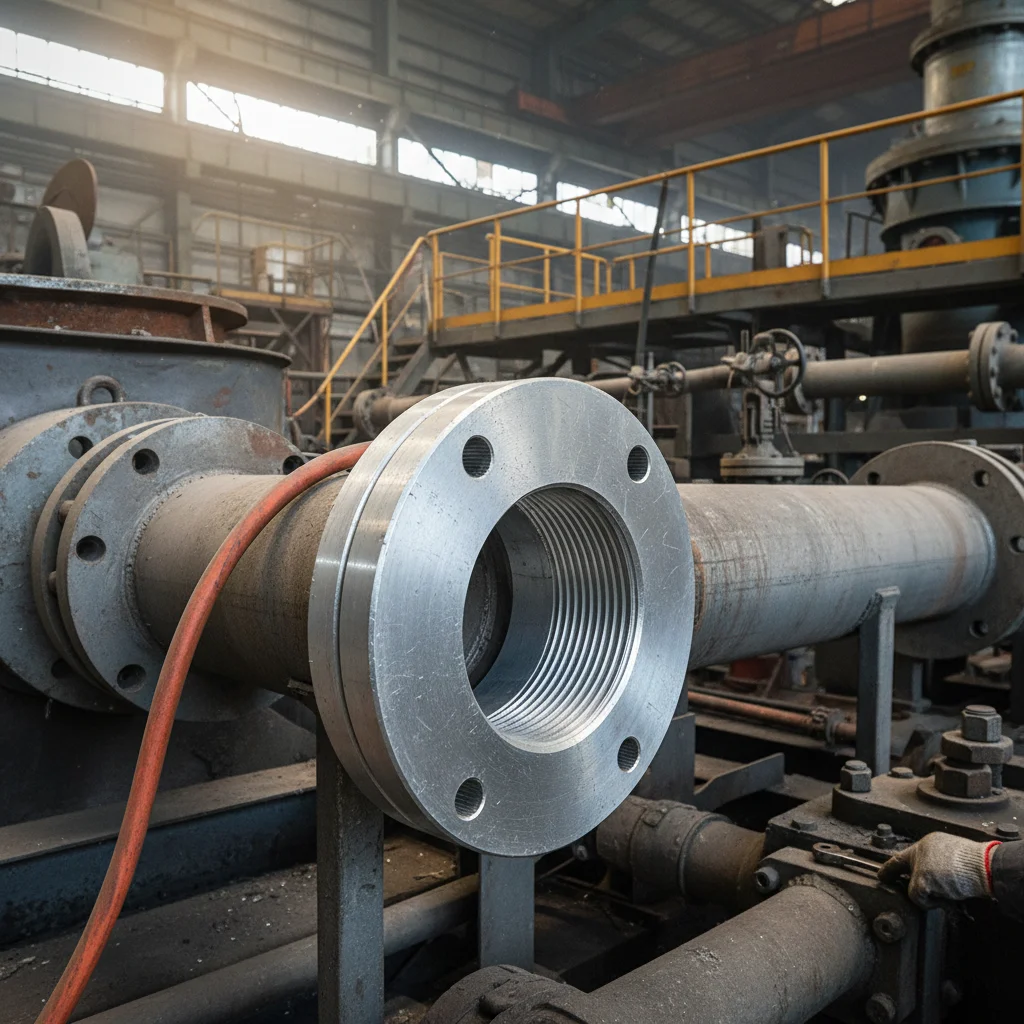
Industrial Slip On Flange Guide for Piping Efficiency
Apr 08,26
High Performance Aluminum Threaded Flange Solutions for Industrial Piping Systems

Sep 05,26
Top Guide to Choosing a Reliable slip on flange manufacturer
Selecting the right piping components often comes down to a trade-off between installation speed and joint integrity. In low-to-medium pressure systems, the slip-on flange remains a primary choice for engineers due to its ease of alignment and reduced machining requirements compared to weld-neck alternatives. However, the reliability of these connections is heavily dependent on the precision of the manufacturing process and the material grade chosen for the specific environment. From petrochemical plants to water treatment facilities, the ability of a flange to maintain a leak-proof seal under thermal cycling defines the lifespan of the entire pipeline.

Jun 15,26
Industrial Piping Guide for 3 inch slip on flange and Fittings

Jul 06,26
Guide to asme b16 47 series b slip on flange dimensions

Jun 20,26
Guide to Industrial 36 slip on flange dimensions and Standards
SUBSCRIBE NEWSLETTER


