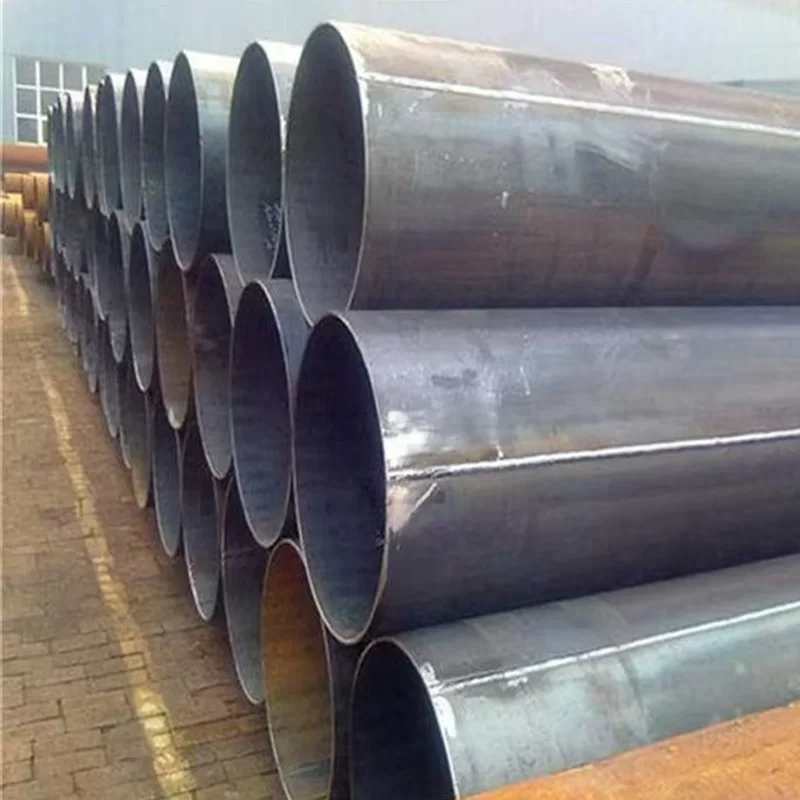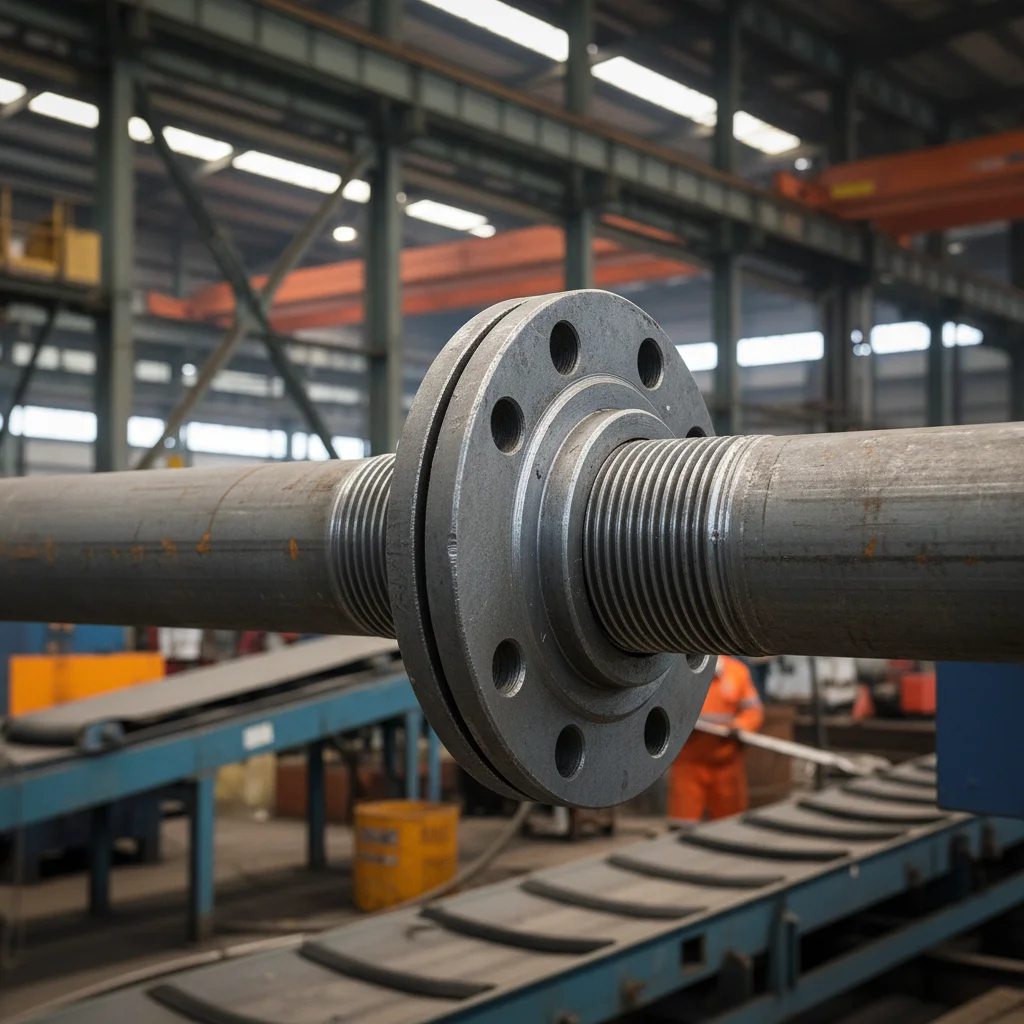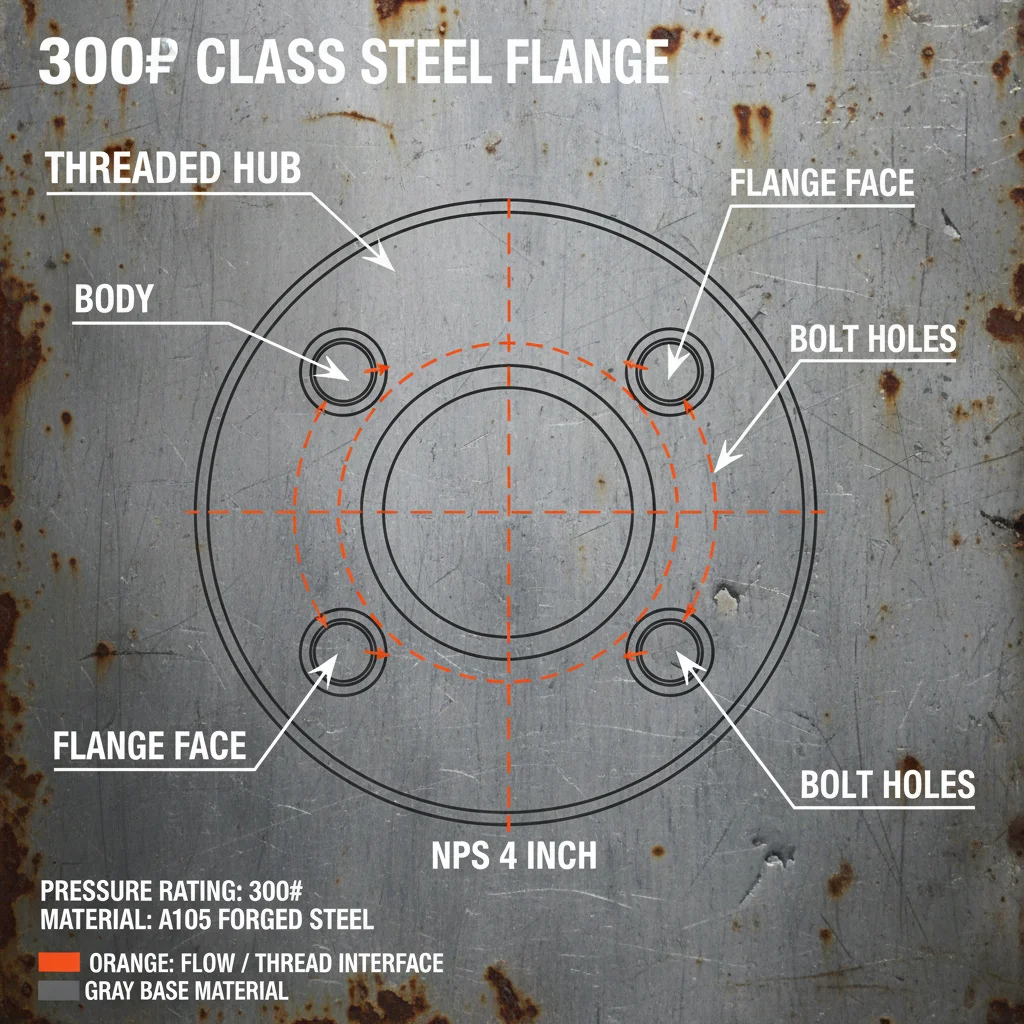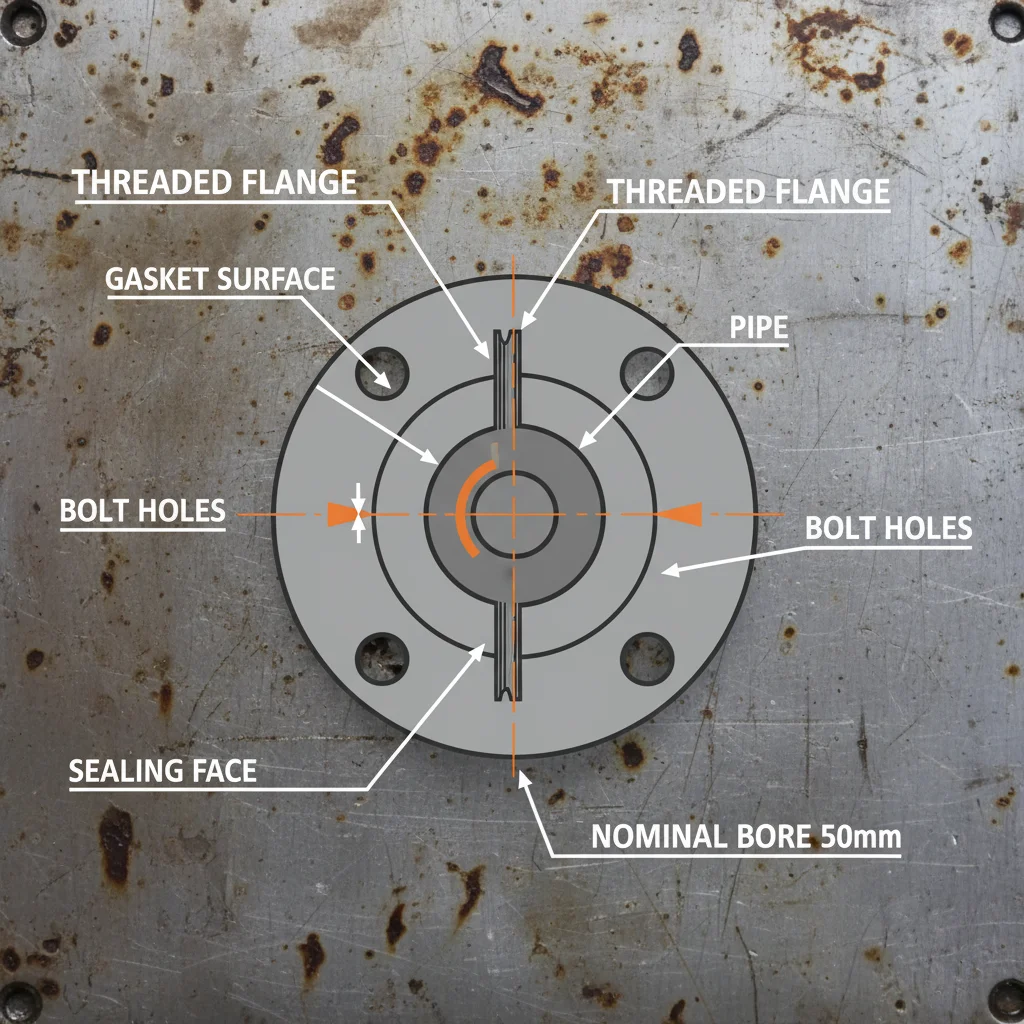
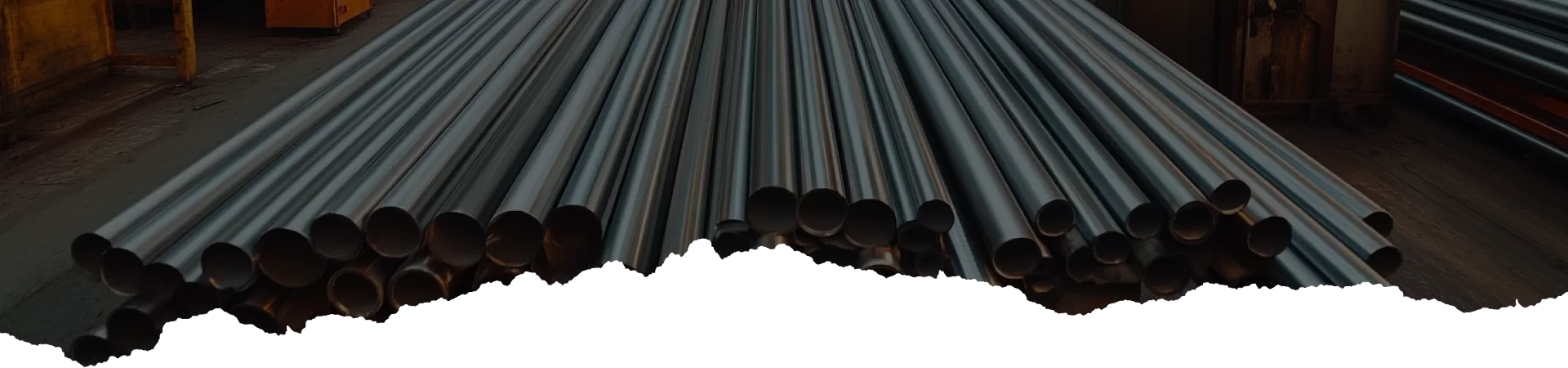
Hungary's industrial sector is currently characterized by a strong emphasis on energy transition and the modernization of district heating networks. The prevalence of seamless steel pipe is critical in Budapest and Debrecen, where high-pressure steam and chemical transport require zero-leak integrity to meet strict EU environmental safety standards.
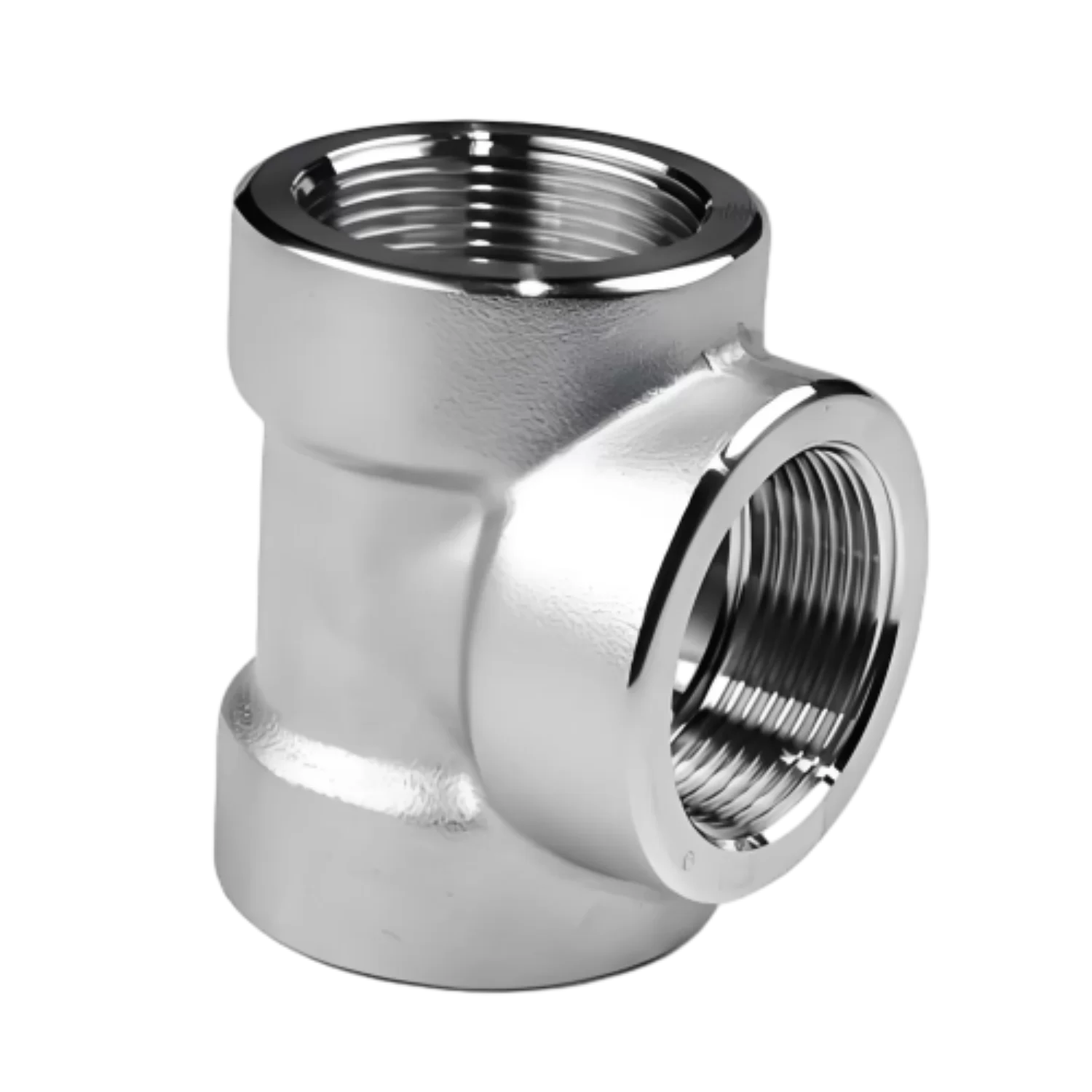
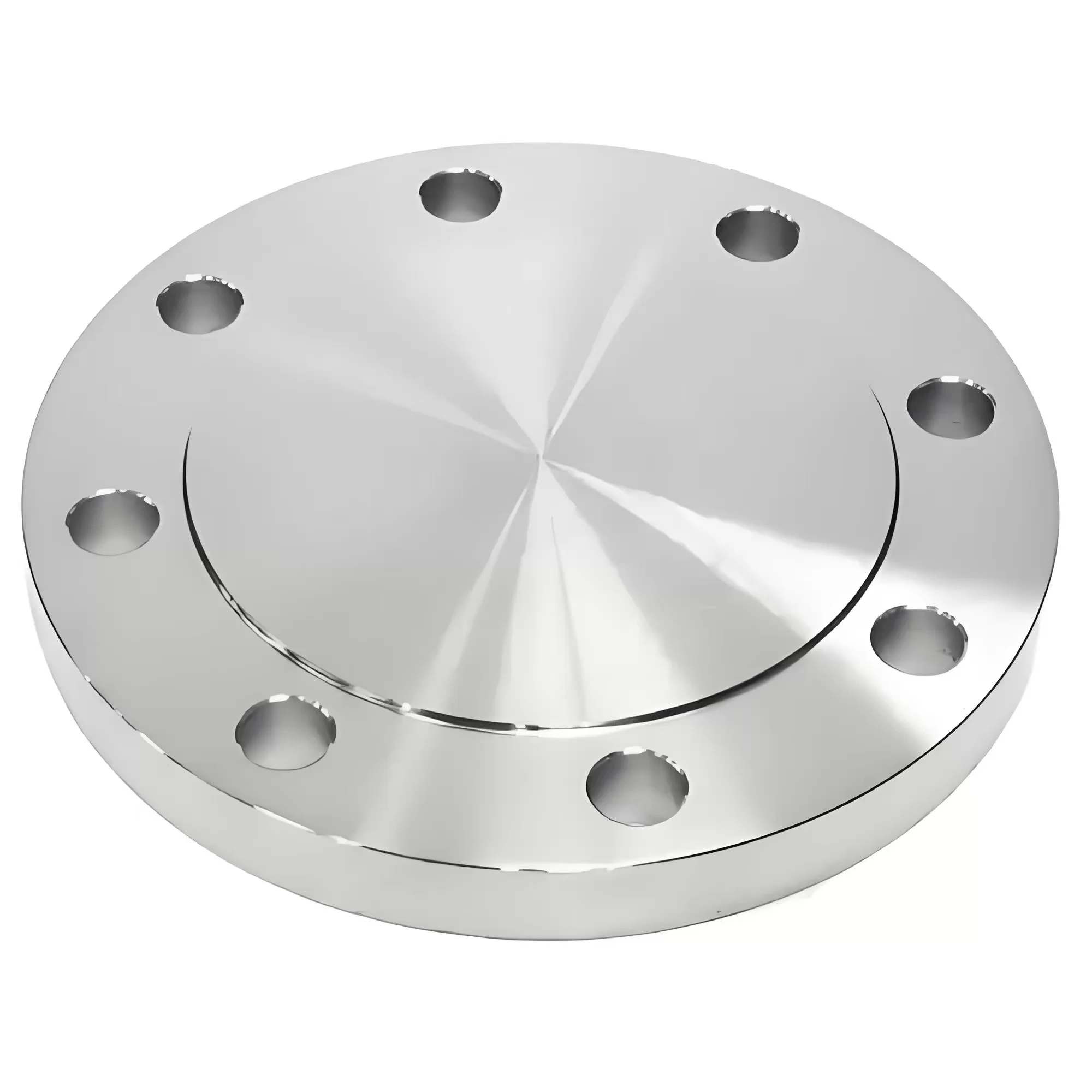
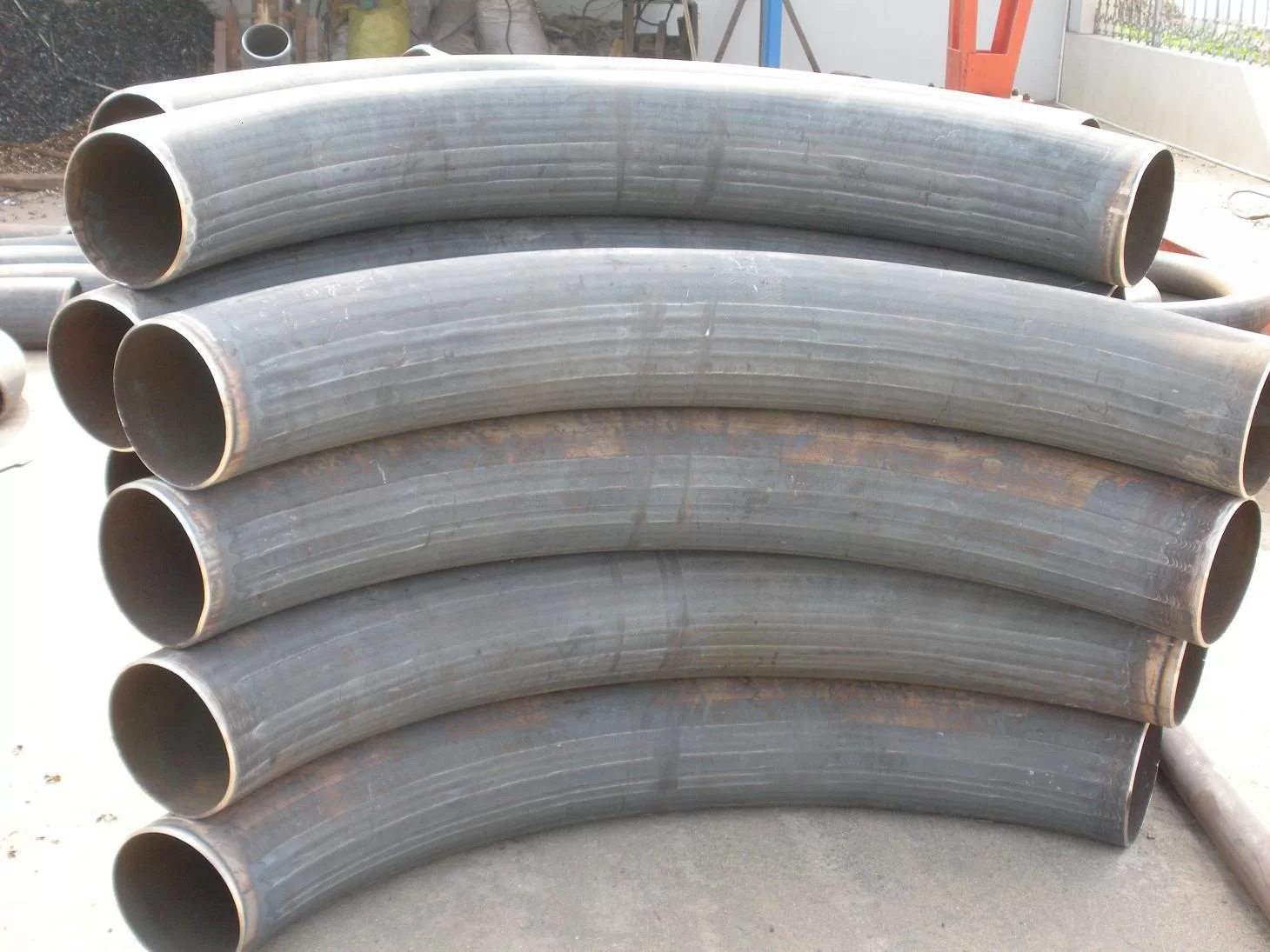
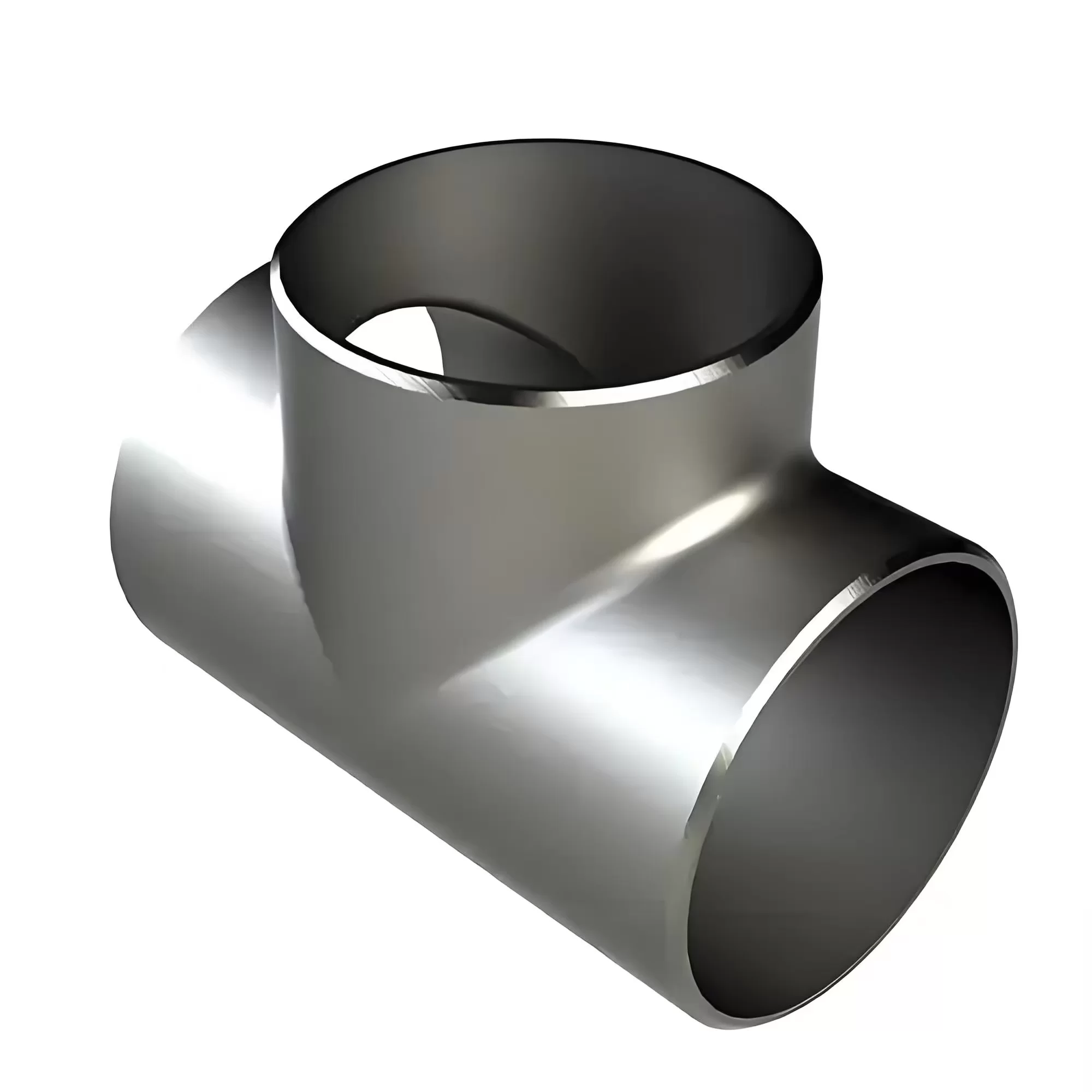
Geographically, the Pannonian Basin's soil composition necessitates specialized coatings for underground welded steel pipe installations to prevent corrosion. Local contractors are increasingly shifting toward modular structural components to reduce onsite labor costs and accelerate project timelines in the automotive and pharmaceutical hubs.
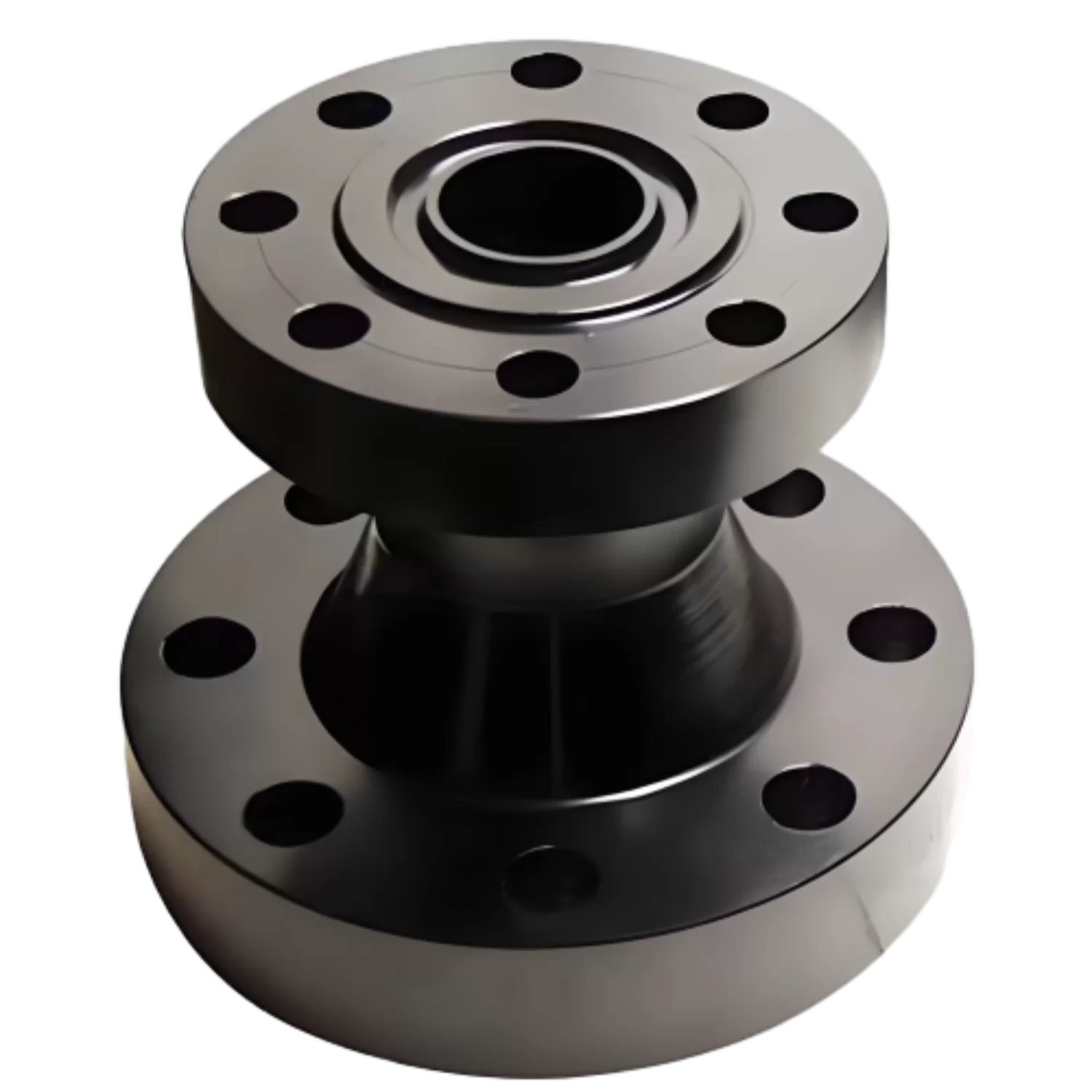
Economic shifts toward sustainable manufacturing have increased the demand for precision components like the eccentric reducer, which is essential for maintaining optimal flow dynamics in Hungary's expanding chemical processing plants, ensuring energy efficiency in line with the European Green Deal.