

Leading China factory and suppliers of 180 degree elbows strictly complying with ASME B16.9, B16.5, and B36.10M standards to ensure international industrial norms for dimensions and pressure ratings.
The 180° Elbow is a critical piping component engineered to reverse the direction of fluid flow by a full 180 degrees. Manufactured to rigorous international standards including ASME B16.9 and B16.5, these fittings are essential for complex piping layouts where space is limited or where the medium must be returned in the opposite direction. By combining precision engineering with high-grade metallurgy, our 180° elbows ensure seamless integration into high-pressure industrial systems.
Designed for versatility and durability, these elbows are available in a comprehensive range of materials—from cost-effective carbon steel to high-performance stainless and alloy steels. Whether utilized in petrochemical refining, power generation, or marine engineering, our products are optimized to minimize pressure loss and maximize flow efficiency, providing a reliable, leak-proof solution for the most demanding industrial environments.
| Executive Standards | ASME B16.9, ASME B16.5, ASME B36.10M | Nominal Diameter | NPS 1/2" (DN15) up to NPS 48" (DN1200) |
|---|---|---|---|
| Pressure Ratings | Class 150, 300, 600, 900, 1500, 2500 | Connection Types | Butt Welding (BW), Socket Welding (SW), Threaded (NPT/PT) |
| Bending Radius | Long Radius (R=1.5DN) & Short Radius (R=1.0DN) | Carbon Steel Grades | ASTM A234 WPB, A420 WPL6 |
| Stainless Steel | ASTM A182 F304/304L, F316/316L | Alloy Steel Grades | ASTM A234 WP5, WP9, WP11, WP22, WP91 |
| Special Materials | Duplex Steel, Nickel Alloys, Titanium Alloys | Manufacturing | Push Forming, Press Forming, Forging, Welding |
Strict heat treatments like quenching and tempering ensure superior rigidity and resistance to axial and radial forces.
Enhanced wear resistance and optional surface coatings prevent degradation even in abrasive solid-containing media.
Streamlined internal walls minimize eddy currents and pressure drops, significantly increasing conveying efficiency.
Precise bevel processing for butt welding and high-tolerance threads ensure absolute sealing under high pressure.
Utilizing 316L stainless steel and alloyed elements to withstand acids, alkalis, and extreme oxidative environments.
Available in both Long Radius (LR) for flow and Short Radius (SR) for compact, space-constrained layouts.


Real-time monitoring of material grades and size availability to ensure rapid dispatch.
Rigorous adherence to ASME standards with full traceability of heat numbers and test reports.
Streamlined processing from technical specification review to final delivery logistics.
Continuous monitoring of industry norms to maintain international certification standards.
Integrated sourcing of high-grade billets to ensure material consistency and cost-efficiency.
Expert guidance on material selection based on medium corrosiveness and operating pressure.
| Performance Metric | Standard Fittings | Our Premium 180° Elbows |
|---|---|---|
| Installation Time | Standard | Reduced via precise tolerances |
| Maintenance Cycle | Frequent | Extended via corrosion resistance |
| Flow Efficiency | Moderate | Optimized (Low Pressure Loss) |
| Operational Safety | Basic | High (Certified ASME Pressure Ratings) |
| Total Cost of Ownership | Higher (due to wear) | Lower (Long-term durability) |
Long Radius (LR) elbows have a radius of 1.5 times the nominal diameter, offering lower fluid resistance and better flow. Short Radius (SR) elbows have a radius of 1.0 times the diameter, making them ideal for compact installations where space is highly restricted.
For corrosive media, Stainless Steel 316/316L is highly recommended due to its molybdenum content. For extreme environments, Duplex steel or Nickel-based alloys like Hastelloy provide superior protection against pitting and stress corrosion cracking.
ASME B16.9 governs the dimensions and tolerances for factory-made wrought steel butt-welding fittings, while ASME B16.5 specifies the pressure-temperature ratings and dimensions for flanged fittings, ensuring global interoperability and safety.
Yes, provided you select Alloy Steel (such as A234 WP91 or WP22). These materials are specifically engineered for creep resistance and high-temperature strength required in power plant boilers and cracking units.
Forging is typically used for small-diameter, high-pressure fittings. The forging process densifies the material structure, removing internal voids and significantly enhancing the mechanical strength and safety of the component.
The most common are Butt Welding (BW) for high-strength integral structures, Socket Welding (SW) for small-bore high-pressure lines, and Threaded (NPT/PT) connections for low-pressure systems requiring easy maintenance.
Apr 24,26
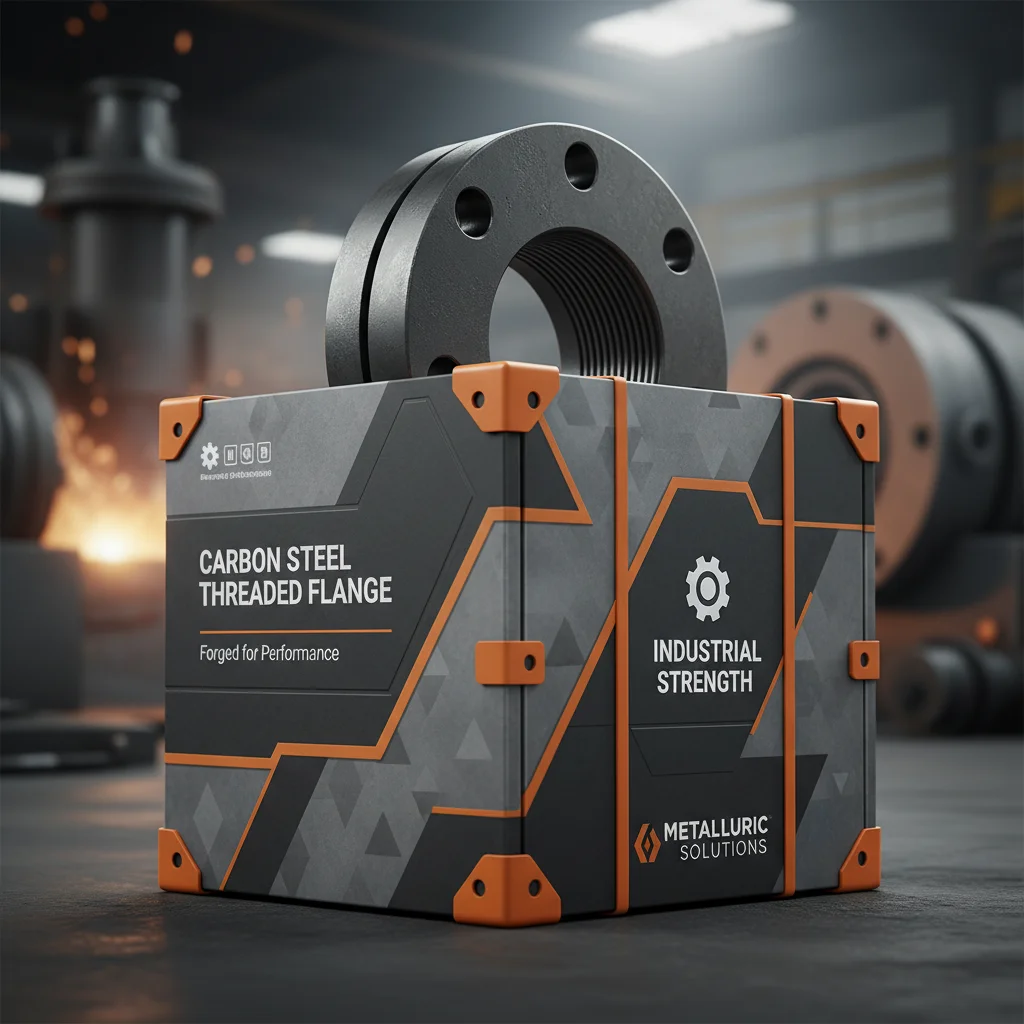
Industrial Carbon Steel Threaded Flange Guide and Applications

May 22,26
The Difference Between Seamless Tee and Welded Tee in the Production Process
This article explains the complete difference between seamless tee and welded tee in the production process, including manufacturing methods, material performance, cost comparison, and industrial applications

Aug 07,26
Industrial Guide to High Quality Cast Iron Threaded Flange
In the complex landscape of industrial piping, the selection of the right connection hardware is critical for system integrity. The cast iron threaded flange serves as a fundamental component in bridging the gap between piping segments, providing a secure and leak-proof interface that is essential for maintaining operational safety across various fluid transport systems. Across the globe, the demand for reliable piping components has surged as infrastructure in emerging economies expands and existing systems in developed nations undergo modernization. Ensuring a precise fit and robust seal in high-pressure environments remains a constant challenge for engineers, making the standardization of these components a priority

Nov 02,26
High Performance ODM equal tee for Industrial Piping Systems

Sep 17,26
Factors Influencing the Slip on Forged Steel Flange Price Guide
For procurement managers in the petrochemical, nuclear, and aerospace sectors, securing the right balance between component durability and budget is a constant challenge. Forged steel flanges, specifically the slip-on variety, are critical components used to connect pipes, valves, and pumps. Understanding the factors that influence the slip on forged steel flange price requires a deep dive into material science, global supply chain dynamics, and precise manufacturing standards. Unlike welded neck flanges, slip-on flanges are designed to slide over the pipe before being welded both inside and outside. This design offers a faster installation process and easier alignment
Dec 02,25
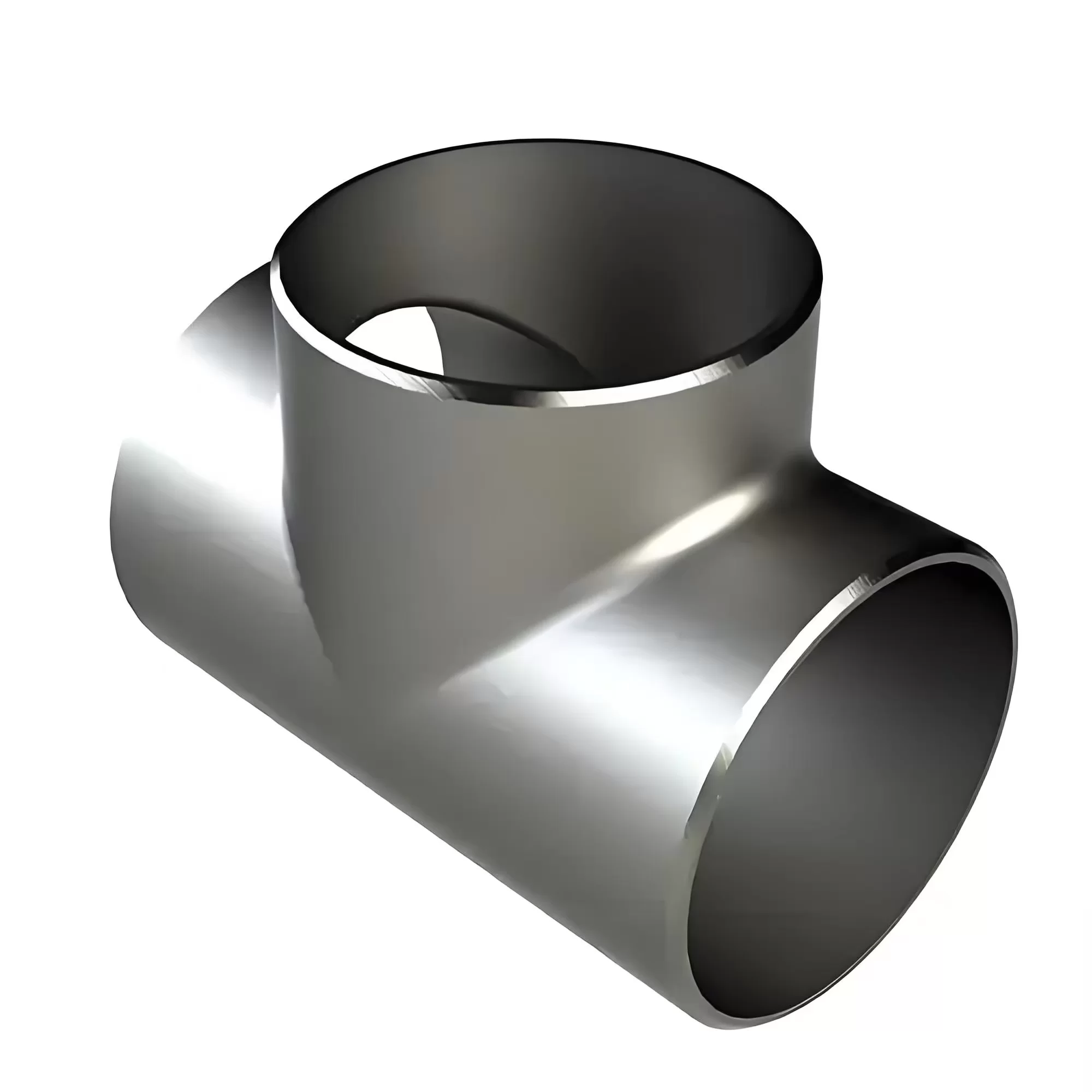
The Core Role Of The Tee In Pipeline Systems
In the complex architecture of modern pipeline systems—spanning petrochemical plants, municipal waterworks, HVAC networks, and power generation facilities—the tee fitting is arguably one of the most critical and universally employed components.
SUBSCRIBE NEWSLETTER