May. 22, 2026
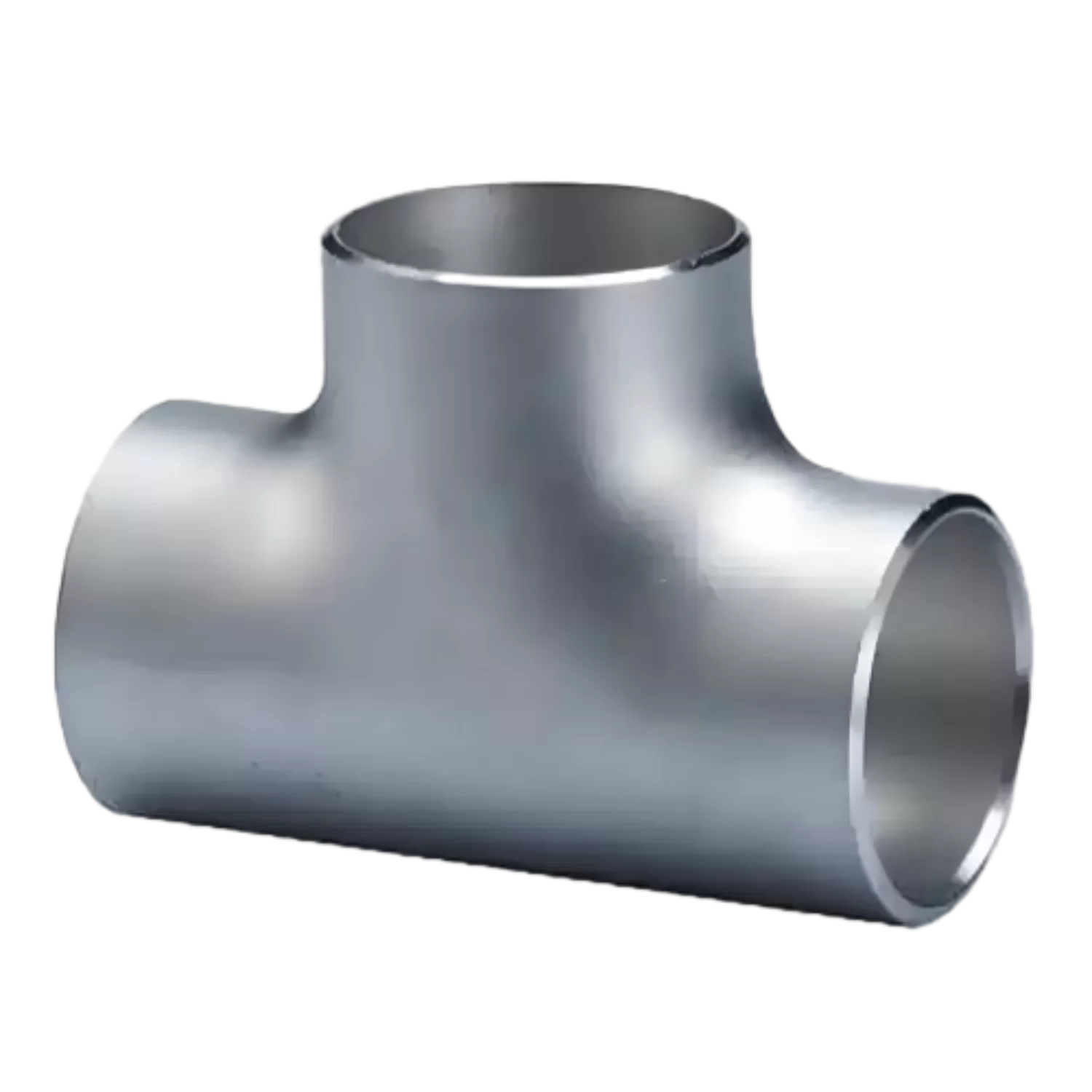
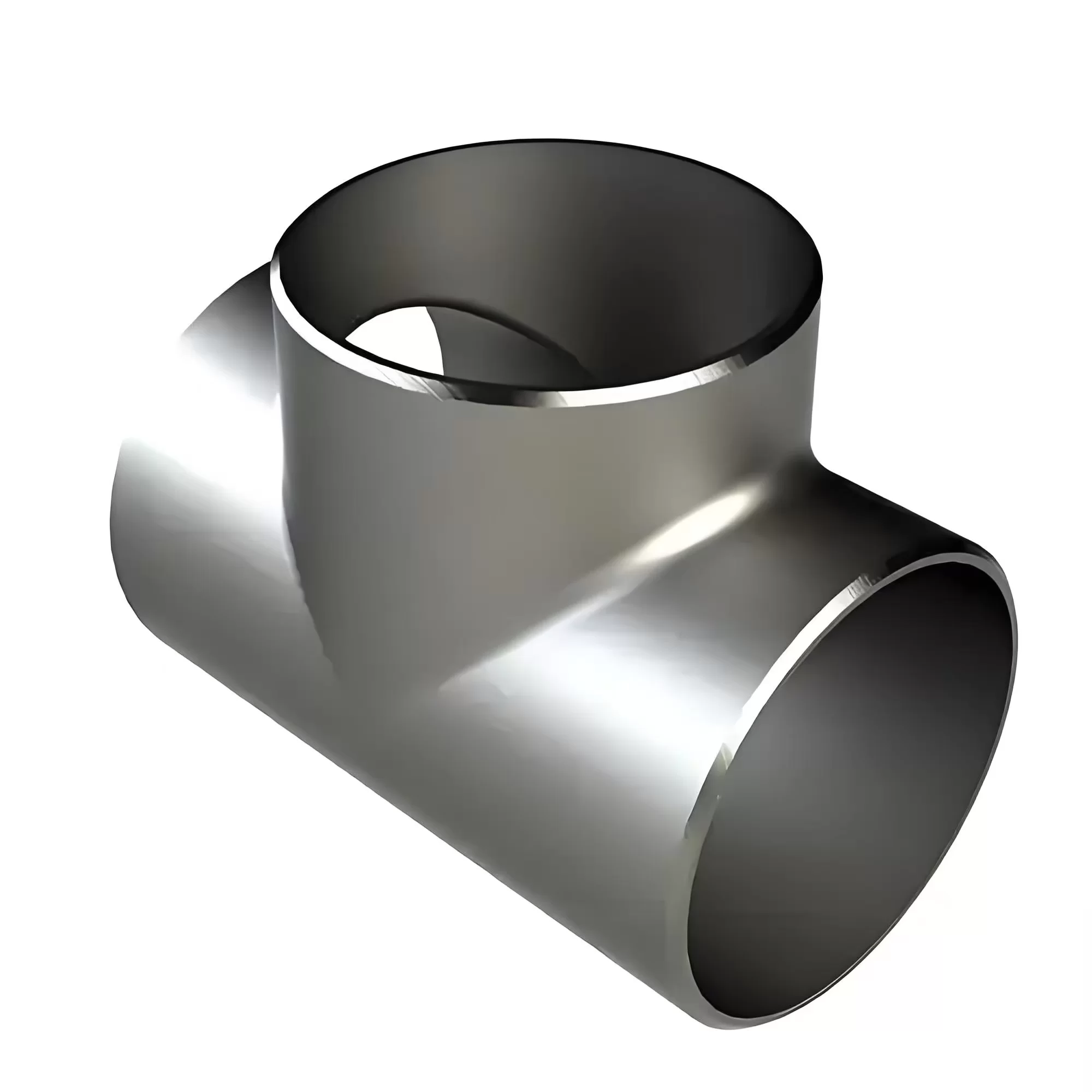
In industrial piping systems, tees are essential fittings used to connect three sections of pipe and direct fluid flow. Among the many types available, seamless tees and welded tees are the two most widely used categories. Although they may appear similar externally, their manufacturing methods, structural integrity, pressure resistance, and application scenarios are significantly different.
Understanding the production process behind these two types of pipe fittings helps engineers, procurement managers, and industrial buyers choose the correct fitting for oil and gas, petrochemical, power generation, water treatment, and construction projects.
This article explains the complete difference between seamless tee and welded tee in the production process, including manufacturing methods, material performance, cost comparison, and industrial applications.
A seamless tee is a pipe fitting manufactured from a single piece of seamless steel pipe or forged billet without any welding seam. The branch outlet is formed through hot extrusion, hydraulic bulging, or forging processes.
Because there is no welded joint, seamless tees provide higher strength, better pressure resistance, and improved reliability under extreme working conditions.
Typical materials include:
Seamless tees are commonly manufactured according to standards such as:
A welded tee is produced by welding steel plates or steel pipes together to create the tee structure. Unlike seamless tees, welded tees contain one or more welding seams in the body or branch section.
This type of tee is widely used in low-pressure and large-diameter pipeline systems because it is more economical and easier to manufacture.

Welded tees can include:
The production method depends on pipe size, wall thickness, and application requirements.
The manufacturing process of seamless tees is more complex and requires advanced forming technology.
1. Raw Material Preparation
Manufacturers select high-quality seamless steel pipes or solid steel billets as raw materials. The material must meet strict chemical composition and mechanical property requirements.
After inspection, the billet is cut into the required length.
2. Heating Process
The steel material is heated in a furnace to a high forming temperature, usually between 1000°C and 1250°C depending on the material grade.
Uniform heating is critical because it affects:
Metal flow
Wall thickness consistency
Surface quality
Mechanical properties
3. Hot Extrusion or Hydraulic Bulging
This is the core production stage.
Hydraulic Bulging Method
In hydraulic bulging:
The pipe is placed inside a mold
High-pressure liquid is injected into the pipe
Internal pressure expands the branch outlet
External molds control the tee shape
This process ensures:
Smooth metal flow
Uniform wall thickness
Excellent structural integrity
Hot Extrusion Method
In hot extrusion:
A mechanical punch forces the heated material outward
The branch opening is formed directly from the parent pipe
No welding is involved
This method is often used for smaller-diameter tees.
4. Heat Treatment
After forming, the tee undergoes heat treatment such as:
Normalizing
Annealing
Quenching and tempering
Heat treatment improves:
Toughness
Strength
Stress distribution
Corrosion resistance
5. Machining and Surface Finishing
The tee is machined to achieve accurate dimensions and bevel angles.
Surface treatments may include:
Shot blasting
Pickling
Sandblasting
Anti-rust coating
6. Inspection and Testing
Seamless tees typically undergo strict testing procedures:
Ultrasonic testing
Radiographic testing
Hydrostatic pressure testing
Dimensional inspection
PMI testing
Because these fittings are often used in critical systems, quality control standards are extremely strict.
The welded tee manufacturing process is relatively simpler and more cost-effective.
1. Steel Plate or Pipe Selection
Manufacturers use steel plates or welded pipes as the raw material.
Material selection depends on:
Pipe diameter
Operating pressure
Corrosion environment
Temperature conditions
2. Cutting and Forming
The material is cut into sections using:
Plasma cutting
Laser cutting
Mechanical cutting
The branch section is shaped separately before assembly.
3. Welding Assembly
This is the defining stage of welded tee production.
The branch pipe is attached to the main pipe body using welding techniques such as:
TIG welding
MIG welding
Submerged arc welding
Manual arc welding
For large-diameter tees, multiple weld passes may be required.
4. Weld Seam Treatment
After welding, the seams are processed through:
Grinding
Polishing
Stress-relief heat treatment
Proper weld treatment reduces residual stress and improves mechanical performance.
5. Non-Destructive Testing
Welded tees also undergo inspection procedures including:
X-ray testing
Magnetic particle inspection
Dye penetrant testing
Ultrasonic testing
The weld seam is the primary focus during inspection.
1. Manufacturing Structure
2. Pressure Resistance
Seamless tees generally provide:
Welded tees may be suitable for:
3. Size Availability
Usually available in:
More suitable for:
4. Production Cost
Seamless tees are more expensive because:
Welded tees are more economical due to:
5. Production Efficiency
Welded tees can often be produced faster, especially for oversized dimensions.
Seamless tee production usually requires:
Industrial Applications
Seamless tees are commonly used in:
These industries require maximum reliability and leak prevention.
Welded tees are widely used in:
Their lower production cost makes them practical for general engineering projects.
When selecting a tee fitting, buyers should evaluate:
| Factor | Seamless Tee | Welded Tee |
|---|---|---|
| Pressure Resistance | Excellent | Moderate |
| Strength | Higher | Lower |
| Cost | Higher | Lower |
| Large Diameter Availability | Limited | Excellent |
| Corrosion Risk | Lower | Depends on weld quality |
| Manufacturing Complexity | High | Moderate |
If the system operates under extreme pressure, temperature, or corrosion conditions, seamless tees are usually the preferred option.
For large-scale projects with budget considerations and moderate operating conditions, welded tees may offer a more economical solution.
Conclusion
The main difference between seamless tee and welded tee lies in the production process. Seamless tees are manufactured from a single solid material through hot forming methods without welding, resulting in superior strength and reliability. Welded tees are fabricated by joining multiple steel sections through welding, making them more cost-effective and suitable for large-diameter applications.
Choosing the right tee depends on pipeline pressure, operating environment, project budget, and safety requirements. Understanding the manufacturing process helps industrial buyers make informed procurement decisions and improve long-term pipeline performance.
For critical industrial systems where durability and safety are priorities, seamless tees remain the premium choice. For general engineering and large pipeline projects, welded tees provide flexibility and cost efficiency.
Apr 04,26
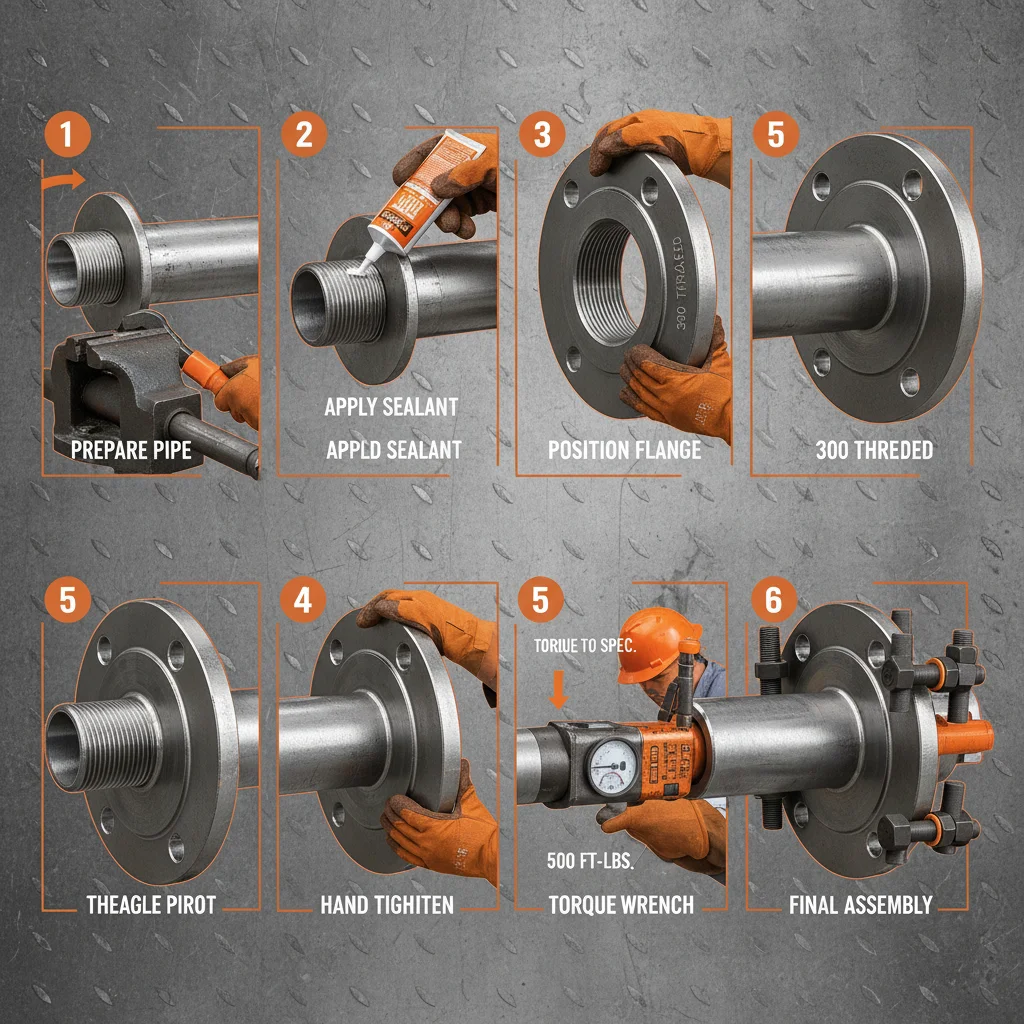
Understanding 300 Threaded Flanges for Global Piping System Applications

Jun 25,26
High Quality 6 150 slip on flange for Industrial Piping Systems

Oct 10,26
Global investment in energy infrastructure, petrochemical facilities, power generation projects, and industrial transportation networks continues to expand. As industries seek greater operational efficiency and long-term reliability, engineers are paying increasing attention to the integrity of pipeline connection systems. While pumps, compressors, and valves often receive significant attention during project planning, the performance of a pipeline frequently depends on the quality of its connection components.
Dec 02,25
The Core Role Of The Tee In Pipeline Systems
In the complex architecture of modern pipeline systems—spanning petrochemical plants, municipal waterworks, HVAC networks, and power generation facilities—the tee fitting is arguably one of the most critical and universally employed components.

May 25,26
Precision Engineered Slip On Flange Welding

Jun 26,26
Engineering Excellence in 36 150 SlipOn Flanges Fabrication
SUBSCRIBE NEWSLETTER