May. 25, 2026
In modern pipeline systems, the 90° elbow plays a critical role in changing flow direction while maintaining pressure integrity and operational efficiency. Whether used in oil and gas pipelines, chemical plants, water treatment facilities, or HVAC systems, selecting the right material for a 90-degree elbow directly affects durability, corrosion resistance, temperature tolerance, and overall service life.
Manufacturers today produce elbows in a wide range of materials to meet the demands of different industries and working environments. From carbon steel and stainless steel to alloy steel and duplex stainless steel, each material offers unique mechanical and chemical advantages. Understanding these materials helps buyers choose the most suitable pipe fitting solution for their projects.

Carbon steel is one of the most commonly used materials in 90° elbow manufacturing because of its excellent strength, affordability, and versatility. A carbon steel elbow is widely applied in oil transmission, natural gas pipelines, power plants, construction engineering, and water transportation systems.
The primary advantage of carbon steel elbows lies in their high mechanical strength and cost efficiency. They can withstand substantial pressure and mechanical stress, making them ideal for medium- and high-pressure piping systems. In addition, carbon steel materials are easy to weld, machine, and fabricate, which simplifies installation and maintenance processes.
Common grades used in elbow production include ASTM A234 WPB and WPC. These materials provide stable performance under normal temperature conditions and are compatible with various pipe schedules and wall thicknesses.
Another benefit of carbon steel elbows is their broad availability in seamless and welded configurations. Seamless elbows are preferred for high-pressure applications because they offer better structural integrity, while welded elbows are often selected for larger diameter systems where cost control is important.
However, carbon steel elbows generally require surface treatments such as black painting, galvanizing, or anti-corrosion coating to prevent rust formation in humid or corrosive environments. Proper maintenance and protective coatings can significantly extend service life.
For industries looking for a balance between performance and economical investment, carbon steel remains one of the best choices for 90-degree elbow production.
Stainless steel is another highly popular material used in manufacturing pipe elbows, especially in industries where corrosion resistance and hygiene standards are critical. Stainless steel 90° elbows are extensively used in food processing, pharmaceuticals, marine engineering, petrochemical plants, and clean water systems.
The biggest advantage of stainless steel elbows is their superior resistance to corrosion, oxidation, and chemical exposure. Grades such as 304, 304L, 316, and 316L are commonly used because they contain chromium and nickel, which create a protective oxide layer on the metal surface.
Among these grades, 316 stainless steel elbows provide enhanced resistance against chloride corrosion and saltwater exposure due to the addition of molybdenum. This makes them particularly suitable for offshore platforms and marine applications.
Another important advantage is their attractive surface finish and hygienic properties. Stainless steel does not easily contaminate transported media, making it ideal for sanitary piping systems in dairy plants, breweries, and pharmaceutical factories.
Stainless steel elbows also offer excellent temperature resistance. They maintain structural stability under both high-temperature and low-temperature conditions, which is essential for industrial processing systems involving steam or cryogenic fluids.
Compared with carbon steel, stainless steel elbows are more expensive. However, the longer service life and reduced maintenance requirements often compensate for the higher initial investment.
In environments involving moisture, chemicals, or strict cleanliness standards, stainless steel 90-degree elbows are frequently considered the most reliable long-term solution.
When pipeline systems operate under extreme temperature and pressure conditions, alloy steel elbows become the preferred option. Alloy steel materials are specially designed to improve mechanical properties through the addition of elements such as chromium, molybdenum, vanadium, and nickel.
Common alloy steel grades used in elbow production include ASTM A234 WP11, WP22, and WP91. These materials are widely used in thermal power stations, refineries, pressure vessels, and high-temperature steam pipelines.
One major advantage of alloy steel elbows is their excellent creep resistance. Under prolonged exposure to high temperatures, ordinary carbon steel may deform or weaken, while alloy steel maintains its structural integrity and pressure-bearing capability.
Alloy steel elbows also provide better oxidation resistance and enhanced tensile strength. This allows them to perform reliably in demanding industrial environments involving aggressive temperatures and fluctuating pressure cycles.
Another benefit is their improved fatigue resistance. In systems where frequent thermal expansion and contraction occur, alloy steel elbows reduce the risk of cracking and premature failure.
Because alloy steel fittings are used in critical infrastructure projects, manufacturers usually apply strict heat treatment procedures and quality inspection standards during production. These processes ensure dimensional accuracy, metallurgical stability, and long operational life.
Although alloy steel elbows typically cost more than carbon steel alternatives, they offer unmatched reliability for high-performance industrial applications where safety and durability are priorities.
Duplex stainless steel combines the advantages of ferritic and austenitic stainless steel structures, resulting in exceptional strength and corrosion resistance. Duplex stainless steel elbows are increasingly used in offshore oil platforms, seawater desalination systems, chemical processing plants, and marine pipelines.
The most significant advantage of duplex stainless steel is its outstanding resistance to stress corrosion cracking. In chloride-rich environments where conventional stainless steel may fail, duplex materials maintain excellent durability.
Common duplex grades include UNS S31803 and S32205. These materials provide nearly double the yield strength of standard austenitic stainless steel, allowing thinner wall designs while maintaining high pressure resistance.
Duplex elbows also demonstrate excellent pitting and crevice corrosion resistance. This is particularly important in industries where pipelines are exposed to seawater, acidic chemicals, or highly corrosive industrial fluids.
Another major advantage is cost efficiency over time. Although duplex stainless steel is initially more expensive than standard stainless steel, its high strength and long lifespan reduce maintenance frequency and replacement costs.
Additionally, duplex stainless steel elbows offer good weldability and excellent fatigue performance, making them suitable for dynamic operating conditions.
As industrial projects continue moving into harsher operating environments, duplex stainless steel has become one of the fastest-growing material choices for premium 90° elbow manufacturing.
Not all piping systems require heavy metal fittings. In low-pressure and non-corrosive applications, PVC and other plastic materials are widely used to produce lightweight 90-degree elbows.
PVC elbows are commonly found in residential plumbing, irrigation systems, drainage pipelines, swimming pools, and chemical transportation systems. Their biggest advantage is corrosion immunity. Unlike metal fittings, plastic elbows do not rust or corrode when exposed to water or many chemicals.
Another important benefit is lightweight handling. PVC elbows are easy to transport, install, and connect, which reduces labor costs and installation time.
Plastic elbows also provide smooth internal surfaces that minimize friction loss and improve fluid flow efficiency. In addition, they offer strong chemical resistance against many acids and alkalis.
Cost is another key advantage. PVC elbows are considerably cheaper than stainless steel or alloy steel fittings, making them highly economical for large-scale utility projects.
However, plastic elbows have limitations in high-temperature and high-pressure environments. Excessive heat may weaken the material, making them unsuitable for demanding industrial systems.
Despite these limitations, PVC and plastic elbows remain highly practical solutions for light-duty pipeline applications where corrosion resistance and affordability are priorities.
Selecting the correct material for a 90° elbow depends on several important operational factors, including pressure rating, working temperature, transported media, environmental conditions, and budget requirements.
For general industrial pipelines and cost-sensitive projects, carbon steel elbows provide reliable performance and excellent mechanical strength. In corrosive or hygienic environments, stainless steel elbows offer superior resistance and long-term cleanliness.
High-temperature power plants and refinery systems often require alloy steel elbows because of their thermal stability and pressure resistance. Offshore and chemical industries increasingly choose duplex stainless steel due to its advanced anti-corrosion performance and structural strength.
Meanwhile, residential plumbing and irrigation systems benefit from lightweight PVC elbows because of their low installation cost and corrosion immunity.
Professional elbow manufacturers usually help customers determine the most suitable material by analyzing technical drawings, pressure specifications, operating temperatures, and industry standards. International standards such as ASME, ASTM, ANSI, and DIN also guide material selection and manufacturing quality.
As industrial technology advances, the demand for higher-performance pipe fittings continues to grow. Modern 90-degree elbow production now focuses not only on strength and durability but also on corrosion resistance, energy efficiency, and long service life.
Conclusion
The material used in 90° elbow production directly influences pipeline safety, operational efficiency, and maintenance costs. Carbon steel, stainless steel, alloy steel, duplex stainless steel, and PVC each provide distinct advantages for different industrial applications.
Carbon steel elbows remain the economical choice for general-purpose systems, while stainless steel excels in corrosion-sensitive environments. Alloy steel performs reliably under high temperature and pressure, and duplex stainless steel offers exceptional durability in aggressive chemical and marine conditions. PVC elbows continue to provide lightweight and affordable solutions for low-pressure applications.
By understanding the characteristics and advantages of each material, engineers, contractors, and industrial buyers can make more informed purchasing decisions and ensure long-term pipeline reliability.

May 22,26
What Is a Threaded Tee and Where Is It Used?
This article explains what a threaded tee is, how it works, its main types, materials, advantages, and the industries where it is most commonly applied.

Oct 14,26
High Quality China stainless steel elbow for Industrial Piping
Apr 08,26
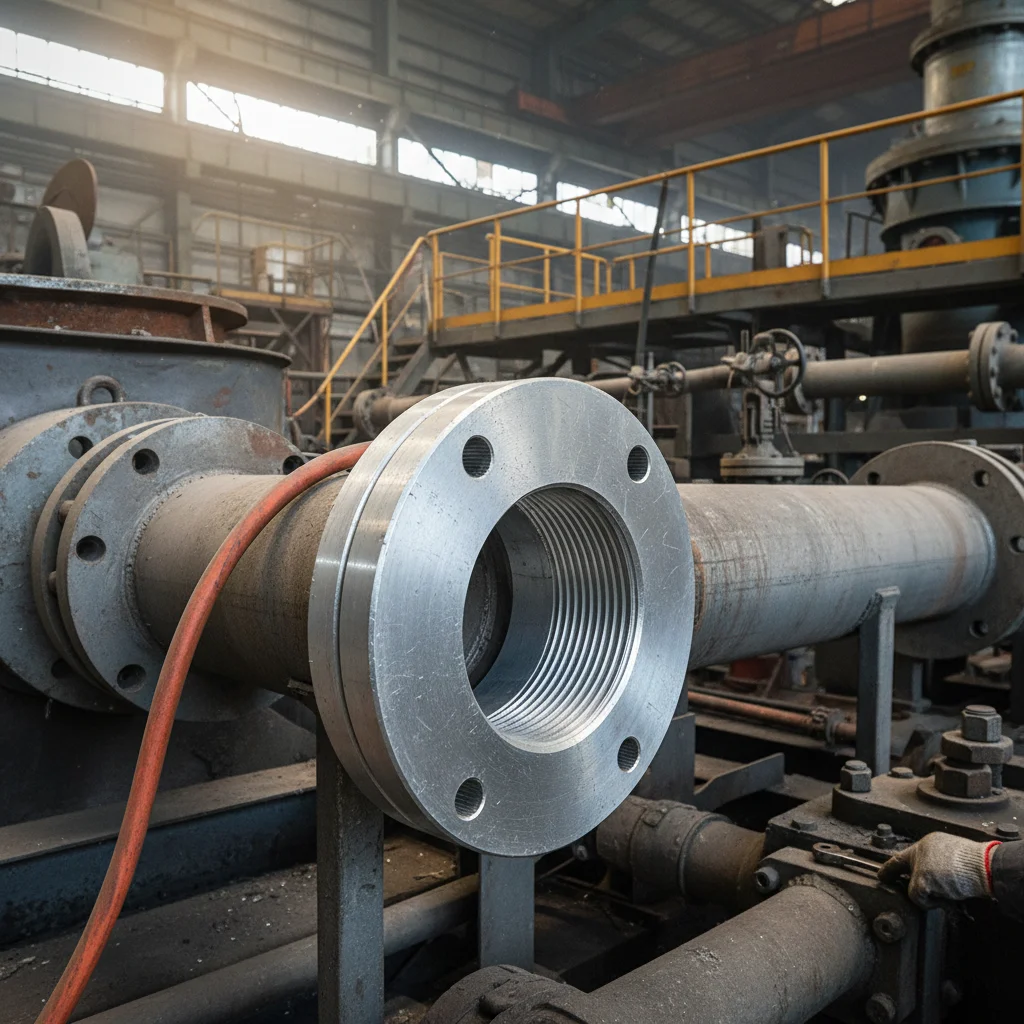
High Performance Aluminum Threaded Flange Solutions for Industrial Piping Systems

Aug 21,26
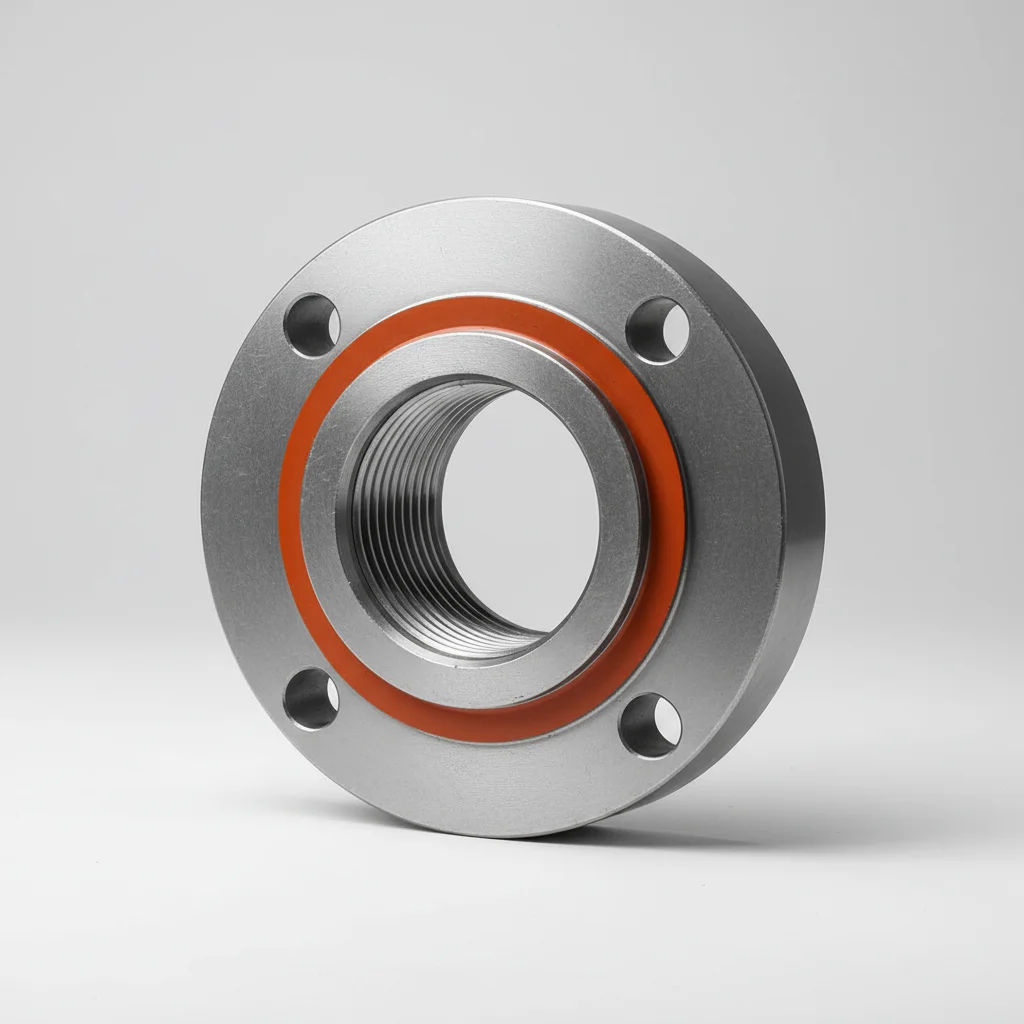
Industrial Grade 1 1 4 Threaded Flange for Piping Systems
The selection of precision piping components is critical for maintaining the structural integrity and flow efficiency of industrial fluid systems. Among these, the 1 1 4 threaded flange serves as a fundamental connection point, ensuring leak-proof transitions in a variety of pressurized environments. Understanding the nuances of its design and application is essential for engineers aiming to minimize downtime and maximize operational safety. In the global manufacturing landscape, the demand for standardized yet high-performance fittings has led to the widespread adoption of specific threaded configurations. The 1 1 4 threaded flange addresses the need for a secure, mechanical joint
Apr 09,26
Industrial Guide to 6 inch threaded flange and Piping Applications

Aug 10,26
High Quality 8 threaded flange for Industrial Piping Systems
In the complex world of structural metal fabrication, selecting the right piping components is critical for ensuring the integrity of high-pressure systems. The use of an 8 threaded flange, or more specifically, a socket weld alternative for small-bore piping, represents a strategic choice in balancing leak prevention with installation efficiency. Understanding the nuances of these connections is essential for engineers aiming to optimize safety and performance in demanding industrial environments. Global industrial standards, such as ASME B16.5, provide the necessary framework to ensure that components like the 8 threaded flange meet rigorous safety and pressure requirements.
SUBSCRIBE NEWSLETTER


