

Leading China factory and suppliers of premium threaded tees. Precision-engineered pipe fittings in stainless and carbon steel for leak-proof fluid flow control. No welding required for rapid installation across industrial systems.
A Threaded Tee is a precision-engineered industrial pipe fitting designed to efficiently split or combine fluid flow within a complex pipeline system. Characterized by its distinct "T" shaped configuration, it features one main inlet and two branch outlet ports, utilizing standardized internal or external threads to ensure secure, leak-proof connections without the need for welding, making it an essential component for rapid deployment and system flexibility.
Manufactured from premium-grade materials including carbon steel, stainless steel (304/316), and specialized alloys, our threaded tees are engineered to withstand diverse media such as water, oil, gas, and corrosive chemicals. Whether integrated into HVAC systems, petrochemical plants, or municipal water networks, these fittings provide an optimal balance of structural stability, high pressure resistance, and effortless installation to maximize the efficiency of your piping infrastructure.
| Nominal Diameter | DN15 (1/2") to DN300 (12") | Thread Standards | NPT, BSPP (G), BSPT (PT) |
|---|---|---|---|
| Pressure Rating | Class 2000, 3000 (Low to Medium) | Temperature Range | -200℃ to 600℃ (Metal) / -20℃ to 100℃ (Plastic) |
| Carbon Steel | ASTM A105, A350 LF2, A694 Series | Stainless Steel | ASTM A182 F304/304L, F316/316L, F904L |
| Alloy/Duplex Steel | ASTM A182 F11, F22, F51, F53, F55 | Execution Standard | ASME B16.11, ANSI/ASME B1.20.1 |
| Fitting Types | Equal Tee & Reducing Tee | Manufacturing Process | One-piece Molding or Forging |
Available in 316L stainless and duplex steel for superior performance in chemical and marine environments.
Threaded fastening requires no hot work or welding, drastically reducing on-site installation time.
CNC-machined threads ensure flawless engagement and minimal leakage risks for high-stability joints.
Easy disassembly allows for fast component replacement and modifications without cutting pipes.
Forged body construction ensures maximum pressure-bearing capacity and fatigue resistance.
Compliant with ASME and ANSI standards to ensure seamless integration with global piping systems.


Real-time tracking of DN15-DN300 stock levels to ensure immediate shipment.
Advanced machining centers for consistent NPT/BSP thread pitch and depth.
Rigorous pressure testing and dimensional verification for every batch.
Full MTR (Material Test Reports) for ASTM A105 and A182 certifications.
Tailored specifications for specialized high-pressure or corrosive environments.
Optimized supply chain management for efficient international delivery.
| Performance Metric | Threaded Tee | Socket Weld Tee |
|---|---|---|
| Installation Speed | Ultra Fast (No Welding) | Slow (Requires Welding) |
| Labor Cost | Low (Standard Tools) | High (Certified Welders) |
| Pressure Capacity | Low to Medium | High to Severe |
| Maintenance Ease | Excellent (Fast Removal) | Difficult (Requires Cutting) |
| Joint Reliability | Mechanical Seal | Metallurgical Fusion |
NPT (National Pipe Tapered) is the American standard with a steeper taper, while BSP (British Standard Pipe) comes in parallel (G) or tapered (PT) versions. They are not compatible and must be matched to the specific system to ensure a seal.
Choose a threaded tee for smaller pipe diameters, lower pressure systems, and applications where rapid installation or frequent maintenance is required. Flanged tees are better for large-diameter, high-pressure industrial lines.
For severe corrosion, Stainless Steel 316L or Duplex Steel (ASTM A182 F51/F53) is recommended due to their high molybdenum content and resistance to pitting and chloride stress corrosion.
While robust, extreme vibration can lead to micro-leakages in threaded joints over time. In such critical scenarios, socket weld tees are preferred as they provide a monolithic metallurgical bond.
A reducing tee is a fitting where the branch port has a smaller nominal diameter than the main run ports, allowing the system to transition flow from a larger pipe to a smaller one.
Yes, they are highly practical because they eliminate the need for "hot work" (welding), which removes the risk of ignition during installation in hazardous zones.

Jul 14,26
How to Install a Threaded Flange Correctly: A Complete Guide for Safe and Reliable Connections
This guide explains every step of threaded flange installation, from preparation to final inspection. Whether you are an engineer, maintenance technician, contractor, or industrial buyer evaluating installation requirements, this article provides practical guidance to help you achieve reliable flange connections.

Sep 28,26
Global industrial development continues to drive demand for safer, stronger, and more efficient pipeline systems. From oil and gas transportation to petrochemical processing, power generation, and offshore engineering, operators are seeking connection solutions that can withstand increasingly demanding operating conditions.

Jun 26,26
Engineering Excellence in 36 150 SlipOn Flanges Fabrication

Jun 13,26
Industrial Slip Blind Flange Applications and Specifications

Jul 17,26
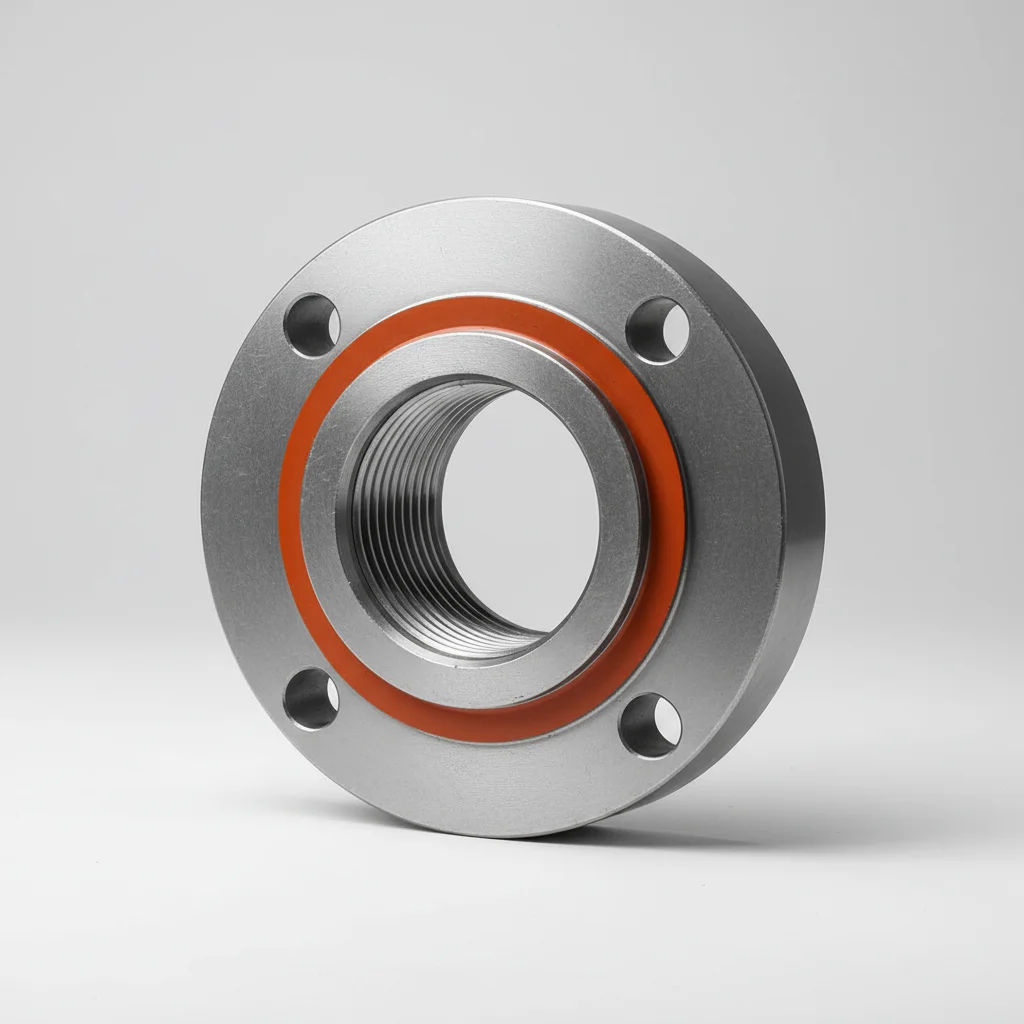
High Quality 6 inch threaded flange for Industrial Piping
Apr 09,26
Industrial Guide to 6 inch threaded flange and Piping Applications
SUBSCRIBE NEWSLETTER


