Oct. 23, 2026
THE BUYER'S GUIDE / SELECTION
A buyer-focused guide to selecting an ASME B16.5 slip on flange. It covers the pressure class, nominal pipe size, material grade, sealing face, temperature range, testing and dimensional checks listed for the Cangzhou Weihuan Pipeline Equipment Co.,Ltd. slip-on flange, and explains when a slip-on design may not be the right choice.
Pressure class: listed ASME B16.5 Class 150–2500 (B16.47 Class 75–900); supplier positions slip-on as economical for Class 600 and below and for low to medium pressure systems
Nominal pipe size: listed 1/2" (15 mm) to 60" (1500 mm); confirm the governing standard (B16.5 or B16.47) for the size
Material grade: ASTM A105 carbon steel, A182 F304/F316 stainless, A350 LF2 alloy steel, chosen by media and temperature
Temperature: carbon steel -29℃ to 427℃, stainless listed up to 870℃, LF2 impact energy ≥27 J at -46℃; confirm against B16.5 pressure–temperature ratings
Sealing face: FF, RF, MFM or TG to match the mating flange and gasket
Dimensions and tolerances: NPS 4" thickness example (Class 150 12.7 mm, Class 300 19.1 mm), flatness ≤0.05 mm/m, hole position ±0.3 mm; verify against ASME B16.5 tables
Testing and traceability: MT, UT for Class 1500, hydrostatic test at 1.5x design pressure for 30 minutes, spectral material verification
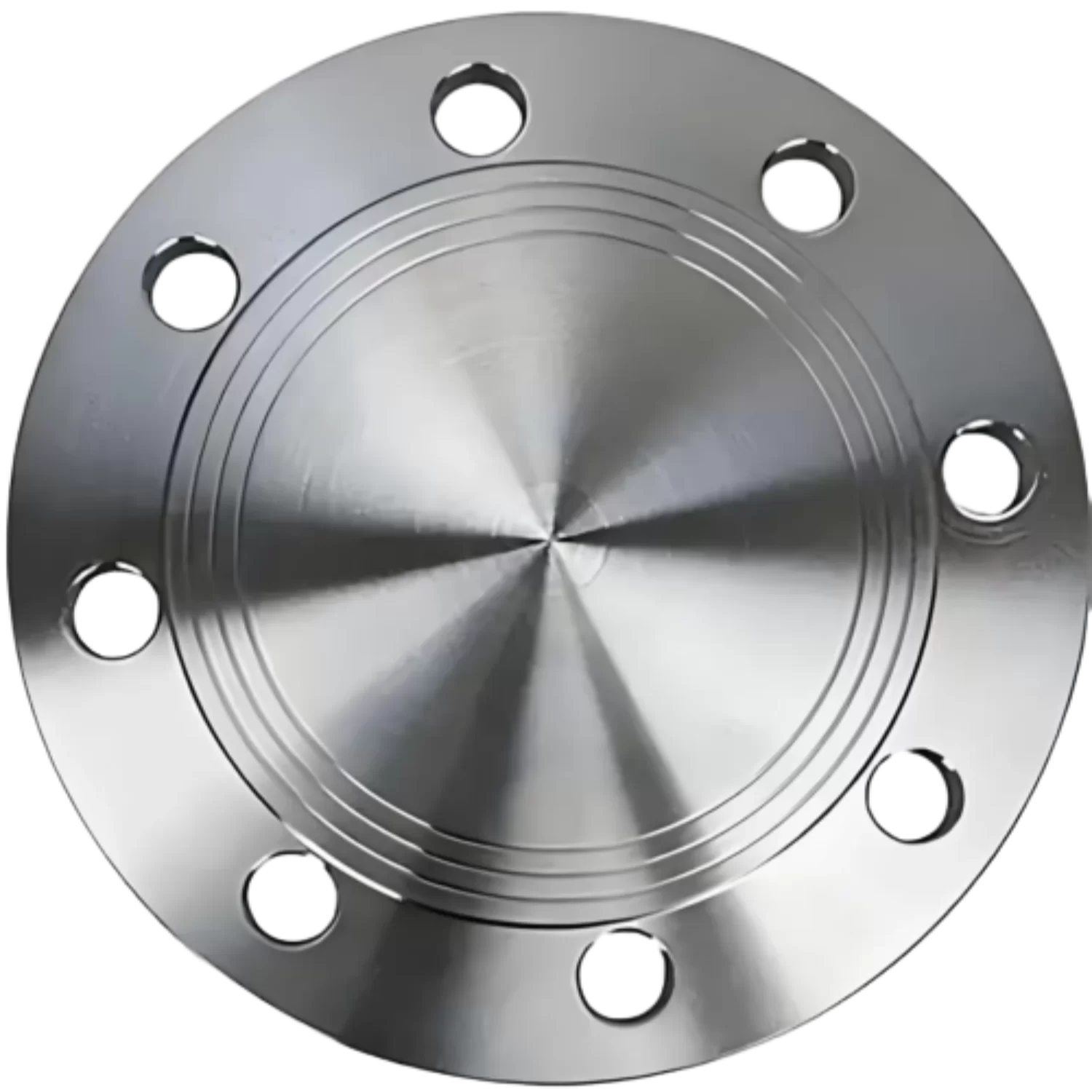
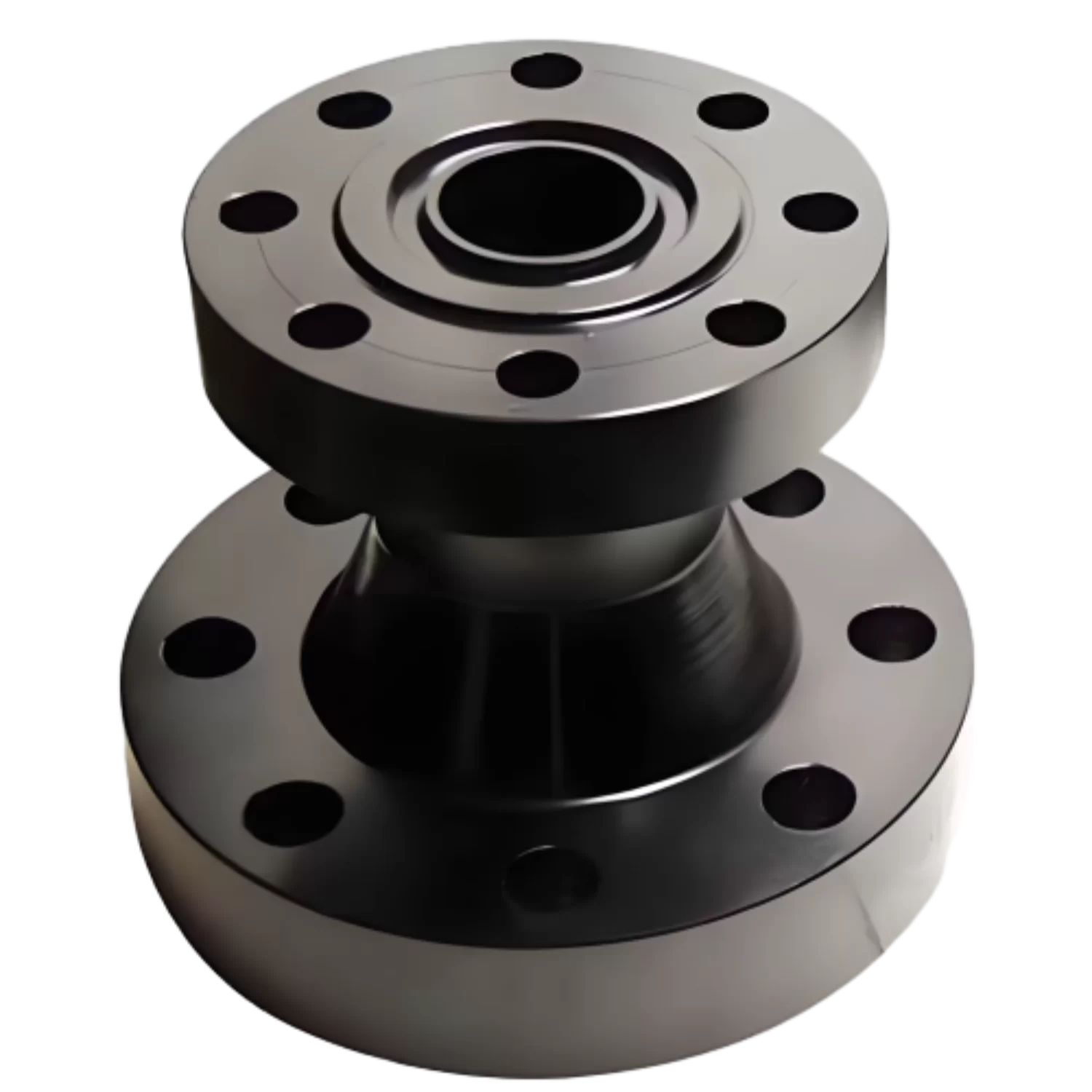
An ASME B16.5 slip on flange slides over the pipe and is fixed with fillet welds on the inside and outside. The design is simple, but picking the right one still takes a few decisions: pressure class, size, material, sealing face and inspection requirements. This guide goes through those checks using the published specifications for the ASME B16.5 Slip On Flange from Cangzhou Weihuan Pipeline Equipment Co.,Ltd.. It also points out where you should confirm details before placing an order.
This article does not quote prices, lead times or certifications. Ask for those directly when you request a quotation.
Write down your operating conditions before you compare flange options:
The product page describes the slip-on flange as suited to low to medium pressure systems in the oil, gas and chemical sectors. Use that as your first fit check.
The listed scope runs from ASME B16.5 Class 150 to Class 2500, and the page also lists ASME B16.47 Class 75 to 900. The same page calls slip-on flanges the economic choice for Class 600 and below. It says this is because they use less material and need simpler processing.
In practice:
The listed size range is 1/2" (15 mm) to 60" (1500 mm). Common sizes such as a 3 slip on flange, 4 slip on flange or 8 slip on flange fall inside this range. The listing covers both B16.5 and B16.47, so confirm which standard applies to your size and class before you order. This matters most for large diameters.
The page gives one thickness example for NPS 4": 12.7 mm for Class 150 and 19.1 mm for Class 300. Check flange thickness, outside diameter, bolt circle and bore against the dimension table in the edition of ASME B16.5 your project uses. Then ask the supplier to confirm the values on the drawing or quotation.
Three material options are listed. Each one suits a different service condition:
| Material | Listed characteristics | Typical fit described in source |
|---|---|---|
| ASTM A105 carbon steel | Temperature range -29℃ to 427℃ | General industrial piping where carbon steel is acceptable |
| ASTM A182 F304/F316 stainless steel | Stated stability in pH 2–12 environments; listed up to 870℃ | Corrosive media and seawater treatment systems |
| ASTM A350 LF2 alloy steel | Impact energy ≥27 J at -46℃ | Low-temperature service such as LNG and liquid nitrogen pipelines |
The temperature figures above are material-level values from the product page. They are not pressure ratings. The allowable working pressure at a given temperature depends on both the material group and the pressure class. Confirm it against the pressure–temperature ratings in ASME B16.5.
The listed face options are Flat Face (FF), Raised Face (RF), Male-Female (MFM) and Tongue-Groove (TG). Match the face to the mating flange and the gasket. A mismatched face can make a joint hard to seal even when everything else is correct. The supplier lists machining tolerances of flatness ≤0.05 mm/m and hole position ±0.3 mm, with CNC monitoring of sealing face flatness and bolt-hole position.
These are process descriptions, not third-party certifications. If you need mill test certificates, third-party inspection or specific approvals, put that in your inquiry and ask for the documents to be confirmed in writing.
The supplier says the slip-on design allows faster alignment and simpler outer fillet welding than weld-neck types, and uses less material. That makes it a practical choice for many low and medium pressure lines.
An ASME B16.5 slip on flange may not be the right choice when:
In these cases, check the alternatives with your piping engineer before you request a quote.
For the full published specification, see the ASME B16.5 Slip On Flange product page.
THE PEOPLE

About the author
THE COMPANY
Cangzhou Weihuan Pipeline Equipment Co., Ltd. stands as a platform-based supply chain management enterprise integrating products and services, with a focused expertise in the sales of pipes and pipe fittings. Boasting a professional sales team, we deliver one-stop supporting services for pipes and their accessories. We have established cooperative relationships with partners across the globe, extending our business reach both domestically and internationally.…
YOUR NEXT STEP
Use case, specification, quantity and delivery window: make the next conversation specific.

Oct 12,26
High Pressure China socket welded tee Forged Piping Guide

Jun 21,26
Raised Face Slip On Flange Guide Applications and Benefits

May 22,26
How to Choose the Right Threaded Tee for Industrial Pipe Systems
This guide explains how to choose the right threaded tee for industrial pipe systems, including material selection, thread standards, pressure ratings, application requirements, and installation considerations.

Jul 12,26
High Performance 300 threaded flange for Industrial Piping
In the complex landscape of industrial piping, the precision of connection components determines the overall safety and efficiency of the system. The 300 threaded flange represents a critical standard in managing pressure and fluid dynamics, providing a secure, leak-proof interface for diverse piping configurations. Understanding the nuances of these components is essential for engineers and procurement specialists aiming to optimize system longevity and operational reliability. Globally, the demand for high-pressure rated fittings continues to rise as petrochemical, power generation, and water treatment sectors expand their infrastructure. The integration of specialized components ensures that piping systems can withstand extreme stresses while maintaining the flexibility

May 22,26
The Difference Between Seamless Tee and Welded Tee in the Production Process
This article explains the complete difference between seamless tee and welded tee in the production process, including manufacturing methods, material performance, cost comparison, and industrial applications

May 22,26
What Is a Threaded Tee and Where Is It Used?
This article explains what a threaded tee is, how it works, its main types, materials, advantages, and the industries where it is most commonly applied.
SUBSCRIBE NEWSLETTER