Industrial Pipeline Solutions for Energy and Infrastructure in Oman

Industrial Pipeline Solutions for Energy and Infrastructure in Oman

Apr. 20, 2026

Industrial Pipeline Solutions for Energy and Infrastructure in Oman

Providing high-performance seamless steel pipe and precision fittings to support Oman's expanding petrochemical and water management sectors.

Reliable Piping Infrastructure for the Omani Industrial Market

Engineered for extreme environments, our supply chain integrates durable piping components tailored for oil, gas, and desalination projects across the Sultanate of Oman.

{Product List Placeholder 1}

Analysis of Oman's Metal Structural and Piping Market

Evaluating the intersection of infrastructure growth and technical requirements in the Gulf region.

The industrial landscape in Oman is currently characterized by a strategic shift toward diversifying its economy beyond crude oil, with significant investments in petrochemical refineries and sustainable water infrastructure. This transition has created a robust demand for high-grade welded steel pipe and structural metal components that can withstand the corrosive nature of saline environments and high-pressure industrial processing.

One of the primary challenges faced by local contractors is the volatility of supply chain lead times and the stringent quality certifications required for national key projects. The extreme heat and humidity of the Arabian Peninsula necessitate materials with superior metallurgical properties to prevent premature oxidation and structural failure, making the selection of the right pipe grade a critical decision for project longevity.

Consequently, Omani procurement managers are increasingly seeking partners who offer integrated supply chain management rather than simple product sales. There is a clear preference for one-stop supporting services that can provide a combination of spiral welded steel pipe and customized fittings, ensuring compatibility and reducing the risk of onsite installation errors.

Evolution of Industrial Piping Standards in Oman

From traditional oil extraction to advanced integrated energy complexes.

Developmental Milestones

Early Infrastructure Phase
The initial focus was predominantly on basic oil and gas transport, utilizing standard carbon steel pipes with limited variety in fitting specifications, primarily serving the primary extraction sites.

Industrial Diversification Phase
The rise of petrochemical plants and desalination facilities introduced a need for specialized components such as the eccentric reducer to manage complex fluid dynamics and pressure changes across larger plant networks.

Modern Integrated Phase
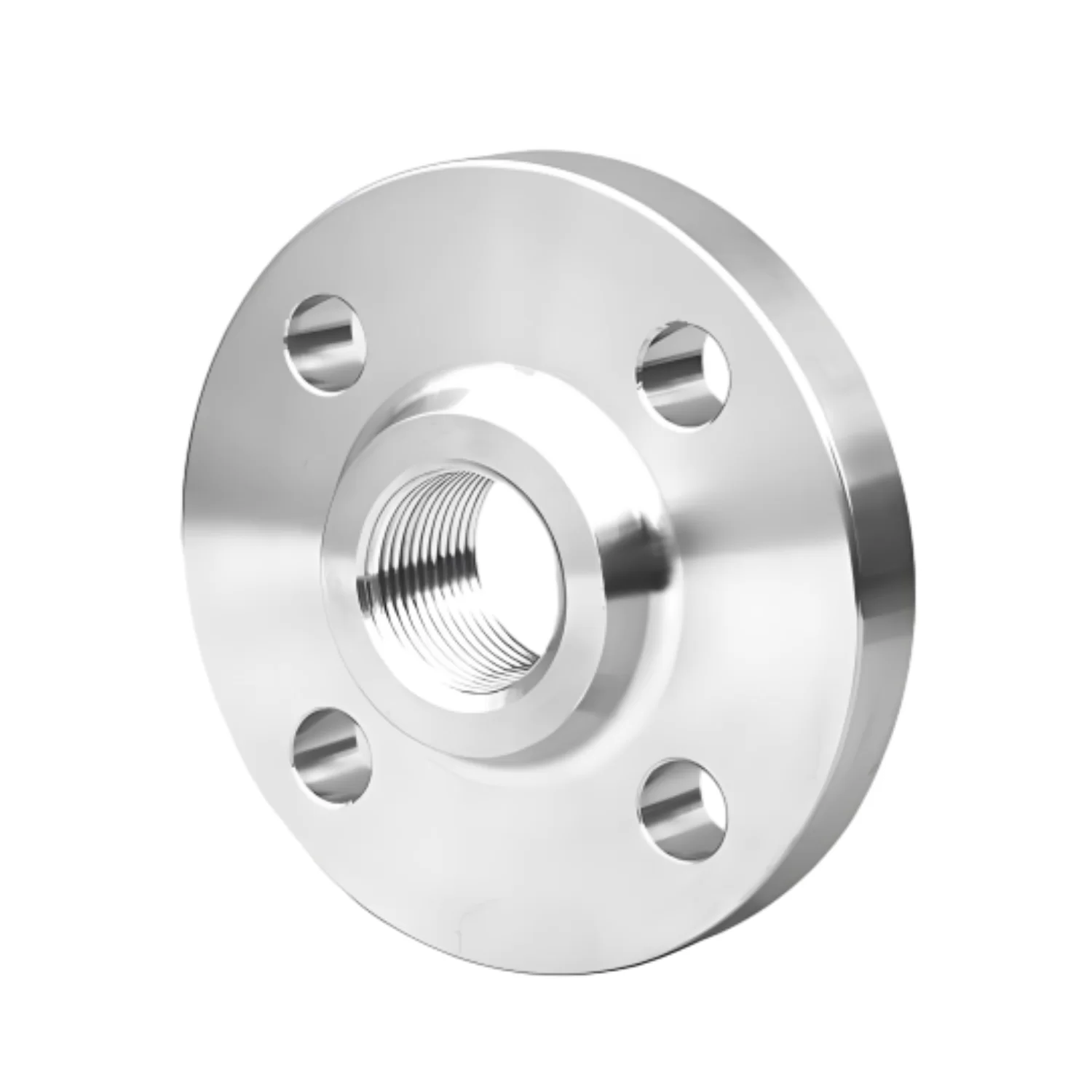
Current projects emphasize high-efficiency, low-leakage systems. The adoption of precision-engineered threaded fitting solutions has become standard to ensure airtight connections in critical pharmaceutical and aerospace applications.

Future Industry Trajectory

1. Hydrogen Energy Readiness

As Oman pivots toward green hydrogen, there is an emerging need for pipes with advanced interior coatings and specialized alloys to prevent hydrogen embrittlement.

2. Digital Supply Chain Integration

The shift toward digital demand docking and real-time logistics tracking will reduce project downtime and optimize the inventory management of bulk piping materials.

3. Enhanced Corrosion Resistance

Increased utilization of duplex stainless steels and advanced composite linings to combat the aggressive coastal environmental conditions of the Gulf.

Global Trends Adapting to the Omani Market

Bridging international manufacturing excellence with local environmental demands.

⚡
High-Pressure Efficiency
Optimization of wall thickness and material grade to increase flow rates while maintaining safety margins.
🤖
Precision Fabrication
Integration of CNC machining for fittings to ensure zero-tolerance fits in nuclear and chemical plants.
💳
TCO Optimization
Focusing on Total Cost of Ownership by selecting materials that reduce maintenance cycles in harsh climates.
🌱
Sustainable Sourcing
Transitioning toward steel production with lower carbon footprints to align with Oman Vision 2040.

Strategic Outlook for Pipeline Equipment

The future of the piping industry in Oman will be defined by a convergence of technical specialization and supply chain resilience. Companies that can bridge the gap between large-scale Chinese manufacturing efficiency and the specific regulatory requirements of the Middle East will hold a competitive edge.

For Omani enterprises, the priority should be the adoption of platform-based procurement to ensure a steady flow of critical accessories, reducing the reliance on fragmented local distributors and improving overall project timelines.

Application Scenarios in Oman's Industrial Sector

Real-world implementations of high-performance piping systems across diverse environments.

01

Oil Refinery Upgrades

Implementing seamless steel pipes in high-temperature distillation units to ensure zero leakage and resist thermal expansion in the intense heat of Oman's coastal refineries.

02

Seawater Desalination Plants

Using corrosion-resistant welded steel pipes for brine transport systems, where high salinity requires precise material selection to prevent pitting and wall thinning.

03

Urban Water Distribution

Deploying large-diameter spiral welded steel pipes for municipal water transmission, balancing cost-efficiency with the structural integrity needed for long-distance transit.

04

Chemical Processing Units

Integrating eccentric reducers in pumping stations to eliminate turbulence and cavitation, optimizing the flow of volatile chemical agents in specialized industrial zones.

05

Fire Protection Systems

Utilizing high-precision threaded fittings for rapid-deployment fire suppression networks in large-scale warehouses and logistics hubs near Port Sultan Qaboos.

The Journey of Cangzhou Weihuan Pipeline Equipment

Commitment to quality and global supply chain excellence in pipeline accessories.

2020-2021: Domestic Foundation

Focused on deepening cooperation with energy and nuclear power leaders, providing critical support for national projects like Yanshan and Lanzhou Petrochemical.

2022: Global Strategy Launch

Initiated a "global layout" strategy, leveraging China's manufacturing cost advantages to enter overseas markets with high-specification pipeline solutions.

2023: Middle East Expansion

Successfully expanded international coverage, specifically targeting oil and gas infrastructure opportunities in the Middle East and Africa.

2024: Supply Chain Transformation

Accelerated transformation into a platform-based supply chain enterprise, integrating digital services for rapid demand docking and logistics scheduling.

2025: Globalized Success

Achieved stable cooperative relationships across more than 20 countries, establishing a footprint in Europe, Africa, South Asia, and the Middle East.

Comprehensive Piping and Fitting Portfolio for Oman

A complete range of industrial grade pipes and accessories designed to meet international standards for safety, durability, and flow efficiency.

{Product List Placeholder 2}

Expert Insights on Piping Procurement in Oman

Addressing common technical and logistical questions for industrial buyers.

What is the primary difference between seamless and welded steel pipes for Omani projects?

Seamless steel pipes are generally preferred for high-pressure and high-temperature applications due to the absence of a weld seam, reducing the risk of failure. Welded steel pipes are typically used for lower pressure applications and are more cost-effective for large-diameter water or gas transmission lines.

How do environmental conditions in Oman affect pipe material selection?

The combination of high ambient temperatures and saline coastal air increases the risk of external corrosion. We recommend using pipes with specialized anti-corrosive coatings or choosing alloy grades that offer better resistance to chloride-induced stress corrosion cracking.

When should I specify an eccentric reducer instead of a concentric one?

Eccentric reducers are critical in horizontal piping systems to prevent the accumulation of gases or liquids (air pockets) at the top of the pipe, which can cause cavitation and erode the pipe walls. Concentric reducers are typically used in vertical lines.

Are your products compliant with international standards for the Middle East market?

Yes, our products are manufactured to meet global quality benchmarks, ensuring they are suitable for the rigorous demands of the petroleum, chemical, and power sectors in Oman and surrounding regions.

What is the benefit of a platform-based supply chain for pipe procurement?

A platform-based approach integrates product selection, technical consulting, and logistics scheduling into one workflow. This reduces procurement errors, ensures faster delivery to Omani ports, and provides better visibility into the supply chain.

How can I request a technical consultation for a project in Oman?

You can reach out to our professional sales team through our contact page to discuss your project specifications, material requirements, and delivery timelines.

Discuss Your Pipeline Project in Oman

Get expert technical consultation and a customized quote for high-performance piping solutions tailored to the Omani industrial environment.

Request a Quote

SUBSCRIBE NEWSLETTER

Efficient Pipe Fittings, Get Customized Solutions Immediately!

If you are interested in our products, you can choose to leave your information here, and we will be in touch with you shortly.