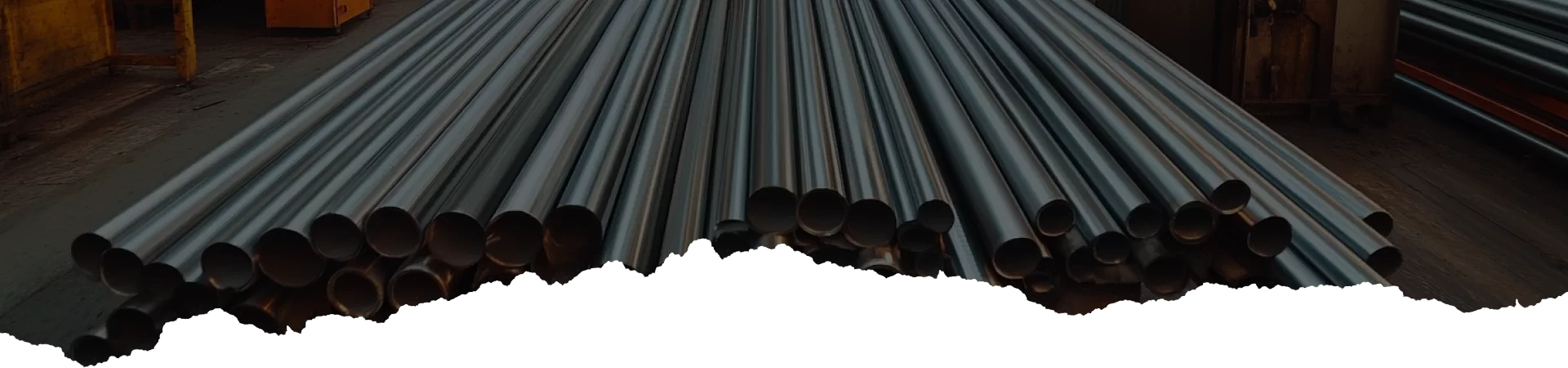
Ecuador's economic framework is heavily reliant on the extraction and transport of natural resources, creating a persistent demand for robust infrastructure. In the oil-rich Amazonian regions and coastal industrial hubs, the use of seamless steel pipe is critical for handling high-pressure fluids where joint failure is not an option. The geographical diversity, ranging from Andean altitudes to tropical coastlines, requires materials that can withstand varied atmospheric corrosion and seismic activity.
From an procurement perspective, local enterprises are increasingly shifting toward integrated supply chain partners to reduce lead times. The application of welded steel pipe has become a standard for large-diameter water transport and structural frameworks in urban development projects. As the country upgrades its refining capacities and mining operations, there is a growing technical requirement for precision components like the eccentric reducer to manage fluid dynamics and flow transitions efficiently.
Current industry trends suggest a move toward higher standardization and stricter adherence to international quality certifications. For companies operating in Ecuador's petrochemical and energy sectors, the transition toward more resilient pipeline architectures is paramount. This evolution involves integrating specialized fittings and threaded fitting components to ensure leak-proof connections in complex modular plant designs, thereby enhancing overall operational safety and reducing maintenance overhead.