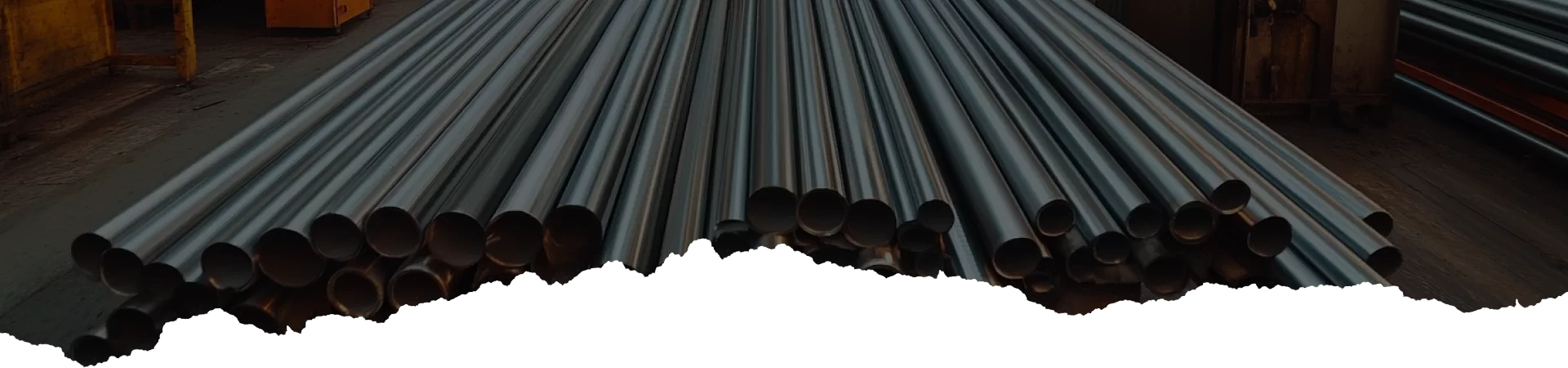
Iraq's industrial framework is heavily anchored by its vast energy reserves, necessitating a robust network of transport and processing lines. The prevalence of high-sulfur crude and the extreme thermal fluctuations of the desert climate place immense stress on metal structures. Consequently, the utilization of seamless steel pipe has become critical for high-pressure applications where weld-seam failure is not an option, ensuring structural integrity across expansive oil fields.
From a procurement perspective, the shift toward diversifying infrastructure has increased the demand for versatile connectivity. Engineers frequently integrate welded steel pipe for secondary distribution lines and water management systems due to its cost-efficiency and scalability. Furthermore, the precision required in complex refinery layouts often necessitates the use of an eccentric reducer to facilitate smooth fluid transitions while maintaining consistent flow levels in horizontal piping runs.
The current trajectory of the Iraqi manufacturing sector indicates a move toward modernization and the adoption of international standards. As the country upgrades its petrochemical plants, there is a growing emphasis on standardized connectivity, such as the deployment of threaded fitting components for easier maintenance and rapid assembly. This technical evolution is driven by a need for supply chain resilience and the integration of materials that can withstand both chemical aggression and mechanical vibration.