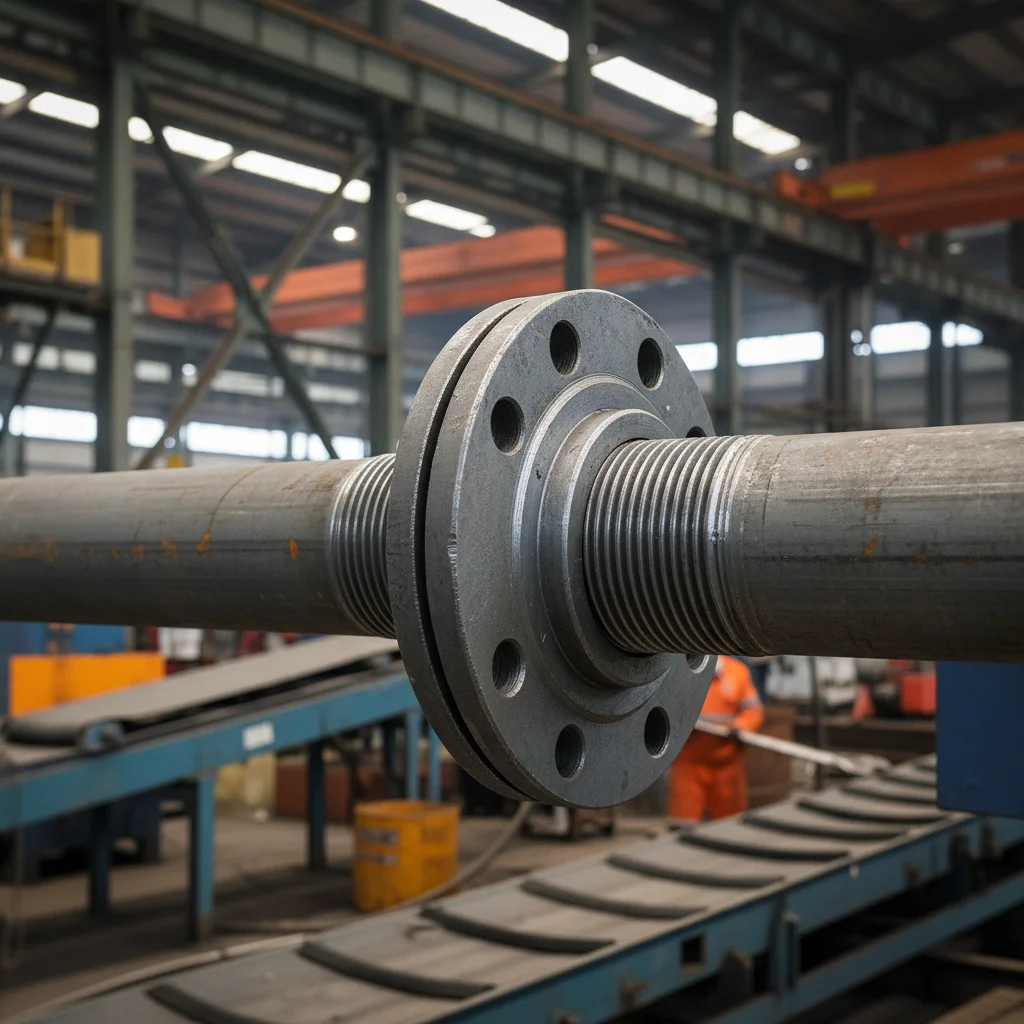
The industrial sector in Pakistan is currently undergoing a phase of modernization, particularly within the energy and petrochemical corridors. The demand for high-grade welded steel pipe has surged as the country expands its natural gas distribution and water management networks. This growth is driven by the need for materials that can withstand significant operational pressure while maintaining cost-efficiency during large-scale deployment.
However, many local projects face challenges related to material consistency and the availability of specialized components. The reliance on imports for high-specification items, such as an eccentric reducer for critical flow transitions, often leads to project delays. There is a clear market gap for suppliers who can provide one-stop supporting services that integrate both the pipes and their complex accessories.
Consequently, Pakistani procurement managers are shifting their focus toward global supply chain partners who prioritize quality certifications and logistics reliability. The priority is no longer just the lowest price, but the total cost of ownership, emphasizing the longevity and safety of the installed piping systems in various climatic conditions.