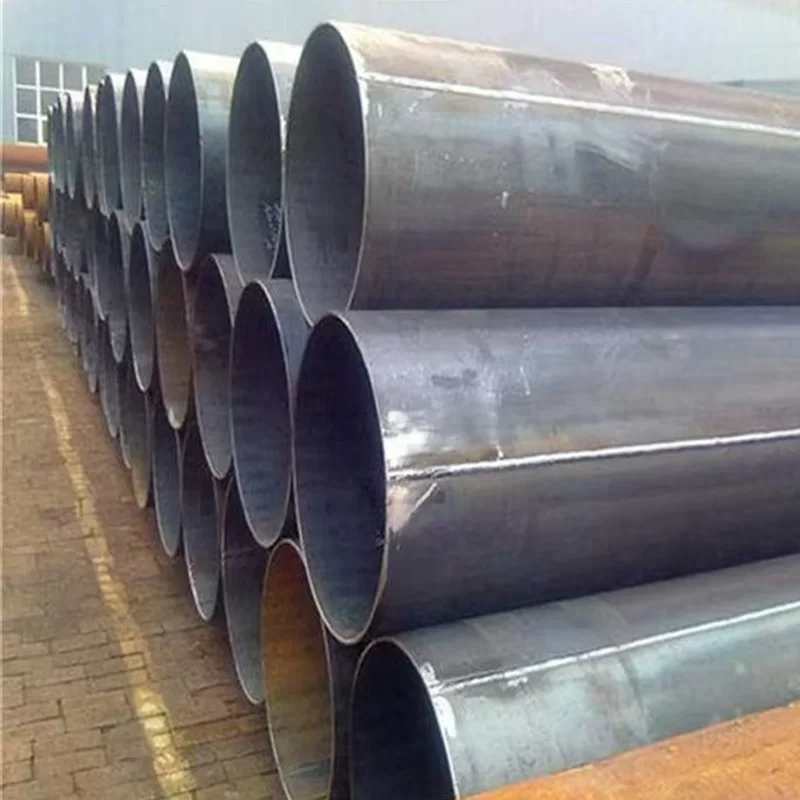
The maritime industry operates in one of the most unforgiving environments on Earth. Vessels, offshore platforms, and coastal processing plants are in a constant battle against the relentless corrosive power of salt spray, high humidity, and total immersion in seawater. In such conditions, the internal piping systems—responsible for everything from engine cooling and ballast management to fire suppression—must be constructed from materials that offer more than just mechanical strength. The strategic integration of specialized hardware, such as the seamless stainless steel pipe and precision-engineered elbows, is the only way to ensure the structural longevity and safety of a vessel at sea.
The Superiority of Seamless Stainless Steel Pipe in Salt-Rich Atmospheres
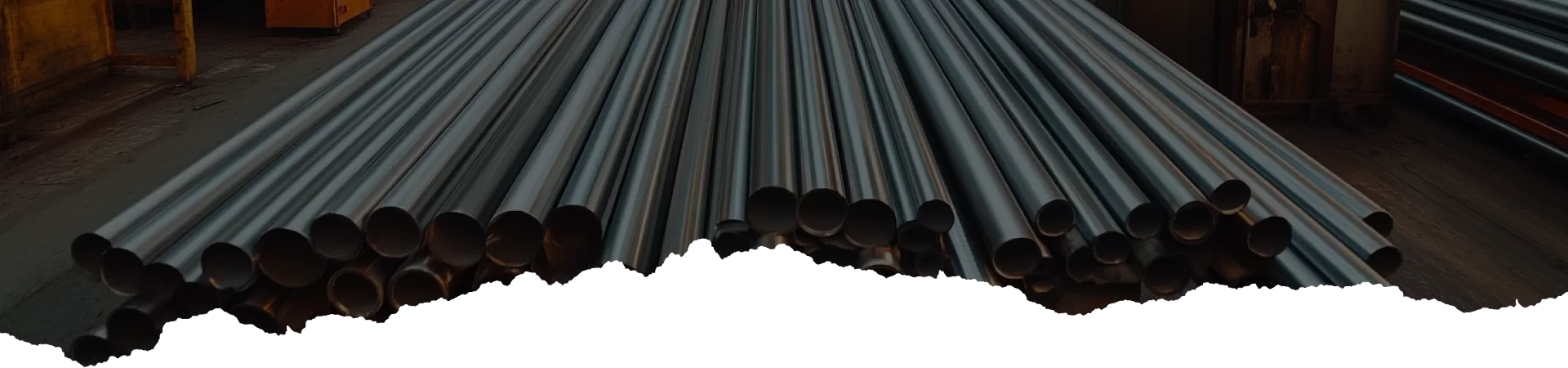
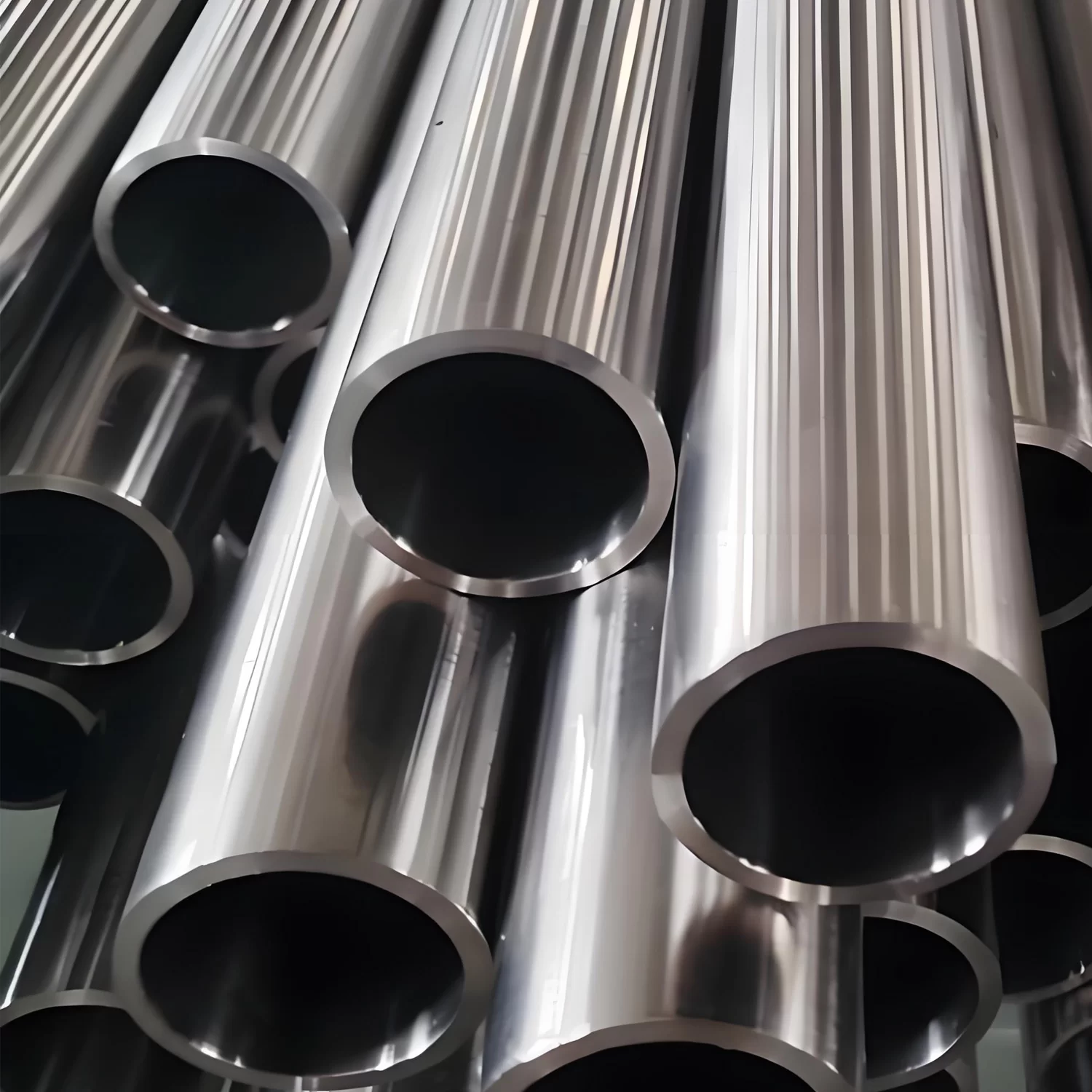
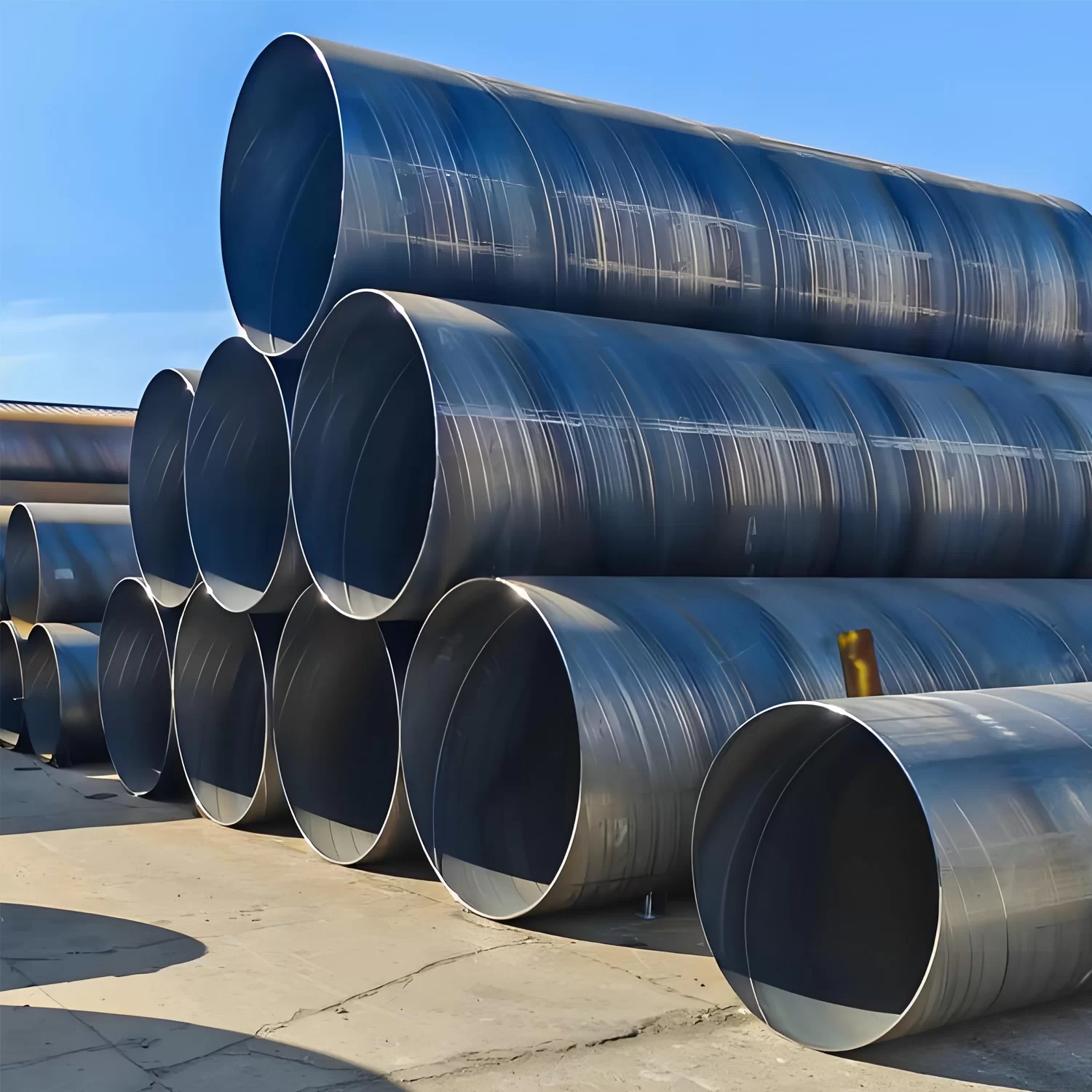
In the hierarchy of marine-grade materials, the seamless stainless steel pipe stands as the undisputed foundation of high-pressure fluid transport. Unlike carbon steel, which requires extensive external coatings and cathodic protection to survive the ocean’s salinity, stainless steel alloys—particularly those with high molybdenum content—form a passive chromium oxide layer that repairs itself when scratched.
The "seamless" nature of this piping is critical in marine engineering. Welded seams are often the primary site for "pitting" or "crevice corrosion" when exposed to stagnant seawater. By utilizing a seamless manufacturing process, the pipe maintains a uniform grain structure throughout its circumference. This uniformity is vital when a ship experiences the heavy vibrations of engine rooms or the rhythmic stress of hull flexing in rough seas. In modern marine systems, these pipes handle high-velocity cooling water and hydraulic fluids where any pinhole leak could lead to a catastrophic loss of propulsion or steering. The smooth internal bore also prevents the buildup of marine growth, such as barnacles or algae, which can choke off flow in standard piping systems over time.
Navigating Tight Bulkheads with the Stainless Threaded Flange
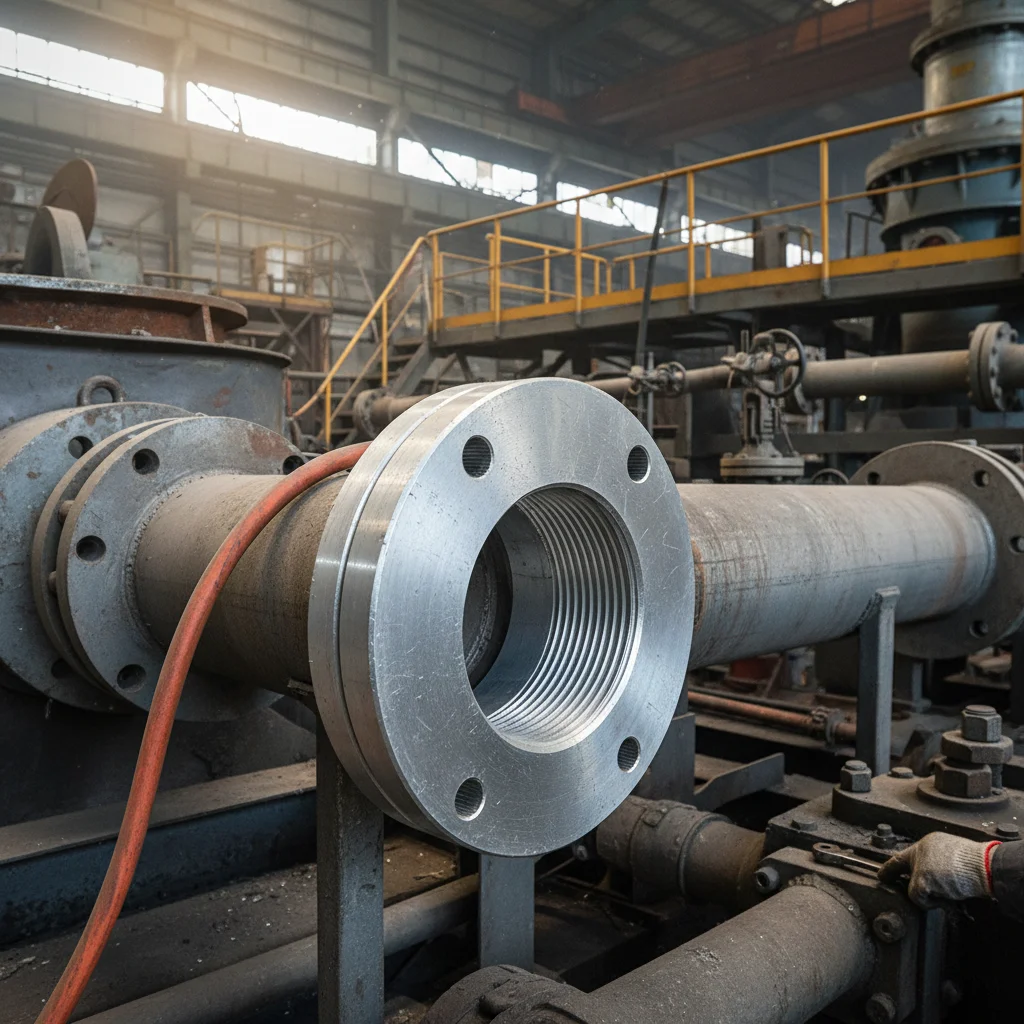
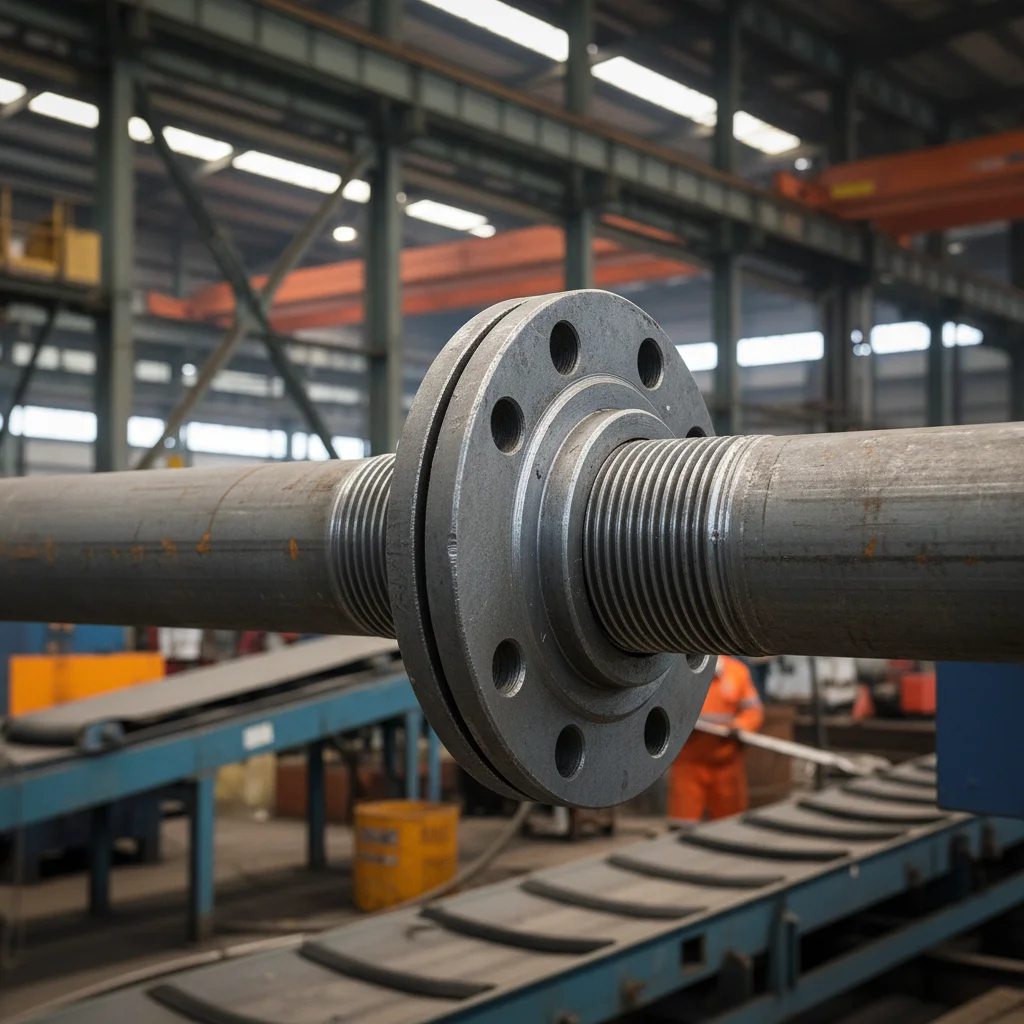
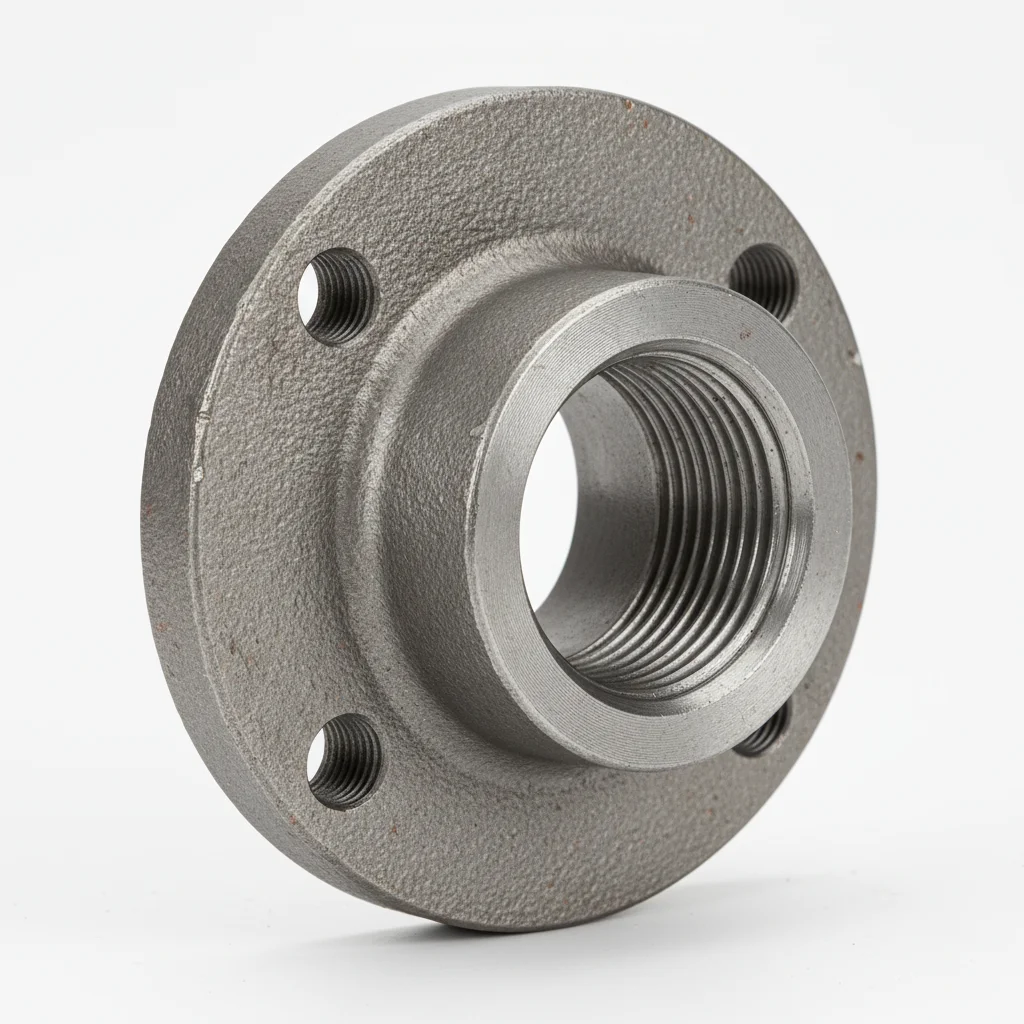
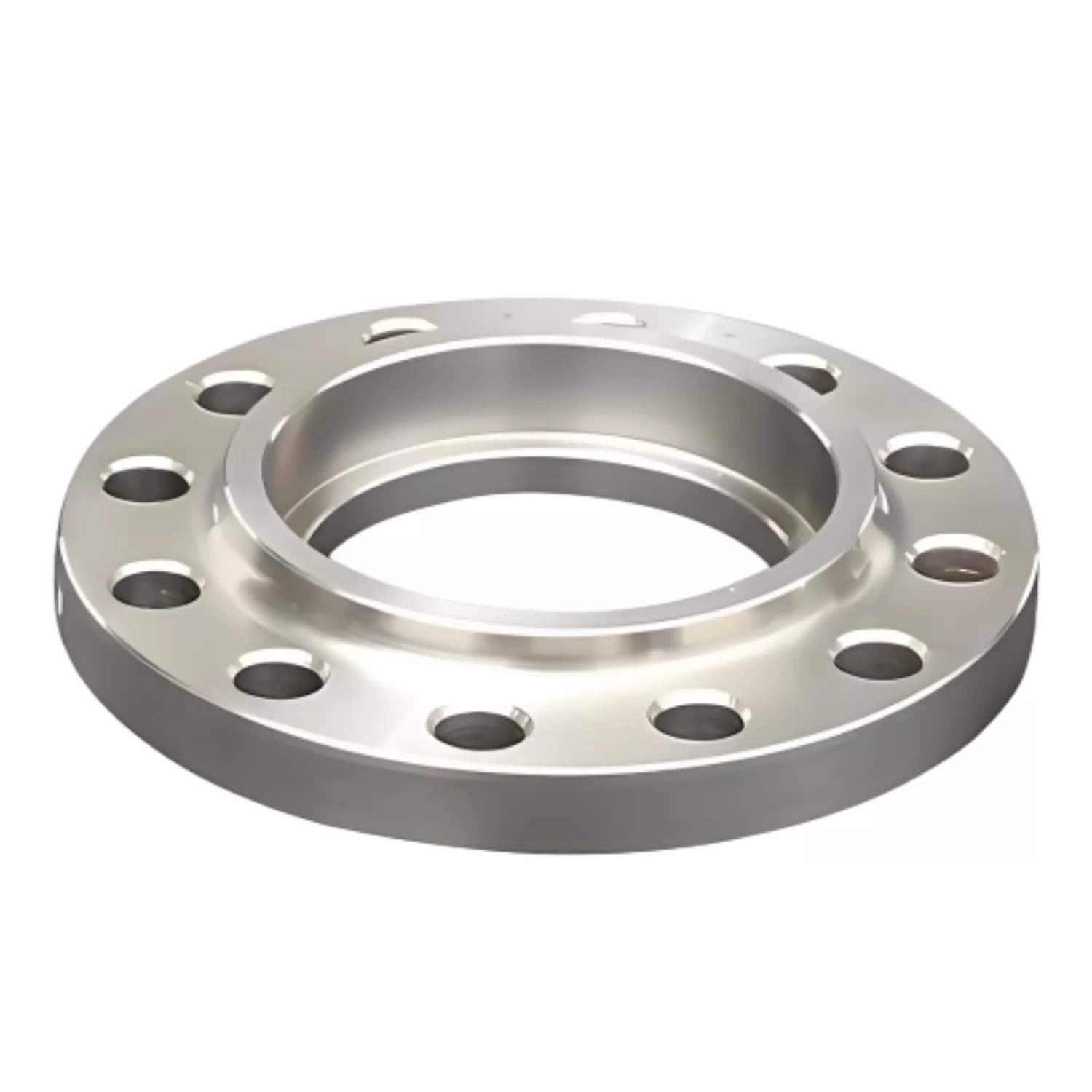
Marine engine rooms are notorious for their cramped layouts and limited accessibility. When a piping system must pass through a watertight bulkhead or connect to a modular desalination unit, engineers frequently turn to the stainless threaded flange. This component provides a high-strength connection point that can be assembled without the fire hazards associated with welding in a fuel-heavy environment.
The use of a stainless threaded flange in marine applications offers a unique blend of rigidity and serviceability. Because the flange is threaded onto the pipe, it creates a mechanical seal that is further reinforced by the bolting pattern of the flange face. In areas where maintenance is frequent—such as filter housings or heat exchanger inlets—the ability to unbolt and unscrew the connection is a massive operational advantage. The stainless steel composition ensures that the threads do not undergo "galvanic corrosion" when in contact with other noble metals, allowing the joint to be disassembled years later without the need for destructive cutting. This reliability is why threaded stainless connections are the preferred choice for instrumentation lines and potable water systems on commercial vessels and luxury yachts alike.
Optimizing Flow Transitions via the 180 Elbow in Marine Heat Exchangers
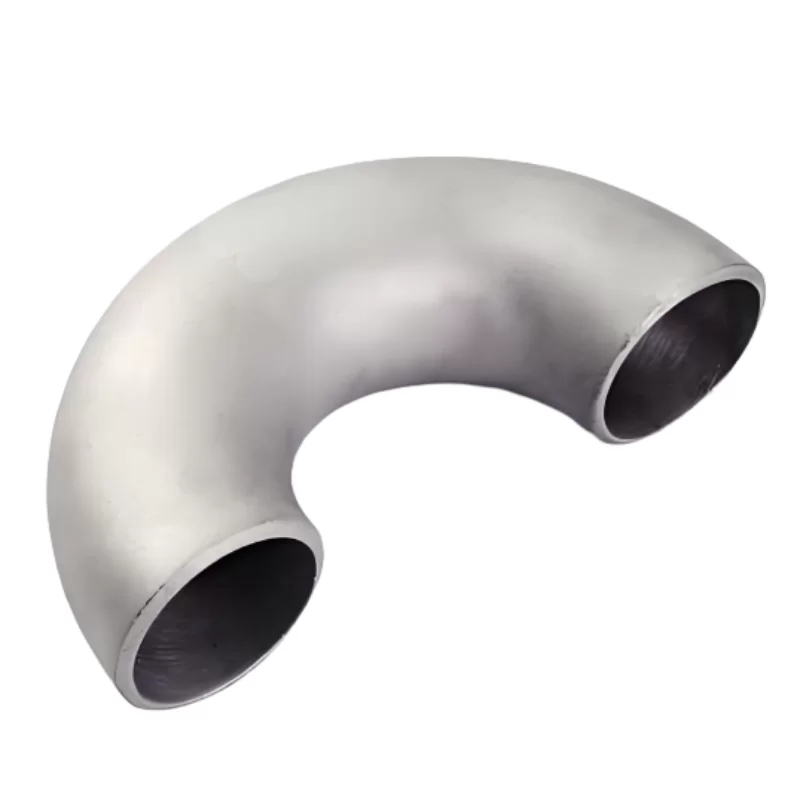
Space optimization on a ship is not just about convenience; it is about weight distribution and buoyancy. To save space, many marine cooling systems utilize "U-tube" heat exchangers where the cooling medium must travel back and forth multiple times within a single housing. The 180 elbow, or return bend, is the essential fitting that makes this compact thermal management possible.
A 180 elbow allows the piping to make a complete reversal in direction within a very tight radius. In a marine environment, these elbows are typically forged from copper-nickel or high-grade stainless steel to resist the high-velocity erosion caused by turbulent seawater. By using a single-piece 180-degree fitting instead of two 90-degree elbows joined together, engineers reduce the number of potential leak paths and minimize the friction loss that would otherwise strain the ship's pumping systems. This efficiency is critical for keeping engine temperatures stable during long-haul voyages across tropical waters, where the ambient sea temperature provides less of a cooling buffer.
Protecting System Integrity with the Threaded Blind Flange
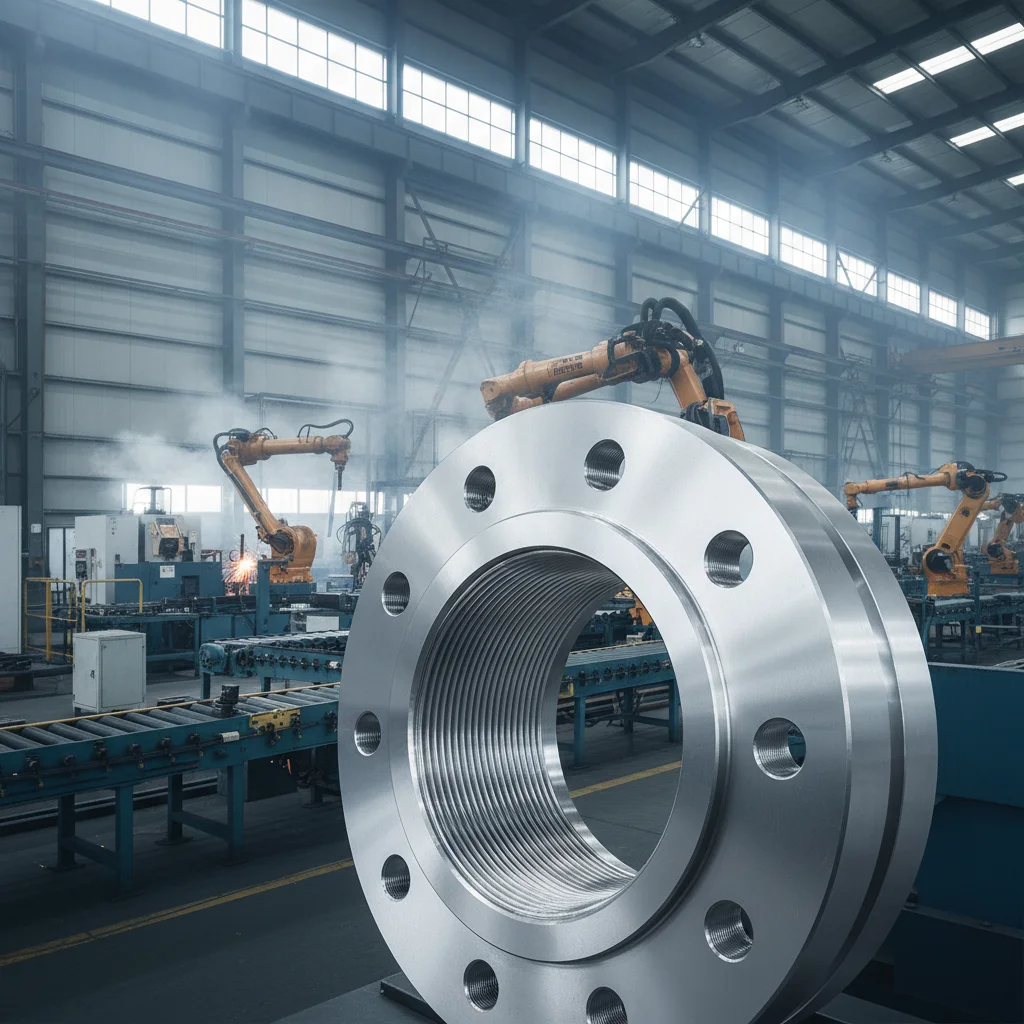
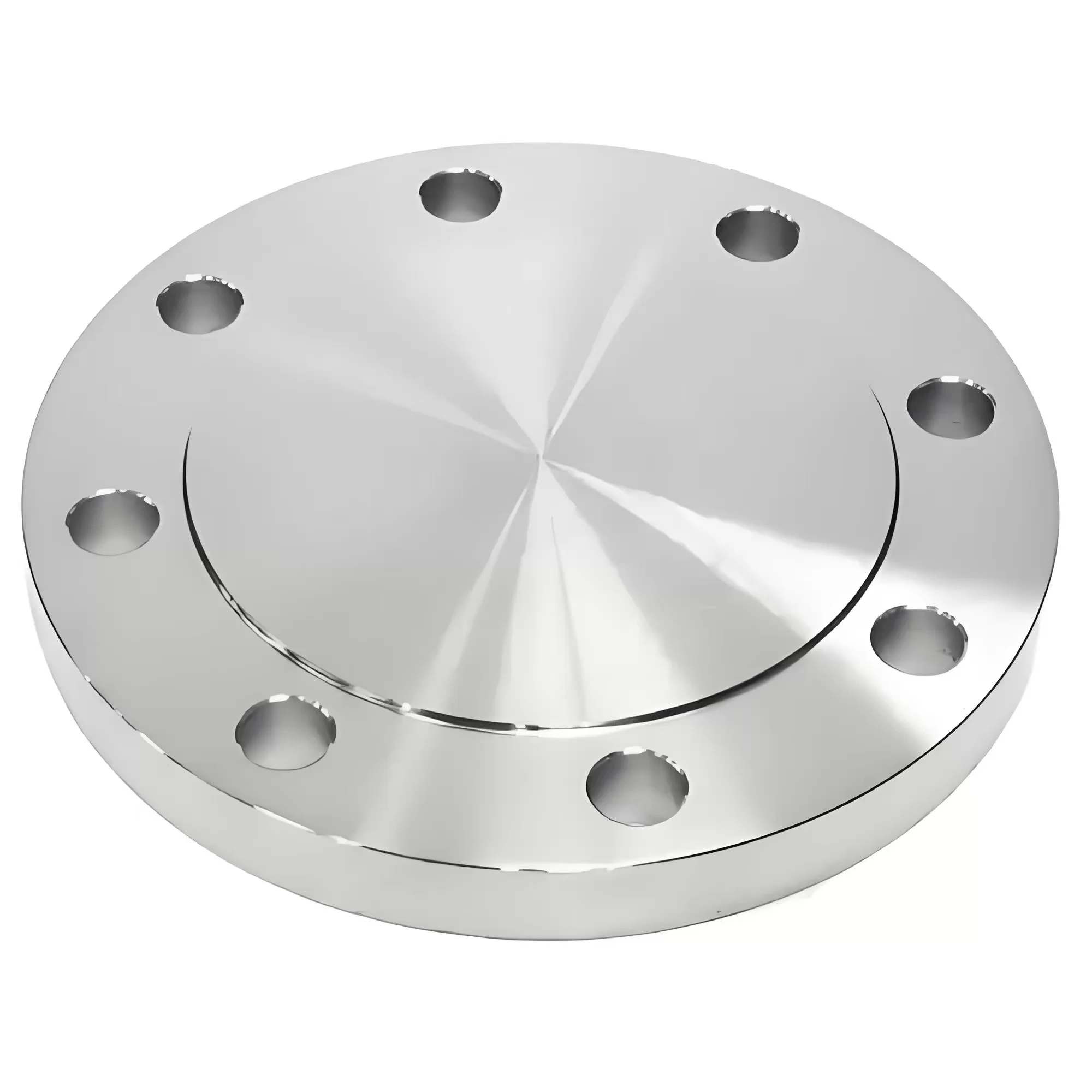
Every sophisticated marine vessel requires the ability to isolate sections of its piping for emergency repairs or routine inspections. The threaded blind flange is a specialized tool used to "cap" the end of a line or a valve outlet. Unlike a standard cap, a blind flange provides a flat, bolt-on surface that can be easily removed to allow for the expansion of the system or the insertion of diagnostic equipment.
In the context of a ship's ballast system, the threaded blind flange is often used to seal off reserve manifolds. The threaded center allows for the easy installation of a pressure gauge or a sampling tap, while the flanged outer ring provides the heavy-duty seal required to withstand the pressure of deep-sea immersion. Because these components are often located in the "bilge" or other wet areas, they are susceptible to constant moisture. A blind flange manufactured to marine standards ensures that the seal remains pressure-tight even after years of exposure to salt-laden bilge water, preventing the cross-contamination of tanks or the accidental discharge of oily water into the ocean.
Advanced Routing with the 45 Degree Elbow for Ballast Manifolds
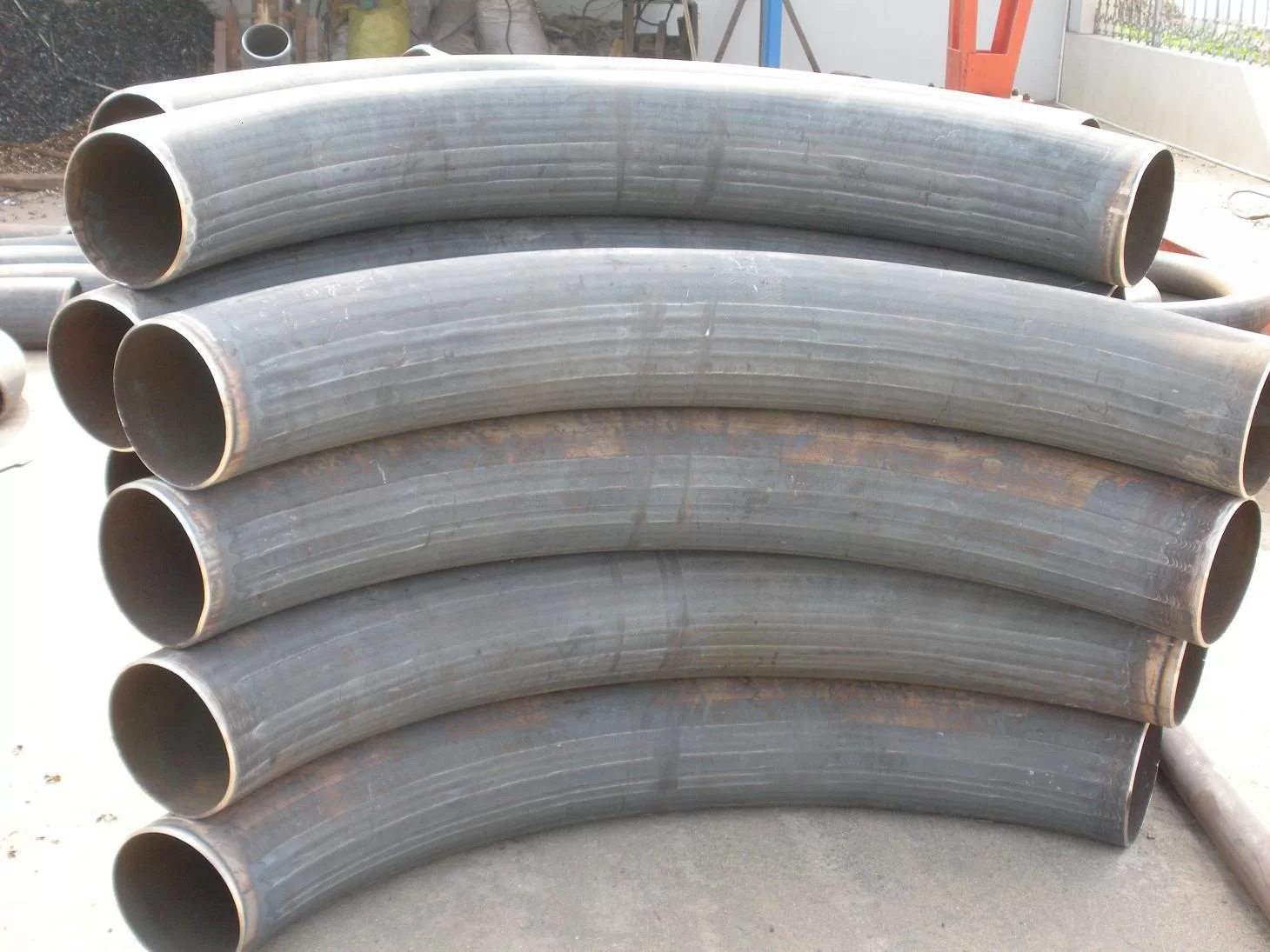
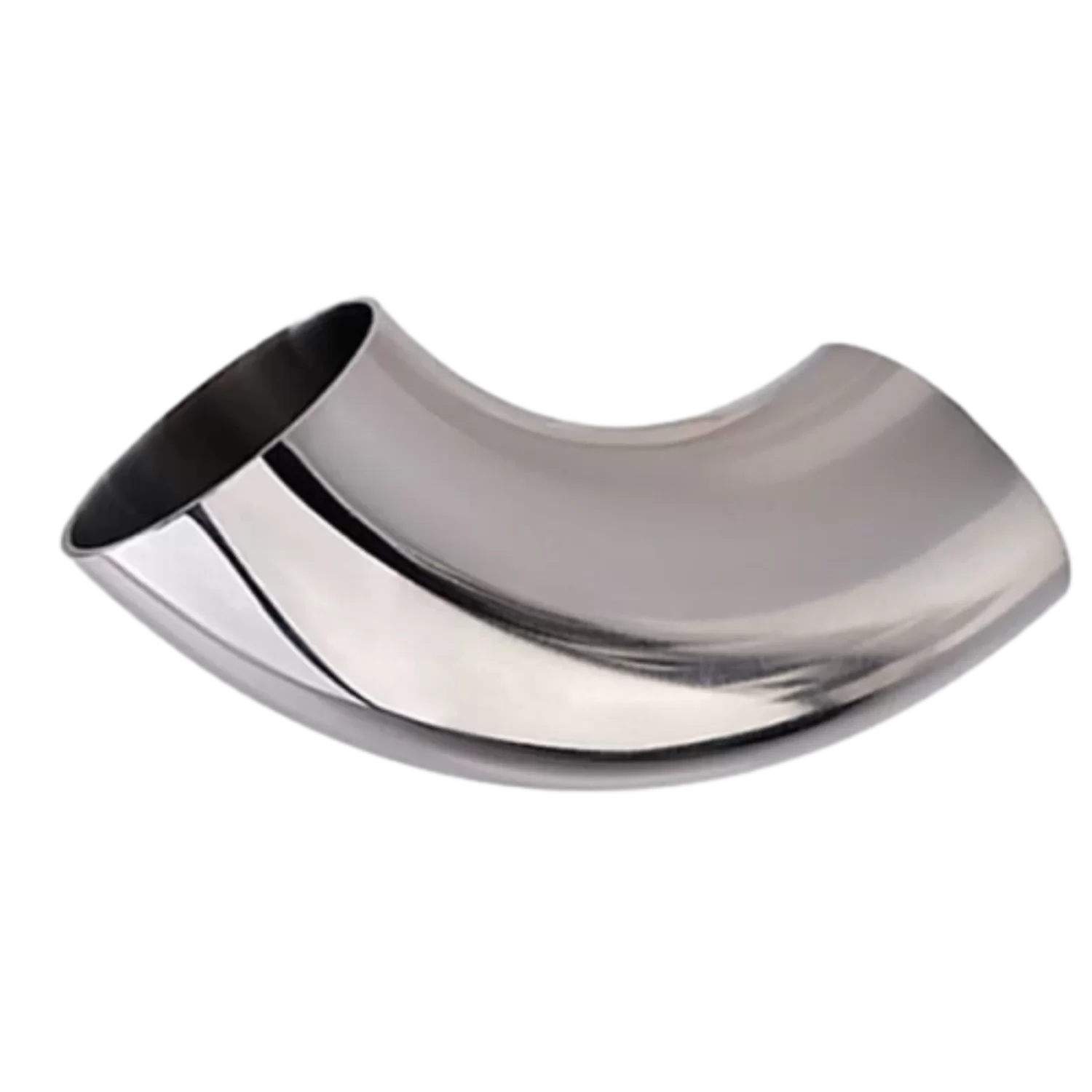
The movement of ballast water is essential for maintaining the stability and trim of a vessel. These systems involve large-diameter pipes that must navigate the complex geometry of a ship’s hull. The 45 degree elbow is frequently utilized here to create gradual bends that follow the curvature of the ship's "ribs."
Using a 45 degree elbow instead of a sharper 90-degree turn is a strategic choice for flow dynamics. In large-volume systems like ballast pumps, minimizing "head loss" (the loss of pressure due to friction) is vital for the rapid loading and unloading of water. The gentler angle of the 45-degree fitting reduces the impact of the fluid against the pipe wall, which significantly lowers the rate of internal erosion. In marine construction, these elbows are often hot-dip galvanized or made from heavy-walled stainless steel to combat the corrosive nature of the diverse waters—ranging from brackish estuaries to high-salinity oceans—that a ship may encounter during its global transit.