Apr. 16, 2026
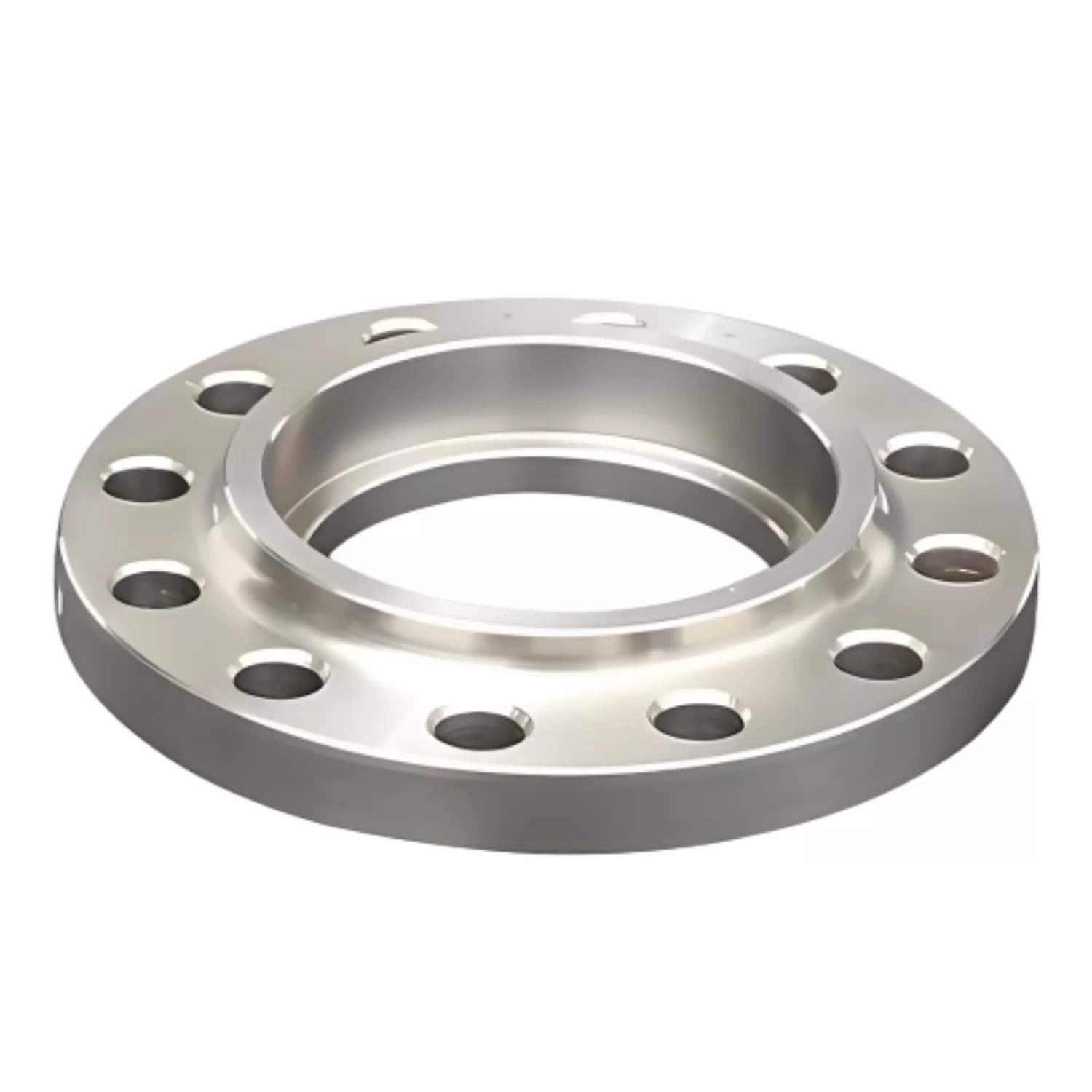
In the world of industrial piping and fluid handling, selecting the right connection component is critical for system integrity and longevity. The aluminum threaded flange offers a sophisticated balance of lightweight properties and robust sealing capabilities. Unlike traditional steel alternatives, aluminum flanges provide excellent corrosion resistance and ease of installation, making them a preferred choice for aerospace, automotive, and chemical processing industries. Understanding the technical nuances of these components helps engineers optimize weight without sacrificing pressure ratings. This guide provides a comprehensive look at why aluminum is the ideal material for threaded flange applications.
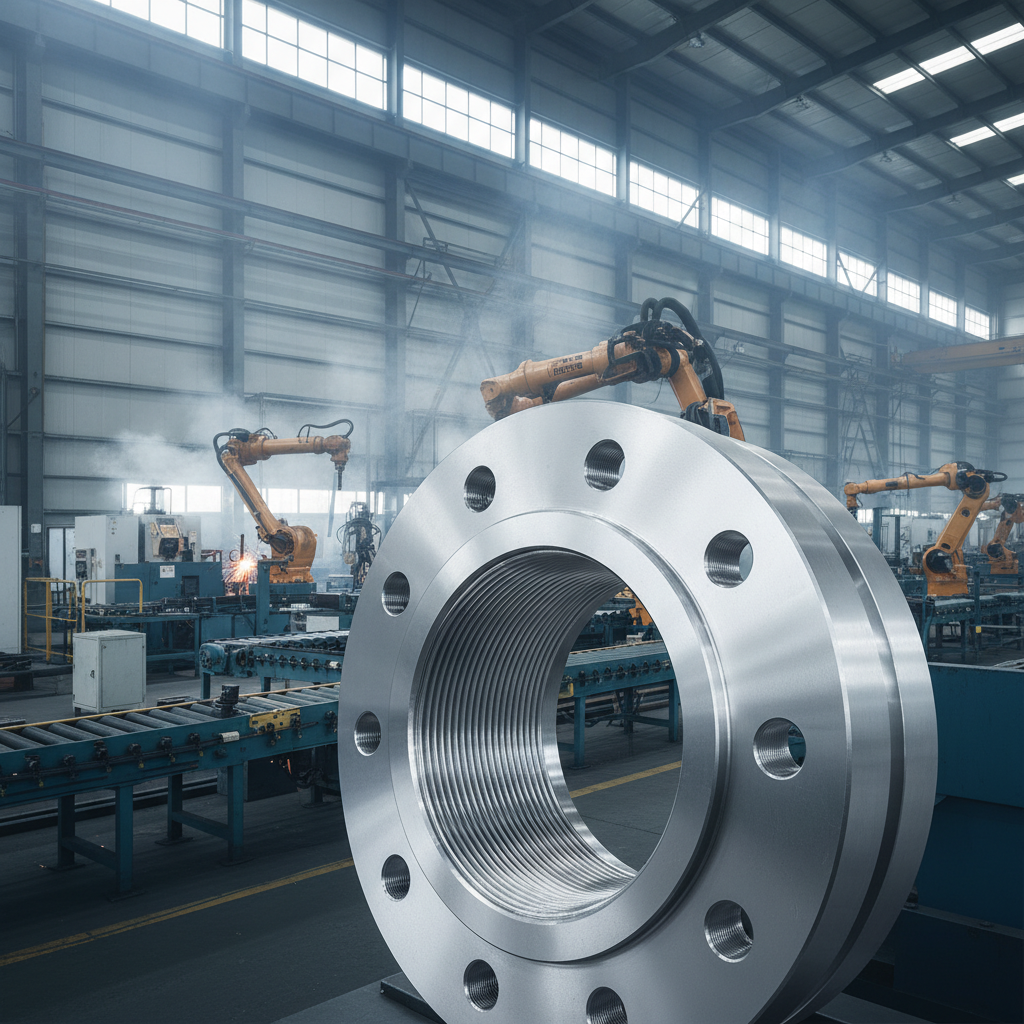
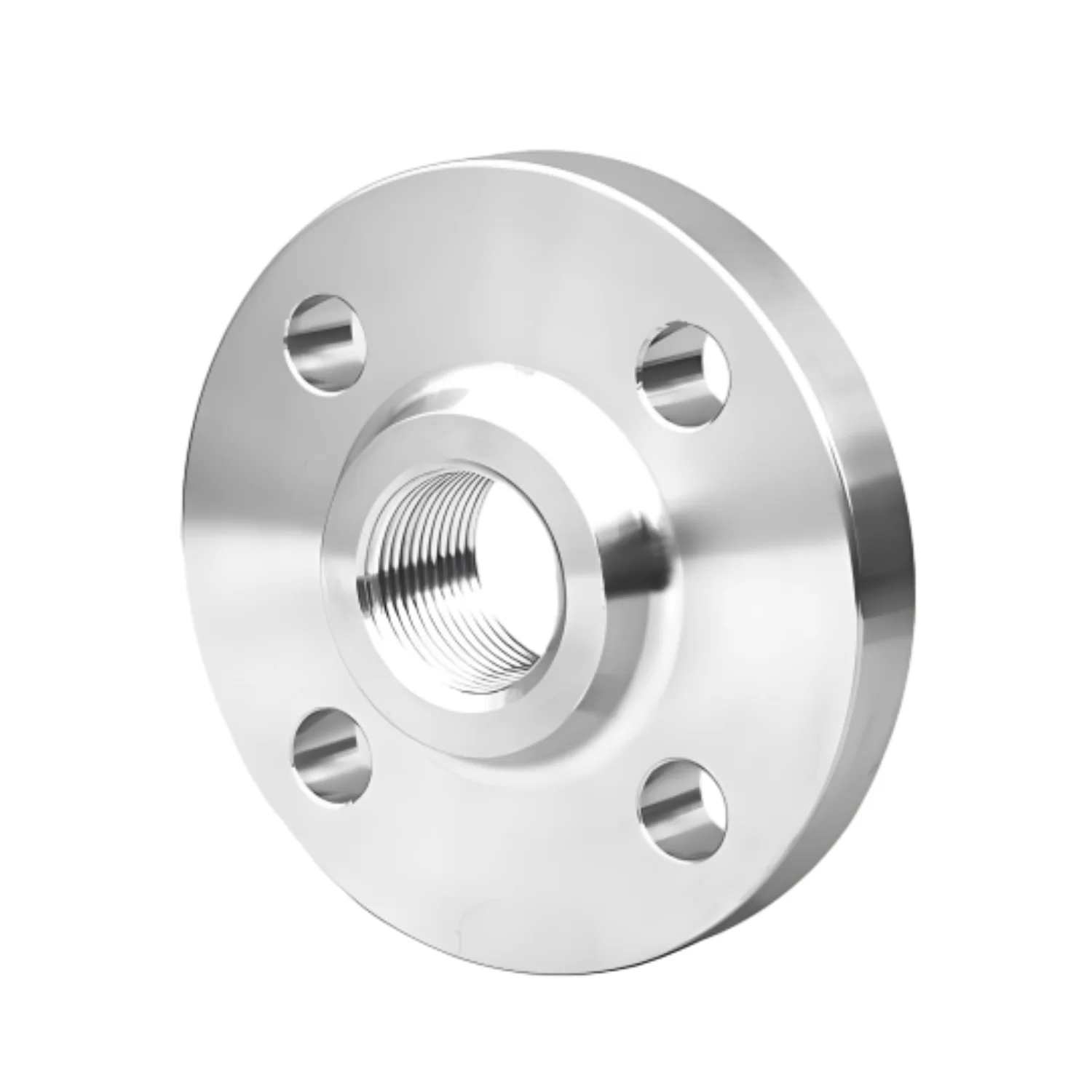
One of the most significant benefits of the aluminum threaded flange is its impressive strength-to-weight ratio. In sectors where every kilogram counts—such as aircraft manufacturing or high-performance racing—reducing the mass of the piping system is paramount. Additionally, aluminum naturally forms a protective oxide layer, which provides inherent resistance to atmospheric corrosion. The threaded design allows for a secure, leak-proof connection that can be assembled and disassembled with standard tools, reducing labor costs and maintenance downtime. This combination of physical lightness and chemical stability makes it a versatile tool for modern engineering.
Core Benefits: High corrosion resistance, significant weight reduction compared to stainless steel, and rapid installation due to the precise threaded interface.
When deciding between an aluminum threaded flange and a stainless steel version, the decision usually hinges on the operating environment and weight constraints. While stainless steel offers higher absolute pressure limits and extreme temperature resistance, aluminum is far superior in terms of weight and thermal conductivity. For systems handling non-aggressive fluids at moderate pressures, aluminum provides a more cost-effective and efficient solution. The following table highlights the critical differences to help you make an informed procurement decision.
The versatility of the aluminum threaded flange allows it to be used across various high-tech sectors. In the aerospace industry, these flanges are used in fuel lines and hydraulic systems where minimizing takeoff weight is a priority. In automotive engineering, they are frequently found in custom intake manifolds and cooling systems. Furthermore, the food and beverage industry utilizes anodized aluminum flanges for their cleanliness and resistance to mild organic acids. Because they can be easily machined, they are also ideal for prototype development and custom laboratory equipment.
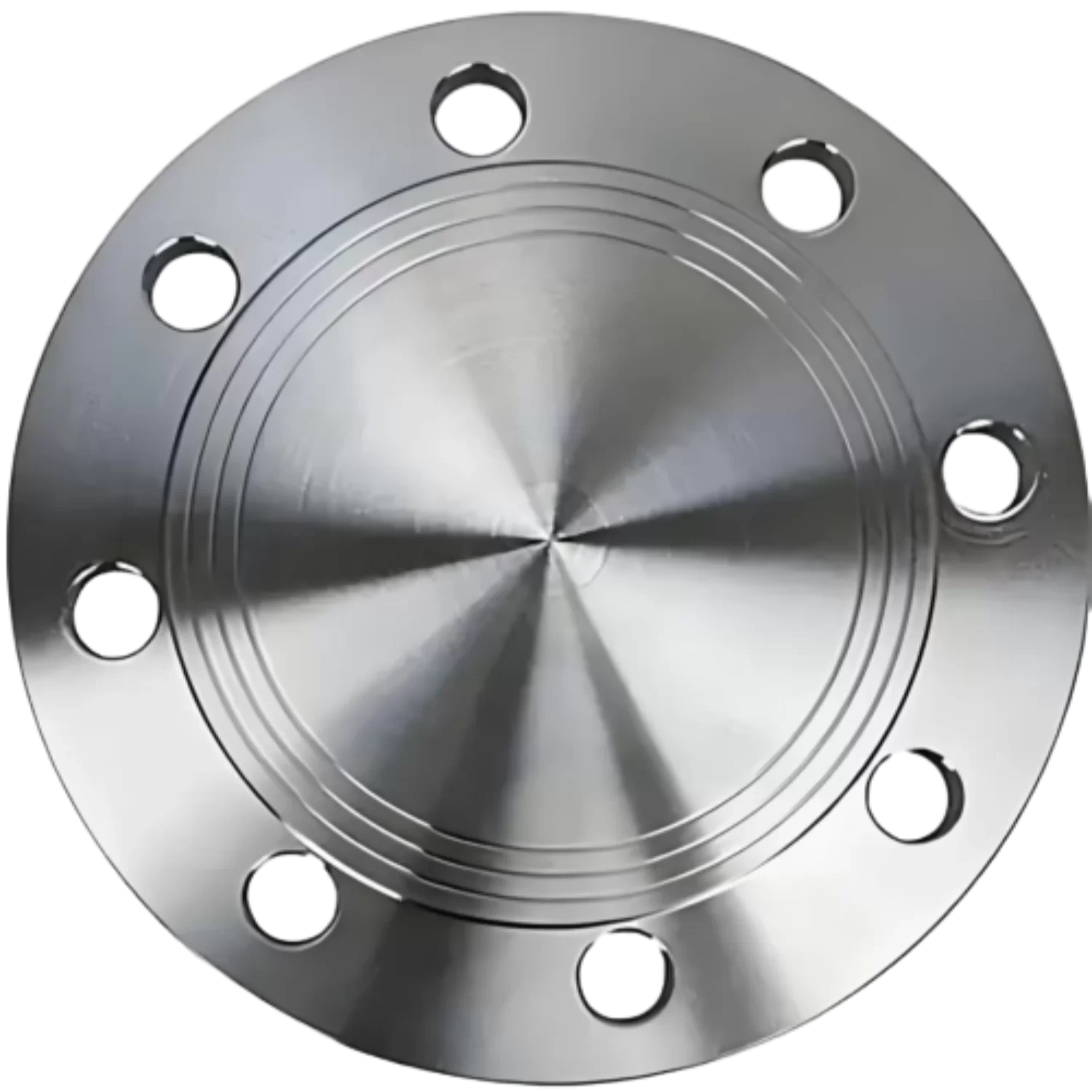
To ensure a safe installation, it is vital to adhere to the technical specifications of the aluminum threaded flange. Most industrial flanges follow ASME or DIN standards to ensure global compatibility. Factors such as thread pitch, nominal diameter, and wall thickness must be precisely calculated to prevent stripping the threads under pressure. Aluminum alloys like 6061 or 7075 are commonly used to provide the necessary mechanical strength. Below is a typical specification table for standard aluminum threaded components.
Proper installation is key to preventing leaks in an aluminum threaded flange system. Because aluminum is softer than steel, over-tightening can lead to thread deformation or "galling." It is highly recommended to use a torque wrench to meet the manufacturer's specifications. Additionally, using an appropriate thread sealant or PTFE tape ensures a vacuum-tight seal. For maintenance, periodic inspections for signs of pitting or galvanic corrosion (especially when connecting aluminum to dissimilar metals) are essential to prevent sudden system failure.
Maintenance Checklist:
• Use a torque wrench to avoid over-tightening
• Apply high-quality thread sealant for leak prevention
• Check for galvanic corrosion at contact points
• Regularly inspect the anodized layer for wear
The aluminum threaded flange represents a perfect marriage of efficiency and strength. By offering a lightweight alternative to traditional metals without compromising on essential sealing properties, it enables engineers to build faster, lighter, and more durable systems. Whether you are designing for the aerospace sector or upgrading an industrial plant, choosing high-grade aluminum components is a strategic move toward operational excellence. Invest in quality materials to ensure your infrastructure remains reliable for years to come.
Yes, aluminum threaded flanges can handle significant pressure, but the limit depends entirely on the alloy used and the wall thickness of the flange. For example, 7075 aluminum offers much higher tensile strength than 6061. It is crucial to consult the pressure-temperature rating charts provided by the manufacturer. While they may not reach the extreme pressures of forged steel, they are more than sufficient for the vast majority of pneumatic, hydraulic, and low-to-medium pressure liquid systems in automotive and aerospace applications.
Galvanic corrosion occurs when aluminum comes into contact with a more noble metal, like copper or stainless steel, in the presence of an electrolyte. To prevent this, we recommend using dielectric unions, non-conductive gaskets, or specialized coatings. Anodizing the aluminum threaded flange also creates a hard, non-conductive oxide layer that significantly reduces the risk of corrosion. Using a high-quality thread sealant also helps by creating a physical barrier between the joining surfaces.
Aluminum flanges can be machined to almost any thread standard, including NPT (National Pipe Tapered), BSPP (British Standard Pipe Parallel), and various Metric standards. The choice depends on the regional standards of your project and the existing equipment. Because aluminum is highly machinable, custom thread pitches can be produced to meet specific engineering requirements. Always verify the thread standard before ordering to ensure a perfect fit and avoid damaging the threads during installation.
The "best" treatment depends on the application. For general corrosion resistance and a professional aesthetic, clear anodizing is the standard. For environments with high wear or abrasive elements, hard-coat anodizing (Type III) is recommended as it creates a much thicker and harder surface. If the flange is being used in a highly visible area or needs to be color-coded for safety, powder coating is an excellent choice. Each treatment enhances the durability of the aluminum threaded flange and extends its service life.
Dec 02,25
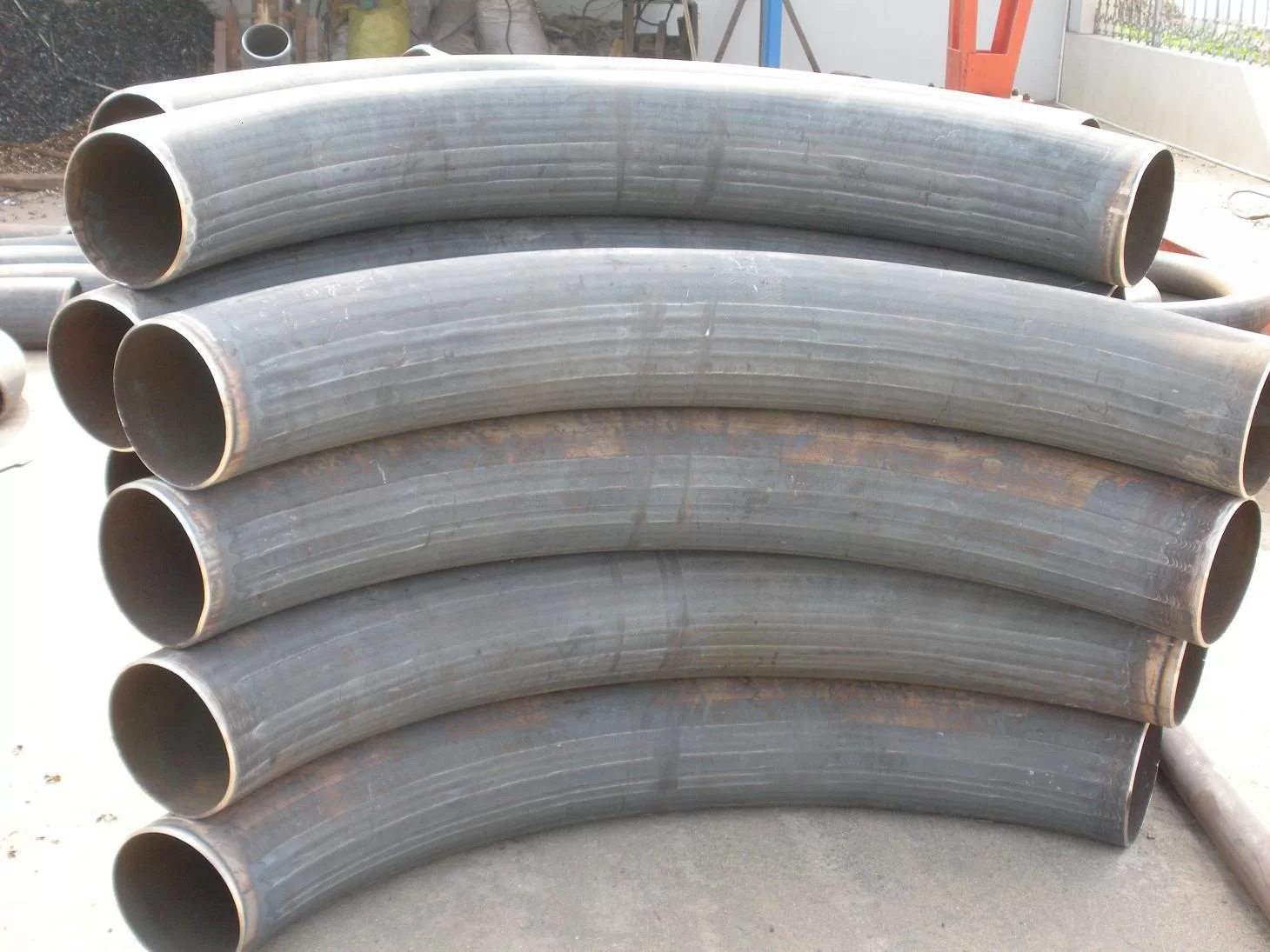
Characteristics And Common Applications Of Carbon Steel Bending Pipe
The use of bent piping is an essential practice in industrial construction, allowing fluid transfer lines to navigate complex routes, compensate for thermal expansion, and eliminate the need for numerous welded elbow fittings.
Apr 08,26
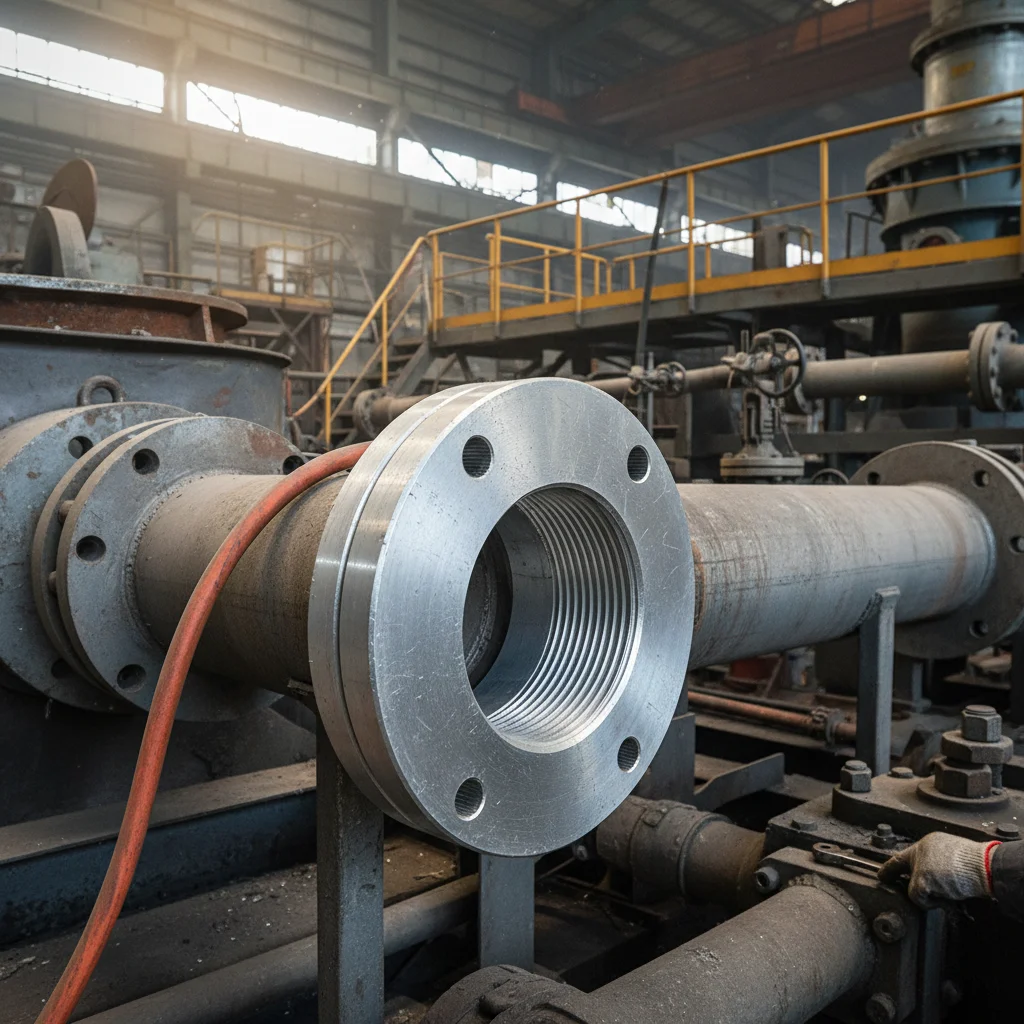
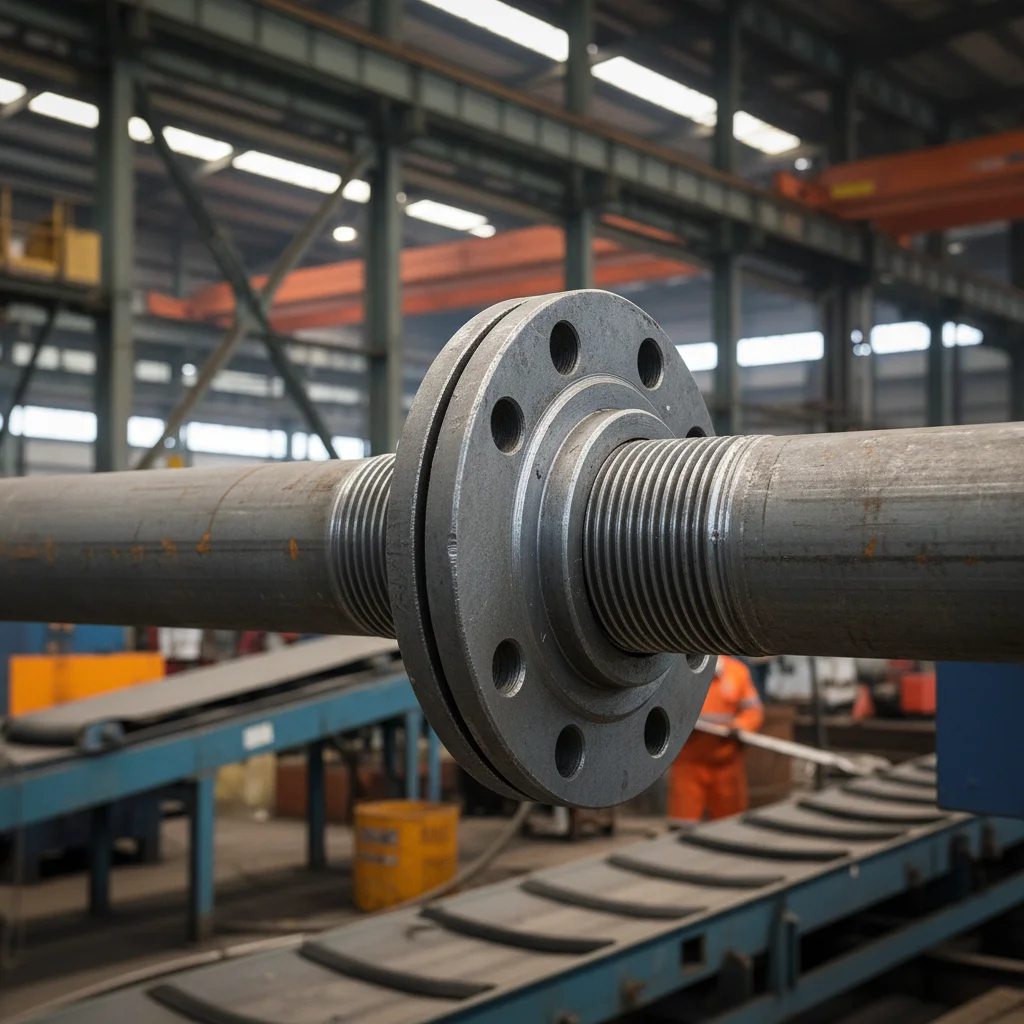
High Performance Aluminum Threaded Flange Solutions for Industrial Piping Systems
Mar 30,26
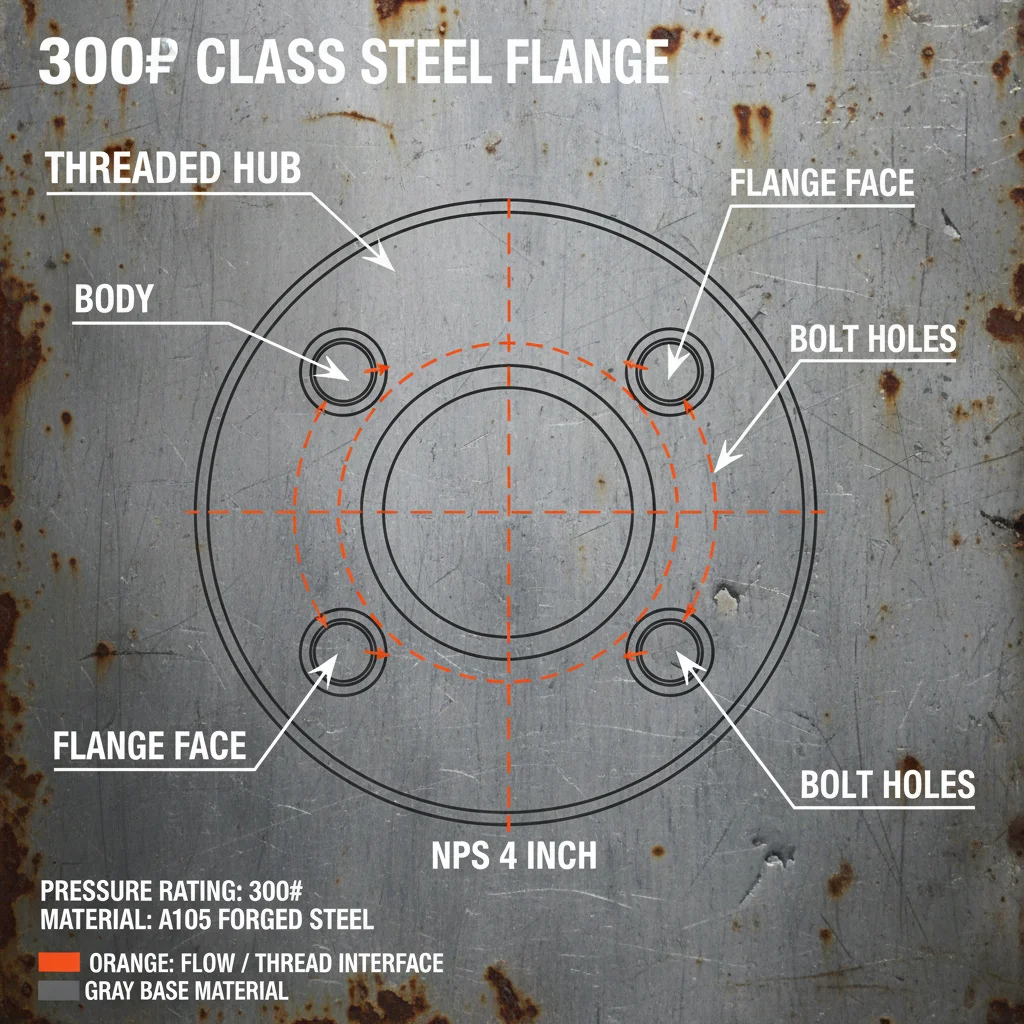
The Essential Guide to 300 Threaded Flange Selection and Reliable Performance
Apr 03,26
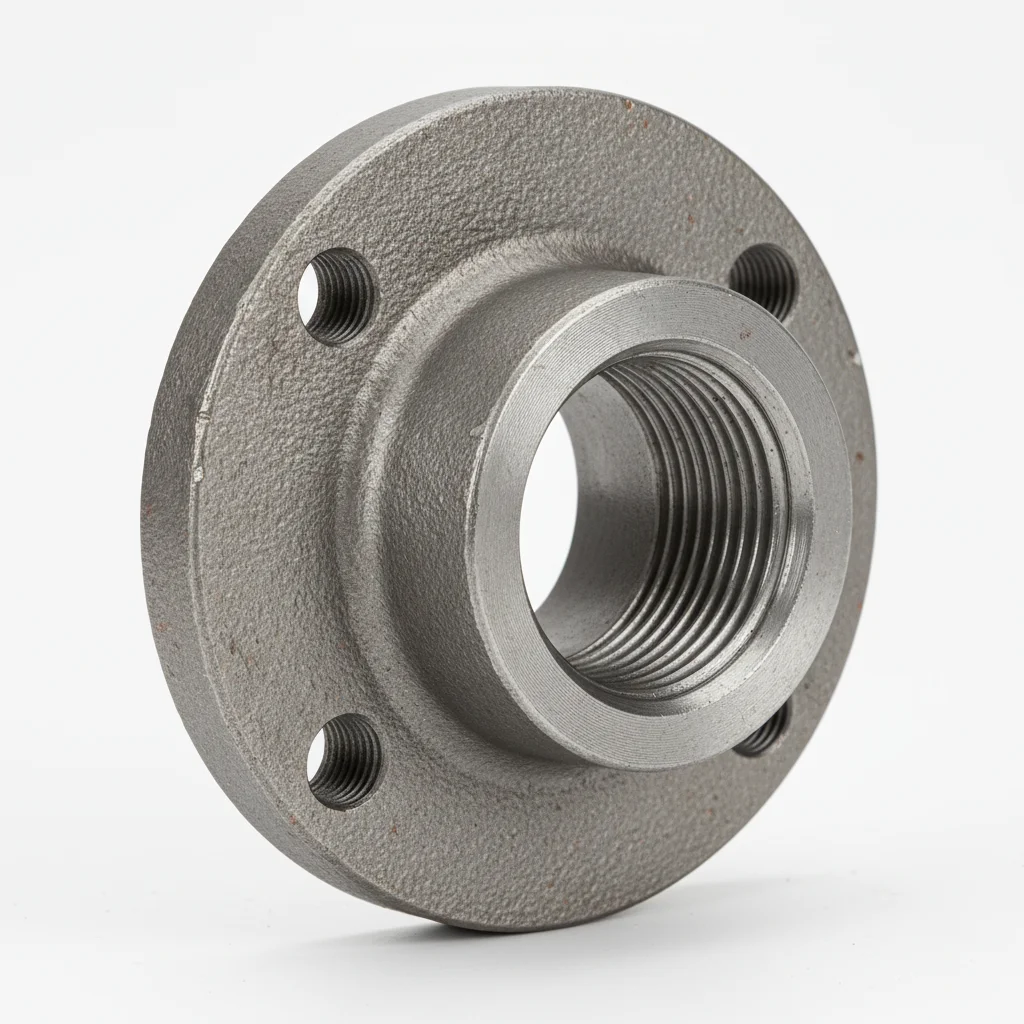
The Indispensable 50mm Threaded Flange for Reliable Industrial Connections
Apr 06,26
Understanding the Critical Role of the 6 inch Threaded Flange in Industrial Applications
Dec 02,25
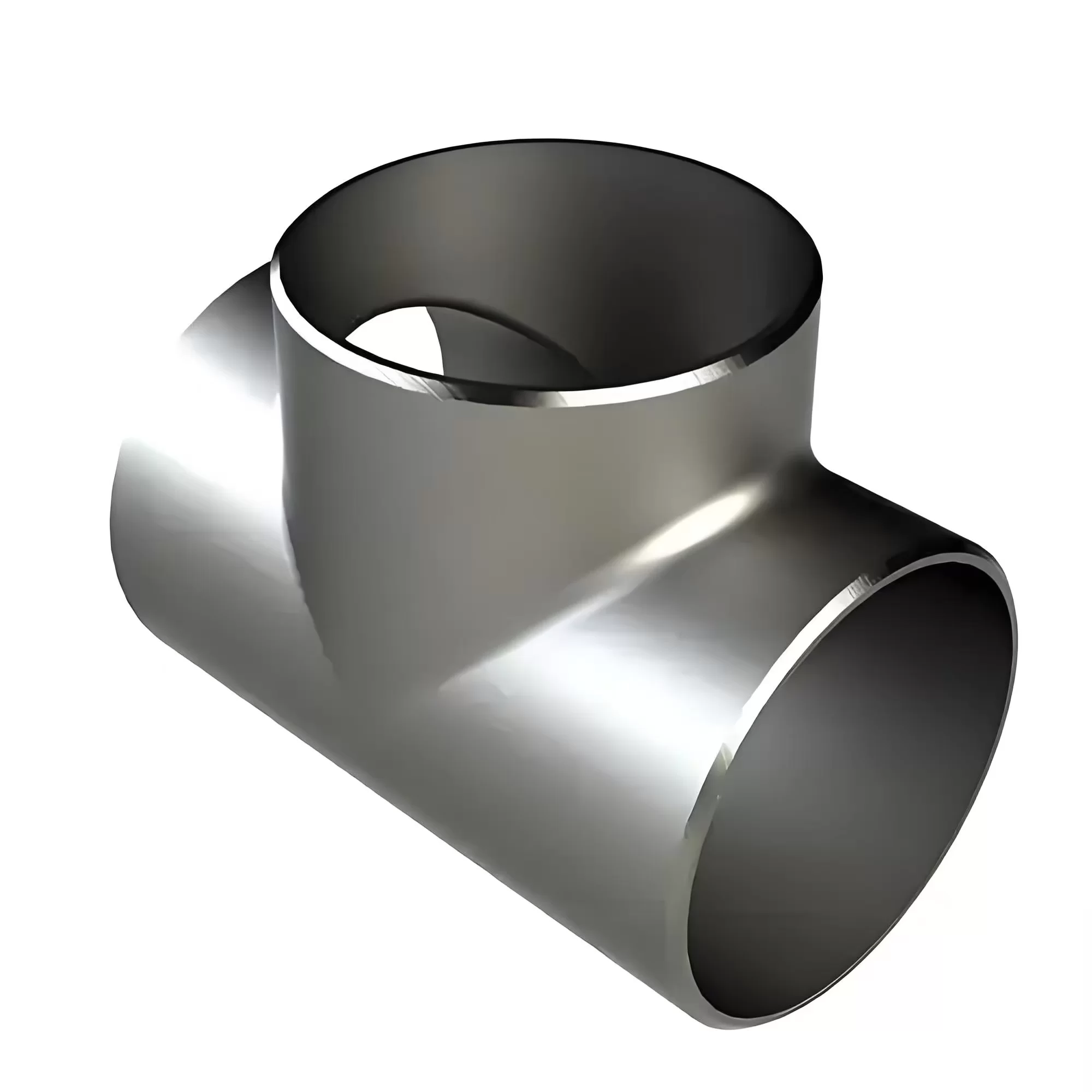
The Core Role Of The Tee In Pipeline Systems
In the complex architecture of modern pipeline systems—spanning petrochemical plants, municipal waterworks, HVAC networks, and power generation facilities—the tee fitting is arguably one of the most critical and universally employed components.
SUBSCRIBE NEWSLETTER