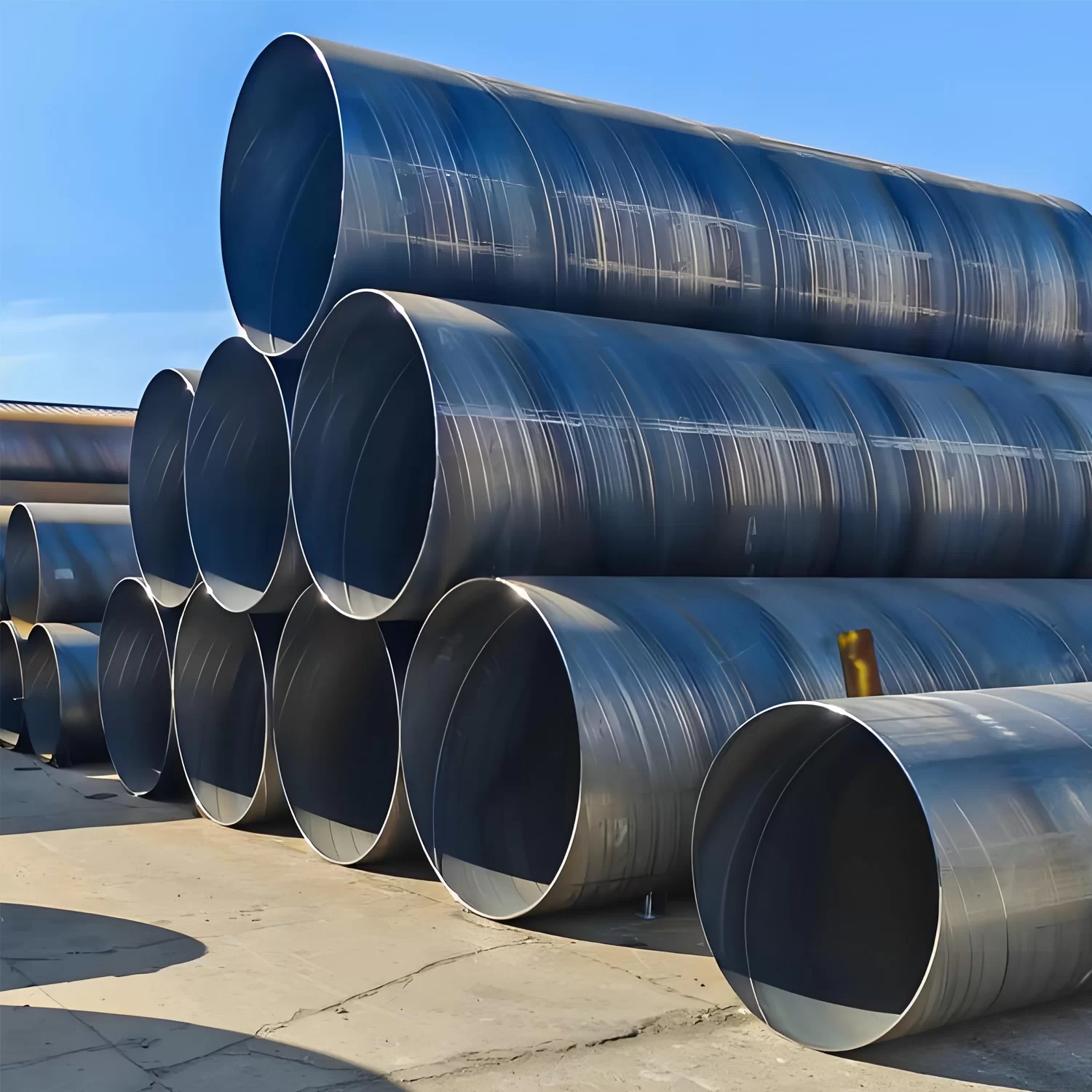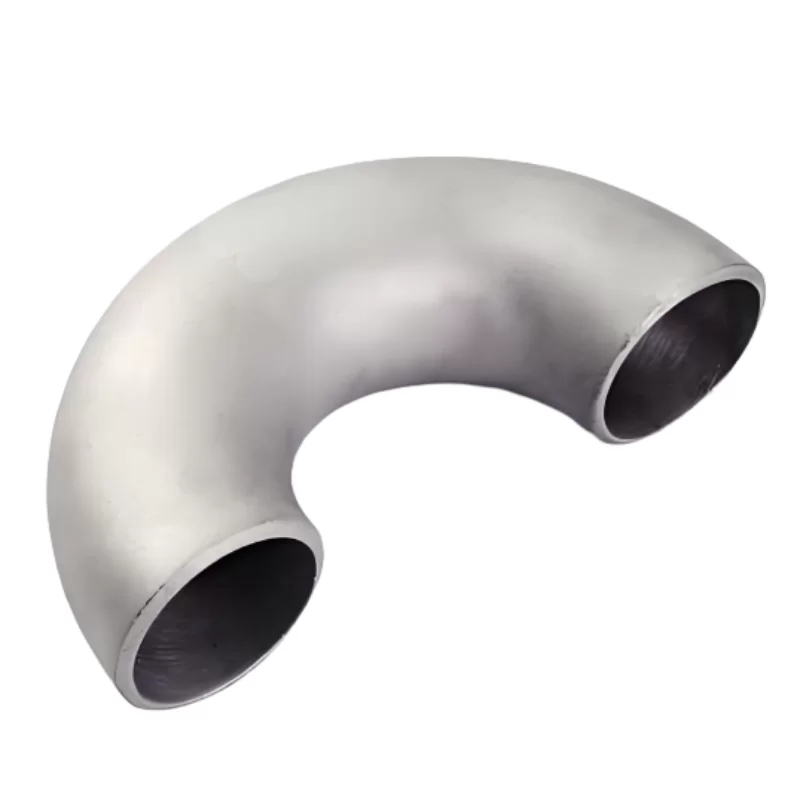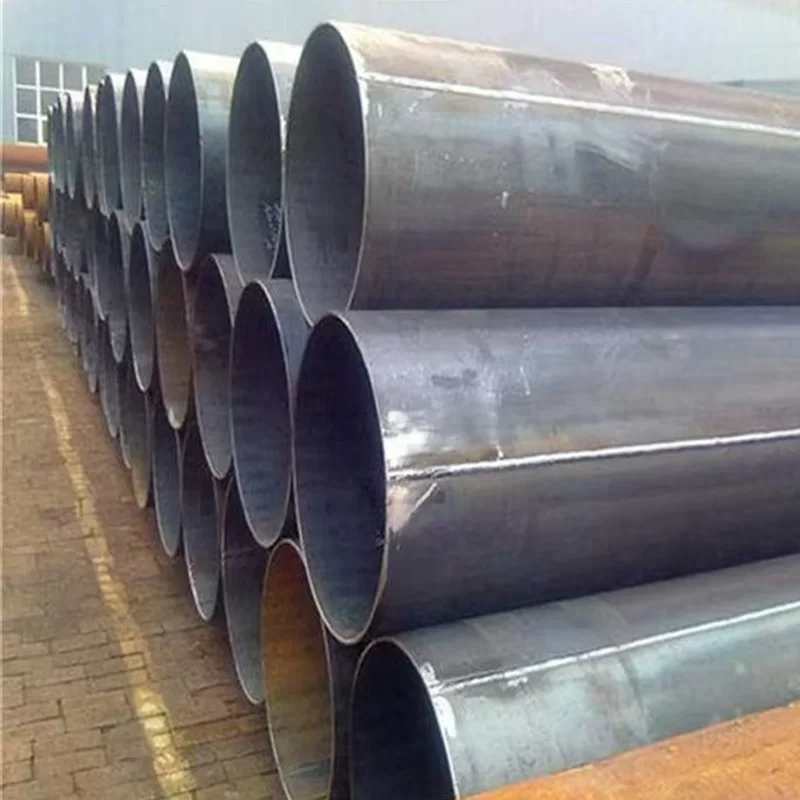
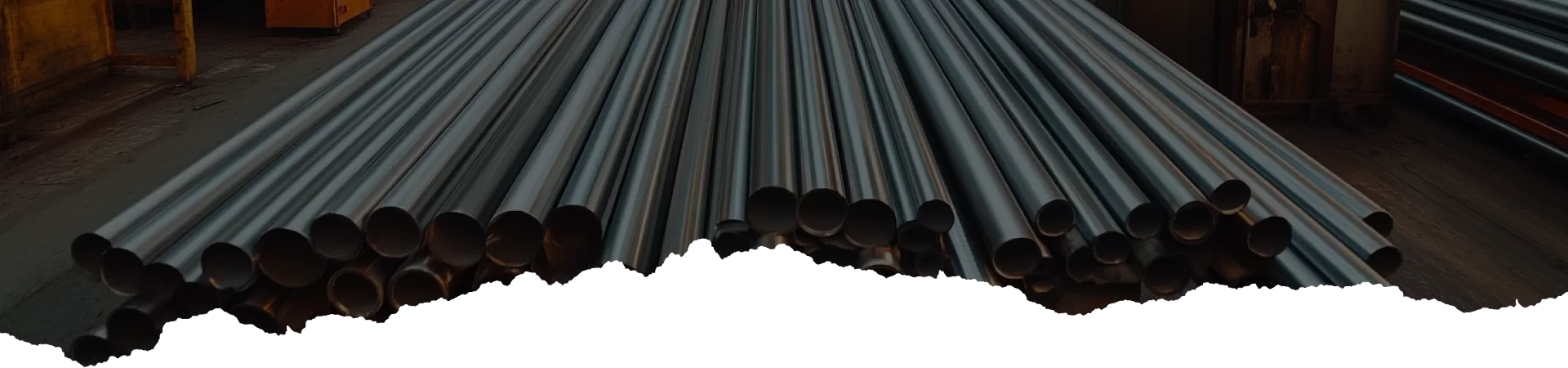
Nigeria's manufacturing sector faces unique challenges due to its humid tropical climate and the corrosive nature of coastal salt air, particularly in hubs like Lagos and Port Harcourt. This environment accelerates the oxidation of structural metals, necessitating the use of high-grade welded steel pipe with advanced anti-corrosion coatings.
The economic reliance on the hydrocarbon sector drives a massive demand for large-diameter piping. However, the local market often struggles with a gap between traditional manual fabrication and the precision required for high-pressure systems, making the import of certified international standards essential for critical infrastructure.
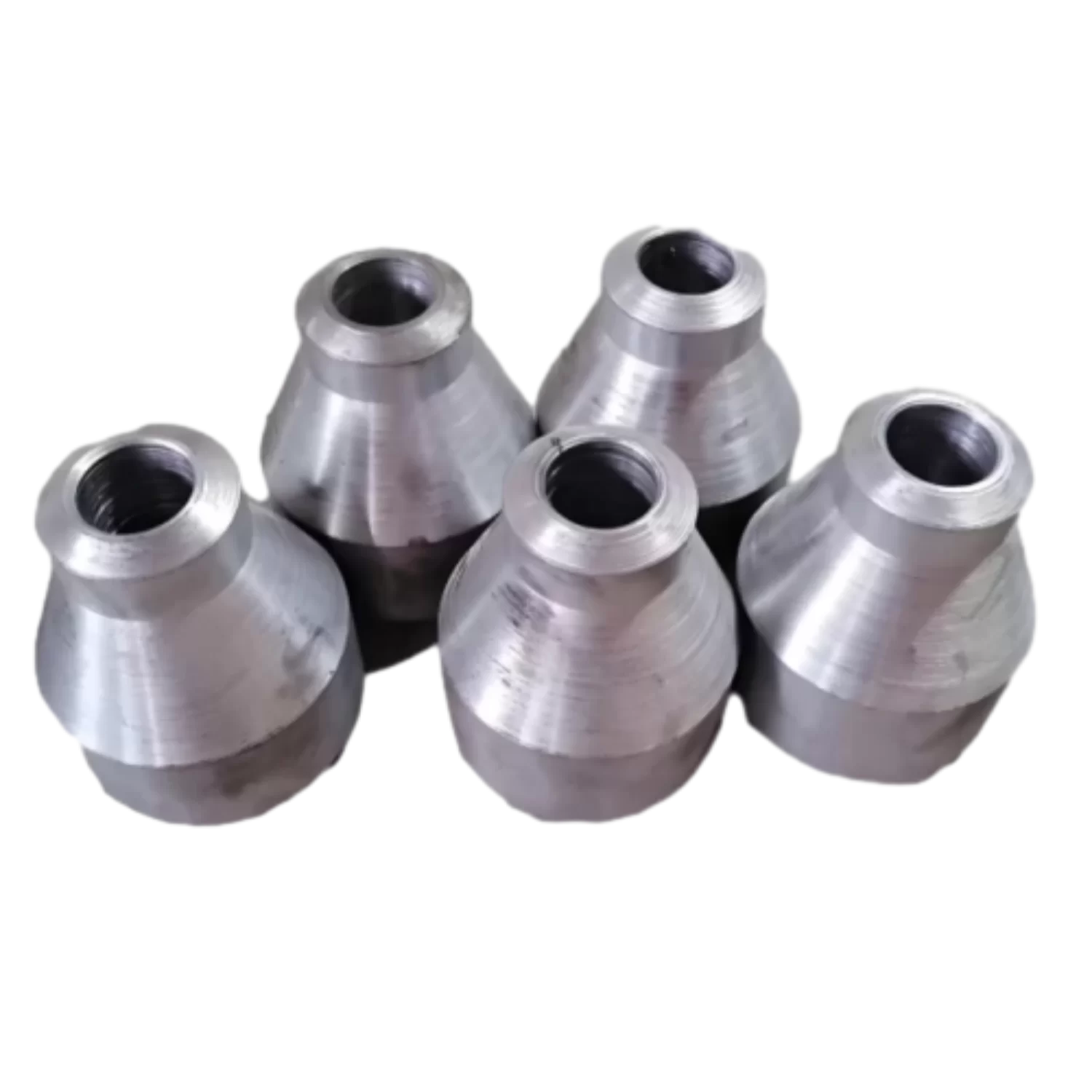
Furthermore, the volatility of the local currency and logistical bottlenecks in port clearing have created a demand for "all-in-one" supply chains. Engineers now prioritize components like the eccentric reducer that are prefabricated to exact specifications to minimize on-site welding errors and project delays.