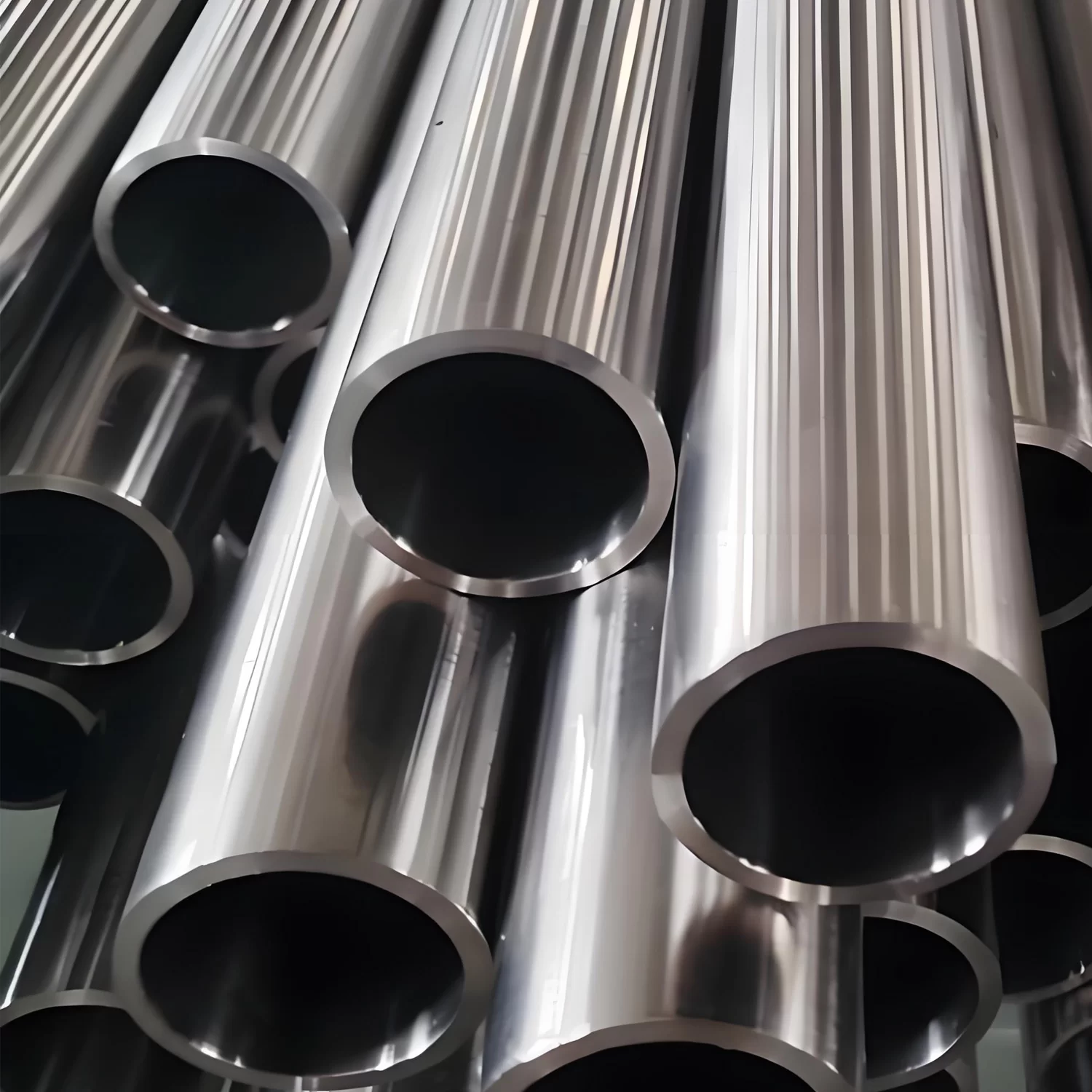
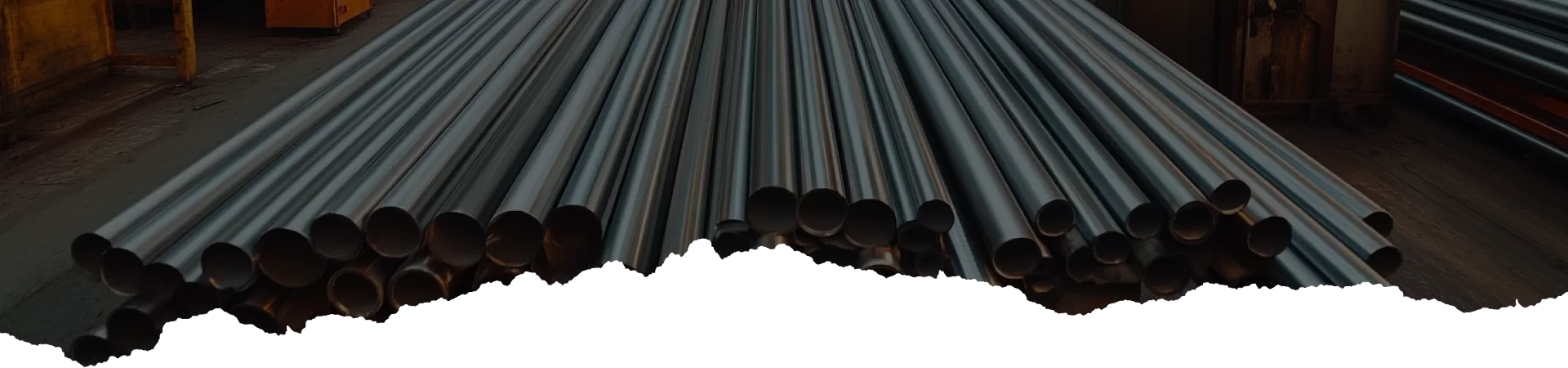
Sri Lanka's metal fabrication sector is currently defined by its geographical vulnerability. The high salinity of the coastal air accelerates corrosion, making the demand for high-grade welded steel pipe critical for water treatment and desalination plants across the island.
Economically, the shift toward urban development in Colombo and the expansion of tea plantation irrigation systems have created a surge in demand for large-diameter piping. The industry is transitioning from basic manual welding to automated precision, though many local projects still struggle with sourcing high-pressure rated components.
Furthermore, the logistics of transporting heavy structural metal products across Sri Lanka's varied terrain requires materials that balance strength with weldability, ensuring that infrastructure projects remain viable despite fluctuating material costs.