Jun. 21, 2026
In the world of industrial piping and fluid transport, selecting the right connection component is critical for system integrity and safety. The raised face slip on flange is one of the most widely used solutions due to its ease of installation and reliable sealing capabilities. Whether you are dealing with low-pressure water lines or specialized chemical transport, understanding the nuances of the "raised face" (RF) design and the "slip-on" (SO) fit is essential for any engineer or procurement specialist. In this comprehensive guide, we will explore the technical specifications, installation advantages, and industry applications of these essential piping components.

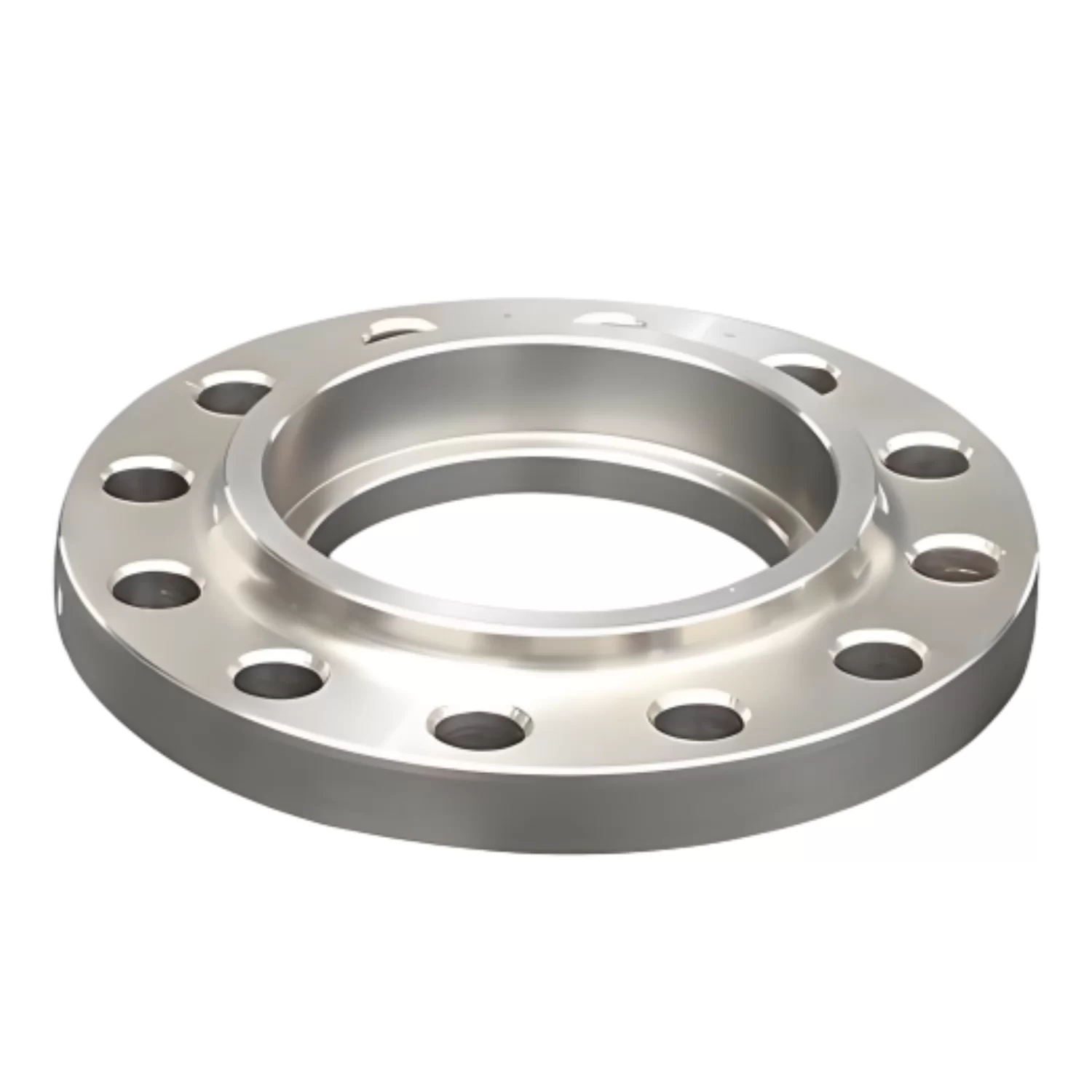
A raised face slip on flange is a type of piping component that slides over the end of a pipe and is then welded both inside and outside to create a secure seal. The "raised face" refers to the small concentric ridge on the flange face, which concentrates pressure on the gasket, creating a more effective seal than a flat face. This design is particularly beneficial in preventing leaks in systems where the pipe must be joined to a valve, pump, or another piece of equipment. Because they are easier to align than weld-neck flanges, these components are highly favored in non-critical applications where cost-efficiency and installation speed are priorities.
Pro Tip: The raised face design is specifically engineered to reduce the required gasket surface area, which in turn increases the stress on the gasket and ensures a tighter seal under pressure.
The primary appeal of the raised face slip on flange lies in its versatility and lower cost. Unlike weld-neck flanges, which require precise machining of the pipe end to match the flange's bore, slip-on flanges can be fitted to pipes with standard ends. This significantly reduces the labor cost and the time required for fabrication. Furthermore, the raised face ensures that the gasket is compressed evenly, minimizing the risk of leakage. These flanges are ideal for systems where the pressure is moderate and the temperature fluctuations are not extreme, making them a staple in general industrial plumbing.
Installation Benefits:
• Easier Alignment: No need for precision beveling of the pipe.
• Reduced Cost: Cheaper to manufacture and install than weld-neck options.
• Fast Turnaround: Quicker assembly time on-site.
• Reliable Sealing: The RF design concentrates pressure on the gasket.
When choosing between a raised face slip on flange and a weld neck flange, the decision usually comes down to the pressure rating and the environment. Weld neck flanges are superior for high-pressure and extreme temperature applications because they provide a smoother transition from the pipe to the flange, reducing stress concentrations. However, for the vast majority of standard industrial applications, the slip-on variety is more than sufficient and far more economical. Below is a detailed comparison to help you determine the best fit for your project.
The versatility of the raised face slip on flange makes it an ideal choice across various sectors. In water treatment plants, these flanges are used to connect large diameter pipes to filtration units. In the food and beverage industry, stainless steel versions are employed to ensure hygienic transport of liquids. They are also commonly found in HVAC systems for connecting chillers and boilers. Because they provide a secure, leak-proof joint without the extreme cost of high-pressure fittings, they are the "go-to" choice for general-purpose industrial piping where safety is required but extreme pressure is not present.

When ordering a raised face slip on flange, it is vital to adhere to international standards such as ASME B16.5 or DIN standards. This ensures that the bolt holes align perfectly and the face thickness meets safety requirements. The material choice—ranging from Carbon Steel to Stainless Steel—will depend on the corrosivity of the medium being transported. Below is a typical specification table for standard industrial slip-on flanges.
To maximize the lifespan of your raised face slip on flange, proper welding and tightening are non-negotiable. It is recommended to perform a fillet weld on both the internal and external surfaces to ensure maximum strength. When tightening the bolts, always use a "star pattern" or cross-diagonal sequence; this ensures that the gasket is compressed evenly across the raised face, preventing skewed seals that lead to leaks. Periodic inspections for corrosion or bolt loosening are essential, especially in environments exposed to moisture or chemical vapors.
The raised face slip on flange offers an ideal balance of performance, ease of installation, and cost-effectiveness. While it may not be suitable for the most extreme high-pressure environments, its ability to provide a secure, leak-proof seal makes it indispensable for a vast array of industrial applications. By selecting the correct material and following standard installation protocols, you can ensure a durable and safe piping system. For high-quality piping solutions and professional guidance, trust in industry-standard components that prioritize safety and efficiency.
The raised face (RF) design is superior for most pressurized applications because it concentrates the clamping force of the bolts onto a smaller area of the gasket. This increased pressure creates a more effective seal, significantly reducing the likelihood of leaks compared to flat face flanges. Flat face flanges are typically reserved for brittle materials like cast iron, where a raised face might cause the flange to crack under the concentrated pressure. For steel piping, the RF design is the industry standard for ensuring safety and reliability.
While a raised face slip on flange can be used for moderate pressures, it is generally not recommended for very high-pressure or critical steam lines. In such cases, a weld-neck flange is preferred. This is because weld-neck flanges have a reinforced hub that distributes stress more evenly and can withstand the intense thermal expansion and contraction associated with high-pressure steam. Always consult the ASME pressure-temperature ratings to ensure your component is rated for the specific conditions of your system.
The most effective way to install a slip-on flange is by applying a fillet weld both on the inside and the outside of the hub. The internal weld provides additional reinforcement and helps prevent the pipe from shifting, while the external weld provides the primary structural strength. TIG (Tungsten Inert Gas) welding is often preferred for stainless steel flanges to ensure a clean, high-quality bead, whereas MIG or Stick welding is common for carbon steel applications. Ensuring full penetration of the fillet weld is key to preventing leaks at the joint.
Choosing the right gasket depends on the medium, temperature, and pressure of the system. For the raised face slip on flange, you should use a gasket that is designed to fit exactly within the raised face area. Common choices include Spiral Wound Gaskets for high-pressure/temperature environments, or PTFE/Rubber gaskets for chemical and water lines. A key rule is to never let the gasket extend beyond the raised face and onto the flat bolting surface, as this will prevent the flange from seating correctly and may cause the gasket to blow out.

May 27,26
High Quality 4 slip on flange for Industrial Piping Systems

Jun 27,26
Guide to ansi b16 5 class 150 slip on flange dimensions

Sep 30,26
Global industrial development continues to drive unprecedented investment in energy infrastructure, water treatment facilities, petrochemical plants, manufacturing centers, and transportation networks.

Aug 14,26
Industrial 3 inch threaded flange Standards and Applications
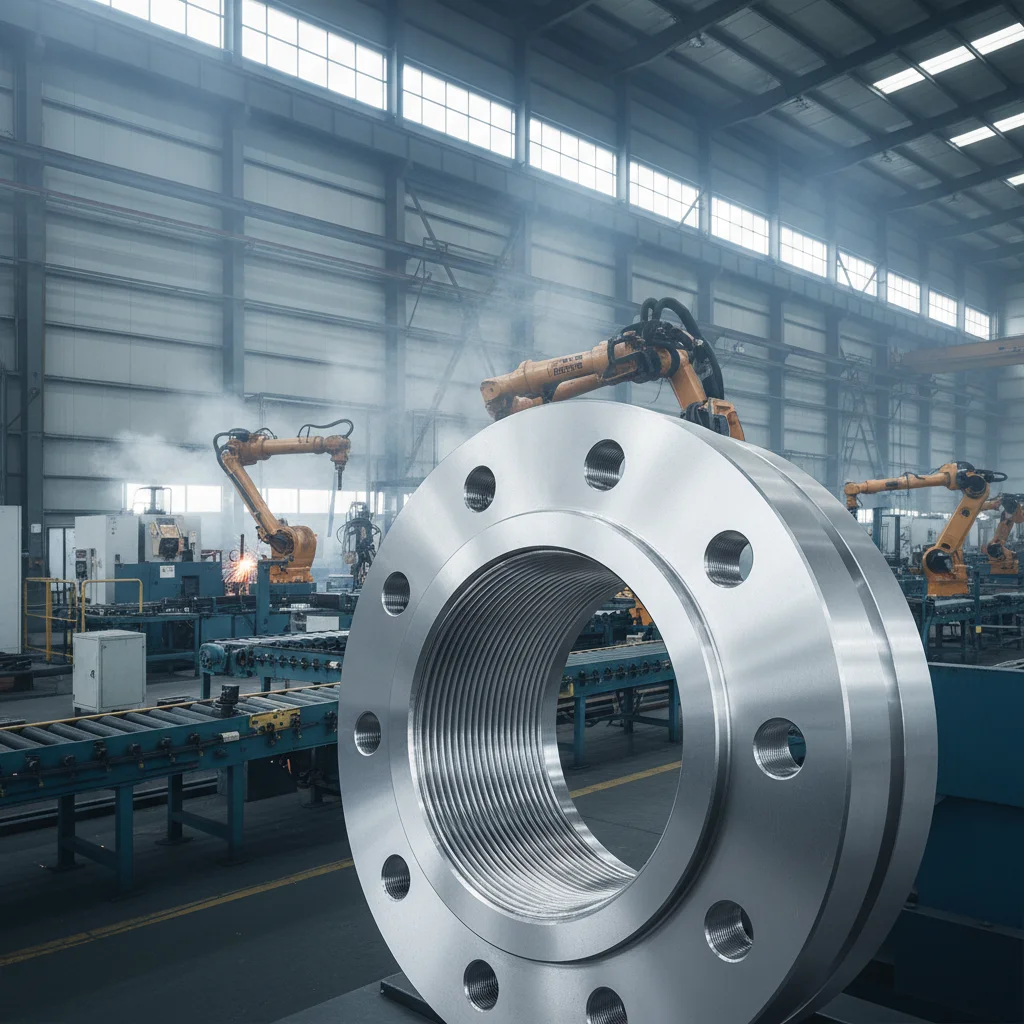
In the complex landscape of industrial piping, the selection of precision fittings is paramount to ensuring system longevity and operational safety. Among these critical components, the 3 inch threaded flange serves as a vital junction point, allowing for secure, leak-proof connections in medium-scale fluid transport systems across various manufacturing sectors. The global demand for high-performance structural metal products has surged as petrochemical and power energy plants evolve to handle higher pressures and more corrosive media. Utilizing a 3 inch threaded flange allows engineers to maintain structural integrity while ensuring that piping networks remain modular and easy to maintain
Apr 16,26
Aluminum Threaded Flange Applications and Industrial Benefits

Jun 22,26
Guide to 4 150 slip on flange dimensions and Standards
SUBSCRIBE NEWSLETTER