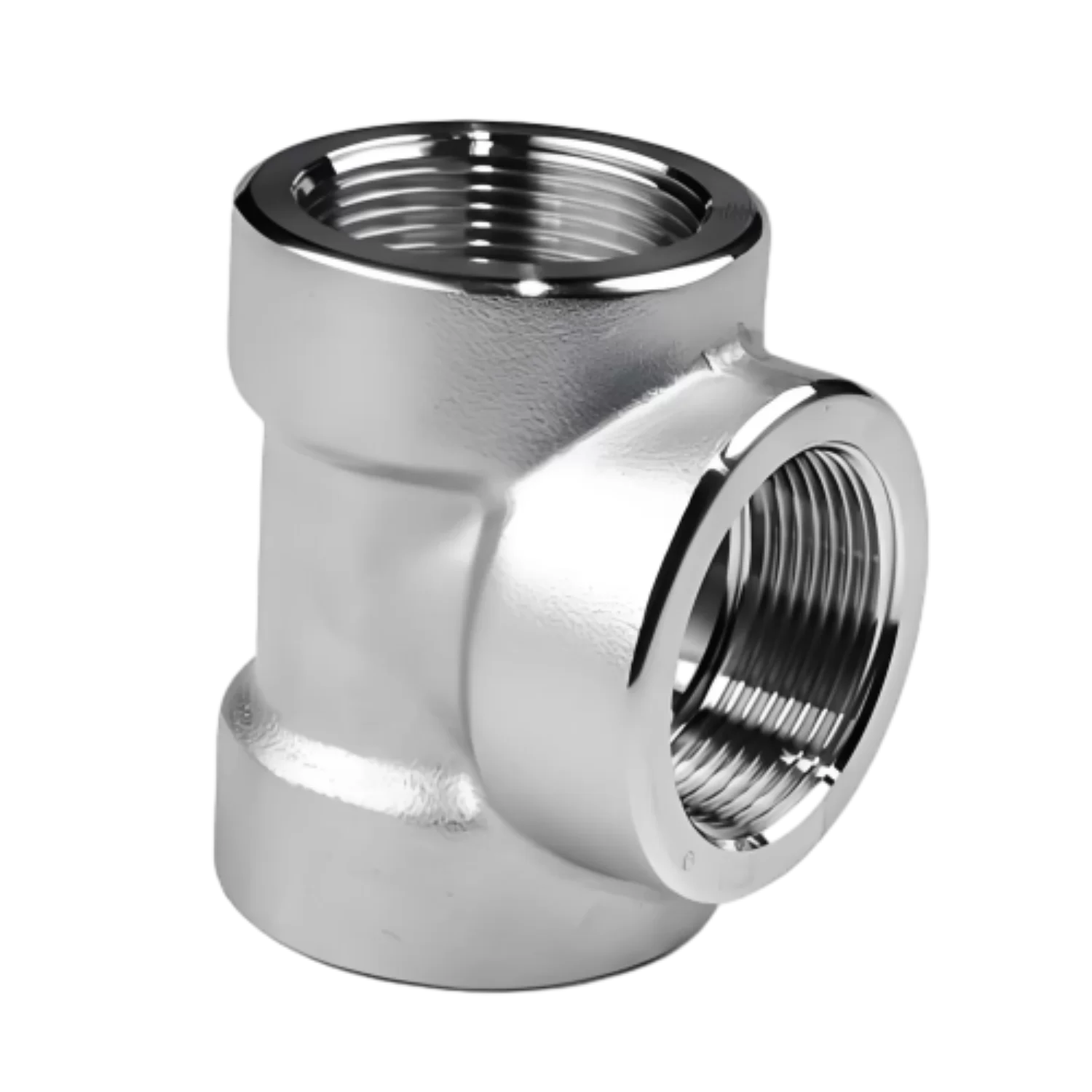
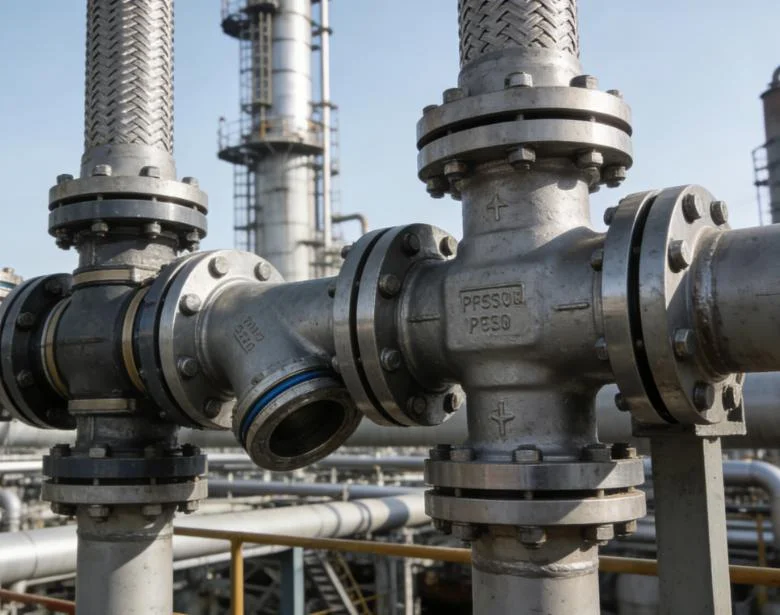
The architectural integrity of a modern refinery hinges on the seamless integration of high-pressure components that can withstand extreme thermal fluctuations and corrosive environments. In the complex web of downstream oil and gas processing, the selection of specialized hardware is not merely a matter of mechanical fit but a critical safety mandate. As refineries push toward higher capacities and more aggressive chemical treatments, the reliance on robust connection points and directional fittings becomes the cornerstone of operational longevity.
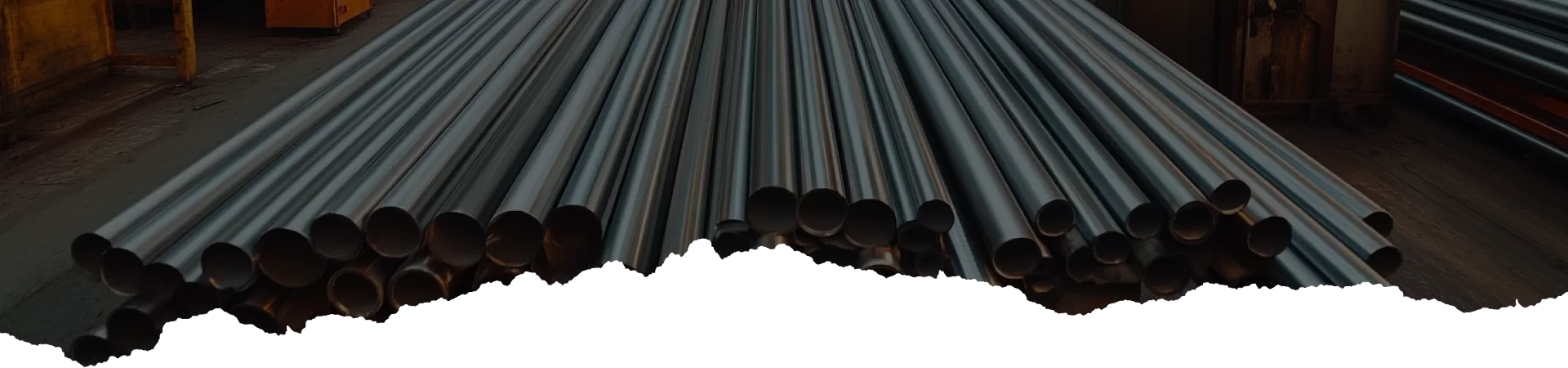
At the heart of any refinery’s fluid transport system lies the seamless black steel pipe. Unlike welded alternatives, seamless piping is manufactured through a rotary piercing process that eliminates the longitudinal seam, which is often the weakest point under high-pressure stress. In modern industrial systems, these pipes serve as the primary arterial routes for heavy crudes and pressurized gases.
The "black" coating—typically a protective layer of iron oxide—is essential for preventing atmospheric corrosion during transport and installation. However, its true value in a refinery setting is its ability to handle the intense hoop stress generated by high-velocity flows. When transporting hydrocarbons at elevated temperatures, the uniformity of the wall thickness in a seamless pipe ensures that pressure is distributed evenly, preventing localized bulging or catastrophic bursts. This structural reliability is why seamless black steel remains the industry standard for high-pressure steam lines and feedstock delivery systems where failure is not an option.
Directional changes within a refinery's confined footprint require fittings that minimize turbulence and pressure drop. The 90 degree elbow is perhaps the most ubiquitous yet misunderstood component in these systems. Its primary function is to reorient the flow of media without causing significant energy loss or internal erosion.
In high-pressure applications, the geometry of the elbow is vital. A standard long-radius 90-degree elbow provides a smooth transition that reduces the "hammer effect" often seen in rapid-start systems. In modern refineries, these elbows are often forged from high-strength alloys to resist the abrasive nature of catalyst-laden fluids. By maintaining a consistent internal diameter that matches the connecting pipes, the 90 degree elbow ensures that the flow remains laminar, thereby protecting the downstream equipment from the erratic vibrations and cavitation that often plague poorly designed piping networks.
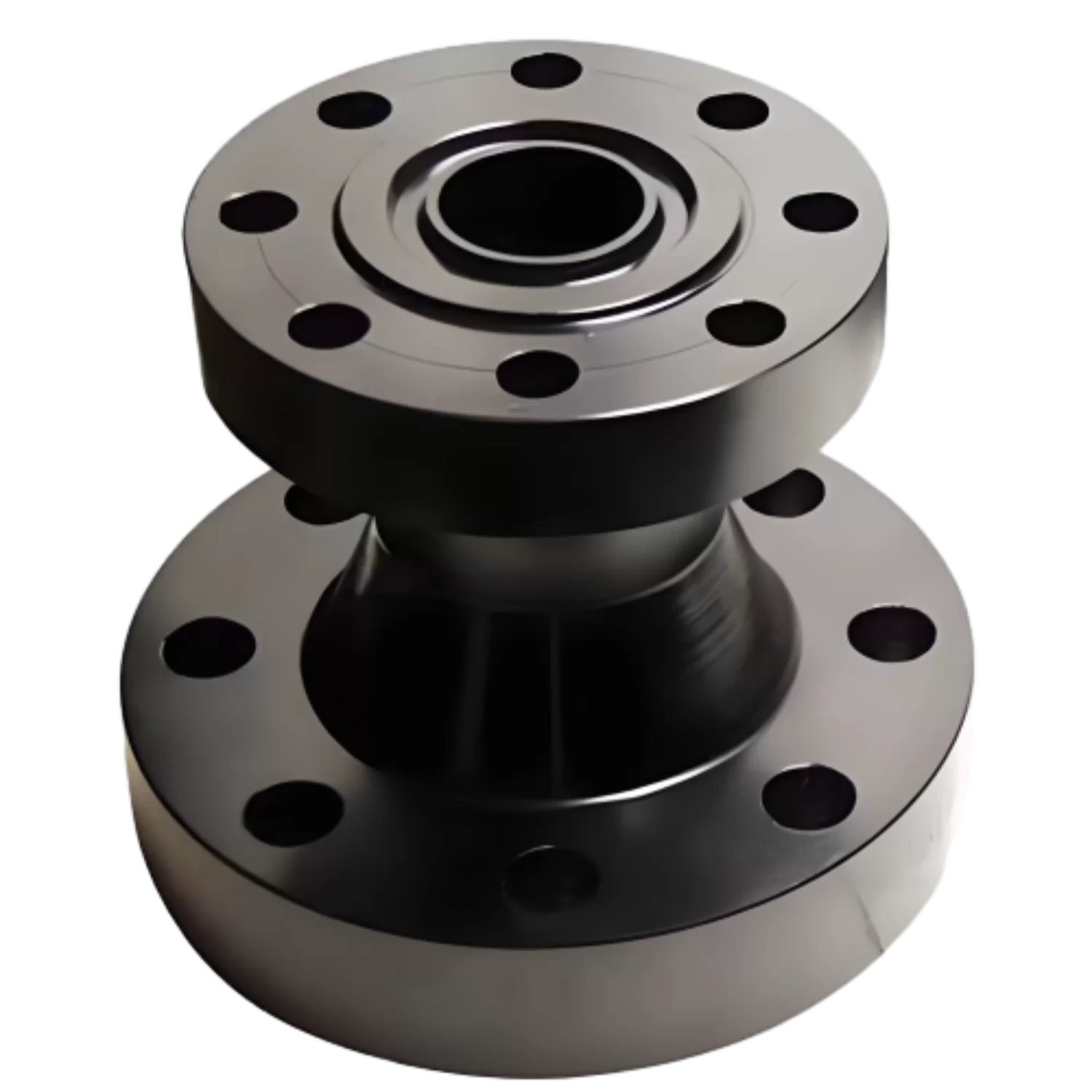
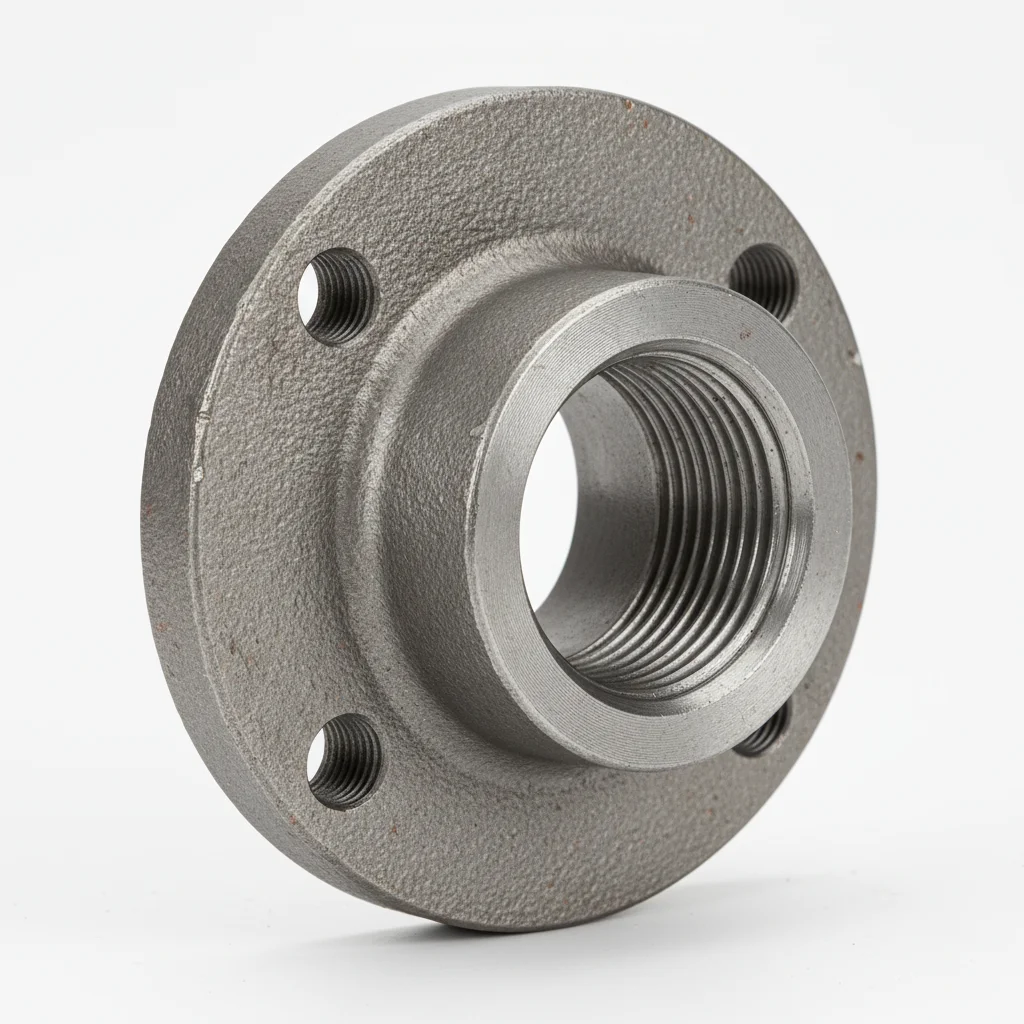
In areas of the refinery where welding is either hazardous or impractical—such as volatile gas zones or maintenance-heavy sections—the threaded flange provides a sophisticated mechanical solution. This component features an internal thread that matches the external thread of the pipe, allowing for a secure connection that can be assembled and disassembled without the need for hot work permits.
The evolution of the threaded flange in modern industrial systems has led to its use in high-pressure, low-temperature services. While it may not offer the same fatigue resistance as a weld-neck flange in high-vibration environments, its utility in instrumentation and utility lines is unparalleled. The tight seal achieved through the threading process, often supplemented by industrial-grade sealants or PTFE tape, ensures a leak-proof interface that can handle significant internal loads. This makes it an ideal candidate for modular refinery units where rapid deployment and ease of maintenance are prioritized over permanent, welded structures.
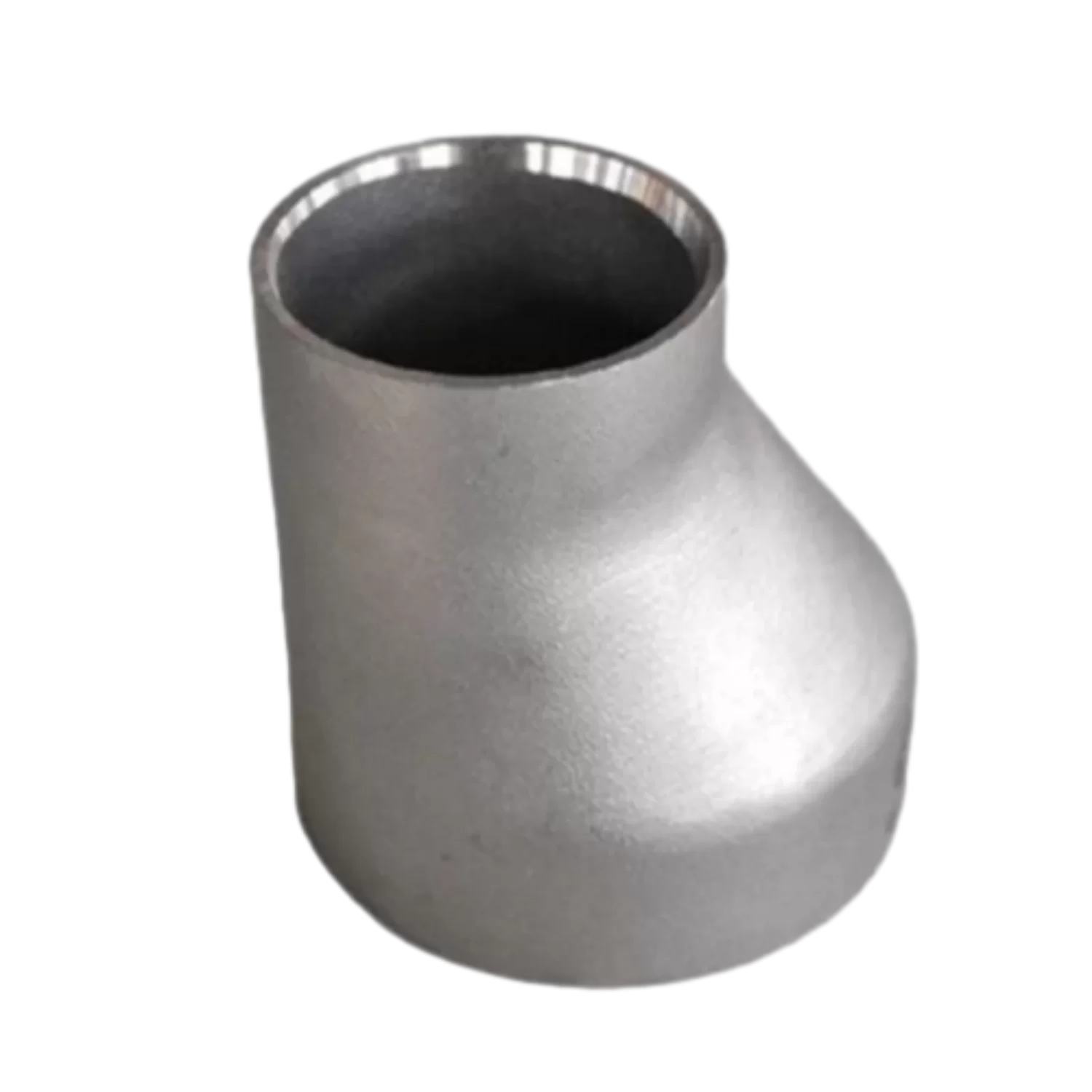
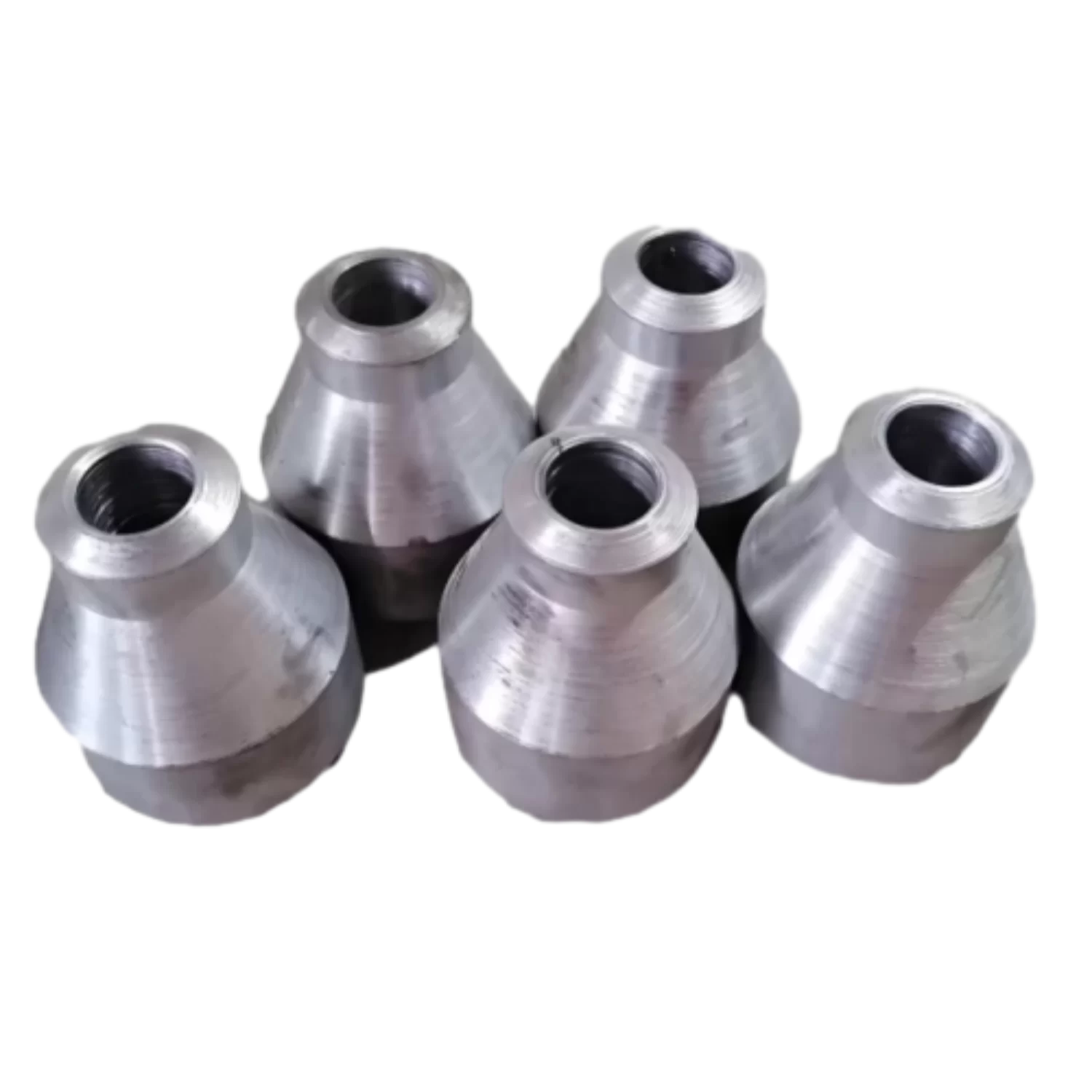
One of the most delicate areas in a refinery is the pump suction line. To prevent the accumulation of air pockets—which can lead to pump cavitation and eventual mechanical failure—engineers utilize the eccentric suction reducer. Unlike concentric reducers, which have a symmetrical taper, the eccentric version features an offset center line.
When installed in a horizontal run, the flat side of the eccentric suction reducer is typically placed on top. This configuration prevents vapor from being trapped at the high point of the reduction, ensuring a steady, liquid-only feed to the pump. In the context of modern industrial systems, where pump efficiency is directly tied to energy consumption and output, the precise application of these reducers is a hallmark of superior engineering. They allow for the transition between larger header pipes and smaller pump inlets while maintaining the hydraulic stability necessary for high-pressure operations.
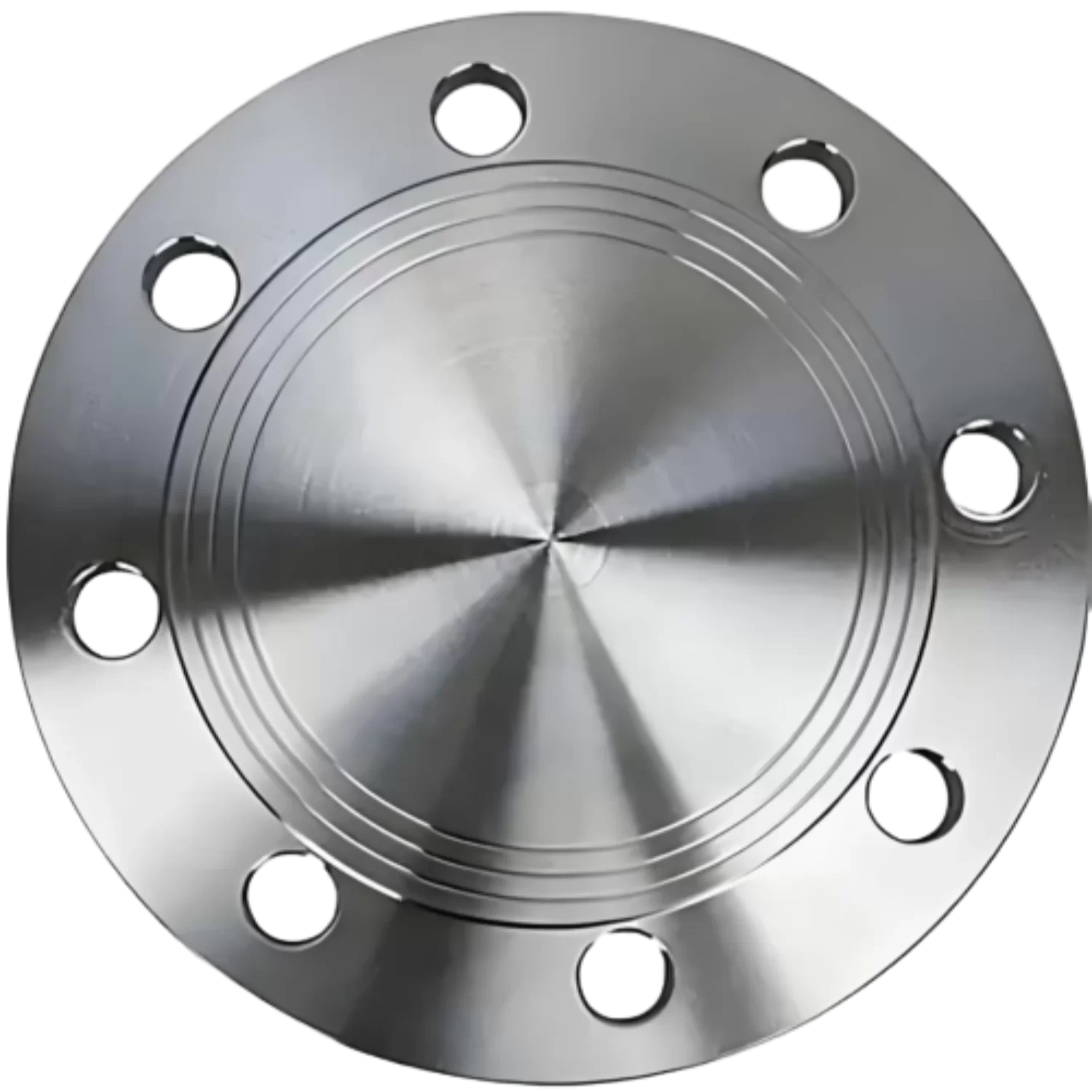
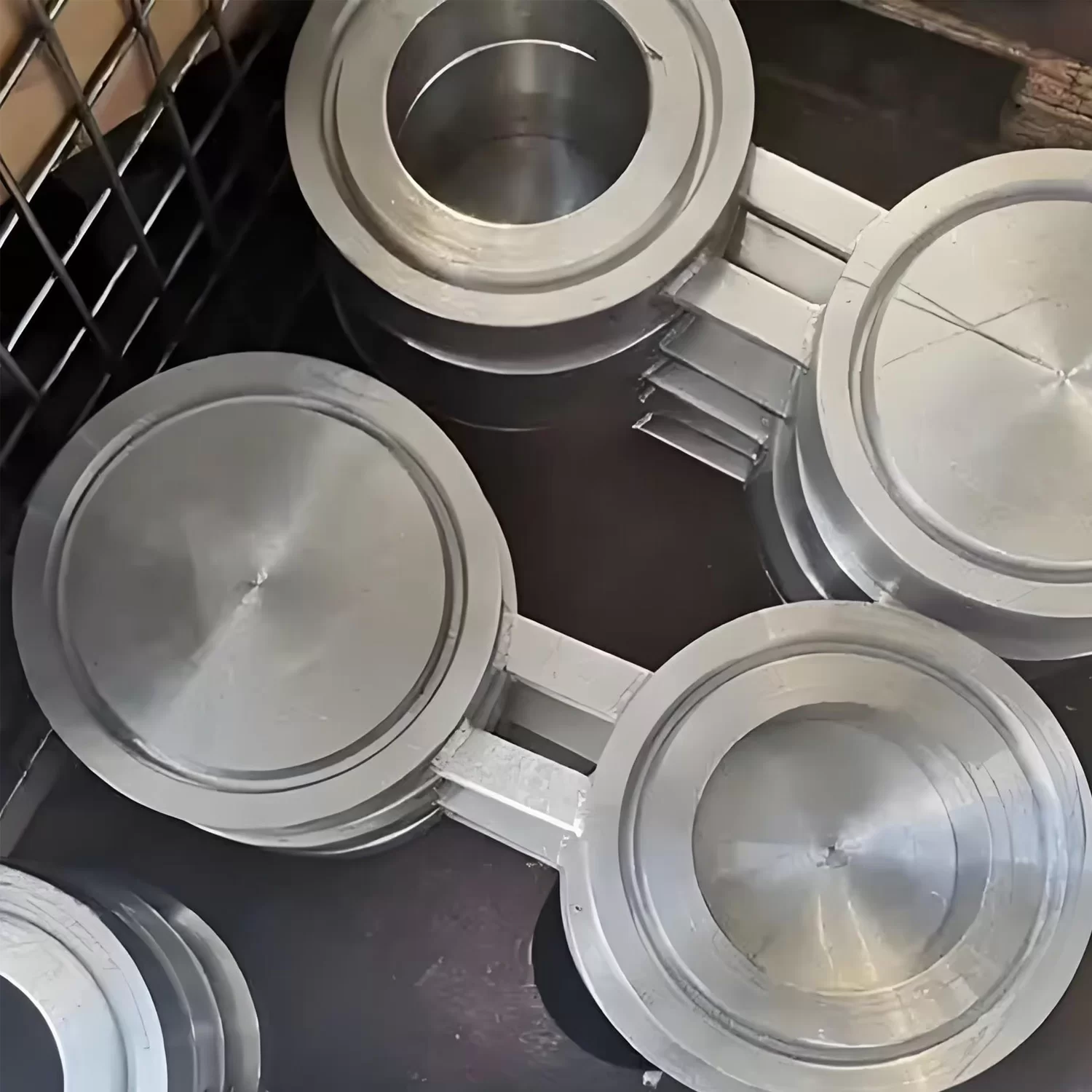
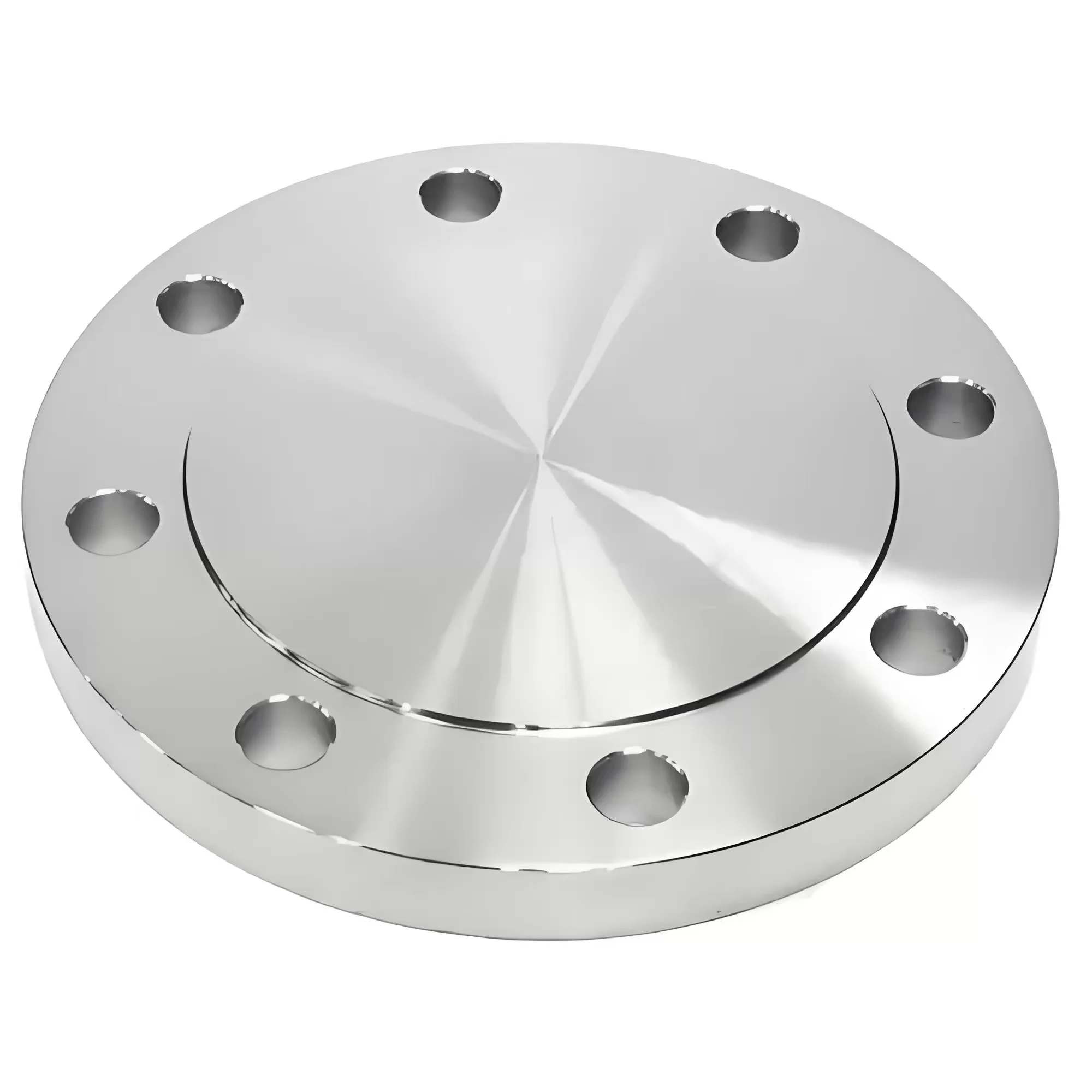
Refineries are dynamic environments that require frequent isolation of specific sections for cleaning, inspection, or expansion. The api blind flange is the primary tool used to "dead-end" a piping system or a vessel nozzle. Built to the rigorous standards of the American Petroleum Institute, these flanges are designed to withstand the full rated pressure of the system, acting as a structural bulkhead against the contained media.
The API blind flange is distinguished by its heavy-duty construction and precise bolting patterns. In modern high-pressure systems, these plates must be able to resist not only the internal pressure but also the corrosive effects of the stagnant fluids trapped behind them. Whether used in high-pressure heat exchangers or at the end of a manifold, the blind flange provides a reliable, pressure-tight seal that ensures the safety of personnel working on the isolated side of the system. Its presence is a critical safety feature, allowing for the hydrostatic testing of new sections without compromising the integrity of the existing operational infrastructure.
Apr 03,26
The Indispensable 50mm Threaded Flange for Reliable Industrial Connections
Dec 02,25
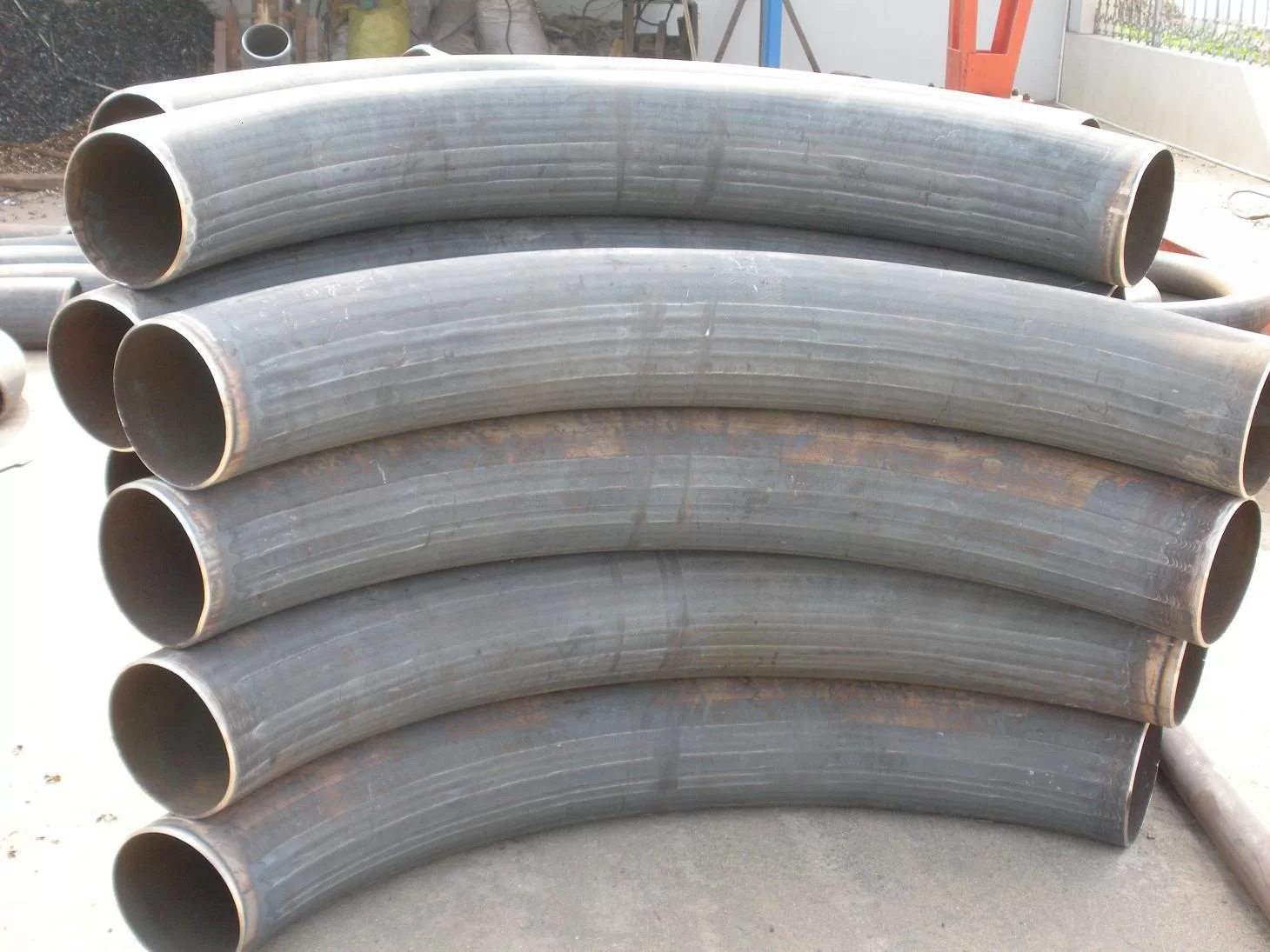
Characteristics And Common Applications Of Carbon Steel Bending Pipe
The use of bent piping is an essential practice in industrial construction, allowing fluid transfer lines to navigate complex routes, compensate for thermal expansion, and eliminate the need for numerous welded elbow fittings.
Apr 17,26
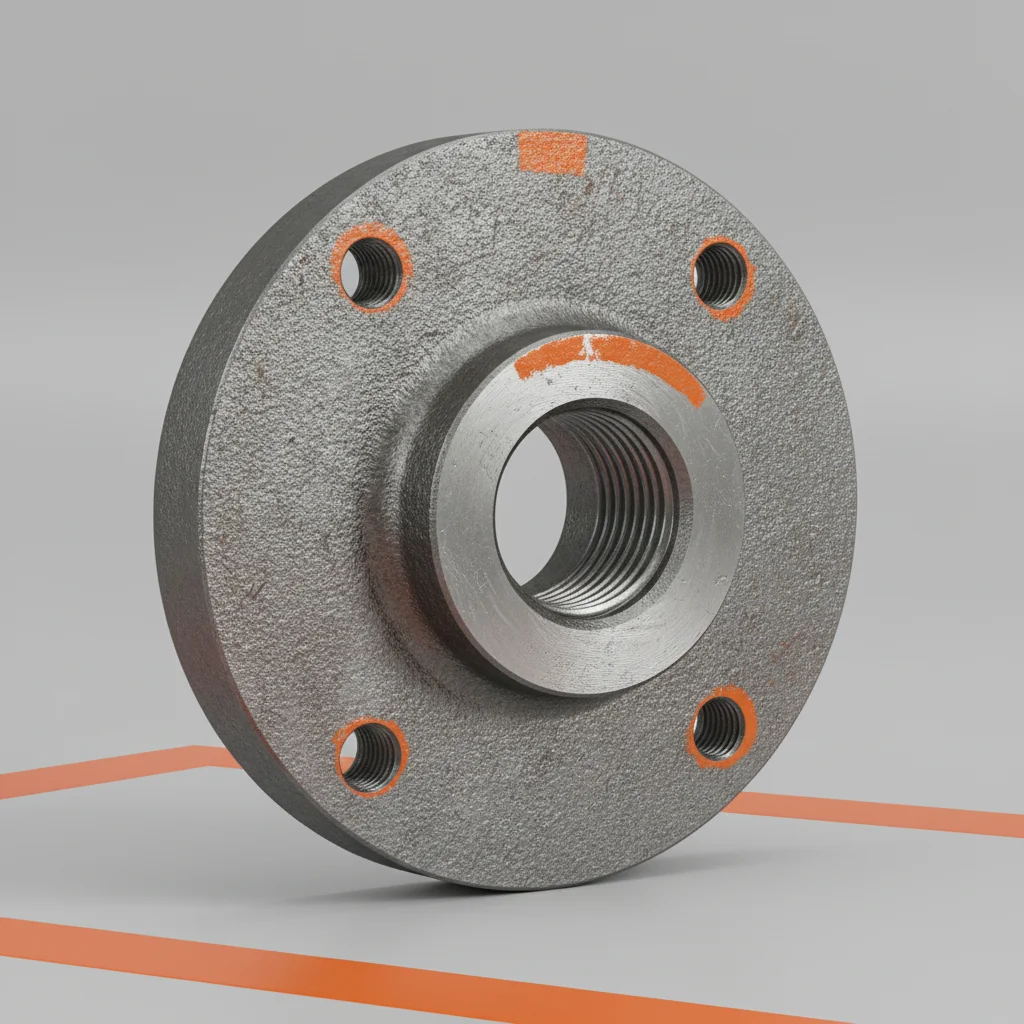
Industrial Blind Flange with Threaded Hole for Piping Systems
Apr 07,26
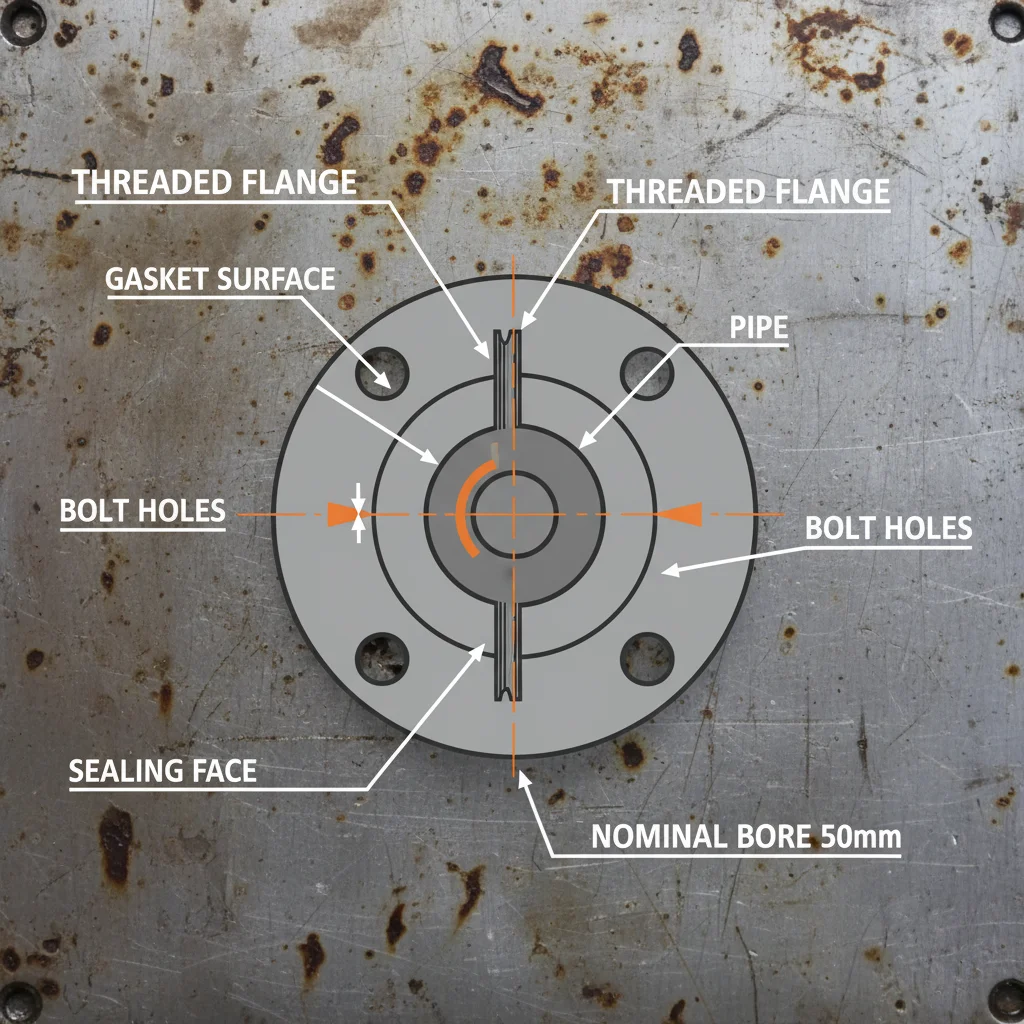
Understanding 50mm Threaded Flange Specifications for Global Commerce
Dec 02,25
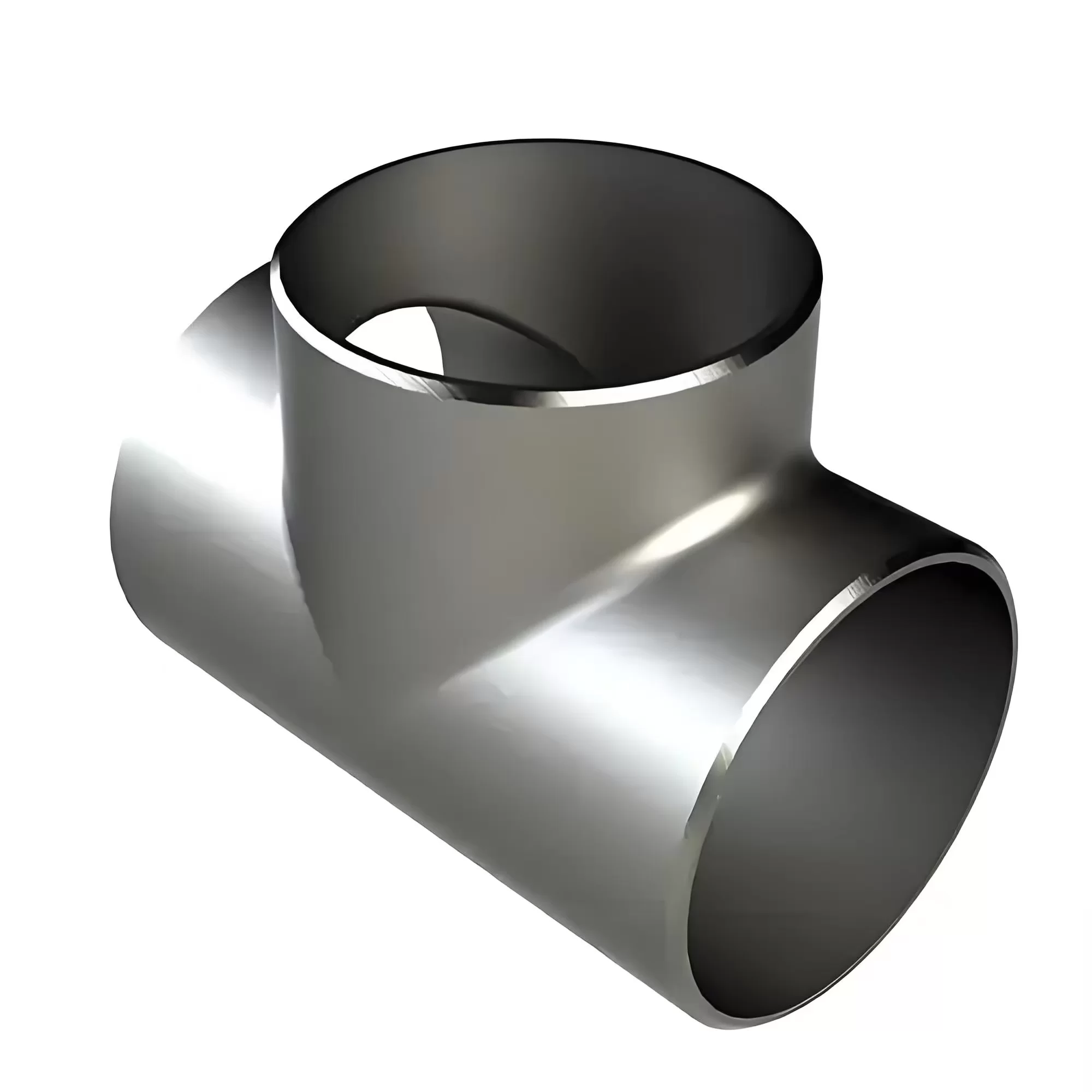
The Core Role Of The Tee In Pipeline Systems
In the complex architecture of modern pipeline systems—spanning petrochemical plants, municipal waterworks, HVAC networks, and power generation facilities—the tee fitting is arguably one of the most critical and universally employed components.
Dec 02,25
Corrosion-Resistant Flanges For Chemical And Marine Industries
Flanges are indispensable components in piping systems, serving as the critical junctions that allow for connections, maintenance, and isolation of flow.
SUBSCRIBE NEWSLETTER