Uganda Metal Fabrication Premium Industrial Piping Solutions for Uganda

  • Home
  • global service
  • Uganda Metal Fabrication Premium Industrial Piping Solutions for Uganda
Uganda Metal Fabrication Premium Industrial Piping Solutions for Uganda

Apr. 20, 2026

Uganda · Metal Fabrication

Premium Industrial Piping Solutions for Uganda

Cangzhou Weihuan Pipeline Equipment Co., Ltd. provides high-performance seamless steel pipe and precision fittings, delivering one-stop supply chain excellence to the energy, mining, and construction sectors across Uganda.


Market Challenges

Addressing Pipeline Infrastructure Hurdles in Uganda

Industrial operators in Uganda face critical bottlenecks in material sourcing and technical reliability for fluid transport systems.

Supply Chain Fragmentation

Sourcing specialized welded steel pipe often involves multiple intermediaries, leading to extended lead times and fragmented technical support for Ugandan projects.

Precision Fitting Mismatches

Inconsistent tolerances in threaded fittings often cause leakage or installation failures in high-pressure environments, increasing maintenance downtime for local petrochemical plants.

Environmental Corrosion

Uganda's varied humidity and soil conditions accelerate pipe degradation, where standard materials fail to provide the necessary longevity for underground oil and gas transmission.

High Operational Costs

Frequent replacements of low-grade piping components drive up OpEx for mining operations, as poor material quality leads to unexpected systemic ruptures.

Compliance Gaps

Difficulty in obtaining certified, traceable materials that meet international nuclear or petroleum standards hinders the progression of national key infrastructure projects.

Integration Complexity

Merging diverse pipe diameters without high-quality eccentric reducer components results in turbulent flow and inefficient fluid dynamics in chemical processing.


Our Approach

Integrated Pipeline Engineering Solutions

We bridge the gap between high-end manufacturing and Ugandan industrial needs through a platform-based supply chain.

One-Stop Supply Chain

By integrating product sales with logistical scheduling, we eliminate intermediaries, ensuring that high-grade pipes reach Uganda with full traceability and reduced lead times.

Precision-Engineered Fittings

Utilizing strict CNC machining for all threaded fittings, we ensure zero-leakage connections and perfect compatibility with international piping standards used in East Africa.

Advanced Metallurgy

We provide specialized coatings and alloy selections for pipes, specifically designed to resist the corrosive tropical soil and moisture levels typical of the Ugandan landscape.

Life-Cycle Cost Optimization

By deploying superior grade materials, we reduce the frequency of replacements, significantly lowering the total cost of ownership for mining and power plants.

Certified Quality Assurance

Our rigorous testing protocols align with global energy standards, providing the necessary documentation for nuclear, chemical, and aerospace applications in Uganda.

Flow Dynamics Optimization

Precision-manufactured eccentric reducer components ensure smooth transitions in piping, reducing pressure drops and improving system efficiency.


{Product List Placeholder 1}

Performance Metrics

Technical Excellence in Numbers

Our global track record reflects the reliability we bring to every Ugandan installation.

0+
Countries Exported
0%
Standard Compliance
0h
Technical Support
0+
Industry Sectors
0+
Years Global Expansion
0+
Project Deliveries
0%
Logistics Efficiency
0
Supply Chain Platform

Regional Analysis

The Ugandan Industrial Piping Landscape

Evaluating the convergence of infrastructure growth and material requirements in East Africa.

Uganda is currently experiencing a significant surge in industrialization, particularly within the oil and gas sectors and mineral extraction. The geography, characterized by varied elevations and humid tropical climates, places immense stress on metal structures. Consequently, there is a growing demand for high-durability spiral welded steel pipe for large-scale water and fuel transport. The market is shifting from basic procurement to seeking integrated supply chain partners who can provide verified certification and logistical reliability from port to site.

Current trends indicate a move toward "smart" pipeline management and the adoption of higher-specification alloys to reduce long-term maintenance costs. Ugandan operators are increasingly prioritizing materials that offer superior corrosion resistance and precision fitting. The rise of hydroelectric and geothermal energy projects has also increased the requirement for specialized piping that can withstand extreme temperature fluctuations and pressure variants, moving the market away from generic options toward customized engineering solutions.

While opportunities are vast, constraints remain in the form of complex inland logistics and a reliance on imported high-end components. However, the outlook remains bullish as Uganda integrates further into regional trade blocs. The primary opportunity lies in providing "certified" systems—where every pipe and fitting comes with a documented pedigree—reducing the risk for contractors managing national key projects. The future market will likely be dominated by providers who can offer digital demand docking and rapid response logistics.


Industry Journey

Evolution of Pipeline Material Standards

From basic structural steel to integrated, high-precision fluid transport systems.

Early Adoption
Standardization
Transition from local improvised piping to international standards, focusing on basic strength and pressure containment for water systems.
Recent Development
Specialization
Introduction of high-alloy and seamless options to handle corrosive chemicals and high-pressure oil, reducing systemic leakage.
Current Phase
Integration
Shift toward platform-based supply chains that integrate technical consulting, logistics, and certified manufacturing.

Material Durability Shifts

Industry focus has moved from "initial cost" to "lifecycle value." Operators now prefer materials that resist localized Ugandan soil acidity, utilizing advanced coatings to extend the lifespan of underground assets by decades.

Precision Engineering Demand

The adoption of CNC-machined fittings has virtually eliminated the "fit-and-grind" era. Modern projects require zero-tolerance components to ensure safety in high-pressure energy transmission.

Digital Supply Chains

The integration of digital demand docking allows Ugandan firms to synchronize their construction schedules with international manufacturing lead times, reducing idle site costs.


Practical Applications

Deployment Scenarios in Uganda

How our pipeline equipment solves real-world challenges across various Ugandan sectors.

01

Oil Refinery Fluid Transport in Albertine Region

In the high-pressure environments of oil extraction sites, standard pipes often succumb to internal erosion. By deploying seamless steel pipe with specific wall thicknesses, operators eliminate weld-seam vulnerabilities, ensuring a leak-proof transport system that resists the volatile nature of raw hydrocarbons under varying tropical temperatures.

02

Large-Scale Water Distribution for Industrial Parks

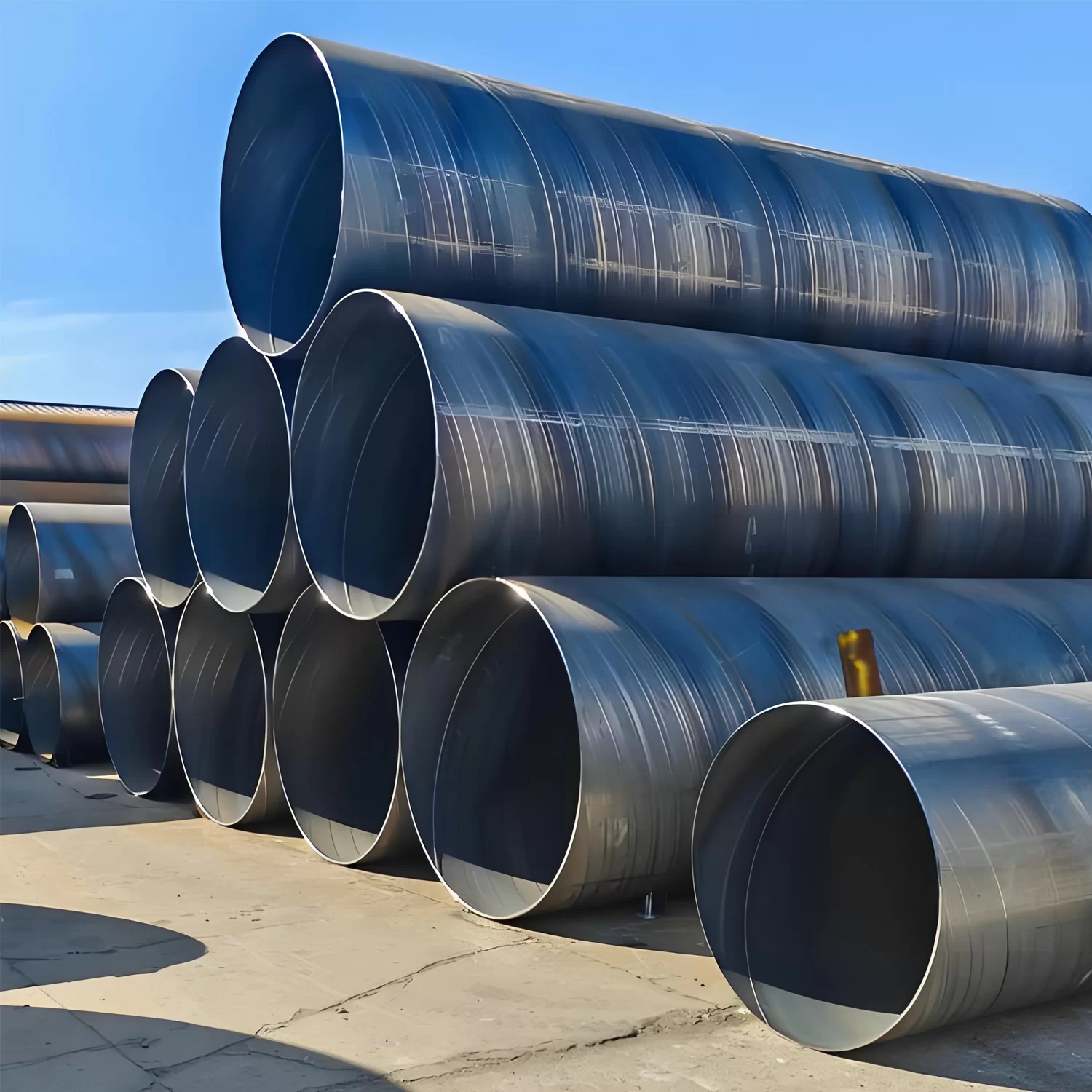
Ugandan industrial zones require massive water throughput for cooling and processing. Utilizing spiral welded steel pipe allows for the rapid installation of large-diameter mains. These pipes provide the necessary structural integrity to handle soil shifts in rural areas while maintaining a cost-effective footprint for long-distance transport.

03

Chemical Processing Plant Piping in Kampala

Chemical plants dealing with corrosive reagents require precise transitions between different vessel sizes. The use of precision-machined eccentric reducer components prevents the accumulation of stagnant fluids at the bottom of the pipe, reducing corrosion hotspots and optimizing the flow of hazardous materials.

04

Mining Slurry Transport in Eastern Uganda

Mining operations transporting abrasive slurries face extreme wear and tear. By implementing high-thickness welded steel pipes with specialized internal lining, the abrasion rate is significantly lowered. This extends the operational window between maintenance cycles and prevents catastrophic ruptures that could lead to environmental contamination.

05

Steam Distribution for Power Generation Plants

High-temperature steam lines require airtight connections to maintain thermal efficiency. The deployment of precision threaded fitting components ensures that joints remain secure under thermal expansion and contraction, preventing steam loss and enhancing the overall energy output of the plant.


Proven Excellence

Representative Deployment Contexts

Insights from typical operational environments and industrial applications.

In large-scale petrochemical projects like the Yanshan and Lanzhou Petrochemical sites, the priority is absolute structural integrity. The use of high-specification seamless piping and precision reducers ensures that high-pressure fluids are transported without the risk of weld-point failure, which is critical for maintaining safety in hazardous environments.
P
Petrochemical Project Lead
Representative Scenario

For nuclear power applications such as the Fuqing Nuclear Power Plant, traceability is as important as the material itself. Providing fully documented, certified pipe fittings ensures that every component meets the stringent safety protocols required for nuclear-grade fluid cooling systems, eliminating installation uncertainty.

N
Energy Infrastructure Manager
Illustrative Operator

In cross-border gas transmission projects, the ability to source a complete package of pipes, reducers, and threaded fittings from a single supply chain partner reduces logistics overhead and ensures that components from different batches remain compatible upon arrival at the construction site.

G
Gas Pipeline Contractor
Typical Decision Maker

Our Legacy

Cangzhou Weihuan Pipeline Equipment

A platform-based supply chain leader integrating global manufacturing with professional service.

2020
Domestic Market Consolidation

Focused on deepening cooperation with energy and petrochemical giants, providing key piping support for national projects like Yanshan and Lanzhou Petrochemical, consolidating a reputation for reliability.

2021
Specialized Service Expansion

Established dedicated service teams to customize supporting solutions for high-specification demands in nuclear power and coal-to-oil conversion projects, optimizing product selection for extreme environments.

2022
Global Strategic Layout

Launched an international expansion strategy, leveraging China's manufacturing cost and technological advantages to enter overseas markets, bringing industrial piping excellence to new regions.

2023
Africa & Middle East Growth

Expanded business coverage significantly into the Middle East and Africa, capitalizing on the surge in oil, gas, and infrastructure projects requiring high-durability pipeline equipment.

2024
Digital Platform Transformation

Accelerated transformation into a platform-based supply chain enterprise, integrating digital service platforms for product display, technical consulting, and efficient logistics scheduling.

2025
Global Network Maturity

Achieved comprehensive global coverage across Europe, Africa, the Middle East, and South Asia, establishing stable partnerships with enterprises in over 20 countries.


{Product List Placeholder 2}

Technical FAQ

Pipeline Equipment Queries

Expert answers to common technical and procurement questions for the Ugandan market.

What is the primary difference between seamless and welded steel pipes for industrial use?

Seamless steel pipes are manufactured without a weld seam, making them capable of handling significantly higher pressures and offering superior resistance to internal corrosion. Welded pipes are created by joining two edges of a steel strip. While welded pipes are more cost-effective for large-diameter, low-pressure applications (like water mains), seamless pipes are mandatory for high-pressure oil and gas transport where any seam failure could be catastrophic.

How do you ensure the quality and traceability of pipes shipped to Uganda?

We employ a rigorous Mill Test Certificate (MTC) system. Every batch of piping and fittings is accompanied by a certificate detailing the chemical composition, mechanical properties, and heat treatment of the steel. Furthermore, our platform-based supply chain tracks the product from the manufacturing site through Tianjin Port to the final destination in Uganda, ensuring that the material delivered matches the technical specifications ordered.

Why should I use an eccentric reducer instead of a concentric one in my piping system?

Eccentric reducers are designed to maintain a flat side (either top or bottom), which is critical for horizontal piping to prevent the accumulation of air pockets or liquids. In suction lines for pumps, using an eccentric reducer prevents cavitation by ensuring the fluid flow remains smooth and doesn't trap air. Concentric reducers are typically reserved for vertical lines where flow symmetry is more important than air elimination.

What considerations are necessary for selecting threaded fittings in high-humidity environments?

In humid tropical climates like Uganda, the risk of galvanic corrosion at the threaded joints is high. We recommend selecting fittings with compatible alloy grades and applying high-grade sealant or anti-corrosive coatings. Additionally, ensuring a precision-machined thread prevents "over-tightening" or "under-tightening," both of which can create microscopic gaps where moisture can penetrate and initiate corrosion.

Can your welded steel pipes handle the soil conditions found in East African regions?

Yes, provided the correct external coating is applied. For the varied soil acidity in Uganda, we suggest using 3PE (Three-Layer Polyethylene) or epoxy coatings. These barriers prevent the steel from direct contact with moisture and acidic soil components. When combined with a proper cathodic protection system, our welded pipes provide long-term stability for infrastructure projects in these geographic conditions.

What is the best way to begin a procurement process for a large-scale project in Uganda?

The most efficient approach is to provide a complete Bill of Quantities (BOQ) including required diameters, wall thicknesses, material grades, and delivery timelines. Our technical team then conducts a demand docking analysis to match your requirements with the most suitable manufacturing process (seamless vs. welded) and proposes a logistics plan that optimizes shipment from Tianjin Port to your Ugandan site to minimize downtime.


Get Expert Support

Ready to Optimize Your Pipeline Infrastructure in Uganda?

Whether you are managing a mining operation, a petrochemical plant, or a national water project in Uganda, the quality of your piping determines your operational uptime. Our team provides the technical expertise and the global supply chain resilience needed to ensure your project is completed on time and with zero compromise on safety.

Discuss Your Requirements

SUBSCRIBE NEWSLETTER

Efficient Pipe Fittings, Get Customized Solutions Immediately!

If you are interested in our products, you can choose to leave your information here, and we will be in touch with you shortly.