Jun. 25, 2026
In the complex world of industrial piping, selecting the right connection method is critical for system integrity and operational efficiency. The 8 150 slip on flange serves as a pivotal component in medium-pressure pipeline systems, offering a balance between ease of installation and reliable sealing. Designed to slip over the pipe before being welded, this specific configuration minimizes the risk of misalignment and reduces labor costs during construction. Whether you are managing a chemical plant or a water treatment facility, understanding the technical nuances of this fitting ensures long-term safety and reduced maintenance overhead. This guide explores everything from structural design to industrial application.

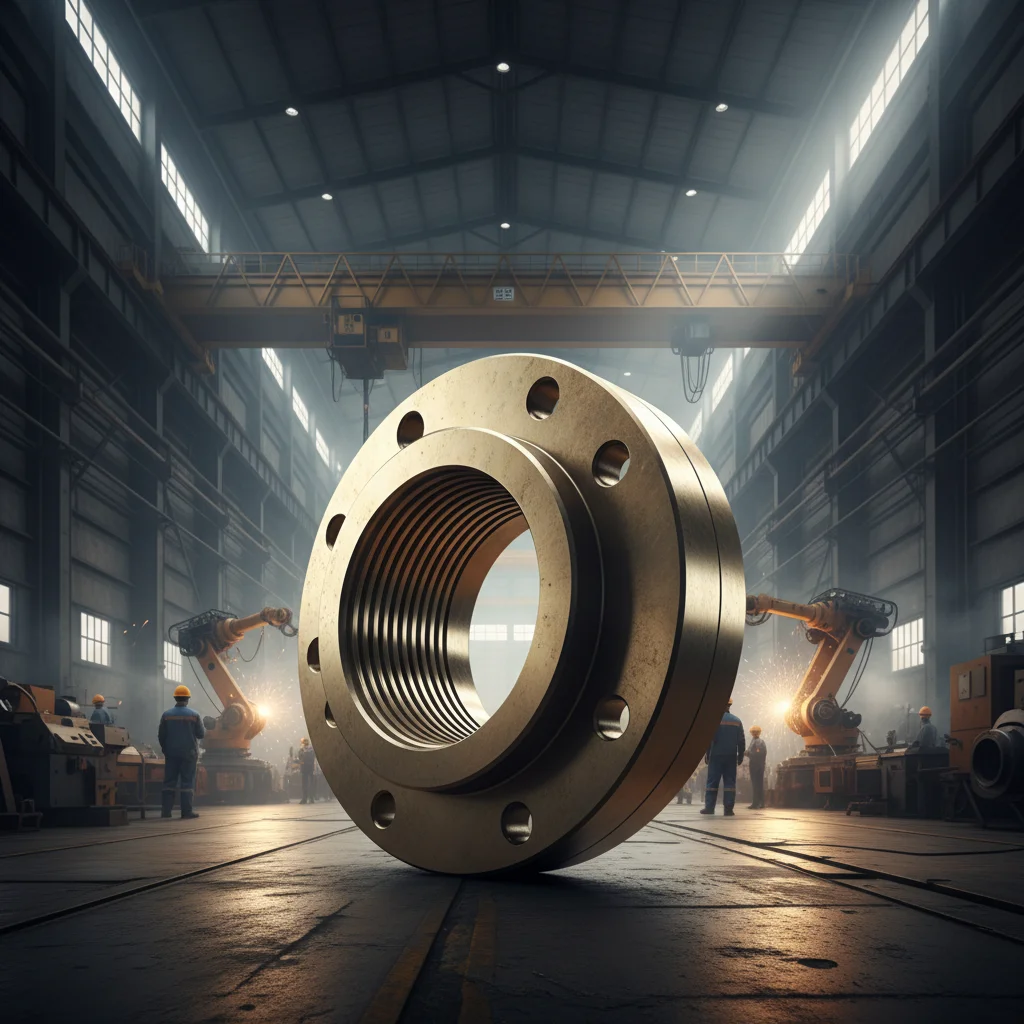
The 8 150 slip on flange is manufactured in strict accordance with the ASME B16.5 standard. The "8" refers to the nominal pipe size (NPS 8 inches), while "150" denotes the pressure class. This standard ensures that the flange is interchangeable with other components like valves and gaskets across different manufacturers globally. The slip-on design allows the flange to slide over the pipe, creating a gap that is typically fillet-welded both inside and outside. This eliminates the need for precise pipe-end machining required by weld-neck flanges, making it a highly cost-effective choice for non-critical high-pressure applications.
Industry Standard: Complies with ASME B16.5, ensuring precise dimensions for bolt holes, outer diameter, and thickness to guarantee leak-proof sealing in industrial environments.
Choosing the right material for your 8 150 slip on flange depends entirely on the medium being transported and the environmental conditions. Carbon steel (ASTM A105) is the standard for oil and gas lines due to its strength and affordability. For corrosive environments, stainless steel (304 or 316) is preferred to prevent oxidation and chemical degradation. Alloy steels are utilized when the system must withstand extreme temperatures. Proper material selection prevents premature failure and ensures the pipeline adheres to safety regulations.
Common Material Applications:
• Carbon Steel: General water, oil, and gas transport.
• Stainless Steel: Pharmaceutical, food processing, and chemical plants.
• Alloy Steel: High-temperature steam and power generation systems.
To ensure the correct fit, engineers must refer to the precise technical parameters. The 8 150 slip on flange is characterized by its Raised Face (RF) or Flat Face (FF) sealing surface, which distributes the clamping force evenly across the gasket. Below is the detailed specification table used for procurement and installation planning.
When deciding between an 8 150 slip on flange and a weld neck flange, the primary considerations are cost and stress tolerance. Slip-on flanges are easier to align and require less skilled labor for welding. However, weld neck flanges provide better reinforcement and are superior for high-pressure or cyclic loading environments. For most Class 150 systems, the slip-on variety offers the most pragmatic balance of performance and economy.
The versatility of the 8 150 slip on flange makes it an essential part of various sectors. In water treatment plants, these flanges are used to connect large-diameter filtration pipes and pump outlets. In the HVAC industry, they facilitate the installation of chilled water loops where moderate pressure is maintained. Additionally, in the petroleum sector, they are frequently used for secondary branch lines and instrumentation piping where frequent disassembly for maintenance is required. Its ability to provide a secure seal without complex machining makes it the go-to choice for rapid on-site deployment.

To maximize the lifespan of an 8 150 slip on flange, proper installation is paramount. First, ensure that the pipe is inserted fully into the flange bore to allow for a consistent weld bead. Second, applying a double fillet weld (internal and external) significantly increases the joint strength. During assembly, bolts should be tightened in a star pattern to ensure the gasket is compressed evenly, preventing leaks. Regular inspection for corrosion and bolt looseness, especially in vibrating environments, will prevent catastrophic system failures and ensure operational continuity.
The 8 150 slip on flange is more than just a piece of metal; it is a critical engineering component that ensures the safety and efficiency of industrial fluid transport. By combining the ASME B16.5 standard with high-grade materials and professional installation, companies can achieve a seamless, leak-proof pipeline system. Whether you prioritize cost-effectiveness, ease of installation, or material durability, selecting a high-quality slip-on flange is a strategic investment in your facility's infrastructure.
The primary advantage is the ease of installation and lower overall cost. Because the flange slips over the pipe, it does not require the pipe end to be beveled or machined to a precise taper, which is necessary for weld neck flanges. This reduces the time required for fabrication and allows for easier alignment during the welding process. For systems operating under Class 150 pressure ratings, the slip-on design provides sufficient strength while significantly reducing labor and material costs.
The choice of gasket depends on the medium and temperature. For general water and low-pressure applications, EPDM or Nitrile rubber gaskets are common. For high-temperature or chemical services, Spiral Wound Gaskets (SWG) with graphite filler are highly recommended. Because the 8 150 slip on flange often features a Raised Face (RF), the gasket is concentrated on the raised area, providing a superior seal by focusing the bolt load onto the sealing surface.
While they can be used, caution is required. Slip-on flanges rely on fillet welds, which are generally less resistant to fatigue and vibration than the full-penetration butt welds used in weld neck flanges. In environments with severe vibration, it is recommended to use additional pipe supports or switch to a weld neck design to prevent weld cracking. If a slip-on flange must be used, ensuring a high-quality, deep-penetration weld and using locking washers on bolts can help mitigate the risk of failure.
The 'Class 150' rating is a pressure-temperature rating defined by ASME B16.5. It does not mean the flange can hold exactly 150 psi at all temperatures. Instead, it indicates a pressure group. At ambient temperatures, a Class 150 flange can handle significantly higher pressures, but as the operating temperature increases, the maximum allowable working pressure (MAWP) decreases. This is because the strength of the metal decreases as it gets hotter. Always consult the ASME Pressure-Temperature rating tables for your specific material.

Sep 28,26
Discover NMN Innovation and Manufacturing Opportunities at SupplySide Global 2026
The global health and wellness industry is experiencing a significant transformation as consumers increasingly focus on preventive healthcare, healthy aging, and long-term vitality.
Apr 22,26
Industrial Brass Threaded Flange for Corrosion Resistant Piping

Jul 13,26
Industrial 50mm Threaded Flange Guide for Piping Systems
Apr 04,26
Understanding 300 Threaded Flanges for Global Piping System Applications

Jul 17,26
High Quality 6 inch threaded flange for Industrial Piping

Oct 15,26
Industrial China stainless steel slip on flange Guide
SUBSCRIBE NEWSLETTER