Jun. 09, 2026
In the world of industrial piping, selecting the correct connection method is critical for system integrity and long-term safety. The slip on flange is one of the most widely used components due to its ease of installation and cost-effectiveness. Designed to slide over the pipe end before being welded, this type of flange provides a secure seal and a streamlined assembly process. Whether you are working in oil and gas, chemical processing, or water treatment, understanding the nuances of this component is essential. In this guide, we will explore its design, advantages, and technical specifications to help you make an informed procurement decision.

The primary characteristic of a slip on flange is that its inner diameter is slightly larger than the outside diameter of the pipe. This allows the flange to "slip" over the pipe. To ensure a leak-proof joint, it is typically welded both internally and externally. This double-welding technique creates a robust bond that can withstand significant pressure. Because they require less precision in pipe cutting compared to weld neck flanges, they are a favorite among field installers who need a fast yet reliable solution for piping networks.
Pro Tip: Always ensure the pipe is square-cut and deburred before sliding the flange on to ensure the internal fillet weld is uniform and strong.
Efficiency and cost are the two biggest drivers when choosing a slip on flange. Unlike weld neck flanges, which require complex beveling of the pipe end, slip-ons are much simpler to align. This reduces labor costs and speeds up the installation timeline significantly. Additionally, they are generally more affordable to manufacture and purchase. While they may not be suitable for the most extreme high-pressure applications, they are more than adequate for low to medium pressure systems, making them a versatile choice for general industrial utility lines.
Why Choose Slip-On?
• Reduced Labor: No need for precise beveling of pipe ends.
• Lower Cost: More economical than weld neck alternatives.
• Easy Alignment: Simpler to fit and align during assembly.
• Versatility: Compatible with a wide range of pipe materials.
When deciding between a slip on flange and a weld neck flange, engineers must consider the operating pressure and temperature. Weld neck flanges offer superior strength and are designed for high-stress environments because their tapered hub transitions gradually to the pipe. However, for most standard applications, the slip-on variety is preferred for its practicality. The following table provides a clear comparison to help you choose the right component for your specific project requirements.
The versatility of the slip on flange makes it a staple in numerous industries. In water treatment plants, they are used for low-pressure water lines where ease of maintenance is prioritized. In the food and beverage industry, stainless steel slip-on flanges ensure hygienic connections that are easy to clean and disassemble. Additionally, they are frequently found in HVAC systems and low-pressure steam lines. Because they can be sourced in various materials—from carbon steel to duplex stainless steel—they can be tailored to the corrosive environment of any specific facility.

When ordering a slip on flange, it is vital to specify the standard (such as ASME B16.5 or EN 1092-1) and the pressure class (e.g., Class 150, 300, 600). The material choice is equally important; carbon steel is ideal for general use, while stainless steel is required for corrosive media. Ensuring that the flange dimensions match the pipe schedule prevents gaps that could weaken the weld. Below is a typical specification table used for quality control and ordering.
The slip on flange remains a cornerstone of industrial piping due to its perfect balance of cost, installation speed, and reliability. While specialized applications may require the heavy-duty nature of a weld neck flange, the slip-on variety is the ideal choice for the vast majority of low-to-medium pressure systems. By choosing high-quality materials and adhering to strict installation standards, you can ensure a safe and durable piping network. For premium quality flanges tailored to your technical requirements, trust the experts at Weihuan Tube.
While a slip on flange is highly effective for many applications, it is generally not recommended for very high-pressure or high-temperature steam systems. In such cases, the stress on the fillet weld can become a point of failure. For extreme conditions, a weld neck flange is the safer choice as it provides a butt-weld joint that distributes stress more evenly. However, for low-to-medium pressure steam lines, slip-ons are perfectly acceptable provided they are welded correctly on both sides.
To determine the correct size, you must match the nominal pipe size (NPS) of your piping. Since the flange slips over the pipe, the internal diameter of the flange is designed to accommodate the outside diameter (OD) of the specific pipe size. You should refer to the ASME B16.5 dimension tables to ensure the flange matches both the pipe diameter and the required pressure class (e.g., Class 150). Always double-check the pipe schedule (wall thickness) to ensure a proper fit for the internal weld.
The most common materials are carbon steel and stainless steel. Carbon steel (such as ASTM A105) is used for general industrial applications where cost is a priority and corrosion is not a major concern. Stainless steel (such as Grade 304 or 316) is used in chemical, pharmaceutical, and food processing industries due to its excellent corrosion resistance and hygienic properties. For highly aggressive environments, alloy steels or duplex stainless steels may be used to prevent stress corrosion cracking and pitting.
Double-welding—meaning welding both the outer face and the inner bore—is strongly recommended to maximize the joint's strength and ensure a leak-proof seal. The outer weld provides the primary structural connection, while the inner weld prevents the pipe from shifting and seals the gap between the pipe OD and the flange ID. This redundancy is crucial for maintaining the integrity of the system under pressure and prevents the ingress or egress of fluids, significantly increasing the lifespan of the connection.

Apr 22,26
Industrial Brass Threaded Flange for Corrosion Resistant Piping

Jul 14,26
How to Install a Threaded Flange Correctly: A Complete Guide for Safe and Reliable Connections
This guide explains every step of threaded flange installation, from preparation to final inspection. Whether you are an engineer, maintenance technician, contractor, or industrial buyer evaluating installation requirements, this article provides practical guidance to help you achieve reliable flange connections.

Aug 24,26
Industrial High Precision Flat Face Threaded Flange Guide
The selection of high-precision piping components is critical for ensuring the structural integrity and leak-proof performance of industrial fluid systems. Among these, the flat face threaded flange serves as a fundamental connection point, allowing for a secure, flat-surface seal that is essential when joining pipes to valves, pumps, or tanks. Its design prioritizes a wide contact area, which distributes pressure evenly across the gasket, thereby reducing the risk of failure in high-vibration environments. Globally, the demand for standardized flange solutions has surged as infrastructure projects in the energy, chemical, and automotive sectors demand higher safety margins and easier maintenance.
Mar 30,26
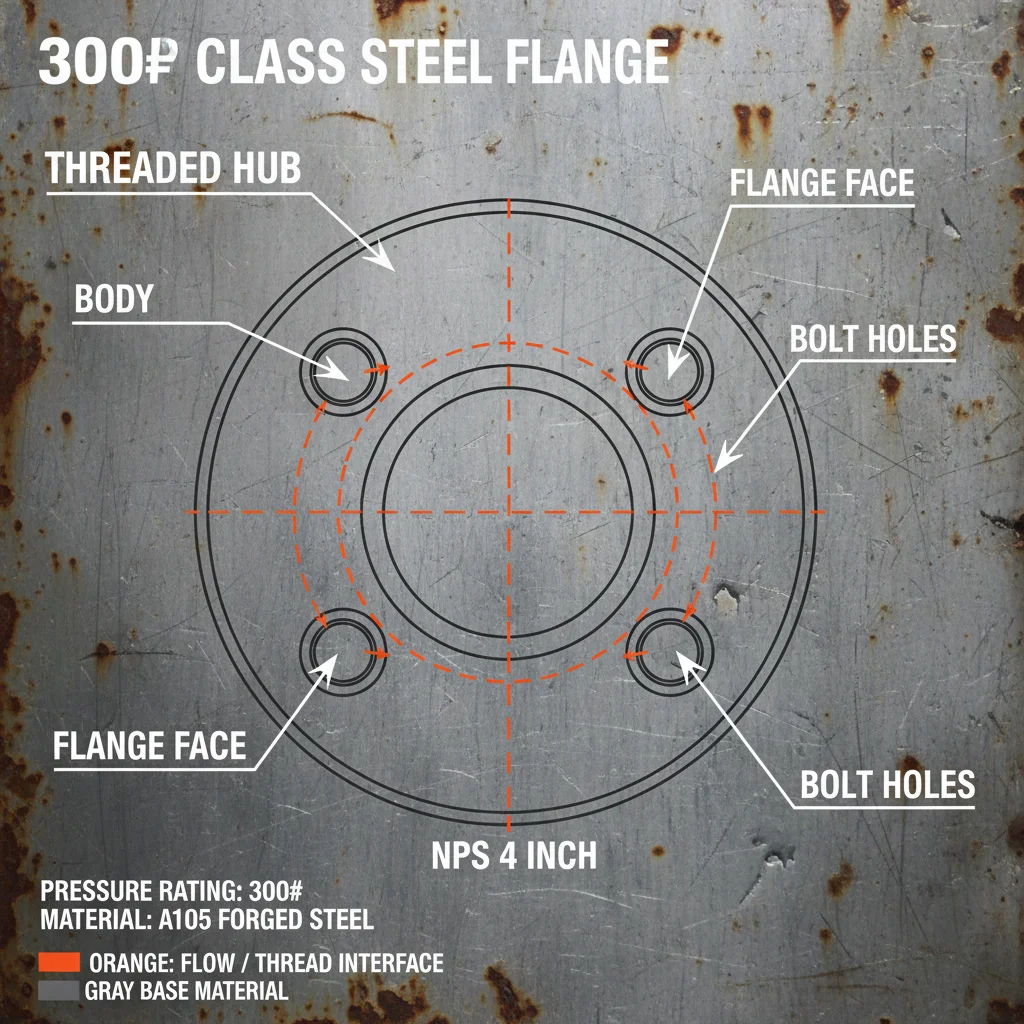
The Essential Guide to 300 Threaded Flange Selection and Reliable Performance

Jun 13,26
Industrial Piping Guide for the 2 slip on flange Solutions

Jul 14,26
Can Threaded Flanges Be Used for High Pressure?
This guide explains when high-pressure threaded flange connections are appropriate, how pressure ratings work, and what factors influence their performance.
SUBSCRIBE NEWSLETTER