Cambodia is currently experiencing a surge in industrialization, particularly in the energy, petrochemical, and water management sectors. The geography, characterized by diverse terrain and high tropical humidity, necessitates piping materials that can withstand environmental stress without losing structural integrity. Local demand is shifting from basic conduits to specialized, high-pressure systems capable of supporting modern refineries and power plants. Consequently, the market is increasingly reliant on international supply chains that can provide certified, high-grade steel products.
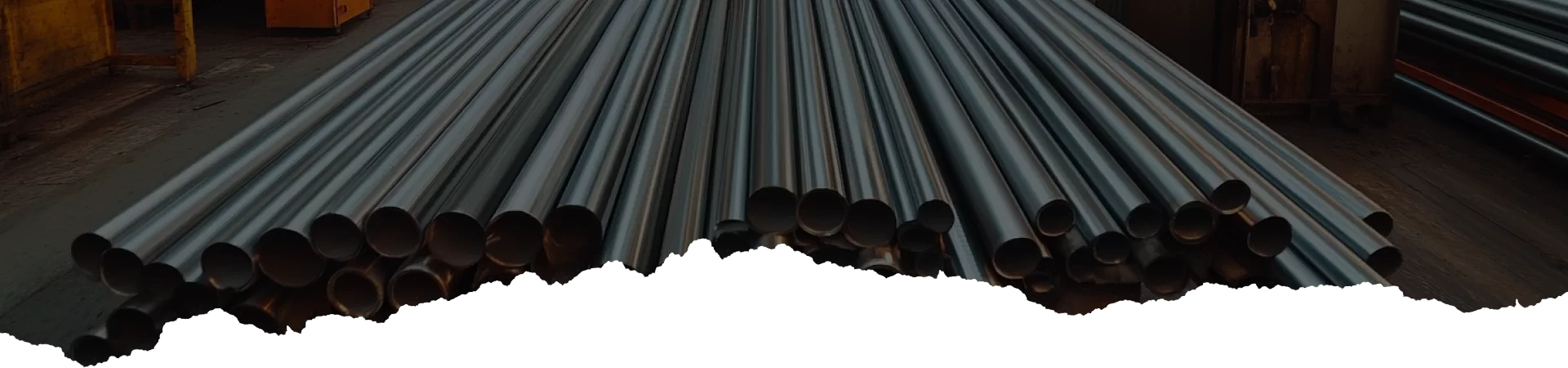
Current market trends indicate a move toward "one-stop" supply chain management. Instead of sourcing pipes and fittings separately—which often leads to compatibility issues—Cambodian developers are seeking integrated platform services. There is a growing preference for welded steel pipe solutions for larger diameter distribution networks due to their cost-efficiency and ease of transport, while high-pressure critical zones continue to demand seamless alternatives for maximum safety.
The outlook for the region is positive, with significant opportunities in the "Coal-to-Liquids" and renewable energy transition projects. However, constraints remain in terms of local technical auditing and quality control. The opportunity for suppliers lies in providing not just the product, but the technical documentation and certification required to satisfy international lenders and government regulators, ensuring that infrastructure is built to last several decades rather than years.