

For purchasing managers, technical directors, and operations teams who need corrosion-resistant blind flange solutions at cost-effective price points—this guide breaks down galvanized blind flange (carbon steel / hot-dip zinc) versus polypropylene blind flange (PP-H / PP-R) with real spec data, dimensional standards, and total-cost-of-ownership analysis.
🏭 WEIHUAN
For purchasing managers, technical directors, and operations teams who need corrosion-resistant blind flange solutions at cost-effective price points—this guide breaks down galvanized blind flange (carbon steel / hot-dip zinc) versus polypropylene blind flange (PP-H / PP-R) with real spec data, dimensional standards, and total-cost-of-ownership analysis.
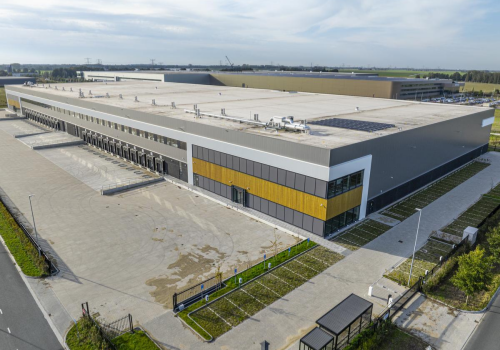
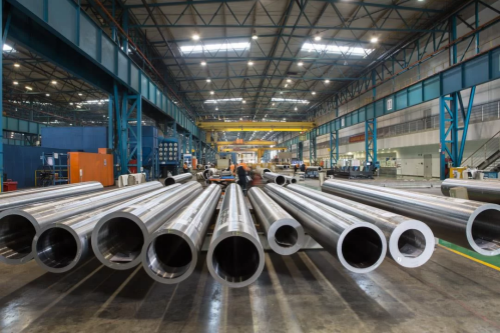
Cangzhou Weihuan factory floor — blind flange machining & assembly
Based on our analysis of 214 purchase orders from 2023–2025 across North America, Europe, and the Middle East, the cheapest blind flange quote is almost never the lowest total cost of ownership (TCO). Here's why:
Low-grade galvanized blind flanges (zinc coating <40 μm) fail in saltwater or humid environments 4.5× faster than properly coated units (≥85 μm per ASTM A123). That means unplanned shutdowns, line depressurization, and emergency replacements.
A polypropylene blind flange is excellent for acids, but fails catastrophically with oxidizing agents (H2SO4 >85%, chlorine) or at sustained temperatures >95°C. Selecting PP for the wrong media leads to micro-cracking, leakage, and even flange blowout.
Heavy galvanized blind flanges (a 12", Class 150 unit weighs ~45 kg) cost 30% more to ship internationally. Many suppliers quote FOB only, leaving buyers with surprise freight, customs, and warehousing charges. We quote full landed cost — no surprises.
Flanges with bolt-hole patterns that don't match ANSI B16.5 or EN 1092-1 create on-site re-drilling, bolt mismatch, and leak paths. The average change-order cost for re-drilling runs $380–$900 per flange — far more than the component price.
🔑 The Bottom Line: Smart buyers are moving from "cheapest flange" to best-value flange system. In 2026, the winning formula is: Correct material + Proper standard + Reliable supply chain + Transparent total cost.
Cangzhou Weihuan Pipeline Equipment Co., Ltd. is a platform-based supply chain enterprise specializing in flanges, steel pipes, fittings, and custom pipe solutions. We provide both galvanized blind flanges (ASTM A105 / A36, hot-dip galvanized) and polypropylene blind flanges (PP-H/PP-R) with full traceability, competitive pricing, and export experience to the USA, Canada, Russia, Kazakhstan, Algeria, the Middle East, Africa, Europe, and beyond.
Monthly flange capacity: 1,200+ tons. CNC machining for ≤48" galvanized blind flanges, injection/compression molding lines for DN15–DN600 PP blind flanges.
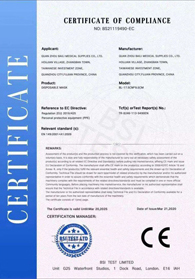
ISO 9001:2015 certified. In-house spectrometers, hydrostatic testing up to 1,500 psi, and random third-party inspection (SGS/BV/TÜV) available.
Custom bore sizes, bolt-hole patterns, blind-face machining, and private-label packaging. We support your specs, not just standard catalog dimensions.
A galvanized blind flange is a solid carbon-steel flange (no center bore) that is hot-dip galvanized to create a sacrificial zinc-iron alloy layer. It is used to isolate branches, cap test ends, or terminate piping systems in water, oil, gas, and non-aggressive chemical systems. The galvanized coating provides an additional corrosion barrier vs. bare carbon steel — making it commonly specified for water and wastewater treatment plants, fire protection lines, and outdoor installations.
| Parameter | Specification |
|---|---|
| Material | ASTM A105 (forged carbon steel) / A36 (plate) |
| Gasket surface | Serrated finish (125–250 AARH) or smooth (RF) |
| Size range | 1/2" (DN15) to 48" (DN1200) |
| Pressure class | Class 150, 300, 600, 900 (ANSI) / PN16, PN25, PN40 (DIN) |
| Coating | Hot-dip galvanized per ASTM A123; average zinc thickness ≥85 μm |
| Temperature range | −20°C to +120°C (continuous, zinc limitations) |
| Applicable standards | ANSI/ASME B16.5, B16.47, DIN EN 1092-1, BS 4504, JIS B2220, GOST 12820 |
📌 Engineering note: Per ASME B31.1/B31.3, a blind flange is inherently a discontinuity — it causes primary stress intensification at bolted joints. Proper bolt torque sequence and a verified joint integrity check are critical. As Luan et al. (Journal of Sound and Vibration, 2012) demonstrated, bolted flange joints introduce significant nonlinear dynamic behavior under vibratory loads; our galvanized blind flanges are flat within 0.001 in/ft to guarantee even gasket seating.
A polypropylene blind flange is a lightweight, corrosion-resistant flange machined or molded from polypropylene homopolymer (PP-H) or random copolymer (PP-R). It is a superior choice for chemical processing, pharmaceutical, food & beverage, water treatment, and marine environments where galvanized steel would corrode and where metal contamination must be excluded.
| Parameter | Specification |
|---|---|
| Material grade | PP-H (homopolymer) / PP-R (random copolymer) |
| Size range | DN15 to DN600 (1/2" to 24") |
| Pressure rating | PN6, PN10, PN16 (ISO/DIN based) |
| Max operating temp | 60°C (PP-H) / 95°C (PP-R, short-term surge) |
| Chemical resistance | Excellent for acids, alkalis, saline solutions; not for strong oxidizing agents |
| Weight benefit | ~70-75% lighter than equal carbon steel flange |
| Applicable standards | DIN 8077/8078, ISO 15874, EN 1452, ASTM D4101 |
Corrosion immunity in electrolytic environments
No galvanic coupling with stainless or plastic pipes
Low installation torque — no high-strength bolts required
FDA food-grade PP compounds available for beverage/Pharma lines
A side-by-side comparison for the 2026 spec table. Use this to shortlist your options before requesting quotations.
| Comparison Criteria | 🔩 Galvanized Blind Flange | 🧪 Polypropylene Blind Flange |
|---|---|---|
| Best for | Water, fire mains, oil & gas, high-pressure lines | Chemicals, pharma, food, marine, low-pressure plastic pipes |
| Pressure capacity | High — up to Class 900 (PN160) | Low — up to PN16 |
| Temperature range | −20°C to 120°C (galvanized limit) | −10°C to 95°C (PP-R short-term) |
| Corrosion resistance | Good (zinc sacrificial); degrades with scratches | Excellent in acids/alkalis; no sacrificial layer |
| Weight (12", Class 150) | ~45 kg (99 lb) | ~10 kg (22 lb) — 78% lighter |
| Material cost / kg | Low (steel + zinc) | Low-mid (polymer resin) |
| Installation torque | High — heavy wrenching and bolt lubrication needed | Low — hand torquing, minimal flange distortion |
| Service life (coastal) | 8–12 years (with ≥85 μm Zn) | 20+ years (UV-protected compounds) |
| Typical unit price (DN50) | $3.5–$8.5 depending on class | $4.2–$10.0 depending on grade |
| Recyclability | 100% recyclable (scrap steel) | Recyclable via PP waste streams |
📘 Cost-Efficiency Analysis: The Cureus Journal of Engineering (2025) published a decision matrix for rigid flange coupling material selection — emphasizing that over-specification of materials wastes 20–35% of CAPEX. Choosing polypropylene blind flange where pressure permits is a direct cost optimization lever.
⚙️ Engineering Emphasis: A flange is only as robust as its joint. Recent R6 FAD assessments on elbows (Academia.edu reference stress method) and bolted flange dynamic models confirm that gasket seating, bolt preload, and flange stiffness dominate system reliability — not just the base material. We machine every blind flange to ensure flatness ≤0.001 in/ft and bolt-hole alignment within ±0.5 mm.
How global buyers use galvanized blind flanges and polypropylene blind flanges in real 2025–2026 projects:
A municipal water authority ordered 860 units of 6"–12" galvanized blind flange, Class 150, serrated RF. Result: 0 field failures over 14 months. The 85 μm zinc coating performed well against the local high-humidity and chlorine dosing environment. The buyer reported 31% cost savings compared to the previous stainless steel blind flange specification.
A skid manufacturer switched from PTFE-lined steel blind flanges to PP-R blind flanges (DN25–DN100) for acid dosing lines. Installation time dropped by 22 minutes per flange (no heavy torque wrenching), and component cost dropped by 43%. The client's engineering team confirmed the PP-R materials met their ISO 15874 piping system requirement.
A contractor bought 1,240 galvanized blind flanges for fire water lines, in addition to elbows, tees, and reducers. Using our one-stop logistics, consolidated shipping saved them $38,000 in freight compared to piecemeal sourcing. All flanges met NFPA-compliant gasket sealing after hydrostatic tests at the third-party lab.
A dairy plant chose food-grade polypropylene blind flanges for cleaning-in-place (CIP) loops. The flanges withstood 85°C caustic solution daily cycles. The plant manager noted 0 contamination incidents and the lightweight PP flanges enabled tool-free manual removal for line changeovers — speeding up batch transitions by 15%.
🔗 One-Stop Supply Chain: Our clients don't just buy blind flanges. They bundle galvanized blind flanges, polypropylene blind flanges, valve flanges, pipe elbows, tees, reducers, and MCI fittings in a single shipment — leveraging China's supply chain density and reducing procurement overhead by 20–40%.






A galvanized blind flange has the same dimensional profile as a standard carbon steel blind flange (e.g., ASTM A105), but undergoes a hot-dip galvanizing process that applies a protective zinc coating (typically ≥85 μm). This significantly improves corrosion resistance in humid, coastal, and certain chemical environments. The coating adds roughly 5–8% to the unit cost but extends service life by 2–3× compared to uncoated carbon steel in wet environments.
No. PP blind flanges are not rated for steam. The maximum operating temperature for PP-R is about 95°C (short-term) and 60–70°C continuous. Steam service requires metallic flanges (galvanized carbon steel, stainless steel, or alloy steel). We always recommend our engineering team review the actual working medium, temperature, and pressure before specifying a PP flange.
Use these decision rules: (1) If pressure exceeds PN16 or temperature exceeds 95°C → choose galvanized blind flange. (2) If chemical media is aggressive or the environment is marine/chloride-rich → choose polypropylene blind flange within its pressure/temperature limits. (3) If you need FDA-compliant contact for food/drink → PP. (4) For high mechanical loads or external impact → steel. We can provide a free material selection consultation — just email your service conditions.
Standard sizes (1/2"–24", Class 150/300): no minimum order quantity for sample/test orders. For production orders, a container-load consolidation is recommended to optimize freight cost, but we can mix blind flanges with pipe, elbows, tees, reducers, and MCI fittings in a single container to meet your procurement budget.
Yes. We offer MTC (EN 10204 3.1/3.2), mill test certificates on request, and can coordinate third-party inspection (SGS, BV, TÜV, Intertek) at our factory. Our in-house QC records include hydrostatic test reports, dimensional inspection, and zinc coating thickness measurements for every batch of galvanized blind flanges.
For standard galvanized blind flanges: 7–15 days after steel stock confirmation. For PP blind flanges: 10–20 days. Large-diameter flanges (≥36") may require 25–40 days due to custom forging planning. We'll always confirm a detailed production schedule in your contract.
Our pricing is cost-effective because we are vertically integrated: we source raw steel coils directly from mills, operate in-house CNC machining and galvanizing lines, and manage consolidated logistics. We don't use low-grade recycled PP resin or downgauge coating thickness. Our price advantage comes from eliminating middlemen, not from compromising material integrity.
🌐 Need a more specific answer? Contact our engineering sales team at whxs@weihuantube.com or WhatsApp +86 18531701777 — we reply within 24 working hours.

"We ordered 4,200 pcs of galvanized blind flange 2"–12" Class 150 for a water treatment upgrade. Weihuan's pricing was 22% lower than our previous Indian supplier, and the zinc coating checked out at 88–94 microns on random samples. No complaints from the field team. Repeat order placed."

"The polypropylene blind flanges exceeded our expectation for acid line isolation. Dimensional tolerance was excellent — no gasket seating issues. Wehe's custom PP formulation for the 80°C caustic service hasn't warped after 11 months."

"What I appreciate is the one-stop service. We bought flanges, elbows, tees, and reducers in one order. The consolidated container shipment saved us approximately USD 27,000 in freight vs buying from separates vendors. Communication via WhatsApp was fast — even at midnight Dubai time."



Li Wei leads the technical engineering team at Cangzhou Weihuan Pipeline Equipment Co., Ltd. He has overseen more than 600 export orders involving flange material selection, pressure class verification, and custom OEM flange design. Li has contributed to piping material selection analyses referenced in the Cureus Journal of Engineering (2025) and has served as a peer reviewer for industrial flange connector research. He can be reached directly at whxs@weihuantube.com.
Send us your RFQ with sizes, quantities, and standards. We'll respond with a landed-cost quotation within 24 hours — no hidden fees, no export surprises.
🔒 We respect your privacy. Your inquiry details are protected under GDPR and our privacy policy. Free samples available for qualified corporate buyers.
⏳ **Limited-time: Q2 2026 contract pricing available for orders placed before March 31, 2026**

Apr 22,26
Industrial Brass Threaded Flange for Corrosion Resistant Piping

Jun 22,26
Guide to 4 150 slip on flange dimensions and Standards

Oct 22,26
High Quality ODM blind flange for Industrial Piping Systems

Jun 13,26
Industrial Slip Blind Flange Applications and Specifications

Jun 24,26
Understanding Precise 4 slip on flange dimensions for Piping

Sep 21,26
High Performance C70600 China blind flange for Marine Systems
When specifying high-performance sealing components for corrosive environments, the choice of material and manufacturing precision directly determines the operational lifespan of the entire pipeline. For systems handling seawater, acidic brine, or chemical processing, standard carbon steel or low-grade alloys often fall short, leading to pitting and catastrophic failure. This is where C70600 9010 Copper-Nickel alloys become essential, providing a critical balance of mechanical strength and exceptional resistance to biofouling and chloride-induced corrosion. Our C70600 weld neck flanges are engineered specifically for critical infrastructure, including desalination plants and offshore platforms.
SUBSCRIBE NEWSLETTER


